
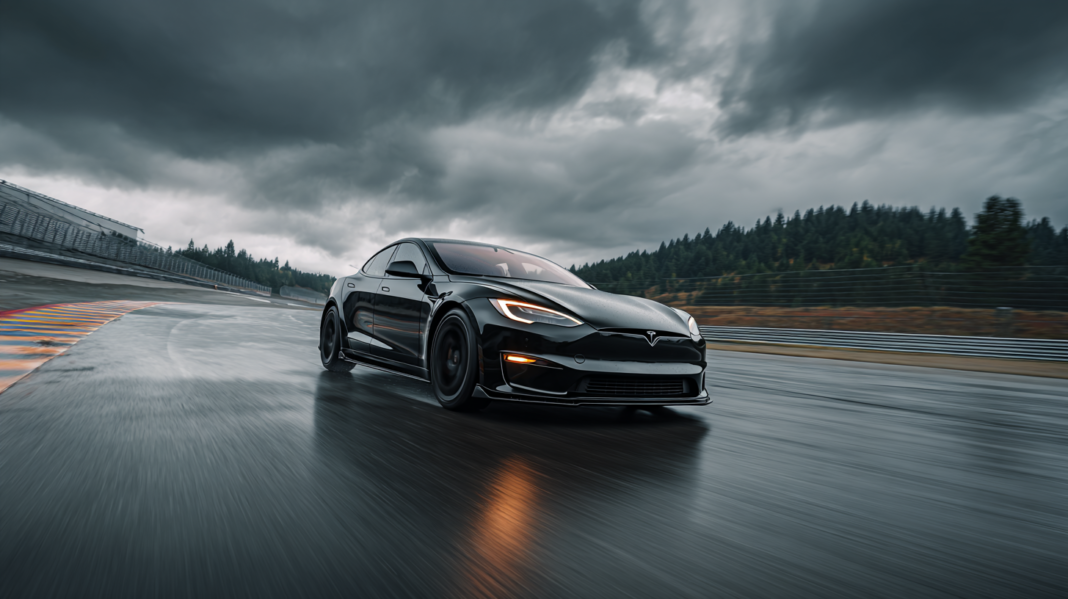
Portland International Raceway sits on the banks of the Columbia Slough, just minutes from downtown Portland, Oregon. The track has hosted everything from IndyCar to NASCAR to motorcycle racing. On a damp October weekend, it is hosting an entirely new kind of event: an electric GT racing series.
The cars are silent. They glide through the Festival Chicane without a sound, their tires squealing in protest. The only noise is the rush of air over the bodywork and the occasional crackle of a high voltage system. The crowd is smaller than it would be for a combustion race. Some of the spectators look confused.
Formula E has been racing for a decade. Electric GT series are emerging around the world. EV track days are becoming common. But a question lingers: without engine sound and the drama of combustion, are we watching a different sport?
This article explores the rise of electric motorsport, what has been lost, what has been gained, and whether the soul of racing can survive the transition.
The Sound: What We Have Lost
The sound of a racing engine is part of the experience. The high pitched wail of a Formula 1 car at 18,000 rpm, the deep rumble of a NASCAR V8, the scream of a Group B rally car these sounds are visceral, emotional, and unforgettable.
Electric race cars are quiet. The motors produce a high frequency whine, but it is not loud. It does not resonate in the chest. It does not announce the car’s presence from a mile away.
At Portland International Raceway, a combustion race would fill the neighborhood with noise. The electric race is barely audible outside the track gates. Some residents appreciate this. Some fans miss it.
The sound of racing is not just entertainment. It is information. Drivers use engine notes to gauge revs, to time shifts, to sense the car’s state. Spectators use sound to follow the action, to feel the speed, to connect with the cars.
Without sound, something is missing.
The Drama: What We Have Gained
Electric motorsport has different drama. The acceleration is breathtaking. Electric cars can out accelerate combustion cars out of corners. The torque is instant, and the power delivery is relentless.
The racing is often close. Formula E races are known for tight packs, frequent overtakes, and chaotic finishes. The street circuits are narrow, and the cars are fragile. Mistakes are punished.
The engineering is fascinating. Battery management, thermal control, and energy recovery are new variables that do not exist in combustion racing. Teams can win or lose based on how well they manage their energy.
The drama is different, but it is still drama.
The Portland Race: A First-Hand Account
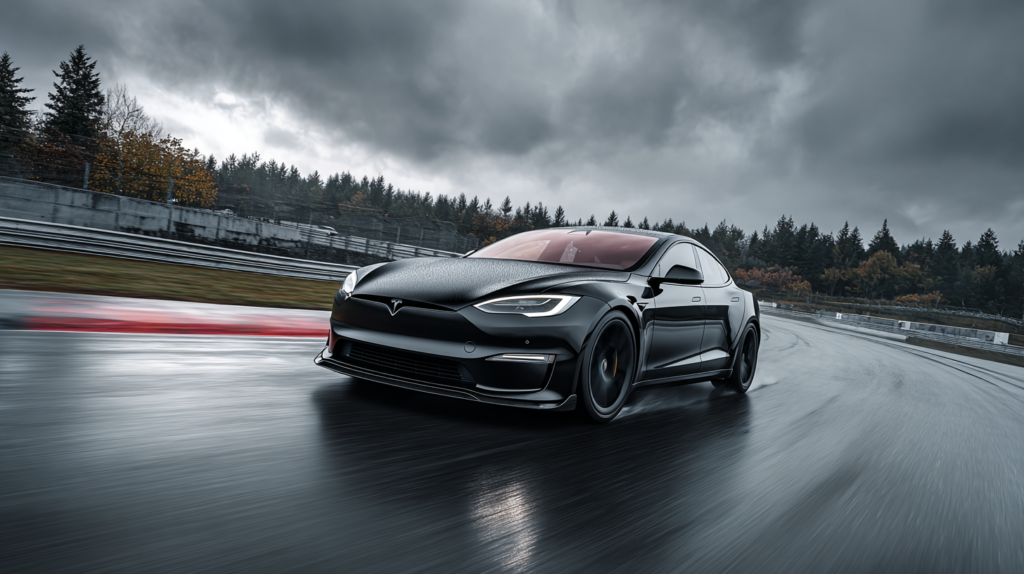
The electric GT race at Portland International Raceway is a 45 minute sprint. The cars are modified production EVs: Porsche Taycans, Tesla Model 3s, and a few custom built machines.
The start is eerie. The cars do not rev. They simply move. The acceleration is brutal, but the silence is unsettling.
Midway through the race, a Porsche and a Tesla battle for the lead. They swap positions three times in a single lap. The crowd cheers. The cars are fast. The racing is good.
But after the race, a fan sums up the feeling. “That was exciting,” he says. “But I miss the noise.”
The Drivers’ Perspective: What Do They Think?
Drivers who have competed in both combustion and electric series have mixed opinions.
Some appreciate the precision. Electric cars respond instantly to throttle inputs. There is no lag, no delay, no waiting for the engine to spool. The car does exactly what the driver asks.
Some miss the feedback. An electric motor provides less sensory information than a combustion engine. The driver cannot hear the revs, cannot feel the vibrations, cannot sense the edge of the performance envelope as clearly.
Formula E driver Lucas di Grassi has described electric racing as a different discipline. “It is still racing,” he says. “But the tools are different.”
The Fans’ Perspective: Are They Showing Up?
Formula E attendance has grown, but it still lags behind Formula 1. The races are held on street circuits in major cities, which makes them accessible to new audiences. But the spectacle is different.
Fans who attend Formula E races often comment on the lack of noise. “It is like watching a video game,” one fan said at a recent race. “The cars are fast, but they do not feel real.”
The counterargument is that younger fans do not miss the noise. They grew up with electric cars. They are accustomed to silence. For them, the racing is about the action, not the sound.
What Has Been Lost
- The visceral impact of a screaming engine
- The ability to follow the action by sound
- The tradition of engine notes as part of a car’s identity
- The sense of danger and power that comes from a loud engine
What Has Been Gained
- Instant torque and breathtaking acceleration
- New engineering challenges
- Access to street circuits that would not allow loud engines
- A quieter experience for nearby residents
The Portland Evening: A Walk Through the Paddock
The race is over. The cars are silent, plugged into chargers. The paddock is quiet. A few years ago, this same track would have been filled with the smell of race fuel and the sound of engines warming up.
Now, there is only the hum of battery cooling fans.
A young fan walks past a row of Teslas. She is 12 years old. She has never been to a combustion race. She does not know what she is missing.
She points to a car. “That one is my favorite,” she says. “It is so fast.”
For her, this is racing. The sound does not matter.
The Future: Will Combustion Racing Survive?
Combustion racing is not going away. Formula 1 has committed to sustainable fuels that will preserve the sound of the engine. NASCAR is experimenting with hybrid systems but has no plans to go fully electric. The aftermarket and grassroots racing will keep combustion alive for decades.
But electric motorsport is growing. It will eventually become dominant. The transition may take 20 or 30 years, but it will happen.
The question is not whether electric racing will replace combustion racing. It is whether the soul of racing can survive the transition.
The Verdict: Are We Losing the Soul of Racing?
The soul of racing is not the engine. It is the competition, the skill, the danger, and the drama. The engine is a vessel, not the message.
Electric racing has competition. It has skill. It has danger. It has drama.
What it does not have is the sensory overload of a combustion engine. That is a loss. But it is not the loss of the soul.
The soul of racing is the driver, the car, and the track. The engine is just the soundtrack.
The Portland Sunset
The sun sets over the Columbia River. The electric GT cars are loaded onto trailers. The paddock empties. The track goes quiet.
A few fans linger, talking about the race. They are excited. They are engaged. They are fans of racing, not just of engines.
Maybe that is enough.
Comparison: Combustion vs Electric Racing
| Aspect | Combustion Racing | Electric Racing |
|---|---|---|
| Sound | Loud, visceral, emotional | Quiet, high frequency whine |
| Acceleration | Strong, but with lag | Instant, brutal |
| Engineering Focus | Engines, aero, tires | Batteries, motors, energy management |
| Track Access | Limited by noise restrictions | Broad access, including city circuits |
| Fan Appeal | Traditional, established | Growing, younger demographic |
Conclusion
The rise of electric motorsport is inevitable. Formula E is established, electric GT series are emerging, and EV track days are growing. The transition will take time, but it will happen.
Something is being lost. The sound of a racing engine is a visceral, emotional, irreplaceable part of the experience. It will be missed.
But something is being gained. New engineering challenges, new access to city circuits, and a new generation of fans who do not miss the noise.
The soul of racing is not the engine. It is the competition. And that remains.
The last trailer leaves Portland International Raceway. The track is empty. The silence is complete. The electric cars are gone, but the racing will return. Different, but still racing.

