Home Blog

The Corvette Evolution: How America’s Legend Climbed from Ultimate Sports Car to Hypercar Rival

0
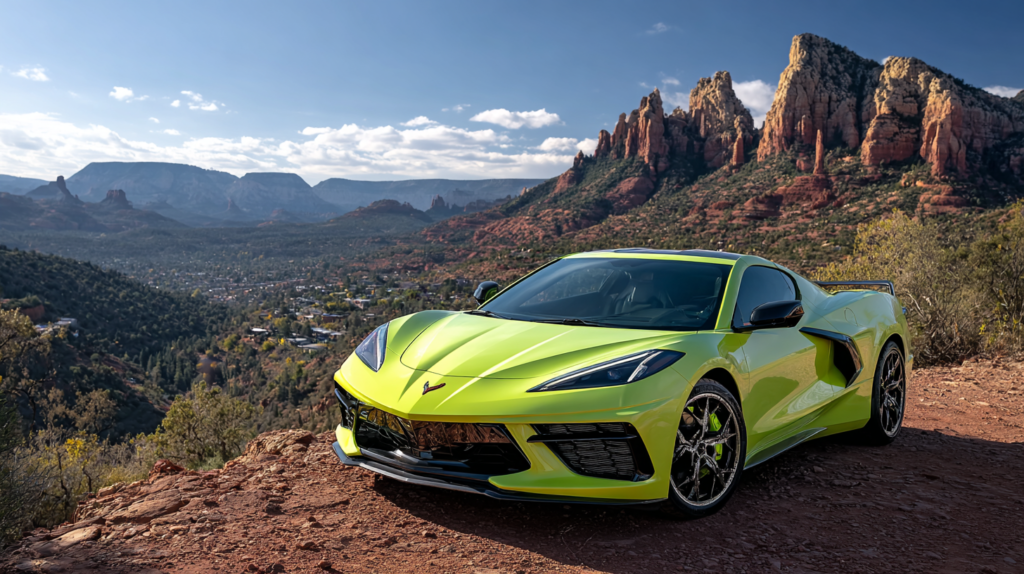
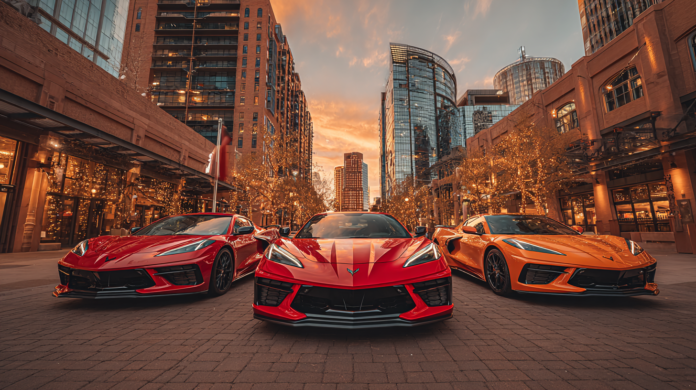
The Corvette C8 ultimate lineup, Stingray, Z51, GS, GSX, Z06, Eray, ZR1, ZR1X

Introduction: The Corvette C8, One Name, Nine Personalities

The Chevrolet Corvette has transformed. What began as a simple American sports car has branched into a family of vehicles so diverse that the lineup now spans from accessible entry performance to machines that challenge hypercar territory. A drive through the twisting tarmac northeast of Scottsdale, where the Sonoran Desert meets rocky inclines and high-speed straightaways, reveals something surprising. Not all Corvettes feel like Corvettes. And that is exactly the point.

Before we dive into the nine current models, it helps to remember where this all started. The Corvette began in 1953 as the C1, a stylish but modestly powered roadster with a six-cylinder engine. The C2 introduced the Sting Ray name and independent rear suspension. The C3 brought long hoods and dramatic curves. The C4 returned to performance roots with a modern chassis. The C5 fixed the rear end and introduced the LS engine family. The C6 refined the formula with round taillights and the brutal ZR1. The C7 went global with a more angular design and the wild Z06. And now the C8 changed everything by moving the engine behind the driver. Each generation added a chapter to the story. The nine models below represent the current climax of that evolution.

This comparison examines nine distinct Corvette models within the C8 generation. Each serves a different driver. Each responds differently when pushed to its limit. And each occupies a specific segment, from sports car to hypercar.

Understanding the Corvette C8 Lineup: A Segment-by-Segment Breakdown

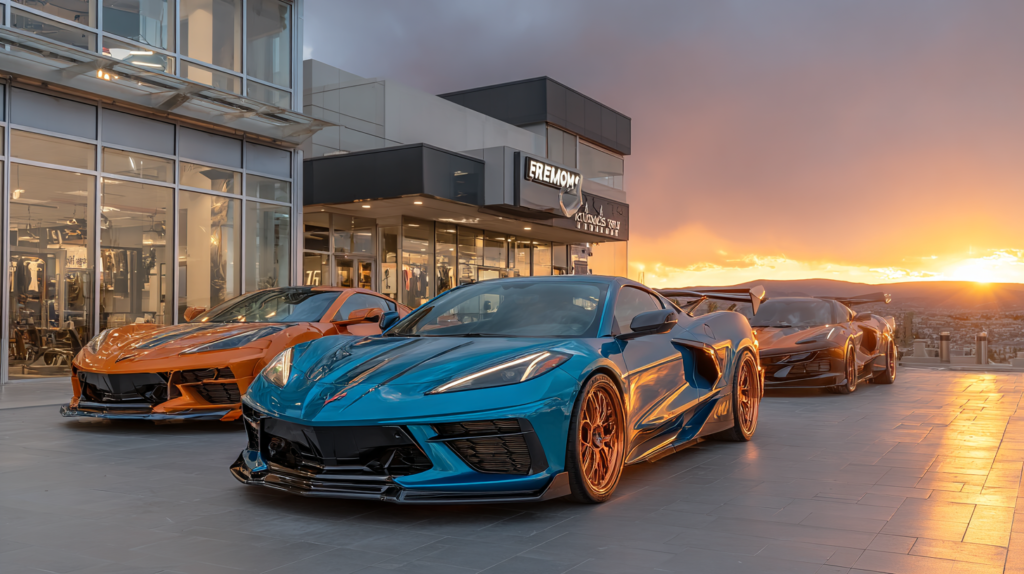
Before analyzing how each model behaves on the road, it helps to understand where each fits in the performance hierarchy. The Corvette family now spans four performance tiers:

SegmentModels IncludedCore Purpose
Sports Car (High-Performance)StingrayEntry-level performance, daily usability
Sports Car (Track-Oriented)Stingray Z51Enhanced grip, track-day readiness
Sports Car+ / Entry SupercarGrand SportDriver engagement, linear power delivery
Supercar (AWD Hybrid)E-RayAll-weather capability, instant torque
Supercar (GT-Leaning)Grand Sport XLong-distance comfort, planted handling
Supercar (Track-Focused)Z06High-rpm power, precision driving
Supercar+ / Near-HypercarZR1Extreme ICE performance, rear-drive character
HypercarZR1XMaximum everything, physics-defying grip

Chapter 1: The Entry Point – Corvette Stingray

Starting MSRP: $70,000–75,000
Drivetrain: Rear-wheel drive
Powertrain: 6.2-liter naturally aspirated V8 (LT2)
Horsepower: 490
Peak RPM / Redline: 6,600 rpm
Core Identity: Entry performance
Segment Classification: Sports Car (High-Performance)

The Stingray serves as the gateway. But do not let the words “entry performance” fool you. Even this base model feels like a supercar. The mid-engine layout, a first for a production Corvette, places the driver closer to the front axle while the engine sits behind the cabin. The result is a polar moment of inertia that allows the car to rotate faster than any front-engine Corvette in history. On the roads near Bartlett Lake, where long sweepers allow for steady throttle application, the Stingray feels composed and exotic. The 490 horsepower reaches the rear wheels through a predictable chassis that does not surprise the driver. Steering feedback is direct without being nervous. The cabin feels special. The engine note, while quieter than the higher trims, still barks with authority above 4,000 rpm.

What happens when you push it: The Stingray remains predictable and balanced. The rear end steps out gradually, giving the driver time to correct. Understeer is minimal. The car forgives small mistakes in throttle or steering input. A novice driver can approach the limit without fear. An experienced driver can hold the car at the edge of traction for extended periods. The base car communicates like a supercar should, with a clear sense of where the grip ends and the slide begins.

Best for: First-time sports car owners, daily drivers who want weekend fun, drivers who value predictability over aggression.


Chapter 2: The Sharper Sibling – Corvette Stingray Z51

Starting MSRP: $77,000–85,000
Drivetrain: Rear-wheel drive
Powertrain: 6.2-liter naturally aspirated V8 with performance exhaust (LT2)
Horsepower: 495
Peak RPM / Redline: 6,600 rpm
Core Identity: Sharper Stingray
Segment Classification: Sports Car (Track-Oriented)

The Z51 package adds more than five horsepower. It adds cooling, brakes, suspension tuning, and an electronic limited-slip differential. On the ascent toward Bartlett Lake, where the road tightens and elevation changes, the Z51 feels more planted than the base Stingray. The body rolls less. The brakes inspire confidence after multiple hard stops. The performance exhaust changes the sound character, adding a snarl that was missing on the base car.

What happens when you push it: Grip levels rise noticeably compared to the base Stingray. The car rotates more willingly into corners. At the limit, the Z51 remains forgiving but playful. The rear end moves under power in a controlled manner. Drivers can adjust their line with throttle inputs. The car does not snap unexpectedly. It communicates clearly through the steering wheel and seat.

Best for: Track day enthusiasts, drivers who want more capability without losing daily usability, those who plan to push the car regularly.


Chapter 3: The Driver’s Choice – Corvette Grand Sport

Starting MSRP: $88,495
Drivetrain: Rear-wheel drive
Powertrain: 6.7-liter naturally aspirated V8 (LS6)
Horsepower: 535 (estimated)
Peak RPM / Redline: 7,200 rpm (estimated)
Core Identity: Driver’s car
Segment Classification: Sports Car+ / Entry Supercar

The Grand Sport represents a shift. The larger 6.7-liter engine revs higher. The power delivery feels linear, meaning acceleration builds smoothly rather than surging. On the straight sections near the Bartlett Lake dam, the Grand Sport pulls hard but predictably. The engine note changes character above 5,000 rpm, encouraging the driver to explore the upper ranges. This is the car for drivers who believe that connection matters more than outright speed.

What happens when you push it: The Grand Sport rewards consistency. Unlike the Z51 which invites playfulness, the Grand Sport wants smooth inputs. Abrupt steering or throttle application upsets the balance. But with smooth driving, the car delivers remarkable grip and corner exit speeds. Confidence builds as the driver learns the car’s rhythm. The limit is high but clearly marked. Push past it and the car provides warning through understeer before any sudden behavior.

Best for: Experienced drivers who value chassis feedback over raw power, canyon carvers, drivers who enjoy building skill over time.


Chapter 4: The Hybrid Revolution – Corvette E-Ray

Starting MSRP: $108,000–115,000
Drivetrain: All-wheel drive (electric AWD)
Powertrain: 6.2-liter V8 plus front electric motor
Horsepower: 655 combined
Peak RPM / Redline: 6,600 rpm (gas engine)
Core Identity: Hybrid performance
Segment Classification: Supercar (AWD Hybrid)

The E-Ray changes the formula. Electric motors power the front wheels while the V8 drives the rear. This creates all-wheel drive without a physical connection between front and rear axles. On the dusty shoulders of the Bartlett Lake road, where loose gravel meets pavement, the E-Ray finds grip where rear-drive Corvettes would spin. It is the Corvette for people who live where seasons change.

What happens when you push it: Instant torque from the electric motor transforms launches. The car jumps forward without waiting for engine rpm to build. The front wheels pull through corners, reducing understeer. Stability is remarkable. The E-Ray feels almost impossible to spin. However, the added weight of the hybrid system becomes apparent in quick transitions. The car feels heavier than the Grand Sport despite having more power. At the limit, the E-Ray is very stable but less playful than rear-drive models.

Best for: Drivers in snowy or rainy climates, those who want supercar performance with year-round usability, drag strip enthusiasts who value consistent launches.


Chapter 5: The All-Weather Performer – Corvette Grand Sport X

Starting MSRP: $112,195
Drivetrain: All-wheel drive (electric AWD)
Powertrain: 6.7-liter V8 plus front electric motor
Horsepower: 721 (estimated)
Peak RPM / Redline: 7,200 rpm (estimated)
Core Identity: All-condition performance
Segment Classification: Supercar (GT-Leaning)

The Grand Sport X takes the Grand Sport’s high-revving V8 and adds the E-Ray’s electric front axle. The result is a car that combines linear power delivery with all-wheel drive traction. On the long, flowing sections of road near Horseshoe Dam, north of Bartlett Lake, the Grand Sport X settles into a rhythm that feels effortless.

What happens when you push it: This car is extremely planted. The combination of a naturally aspirated engine’s predictable torque curve and electric front axle grip means the Grand Sport X accelerates through corners with remarkable composure. Unsettling the car requires deliberate effort. Mid-corner bumps that would upset other Corvettes pass without drama. The limit is high enough that most drivers will never find it on public roads. On track, the car understeers slightly before the rear breaks away, giving ample warning.

Best for: Long-distance touring, drivers who want performance in any weather, those who prefer a car that feels stable at all times.


Chapter 6: The Track Specialist – Corvette Z06

Starting MSRP: $121,395
Drivetrain: Rear-wheel drive
Powertrain: 5.5-liter flat-plane crank V8 (LT6)
Horsepower: 670
Peak RPM / Redline: 8,600 rpm
Core Identity: Track weapon
Segment Classification: Supercar (Track-Focused)

Picture this. You are climbing from Bartlett Lake Road toward the Four Peaks Wilderness. The elevation rises. The corners tighten. You press the start button and the Z06 wakes up. Then you hear it. The flat-plane crank V8 does not sound like any Corvette that came before. It sounds like a Ferrari. Specifically, it sounds like the Ferrari 458 Italia, the car many enthusiasts consider the greatest naturally aspirated V8 of the modern era. The LT6 engine wails to 8,600 rpm with a metallic shriek that raises the hair on your arms. At idle, it spits and crackles with an uneven rhythm. At full throttle, it screams like a race car.

The Z06 represents a philosophy shift. This engine wants to stay above 6,000 rpm. Below that, it feels ordinary. Above that, it transforms into something emotional. The flat-plane crank allows for higher revs and quicker throttle response, but it also changes the vibration character. The car shakes slightly at idle in a way that feels purposeful.

What happens when you push it: The Z06 rewards skill and punishes mistakes. At the limit, the car rotates quickly. The rear end steps out with less warning than the Grand Sport or E-Ray. Throttle application requires precision. Too little power and the car pushes wide. Too much and the rear slides. The steering is direct and communicates every surface change. This car is not for novices. But for drivers with track experience, the Z06 offers a level of engagement that rear-drive supercars from Europe cannot match at this price. And the sound alone is worth the price of admission.

Best for: Experienced track drivers, those who value high-rpm power delivery, drivers who want to improve their skills over time.


Chapter 7: The Extreme ICE Flagship – Corvette ZR1

Starting MSRP: $197,000–216,000
Drivetrain: Rear-wheel drive
Powertrain: 5.5-liter twin-turbo flat-plane V8 (LT7)
Horsepower: 1,064
Peak RPM / Redline: 8,600 rpm
Core Identity: Extreme ICE flagship
Segment Classification: Supercar+ / Near-Hypercar

The ZR1 adds twin turbochargers to the Z06’s flat-plane V8. The result is 1,064 horsepower sent to the rear wheels only. On the straight sections of State Route 88 heading toward Canyon Lake, the ZR1 accelerates with an intensity that feels barely legal. The turbos spool with purpose. The engine builds boost quickly and holds it to redline. The sound changes from a shriek to a pressurized howl, with whooshing air sounds between shifts.

What happens when you push it: Violent acceleration is the first thing drivers notice. The ZR1 reaches speeds that feel inappropriate for public roads in seconds. But traction becomes a challenge. In first and second gears, even sticky tires struggle to put the power down. The car requires careful throttle modulation. Sudden full throttle in low gears produces wheelspin. The ZR1 demands precision and respect. At corner exit, drivers must wait until the car is straight before applying full power. The chassis remains communicative, but the power overwhelms the rear tires easily. This is a car that demands you pay attention every single second.

Best for: Experienced drivers seeking extreme straight-line performance, collectors, those who want a rear-drive challenge.


Chapter 8: The Ultimate Corvette – ZR1X

Starting MSRP: $207,000–247,000
Drivetrain: All-wheel drive (electric AWD)
Powertrain: Twin-turbo flat-plane V8 plus electric front axle
Horsepower: 1,250 (estimated)
Peak RPM / Redline: 8,600 rpm
Core Identity: Ultimate Corvette
Segment Classification: Hypercar

The ZR1X takes the ZR1’s twin-turbo engine and adds the electric front axle from the E-Ray and Grand Sport X. This is the most powerful and most capable Corvette ever produced. On the remote sections of the Apache Trail, where pavement gives way to well-maintained tarmac through desert canyons, the ZR1X feels like physics has been rewritten.

What happens when you push it: Relentless acceleration describes the experience. The electric front axle eliminates traction concerns. The car launches with near-unlimited grip. Corner exit speeds exceed what seems possible. The ZR1X does not feel like a 1,250-horsepower car because the power is so usable. Where the ZR1 requires careful throttle management, the ZR1X allows earlier and harder acceleration. The car remains planted through bumpy corners. The limit is so high that finding it on public roads is not advisable. On a track, the ZR1X delivers consistent, repeatable performance without the drama of rear-drive models.

Best for: Drivers who want the most capable Corvette available, those with access to tracks, collectors seeking the ultimate expression of the nameplate.


How to Choose: A Practical Guide

Drivers in Scottsdale face a decision. The city’s combination of straight highways, winding canyon roads, and nearby tracks like Arizona Motorsports Park means any of these Corvettes could find a home. But the right choice depends on the driver’s experience and goals.

Choose the Stingray if: You want a sports car for weekends and daily driving. The predictable handling and lower price make it accessible. Plus, it still feels like a supercar.

Choose the Stingray Z51 if: You plan to visit the track several times per year but still drive the car to work.

Choose the Grand Sport if: You have track experience and value chassis feedback over straight-line speed.

Choose the E-Ray if: You live where it snows or rains frequently and want year-round supercar performance.

Choose the Grand Sport X if: You want the Grand Sport’s character with all-weather capability.

Choose the Z06 if: You are an experienced track driver who wants a high-revving, rear-drive challenge. And you want to hear a Ferrari soundtrack from an American engine.

Choose the ZR1 if: You have advanced driving skills and want extreme power in a rear-drive package.

Choose the ZR1X if: You want the most capable Corvette and have the budget. This is the ultimate expression.

Final Thoughts: A Lineup for Every Driver

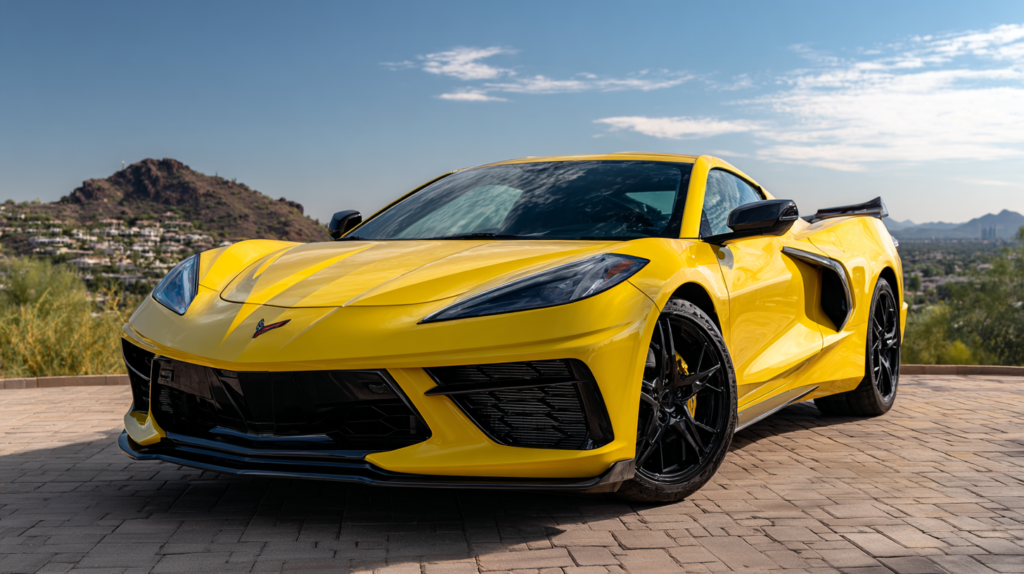
The Corvette family no longer offers a single experience. From the forgiving Stingray to the physics-defying ZR1X, each model serves a different driver with different priorities. The roads northeast of Scottsdale, with their mix of tight corners, high-speed sections, and elevation changes, reveal these differences clearly. A novice driver will feel comfortable in the Stingray. A track veteran will find joy in the Z06’s high-rpm precision and Ferrari-like wail. And anyone who experiences the ZR1X will understand how far the Corvette nameplate has evolved.

The starting prices range from $70,000 to over $220,000. The horsepower ranges from 490 to 1,250. The drivetrains range from rear-drive to electric all-wheel drive. But every model shares one characteristic. Each delivers performance appropriate to its segment. The Corvette has come a long way from the C1’s Blue Flame six-cylinder. The C8 generation proves that America can build not just a sports car, but an entire family of world-class performance machines. Choose based on your skill level, your climate, and your goals. The right Corvette exists for you.
Lamborghini Diablo: The 90s Supercar That Defined Excess – A Night in Pittsburgh

0

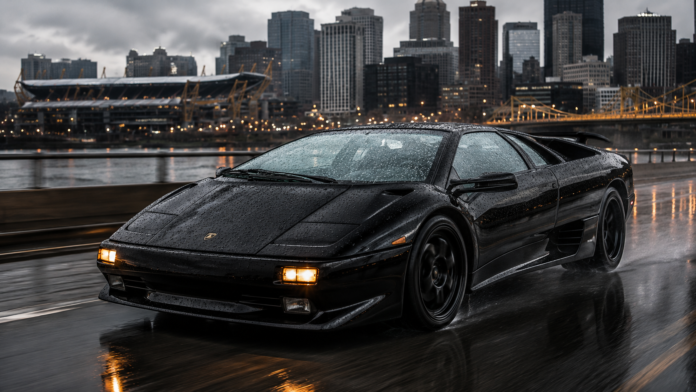
The lights of the Roberto Clemente Bridge reflect off the Allegheny River as a low, aggressive silhouette glides through the streets of Pittsburgh’s North Shore. The car is impossibly wide, its scissor doors catching the glow of PNC Park. The sound is unmistakable, a deep V12 rumble that echoes off the stadium walls. This is the Lamborghini Diablo, the car that defined the 1990s supercar era, and it is a machine that embodies excess in every conceivable way.

The Diablo arrived in 1990 carrying the weight of replacing the Countach, a cultural icon that had defined bedroom walls for two decades. Somehow, the Diablo managed to continue that legacy without losing the madness that made its predecessor so memorable. It was faster, wider, and even more dramatic, pushing beyond 200 mph at a time when that still felt almost unbelievable.

The Birth of a Legend

The Diablo’s story began in 1985 with Project 132, Lamborghini’s plan to create the fastest production car in the world. The design was initially conceived by Marcello Gandini, the legendary designer behind the Miura and Countach, but was partially revised by Chrysler’s design center after the American company became the majority shareholder in 1987.

The car was officially presented on January 21, 1990, during Lamborghini Day at the Sporting in Monte Carlo. It was an immediate commercial success, with orders arriving even before the official reveal.

The name Diablo honored a legendary fighting bull that fought against the matador José de Lara, “El Chicorro,” in 1869. It was a fitting name for a car that would become one of the most iconic supercars of all time.

The Powertrain: A V12 That Defined an Era

The heart of the original Diablo was a 5.7-liter naturally aspirated V12 engine producing 485 horsepower and 428 lb-ft of torque. The engine was mounted longitudinally behind the cabin, driving the rear wheels through a five-speed manual gearbox with a dogleg first gear.

The performance figures were staggering for their time. The Diablo accelerated from 0 to 62 mph in 4.5 seconds and reached a top speed of 325 km/h (202 mph), making it the fastest production car in the world at launch. At the Nardò circuit in Italy, it achieved 337 km/h (209 mph).

The Diablo was a proper analog Lamborghini. There was no traction control, no stability systems, and no electronic safety net. The steering had weight, the gearshift demanded a deliberate hand, and the whole car felt alive underneath the driver. Even climbing in felt dramatic thanks to those iconic scissor doors.

The Evolution: VT, SV, and the 6.0

The Diablo underwent significant evolution over its 11-year production run. In 1993, Lamborghini introduced the Diablo VT, the brand’s first production four-wheel-drive super sports car. The “VT” stood for Viscous Traction, and the system improved stability and handling without sacrificing the car’s dramatic character.

In 1993, the special SE30 series was launched to commemorate Lamborghini’s 30th anniversary, with power increased to 523 horsepower. The Diablo SV (Sport Veloce) debuted in 1995 as a rear-wheel-drive model with 510 horsepower and an adjustable rear wing.

The VT Roadster arrived in December 1995, Lamborghini’s first mass-produced 12-cylinder open-top model. It was the fastest open car on the road in 1996.

In 1999, following Audi’s acquisition of Lamborghini, the Diablo received a significant restyling designed by Luc Donckerwolke, the brand’s first in-house designer. The engine grew to 6.0 liters, producing 529 horsepower and 605 Nm of torque, and ABS brakes were introduced. The Diablo GT, produced from 1999 to 2000, was the ultimate evolution, with 575 horsepower from its 6.0-liter V12 and extensive carbon fiber bodywork.

The Legacy: Why Values Have Climbed So Sharply

The Diablo marked the end of an era for Lamborghini, the final chapter before modern electronics and German ownership softened the edges. It still feels intimidating, theatrical, and slightly outrageous in a way modern supercars rarely do.

Collectors have taken notice. Values have climbed sharply, driven by a generation who grew up with the Diablo on their walls. A low-mileage 2000 Diablo VT 6.0 sold for $804,000 at auction. A Diablo GT, one of just 80 examples built, is estimated at up to $2.6 million.

The Diablo’s appeal lies in its honesty and originality. It has been preserved rather than restored, and increasingly that is exactly what collectors want. It represents a time when supercars were still dangerous, still dramatic, and still completely unforgettable.

The Pittsburgh Night

The Diablo has completed its drive along the North Shore. Its V12 has delivered the 485 horsepower that made it the fastest production car in the world in 1990. The scissor doors have caught the stadium lights, and the wide stance has filled the street. The driver has experienced a piece of automotive history, a car that defined the 1990s supercar era and has become a legend.

The Diablo is not a car for everyone. It is heavy, difficult to drive, and its performance has been surpassed by modern supercars. But it is a car that represents a moment in time, a car that captured the imagination of a generation and never let go. It is the car that defined excess, and it will forever be remembered as the definitive supercar of the 1990s. Few cars capture the spirit of the analog supercar era quite like a Diablo. It is an icon, a legend, and a machine that will never be forgotten.

Ferrari Testarossa: How a TV Show Made a Supercar Famous – A Night in Pittsburgh

0

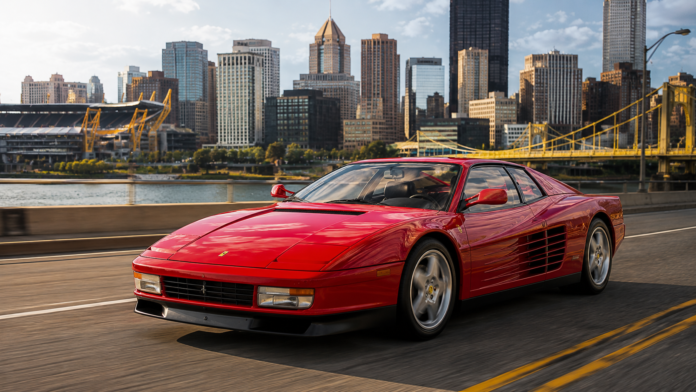
The lights of the Roberto Clemente Bridge reflect off the Allegheny River as a low, white silhouette glides through the streets of Pittsburgh’s North Shore. The car is impossibly wide, its side strakes catching the glow of PNC Park. The sound is unmistakable, a deep flat-12 rumble that echoes off the stadium walls. This is the Ferrari Testarossa, the car that defined a decade, and its fame is inseparable from the television show that made it an icon.

The Testarossa was not the first Ferrari to appear on Miami Vice. In the early seasons, Sonny Crockett drove a black Ferrari Daytona Spyder, which was in fact a replica built on a Chevrolet Corvette chassis. When Enzo Ferrari learned of the replica, he was furious and filed a lawsuit. The legal dispute led to an agreement between Ferrari and Universal Studios. Ferrari would provide two genuine Testarossas for the show, and the fake Daytona would be destroyed in a dramatic explosion on screen.

The Birth of an Icon

The Testarossa was launched in Paris on October 2, 1984. Ferrari’s new flagship was unveiled inside Paris’s Lido nightclub, where the car appeared from on high on a giant platform as the only lit object in the room. The following day, it took pride of place at the Paris Motor Show.

The name Testarossa, meaning “red head” in Italian, came from the red-painted cam covers of its flat-12 engine. The car was a sensation. Its side strakes, functional air intakes that fed the rear-mounted radiators, became an instant design signature. At nearly two meters wide, it was wider than any Ferrari before or since.

The Testarossa was not a refined car by modern standards. The steering was unassisted, the gearshift heavy, and the driving position awkward, with the pedals offset to the left. But its 4.9-liter flat-12 produced 390 horsepower, enough for a top speed of 181 mph. The sound, described by one driver as “the single most glorious, memorable thing about the TR,” made the compromises worthwhile.

Miami Vice and the White Testarossa

When Universal Studios received the two Testarossas, they were black. But Michael Mann, the show’s director, realized that black cars would be difficult to see in the show’s many nighttime scenes. He ordered them painted white, a decision that transformed the Testarossa from a supercar into a cultural phenomenon.

The white Testarossa, with its single high-mounted rearview mirror on the driver’s side, became the defining image of Miami Vice. It was the car of Sonny Crockett, a detective who lived on a boat, wore linen suits, and drove the most iconic car of the decade. The show’s success propelled the Testarossa to a level of fame that no Ferrari had achieved since the 250 GT California.

One of the two original Miami Vice Testarossas was auctioned in 2015. It had been stored in a garage since 1990, with just 16,124 miles on the odometer. The other was acquired by a collector in 1990 and displayed at his Florida Swap Shop until his death. It was then sold by a Miami-based specialist.

The Stunt Double

The Testarossa was too expensive and too valuable to risk in dangerous scenes. For high-speed action shots, the producers used a De Tomaso Pantera that had been modified to look like a white Testarossa. The Pantera was chosen because it shared the Testarossa’s mid-engine layout, but it was much cheaper to repair or replace. The bodywork was built from fiberglass panels and fitted over the Pantera’s chassis, creating a convincing replica for chase scenes.

The Pittsburgh Night

The white Testarossa has completed its drive along the North Shore. Its flat-12 engine has delivered the 390 horsepower that made it the definitive supercar of the 1980s. The side strakes have caught the stadium lights, and the single mirror has reflected the Pittsburgh skyline. The driver has experienced a piece of automotive history, a car that became famous not just for its engineering, but for its role in a television show that defined a decade.

The Testarossa is not a car for everyone. It is heavy, difficult to drive, and its performance has been surpassed by modern supercars. But it is a car that represents a moment in time, a car that captured the imagination of a generation and never let go. It is the car that Miami Vice made famous, and it will forever be remembered as the defining supercar of the 1980s.

The Bedroom Poster Cars of the 1980s and Why They Still Matter – A Night at the Quail Lodge

0

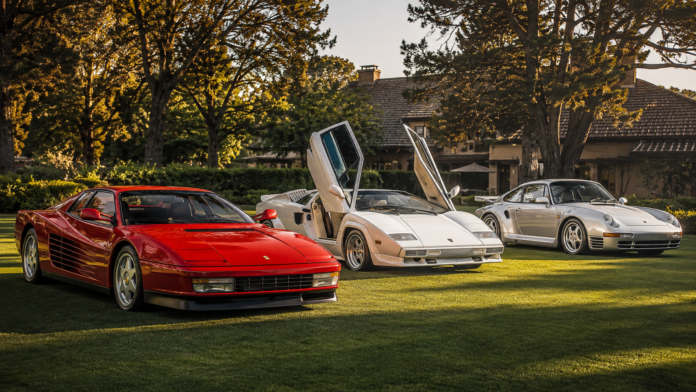
The sun is setting over the Monterey Peninsula as a line of angular, wedge-shaped silhouettes sits on the lawn at the Quail Lodge in Carmel, California. A red Ferrari Testarossa, its side strakes catching the fading light. A white Lamborghini Countach, its scissor doors open to the sky. A Porsche 959, low and purposeful, its stance still menacing decades later. These are the cars that lived on bedroom walls in the 1980s, and they are now the cars that are driving the collector market.

For a generation of enthusiasts who grew up in the 1980s, these cars were not just machines. They were aspirations, symbols of a world that seemed impossibly distant. The Countach, with its scissor doors and outrageous angular design, was the poster that defined a generation of bedroom walls, dorm rooms, and locker decorations. The Testarossa, with its iconic side strakes and flat-12 engine, was the definitive 1980s Ferrari. The F40, the last car Enzo Ferrari personally approved, was a twin-turbo, 201-mph, no-compromises machine.

These were the cars that made the 1980s the golden age of the automotive poster.

The Posters: How They Were Made

The posters that adorned bedroom walls were typically created to advertise tires, stereo equipment, or simply as promotional items given away at car shows and events. They introduced many an American youngster to some of the world’s most unattainable vehicles and to levels of aspirationalism that were previously unimaginable. The wilder the cars, the better suited they were for adolescent poster material.

One of the most famous posters depicted a garage stuffed with a Ferrari, a Porsche, a Mercedes-Benz, a Chevrolet Corvette and a BMW by a seaside villa under the motto “Justification for Higher Education.” Another iconic poster, featuring a red Lamborghini Countach with the tagline “Body by Lamborghini. High Fidelity by Alpine,” became the definitive automotive wall poster of the era. The Countach poster sold so many copies for its British publisher that the artist commissioned to create it bought himself a real Lamborghini Countach with the proceeds.

The Cars: The Holy Trinity

While many cars graced bedroom walls, three dominated the era. The Lamborghini Countach, the Ferrari Testarossa, and the Ferrari F40 were the holy trinity of 1980s bedroom wall art.

Lamborghini Countach

The Countach was the poster car of the era. Its scissor doors, outrageous angular design, and performance stats dominated car magazines. It wasn’t just a dream; it was the dream. Pure excess, pure drama, and pure 1980s attitude rolled into one impossibly legendary Italian wedge. The Countach has been voted Britain’s most popular car pin-up of all time, with one in five respondents revealing they’d adorned their walls with a poster of the iconic supercar.

Ferrari Testarossa

The Testarossa was the supercar of the “Miami Vice” generation. Its side strakes and flat-12 engine made it the definitive 1980s Ferrari. It was the car that appeared on the famous “Justification for Higher Education” poster and was the subject of countless bedroom walls.

Ferrari F40

The F40 was the last car Enzo Ferrari personally approved. It was a twin-turbo, 201-mph machine that made no compromises. It was the car that many enthusiasts, who found the Countach too ridiculous, chose for their walls. It was the ultimate expression of Ferrari’s performance philosophy at the end of the 1980s.

The Collectors: Nostalgia Meets Disposable Income

The cars that were the subjects of the most popular bedroom wall posters of the 1980s are rapidly rising in value. The reason is simple: demographics. The kids who taped those posters to their walls in the 1980s are now pushing 50 and flush with disposable income. This has driven a vertical rise in prices for these cars.

The Lamborghini Countach has roughly tripled in value over the last few years. The days of nice $50,000 Testarossas are over. The Porsche 911SC Targa, another poster car from the era, has nearly doubled in value. The Porsche 928, the car that was supposed to replace the 911 and appeared in “Risky Business” and “Scarface,” is now a hot commodity. The late high-horsepower 928 GTS models are bringing upwards of $70,000.

The market for 1980s poster cars has exploded. A generation of buyers who grew up idolizing these cars is now showing its influence over the market, driving interest and prices higher.

The Quail Evening

The sun has fully set over the Quail Lodge. The Countach, Testarossa, and F40 are still parked on the lawn, their silhouettes illuminated by the soft lights of the event. A man in his 50s is standing next to a Testarossa, explaining its significance to a younger enthusiast. “I had this on my wall when I was a kid,” he says. “I never thought I would own one.”

The bedroom poster cars of the 1980s are not just collector cars. They are time machines, transporting a generation back to a time when the future seemed limitless and the cars on the wall represented the ultimate expression of freedom and success. They are the cars that defined a generation’s automotive dreams, and they are now the cars that are defining the collector market. The nostalgia is real. And it is driving the market.

Denza Z: BYD’s Attempt at a Proper Sports Car – An Evening at the Goodwood Circuit

0

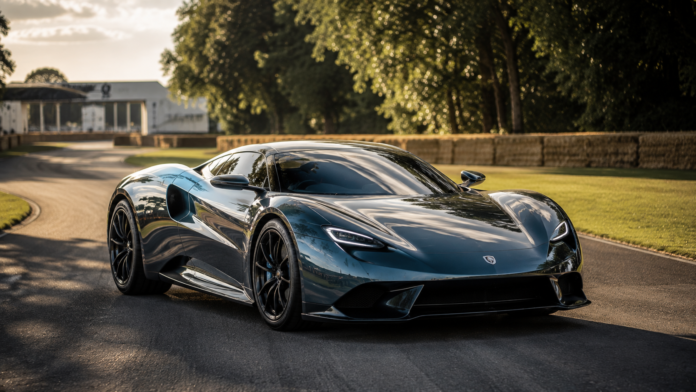
The sun is setting over the South Downs as a low, sleek silhouette sits in the pit lane at the Goodwood Circuit in West Sussex. The car looks like a cross between a Lotus Emira and a McLaren GT, with a hint of Bentley in its rear haunches. This is the Denza Z, an electric sports car from BYD’s premium brand, and it represents the most ambitious attempt yet from a Chinese manufacturer to challenge the established European sports car hierarchy.

The Z is the first sports car from Denza, a brand that BYD has positioned as its “tech-focused premium” answer to Mercedes, Porsche, and BMW. It is a car that has been developed to take on the Porsche 911, a target that Denza has openly acknowledged from the start. It is a car that produces 1,582 horsepower, accelerates from 0 to 62 mph in as little as 1.96 seconds, and charges from 10 to 97 percent in nine minutes. And it is a car that, after an early drive on track, has left some reviewers with mixed feelings.

The Numbers: A Hypercar in Every Specification

The Denza Z’s powertrain is staggering. A tri-motor all-wheel-drive system, with one 671-horsepower motor at the front and two 456-horsepower motors at the rear, produces a combined output of 1,582 horsepower and 1,240 Nm of torque. The Racing version, fitted with optional semi-slick tires, can launch from 0 to 62 mph in 1.96 seconds and reach a top speed of 217 mph. The standard Coupe is slightly more restrained at 2.25 seconds and 186 mph, while the Spider convertible sits between them at 2.3 seconds.

The charging technology is equally impressive. The Z uses BYD’s second-generation Blade Battery, which is integrated into the chassis using a Cell-to-Body architecture. The battery supports BYD’s Flash Charging system, which can take the battery from 10 to 70 percent in five minutes and from 10 to 97 percent in nine minutes. This is enabled by a series of technical breakthroughs that push the boundaries of LFP battery chemistry.

The range is moderate by EV standards, with the Coupe offering up to 254 miles, the Spider 248 miles, and the Racing 236 miles. This reflects the car’s focus on performance over long-distance cruising.

The Chassis: Clever Tech, Mixed Results

The Z is built on BYD’s e3 platform, which features steer-by-wire technology with no mechanical connection between the steering wheel and the front wheels. The two rear motors can adjust torque independently, enabling torque vectoring and even a “compass turn” where the car pivots around its front wheels.

The Coupe and Spider use magnetorheological adaptive dampers with air suspension, while the Racing version replaces the air springs with more focused coil springs. All versions get double wishbone front suspension, a multi-link rear setup, carbon ceramic brakes with six-piston front calipers, and a boost function that temporarily increases torque by 30 percent for up to 20 seconds.

The Racing version also features a serious aerodynamic package, including a large carbon rear wing, front splitter, diffuser, and an S-duct that channels air through the front of the car. At top speed, the Racing generates up to 1,060 kg of downforce. A Special Edition, expected to produce over 2,000 horsepower and more than 2,000 kg of downforce, is being developed for Nürburgring record attempts.

The Driving Experience: Fast, But Not Yet Refined

Early reviews of the Denza Z on track have been mixed. The car is undeniably fast, but the driving experience has not yet matched the performance figures.

The Good: The steering is positive and the suspension is controlled, even on the track-focused Racing version. The car generates immense grip and acceleration that is genuinely staggering. The virtual engine sound, which can be customized through the infotainment system, works surprisingly well, adding a layer of engagement that electric sports cars often lack.

The Mixed: The car’s weight is evident in some body roll, even in the Racing version. The seating position is high, a consequence of the floor-mounted battery, which undermines the low-slung feel that defines a sports car. The car doesn’t feel as quick as the figures suggest, with one reviewer noting that the acceleration, while rapid, lacks the “visceral, spine-tingling sensation” of a combustion hypercar.

The Not-So-Good: The cabin is not as instantly readable as the best sports cars, with a lot going on that wasn’t immediately obvious during a track session. The interior quality is closer to a Lotus Emira than a premium car, with some materials feeling less premium than the price suggests. The rear seats are only suitable for children or very small adults, a common compromise in this class.

The Goodwood Evening

The Denza Z has completed its demonstration laps. Its tri-motor powertrain has delivered the 1,582 horsepower that makes it one of the most powerful production cars ever built. The chassis tech and aerodynamic package have kept it planted through the curves. But the driver, cocooned in the tech-heavy cabin, has experienced a car that is still finding its feet.

The Z is not a car for everyone. It is a car for those who value extreme performance and cutting-edge technology, who are willing to accept the compromises of a car that prioritizes numbers over feel. But it represents a significant moment in automotive history. It is the most serious attempt yet from a Chinese manufacturer to challenge the European sports car establishment. And it proves that BYD, and its Denza brand, can build a car that can, at least on paper, compete with the best from Porsche and Mercedes. Whether it can compete on feel and engagement remains an open question.

Porsche Cayenne Electric: 1,000 HP in the Wrong Body Style – A Night in Barcelona

0

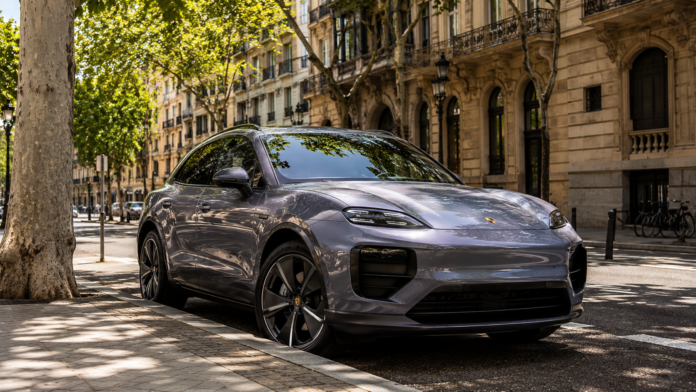
The sun is setting over the Mediterranean as a low, wide silhouette carves through the curves of the coastal road south of Barcelona. The sound is not a V8 rumble, but a purposeful electric whir that builds to a crescendo as the car accelerates out of a corner. This is the Porsche Cayenne Turbo Electric, the most powerful production car Porsche has ever built, and it is an SUV.

The Cayenne Electric is a significant moment for Porsche. It is the brand’s first all-electric SUV, and it arrives with performance figures that would have been unthinkable in a family hauler just a few years ago. The Turbo Electric produces over 1,100 horsepower in overboost mode, accelerates from 0 to 60 mph in 2.1 seconds, and can charge from 10 to 80 percent in 16 minutes. It is the fastest-accelerating SUV Car and Driver has ever tested, beating the Lamborghini Revuelto and the Corvette ZR1 by a tenth of a second. And it weighs nearly 6,000 pounds.

The Powertrain: An SUV That Humiliates Supercars

The Cayenne Turbo Electric’s powertrain is a masterpiece of engineering. The dual electric motors produce over 800 horsepower in normal operation and over 1,100 horsepower with overboost engaged. The torque peaks at over 1,100 lb-ft. The performance figures are extraordinary: 0 to 60 mph in 2.1 seconds, the quarter mile in 9.5 seconds at 146 mph, and 0 to 150 mph in just 10.1 seconds.

The base Cayenne Electric produces over 400 horsepower and can reach 60 mph in 4.5 seconds. The Cayenne S Electric sits between them with up to 650 horsepower, accelerating from 0 to 60 mph in 3.6 seconds. The Cayenne Coupé Electric variants offer slightly better aerodynamics with a drag coefficient of 0.23, improving range.

The battery operates on an 800-volt architecture, enabling charging at up to 400 kW. A 10 to 80 percent charge takes less than 16 minutes, and the car can add significant range in just 10 minutes. The range is estimated at over 350 miles, with the Coupé variant achieving slightly more. The battery uses double-sided cooling and direct oil cooling for the rear motor, drawing on technology from Porsche’s motorsport programs.

The Chassis: 2.6 Tonnes That Handle Like a Sports Car

The Cayenne Electric weighs approximately 2,600 kilograms, but it handles with an agility that defies its mass. The adaptive air suspension is standard, and the optional Porsche Active Ride system provides exceptional body control, keeping the car flat through corners and even allowing it to lean into bends like a motorcycle. The rear-axle steering, available as an option, improves maneuverability and stability. On the skidpad, the Cayenne Electric achieved over 1.0 g of lateral grip, dethroning the Lamborghini Urus Performante as the SUV roadholding record holder. The braking performance is equally impressive, with the Turbo Electric stopping from 70 mph in 140 feet, matching the Corvette ZR1 and beating the Cayenne Turbo GT and Lamborghini Urus Performante. The regenerative braking system, with substantial recuperation power, recovers energy during deceleration.

The Interior: Tech-Focused and Spacious

The Cayenne Electric’s cabin is a high-tech space dominated by the new curved “Flow Display” infotainment screen, which integrates with the center console. An optional passenger display adds a third screen. Despite the digital focus, the system is quick and intuitive, and physical controls remain for essential functions. Rear seat space is generous, with the longer wheelbase providing excellent legroom. Cargo space is generous, and there is a front trunk for the charging cables.

The Barcelona Night

The Cayenne Electric has completed its drive along the coast. Its over 1,100 horsepower has delivered the performance that makes it the most powerful Porsche ever built. The Active Ride suspension and rear-axle steering have kept it planted through the curves. The driver, cocooned in the tech-filled cabin, has experienced a level of performance that is as exclusive as it is unexpected.

The Cayenne Electric is not a car for everyone. It is expensive, with the Turbo starting at over $160,000 and easily exceeding $200,000 with options. It is heavy, weighing nearly 6,000 pounds. But it represents a significant moment in Porsche’s history. It is the car that proves an SUV can be the fastest production car the brand has ever built. And that is an awkward reality that Porsche has embraced with characteristic engineering brilliance.

Aston Martin DBX S: The Super SUV Arms Race Continues – A Night in Monte Carlo

0

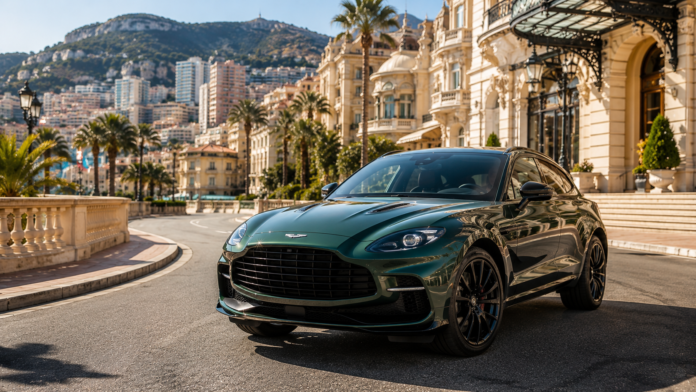
The lights of the Casino de Monte Carlo reflect off the Mediterranean as a low, wide silhouette glides through the Place du Casino. The sound is unmistakable: a deep, purposeful V8 growl that echoes off the Belle Époque facades, a sound that announces the arrival of something serious. This is the Aston Martin DBX S, the new flagship of the British marque’s SUV lineup, and it is a direct shot at the Lamborghini Urus and Ferrari Purosangue.

The DBX S is the most powerful internal combustion SUV in the world, producing 717 horsepower and 664 lb-ft of torque. It is a car that takes the already formidable DBX707 and sharpens it into a more focused, more exclusive weapon, with a 20-horsepower bump, a significant weight reduction program, and a chassis that has been tuned to deliver an even more engaging driving experience. It is the super SUV arms race continuing, and Aston Martin is making a statement.

The Powertrain: Valhalla Technology, V8 Muscle

The heart of the DBX S is a 4.0-liter twin-turbo V8, sourced from Mercedes-AMG but heavily re-engineered by Aston Martin. The engine produces 717 horsepower at 6,250 rpm and 664 lb-ft of torque from 3,000 to 5,250 rpm. The power increase over the DBX707 comes from turbocharger technology borrowed from the Valhalla hypercar, which features a larger compressor wheel and a more free-breathing exhaust that reduces back pressure. The result is a more linear power delivery with a stronger top-end charge.

The engine is mated to a nine-speed wet-clutch automatic transmission, with revised shift mapping in Sport and Sport+ modes for more aggressive downshifts. The 0 to 60 mph sprint takes 3.1 seconds, and the top speed is 193 mph. The 0 to 124 mph time is 0.3 seconds quicker than the DBX707, thanks to the extra power and revised gearing.

The Weight Reduction: 103 Pounds Shed

The DBX S is the most focused and exclusive Aston Martin SUV, achieved through a comprehensive weight reduction program. The optional carbon fiber roof is the largest single carbon element ever fitted to an Aston Martin, saving 18 kg (40 pounds) from the highest point of the car. The optional magnesium wheels, the first time magnesium wheels have been offered on any vehicle in the ultra-luxury SUV segment, save 19 kg (42 pounds) of unsprung mass. The optional polycarbonate honeycomb grille and a new stacked quad-exhaust design contribute to a total weight saving of up to 103 pounds over the DBX707.

The weight reduction transforms the car’s handling. The magnesium wheels shed so much unsprung mass that the purity of the steering is immediately noticeable. There is no corruption through the wheel, and the car flows around corners beautifully, staying flat and true.

The Chassis: Sharper Steering, Better Balance

The DBX S retains the DBX707’s triple-chamber air springs and Bilstein dampers, but the steering ratio has been made 4 percent quicker. The steering system is now more direct and responsive, providing a level of feedback that is rare in a vehicle of this size. The turning circle has also been reduced by half a meter, making the car more maneuverable in tight spaces without resorting to rear-axle steering, which Aston Martin’s chief engineer feels introduces unwanted flex in heavier cars.

The chassis is a masterpiece of engineering, with active anti-roll bars that keep the car flat through corners and a suspension that provides a ride that is both comfortable and controlled. The DBX S is a car that can be driven on a track day or a mountain road with equal confidence, offering a level of engagement that is unmatched in its class.

The Design: Purposeful Aggression

The DBX S is visually differentiated from the DBX707 by a handful of key details. The front grille features a new black vaned design, available in lightweight polycarbonate, with over 25,000 individual facets. The rear is dominated by a new vertically stacked quad-exhaust design, which also reduces back pressure and improves the sound quality of the V8. The S badge, applied in red glass enamel, appears on the front fenders, and new magnesium wheels complete the look.

The interior is a study in performance luxury. The distinctive herringbone seat design is standard, and the S badge is embroidered onto the seats and appears on the treadplates and engine plaque. The cabin is trimmed in lightweight sporting Alcantara as standard, with semi-aniline leather on the bolsters, and the optional carbon roof extends the herringbone design to the headlining. The DBX S also features Aston Martin’s state-of-the-art in-house developed infotainment system, with a 10.25-inch touchscreen and a 12.3-inch digital instrument cluster, supporting Apple CarPlay Ultra.

The Monte Carlo Night

The DBX S has completed its drive along the coast. Its V8 has delivered the 717 horsepower that makes it the most powerful internal combustion SUV on the market. The magnesium wheels and carbon roof have shed the weight that transforms its handling. The driver, cocooned in the Alcantara-lined cabin, has experienced a level of performance that is as exclusive as it is thrilling.

The DBX S is not a car for everyone. It is a car for those who demand the ultimate in performance and exclusivity, who want an SUV that can attack a mountain pass with the ferocity of a sports car. But it represents a significant moment in Aston Martin’s history. It is a car that proves the super SUV arms race is far from over, that there is still room for a pure internal combustion V8 in a world of hybrids and EVs, and that Aston Martin can still build a car that is as thrilling to drive as it is to look at.

Rolls-Royce Black Badge Spectre: 650 HP of Silence – A Night in Monte Carlo

0

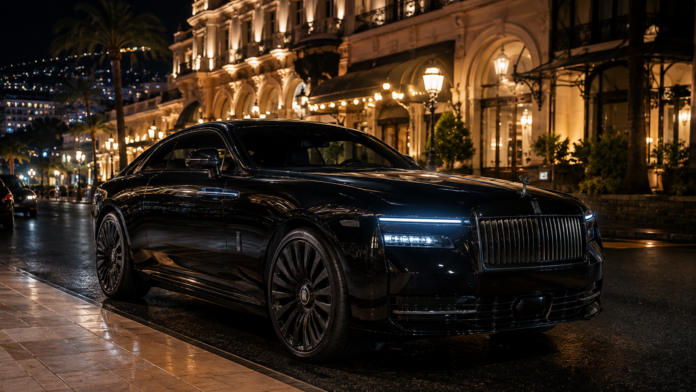
The lights of the Casino de Monte Carlo reflect off the Mediterranean as a low, imposing silhouette glides through the Place du Casino. The car makes almost no sound, yet its presence is unmistakable. This is the Rolls-Royce Black Badge Spectre, the most powerful production car the British marque has ever built, and it is a study in contradictions: 650 horsepower delivered in complete silence, a top speed of 155 mph achieved without drama, and an Infinity mode that transforms the character of the car with a single button press.

The Spectre has been a commercial success for Rolls-Royce, becoming the brand’s second-best-selling model after the Cullinan SUV. The Series II update, introduced in 2026, refines the formula with more power, greater range, and a darker aesthetic for the Black Badge variant. The changes are subtle to the eye, but they represent a significant evolution of the car’s character.

The Powertrain: Silence, Amplified

The Black Badge Spectre’s powertrain is a masterpiece of engineering. The dual electric motors produce 680 horsepower (500 kW) in Infinity Mode, making it the most powerful Rolls-Royce ever built. The torque peaks at 1,100 Nm in Spirited Mode, the car’s launch control equivalent. The standard Spectre produces 601 horsepower and 1,015 Nm of torque.

The performance figures are extraordinary for a car weighing nearly three tonnes. The Black Badge accelerates from 0 to 100 km/h in 4.3 seconds, while the standard car takes 4.5 seconds. The top speed is electronically limited to 155 mph.

The battery has been upgraded for the Series II update. The net capacity has increased from 102 kWh to 112.4 kWh, thanks to re-engineered battery cell technology. The result is an 18 percent increase in WLTP range, now up to 628 kilometers (390 miles). Charging times have been reduced by 14 percent, with a 10 to 80 percent charge now taking 28 minutes at up to 195 kW.

Infinity Mode: A Button That Changes Everything

The Black Badge Spectre’s defining feature is its Infinity Mode, accessible via a button on the steering wheel marked with the infinity symbol. Pressing it unlocks the full 680 horsepower for short bursts, illuminating the gauges and imbuing the car with a different character.

Rolls-Royce developed this feature after analyzing anonymized driving data from existing customers, which revealed that clients exploited maximum power in short pulses more than over extended periods. The car is designed to deliver its full performance in brief, exhilarating bursts, rather than sustained high-speed running.

The launch control equivalent is called Spirited Mode, activated by pressing the throttle and brake together, which unleashes the full 1,100 Nm of torque. The naming is deliberate. Rolls-Royce avoids gauche terms like “sport mode” and “launch control,” preferring to reference the Spitfire fighter planes that used a similar boost function.

The Driving Experience: Magic Carpet Ride, Amplified

The Black Badge Spectre retains the legendary “Magic Carpet Ride” that defines the Rolls-Royce experience, but with a sharper edge. The engineers have recalibrated the suspension and chassis to provide greater body control, reducing “squatting” under acceleration or deceleration. The result is a car that feels both effortless and responsive, balancing the brand’s traditional refinement with a more engaging character.

The car is increasingly used for personal driving enjoyment, charged almost exclusively at home, and most often driven solo. The Black Badge Spectre is not a car for a chauffeur; it is a car for a driver who wants the experience of piloting a 2.9-tonne luxury coupe with the instantaneous response of an electric powertrain.

The Interior: Darkness and Detail

The Black Badge Spectre’s cabin is a study in darkness and detail. The exterior brightwork has been replaced with an “Iced Black” matte finish, giving the car a more menacing appearance. The Spirit of Ecstasy ornament is now offered in black for the first time.

Inside, the illuminated fascia features a new pattern inspired by the Spirit of Ecstasy, incorporating the infinity symbol that is central to the Black Badge identity. The fascia comprises over 5,500 “stars” of varying proportions and intensity, set in a Piano Black “sky.” The Technical Fibre surface finish uses carbon and fine metal thread on a black Bolivar wood base, creating a three-dimensional diamond weave.

The interior offers extensive personalization options, with some clients requesting more than 20 exclusive items in a single car. New materials include Duality Twill, a bamboo-based rayon fabric that can involve up to 2.6 million stitches and 16 kilometers of thread.

The Monte Carlo Night

The Black Badge Spectre has completed its drive along the coast. Its electric motors have delivered the 680 horsepower that makes it the most powerful Rolls-Royce ever built. The Infinity Mode has provided the burst of performance that transforms the car’s character. The driver, cocooned in the darkened cabin, has experienced a level of performance that is as exclusive as it is refined.

The Black Badge Spectre is not a car for everyone. It is a car for those who value the blend of luxury and performance, who want an electric vehicle that is as engaging as it is effortless. But it represents a significant moment in Rolls-Royce’s history. It is the car that proves the brand can embrace electrification without losing its identity, that silence can be a performance attribute, and that the most powerful Rolls-Royce ever built can still deliver the Magic Carpet Ride. The silence has been amplified. And it is unforgettable.

Bentley Continental GT Speed: The W12 Is Gone, the Speed Is Not – A Night in Monte Carlo

0

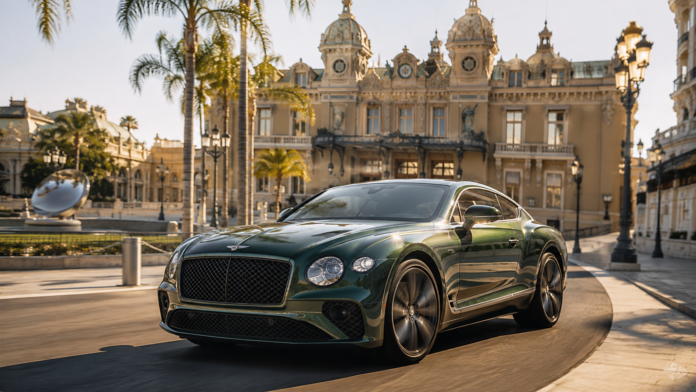
The lights of the Casino de Monte Carlo reflect off the Mediterranean as a low, wide silhouette glides through the Place du Casino. The sound is unmistakable, a deep V8 growl that echoes off the Belle Époque facades. But there is something different about this sound. It is not the familiar W12 rumble that has defined the Continental GT for two decades. It is a new voice, one that pairs a 4.0-liter twin-turbo V8 with an electric motor to produce 771 horsepower and 738 lb-ft of torque. This is the 2026 Bentley Continental GT Speed, the car that replaces the W12 with a plug-in hybrid powertrain, and it is the most powerful Bentley ever built.

The Continental GT has always been the benchmark for the luxury grand tourer. It is a car that can cross a continent in silence and attack a mountain pass with the ferocity of a sports car. But the fourth generation has changed the formula. The W12 is gone, replaced by an “Ultra Performance Hybrid” system that combines a twin-turbo V8 with a 190 PS electric motor. The result is more power, more torque, and a character that is both familiar and new.

The Powertrain: A V8 Hybrid for the Ages

The heart of the GT Speed is a 4.0-liter twin-turbo V8 that produces 600 PS (584 bhp) on its own. An electric motor, integrated into the eight-speed dual-clutch transmission, adds another 190 PS (187 bhp). The total system output is 782 PS (771 bhp) and 1,000 Nm (738 lb-ft) of torque. That is an 11 percent increase in torque and a 19 percent increase in power over the outgoing W12 Speed. The new powertrain makes the GT Speed the most powerful Bentley ever built.

The performance figures are extraordinary. The GT Speed accelerates from 0 to 60 mph in 3.1 seconds and reaches a top speed of 208 mph. The quarter mile is completed in 11.0 seconds at 127 mph. Despite the added weight of the hybrid system, the GT Speed matches the 0-60 time of its predecessor.

The hybrid system is not just about performance. A battery, mounted behind the rear axle, provides up to 50 miles of electric-only range. The battery placement also improves weight distribution, achieving a near-perfect front-to-rear split for the first time in a Continental GT. The electric motor fills the gaps in the V8’s power delivery, eliminating turbo lag and providing instant torque from a standstill. The result is a car that is as smooth and refined as a pure EV in city driving, and as ferocious as a supercar when the V8 is unleashed.

The Weight: A Heavier GT, But Still Agile

The GT Speed weighs approximately 2,500 kilograms, about 370 pounds more than the previous generation. The weight is the result of the hybrid hardware, the luxury equipment, and the structural requirements of a grand tourer. It is a car that is heavy, and it feels heavy.

But Bentley has worked hard to manage the mass. The car features a sophisticated chassis with aluminum double wishbones at the front and a multi-link rear setup, adaptive dampers, air springs, active anti-roll bars, rear-axle steering, and an electronic limited-slip differential. The result is a car that feels planted and stable at speed, with minimal body roll and sharp, weighty steering. The car rotates willingly without the push you would expect given the weight. The GT Speed is a car that hides its mass well, but it is still a grand tourer, not a sports car.

The Driving Experience: A Dual Personality

The GT Speed is a car of two distinct personalities. In EV mode, it is a silent, refined cruiser, gliding through traffic with a smoothness that is genuinely impressive. The electric motor provides enough power for city driving, and the cabin is a sanctuary of luxury and quiet. The active anti-roll bar system keeps the car flat through corners, and the air suspension provides a ride that is almost velvety. The GT Speed is a car that can be driven in near silence, with only the wind and tire noise intruding.

In Sport mode, the car transforms. The V8 barks to life, the throttle sharpens, and the chassis tightens. The acceleration is brutal, launching the car forward with a ferocity that pins you to the seat. The engine produces a deep, determined growl, and the torque builds relentlessly. The car feels alive, responsive, and eager. The transition between the two modes is seamless, but the difference in character is profound.

The Interior: A Sanctuary of Luxury

The cabin of the GT Speed is a masterpiece of craftsmanship. The materials are exceptional, with leather, wood, and metal trim throughout. The seats are comfortable and supportive, with wellness features that adjust to your body profile. The infotainment system is a touchscreen with wireless Apple CarPlay and Android Auto. The optional audio system delivers power through multiple speakers. The interior is a place of calm and refinement, a sanctuary from the outside world.

The Monte Carlo Night

The GT Speed has completed its drive along the coast. Its V8 hybrid powertrain has delivered the 771 horsepower that makes it the most powerful Bentley ever built. The active anti-roll bars and rear-axle steering have kept it planted through the curves. The driver, cocooned in the luxurious cabin, has experienced a level of performance that is as refined as it is thrilling.

The GT Speed is not a car for everyone. It is a car for those who value the blend of luxury and performance, who want a grand tourer that can cross a continent in silence and attack a mountain pass with ferocity. But it represents a significant moment in Bentley’s history. It is the car that proves the W12 can be replaced, that a plug-in hybrid V8 can deliver more power and more efficiency, and that the Continental GT can evolve without losing its soul. The W12 is gone. The Speed is not.

Genesis Magma: Korea’s New Performance Sub-Brand Explained – An Evening at the Circuit Paul Ricard

0

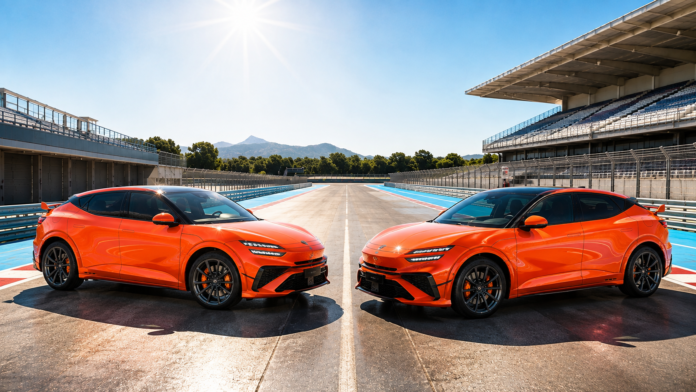
The sun is setting over the French Riviera as a line of orange-accented vehicles sits in the pit lane at Circuit Paul Ricard. The track is quiet, but the air hums with anticipation. This is the launch of Genesis Magma, the Korean luxury brand’s new performance sub-brand, and it represents the most significant shift in Genesis’s history since the company was founded a decade ago.

Genesis has achieved one million global sales faster than any luxury marque in history, and now it is turning its attention to performance. Magma is the brand’s answer to BMW M, Mercedes-AMG, and Audi Sport, a performance division that aims to blend the athletic elegance of Genesis’s design philosophy with genuine high-performance capability. It is a calculated move to infuse Korean cultural identity into a high-performance line of vehicles, not unlike the Japanese, Europeans, or Americans.

What Is Magma?

Magma is Genesis’s performance sub-brand, positioned as the premium counterpart to Hyundai’s N division. While N focuses on playful, track-leaning performance, Magma is about “luxury high performance” – a fusion of refined elegance and superior performance.

The name itself is significant. The signature Magma orange color symbolizes Korea’s self-confidence and passion, underscored by humble first impressions that foster an extroverted attitude. Magma is not a hardcore sub-brand aimed at the most radical enthusiasts; it is “the best of the best of Genesis,” according to Luc Donckerwolke, Genesis’s chief creative officer. It modulates and increases some facets of the car without taking the car out of balance. It is an “iron fist in a velvet glove.”

Magma is also deeply connected to motorsport. Genesis has established Genesis Magma Racing, a program that has already competed in the 24 Hours of Le Mans and the World Endurance Championship. The lessons learned from racing will flow directly into the development of Magma road cars.

The First Magma Model: GV60 Magma

The first production Magma model is the GV60 Magma, an all-electric compact SUV that kicks off the Magma era. It shares much of its hardware with the Hyundai Ioniq 5 N, one of the most entertaining performance EVs on the market.

Powertrain and Performance

The GV60 Magma uses a dual-motor all-wheel-drive system producing 601 horsepower and 546 lb-ft of torque. A Boost mode increases output to 641 horsepower and 583 lb-ft for 15-second bursts. The car accelerates from 0 to 62 mph in 3.4 seconds and reaches a top speed of 164 mph.

The performance is enabled by a next-generation two-stage motor control system that allows the motors to spin up to nearly 21,000 rpm without the torque drop-off typical of single-speed electric drivetrains. The 84 kWh battery pack operates on an 800-volt architecture, enabling significantly faster charging than many rivals.

Chassis and Dynamics

The GV60 Magma is 20 mm lower and 50 mm wider than the standard GV60, giving it a more planted and athletic look. The suspension uses electronic control suspension and recalibrated geometry, with hydro G-bushings in the front and dual-layer bushings in the rear to minimize vibrations. The braking system is upgraded with front monoblock calipers and large-diameter discs.

The car features three drive modes: Sprint, GT, and MY. In MY Mode, drivers can customize settings for the electronic limited-slip differential and electronic stability control.

Virtual Gear Shift and Sound

Like the Ioniq 5 N, the GV60 Magma features Virtual Gear Shift, a system that simulates the sensations of a traditional internal combustion engine transmission. The system adjusts motor output, torque, and regenerative braking to replicate the shifting sensations of a high-performance engine.

The e-Active Sound Design Plus system provides a synthetic engine note that matches the virtual gear changes. Genesis has tuned the sound to mimic a high-revving atmospheric V6, with the tachometer reaching 9,000 rpm. The sound is described as sitting somewhere between a Porsche 911 GT3 and a McLaren Artura.

The Magma Lineup

Genesis has confirmed that every model in its lineup will eventually receive a Magma variant. This includes all EVs, sports cars, and crossovers/SUVs. The plan is to roll out Magma versions across the entire portfolio over the next decade.

The GV60 Magma is the first production model. Future Magma models will include:

  • A production version of the G80 Magma Special, a performance variant of the G80 sedan
  • A Magma version of the GV90, the brand’s flagship full-sized SUV
  • The Magma GT Concept, a mid-engine supercar that could become a production halo model

How Magma Stacks Up Against Rivals

The GV60 Magma is positioned as a direct competitor to the Porsche Macan, BMW iX M70, and Mercedes-AMG EQE SUV. Against the BMW iX M70, the GV60 Magma nearly matches its 650 horsepower while offering a higher top speed and a superior 800-volt charging architecture. Against the Mercedes-AMG EQE SUV, the GV60 Magma offers a higher top speed and faster charging.

But Magma is not simply about numbers. The goal, according to Manfred Harrer, head of Genesis performance development, is to create something that provides an emotional connection between the vehicle and the driver. The virtual gear shift system, the sound design, and the chassis tuning are all aimed at making the driving experience more engaging.

The Paul Ricard Evening

The GV60 Magma has completed its demonstration laps. Its dual motors have delivered the 641 horsepower that makes it one of the most engaging electric SUVs on the road. The virtual gear shift system and V6 sound have provided the engagement that performance fans demand. The driver, cocooned in the Chamude-lined cabin, has experienced a level of performance that is as refined as it is thrilling.

Magma is not a car for everyone. It is a car for those who value the blend of luxury and performance, who want an electric vehicle that is as engaging as it is efficient. But it represents a significant moment in Genesis’s history. It is the brand’s declaration that the next ten years will be even more significant than the first ten. It is a statement that Korean innovation can compete with the best from Europe. And it is the beginning of a new chapter for Genesis.

Alpine A390: Three Motors and a Fastback Body – A Morning in the French Riviera

0

The sun is rising over the Mediterranean as a sleek, low-slung silhouette carves through the curves of the Corniche d’Or along the French Riviera. The sound is not a roaring V6 or a screaming V8. It is the purposeful hum of three electric motors working in harmony, delivering power to all four wheels with a precision that defies the car’s size. This is the Alpine A390, the brand’s first five-seat sport fastback, and it represents the most significant shift in Alpine’s history since the revival of the A110.

The A390 is Alpine’s second fully electric model, following the A290 hot hatch, and it is the car that expands the brand beyond its traditional two-seat sports car formula. It is a five-seat, five-door fastback that combines the practicality of a family car with the driving dynamics of a sports car. It is a car that Alpine has developed to prove that electrification does not have to mean the end of driving engagement. And it is a car that the company hopes will establish a new chapter for the brand.

The Three-Motor Powertrain

The heart of the A390 is its distinctive three-motor all-wheel-drive system. One motor sits at the front axle, while two motors are mounted at the rear, each controlling an individual wheel. This architecture enables the Alpine Active Torque Vectoring system, which distributes torque between the rear wheels in milliseconds based on steering angle and vehicle speed.

The system can send anywhere from 0 to 100 percent of the torque to either rear wheel, effectively eliminating understeer or oversteer and making the car feel smaller and lighter than its 2.1-tonne curb weight would suggest.

The A390 is available in two versions. The GT produces 400 horsepower, accelerating from 0 to 100 km/h in 4.8 seconds with a top speed of 200 km/h. The GTS increases output to 470 horsepower and 824 Nm of torque, reducing the acceleration time to 3.9 seconds and raising top speed to 220 km/h. Both versions feature enhanced cooling systems to manage thermal performance during sustained high-power operation.

The Battery and Range

Powering the A390 is an 89 kWh battery developed with French battery specialist Verkor. The GTS version marks the first application of Verkor’s high-performance chemistry, with the battery architecture redesigned to handle discharge currents up to 1,200 amperes.

The range is estimated at up to 557 kilometers on the WLTP cycle, making it suitable for long-distance travel. The battery supports DC fast charging, with the GTS capable of 190 kW, allowing a 15 to 80 percent charge in under 25 minutes.

The Driving Experience

The A390 has been developed with a single goal: to make a five-seat electric fastback feel as agile and responsive as the A110 sports car. The three-motor torque vectoring system is central to this goal, eliminating the perceived inertia of the car’s weight and providing a level of cornering precision that is rare in a vehicle of this size.

The car features five driving modes: Save, Normal, Sport, Personalised, and a new Track mode. Each mode adjusts the torque distribution, throttle response, and suspension settings to suit different driving conditions. The Track mode is dedicated to dynamic driving, with stability systems operating in the background only.

The steering wheel features a hexagonal design inspired by Formula 1, with an Overtake button for 10-second bursts of extra power. The regenerative braking is adjustable via a rotary control on the steering wheel.

The Interior and Technology

The A390’s cabin is a blend of sports car intensity and family car practicality. The interior is finished in fine leather and Alcantara, with blue accents reflecting the brand’s heritage. The GTS version features Sabelt bucket seats with heating, massage, and electric adjustments.

The dashboard features a 12.3-inch digital instrument cluster and a 12-inch vertical touchscreen. The infotainment system is based on Android Automotive, with Google Maps and other services integrated. The Alpine Telemetrics system provides real-time data on G-forces, lap times, and other performance metrics.

The boot offers 532 liters of space, expandable to 1,643 liters with the rear seats folded. This makes the A390 one of the most practical sports cars in its class.

The Riviera Morning

The A390 has completed its drive along the Corniche d’Or. Its three motors have delivered the 470 horsepower that makes it one of the most engaging electric cars on the road. The Active Torque Vectoring system has kept it planted through the curves. The driver, cocooned in the Sabelt seat, has experienced a level of performance that is as practical as it is thrilling.

The A390 is not a car for everyone. It is a car for those who value the blend of performance and practicality, who need space for a family but refuse to compromise on driving engagement. But it represents a significant moment in Alpine’s history. It is the car that proves the brand can expand beyond the two-seat sports car formula, that electrification can enhance driving dynamics, and that the future of Alpine is as exciting as its past.