Home Blog Page 3

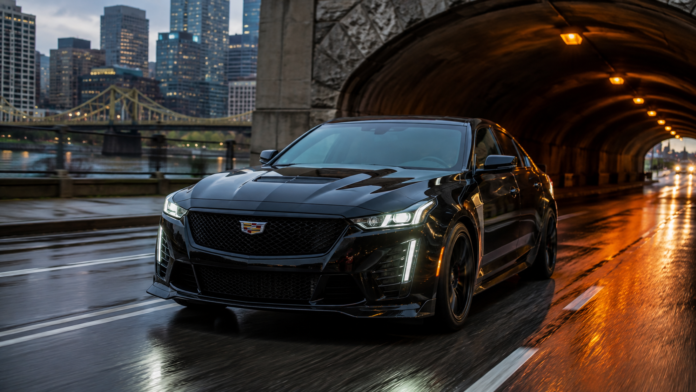
Cadillac CT5-V Blackwing: The Last Manual American Super Sedan – A Night in Pittsburgh

0

The lights of the Fort Pitt Tunnel glow in the distance as a low, aggressive silhouette emerges into the Golden Triangle. The sound is unmistakable, a supercharged V8 roar that echoes off the buildings. This is the Cadillac CT5-V Blackwing, the last manual American super sedan, and it is driving through the city that built the steel that shaped a nation.

The CT5-V Blackwing is the final car of its kind. It is a supercharged V8 sedan with a six-speed manual transmission, rear-wheel drive, and a chassis tuned for track work. It is a car that should not exist in 2026, a car that Cadillac built because enthusiasts demanded it, and a car that will disappear after this year.

The Powertrain: A Supercharged V8

The heart of the Blackwing is a 6.2-liter supercharged V8 engine that produces 668 horsepower at 6,500 rpm and 659 lb-ft of torque at 3,600 rpm. The engine is a masterpiece of American engineering: a cast aluminum block, rotocast aluminum cylinder heads, and a 1.7-liter positive-displacement supercharger with four-lobe, 160-degree rotors. It is the same engine that powers the Corvette Z06, and it is one of the most characterful V8s ever built.

The engine’s character is defined by its supercharged response. The power is immediate, the throttle response is sharp, and the sound is unmistakably American. The engine is tuned for track use, with a focus on durability and consistent performance over extended sessions. It is a car that rewards drivers who are willing to work for it, who appreciate the connection between throttle and response.

The six-speed manual transmission is a Tremec unit with a twin-disc clutch. It features No-Lift Shift functionality and Active Rev-Matching, allowing the driver to shift without lifting off the throttle and to match engine speed on downshifts. The clutch is heavy enough to feel substantial but light enough for daily driving.

The transmission is the defining feature of the Blackwing. It is the reason the car exists, and it is the reason it will be missed. Nearly 50 percent of Blackwing buyers choose the manual, a number that convinced Cadillac to keep it for the final year.

The performance figures are impressive. The manual Blackwing accelerates from 0 to 60 mph in 3.6 seconds and covers the quarter mile in 11.7 seconds. The lateral acceleration is 1.01g, and the car can lap the Virginia International Raceway Grand Course in 2 minutes and 50.6 seconds. The top speed is over 200 mph. The automatic version is quicker to 60 mph at 3.4 seconds, but the manual is more engaging.

The Chassis: A Track Car with a Luxury Interior

The Blackwing is built on a rear-wheel-drive platform with a front MacPherson strut suspension and a five-link independent rear suspension. The suspension uses Magnetic Ride Control 4.0, which adjusts damping in real time based on road conditions and driving inputs. The result is a car that can be comfortable on the highway and sharp on the track.

The optional Precision Package adds carbon-ceramic brakes with cross-drilled rotors, Michelin Pilot Sport Cup 2 R tires, and revised suspension tuning. The package transforms the car into a genuine track weapon, with lateral acceleration exceeding 1.13g. The carbon-ceramic brakes provide consistent stopping power, even after repeated hard stops.

The braking system is a Brembo setup with six-piston calipers at the front and four-piston calipers at the rear. The standard brakes are adequate for street use, but the carbon-ceramic option is recommended for track work. The stopping distance from 60 mph is 106 feet with the standard tires, and 97 feet with the Cup 2 Rs.

The steering is electric power-assisted, with variable assist that adjusts based on speed and driving mode. The turning circle is 42.6 feet, which is reasonable for a car of this size. The chassis is balanced and communicative, with a long wheelbase that provides stability at speed.

The Interior: Luxury with a Race Car Edge

The Blackwing’s interior is a blend of luxury and performance. The seats are sporty but comfortable, with plenty of side support for cornering. The rear legroom is 37.9 inches, which is good for the class. The trunk space is 11.9 cubic feet, which is small but adequate for weekend trips.

The infotainment system is a 33-inch touchscreen with Google Built-In, allowing access to apps like Google Maps and Google Play. The system includes a performance data recorder, which can capture and replay driving details. The optional Super Cruise hands-free driver assistance system is available for highway driving.

The interior is available with carbon fiber trim, Torch Red seat belts, and a performance steering wheel with a V-Mode button. The V-Mode button allows the driver to quickly switch to a custom performance setup, with adjustments to the engine, suspension, and steering.

The Final Year

Cadillac has confirmed that 2026 is the final year for the current CT5 and CT5-V Blackwing. The production of the CT5-V Blackwing F1 Collector Series, limited to 26 units, is a celebration of Cadillac’s entry into Formula 1 and a farewell to the manual V8 sedan. The F1 Collector Series features an upgraded supercharger that raises output to 685 horsepower and 673 lb-ft of torque. It is available exclusively with the manual transmission.

A next-generation CT5 is expected, but Cadillac has not confirmed whether it will retain the supercharged V8 or the manual transmission. Reports suggest a second-generation Blackwing could arrive with even more power, but the manual is far from guaranteed. The Camaro’s revival could provide the hardware for a future Blackwing, but the three-pedal formula is increasingly rare.

The Blackwing is the only manual V8 rear-wheel-drive sedan left in the United States. Once it disappears, the Ford Mustang GT will be the only manual V8 production car, and no sedan will offer the combination of a V8, a manual, and rear-wheel drive. The three-pedal manual is disappearing everywhere else, with the Volkswagen Jetta GLI, Honda Civic Si, and Acura Integra A-Spec all losing their stick shifts.

The Pittsburgh Night

The Blackwing has completed its drive through the city. Its supercharged V8 has delivered the 668 horsepower that makes it one of the most engaging sedans ever built. The manual transmission has provided the direct mechanical engagement that purists crave. The driver has experienced a level of performance that is as exclusive as it is extraordinary.

The CT5-V Blackwing is not a car for everyone. It is a car for those who value the pure, unfiltered experience of driving, who are willing to accept the compromises of a car that is built for enthusiasts. But it represents a significant moment in automotive history. It is the last manual American super sedan, and it is a reminder that even in an era of electrification and automation, there is still room for a car that is built by hand, driven with intent, and cherished as art.

The Blackwing is not just a car. It is a statement. It is a reminder that the old-school sport sedan formula still has a place, and that the joy of driving is not measured in horsepower or lap times, but in the connection between driver and machine. The last manual American super sedan has arrived. And it is unforgettable.
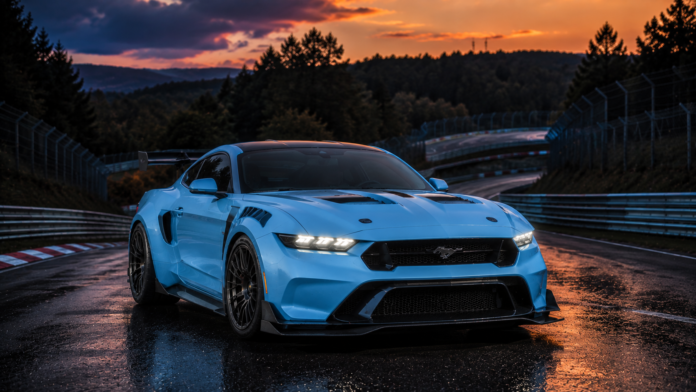
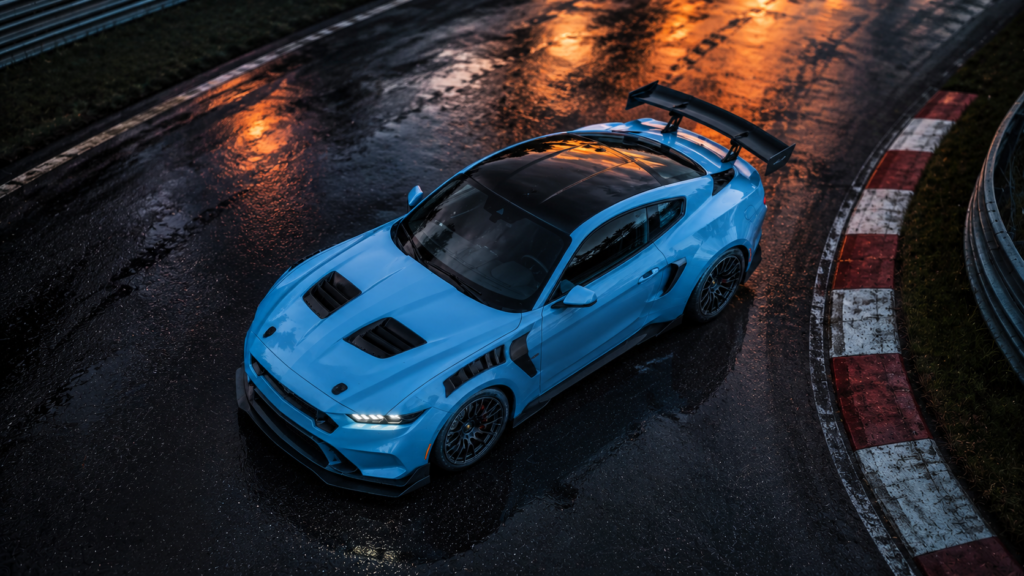
Ford Mustang GTD: Ford’s Road-Legal GT3 Car – A Night at the Nürburgring

0

The lights of the Nürburgring Nordschleife glow in the distance as a low, aggressive silhouette carves through the curves of the Green Hell. The sound is unmistakable, a supercharged V8 roar that echoes off the trees. This is the Ford Mustang GTD, the most extreme Mustang ever built, and it represents Ford’s attempt to build a road-legal GT3 car.

The GTD is not a factory race car. It is a road-going version of the Mustang GT3 that competes in the IMSA WeatherTech SportsCar Championship and the 24 Hours of Le Mans. It is a car that combines the soul of a race car with the practicality of a road car, and it is the most significant Mustang since the original GT350.

The Powertrain: A Supercharged V8

The heart of the GTD is a 5.2-liter supercharged V8 engine that produces over 800 horsepower. The engine is mounted in the front, but the car is rear-wheel drive, with power sent through an eight-speed dual-clutch transmission.

The engine’s character is defined by its supercharged response. The power is immediate, the throttle response is sharp, and the sound is unmistakably American. The engine is tuned for track use, with a focus on durability and consistent performance over extended sessions.

The Chassis: A Race Car for the Road

The GTD is built around a carbon fiber body, with a modified version of the Mustang’s platform. The car features a pushrod rear suspension, a first for a production Mustang, derived from the GT3 race car. The suspension uses Multimatic’s DSSV spool-valve dampers, providing exceptional body control and feedback.

The car rides on 20-inch front and 21-inch rear wheels wrapped in Michelin Pilot Sport Cup 2R tires, with Brembo carbon ceramic brakes providing immense stopping power.

The Aerodynamics: Active Downforce

The GTD’s aerodynamic package is among the most sophisticated ever fitted to a Mustang. The car features a massive rear wing, a prominent front splitter, and an underbody diffuser. The rear wing is active, adjusting its angle based on speed and driving conditions.

The aerodynamic package generates significant downforce, keeping the car planted through high-speed corners. The car is designed to be stable at speed, with a focus on high-speed stability and cornering grip.

The Nürburgring Target: Sub Seven Minutes

The GTD was developed with a clear target: a sub-seven-minute lap time at the Nürburgring Nordschleife. The car’s development was led by Ford’s engineers, who worked closely with Multimatic to optimize the car’s performance on the track.

The Nürburgring Evening

The GTD has completed its demonstration laps. Its supercharged V8 has delivered the 800 horsepower that makes it one of the most extreme Mustangs ever built. The carbon fiber chassis and active aerodynamics have kept it planted through the curves. The driver has experienced a level of performance that is as exclusive as it is extraordinary.

The GTD is not a car for everyone. It is limited to 1,000 units, priced at approximately $325,000. But it represents a significant moment in Ford’s history. It is the first Mustang to challenge the European sports car establishment on its own terms.

The GTD is not just a car. It is a statement. It is a reminder that even in an era of electrification and automation, Ford remains committed to the raw, unfiltered joy of driving. The road-legal GT3 car has arrived. And it is unforgettable.
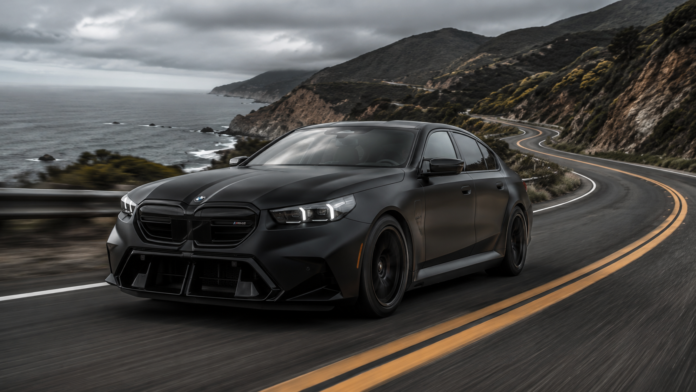
BMW M5 G90: Is a 5,300 Pound Hybrid Still an M Car? – A Night on the PCH

0

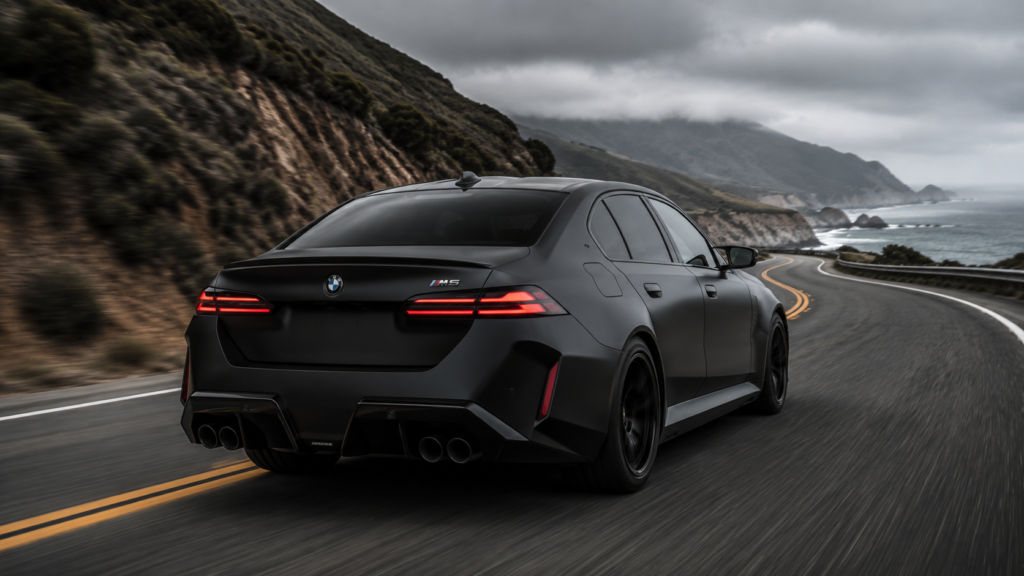
The sun is setting over the Pacific Ocean as a low, wide silhouette carves through the curves of the Pacific Coast Highway. The sound is unmistakable, a deep V8 rumble that echoes off the cliffs. But there is a new layer to the sound, a high-pitched whir from the electric motor that fills in the gaps between gear shifts. This is the BMW M5 G90, the first electrified M5, and it is the most controversial M car since the brand introduced the XM.

The M5 has always been the benchmark for the super sedan. It is the car that defined the segment, a car that could carry a family in comfort and embarrass sports cars on the track. But the G90 generation has changed the formula. It is now a plug-in hybrid, tipping the scales at nearly 5,400 pounds, almost 1,000 pounds heavier than the outgoing F90 model. It is a car that BMW built because it had to, not because it wanted to.

The question is whether the M5 formula survived the transition. The answer is complicated.

The Powertrain: A Hybrid for the Ages

The heart of the G90 M5 is the S68 engine, a 4.4-liter twin-turbo V8 that produces 577 horsepower on its own. An electric motor, integrated into the eight-speed automatic transmission, adds another 194 horsepower, bringing the total system output to 727 horsepower and 738 lb-ft of torque. That is more power than any M5 before it, and it is delivered through M xDrive all-wheel drive.

The performance figures are impressive on paper. The M5 accelerates from 0 to 60 mph in 3.4 seconds and reaches a top speed of 190 mph with the M Driver’s Package. But those figures are actually slightly slower than the previous generation, which could reach 60 mph in 2.8 seconds. The weight has offset the power gain.

The plug-in hybrid system is a significant change. A battery provides approximately 25 miles of electric-only range, allowing the M5 to operate as a silent, emissions-free sedan for short trips. The electric motor provides instant torque, filling the gaps in the V8’s power delivery and making the car feel more responsive than its weight would suggest.

The Weight Problem

The G90 M5 weighs between 2,435 kg and 2,510 kg, depending on the source. That is nearly 1,000 pounds more than the F90 M5 and approaches the weight of the BMW XM. It is a figure that has dominated the conversation around the car, and it has led many enthusiasts to question whether the M5 can still be an M car.

The weight is the result of the hybrid hardware. The battery, electric motor, and related systems add significant mass, and BMW has not been able to offset it with lightweight materials. The car is heavy, and it feels heavy.

But the weight is not a disaster. On smooth roads, the M5 is composed and confidence-inspiring. The adaptive suspension and rear-axle steering work to hide the mass, and the car handles with a precision that defies its size. The AWD system and rear differential do a fantastic job putting the power down, rotating the car through corners.

The ride quality is more controversial. On rough roads, the low-speed damping can be harsh, and the car can feel overly stiff over sharp bumps. Comfort mode can feel too soft and floaty, while Sport Plus is too rigid for daily use. Sport mode offers the best balance, but it is not perfect.

The Driving Experience: Two Personalities

The G90 M5 is a car of two personalities. In EV mode, it is a silent, refined cruiser, gliding through traffic with a smoothness that is genuinely impressive. The electric motor provides enough power for city driving, and the regenerative braking system is well-integrated.

In Sport Plus mode, the car transforms. The V8 barks to life, the throttle sharpens, and the chassis tightens. The acceleration is brutal, punching you in the gut and rearranging your internal organs. The car feels alive, responsive, and eager.

The transition between the two modes is not always seamless. In cold weather, the V8 wake-up can feel a bit rough, with a mild vibration and a slightly delayed response. But overall, the system is smoother than the clunky setup in the BMW XM.

The M1 and M2 buttons allow drivers to configure their preferred setups. It is a feature that should be used, as the car resets to its most comfortable settings at the start of every journey.

The Verdict: Still an M Car, But Different

The G90 M5 is still an M car. It is fast, refined, and capable. It can carry a family in comfort and embarrass sports cars on the track. It is the most livable M5 ever built, a car that can be a whisper or a war cry depending on your mood.

But it is also a car that has changed. It is heavier, slower to 60 mph, and less focused than its predecessor. It is a car that BMW built because it had to, not because it wanted to. And it is a car that reflects the reality of the modern automotive industry.

The question is not whether the G90 M5 is still an M car. It is. The question is whether you want an M car that has been forced to adapt to the demands of emissions regulations and electrification. The answer depends on what you value.

Mercedes-AMG GT XX: The Concept Behind AMG’s Electric Future – A Night in Miami

0

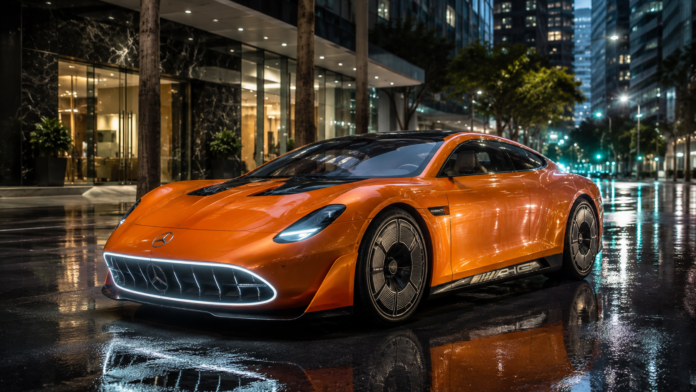
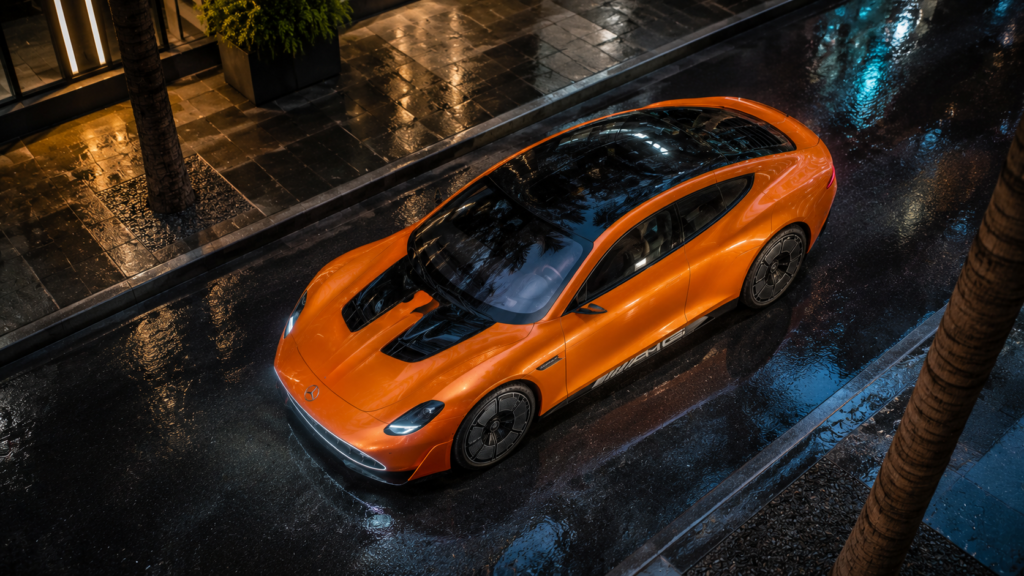
The neon lights of Miami’s Brickell Avenue reflect off the wet asphalt as a low, wide silhouette glides through the city streets. The car is not making any noise, but its presence is undeniable. This is the Mercedes-AMG GT XX Concept, a rolling laboratory that previews the brand’s electric future and represents the most significant shift in AMG’s engineering philosophy since the brand was founded in 1967.

The GT XX is a technology program as much as it is a car. It is built on the new AMG.EA high-performance electric architecture and powered by three axial flux motors producing over 1,000 kW (1,360 horsepower). It is a car that can reach 360 km/h, charge from 10 to 80 percent in minutes, and sustain high-performance driving without overheating. And it signals exactly where AMG performance is heading.

The Axial Flux Revolution

The heart of the GT XX is its axial flux motor technology, developed in partnership with YASA, a British electric motor specialist and wholly owned subsidiary of Mercedes-Benz. Unlike conventional radial flux motors, which have a rotor spinning inside a stator, axial flux motors have two discs facing each other.

The advantages are substantial. Axial flux motors have three times the power density of conventional electric motors, are two-thirds lighter, and take up only one-third of the space. The front motor is just 9 centimeters wide, while the rear motors are only 8 centimeters wide. This compact packaging allows AMG engineers to optimize weight distribution and chassis dynamics without compromising interior space.

The GT XX uses three axial flux motors: two at the rear axle and one at the front. The rear motors form a High Performance Electric Drive Unit that produces the majority of the car’s power. The front motor acts as a booster, engaging only when additional traction or power is required, and can be disconnected via a Disconnect Unit to reduce energy loss during cruising.

The total system output is over 1,000 kW (1,360 horsepower), with a peak of 1,041 kW achieved during testing. The car can reach a top speed exceeding 360 km/h. In testing at Nardò, Italy, the GT XX broke 25 long-distance records, covering 40,075 kilometers in just over seven days at an average speed of 300 km/h.

The Battery: Inspired by Formula 1

The GT XX’s battery is a complete new development, drawing on experience from the AMG ONE hypercar and Formula 1. The high-performance battery uses more than 3,000 cylindrical NCMA cells with a silicon-enriched anode. The cells are tall and slim, enabling efficient cooling and an energy density of over 300 Wh/kg.

The battery’s direct cooling system is one of its most innovative features. An electrically non-conductive oil circulates through the pack, maintaining each of the more than 3,000 cells at the optimum temperature. This system ensures uniform heat dissipation and supports the battery’s ability to deliver high continuous power, even under sustained track use.

The battery operates on an 800-volt architecture, which reduces weight through lighter wiring and shortens charging times. The intelligent thermal management precisely controls cell temperature to ensure maximum performance even during intensive use.

Megawatt Charging: Refueling in Minutes

The GT XX’s charging performance is as revolutionary as its powertrain. At a prototype charging station, the car achieved a maximum charging power of 1,041 kW, reaching the 1 MW mark just 0.5 seconds after initiating charging. The system maintained 1,000 kW for approximately two and a half minutes, transmitting up to 1,176 amps of current through a specially developed liquid-cooled CCS cable.

The result is extraordinary. The system transmitted 17.3 kWh in just one minute, equivalent to 125 kilometers of range, and can add approximately 400 kilometers of range in just five minutes. This approaches the refueling speed of a combustion car, addressing one of the primary concerns of electric vehicle adoption.

The megawatt charging record was made possible by a specially developed prototype charging station that converted a Megawatt Charging System station originally designed for trucks into a system that works with a slim CCS cable. The findings from this program will flow directly into the development of new high-performance fast chargers for Mercedes-Benz charging parks in Europe and North America.

Aerodynamics: A Drag Coefficient of 0.198

The GT XX’s aerodynamic performance is equally impressive. The car achieves a drag coefficient of just 0.198, an exceptionally low figure for a vehicle with the performance and presence of a four-door coupe. At 300 km/h, approximately 83 percent of the motor’s energy is dedicated to overcoming aerodynamic drag, underscoring the importance of this development.

The car features active aerodynamic elements, including a patented active wheel design. Each 21-inch wheel is equipped with five movable carbon elements that adjust their geometry based on thermal and aerodynamic needs. If the system detects excessive brake temperatures, the blades open to maximize airflow. Under normal conditions, they seal to optimize aerodynamic efficiency, capturing residual energy through integrated micro-generators.

What the Concept Signals

The GT XX concept signals several key directions for AMG’s electric future. First, the axial flux motor will become the standard for AMG electric models, described as the “V8 of the electric era.” Production of these motors is set to begin in a new factory in Berlin, with capacity for thousands of units per year.

Second, the AMG.EA architecture will underpin multiple models, including a four-door sports car and an SUV. The SUV is expected to deliver over 1,000 horsepower and will be the first AMG SUV developed entirely in-house at AMG’s German headquarters.

Third, the GT XX’s focus on endurance and high-speed performance signals that AMG is prioritizing sustained performance over single-lap heroics. The car’s ability to maintain high power output and fast charging across extended sessions demonstrates that electric AMG models will be genuine track cars, not just quick in a straight line.

The Miami Evening

The GT XX concept has completed its demonstration along Brickell Avenue. Its axial flux motors have delivered the 1,360 horsepower that makes it one of the most powerful electric cars ever built. The active aerodynamics and 0.198 drag coefficient have kept it stable at speed. The driver has experienced a level of performance that is as exclusive as it is extraordinary.

The GT XX is not a production car. It is a technology program, a preview of what AMG’s electric future will look like. But it represents a significant moment in AMG’s history. It is the first electric car built on the AMG.EA architecture, the first with axial flux motors, and the first to demonstrate that electric performance can match combustion performance without compromise.

The GT XX is not just a car. It is a statement. It is a reminder that even in an era of electrification, AMG remains committed to the relentless pursuit of performance. The electric future has arrived. And it is faster than anyone expected.

Porsche 963 RSP: A Le Mans Prototype With a License Plate – A Morning at the Goodwood Estate

0

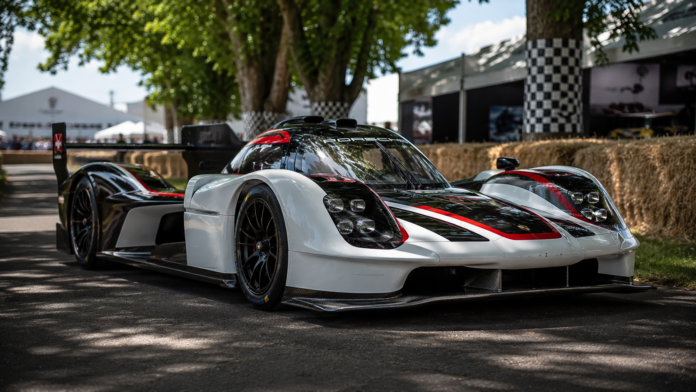
The sun is rising over the rolling hills of West Sussex as a low, aggressive silhouette sits on the lawn at the Goodwood Festival of Speed. The car is unmistakably a Le Mans prototype, yet it carries a license plate. It is the Porsche 963 RSP, the only example of its kind, and it represents the closest any private owner can come to owning a genuine endurance racing car that can be driven on public roads.

The 963 RSP is a one-off creation built for Roger Penske, the legendary team owner whose initials form the car’s name. It is inspired by the road-legal Porsche 917 built for Count Rossi in 1975, and it represents the same audacious spirit: a Le Mans-winning race car, adapted for the street. Porsche has built only one, and it is not for sale.

The Inspiration: A 50-Year-Old Legacy

The 963 RSP was inspired by a similar one-off, road-legal version of the two-time Le Mans-winning Porsche 917 race car, built in 1975 for Count Gregorio Rossi di Montelera, heir to the Martini fortune. That car was a full-on Le Mans-winning race car for the road, and it still appears at events like the Festival of Speed and Villa d’Este.

The idea for the 963 RSP was born during a conversation at the 2024 Petit Le Mans, where Porsche executives discussed how to commemorate the 50th anniversary of the Count Rossi 917. The project was developed in secret, involving only a small team of engineers and designers. Roger Penske was identified as the ideal owner early in the process.

The Engineering: A Race Car Tamed for the Road

The 963 RSP is not a replica or a tribute car. It is a genuine 963 LMDh chassis, built by Multimatic, and converted for road use by a team of experts at Porsche Motorsport headquarters in Germany and finished at the Porsche Classic Factory Restoration in Atlanta.

The heart of the car is a 4.6-liter twin-turbo V8 hybrid powertrain, derived from the Porsche 918 Spyder and sharing 80 percent of its components with that car. The race car’s output is 671 horsepower, and the RSP retains that figure, but the engine has been recalibrated to run on pump gas instead of racing fuel. The hybrid system, with its Bosch-spec electric motor and 800-volt battery, remains intact.

The suspension has been softened for road use, and the ride height has been raised to its highest setting to clear speed bumps and driveways. The car rides on Michelin wet-weather tires, fitted with 1970s-era Michelin stickers in honor of the Count Rossi 917. The Multimatic DSSV shock absorbers have been placed in their softest setting.

The aerodynamic package has also been modified. The large openings over the wheel arches, required for racing blow-over criteria, have been closed off. The bodywork has been sanded and painted in Martini Silver, the same color as the Count Rossi 917, with an enamel Porsche badge replacing the race car’s sticker.

The interior has been trimmed in Alcantara and leather, matching the tan of the 917, and features a removable 3D-printed cup holder. The race car’s FIA-approved racing seat, six-point harnesses, and driver-focused controls remain, but the car also has functional turn signals, brake lights, a horn, and license plate mounts.

The Exemption: Not Fully Road-Legal

The 963 RSP is not a fully homologated road car. It requires special dispensation to run on public roads, including an exemption from the EPA in the United States. Starting the car requires a laptop and trained technician. It is a race car for the road, not a road car that happens to be fast.

Porsche has no plans to build another example. The company has acknowledged that homologating a race car for road use is far more difficult now than it was in 1975, and any such effort would significantly change the character of the 963.

The Goodwood Morning

The 963 RSP has completed its demonstration run. Its V8 hybrid powertrain has delivered the 671 horsepower that makes it one of the most extraordinary road-legal cars ever built. The softened suspension and wet-weather tires have kept it composed on the grass. The driver, cocooned in the race-spec cockpit, has experienced a level of performance that is as exclusive as it is extraordinary.

The 963 RSP is not a car for everyone. It is a one-off, built for a single owner, and it will never be replicated. But it represents a significant moment in Porsche’s history. It is the closest any private owner can come to owning a genuine Le Mans prototype that can be driven on public roads.

The 963 RSP is not just a car. It is a statement. It is a reminder that even in an era of electrification and automation, Porsche remains committed to the raw, unfiltered joy of driving. The Le Mans prototype has a license plate. And it is unforgettable.
Xiaomi SU7 Ultra: A Phone Company Built a 1,500 HP Sedan – A Night at the Nürburgring

0

The lights of the Nürburgring Nordschleife glow in the distance as a low, aggressive silhouette carves through the curves of the Green Hell. The sound is not a wailing V12 or a screaming V10. It is the high-pitched whir of three electric motors spinning at the limits of physics. This is the Xiaomi SU7 Ultra, a 1,527-horsepower electric sedan built by a company that was best known for smartphones just a few years ago. It is the fastest four-door production car in the world, and it represents a fundamental shift in the global automotive hierarchy.

The SU7 Ultra is not a concept. It is a production car, available in China for a starting price of approximately $75,000. It is the result of Xiaomi’s $10 billion commitment to electric vehicles, and it proves that a consumer electronics company can build a world-class performance car in record time.

The Powertrain: A 1,500 HP Sedan

The heart of the SU7 Ultra is a tri-motor electric powertrain that produces 1,547 horsepower and 1,770 Nm of torque. The system combines two HyperEngine V8 motors and one HyperEngine V6s motor, with the rear axle producing 850 kW on its own. The power is delivered through a fixed-ratio gearbox to all four wheels.

The performance figures are extraordinary. The SU7 Ultra accelerates from 0 to 100 km/h in 1.98 seconds and reaches 200 km/h in just 6.09 seconds. Top speed is 350 km/h. The quarter mile is completed in approximately 9.0 seconds. The car weighs 2,360 kg, but the power-to-weight ratio is exceptional.

The battery is a 93.7 kWh CATL Qilin 2.0 pack running on an 800-volt architecture. It supports 480 kW DC fast charging, allowing a 10 to 80 percent charge in just 11 minutes. CLTC range is 630 km. The battery’s discharge rate is optimized for the 1,500 horsepower output.

The Chassis: Carbon Fiber and Ceramic Brakes

The SU7 Ultra is built with a focus on weight reduction and track performance. The car features a carbon fiber roof that saves 11 kg, carbon fiber side mirrors, a carbon fiber dual-duct front hood, and a carbon fiber rear spoiler. The interior uses extensive Alcantara and carbon fiber trim.

The braking system is track-ready. The car features carbon ceramic brakes with 420 mm front discs and six-piston Akebono calipers. The rear brakes are four-piston units. The car rides on 21-inch forged wheels with Pirelli P Zero tires, sized 265/35 R21 front and 305/30 R21 rear. The suspension uses double wishbones at the front and a five-link rear setup.

The Nürburgring Records

The SU7 Ultra has set multiple records at the Nürburgring. The prototype lapped the circuit in 6:22.091, making it the third-fastest car ever to take on the Green Hell. The production version achieved a time of 7:04.957, beating the Porsche Taycan Turbo GT’s record and making it the fastest production electric sedan around the Nürburgring. A camouflaged variant with a larger rear wing and revised bodywork has been spotted testing, suggesting an even faster version is on the way.

The Interior: Luxury and Technology

The SU7 Ultra’s cabin is a blend of luxury and technology. The car features Xiaomi’s HyperOS system on a 16.1-inch central display, a 7.1-inch dashboard, and a 56-inch head-up display. The system is powered by a Qualcomm Snapdragon 8295 chip and features a comprehensive driver assistance suite with Nvidia Drive Orin processors, LiDAR, and 14 cameras.

The seats are sport buckets with heating, ventilation, and massage functions. The interior uses over 5 square meters of Alcantara fabric and features 25 speakers, a 50W wireless charger, and a 4.6L refrigerator. The car also features a 220V AC outlet.

The Price: A Value Proposition

The SU7 Ultra starts at 529,900 yuan, approximately $75,000. The as-tested price is approximately $88,000. This makes it significantly less expensive than its competitors. The Porsche Taycan Turbo GT starts at approximately $230,000. The Lucid Air Sapphire starts at approximately $250,000. The Rimac Nevera starts at over $2 million. The SU7 Ultra delivers performance comparable to cars costing three to ten times as much. Xiaomi has stated that pre-orders exceeded 19,000 units within the first three days of launch, with over 10,000 locked-in orders. The car has already contributed to Xiaomi’s profitability.

The Nürburgring Evening

The SU7 Ultra has completed its demonstration laps. Its tri-motor powertrain has delivered the 1,527 horsepower that makes it one of the most powerful production cars ever built. The carbon ceramic brakes and advanced aerodynamics have kept it planted through the curves. The driver has experienced a level of performance that is as exclusive as it is extraordinary.

The SU7 Ultra is not a car for everyone. It is a car for those who value extreme performance at an accessible price, who are willing to embrace the electric future. But it represents a significant moment in automotive history. It is the first Chinese production car to challenge the established order, and it proves that a consumer electronics company can build a world-class performance car in record time.

The SU7 Ultra is not just a car. It is a statement. It is a reminder that the hypercar world is no longer the exclusive domain of European manufacturers. The electric future has arrived. And it is faster than anyone expected.

Yangwang U9 Xtreme: China’s 3,000 HP Answer to Bugatti – A Night at the ATP Test Track

0

The lights of the ATP Automotive Testing Papenburg facility glow in the distance as a low, aggressive silhouette sits on the high-speed oval in Germany. The air is cool, the track is empty, and the car is about to make history. This is the Yangwang U9 Xtreme, China’s most extreme hypercar, and it represents a fundamental shift in the global automotive hierarchy.

Built by BYD’s ultra-luxury Yangwang brand, the U9 Xtreme is a limited edition of just 30 units that has already claimed the title of the world’s fastest production car. In September 2025, it reached 496.22 km/h (308.3 mph) at the ATP test track, eclipsing the previous benchmark of 304.8 mph set by the Bugatti Chiron Super Sport 300+. It also lapped the Nürburgring Nordschleife in 6 minutes and 59.157 seconds, making it the first production electric vehicle to break the seven-minute barrier.

The Powertrain: A 1,200V Revolution

The heart of the U9 Xtreme is a 1,200-volt electrical architecture, a first for any production car. This ultra-high-voltage platform allows the four electric motors, each capable of spinning at 30,000 rpm, to deliver a combined output of 3,000 PS (2,977 horsepower). The system produces more than 3,000 PS, equivalent to roughly 2,977 horsepower. Each wheel is driven independently, allowing the car’s control systems to continuously manage torque distribution.

The powertrain is supported by a specialized version of BYD’s lithium iron phosphate Blade Battery with a claimed discharge rate of up to 30C. This is up to 10 times the rate of a conventional EV battery and twice that of other electric hypercars. The peak energy-recuperation rate is more than 700 kW, helping to reduce load and stresses in the mechanical brakes.

The U9 Xtreme weighs 2,480 kilograms, making it heavier than many of its combustion rivals, but the power-to-weight ratio is exceptional at approximately 1.2 horsepower per kilogram. The standard Yangwang U9 has a top speed of 472.41 km/h (293.5 mph), but the Xtreme’s upgrades unlock over 20 km/h more.

Aerodynamics and Chassis: Mastery of Airflow

Producing enough power is only part of the equation when chasing 500 km/h. At those speeds, aerodynamic drag rises dramatically, meaning additional horsepower delivers increasingly small gains unless the body can move efficiently through the air. The U9 Xtreme incorporates extensive aerodynamic hardware designed for high-speed stability, including carbon-fiber components and a large rear diffuser.

The car uses Yangwang’s e⁴ plus DiSus X intelligent full-active body control technology, allowing four-wheel distributed motors to achieve vector torque distribution. Each wheel can adjust its suspension independently, and the system scans each damper to maximize grip and stability. The suspension is calibrated specifically for the enormous loads generated during extreme track driving.

The braking system features titanium calipers and optimized carbon-ceramic braking systems, with larger discs designed to dissipate heat more effectively when braking from stratospheric speeds.

The Records: 308 mph and a Sub-Seven-Minute Lap

The U9 Xtreme’s verified 308.3-mph run at Papenburg transformed the discussion from whether an electric production car could challenge combustion hypercars to how much further EV technology can realistically go. The car’s 496.22-km/h run eclipsed the previous benchmark associated with the fastest petrol-powered production model.

The Nürburgring lap time of 6:59.157 is a testament to the car’s balanced performance. The U9 Xtreme was driven by Moritz Kranz, a German driver with nearly 10,000 laps of experience at the Nürburgring, who noted that the success was possible thanks to the “perfect balance between a high-power electric platform and a very precise chassis configuration.”

The car’s performance is also enabled by semi-slick tires developed specifically for the U9 Xtreme, with compounds designed to handle speeds up to 500 km/h without compromising integrity. The GitiSport e·GTR2 PRO tires are the first of their kind to be developed for a Chinese production car at this performance level.

The Price: $3 Million and Only 30 Units

The Yangwang U9 Xtreme is limited to just 30 units globally, with all examples reportedly already reserved. At the 2026 Beijing Auto Show, the first production-spec model sold for over 20 million yuan (approximately $2.7 million to $3 million), making it the highest-priced vehicle ever sold at the event. The price places it in direct competition with the Bugatti Chiron Super Sport 300+ and the Koenigsegg Jesko Absolut.

BYD has confirmed that each example will feature a unique, fully customized design. Everything from exterior paint finishes and carbon-fiber patterns to the infotainment UI and door-closing chimes can be personalized to the owner’s specifications.

The ATP Evening

The U9 Xtreme has completed its demonstration run. Its quad-motor powertrain has delivered the 3,000 horsepower that makes it one of the most powerful production cars ever built. The 1,200-volt architecture and advanced aerodynamics have kept it stable at speeds that would have seemed impossible for an electric car just a few years ago. The driver has experienced a level of performance that is as exclusive as it is extraordinary.

The U9 Xtreme is not a car for everyone. It is limited to 30 units, priced at approximately $2.7 million. But it represents a significant moment in automotive history. It is the first Chinese production car to claim the title of the world’s fastest production car, and it proves that China can compete at the highest level of automotive engineering.

The U9 Xtreme is not just a car. It is a statement. It is a reminder that the hypercar world is no longer the exclusive domain of European manufacturers. The electric future has arrived. And it is faster than anyone expected.

Rimac Nevera R: More Power, Less Weight, Same Problem – An Evening at the Autodromo di Modena

0

The lights of the Autodromo di Modena glow in the distance as a low, sculpted silhouette carves through the curves of the Italian circuit. The sound is not a wailing V12 or a screaming V10. It is a high-pitched whir, the sound of four electric motors spinning at the limits of physics. This is the Rimac Nevera R, the latest evolution of the electric hypercar that already held 23 performance records. It is faster, lighter, more powerful, and more focused than the car it replaces . And it still has the same problem: finding buyers.

The Nevera R is Rimac’s third-generation hypercar, a track-focused evolution of the Nevera that shifts the car from “Hyper GT” into “Hyper Sportscar” . With 2,107 horsepower, a 108 kWh battery pack that is lighter than the standard car’s unit, and a revised aerodynamic package that generates 15 percent more downforce, it is one of the most technically accomplished cars ever built . Only 40 will be made . Yet the question that has followed Rimac since the first Nevera rolled off the production line remains unanswered: who is buying them?

The Numbers: A Record-Breaking Machine

The Nevera R’s performance figures are extraordinary. It accelerates from 0 to 60 mph in 1.66 seconds and reaches 300 km/h (186 mph) in just 7.89 seconds . The quarter mile is dispatched in 7.90 seconds, and the standing mile in 19.71 seconds . Top speed is 431.45 km/h (268.2 mph), making it the fastest electric car in the world . The 0-400-0 km/h run, braking from 400 km/h to a standstill, is completed in 25.79 seconds .

The improvements over the standard Nevera are significant. The R’s 0-300 km/h time is 1.33 seconds quicker than the standard car . The 0-200 km/h time is 0.47 seconds quicker . The 0-400-0 km/h time is 4.14 seconds quicker . These gains come from a combination of increased power, reduced weight, and a revised aerodynamic package . The Michelin Cup 2 tires and recalibrated All-Wheel Torque Vectoring system contribute to a 10 percent reduction in understeer and a 5 percent increase in lateral grip .

The car is also visually more aggressive. The fixed rear wing, enlarged diffuser, and new front splitter give it a purposeful, track-focused appearance . The design is the work of Bugatti Rimac design chief Frank Heyl, who has drawn every Bugatti since the Veyron Super Sport .

The Problem: A Hypercar That Doesn’t Sell

The Nevera R is a technical masterpiece. It is the fastest accelerating production car in the world, the fastest electric car in the world, and one of the most advanced pieces of automotive engineering ever built. But it is also a car that has struggled to find its audience.

Top Gear noted the challenge directly: “They just don’t sell, do they? The Rimac Nevera is the best-selling of all the electric hypercars, but there are still plenty of the 150 build slots left unfilled.” The R, limited to 40 units, faces a similar challenge. Unlike a GMA T.50, a Pagani Utopia, or the Bugatti Tourbillon, which sell out before they are unveiled, the Nevera R can be ordered without a waitlist.

The reasons are complex. The Nevera is a technological showcase, but it is also a car that is almost too easy to drive. Mate Rimac himself acknowledged that the original Nevera was “too good. Too competent. Too easy to use.” The R is more focused, but it still lacks the raw, mechanical engagement that defines the most desirable hypercars. As Top Gear put it, “for me it only works as part of a collection – as a sensation you simply can’t experience anywhere else, to indulge in on a day when you don’t fancy one of the open-gate manuals, 9,000rpm V10, or twin-turbo catapults that lurk in your collection.”

The Modena Evening

The Nevera R has completed its demonstration laps. Its quad-motor powertrain has delivered the 2,107 horsepower that makes it one of the most powerful production cars ever built. The revised chassis and aerodynamics have kept it planted through the curves. The driver has experienced a level of performance that is as exclusive as it is extraordinary.

The Nevera R is not a car for everyone. It is a car for those who value the pure, unfiltered experience of acceleration, who are willing to accept the compromises of a car that is almost too easy to drive. But it is also a car that represents a significant moment in automotive history. It is the most advanced electric hypercar ever built, and it proves that the electric powertrain can deliver performance that rivals anything with a combustion engine.

The Nevera R is not just a car. It is a statement. It is a reminder that even in an era of electrification, there is still room for a car that pushes the boundaries of what is possible. But it is also a reminder that technical excellence does not always translate into commercial success. The R is faster, lighter, and more powerful than the car it replaces. And it still has the same problem: finding buyers who are willing to embrace the electric future.

Lamborghini Temerario vs Aston Martin Valhalla: Which New Generation Supercar Offers the Better Driving Experience?

0

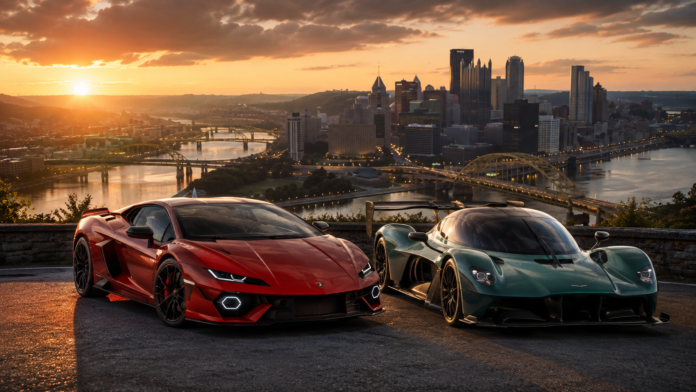
A cool Saturday morning in Pittsburgh, Pennsylvania begins with the first rays of sunlight reflecting off the skyline as two of the automotive world’s newest performance machines arrive at Mount Washington Overlook. From the elevated viewpoint, the city skyline provides a fitting backdrop for a comparison between two supercars that represent very different interpretations of modern performance.

The Lamborghini Temerario introduces a new chapter for the Italian manufacturer, replacing the Huracán with a twin turbocharged V8 hybrid powertrain. Across the overlook, the Aston Martin Valhalla reflects British engineering influenced by Formula One, combining hybrid technology with an aggressive aerodynamic package.

Although both vehicles embrace electrification, they pursue performance through distinct philosophies. One focuses on emotional road driving and everyday usability, while the other places greater emphasis on race inspired engineering. For enthusiasts, collectors, and buyers considering the next generation of exotic automobiles, this comparison reveals how two manufacturers are approaching the future of the supercar.

Lamborghini Temerario Begins a New Era

Replacing one of Lamborghini’s most successful models was never going to be an easy task. The Temerario succeeds the Huracán by introducing an entirely new drivetrain built around a twin turbocharged V8 engine supported by electric motors. Rather than simply adding hybrid assistance, Lamborghini designed the new platform to improve responsiveness, efficiency, and handling while preserving the dramatic driving character associated with the brand.

Its exterior remains unmistakably Lamborghini. Sharp body lines, wide air intakes, low proportions, and sculpted surfaces create a design that looks purposeful from every angle. While recognizable as a Lamborghini, the Temerario introduces softer transitions and more refined aerodynamic integration than its predecessor.

Aston Martin Valhalla Brings Formula One Technology to the Road

The Valhalla represents one of Aston Martin’s most ambitious production vehicles. Developed with significant input from the company’s Formula One program, it combines a lightweight carbon fiber monocoque with a hybrid powertrain and advanced active aerodynamics.

Every visible surface serves a functional purpose. Large front air channels, carefully shaped side intakes, and an active rear wing contribute to stability while reducing aerodynamic drag. Unlike traditional grand touring Aston Martins, the Valhalla clearly prioritizes high speed precision and track capability.

Exterior Design Comparison

Standing side by side overlooking downtown Pittsburgh, both vehicles immediately communicate different personalities. The Lamborghini Temerario embraces dramatic styling that has become a signature of the Italian manufacturer. Angular lighting, geometric bodywork, and muscular proportions emphasize visual excitement without sacrificing aerodynamic efficiency.

The Aston Martin Valhalla adopts a cleaner and more technical appearance. Its bodywork appears sculpted by airflow rather than styling alone. From the front splitter to the rear diffuser, every element contributes to performance. Both approaches are successful, although they appeal to different tastes.

Drivers seeking visual drama may gravitate toward the Lamborghini. Those who appreciate engineering driven design may prefer the Aston Martin.

Interior Quality and Driver Environment

Inside the cabin, the differences continue. The Lamborghini Temerario focuses on combining premium craftsmanship with modern technology. Digital displays are integrated into a cockpit that remains driver focused while still offering comfort for longer journeys. High quality leather, Alcantara, and carbon fiber create a refined yet sporting atmosphere.

The Aston Martin Valhalla adopts a more minimalist approach. Its seating position feels closer to that of a race car, with controls positioned to maximize focus behind the wheel. Carbon fiber dominates the interior, reinforcing the vehicle’s lightweight philosophy. Both interiors deliver exceptional craftsmanship, although their priorities differ.

Hybrid Power Meets Different Engineering Philosophies

Electrification has become a defining trend among modern supercars. Both manufacturers use hybrid systems, yet their objectives are different. The Lamborghini Temerario aims to enhance throttle response while maintaining a balance suitable for spirited road driving. Power delivery feels progressive, allowing the driver to enjoy both city streets and winding roads with confidence.

The Aston Martin Valhalla is engineered with circuit performance in mind. Its hybrid system works closely with advanced chassis electronics to maximize acceleration, traction, and cornering capability. This creates a more focused driving experience, particularly during aggressive driving.

Chassis and Handling

Pittsburgh offers an interesting mix of wide boulevards, steep hills, river crossings, and technical roads surrounding the city. These varying conditions reveal important differences. The Lamborghini Temerario feels approachable. Steering inputs remain precise while suspension tuning absorbs imperfect pavement with surprising composure. Drivers quickly gain confidence because the vehicle communicates clearly.

The Aston Martin Valhalla feels more technical. Its suspension calibration delivers exceptional body control during fast cornering. The steering provides remarkable precision, rewarding experienced drivers who appreciate detailed chassis feedback.

Everyday Practicality

Modern supercars are increasingly expected to perform beyond weekend driving. The Lamborghini Temerario appears designed with everyday usability in mind. Improved visibility, refined ergonomics, and a comfortable cabin make it easier to enjoy during regular use. The Aston Martin Valhalla remains practical by supercar standards but places greater emphasis on performance than convenience. Its lower seating position, firmer suspension, and race inspired cockpit reinforce its purpose.

Technology and Innovation

Both manufacturers showcase significant technological progress. The Lamborghini Temerario introduces Lamborghini’s latest digital architecture, advanced driver interfaces, and improved hybrid integration.

The Aston Martin Valhalla demonstrates how Formula One engineering can influence road car development through lightweight construction, aerodynamic efficiency, and sophisticated vehicle dynamics. Each model reflects the strengths of its manufacturer.

Which Supercar Offers Better Value?

Value within this segment extends beyond price.

Buyers often evaluate factors such as:

  • Engineering innovation
  • Driving enjoyment
  • Design originality
  • Brand heritage
  • Long term collectability
  • Daily usability

The Lamborghini Temerario offers an appealing balance between performance and versatility. The Aston Martin Valhalla focuses more heavily on delivering a highly specialized driving experience. The better choice depends on the buyer’s priorities rather than simple performance figures.

Final Verdict

As the afternoon sun begins to set over Pittsburgh’s three rivers, both supercars leave a lasting impression for different reasons. The Lamborghini Temerario represents the evolution of Lamborghini’s everyday supercar philosophy. It combines hybrid technology, dramatic styling, and approachable performance into a package designed to be enjoyed frequently.

The Aston Martin Valhalla takes a more technical route. Its Formula One inspired engineering, lightweight construction, and advanced aerodynamics create a machine aimed at drivers seeking maximum precision and engagement. Neither approach is inherently superior.

Instead, these two remarkable automobiles demonstrate how modern hybrid technology can support entirely different visions of what a next generation supercar should be. For enthusiasts following the future of luxury performance cars, the Lamborghini Temerario and Aston Martin Valhalla stand among the most significant automotive launches of the year.

McMurtry Speirling: The Fan Car That Broke Goodwood – A Night at the Goodwood Estate

0

The sun is setting over the rolling hills of the Goodwood Estate in West Sussex, England. The 1.16-mile hill climb course is quiet now, but the echoes of a record-breaking run still linger. On a summer weekend in 2022, a small, single-seat electric car launched up the hill with a jet-like scream and shattered the all-time record by nearly a second. This is the McMurtry Speirling, the fan car that broke Goodwood, and it represents the most significant advance in automotive aerodynamics since the invention of the rear wing.

The Speirling is not a conventional supercar. It is a single-seat, track-only electric hypercar developed by a British startup founded by former Williams engineer Thomas Yates. It weighs just 1,000 kilograms, produces 1,000 horsepower, and generates an astonishing 2,000 kilograms of downforce. It is the fastest accelerating car in the world, capable of 0 to 60 mph in 1.4 seconds. And it does all of this through a technology that motorsport banned decades ago: a fan.

The Technology: Downforce on Demand

The Speirling’s secret is its patented Downforce-on-Demand system. Two fans, each spinning at 23,000 rpm, are mounted under the rear of the car. They draw air from beneath the car and exhaust it out the rear, creating a vacuum that sucks the car to the ground. The system generates the full 2,000 kilograms of downforce even when the car is stationary. It does not rely on speed to generate grip.

This is a fundamental departure from conventional aerodynamics. A traditional racing car generates downforce through wings and diffusers, which create drag and only work at speed. The Speirling’s fan system provides constant downforce regardless of speed, allowing it to corner with levels of grip that are typically the domain of LMP2 race cars. It also reduces drag, improving efficiency and top speed.

The fan system gives the Speirling an unusual sound. The twin fans produce a jet-engine-like noise, a high-pitched whine that is distinct from the electric motor’s whir. It is the sound of a car that is literally sucking itself to the road.

The Record: 39.08 Seconds at Goodwood

The Speirling’s record at Goodwood was a demonstration of the technology’s potential. Driven by IndyCar and former F1 driver Max Chilton, the car completed the 1.16-mile hill climb in 39.08 seconds. It beat the previous record, set by Romain Dumas in the Volkswagen ID.R electric race car, by nearly a second. It was the fastest time ever recorded up the Goodwood hill, faster than any Formula 1 car, any Le Mans prototype, any rally car.

The record run was a sensation. The car launched with the force of a slingshot, cornered with unnatural grip, and seemed to defy physics. It was a moment that reminded the automotive world of what happens when engineers are given the freedom to think without constraint.

The Legacy: A Banned Technology Revived

The Speirling is not the first fan car. The concept originated with the Chaparral 2J, a Can-Am car developed by American engineer Jim Hall in 1970. The 2J used two fans powered by a separate engine to create a vacuum under the car, generating immense downforce. It was fast, but it was also banned by the Sports Car Club of America after one season.

The concept was revived in Formula 1 by Gordon Murray’s Brabham BT46B in 1978. The BT46B used a fan driven by the main engine to cool the car and create downforce. It won its only race, the Swedish Grand Prix, by over half a minute, but it was banned immediately afterward. Murray’s achievement was recognized as a brilliant interpretation of the rules, but the technology was deemed too dangerous to allow.

The Speirling is the first production car to use fan technology since the Brabham. It is a proof of concept that the technology can work reliably and safely, and it is a reminder of what is possible when engineers are allowed to push the boundaries.

The Goodwood Evening

The Speirling has completed its demonstration run. Its fan system has delivered the 2,000 kilograms of downforce that makes it one of the most extraordinary track cars ever built. The driver has experienced a level of performance that is as exclusive as it is extraordinary.

The Speirling is not a car for everyone. It is a track-only single-seater, priced at approximately $1.3 million. But it represents a significant moment in automotive history. It is the car that proved fan technology could work, that a small British startup could challenge the established order, and that the spirit of innovation is still alive.

The Speirling is not just a car. It is a statement. It is a reminder that even in an era of electrification and automation, there is still room for a car that is built by hand, driven with intent, and cherished as art. The fan car has returned. And it is faster than ever.