
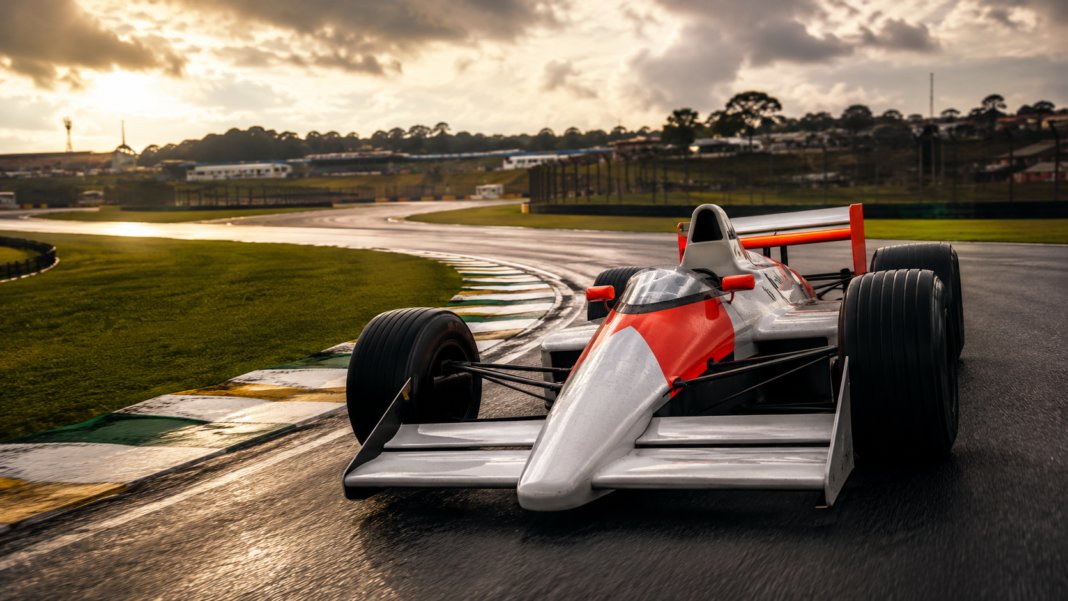
The sun is setting over the Interlagos Circuit in São Paulo, Brazil. The track is quiet now, but the ghosts of the past echo through the grandstands. This is the home of the Brazilian Grand Prix, the circuit where Ayrton Senna won his first home race in 1991, driving through the pain of a broken gearbox to take the chequered flag. It is also the place where his legacy lives on.
Senna was more than a racing driver. He was a force of nature, a driver whose raw speed and uncompromising driving style redefined what was possible in a Formula 1 car. But his influence extends beyond the track. His feedback, his engineering collaboration, and his driving philosophy directly shaped how McLaren, Honda, and ultimately the broader performance car industry thinks about driver feel.
The Driver Who Became an Engineer
Senna’s relationship with his cars was unique. He didn’t just drive them; he dominated them. He demanded that his cars respond to his inputs with precision and immediacy. He could feel things in a car that other drivers could not, and he could communicate those feelings to engineers in a language they understood.
When he moved to McLaren in 1988 to partner Alain Prost, Senna established himself as the benchmark. His qualifying laps were often a demonstration of his ability to find time where others could not. It was this ability to extract performance from a car that its designers didn’t know existed that set him apart.
The Honda Connection
Senna’s relationship with Honda was pivotal. He understood the importance of engine response, drivability, and the connection between the throttle pedal and the rear wheels. Honda engineers listened to Senna. They adapted their engines to his driving style, prioritizing throttle response and linear power delivery over peak horsepower figures.
The result was a series of engines that were not only powerful but also incredibly responsive and drivable. The McLaren MP4/4, powered by a Honda V6 turbo, was the most dominant car in Formula 1 history. The car’s success was built on a combination of chassis excellence and engine responsiveness, a philosophy that Senna helped shape.
Senna’s Driving Philosophy: Feel Above All
Senna’s approach to driving was rooted in feel. He famously described a qualifying lap at Monaco in 1988 as an almost supernatural experience, where he felt he was reaching beyond his conscious self. It was a statement about the depth of his connection to the car.
For Senna, feedback was everything. He demanded steering that communicated the limit of grip, brakes that offered progressive bite, and a throttle that responded instantly to his inputs. He was not interested in cars that were fast in a straight line but numb in the corners. He wanted cars that talked to him.
This philosophy has become a cornerstone of modern performance car development. Manufacturers now prioritize steering feel, throttle response, and chassis balance alongside outright performance figures. The cars that enthusiasts love are the ones that communicate clearly with the driver, a legacy of Senna’s approach.
The Senna Influence on McLaren
McLaren’s road car division has carried Senna’s influence forward. The McLaren F1, which won the 1995 Le Mans 24 Hours, was designed by Gordon Murray, a man who shared Senna’s obsession with driver involvement. The F1’s central driving position, its naturally aspirated V12, and its focus on feedback over raw power are all hallmarks of the Senna philosophy.
More recently, McLaren has continued to prioritize driver feel in its modern supercars. The 720S, the 750S, and the hybrid Artura are all praised for their precision, their communication, and their ability to make the driver feel connected to the car. This is not a coincidence. It is a direct line from Senna’s feedback to McLaren’s engineers.
The Honda Legacy
Honda’s performance philosophy has also been shaped by Senna. The NSX, Honda’s first supercar, was developed with input from Senna, who provided feedback on chassis balance and handling characteristics. The car was praised for its mid-engine balance and its communicative steering, qualities that have become Honda hallmarks.
Today, Honda continues to prioritize driver engagement in its performance models. The Civic Type R, the Integra Type S, and the NSX itself are all designed to deliver a driving experience that is immediate, responsive, and involving. This is Senna’s legacy: a commitment to the feel of driving above all else.
The Broader Industry Impact
Senna’s influence extends beyond McLaren and Honda. His approach to car development, his insistence on feedback, and his ability to communicate with engineers have become the gold standard for driver involvement in performance car development.
Manufacturers now place a premium on steering feel, throttle response, and chassis balance. They invest in advanced simulation tools and driver feedback loops to ensure that their cars communicate clearly with the driver. This is not just about lap times. It is about the connection between the driver and the machine.
The Interlagos Evening
The sun has fully set over Interlagos. The track is dark. The crowds have gone home. But Senna’s legacy endures.
A young driver is on track, pushing a modern supercar through the corners. The car is fast, but it is also communicative. The steering talks to the driver. The chassis responds to every input. The driver feels connected.
That is Senna’s legacy. It is not just about winning races. It is about the connection between the driver and the car. It is about the feel. It is about the drive.
Key Takeaways
- Senna’s ability to communicate with engineers and his demands for precise feedback shaped the development of McLaren and Honda’s performance cars.
- His driving philosophy, which prioritized steering feel, throttle response, and chassis balance, has become a cornerstone of modern performance car development.
- The McLaren F1 and Honda NSX were both influenced by Senna’s feedback and his emphasis on driver involvement.
- Senna’s legacy extends beyond the track, shaping how the broader performance car industry thinks about driver feel and engagement.
Conclusion
Ayrton Senna was more than a racing driver. He was a philosopher of driving, an engineer’s collaborator, and a relentless pursuer of perfection. His feedback, his driving philosophy, and his ability to communicate with engineers have shaped the way modern performance cars are developed.
The Interlagos Circuit is quiet now. The engines have fallen silent. But the legacy of Senna endures in every car that prioritizes feel over numbers. It is a reminder that the best performance cars are not just fast. They are alive.

