
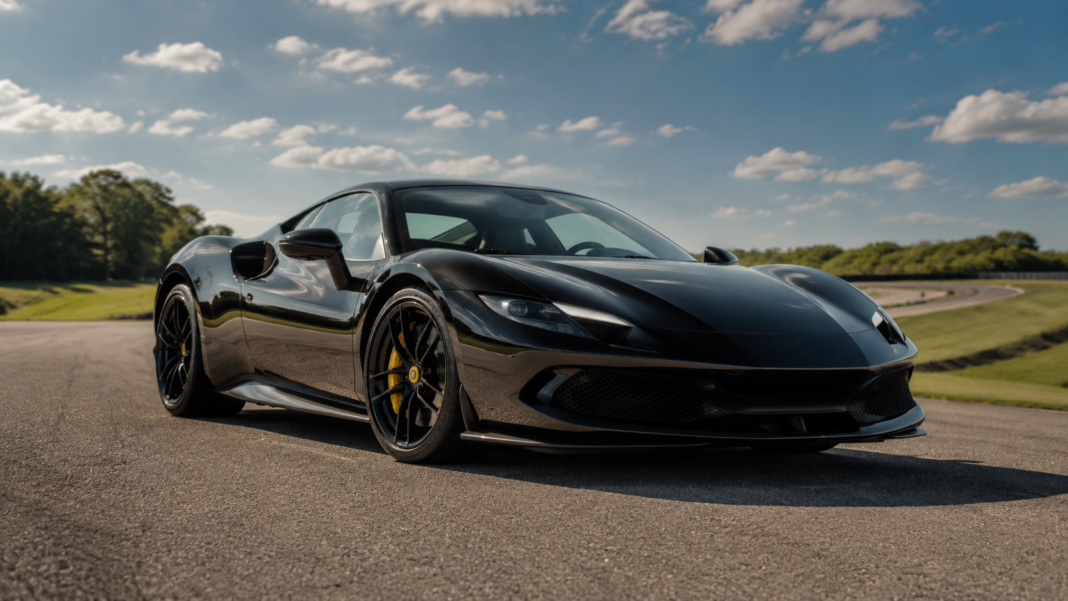
The sun is setting over the hills of western Pennsylvania as a Ferrari 296 GTB rolls through the paddock at the Pittsburgh International Race Complex in Wampum. The driver is not braking for the corner ahead. The car is doing it for him. Adaptive cruise control, lane keep assist, and automatic emergency braking are no longer optional extras. They are standard equipment, even on cars that cost as much as a house.
The line between driver assistance and driver replacement is blurring. Lane keep assist, adaptive cruise, and self-parking are now standard even in Ferraris. The question is not whether these features are useful. It is where driver assistance crosses the line into ruining the ownership experience. This article examines the levels of automation, the features already present in supercars, and the debate over how much assistance is too much.
The Levels of Automation
The automotive industry recognizes six levels of driving automation. Level 0 provides warnings and momentary assistance, like lane departure warnings. Level 1 offers steering or brake and acceleration support, such as adaptive cruise control. Level 2 combines steering and brake support, like lane keeping and adaptive cruise working together.
Level 3 allows the vehicle to drive itself under specific conditions, but the driver must be ready to take over. Level 4 can drive itself under limited conditions without driver intervention. Level 5 is full automation in all conditions. No Level 5 vehicles exist today. Level 4 vehicles exist as robotaxis, but they are not available for consumer purchase.
Most supercars currently sit at Level 2. They can steer, brake, and accelerate automatically, but the driver must remain engaged and ready to take over at any moment.
The Features Already in Supercars
Modern supercars are packed with driver assistance features. Adaptive cruise control maintains a set following distance from the car ahead, adjusting speed automatically. Lane keeping functions help keep the car in its lane. Blind spot monitoring, traffic sign recognition, and 360-degree parking cameras are now common.
Ferrari has stated that it will continue to improve driver assistance systems like lane departure warning and adaptive cruise control. But the company has also made a firm commitment: it will not make fully autonomous cars. The company wants the driver to have fun, not the chips. It wants a steering wheel and a person behind it.
Where Does Assistance End and Interference Begin?
The debate over driver assistance in supercars is not about whether these features are useful. It is about whether they undermine the driving experience.
The Case for Assistance: Driver assistance features make supercars safer and more usable. Adaptive cruise control allows for relaxed highway cruising. Lane keep assist reduces fatigue on long journeys. Automatic emergency braking can prevent collisions. These features do not detract from the driving experience. They enhance it.
The Case Against Assistance: Supercars are bought for engagement, not safety. The point of a supercar is to be involved, to feel connected to the machine. Lane keep assist that nudges the wheel when you are trying to place the car on a track is not helpful. It is intrusive. Automatic emergency braking that triggers when you are trail braking into a corner is dangerous. It is a liability.
The Adaptive Approach
Some manufacturers are taking a different approach to driver assistance. Rather than simply offering a suite of features that can be turned on or off, they are developing systems that adapt to the driver’s skill level.
These systems analyze how cleanly the driver brakes, how smoothly they apply steering, and how progressively they modulate the power at corner exit. If the inputs are clean and confident, the system raises its intervention threshold and allows capable drivers more wheel slip. If the inputs are jerky or aggressive, the system steps in faster.
The goal is not to limit performance. It is to match the car’s behavior to the driver’s skill level. A skilled driver in a sport mode can reach a level of performance equivalent to a more aggressive mode on dedicated sports cars. The mode is earned rather than selected.
The Pittsburgh Evening
The sun has fully set over the Pittsburgh International Race Complex. The Ferrari 296 GTB has completed its session. The driver is stepping out, not frustrated by the assistance systems. He has adjusted them to his preference. The lane keep assist is off. The adaptive cruise control is on but set to a more aggressive following distance. The automatic emergency braking is active, but it has not triggered.
The driver assistance features are not ruining the experience. They are background elements, present but not intrusive. The driver is still in control. The car is still a Ferrari.
Key Takeaways
- Level 2 systems combine steering and speed control. The driver must remain engaged.
- Supercars now feature adaptive cruise control, lane keeping assist, and automatic emergency braking.
- Ferrari has ruled out fully autonomous cars but continues to improve driver assistance features.
- Some systems adapt intervention levels based on the driver’s skill and inputs.
- Drivers can adjust or disable most assistance features to suit their preferences.
Conclusion
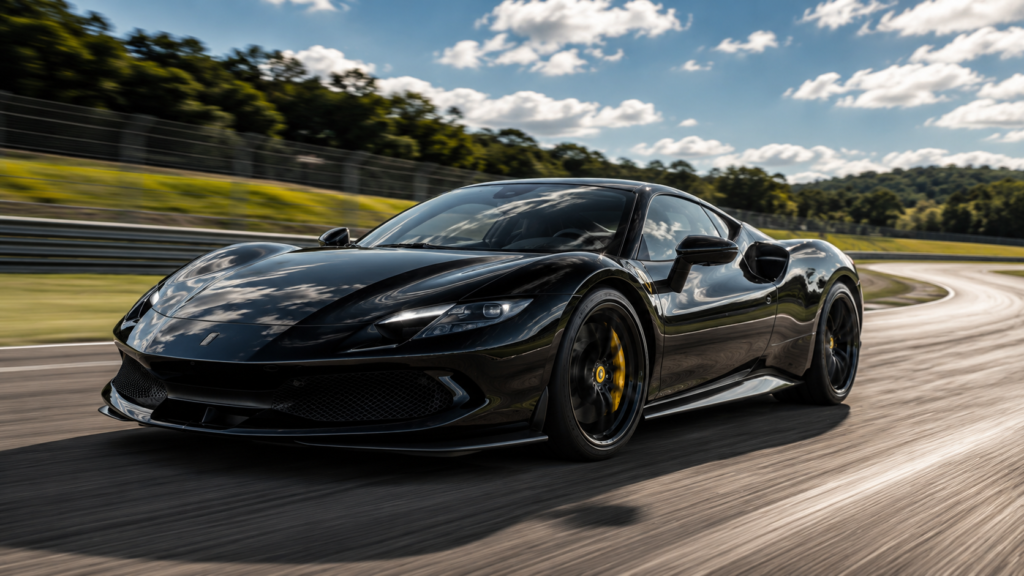
The Pittsburgh track is quiet now. The Ferrari is gone. The driver assistance features have not ruined the experience. They have made it safer and more usable without compromising engagement.
The line between assistance and interference is drawn by the driver. The systems are there to help, not to replace. As long as the driver remains in control, the supercar experience remains intact. The third pedal may be disappearing, but the driver is not.

