
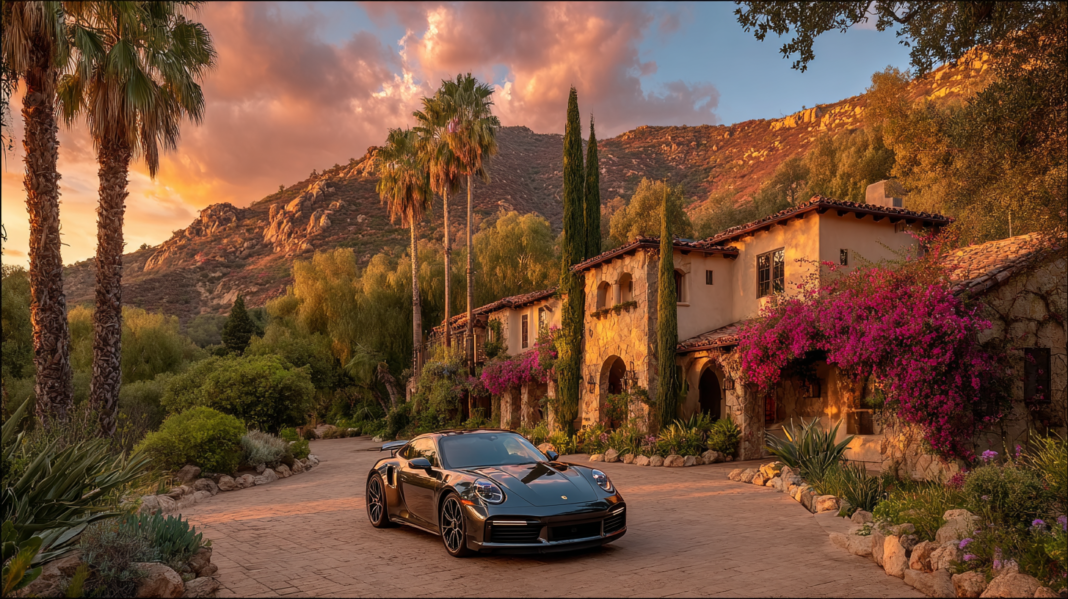
The Porsche 911 Turbo S has occupied a unique position in the automotive world for decades. It is not the most powerful supercar, nor the lightest, nor the most track-focused. But it is one of the most complete. The Turbo S combines the performance of a supercar with the usability of a daily driver, the refinement of a grand tourer, and the reliability of a Porsche.
The 992 generation 911 Turbo S, introduced in 2020, represents the pinnacle of this formula. With a 3.7 liter twin-turbocharged flat-six engine producing 640 horsepower, all-wheel drive, and a chassis tuned for both comfort and performance, it is a car that can be driven to the track, set competitive lap times, and drive home in comfort. It is a car that does everything well.
This article provides a comprehensive examination of the Porsche 911 Turbo S, including its evolution, powertrain, performance, engineering, design, and why it remains one of the most complete performance cars in 2026.
The Turbo S Legacy
The 911 Turbo lineage began in 1975 with the 930 Turbo. That car, with its rear-engine layout, turbocharged engine, and wide body, established the template for all future Turbos. It was fast, dramatic, and demanding to drive.
Over the following decades, the Turbo evolved. The 964 Turbo introduced all-wheel drive. The 993 Turbo introduced twin turbochargers. The 996 Turbo introduced water cooling and a more refined interior. The 997 Turbo introduced variable turbine geometry. The 991 Turbo introduced rear-axle steering and a PDK transmission.
The 992 Turbo S is the culmination of this evolution. It is the most powerful, most capable, and most refined Turbo ever built.
The 992 Generation
The 992 generation 911 was introduced in 2019. The Turbo S followed in 2020. The 992 Turbo S is wider, more powerful, and more technologically advanced than the 991 generation it replaced.
The 992 Turbo S features a wider body than the standard 911, with distinctive air intakes on the rear fenders. It also features a larger rear wing, a more aggressive front splitter, and quad exhaust outlets.
Powertrain: The Heart of the Turbo S
The Engine
The 911 Turbo S is powered by a 3.7 liter twin-turbocharged flat-six engine, designated the 9A2 Evolution. This engine is a development of the unit that powered the 991 Turbo S, with larger turbochargers, revised intake and exhaust systems, and higher boost pressure.
The engine produces 640 horsepower at 6,750 rpm and 590 lb-ft of torque from 2,500 to 4,000 rpm. The redline is 7,200 rpm.
The variable turbine geometry turbochargers are a key feature. They allow the engine to produce boost across a wide range of engine speeds, minimizing lag while maximizing top-end power.
Transmission
Power is transmitted to all four wheels through an eight-speed dual-clutch transmission, designated the PDK. The transmission is calibrated for rapid shifts, with shift times of approximately 100 milliseconds in Sport Plus mode.
The PDK features a wet clutch, which provides smooth engagement and durability. The transmission can be operated in fully automatic mode or via paddle shifters mounted on the steering column.
Performance
The 911 Turbo S accelerates from 0 to 60 miles per hour in 2.6 seconds. The 0 to 100 miles per hour sprint takes approximately 5.8 seconds. The quarter mile is completed in approximately 10.5 seconds at 134 miles per hour. Top speed is 205 miles per hour.
These figures place the Turbo S among the quickest production cars in the world, outperforming many dedicated supercars.
Chassis and Dynamics
Suspension
The 911 Turbo S features a MacPherson strut front suspension and a multi-link rear suspension. The system uses adaptive dampers that can adjust their characteristics based on driving mode and road conditions.
The Turbo S also features Porsche Active Suspension Management (PASM), which continuously adjusts the damping force at each wheel. The system provides a balance of comfort and control.
Rear-Axle Steering
The Turbo S features rear-axle steering, a system that turns the rear wheels in the opposite direction to the front wheels at low speeds and in the same direction at high speeds. At low speeds, the system reduces the turning circle, making the car more maneuverable. At high speeds, the system improves stability.
Porsche Traction Management (PTM)
The Turbo S features Porsche Traction Management (PTM), an all-wheel-drive system that uses a multi-plate clutch to vary torque distribution between the front and rear axles. The system is rear-biased, providing the handling characteristics of a rear-wheel-drive car with the traction of all-wheel drive.
Porsche Torque Vectoring Plus (PTV Plus)
The Turbo S features Porsche Torque Vectoring Plus (PTV Plus), which uses a limited-slip differential and selective braking to distribute torque between the rear wheels. The system improves cornering performance by reducing understeer and allowing the driver to get on the throttle earlier.
Brakes
The braking system uses carbon ceramic discs with ten-piston calipers at the front and four-piston calipers at the rear. The front discs measure 16.5 inches in diameter, making them the largest ever fitted to a production Porsche. The system provides exceptional stopping power, with consistent pedal feel and resistance to fade.
Wheels and Tires
The 911 Turbo S rides on 20-inch front wheels and 21-inch rear wheels, wrapped in specially developed tires. The front tires are 255/35 ZR20, and the rear tires are 315/30 ZR21. The tires are designed to provide grip for the car’s power and weight.
Aerodynamics
Active Aerodynamics
The 911 Turbo S features an active aerodynamic system. The front splitter and rear wing adjust their angle based on speed and driving mode. The system provides downforce for stability at high speeds while reducing drag for efficiency.
The rear wing is a distinctive feature of the Turbo S. It is larger than the standard 911’s wing, and it provides significant downforce. The wing also features a Gurney flap, which improves its efficiency.
Cooling
The Turbo S features an advanced cooling system, with multiple radiators and air intakes. The front bumper incorporates large intakes that feed air to the radiators. The rear fenders feature air intakes that feed air to the engine.
Design
Exterior Styling
The 911 Turbo S’s exterior design is aggressive but not overstated. The car is wider than the standard 911, with distinctive air intakes on the rear fenders. The front bumper features larger intakes and a more prominent splitter. The rear end features a larger wing and quad exhaust outlets.
The Turbo S is available in a range of colors, including the exclusive Turbo S-specific colors.
Interior Design
The interior of the 911 Turbo S is luxurious and driver-focused. The seats are power-adjustable with heating, cooling, and massage functions. The dashboard features a 12.3-inch digital instrument cluster and a 10.9-inch central infotainment screen.
The Turbo S features unique interior details, including Turbo S badging, contrast stitching, and a unique steering wheel with a drive mode selector.
The rear seats are small but usable for children or for occasional adult passengers. The trunk is modest but sufficient for a weekend getaway.
Driving Experience
On Road Character
The 911 Turbo S is a car that is remarkably easy to drive quickly. The engine produces abundant torque from low rpm, making it effortless to accelerate in any gear. The all-wheel-drive system provides exceptional traction in all conditions. The suspension absorbs road imperfections without transmitting harshness to the cabin.
The car is comfortable enough for daily driving. The cabin is quiet at highway speeds, and the seats are supportive for long journeys. The Turbo S is a car that can be used every day.
On Track Behavior
When driven on a track, the 911 Turbo S reveals its capabilities. The brakes provide consistent stopping power lap after lap, with a pedal feel that inspires confidence. The chassis remains composed through corners, with the rear-axle steering and torque vectoring system managing the car’s behavior.
The car’s all-wheel-drive system provides traction that allows early power application on exit. The Turbo S is not as sharp as a GT3 or GT3 RS, but it is more than capable of rewarding skilled drivers.
The Sound
The flat-six engine’s sound is distinctive. The engine produces a deep, guttural rumble at low speeds and a sharp, aggressive roar at full throttle. The sound is not as dramatic as a naturally aspirated V8 or V10, but it is engaging and characterful.
How the 911 Turbo S Stacks Up Against Rivals
Against the Audi R8 Performance
The Audi R8 Performance is a mid-engine supercar with a 5.2 liter naturally aspirated V10 producing 602 horsepower.
The R8’s advantage is its engine character and its sound. The V10’s high-pitched wail is one of the best in the industry.
The Turbo S’s advantage is its all-weather capability and its daily usability. The Porsche’s all-wheel-drive system and more compliant suspension make it a better daily driver.
Against the BMW M8 Competition
The BMW M8 Competition is a grand tourer with a 4.4 liter twin-turbocharged V8 producing 617 horsepower.
The M8’s advantage is its luxury and its space. The BMW’s interior is more luxurious, and its rear seats are more usable.
The Turbo S’s advantage is its performance and its handling. The Porsche is faster, more agile, and more engaging to drive than the BMW.
Against the Mercedes-AMG GT 63 S
The Mercedes-AMG GT 63 S is a four-door coupe with a 4.0 liter twin-turbocharged V8 producing 630 horsepower.
The AMG’s advantage is its practicality. The four-door body style provides more passenger and cargo space than the 911.
The Turbo S’s advantage is its performance and its character. The Porsche is faster and more engaging to drive.
Against the Nissan GT-R
The Nissan GT-R is a rear-wheel-drive biased all-wheel-drive coupe with a 3.8 liter twin-turbocharged V6 producing 600 horsepower.
The GT-R’s advantage is its value. The Nissan is less expensive than the Porsche, and it offers comparable performance.
The Turbo S’s advantage is its refinement and its daily usability. The Porsche has a more luxurious interior, a more compliant ride, and a higher quality feel.
The Turbo S as an Everyday Supercar
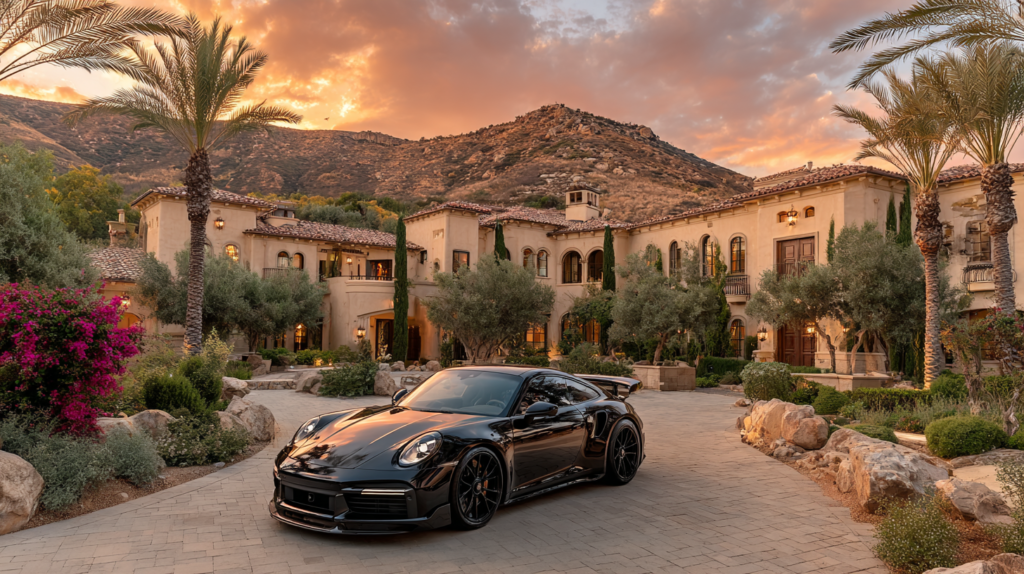
The 911 Turbo S is often called the “everyday supercar” because it can be used for daily driving without compromise. The ride is compliant, the cabin is quiet, the seats are comfortable, and the trunk is sufficient for daily needs. The car is also reliable, with a reputation for durability.
The Turbo S is a car that can be driven to work, to the grocery store, to a track day, and to a weekend getaway, all without needing to change vehicles. This versatility is its defining characteristic.
Specifications Summary
| Specification | Value |
|---|---|
| Engine | 3.7L twin-turbo flat-six |
| Horsepower | 640 hp at 6,750 rpm |
| Torque | 590 lb-ft from 2,500 to 4,000 rpm |
| Transmission | 8-speed dual-clutch |
| Drive | All wheel drive |
| 0-60 mph | 2.6 seconds |
| Quarter Mile | 10.5 seconds at 134 mph |
| Top Speed | 205 mph |
| Weight | 1,640 kg |
| Base Price | $200,000 |
Conclusion
The Porsche 911 Turbo S is the benchmark everyday supercar. It combines the performance of a supercar with the usability of a daily driver, the refinement of a grand tourer, and the reliability of a Porsche. Its 640 horsepower twin-turbocharged flat-six engine, all-wheel-drive system, and sophisticated chassis make it one of the most capable performance cars on the market.
The Turbo S is not the most powerful supercar, nor the lightest, nor the most track-focused. But it is one of the most complete. It can be driven to the track, set competitive lap times, and drive home in comfort. It can be used for daily commuting, weekend getaways, and long-distance touring. It does everything well.
The 911 Turbo S also represents the culmination of Porsche’s engineering expertise. The 911 platform has been refined over six decades, and the Turbo S is the most advanced expression of that platform. It is a car that defines the segment.
For buyers who want a supercar that can be used every day, the Porsche 911 Turbo S is the benchmark. It remains one of the most complete performance cars in 2026, and it will likely remain so for years to come.

