
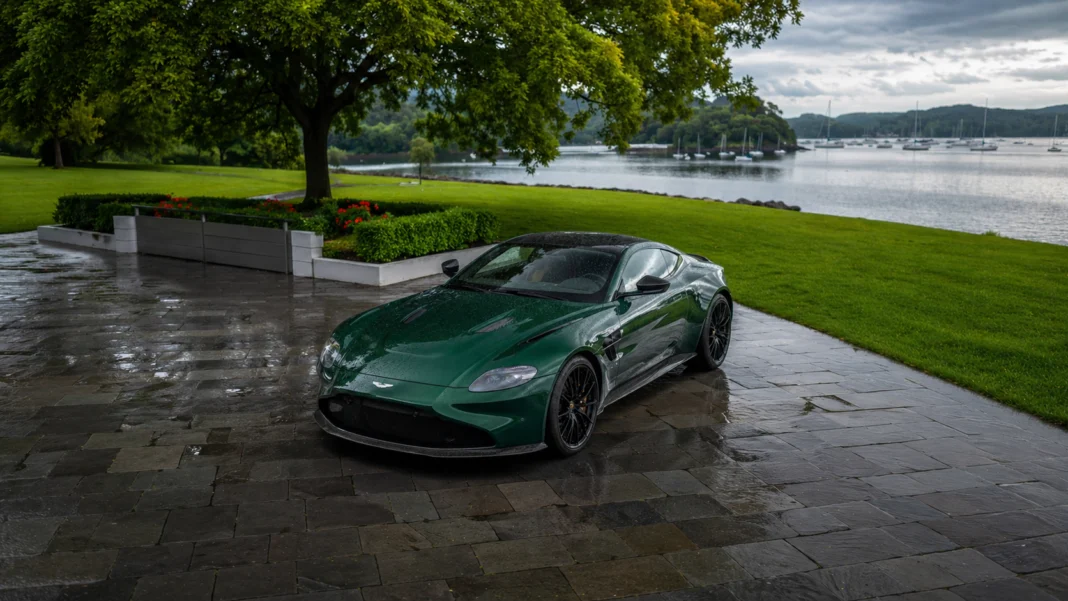
It is easy to picture the lawn at Roger Sherman Baldwin Park in Greenwich, Connecticut, during the Greenwich Concours d’Elegance. The Concours is a celebration of automotive art, but these days there is a different energy in the air. A young woman in a Porsche Motorsport hoodie photographs a vintage Ferrari 250 GT. A teenager explains the intricacies of the Mercedes-AMG Petronas F1 car to his father. A family poses in front of a green Aston Martin Vantage.
Something has changed in the world of supercars. The buyers are younger. The audience is broader. The enthusiasm is louder. And much of the credit belongs to a Netflix documentary series that, on paper, has nothing to do with selling cars.
This is the story of how Formula 1: Drive to Survive became the most effective marketing campaign in automotive history.
The Location: Greenwich, Connecticut
The Greenwich Concours is an unlikely venue for a cultural revolution. It is an old-money event, traditionally attended by collectors in linen suits and driving shoes. But on this Sunday, the crowd is different. There are more women. There are more families. There are more people who arrived not because they grew up with carburetors, but because they fell in love with a story on a screen.
The shift mirrors what has happened across the supercar industry. Drive to Survive did not just grow Formula 1 viewership. It created a new generation of enthusiasts who are now walking into showrooms and configuring six-figure cars.
The Pre-Drive to Survive Era
Before 2019, Formula 1 was a niche sport in the United States. It was admired by a dedicated fanbase, but it was not part of the mainstream conversation. The drivers were not household names. The technology was a mystery to casual viewers.
Supercar sales reflected this reality. Brands like Ferrari, Lamborghini, and McLaren sold cars to a relatively small, aging demographic. The buyers were successful, established, and already passionate about cars. A young professional might aspire to own a Porsche, but the idea of buying a Ferrari or a Lamborghini felt distant, reserved for a different generation.
The Gamble
In 2017, Liberty Media purchased Formula 1. The new owners recognized that the sport had a marketing problem. It was perceived as inaccessible, elitist, and difficult to understand. The average viewer did not know who the drivers were or why the rivalries mattered.

The solution was counterintuitive. Instead of focusing on the racing, they decided to focus on the people. They commissioned Netflix to create a documentary series that would follow the drivers, the team principals, and the rivalries behind the scenes.
The gamble was significant. Some teams were hesitant to participate, fearing over-dramatization and exposure. But Liberty Media pressed forward, and the first season of Drive to Survive was released in 2019.
The Breakthrough
The impact was immediate. Viewership for U.S. races surged. The United States Grand Prix in Austin, Texas, became one of the most attended events on the calendar. Tracks in Miami and Las Vegas were added to the schedule to meet growing demand.
The demographic shift was even more significant. A sport that had once been dominated by older viewers began attracting a younger audience. Women began attending races in larger numbers. The perception of Formula 1 as an inaccessible, elitist sport began to fade.
The Transmission
The connection between watching a documentary and buying a supercar is not obvious. But the mechanism is straightforward.
Drive to Survive introduced viewers to the personalities behind the sport. Lando Norris, Daniel Ricciardo, and Charles Leclerc became relatable figures. Their struggles, their victories, and their rivalries created emotional connections. When those drivers walked through the paddock in team gear, they were not just athletes. They were brand ambassadors.
Viewers who had never considered buying a supercar began to see Aston Martin, Ferrari, and McLaren as aspirational brands. The green Aston Martin racing car became synonymous with the team’s fight to the front. The red Ferrari became associated with the passion of the Tifosi. The papaya orange McLaren became a symbol of youthful energy and ambition.
The Aston Martin Case Study
Aston Martin is perhaps the clearest example of the Drive to Survive effect. The brand returned to Formula 1 after a decades-long absence. The timing coincided with the explosion of interest in the sport.
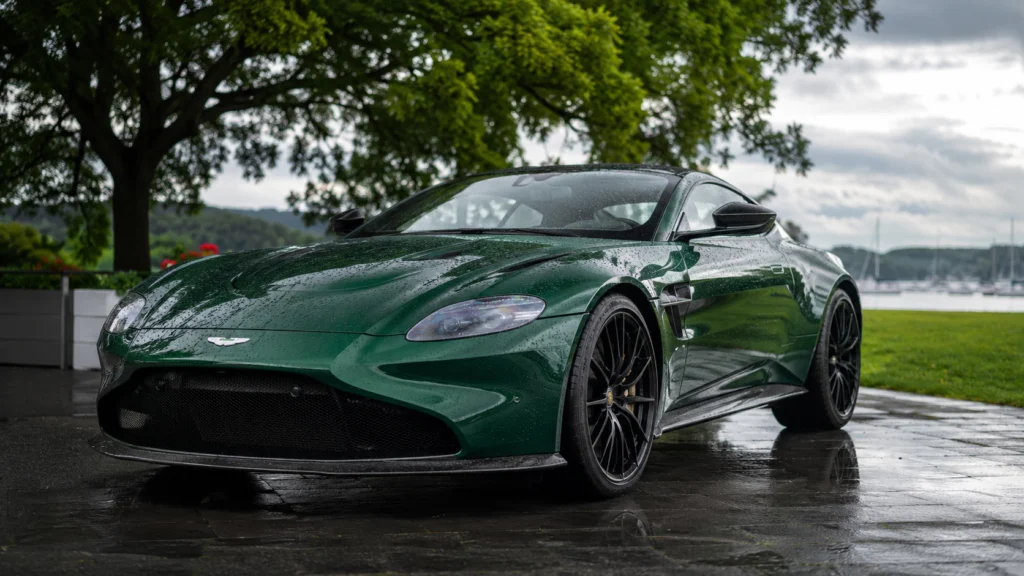
The connection between the F1 team and the road car division became a central part of Aston Martin’s marketing strategy. The racing green color used on the F1 car became the brand’s most popular paint option. The louvres on the new Vanquish were directly inspired by the F1 car. The diffuser used technology developed on the track.
The financial results followed. Dealerships reported an increase in foot traffic from younger buyers. The online configurator saw spikes in activity around race weekends. The brand that had once struggled to find an audience was suddenly in demand.
The Drivers Become Stars
Drive to Survive did not just sell cars. It sold personalities. Drivers like Lando Norris, Daniel Ricciardo, and Max Verstappen became household names. Their faces appeared on magazine covers. Their quotes appeared in tabloids. Their social media followings exploded.
For a generation of new fans, these drivers are not just athletes. They are aspirational figures. And the cars they drive are aspirational objects.
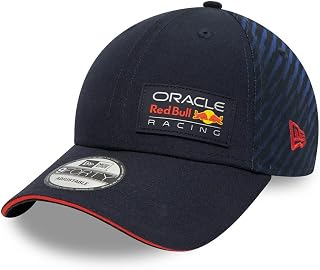
A teenager who watches Lando Norris laugh through a difficult season might not be able to afford a McLaren. But they can buy a McLaren hat. They can watch a McLaren video. They can visit a McLaren showroom. And eventually, some percentage of them will become customers.
The Sponsorship Boom
The Drive to Survive effect did not just benefit the car manufacturers. It benefited the entire Formula 1 ecosystem. Sponsorship deals became larger and more numerous. Global brands that had never considered Formula 1 began investing in the sport.
The increased revenue allowed teams to invest in better facilities, better engineers, and better marketing. The quality of the product improved. The visibility improved. The cycle accelerated.
The Criticism
The series has not been without controversy. Drivers have accused the show of manufacturing drama and splicing together footage from different races to create false rivalries. Some of the storylines have been criticized as misleading or over-dramatized.
The criticism is valid. But it misses the point. Entertainment drives engagement. Engagement drives interest. Interest drives sales.
The hardcore fans were already watching. Drive to Survive was not made for them. It was made for the person who had never seen a Grand Prix.
The Greenwich Morning
The crowd at the Greenwich Concours is thinning out. A man in his 30s is standing next to a McLaren Artura. He is not wearing a suit. He is wearing sneakers and a McLaren team shirt.
He is a new fan. He started watching Drive to Survive during the pandemic. He bought his first supercar last year.
“I never thought I would own a car like this,” he says. “I didn’t grow up around them. I didn’t know anyone who had one. But the show made me care about the drivers. It made me care about the technology. And then I started looking at the cars differently.”

He is not alone. Across the country, similar stories are playing out in showrooms and at car meets. A new generation of enthusiasts has arrived.
The Future
The question for supercar manufacturers is whether the Drive to Survive effect is sustainable. The show is maturing. Some of the novelty has worn off. The challenge is to convert the transient interest of new fans into lasting loyalty.
The manufacturers are adapting. They are emphasizing their connections to Formula 1 in their marketing. They are designing road cars with technology derived from the track. They are building customer events around race weekends.
The foundation has been laid. The fans who discovered F1 through Netflix are now attending races, buying merchandise, and configuring cars online. Some percentage of them will become lifelong customers.
The Greenwich Sunset
The sun is setting over the Long Island Sound. The cars are leaving the lawn. The new fans are heading home, their phones full of photos.
The supercar industry has changed. It is younger now. It is more diverse. It is more accessible.
The change did not come from a new engine or a new chassis. It came from a television show. A show about people, not just cars. A show that proved that the best way to sell a $200,000 supercar is to first make someone fall in love with a story.
Key Takeaways
- Formula 1 viewership in the United States surged after the debut of Drive to Survive.
- The demographic of the sport shifted significantly, with a much larger percentage of viewers now under the age of 35.
- Supercar manufacturers reported measurable increases in website traffic, configurator activity, and foot traffic at dealerships during race weekends.
- Aston Martin, which returned to Formula 1 in 2021, saw a dramatic increase in sales that executives directly attributed to the F1 association.
- Drivers became brand ambassadors, and their personalities helped humanize the technology of supercars.
Conclusion
The Greenwich Concours is quiet now. The cars are gone. The lawn is empty. But the change is permanent.
Drive to Survive did not just grow Formula 1 viewership. It created a new generation of enthusiasts who are now walking into showrooms, configuring cars online, and buying their first supercars. The data is clear. The stories are consistent. The connection is real.
The old adage said, “Win on Sunday, sell on Monday.” The new adage might be, “Stream on Friday, configure on Saturday.”
The supercar industry will never be the same.
Gear Picks for This Story
 Style UpRay-Ban Aviator Classic SunglassesSee the Design →
 Detail Like a ProChemical Guys HOL169 14-Piece Wash KitSee How It Works →
 Driver GearStilo ST5 GT Racing HelmetSee What It Does →
 Garage EssentialNOCO GENIUS10 Smart Battery ChargerExplore the Specs →
As an Amazon Associate, VeloxTrend earns from qualifying purchases.

