
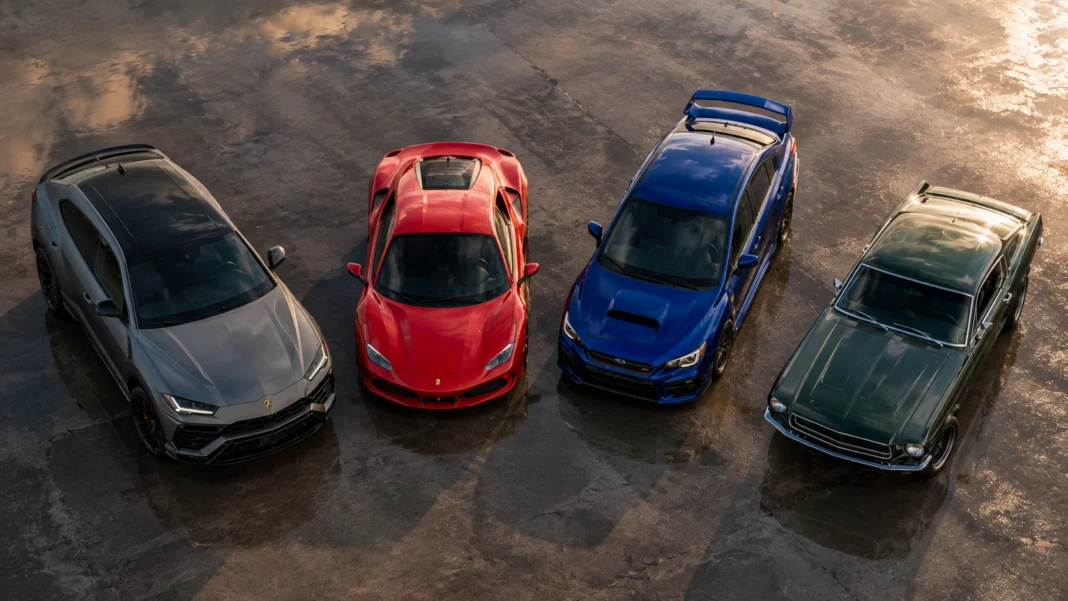
Picture the fog lifting over the Front Range of the Rocky Mountains and a Cars & Coffee lot in Denver filled to capacity. A McLaren 765LT Spider sits roped off from the crowd with 47 miles on the odometer. The original owner never took it home. It was delivered, photographed, and listed for sale with a $200,000 markup. It is a familiar story in today’s supercar market.
Now imagine a young man walking past that roped-off McLaren. He has saved for three years to buy a sports car. He cannot afford the markup, so he is looking at a used Porsche 911 instead.
The flipper who listed the McLaren is not at the meet. He is at home, waiting for a wire transfer.
Spec lists and limited editions are being flipped for profit before the ink dries. The supercar market has become a parallel financial universe, where allocation letters are traded like stock certificates and delivery mileage is a mark of shame. This article explores whether supercar flipping is a legitimate investment strategy or a destructive force that is pricing enthusiasts out of the market.
The Location: Denver, Colorado
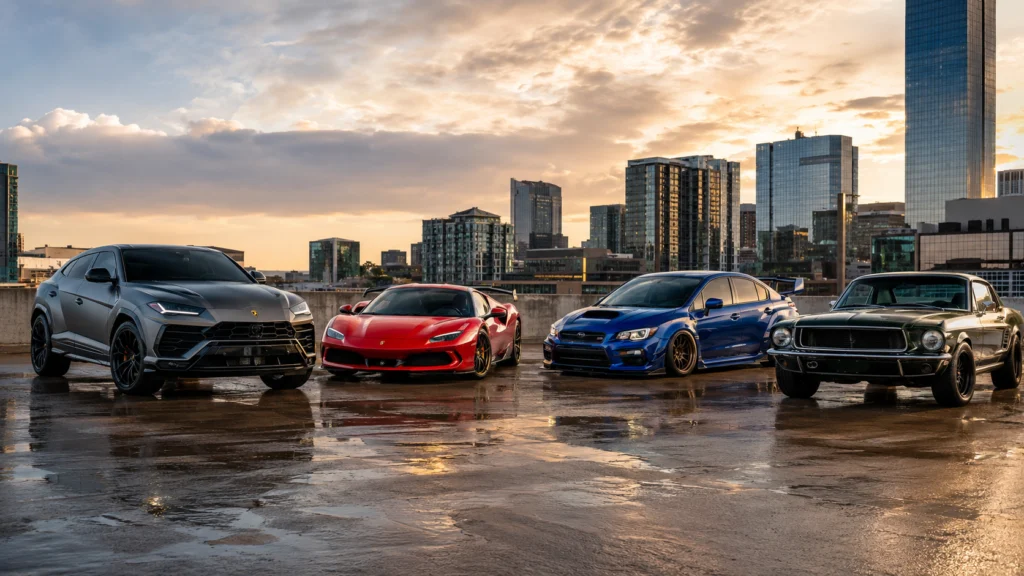
Denver is not Monaco, but it is a growing hub for car culture. The city has a strong economy, a booming population, and a new generation of tech wealth. The Cars & Coffee meet here reflects the national trend. There are new Lamborghinis and Ferraris parked next to modified Subarus and classic Mustangs.
The meet is a microcosm of the tension in the supercar market. The cars that are being flipped are not being driven. They are being stored, marketed, and sold to the highest bidder. The enthusiasts who want to drive them are left to compete for used examples at inflated prices.
The Anatomy of a Flip
A typical supercar flip follows a predictable pattern.
A manufacturer announces a limited edition model. It might be a Ferrari, a Lamborghini, or a Porsche. Production numbers are small. Demand is high. The manufacturer invites its best customers to place orders.
The chosen buyers are not necessarily enthusiasts. They are often collectors who have established relationships with dealerships. They have bought multiple cars over the years. They have earned the right to buy the limited edition.
The buyer takes delivery of the car. Sometimes they never even see it. The car is transported from the dealership to a storage facility or a detailer. Photos are taken. The odometer is documented. The car is listed for sale on an enthusiast forum or an auction site.
The buyer sells the car for a profit. The markup can be tens of thousands of dollars or hundreds of thousands of dollars, depending on the model. The flip is complete.
The Math: What Flips and What Does Not
Not every limited edition supercar is profitable. The flippers have learned to be selective.

Ferrari has been the most consistent brand for flips. The LaFerrari, the 488 Pista, and the 812 Competizione all sold for significant premiums over their original prices. The SF90 Stradale has been less profitable. The market has been more selective.
Lamborghini models like the Aventador SVJ and the Huracán Performante have also appreciated. The Urus, the brand’s SUV, has not.
Porsche has a mixed record. The 911 GT3 and GT3 RS have held their value well. The 911 R, a manual transmission limited edition, exploded in value before cooling. The 911 S/T is the current darling.
McLaren’s limited editions, like the Senna and the Elva, have appreciated, but the market for McLarens is narrower than the market for Ferraris.
The most profitable flips share common traits. The car is a limited edition. The car is the last of its kind, such as a final naturally aspirated V12. The car has a manual transmission. The car is painted in a classic color. The car has a low option spec.
The Players: Who Is Flipping?
The flippers are not a single group. They range from wealthy collectors to small-scale speculators.
At the top end are established collectors who have bought multiple cars from a dealership. They have the relationships to secure allocations. They treat flipping as a side business, or as a way to offset the cost of the cars they actually keep.
In the middle are enthusiasts who buy a car with the intention of driving it, but then decide to flip it when the market price exceeds their emotional attachment.
At the bottom end are speculators who have no interest in cars at all. They view allocations as financial instruments. They have never attended a Cars & Coffee. They have never driven a supercar on a track. They are purely in the market for profit.
The Dealership’s Role: Enabler or Gatekeeper?
Dealerships are complicit in the flip culture. They decide who gets the allocations. They have the power to sell to genuine enthusiasts or to known flippers.
The problem is that dealerships are businesses. They want to sell cars. A known flipper who buys multiple high-margin models is a valuable customer. A genuine enthusiast who buys one car every few years is less valuable.
Some manufacturers have tried to combat flipping. Ferrari has a policy of blacklisting customers who flip their cars within the first year. Porsche has inserted clauses in purchase agreements that restrict resale. The effectiveness of these measures is debatable.
The Case For Flipping: Legitimate Investment
The argument in favor of flipping is straightforward. Supercars are luxury goods, not necessities. The market sets the price. If someone is willing to pay a premium for a limited edition, the seller is entitled to that profit.
Flipping is a legitimate investment strategy. The buyer takes a risk. The car could depreciate. The market could soften. The flipper earns the profit by bearing that risk.

The manufacturers could solve the problem by increasing production. They choose to limit supply. That decision creates scarcity. Scarcity creates value. The flippers are simply participating in the market that the manufacturers created.
The Case Against Flipping: Destroying Enthusiast Access
The argument against flipping is emotional and practical. The cars are built to be driven. When they are locked in storage, waiting for the right buyer, they are not being used for their intended purpose.
Flipping prices enthusiasts out of the market. A young fan who has saved for a decade cannot compete with a speculator who has a relationship with a dealership. The cars become trophies for the wealthy, not tools for the passionate.
The culture of flipping also distorts the market. The prices on the secondary market are not reflections of the car’s quality. They are reflections of artificial scarcity. The bubble could burst, leaving speculators with cars that are worth less than they paid.
The Denver Morning: A Divided Community
The sun is fully up now. The Cars & Coffee meet is winding down. The roped-off McLaren is still sitting in its spot. A small crowd has gathered around it.
A man in his 60s is explaining the car to a teenager. “This is a 765LT Spider,” he says. “Only a few hundred were built. The original owner never even drove it.”
The teenager nods. He has seen the car on YouTube. He knows the specifications. But he will never own one. He cannot afford the markup.
A woman standing nearby overhears the conversation. She is the owner of a Ferrari 488 Pista. She drove her car to the meet. It has 15,000 miles on the odometer. She tracks it regularly.
“I don’t understand the flippers,” she says. “Why buy a car if you are not going to drive it?”
The Impact on Manufacturers
The flip culture has created perverse incentives for manufacturers. They know that limited editions will be resold at a premium. They could capture that premium by raising prices. But they choose not to.
The manufacturers are walking a tightrope. They want to maintain exclusivity. They want to reward loyal customers. They want to attract new buyers. The flip culture threatens all of these goals.
There is also a reputational risk. A brand that is associated with flippers and speculators may lose its appeal to genuine enthusiasts. The cars become financial instruments, not objects of passion.
The Denver Sunset
The meet is over. The cars are leaving. The roped-off McLaren is loaded onto a transport truck. It will be delivered to its new owner, who may or may not ever drive it.
The teenager who was admiring it is walking toward his car, a used Mazda Miata. He will drive it home on the mountain roads. He will enjoy it. He will not make a profit.
The woman with the Ferrari 488 Pista is driving home too. She is smiling. She drives her car.

The Future of Flipping
The supercar flip culture is not going away. As long as manufacturers limit production and demand exceeds supply, there will be a market for allocations. The question is whether the manufacturers will take effective steps to curb the worst excesses.
Some observers believe that the market will self-correct. A recession could cool demand. A shift toward electric supercars could change the calculus of what is collectible. The flippers could be left holding cars that no one wants to buy.
Others believe that the flip culture is permanent. The supercar market has become a parallel financial universe, and it is not going back.
The Denver Verdict
The fog has returned to the front range. The parking lot is empty.
The supercar flip culture is a symptom of a larger trend. Luxury goods have become financial assets. The people who can afford to buy them are not necessarily the people who love them.
Is flipping a legitimate investment strategy? Yes, it is. The cars are property. The owners have the right to sell them for whatever the market will bear.
Is flipping destroying enthusiast access? Yes, it is. The prices are out of reach for the people who would drive the cars.
Both statements are true. The supercar market is not fair. It was never meant to be. It is a luxury market, driven by scarcity and desire.
But the teenager in the Mazda Miata will still drive home on the mountain roads. He will still smile. He may never own a McLaren. But he will still be an enthusiast.
That is the hope. The passion for driving is not tied to the price of a car. It is tied to the experience.
The flippers have the cars. The enthusiasts have the roads. The balance is not equal. But it is not zero.
Key Takeaways
- Supercar flipping involves buying a limited edition model and reselling it quickly for a profit, often without ever driving it.
- The most profitable flips involve rare, limited edition models from Ferrari, Lamborghini, and Porsche.
- Flippers range from established collectors to small-scale speculators with no interest in cars.
- Manufacturers have tried to curb flipping with policies and purchase agreements, with limited success.
- The flip culture prices genuine enthusiasts out of the market but is defended as a legitimate investment strategy.
Conclusion
The supercar flip culture is a reflection of the times. Luxury goods are investments. Scarcity drives value. The people who can afford to play the game are not always the people who love the cars.
But the cars are still being built. The roads are still there. The enthusiasts are still driving.
The teenager in the Mazda Miata will never own a McLaren. But he will still drive. He will still learn. He will still smile.
That is the resilience of car culture. It is not about the price. It is about the passion.
The flippers have the cars. The enthusiasts have the roads. The balance is not fair. But it is not zero. And that is something.
Gear Picks for This Story
 Garage EssentialVeepeak OBDCheck BLE Bluetooth ScannerExplore the Specs →
 Stay SafeGarmin Dash Cam 67WSee How It Helps →
 Tech UpgradeAutel MaxiSYS MS906 Pro ScannerExplore the Specs →
 Stay SafeVIOFO A329S 4K Dual Dash CamSee the Specs →
As an Amazon Associate, VeloxTrend earns from qualifying purchases.

