
A Quiet Morning in Modena
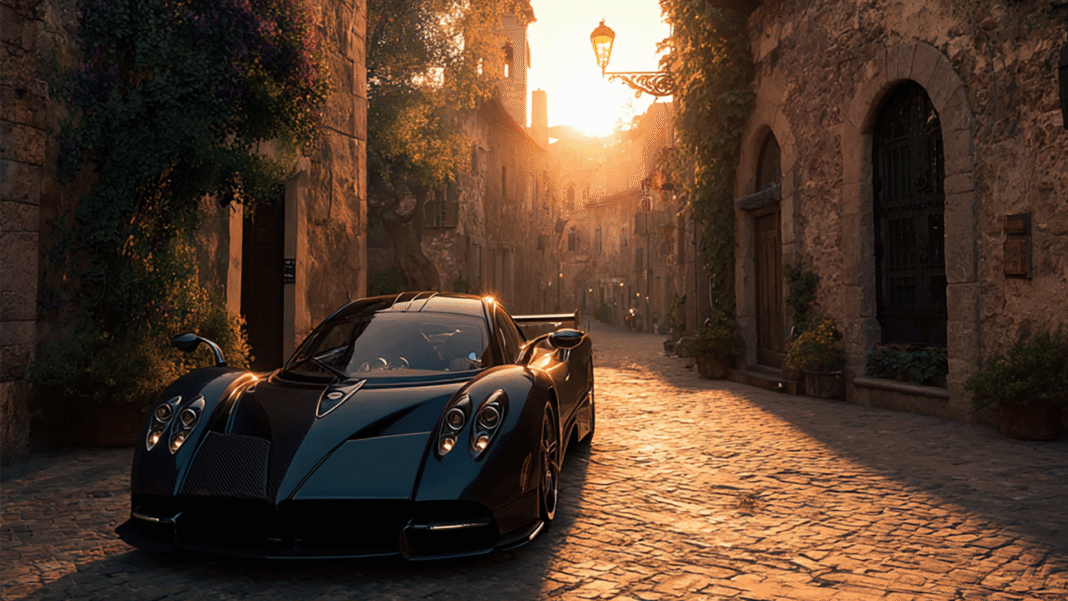
It was a quiet morning in Modena, Italy. The sun had barely risen, casting soft golden light across cobblestone streets and age-old villas. Somewhere behind a discreet set of doors sat the latest creation from Horacio Pagani and his team—a machine so carefully designed, it blurred the line between automotive engineering and fine art. This wasn’t just a car. It was the Pagani Utopia.
Parked under a skylight in the Pagani Atelier, the Utopia waited, still and composed. At first glance, its silhouette evoked classic Italian design—graceful curves, functional lines, and a stance that could only belong to something crafted with passion and precision. But there was more to it. There always is with Pagani.
What Is the Pagani Utopia?
The Pagani Utopia is the third hypercar to emerge from the Modenese marque, following the Zonda and the Huayra. With a name that implies a perfect world, the Utopia is Pagani’s latest attempt to bring mechanical purity and aesthetic harmony together in a single package.
Launched as a successor to the Huayra, the Utopia refines many of Pagani’s core values: obsessive craftsmanship, lightweight engineering, and a dedication to the analog driving experience. It represents Horacio Pagani’s response to an increasingly digital automotive world, one where emotion often gives way to automation.
Design Philosophy: Beauty Without Noise
The first thing that strikes you about the Utopia is its design. It isn’t trying to look aggressive or futuristic for the sake of it. Instead, it leans into timeless forms—rounded edges, clean surfaces, and exposed materials.
Every detail of the Utopia’s body serves a purpose. Air flows seamlessly through carbon fiber channels integrated into the structure itself. There are no oversized splitters or exaggerated diffusers here. The design avoids visual clutter. Instead, aerodynamic efficiency is achieved with subtle ducting and underbody manipulation, allowing the body to remain unspoiled by excessive elements.
The lighting units, door mirrors, and even the wheels reflect a balance between traditional beauty and forward-thinking functionality. Pagani refers to the approach as “simplicity complex,” where intricate design emerges from clean lines and seamless forms.
Performance Specs: Mechanical Emotion
Despite the elegance, the Pagani Utopia is a raw machine at heart.
- Engine: 6.0-liter twin-turbocharged V12 developed by Mercedes-AMG
- Power Output: 864 horsepower and 811 lb-ft of torque
- Transmission: 7-speed manual or automated single-clutch gearbox
- 0–60 mph: Estimated under 3.0 seconds
- Top Speed: Over 220 mph
- Curb Weight: Around 2,800 pounds (1,280 kg)
Pagani made a clear decision to keep the Utopia analog. It does not use a dual-clutch automatic transmission. There is no hybrid drivetrain. There are no touchscreens inside. The goal was purity, a return to the tactile experience of driving.
Chassis and Materials
As with all Paganis, materials matter. The Utopia is constructed from Pagani’s proprietary carbon-titanium monocoque. This material is extremely lightweight and rigid, allowing the car to deliver its high performance without unnecessary bulk.
The suspension system is double wishbone at all four corners, made from forged aluminum, and tuned for both comfort and responsiveness. The car sits low but handles uneven roads with balance and control.
Even the wheels are a marvel—each forged from a single piece of aluminum and designed to manage airflow around the brakes, keeping them cool under pressure. Every ounce counts in a Pagani.
Interior: Mechanical Art
Open the butterfly doors, and the interior presents itself like a kinetic sculpture. Everything inside the Utopia has a function, but nothing is ordinary.
The gauge cluster is entirely analog. Each dial is a piece of art, milled from aluminum and hand-polished. The gear lever is exposed, with visible linkages that let you see and feel every shift. Leather is stitched with care, and every switch is made of metal—not plastic.
There is no infotainment screen. Instead, Pagani gives you simplicity and tactility. You drive this car by feel, not by navigating menus. The cabin is quiet in its elegance, yet rich in detail and craftsmanship.
Driving Experience
Driving the Pagani Utopia is not just about speed. It’s about connection.
The manual gearbox is a statement against the trend of increasing automation. Shifting gears engages your attention. Steering feel is direct. Acceleration is violent but controllable. There are no fake soundtracks or artificial interventions.
The car was designed to feel mechanical, responsive, and human. It corners with precision, accelerates with urgency, and brakes with absolute confidence. Everything about the Utopia invites the driver to be present. There is no autopilot here.
A Limited Production Vision
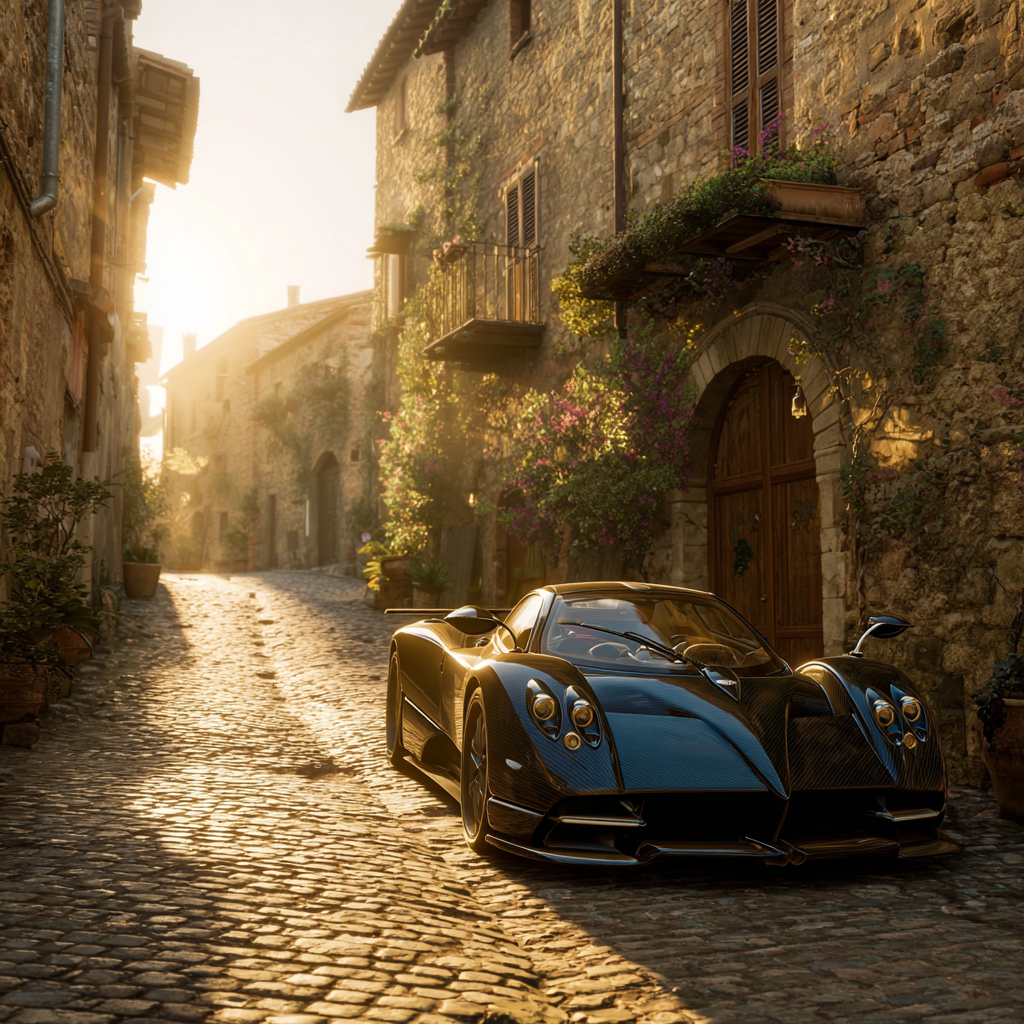
Pagani plans to produce only 99 coupes of the Utopia, and each one is customizable to the client’s tastes. Owners can choose materials, colors, configurations, and even gearboxes. Pagani does not mass-produce cars. Each one is built by hand, with the owner involved in the process from start to finish.
This ensures that no two Utopias will be identical. They are machines, but they are also portraits—expressions of their owners’ identities.
Pricing and Ownership
The Pagani Utopia is priced around $2.5 million USD before options. Most buyers will spend significantly more due to the bespoke nature of the car. It is not just a vehicle. It is a commissioned object, tailored to the buyer’s vision.
Ownership also includes exclusive experiences with the brand: factory tours, custom fittings, and direct conversations with the design team. Few automakers offer this level of personal connection between client and creation.
A Future-Focused Legacy
The Utopia arrives at a pivotal moment in automotive history. While the rest of the world moves toward electric propulsion and autonomous technology, Pagani has chosen a different path.
Horacio Pagani believes that there will always be room for emotional, human-driven machines. The Utopia does not ignore the future—it simply refuses to forget the past. It’s an ode to driving as an art form.
Why the Pagani Utopia Matters in 2025
In 2025, the automotive landscape is increasingly defined by software, regulations, and electrification. The Pagani Utopia is a reminder of what makes driving special. It’s a symbol of engineering discipline and artistic freedom. It stands out not because it is loud, but because it is deliberate.
By building a car that honors simplicity, craftsmanship, and the analog experience, Pagani has created something that goes against the tide. The Utopia is not here to chase trends. It exists to preserve the essence of driving.
Final Thoughts
The Pagani Utopia is more than a hypercar. It is a philosophy, a return to fundamentals, and a celebration of what happens when art and engineering are treated with equal respect. With its analog soul and sculpted presence, the Utopia represents a future where emotion still matters and the machine remains something to be felt, not just used.

