
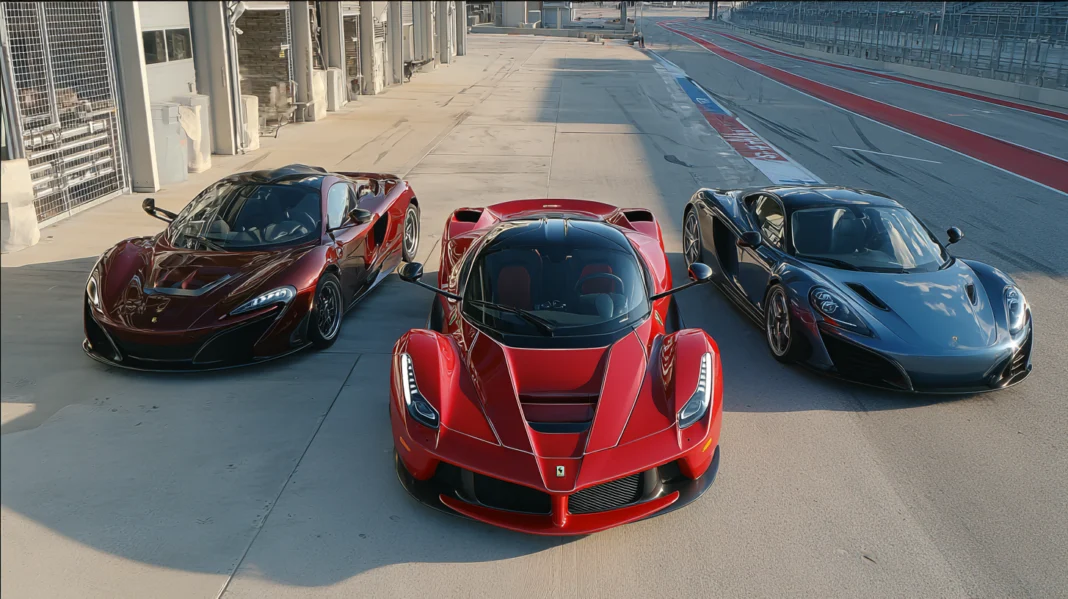
Picture the sun setting over Circuit of the Americas in Austin, Texas, the tower casting a long shadow across an empty start-finish straight. It is easy to imagine the echoes of a decade of racing still lingering there. Tracks like this are where the supercars of the 2010s came to prove themselves.
The 2010s were the most innovative decade in supercar history. Hybrid technology moved from the racetrack to the road. Power outputs climbed from 600 to nearly 1,000 horsepower. Aerodynamics became active. Chassis became carbon fiber. The supercar was transformed.
This article looks at five cars that defined the decade. Not the fastest or the most expensive, but the ones that set the tone. The ones that changed the conversation.
The Criteria: What Makes a Decade Defining Car?
A car that defines a decade must:
- Introduce new technology that becomes standard
- Set a performance benchmark that others chase
- Capture the spirit of its time
The cars on this list do all three.
The Location: Circuit of the Americas
COTA is a modern Formula 1 circuit. It opened in 2012, just as the supercar revolution was accelerating. The track is technical, demanding, and fast. It is the perfect place to remember the cars that defined an era.
The List
1. Ferrari LaFerrari (2013)
The LaFerrari was Ferrari’s first hybrid hypercar. It combined a 6.3 liter V12 with an electric motor to produce 949 horsepower. The KERS system was derived directly from Formula 1. The car set a new standard for hybrid performance.
Why it defined the decade: The LaFerrari proved that hybrid technology could enhance performance, not just efficiency. It was the first of the holy trinity, alongside the McLaren P1 and Porsche 918 Spyder.
2. Porsche 918 Spyder (2013)

The 918 Spyder was Porsche’s answer to the LaFerrari. It used a 4.6 liter V8 and two electric motors to produce 887 horsepower. It could drive on electric power alone for 20 miles. It set a lap record at the Nürburgring that stood for years.
Why it defined the decade: The 918 showed that a hybrid supercar could also be a daily driver. It was fast, efficient, and usable. It set the template for Porsche’s future.
3. McLaren P1 (2013)
The P1 was McLaren’s entry into the holy trinity. It used a 3.8 liter twin turbo V8 and an electric motor to produce 903 horsepower. The active aerodynamics were derived from Formula 1. The car was raw, aggressive, and focused.
Why it defined the decade: The P1 was the most extreme of the three. It prioritized track performance over comfort. It proved that a hybrid could be a weapon.
4. Lamborghini Huracán (2014)
The Huracán was the successor to the Gallardo. It used a 5.2 liter V10 producing 602 horsepower. The design was sharp and aggressive. The all wheel drive system provided confidence. The car was a sales success, with over 14,000 units sold.
Why it defined the decade: The Huracán was the supercar that most people could actually buy. It was expensive, but not impossible. It brought Lamborghini performance to a broader audience.
5. Porsche 911 GT3 RS (2015)
The 991 generation GT3 RS used a 4.0 liter flat six producing 500 horsepower. It had a 9,000 rpm redline, a massive rear wing, and a chassis tuned for the track. It set lap records around the world.
Why it defined the decade: The GT3 RS was the ultimate driver’s car of the decade. It proved that naturally aspirated engines still had a place. It was a reminder that analog driving could still thrill.

The Holy Trinity: A Moment in Time
The LaFerrari, P1, and 918 Spyder were unveiled within months of each other. They represented a convergence of technology and ambition. Each car was different. Each was brilliant. Together, they defined the hybrid hypercar era.
The LaFerrari was the emotional one. The V12 wailed. The car demanded attention. The P1 was the aggressive one. The active aero and twin turbo V8 made it a track weapon. The 918 was the complete one. It was fast, efficient, and usable.
No car since has matched the impact of the holy trinity.
The COTA Lap: A Virtual Drive
Imagine a lap of COTA in each car.
The LaFerrari screams down the straight. The V12 wails, the electric motor fills the gaps, and the car brakes hard for Turn 12. The driver downshifts, the engine blips, and the car rotates.
The P1 attacks the esses. The active aero adjusts, the downforce increases, and the car carves through the corners. The driver is focused, the car is responsive.
The 918 glides through the stadium section. The hybrid system is seamless, the all wheel drive provides grip, and the car feels planted.
The Huracán powers through the back straight. The V10 roars, the all wheel drive provides confidence, and the car is fast.
The GT3 RS dances through the final corner. The naturally aspirated engine howls, the rear wing provides downforce, and the driver exits onto the straight.
Each car is different. Each is brilliant.
What the Decade Left Behind
The 2010s left a legacy of hybrid technology, active aerodynamics, and carbon fiber construction. They left lap records that took years to beat. They left a generation of enthusiasts who grew up watching supercars on YouTube and Instagram.

But the decade also left something else. It left the memory of a time when naturally aspirated engines and manual transmissions were still relevant. The GT3 RS reminded us of what was being lost.
The Austin Sunset
The sun is gone. The track is dark. The cars are parked, their engines off. The silence is heavy.
A few enthusiasts linger, talking about the cars they remember. The LaFerrari’s wail. The P1’s aggression. The 918’s versatility. The Huracán’s accessibility. The GT3 RS’s purity.
They will remember this decade. They will remember these cars.
The Ranking Summary
| Rank | Car | Why It Defined the Decade |
|---|---|---|
| 1 | Ferrari LaFerrari | Hybrid hypercar pioneer, emotional V12 |
| 2 | Porsche 918 Spyder | Usable hybrid supercar, Nürburgring record |
| 3 | McLaren P1 | Extreme track focus, active aero |
| 4 | Lamborghini Huracán | Accessible supercar, sales success |
| 5 | Porsche 911 GT3 RS | Ultimate driver’s car, naturally aspirated |
The Honorable Mentions
Cars that almost made the list:
- McLaren 720S: A performance benchmark, but arrived late in the decade
- Ferrari 488 GTB: A turbocharged successor to the 458, but lacked the 458’s character
- Lamborghini Aventador: A V12 flagship, but less influential than the Huracán
Conclusion
The 2010s were the most innovative decade in supercar history. The hybrid hypercar was born. Power outputs climbed. Aerodynamics became active. The supercar was transformed.
The five cars on this list defined that transformation. The LaFerrari, the P1, the 918, the Huracán, and the GT3 RS. They are different, but they share a common thread: they changed the conversation.
The Circuit of the Americas is quiet now. The cars are gone. But the legacy remains. The 2010s will be remembered as the decade when the supercar became something new. Something faster. Something smarter. Something unforgettable.
Gear Picks for This Story
 Paddock StyleScuderia Ferrari Puma Polo ShirtSee the Design →
 Style UpSPARCO Martini Racing TeeSee the Design →
 EV LifeTesla Wall Connector Gen 3Check Compatibility →
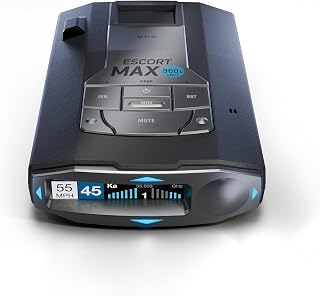 Stay SafeEscort MAX 360c MKII Radar DetectorSee How It Helps →
As an Amazon Associate, VeloxTrend earns from qualifying purchases.

