Home Blog Page 19

Ferrari 288 GTO: The Supercar That Started It All in 2026

0

The Ferrari 288 GTO is widely regarded as the car that started the modern supercar era. While the Lamborghini Miura is often credited as the first supercar, it was the 288 GTO that established the template that Ferrari and other manufacturers would follow for decades. It was a limited edition, turbocharged, mid-engine V8 grand tourer that was originally designed to compete in Group B rallying. Its combination of performance, exclusivity, and design made it an instant icon.

Produced from 1984 to 1985, the 288 GTO was built to homologate a racing version for the FIA’s Group B category. Only 272 units were built, far fewer than the 200 required for homologation. Today, the 288 GTO is one of the most sought-after collector Ferraris, with values exceeding $3 million.

This article provides a comprehensive examination of the Ferrari 288 GTO, including its development, engineering, performance, design, and why it remains one of the most significant Ferraris ever built.

The GTO Name

The GTO name holds a special place in Ferrari history. It stands for Gran Turismo Omologato, Italian for “Grand Touring Homologated.” The name was first used on the 250 GTO of 1962, which is widely regarded as one of the greatest Ferraris ever built. The 250 GTO was a racing car built for homologation purposes, and it dominated GT racing in the early 1960s.

The 288 GTO revived this name, and it carried the same homologation purpose. It was built to qualify a Group B racing version, though the racing program was ultimately canceled when Group B was discontinued after a series of fatal accidents.

The Genesis: Group B Homologation

In the early 1980s, the FIA’s Group B category was the pinnacle of rallying. The cars were essentially prototypes with minimal road-going requirements. Manufacturers had to build 200 road cars to homologate a racing version.

Ferrari had never been involved in rallying, but the company saw an opportunity to build a road car that would showcase its engineering capabilities. The 288 GTO was designed to be a road car first, with the racing version intended to follow.

The car was based on the 308 GTB platform, but it shared few components. The wheelbase was extended, the body was widened, and the engine was a new 2.8 liter twin-turbocharged V8. The name 288 referred to the engine’s displacement: 2.8 liters and 8 cylinders.

When Group B was canceled after the 1986 season, Ferrari never built the racing version. The 288 GTO exists only as a road car.

Powertrain: The Twin-Turbo V8

Engine Specifications

The 288 GTO is powered by a 2.8 liter twin-turbocharged V8 engine, designated the F114B. This engine is a development of the unit used in the 308 GTB, with significant modifications for the GTO application.

The engine produces 400 horsepower at 7,000 rpm and 366 lb-ft of torque at 3,800 rpm. The redline is 7,000 rpm.

The specific output of 143 horsepower per liter was extraordinary for the mid-1980s. The engine features two IHI turbochargers, dual intercoolers, and Weber-Marelli fuel injection.

Transmission

Power is transmitted to the rear wheels through a five-speed manual transmission. The transmission is mounted longitudinally behind the engine, contributing to the car’s weight distribution.

Performance

The 288 GTO accelerates from 0 to 60 miles per hour in 4.9 seconds. Top speed is 189 miles per hour (305 kilometers per hour).

These figures made the 288 GTO the fastest production car in the world when it was introduced, surpassing the Porsche 930 Turbo and the Lamborghini Countach.

Chassis and Engineering

Frame and Body

The 288 GTO uses a tubular steel frame, derived from the 308 GTB. The frame is lightweight and rigid, providing a solid foundation for the suspension. The body panels are made of fiberglass and Kevlar, with the exception of the aluminum doors.

The dry weight is approximately 1,160 kilograms (2,557 pounds).

Suspension

The GTO features double-wishbone suspension at all four corners, with coil springs and telescopic dampers. The suspension is tuned for a balance of road comfort and high-speed stability.

Brakes

The braking system uses ventilated disc brakes with four-piston calipers.

Wheels and Tires

The 288 GTO rides on 16-inch wheels, wrapped in Goodyear tires. The front tires are 225/50 VR16, and the rear tires are 265/50 VR16.

Design

Exterior Styling

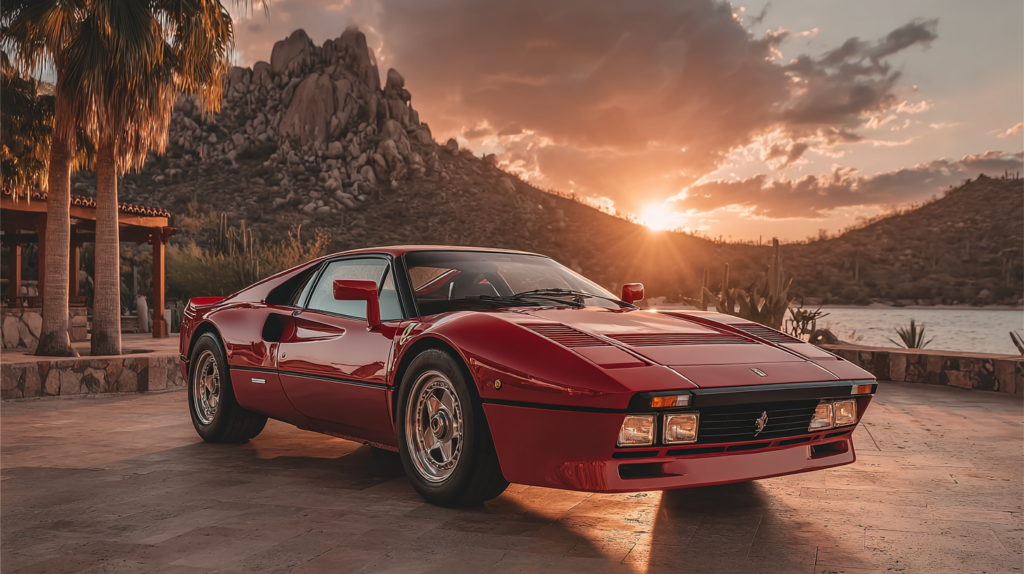
The 288 GTO’s exterior was designed by Pininfarina, under the direction of Leonardo Fioravanti. The design is aggressive and functional, with a low, wide stance, a long nose, and a distinctive rear end.

The front end features a prominent grille with a mesh pattern and a Ferrari badge. The headlights are pop-up units that are integrated into the bodywork. The hood has a large air outlet that extracts hot air from the engine bay.

The side profile shows the extended wheelbase, the large side air intakes, and the flared fenders. The NACA ducts on the hood are a distinctive feature.

The rear end is characterized by a prominent rear spoiler integrated into the decklid, a large diffuser, and quad exhaust outlets. The taillights are round, a reference to classic Ferraris.

Interior Design

The interior of the 288 GTO is focused on the driver. The seats are power-adjustable with leather upholstery. The dashboard features a digital instrument cluster with a central tachometer and auxiliary gauges.

The steering wheel is a three-spoke unit with a leather wrap. The shift lever is positioned high on the center console.

The interior is more refined than the 308 GTB’s, with higher quality materials and better sound insulation.

Driving Experience

On Road Character

The 288 GTO is a car that requires respect. The turbochargers produce significant lag, with power building slowly below 4,000 rpm and then surging as the turbos spool. The clutch is heavy, and the gearshift requires deliberate movements.

The ride is firm but not punishing. The steering is heavy at low speeds, but it provides excellent feedback at speed.

The car is not relaxing, but it is engaging.

On Track Behavior

When driven on a track, the 288 GTO reveals its capabilities. The engine pulls strongly to the 7,000 rpm redline, and the chassis remains composed through corners. The car’s rear-wheel-drive layout requires skill to manage.

The Sound

The twin-turbo V8 produces a distinctive sound. The engine has a sharp, metallic wail at high rpm, with the turbochargers adding a mechanical whine.

Rarity and Exclusivity

Production Numbers

Ferrari built 272 units of the 288 GTO. The original plan was to build 200 units for homologation, but demand was so strong that Ferrari extended the production run.

Pricing

The 288 GTO carried a base price of approximately $83,000 when new. Today, well-maintained examples trade for over $3 million.

Collector Status

The 288 GTO is one of the most sought-after Ferraris of the modern era. Its limited production numbers, its connection to the canceled Group B program, and its legendary performance have made it a prized collector car.

How the 288 GTO Stacks Up Against Its Rivals

Against the Porsche 959

The Porsche 959 is a twin-turbocharged all-wheel-drive supercar with 444 horsepower.

The 959’s advantage is its technology and its all-weather capability. The Porsche’s all-wheel-drive system and advanced electronics were ahead of their time.

The 288 GTO’s advantage is its V8 engine and its design. The Ferrari’s engine provides a different character, and its styling is more dramatic.

Against the Lamborghini Countach

The Lamborghini Countach is a mid-engine V12 supercar with 420 horsepower.

The Countach’s advantage is its V12 engine and its dramatic styling. The Countach is one of the most iconic designs in automotive history.

The 288 GTO’s advantage is its refinement and its handling. The Ferrari is more usable and more engaging to drive.

Against the Ferrari F40

The Ferrari F40 is the successor to the 288 GTO, with a 2.9 liter twin-turbocharged V8 producing 471 horsepower.

The F40’s advantage is its power and its weight. The F40 is lighter and more powerful than the 288 GTO.

The 288 GTO’s advantage is its rarity and its place in Ferrari history. The 288 GTO is more exclusive, and it established the template for the F40.

Against the Ferrari 308 GTB

The 308 GTB is the base model from which the 288 GTO was derived, with a 3.0 liter naturally aspirated V8 producing 240 horsepower.

The 308’s advantage is its affordability and its daily usability. The 308 is less expensive and more practical.

The 288 GTO’s advantage is its performance and its exclusivity. The GTO produces 160 more horsepower than the 308, and it is significantly rarer.
The Legacy of the 288 GTO

The Supercar Template

The 288 GTO established the template for Ferrari’s future supercars. Its combination of a twin-turbocharged V8, a mid-engine layout, and limited production numbers would be repeated with the F40, the F50, the Enzo, and the LaFerrari.

The GTO Name

The 288 GTO revived the GTO name, and it remains the only Ferrari since the 250 GTO to carry it. The name carries immense weight, and the 288 GTO honored it.

The Group B Legacy

The 288 GTO is a reminder of the wild era of Group B rallying. The car was designed to compete in the most extreme racing category ever created, and its spirit reflects that ambition.

Specifications Summary

SpecificationValue
Engine2.8L twin-turbo V8
Horsepower400 hp at 7,000 rpm
Torque366 lb-ft at 3,800 rpm
Transmission5-speed manual
DriveRear wheel drive
0-60 mph4.9 seconds
Top Speed189 mph
Weight1,160 kg dry
Production272 units
Original Price$83,000

Conclusion

The Ferrari 288 GTO is the supercar that started it all. It established the template for Ferrari’s modern supercars, combining a twin-turbocharged V8, a mid-engine layout, and limited production numbers. It was designed to compete in Group B rallying, and its spirit reflects the ambition and intensity of that era.

The 288 GTO is not a car for everyone. Its production was limited to 272 units, its price today exceeds $3 million, and its turbo lag requires skill to manage. But for the collectors who own a 288 GTO, the car offers something that no other Ferrari can provide: the experience of driving the car that started the modern supercar era.

The 288 GTO also represents a turning point in Ferrari’s history. It was the first modern supercar from Maranello, and it paved the way for the F40, the F50, the Enzo, and the LaFerrari. It is a car that will forever be remembered as one of the greatest Ferraris ever built.

The Ferrari 288 GTO is a legend, and it remains one of the most significant supercars in automotive history.
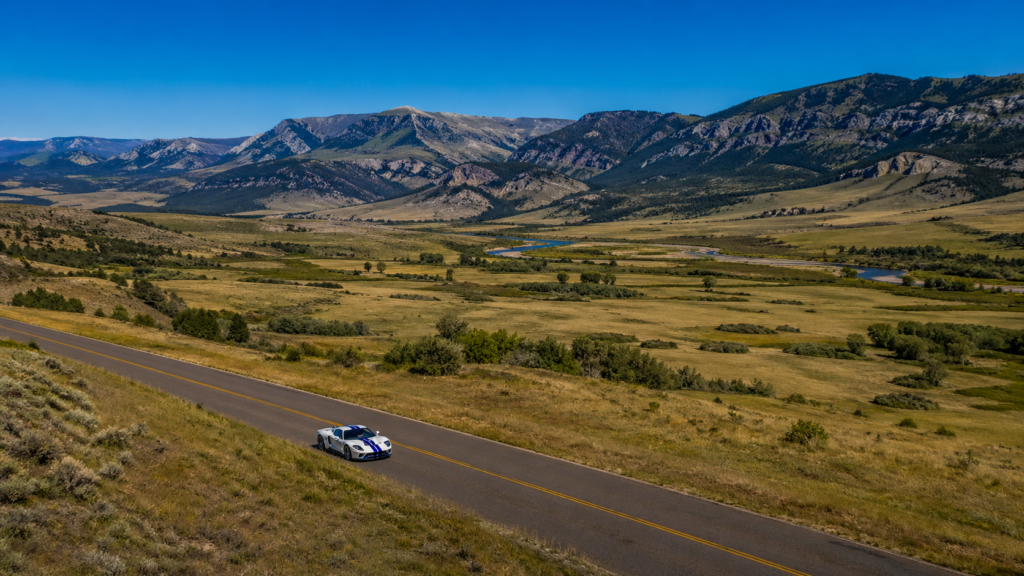
Ford GT (2005): The Modern American Supercar Revival in 2026

0

The Ford GT of 2005 occupies a unique place in automotive history. It was a car that looked backward and forward simultaneously. Its design was a direct homage to the legendary GT40 that won the 24 Hours of Le Mans four times in a row from 1966 to 1969. Yet its engineering was thoroughly modern, with a supercharged V8 engine, an aluminum chassis, and a carbon fiber and aluminum body. It was a car that proved an American manufacturer could build a supercar that competed with the best from Europe.

Produced from 2004 to 2006, the Ford GT was a limited edition model celebrating Ford’s 100th anniversary. Only 4,038 units were built, far more than the original GT40’s 105 units. Today, the GT has become a sought-after collector car, with values appreciating steadily. It is recognized as one of the most significant American performance cars of the modern era.

This article provides a comprehensive examination of the 2005 Ford GT, including its development, engineering, performance, design, and why it remains a modern American supercar icon.

The GT40 Legacy

The original Ford GT40 was born from a bitter rivalry. In the early 1960s, Henry Ford II attempted to buy Ferrari, but Enzo Ferrari backed out of the deal at the last minute. Ford responded by pouring resources into building a race car that would beat Ferrari at the 24 Hours of Le Mans, Ferrari’s home turf.

The result was the GT40, a mid-engine race car developed by Ford in partnership with Carroll Shelby and other specialists. After two years of development, the GT40 succeeded. In 1966, Ford GT40s finished first, second, and third at Le Mans. The GT40 went on to win Le Mans four times in a row from 1966 to 1969.

The Ford GT was a tribute to this legacy. It was designed to capture the spirit of the GT40 while adapting it for road use.

The Modern Revival

The Ford GT concept was unveiled at the 2002 North American International Auto Show in Detroit. The response was overwhelmingly positive, and Ford approved the car for production. The goal was to build a modern American supercar that would compete with the Ferrari 360 Modena and the Porsche 911 Turbo.

The production car was introduced in 2004 as a 2005 model. It was built at a dedicated facility in Wixom, Michigan, with a team of approximately 100 workers assembling each car by hand.

The development timeline was short. Ford engineers had just two years to take the concept from the show floor to production. The result was a car that was remarkably faithful to the concept.

Powertrain: The Supercharged V8

Engine Specifications

The Ford GT is powered by a 5.4 liter supercharged V8 engine, designated the Modular V8. This engine is a development of the unit used in the Ford Mustang SVT Cobra, with significant modifications for the GT application.

The engine produces 550 horsepower at 6,500 rpm and 500 lb-ft of torque at 3,750 rpm. The redline is 7,000 rpm.

The supercharger is a screw-type unit that provides immediate boost response. Unlike turbochargers, which can suffer from lag, the supercharger delivers power instantly, giving the GT linear, predictable power delivery.

Transmission

Power is transmitted to the rear wheels through a six-speed manual transmission, designated the Ricardo. The transmission is mounted at the rear of the car in a transaxle configuration, contributing to the car’s weight distribution.

The transmission features a traditional H-pattern gate and a clutch pedal with moderate weight. The shift action is mechanical and precise.

Performance

The Ford GT accelerates from 0 to 60 miles per hour in 3.8 seconds. The quarter mile is completed in approximately 11.8 seconds at 125 miles per hour. Top speed is 205 miles per hour.

These figures were competitive with the best supercars of the era.

Chassis and Construction

Aluminum Spaceframe

The Ford GT is built around an aluminum spaceframe chassis. The structure is lightweight and rigid, providing a solid foundation for the suspension. The body panels are also aluminum, with the exception of the carbon fiber hood and door sill plates.

The dry weight is approximately 1,450 kilograms (3,200 pounds).

Suspension

The GT features double-wishbone suspension at all four corners, with coil springs and adjustable dampers. The suspension is tuned for a balance of road comfort and track performance.

Brakes

The braking system uses four-wheel ventilated disc brakes with four-piston calipers. The brakes provide strong stopping power, with consistent pedal feel.

Wheels and Tires

The Ford GT rides on 18-inch front wheels and 19-inch rear wheels, wrapped in Goodyear Eagle F1 tires. The front tires are 235/45 ZR18, and the rear tires are 315/40 ZR19.

Aerodynamics

The Ford GT’s aerodynamic development focused on high-speed stability. The car features a prominent front splitter, a rear diffuser, and an integrated rear wing. The underbody is flat, improving airflow.

The GT generates downforce at speed, keeping the car planted on the road.

Design

Exterior Styling

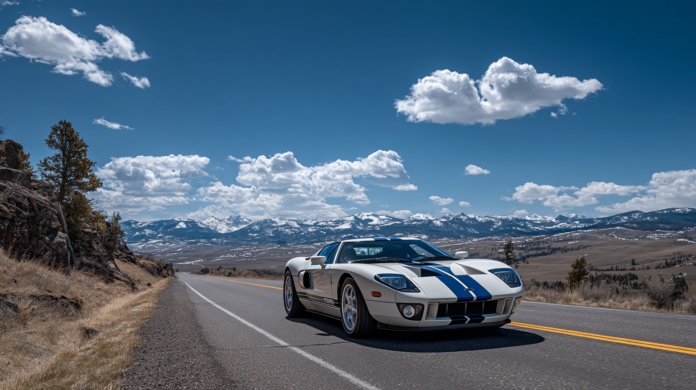
The Ford GT’s exterior design is a modern interpretation of the GT40. The car features a low, wide stance, a long nose, and a fastback tail. The body is clean and muscular, with subtle curves and distinctive air intakes.

The front end features a prominent grille with a chrome surround and a Ford oval. The headlights are round, a reference to the GT40. The hood has large air outlets that extract hot air from the engine bay.

The side profile shows the low roofline, the large side air intakes, and the distinctive door cutouts. The doors open upward in a butterfly configuration.

The rear end features a prominent diffuser, a rear wing integrated into the decklid, and twin exhaust outlets. The round taillights are a reference to the GT40.

Interior Design

The interior of the Ford GT is focused on the driver. The seats are power-adjustable with leather upholstery. The dashboard features a digital instrument cluster with a central speedometer and tachometer.

The steering wheel is a three-spoke unit with a flat bottom. The shift lever is positioned high on the center console.

The interior is spartan compared to modern supercars, but it is functional and driver-focused.

Driving Experience

On Road Character

The Ford GT is a car that demands attention. The supercharged V8 produces a deep, guttural roar that fills the cabin. The ride is firm but not punishing. The steering is heavy at low speeds, but it provides excellent feedback at speed.

The clutch is heavy, and the shift action is mechanical. The car is not relaxing, but it is engaging.

On Track Behavior

When driven on a track, the Ford GT reveals its capabilities. The brakes provide strong stopping power, and the chassis remains composed through corners. The supercharged V8 pulls strongly to the redline.

The car’s rear-wheel-drive layout requires skill to manage. The GT rewards smooth inputs.

The Sound

The supercharged V8 engine’s sound is one of the Ford GT’s defining characteristics. The engine produces a deep, guttural rumble at low speeds and a sharp, aggressive roar at full throttle. The supercharger adds a whine that is characteristic of forced induction.

The Ford GT’s Legacy

A Modern Classic

The Ford GT is recognized as a modern classic. Its limited production numbers, its connection to the GT40, and its performance have made it a sought-after collector car. Values have appreciated steadily, with well-maintained examples trading for over $300,000.

Influence on Ford

The Ford GT influenced Ford’s performance strategy for years to come. It demonstrated that Ford could build a world-class supercar, and it paved the way for the 2017 Ford GT and the Mustang Shelby GT500.

The GT40 Connection

The Ford GT honors the GT40’s legacy while standing on its own. It is not a replica; it is a modern interpretation that captures the spirit of the original.

How the Ford GT Stacks Up Against Rivals

Against the Ferrari 360 Modena

The Ferrari 360 Modena is a mid-engine supercar with a 3.6 liter naturally aspirated V8 producing 400 horsepower.

The 360’s advantage is its power-to-weight ratio and its handling. The Ferrari is lighter and more agile.

The Ford GT’s advantage is its power and its torque. The GT produces 150 more horsepower than the Ferrari, and its supercharged V8 provides abundant torque.

Against the Porsche 911 Turbo

The Porsche 911 Turbo is a rear-engine, all-wheel-drive sports car with a 3.6 liter twin-turbocharged flat-six producing 415 horsepower.

The 911’s advantage is its all-weather capability and its daily usability. The Porsche is more practical and more refined.

The Ford GT’s advantage is its power and its drama. The GT produces 135 more horsepower than the Porsche, and its design is more dramatic.

Against the Lamborghini Gallardo

The Lamborghini Gallardo is a mid-engine supercar with a 5.0 liter naturally aspirated V10 producing 493 horsepower.

The Gallardo’s advantage is its engine character and its all-wheel-drive traction. The V10 produces a distinctive sound.

The Ford GT’s advantage is its power and its value. The GT produces 57 more horsepower than the Gallardo, and it is less expensive.

Against the Chevrolet Corvette Z06

The Chevrolet Corvette Z06 is a front-engine sports car with a 7.0 liter naturally aspirated V8 producing 505 horsepower.

The Z06’s advantage is its power and its value. The Corvette is less expensive than the GT, and it produces comparable power.

The Ford GT’s advantage is its design and its heritage. The GT is more exclusive and more dramatic.

Specifications Summary

SpecificationValue
Engine5.4L supercharged V8
Horsepower550 hp at 6,500 rpm
Torque500 lb-ft at 3,750 rpm
Transmission6-speed manual
DriveRear wheel drive
0-60 mph3.8 seconds
Top Speed205 mph
Weight1,450 kg
Production4,038 units
Original Price$150,000

Conclusion

The 2005 Ford GT is a modern American supercar icon. It was a car that honored the legendary GT40 while establishing its own identity. Its supercharged V8 engine produced 550 horsepower, its aluminum spaceframe chassis provided a solid foundation, and its design was a masterful interpretation of a classic.

The Ford GT was not a car for everyone. Its production was limited to 4,038 units, its price was $150,000, and its focus on performance meant it lacked the luxury of grand tourers. But for the 4,038 owners who acquired a GT, the car offered something that no other American vehicle could provide: the experience of driving a modern interpretation of the GT40.

The Ford GT also represents a turning point in Ford’s history. It demonstrated that the company could build a world-class supercar, and it paved the way for future performance models. It is a car that will forever be remembered as a modern American classic.

The 2005 Ford GT is a testament to the power of heritage and engineering. It remains one of the most significant American performance cars ever built.

Toyota 2000GT: Japan’s First True Supercar in 2026

0

Produced from 1967 to 1970, only 337 units were built, including 62 right-hand drive models and 225 left-hand drive models for export. Today, the 2000GT is one of the most valuable Japanese cars ever produced, with well-maintained examples trading for over $1 million. Its design, engineering, and rarity have made it a legend.

This article provides a comprehensive examination of the Toyota 2000GT, including its development, design, engineering, performance, and why it remains Japan’s first true supercar.

The Genesis: A Collaboration with Yamaha

The 2000GT was born from a collaboration between Toyota and Yamaha. In the early 1960s, Yamaha had been developing its own sports car, the YX-30, but lacked the resources to bring it to production. Toyota saw potential in the project and partnered with Yamaha to develop a new grand tourer.

The design was led by Toyota designer Satoru Nozaki, with input from Yamaha’s engineers. The goal was to create a car that could compete with European rivals like the Jaguar E-Type and the Mercedes-Benz 280SL. The result was the 2000GT, a car that combined Japanese craftsmanship with European styling cues.

The 2000GT was first shown as a concept at the 1965 Tokyo Motor Show. The response was overwhelmingly positive, and Toyota approved the car for production.

Design: A Masterpiece of Styling

The Silhouette

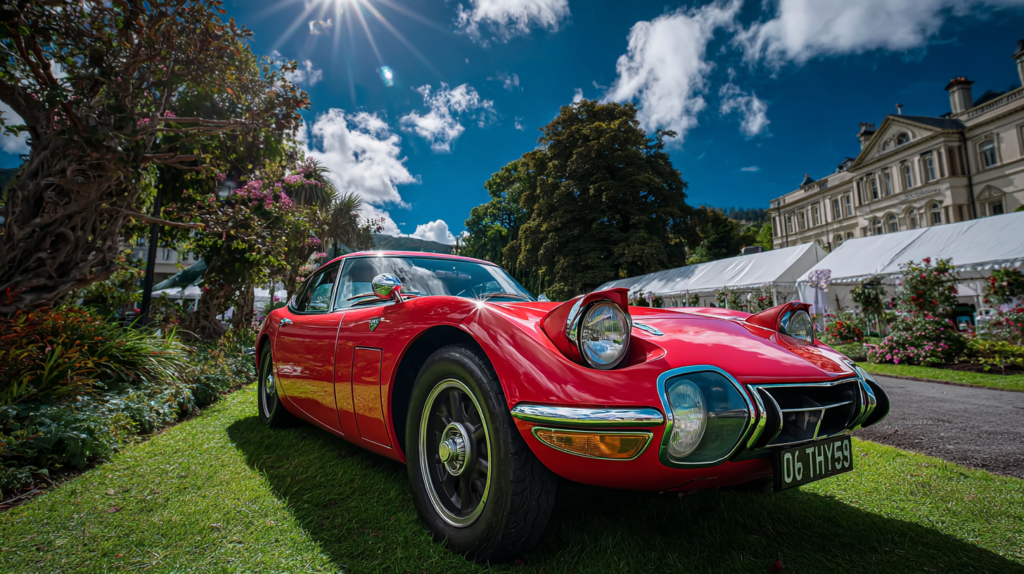
The 2000GT’s exterior design is one of the most beautiful of any car from its era. The long hood, low roofline, and fastback tail give it classic grand tourer proportions. The body is lean and muscular, with subtle curves and a distinctive front end.

The car measures 4,175 mm in length, 1,600 mm in width, and just 1,160 mm in height. The low height, combined with the long, sweeping hood, gives the 2000GT a dramatic, purposeful stance.

The Front End

The front end features a protruding grille with a chrome surround and a prominent Toyota emblem. The headlights are retractable, a feature that was advanced for the time. The front bumper is slim and integrated into the bodywork.

The Side Profile

The side profile shows the long hood, the low cabin, and the fastback tail. The wheel arches are flared, giving the car a muscular appearance. The side windows are frameless, and the doors are long and low.

The Rear End

The rear end features a fastback tail that slopes down to a small spoiler. The taillights are slim and horizontal, integrated into the bodywork. The quad exhaust outlets are a distinctive feature.

Interior Design

The interior of the 2000GT is elegant and driver-focused. The dashboard is finished in wood, with Smiths gauges that are clear and legible. The seats are low and supportive, upholstered in leather.

The cabin is small, with limited headroom and legroom. The 2000GT is not a car for tall drivers. But the quality of the materials and the craftsmanship are exceptional.

Engineering: Advanced for Its Time

The Engine

The 2000GT is powered by a 2.0 liter naturally aspirated inline-six engine, designated the 3M. The engine is a development of the unit used in the Toyota Crown, with modifications from Yamaha. It features a twin-cam head, three two-barrel carburetors, and a nine-bearing crankshaft.

The engine produces 148 horsepower at 6,600 rpm and 129 lb-ft of torque at 5,000 rpm. The redline is 7,000 rpm.

The specific output of 74 horsepower per liter was impressive for its era.

Transmission

Power is transmitted to the rear wheels through a five-speed manual transmission. The transmission is a floor-mounted unit with a short-throw shifter. A three-speed automatic was also available.

Suspension

The 2000GT features double-wishbone suspension at all four corners, with coil springs and telescopic dampers. The suspension was tuned for grand touring, providing a balance of comfort and handling.

Brakes

The braking system uses disc brakes at all four corners, a feature that was advanced for a production car in the 1960s.

Performance

The 2000GT accelerates from 0 to 60 miles per hour in 10.0 seconds. Top speed is 127 miles per hour (204 kilometers per hour).

These figures were competitive with European rivals of the era, including the Jaguar E-Type and the Porsche 911.

The Yamaha Connection

Yamaha’s involvement in the 2000GT was significant. The company contributed to the engine development, helping to create the twin-cam head and the carburetion system. Yamaha’s experience with high-performance engines, gained from its work in motorsports, was invaluable.

The 2000GT’s engine is a testament to the partnership. It is smooth, responsive, and willing to rev. The sound is distinctive, with a high-pitched wail at high rpm.

Racing Heritage

The 2000GT had a brief but successful racing career. In 1966, a modified 2000GT lapped the Yatabe Test Track at an average speed of 124.5 miles per hour, a world record for cars with engines under 2.0 liters.

The car also competed in the 1967 Fuji 24 Hour Race, finishing second and third. In 1967, a 2000GT set a new world record for endurance, covering 20,000 miles in ten days at an average speed of 118 miles per hour.

The 2000GT in Pop Culture

The 2000GT’s most famous appearance was in the 1967 James Bond film You Only Live Twice. Two specially modified 2000GTs were built for the film, including a roadster version without a roof. The car was driven by Bond (Sean Connery) in several scenes.

The Bond connection cemented the 2000GT’s status as an icon. It introduced the car to a global audience and associated it with glamour, sophistication, and adventure.

Rarity and Collectability

Production Numbers

Toyota built 337 units of the 2000GT between 1967 and 1970. This includes 62 right-hand drive models for the Japanese market, 109 left-hand drive models for the US market, and 166 left-hand drive models for other markets.

Pricing

The 2000GT carried a base price of approximately $6,800 when new, which was comparable to the Jaguar E-Type. Today, well-maintained examples trade for over $1 million. The most desirable models are the early cars and the Bond roadsters, which have sold for over $2 million.

Collector Status

The 2000GT is one of the most sought-after Japanese collector cars in the world. Its rarity, its beauty, and its significance as Japan’s first supercar have made it a prized possession for collectors.

How the 2000GT Stacks Up Against Rivals

Against the Jaguar E-Type

The Jaguar E-Type is the 2000GT’s most direct competitor. The E-Type features a 3.8 liter inline-six producing 265 horsepower.

The E-Type’s advantage is its power and its legacy. The Jaguar is faster and more iconic.

The 2000GT’s advantage is its rarity and its craftsmanship. The Toyota is more exclusive, and its build quality is superior.

Against the Porsche 911

The Porsche 911 is a rear-engine sports car with a 2.0 liter flat-six producing 130 horsepower.

The 911’s advantage is its handling and its longevity. The Porsche has been in production for decades, and its rear-engine layout provides unique dynamics.

The 2000GT’s advantage is its design and its rarity. The Toyota is more beautiful and more exclusive.

Against the Mercedes-Benz 280SL

The Mercedes-Benz 280SL is a grand tourer with a 2.8 liter inline-six producing 160 horsepower.

The 280SL’s advantage is its refinement and its durability. The Mercedes is more comfortable and more practical.

The 2000GT’s advantage is its performance and its design. The Toyota is faster and more dramatic.

The 2000GT’s Legacy

The First Japanese Supercar

The 2000GT is widely regarded as Japan’s first true supercar. It proved that Japanese manufacturers could compete with the best from Europe. It established a template for future Japanese performance cars, including the Datsun 240Z, the Mazda RX-7, and the Toyota Supra.

A Design Icon

The 2000GT’s design has aged gracefully. The long hood, low roofline, and fastback tail remain beautiful today. It is widely regarded as one of the most beautiful cars of its era, and it has influenced generations of designers.

A Collector Legend

The 2000GT is one of the most valuable Japanese cars in existence. Its rarity, its beauty, and its significance have made it a legend among collectors. It is a car that will only become more valuable as time passes.

Specifications Summary

SpecificationValue
Engine2.0L naturally aspirated inline-six
Horsepower148 hp at 6,600 rpm
Torque129 lb-ft at 5,000 rpm
Transmission5-speed manual
DriveRear wheel drive
0-60 mph10.0 seconds
Top Speed127 mph
Weight1,120 kg
Production337 units
Original Price$6,800

Conclusion

The Toyota 2000GT is Japan’s first true supercar. It was a stunningly beautiful, technologically advanced grand tourer that proved Japanese manufacturers could compete with the best from Europe. Its 2.0 liter inline-six engine, five-speed manual transmission, and double-wishbone suspension were state of the art for the 1960s. Its design remains timeless.

The 2000GT is not a car for everyone. Its production was limited to 337 units, its price today is over $1 million, and its small cabin means it is not practical for tall drivers. But for the collectors who own a 2000GT, the car offers something that no other Japanese vehicle can provide: the experience of driving Japan’s first supercar.

The 2000GT also represents a turning point in Toyota’s history. It demonstrated that the company could build a world-class performance car, and it paved the way for future icons like the Supra and the LFA. It is a car that will forever be remembered as one of the greatest Japanese cars ever built.

The Toyota 2000GT is a legend, and it remains one of the most beautiful and significant cars in automotive history.
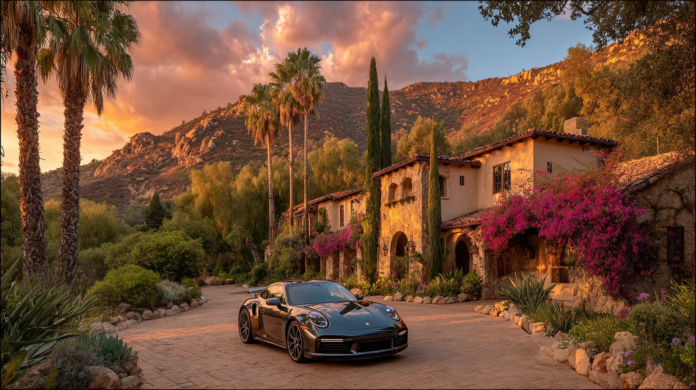
Nissan Skyline GT-R R34: The Legend of Godzilla in 2026

0

The Nissan Skyline GT-R R34 holds a unique position in automotive history. It is not merely a car; it is a cultural artifact, a technological benchmark, and a symbol of a golden era of Japanese performance engineering. Produced for only three years, from 1999 to 2002, the R34 was the final evolution of the Skyline GT-R lineage before the nameplate would be retired and later reborn as the standalone Nissan GT-R. It represents the peak of analog all-wheel-drive performance, combining raw mechanical engagement with sophisticated electronics.
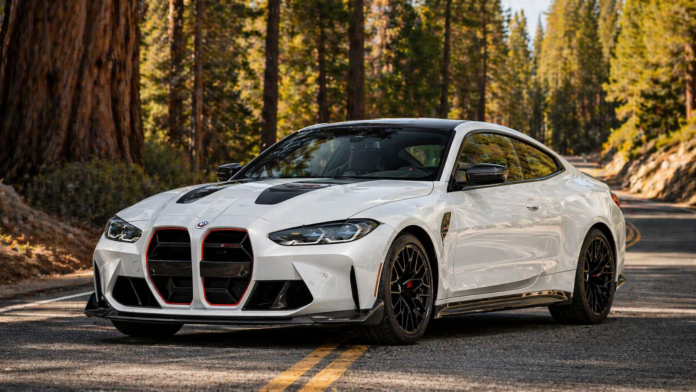
Two decades after production ended, the R34 is more sought after than ever. Its starring role in the Fast and Furious franchise, its dominance in video games like Gran Turismo, and its reputation as a tuning legend have cemented its status as a global icon. This article explores the engineering, performance, cultural impact, and lasting legacy of the Nissan Skyline GT-R R34.

The Evolution of Godzilla

The GT-R legend began in 1969 with the PGC10 “Hakosuka.” After a long hiatus, the nameplate was resurrected in 1989 with the R32. The R32 earned the “Godzilla” nickname by dominating Australian touring car racing, winning 29 races from 29 starts. Its ATTESA E-TS all-wheel-drive system was revolutionary.

The R33, introduced in 1995, was larger and more refined. While some critics considered it softer than the R32, the R33 Nürburgring package proved its capability by setting a lap time at the Nürburgring that was faster than many exotics of the era, including the Ferrari F50.

When the R34 arrived in 1999, Nissan engineers addressed the criticisms of the R33. The result was a car that was shorter, stiffer, and more visually aggressive. It combined the raw edge of the R32 with the refined technology of the R33, creating the definitive modern Skyline.

The RB26DETT Engine

The heart of the R34 is the legendary RB26DETT engine. This 2.6 liter inline-six features twin turbochargers, individual throttle bodies, and a cast-iron block. Under the Japanese “gentleman’s agreement,” it was officially rated at 276 horsepower, but actual output was closer to 320 horsepower.

The engine’s true genius lies in its robustness. The cast-iron block can withstand immense power, and aftermarket support for the RB26 is massive. It is common to find R34s tuned to 600, 800, or even 1,000 horsepower with modifications to the turbos, fuel system, and engine management.

The individual throttle bodies are a rarity for turbocharged engines. Each cylinder has its own throttle butterfly, dramatically improving throttle response. This gives the R34 a sharp, immediate feel when the driver steps on the gas, a characteristic that distinguishes it from many modern turbocharged cars.

Sequential Turbocharging

The RB26 uses a sequential turbocharger system. A smaller primary turbo spools quickly to provide low-end torque, while a larger secondary turbo takes over in the mid-range. There is a distinct surge of power as the second turbo comes online, rewarding the driver who keeps the revs high.

ATTESA E-TS Pro All-Wheel Drive

The handling of the R34 is defined by the ATTESA E-TS Pro system. Unlike traditional all-wheel-drive systems that are always sending power to both axles, ATTESA E-TS is primarily rear-wheel drive. It uses electronic sensors to detect loss of traction at the rear wheels and instantly routes power to the front wheels via a computer-controlled clutch pack.

The “Pro” version in the R34 V-Spec added an Active Rear Differential. This mechanical limited-slip differential could actively vary torque between the left and right rear wheels, further enhancing cornering grip and reducing understeer.

The result is a car that launches hard from a standstill without wheelspin but rotates like a rear-wheel-drive car when the driver lifts off the throttle mid-corner. This duality is what makes the R34 so rewarding to drive quickly.

Transmission

The R34 was offered exclusively with a six-speed manual transmission. The previous R33 used a five-speed, so the extra gear was a welcome improvement for highway cruising and performance driving. The gearbox is robust, though it can feel notchy compared to modern units. The clutch is heavy, as expected from a performance car of this era.

Aerodynamics and Styling

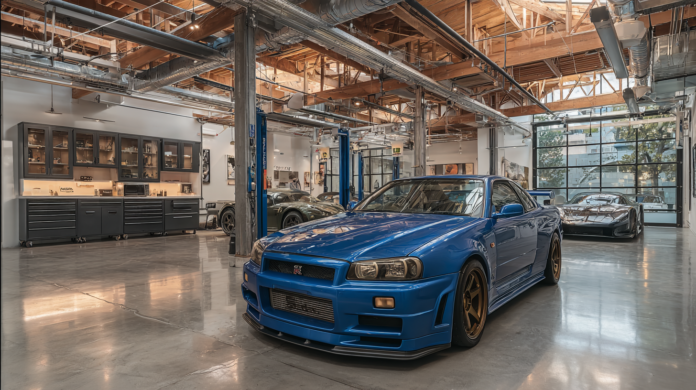
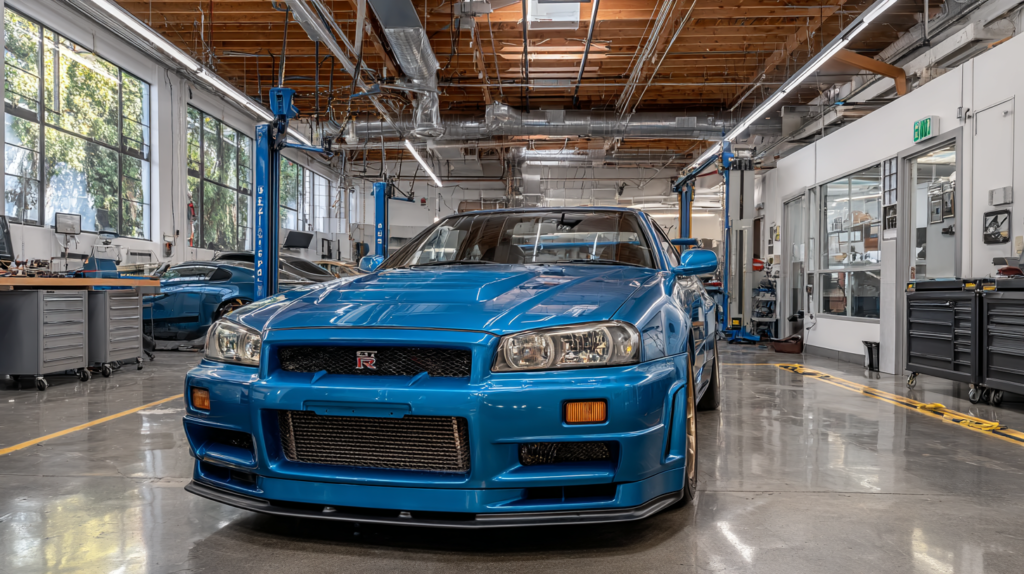
The R34 is widely regarded as the best-looking of all the Skyline GT-Rs. Its styling is boxy, aggressive, and purposeful. Unlike the softer curves of the R33, the R34 features sharp lines, a massive front grille, and a distinctive rear wing.

The V-Spec models included functional aerodynamic upgrades, including a rear diffuser under the bumper and NACA ducts on the hood. The signature round taillights, a fixture on Skylines, were set into a flat panel that stretched across the entire rear width, giving the car a planted, wide stance.

The front bumper is low and aggressive, housing large fog lights and intakes. The fenders bulge significantly to cover the wide track. The car looks like a race car homologated for the street.

Interior and the MFD Screen

The R34’s interior is utilitarian but distinctive. The seats are supportive but not overly aggressive. The pedals are drilled aluminum. The short-throw shifter sits high on the center console.

The defining feature of the interior is the Multi-Function Display (MFD). This small digital screen, mounted in the center of the dashboard, was groundbreaking for 1999. It provides real-time data on:

  • Turbocharger boost pressure
  • Oil and water temperature
  • Front and rear torque distribution
  • G-force meter
  • Lap timer

This display gave the driver access to information usually reserved for race cars, reinforcing the R34’s image as a technology leader.

The R34 V-Spec Models

The standard GT-R was very capable, but the V-Spec (Victory Specification) models added key performance hardware.

V-Spec: Added the Active Rear Differential, stiffer suspension, and a lower ride height.
V-Spec II: Added a larger carbon fiber rear wing, a carbon fiber hood, and aluminum pedals.
V-Spec II Nür: A limited edition named after the Nürburgring. It featured a more aggressive camshaft profile, upgraded turbocharger system allowing for higher output, a unique exhaust, and a special two-tone interior.

The M-Spec (Midnight) model focused on comfort, with softer suspension and leather seats, appealing to the grand touring side of the R34.

Cultural Impact

The R34 is the most famous Japanese car in pop culture, largely due to the Fast and Furious franchise. The silver and blue R34 driven by Brian O’Conner in 2 Fast 2 Furious (2003) and later Fast & Furious (2009) became an icon. The aggressive body kit and the sound of the RB26 imprinted the R34 onto the consciousness of millions who had never seen a Japanese sports car before.

Beyond film, the R34 was a star of the Gran Turismo video game series. For many young enthusiasts, their first experience “driving” an R34 was on a PlayStation, mastering the complex corners of Trial Mountain.

Its role in Japanese drifting culture (via the Initial D manga and anime) and Australian touring car racing further cemented its legendary status.

Driving the R34 Today

Driving an R34 today is a visceral, analog experience. The hydraulic power steering is heavy. The ride is firm, transmitting road imperfections directly to the driver. The engine is noisy, the road noise is significant, and the transmission whines.

This lack of modern insulation and electronic nannies provides a level of feedback that is missing from modern sports cars. The driver feels everything.

The sequential turbochargers provide a unique power delivery. There is a distinct surge as the second turbo comes online, pulling hard to the redline. The R34 rewards drivers who keep the revs high.

The R34 is not a car for commuting. The clutch is tiring in stop-and-go conditions, and the turning circle is poor. But on a winding road or an open track, it is one of the most communicative and rewarding cars ever made.

Rarity and Collectability

The R34 GT-R was produced in limited numbers. Total production of the R34 generation is estimated at approximately 12,000 units, including all variants.

The 25-year import rule in the United States meant that R34s were largely unavailable to American enthusiasts until the 2020s. This pent-up demand, combined with the car’s iconic status, has driven prices to extraordinary heights.

V-Spec II and Nür models command the highest prices, often exceeding $300,000 for low-mileage examples. Even standard GT-Rs sell for well over $100,000.

Specifications Summary

SpecificationValue
Engine2.6L twin-turbo inline-six (RB26DETT)
Horsepower276 hp (factory rating)
Torque260 lb-ft
Transmission6-speed manual
DriveATTESA E-TS Pro all-wheel drive
0-60 mphApproximately 4.9 seconds
Top SpeedApproximately 156 mph
WeightApproximately 1,540 kg
Production Years1999 to 2002

Conclusion

The Nissan Skyline GT-R R34 is more than a car. It is a cultural artifact, a technological marvel of its time, and a driver’s machine that analog enthusiasts revere. It arrived at the perfect moment, just before the automotive industry began its shift toward electronic power steering, dual-clutch transmissions, and hybrid powertrains.

Its RB26 engine is tunable to absurd levels. Its ATTESA all-wheel-drive system remains impressive today. Its styling is aggressive and timeless. Its role in film and video games ensured that a generation of car lovers would dream of owning one.

As the R34 becomes legal to import into more countries, its legend continues to grow. It is the final link to a golden era of Japanese performance cars, a time when Nissan, Toyota, Honda, Mitsubishi, and Subaru were locked in a horsepower war that produced some of the most beloved cars in history.

The Nissan Skyline GT-R R34 is the definitive Godzilla, a car that earned its legacy on the track and in the hearts of enthusiasts worldwide. It will forever be remembered as one of the greatest performance cars ever built.

Mercedes SLR McLaren: The Supercar Ahead of Its Time in 2026

0

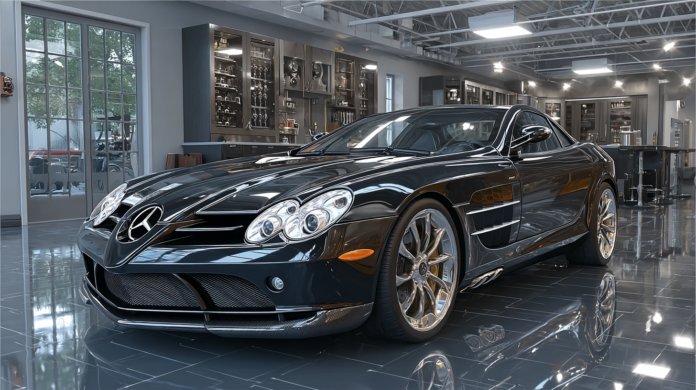
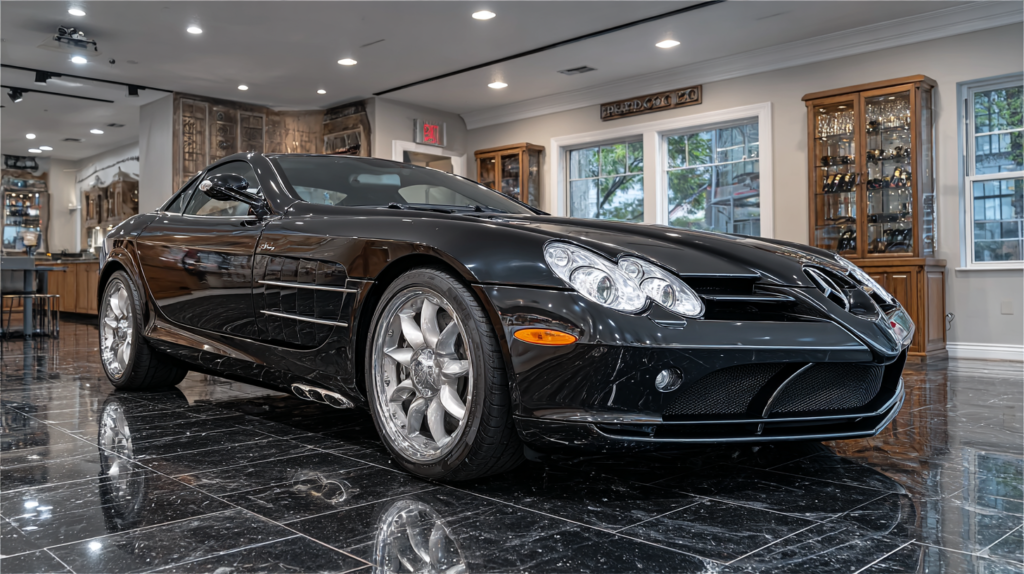
The Mercedes SLR McLaren occupies a unique place in automotive history. It was the result of a collaboration between Mercedes-Benz and McLaren, two companies with deep motorsport pedigrees. The SLR was designed to be a grand tourer, not a track-focused supercar. It prioritized high-speed comfort and long-distance capability over lap times. Yet its engineering, with a carbon fiber monocoque, a supercharged V8 engine producing 617 horsepower, and a distinctive long nose design, was ahead of its time.
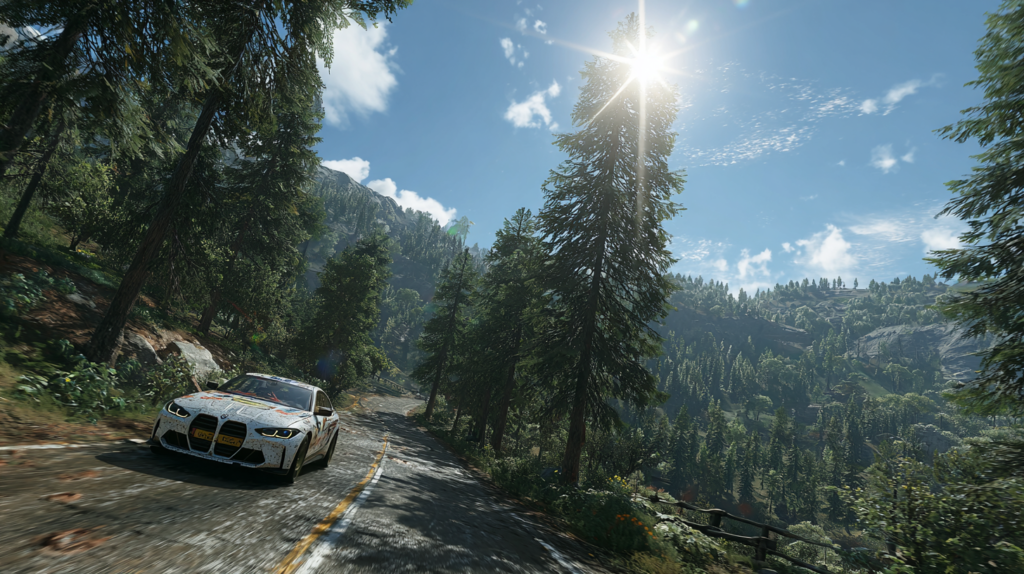
Produced from 2003 to 2009, the SLR was controversial. Some critics found its handling too heavy and its automatic transmission too relaxed. Others praised its effortless performance, its stunning design, and its engineering ambition. Today, the SLR is recognized as a pioneer. It was one of the first production cars to use a carbon fiber monocoque. It was one of the first to use carbon ceramic brakes. It was a car that predicted the future of supercar engineering.

This article provides a comprehensive examination of the Mercedes SLR McLaren, including its development, engineering, performance, design, and why it remains unique today.

The Collaboration: Mercedes and McLaren

The Mercedes SLR McLaren was the product of a partnership between Mercedes-Benz and McLaren, which at the time was Mercedes’s Formula 1 team. The collaboration allowed Mercedes to access McLaren’s expertise in carbon fiber construction and aerodynamic development.

The SLR was unveiled in 2003 as a modern interpretation of the legendary 300 SLR race car from 1955. The 300 SLR, driven by Stirling Moss, was one of the most successful race cars of its era. The SLR name (Sport Leicht Rennen, or Sport Light Racing) and the design references were meant to honor this heritage.

The Carbon Fiber Revolution

Carbon Fiber Monocoque

The SLR was one of the first production cars to use a carbon fiber monocoque. The structure was a single-piece carbon fiber tub that provided exceptional rigidity and occupant protection while minimizing weight. The monocoque was manufactured using aerospace-grade materials and processes.

The carbon fiber construction was a significant engineering achievement. At the time, carbon fiber was primarily used in Formula 1 and other racing series. The SLR brought this technology to a production grand tourer.

Weight and Rigidity

The carbon fiber monocoque weighed only 110 kilograms, far less than a steel or aluminum structure would have weighed. It also provided exceptional torsional rigidity, which contributed to the car’s precise handling and stable high-speed behavior.

Crash Safety

The carbon fiber monocoque also provided excellent crash protection. The structure was designed to absorb impact energy while maintaining the integrity of the passenger cell.

Powertrain: The Supercharged V8

Engine Specifications

The SLR is powered by a 5.4 liter supercharged V8 engine, designated the M155. The engine produces 617 horsepower at 6,500 rpm and 575 lb-ft of torque from 3,250 to 5,000 rpm. The redline is 6,500 rpm.

The supercharger is a screw-type unit that provides immediate boost response. Unlike turbochargers, which can suffer from lag, the supercharger delivers power instantly, giving the SLR a linear, predictable power delivery.

Transmission

Power is transmitted to the rear wheels through a five-speed automatic transmission. The transmission is a traditional torque converter unit, not a dual-clutch. This was a controversial choice at the time, as many supercars were moving to automated manuals and dual-clutch transmissions.

The transmission is mounted at the rear of the car in a transaxle configuration, contributing to the car’s weight distribution. The gearbox can be operated in fully automatic mode or via paddle shifters.

Performance

The SLR accelerates from 0 to 60 miles per hour in 3.6 seconds. The quarter mile is completed in approximately 11.5 seconds at 126 miles per hour. Top speed is 208 miles per hour (334 kilometers per hour).

These figures were competitive with the best supercars of the era.

Chassis and Engineering

Suspension

The SLR features double-wishbone suspension at all four corners, with coil springs and adaptive dampers. The suspension is tuned for high-speed stability and long-distance comfort.

Brakes

The SLR was one of the first production cars to feature carbon ceramic brakes. The discs measure 14.8 inches at the front and 14.4 inches at the rear. The system provides exceptional stopping power, with consistent pedal feel and resistance to fade.

The carbon ceramic brakes were a significant advancement. They are lighter than steel brakes, they last longer, and they perform better under high temperatures.

Aerodynamics

The SLR’s aerodynamic package was developed using McLaren’s Formula 1 expertise. The car features a prominent front splitter, a rear diffuser, and an active rear wing that deploys at speed. The wing also functions as an air brake, raising to increase drag during heavy braking.

The aerodynamic system provides downforce for high-speed stability while reducing drag for efficiency.

The Long Nose

The SLR’s most distinctive design feature is its long nose. The hood extends far forward, giving the car a dramatic, aggressive profile. The long nose was a design reference to the 300 SLR race car, and it also provided aerodynamic benefits.

Design

Exterior Styling

The SLR’s exterior was designed by Mercedes-Benz’s design team, led by Gorden Wagener. The design is dramatic and distinctive, with a long nose, prominent grille, and side exhaust outlets.

The front end features a silver grille with chrome vertical slats, a reference to the 300 SLR. The headlights are slim and integrated into the bodywork. The hood has a central vent that extracts hot air from the engine bay.

The side profile shows the long nose, the side exhaust outlets, and the curved roofline. The side exhaust outlets are a distinctive feature, directing hot gases away from the body.

The rear end is characterized by the active rear wing, the quad exhaust outlets, and the diffuser.

Interior Design

The interior of the SLR is luxurious and driver-focused. The seats are power-adjustable with heating. The dashboard features a digital instrument cluster with a central speedometer. The central infotainment screen is small by modern standards.

The interior is finished in high-quality materials, including leather, Alcantara, and carbon fiber. The steering wheel is a three-spoke unit with paddle shifters.

The SLR Stirling Moss

Mercedes produced a limited edition variant of the SLR called the SLR Stirling Moss. Named for the legendary driver, the Stirling Moss was a roadster with no roof, no windshield, and no side windows. It was a pure, unfiltered driving machine.

Only 75 units of the Stirling Moss were built. It is the rarest and most valuable SLR variant.

Driving Experience

On Road Character

The SLR is a car that is best appreciated on long, high-speed journeys. The engine produces abundant torque from low rpm, making it effortless to accelerate. The ride is firm but compliant, and the cabin is quiet at highway speeds.

The automatic transmission is smooth in normal driving, but it can feel slow when using the paddle shifters. The car is heavy, and it does not change direction as quickly as lighter supercars.

On Track Behavior

The SLR is not a track car. Its weight and its automatic transmission make it less engaging on a circuit than dedicated track cars. However, it is stable and predictable at high speeds, and the brakes provide consistent stopping power.

The Sound

The supercharged V8 engine’s sound is distinctive. The engine produces a deep, muscular rumble at low speeds and a sharp, aggressive roar at full throttle. The supercharger adds a whine that is characteristic of forced induction engines.

Rarity and Exclusivity

Production Numbers

Mercedes built approximately 1,400 units of the SLR coupe, 600 units of the SLR roadster, and 75 units of the SLR Stirling Moss. Total production was approximately 2,075 units.

Pricing

The SLR carried a base price of approximately $450,000 when new. Today, well-maintained examples trade for $500,000 to $700,000, depending on the variant.

Collector Status

The SLR is a sought-after collector car. Its status as a collaboration between Mercedes and McLaren, its carbon fiber construction, and its distinctive design have made it a favorite among collectors.

How the SLR Stacks Up Against Modern Rivals

Against the Mercedes-AMG GT Black Series

The Mercedes-AMG GT Black Series is a track-focused sports car with a 4.0 liter twin-turbocharged V8 producing 720 horsepower.

The GT Black Series’s advantage is its performance and its handling. The modern car is faster, more agile, and more engaging to drive.

The SLR’s advantage is its heritage and its design. The SLR was a pioneer, and its long nose and side exhausts remain distinctive.

Against the McLaren GT

The McLaren GT is a grand tourer with a 4.0 liter twin-turbocharged V8 producing 612 horsepower.

The McLaren GT’s advantage is its weight and its handling. The modern McLaren is lighter and more agile than the SLR.

The SLR’s advantage is its supercharged V8 and its design. The SLR’s engine has a different character than the McLaren’s twin-turbo V8.

Against the Ferrari 812 Superfast

The Ferrari 812 Superfast is a front-engine V12 grand tourer with 789 horsepower.

The 812’s advantage is its power and its refinement. The Ferrari produces 172 more horsepower than the SLR, and its interior is more modern.

The SLR’s advantage is its carbon fiber monocoque and its supercharged V8. The SLR was a pioneer, and its construction was ahead of its time.

Against the Porsche 911 Turbo S

The Porsche 911 Turbo S is a rear-engine, all-wheel-drive sports car with 640 horsepower.

The 911’s advantage is its performance and its daily usability. The Porsche is faster, more agile, and more practical.

The SLR’s advantage is its grand touring character. The SLR is designed for long, high-speed journeys, and it excels at that mission.

The SLR’s Legacy

A Pioneer

The SLR was a pioneer. It was one of the first production cars to use a carbon fiber monocoque. It was one of the first to use carbon ceramic brakes. It predicted the future of supercar engineering.

A Grand Tourer

The SLR was designed as a grand tourer, not a track car. It prioritized high-speed comfort and long-distance capability over lap times. This mission sets it apart from many modern supercars, which are increasingly track-focused.

A Design Icon

The SLR’s design remains distinctive. The long nose, the side exhaust outlets, and the silver grille are instantly recognizable. The car has aged well, and it still looks modern today.

Specifications Summary

SpecificationValue
Engine5.4L supercharged V8
Horsepower617 hp at 6,500 rpm
Torque575 lb-ft from 3,250 to 5,000 rpm
Transmission5-speed automatic
DriveRear wheel drive
0-60 mph3.6 seconds
Top Speed208 mph
Weight1,570 kg
ProductionApproximately 2,075 units
Base Price$450,000

Conclusion

The Mercedes SLR McLaren was a supercar ahead of its time. It was one of the first production cars to use a carbon fiber monocoque, one of the first to use carbon ceramic brakes, and one of the first to combine grand touring comfort with supercar performance. Its supercharged V8 engine produced 617 horsepower, its design was dramatic and distinctive, and its engineering was ambitious.

The SLR was not a perfect car. Its automatic transmission was not as engaging as the dual-clutch transmissions that would follow. Its weight made it less agile than lighter supercars. But it was a pioneer, and it predicted the future of supercar engineering.

The SLR also represents a unique moment in automotive history. It was the result of a collaboration between Mercedes and McLaren, two companies with deep motorsport pedigrees. It honored the 300 SLR race car, and it established a template for modern grand tourers.

Today, the SLR is a sought-after collector car. Its carbon fiber construction, its supercharged V8, and its distinctive design have made it a favorite among enthusiasts. It remains unique, a car that was ahead of its time and that still stands out today.

The Mercedes SLR McLaren is a supercar that was ahead of its time, and it will forever be remembered as a pioneering machine.

Ferrari Daytona SP3: A Tribute to Ferrari Racing Heritage in 2026

0

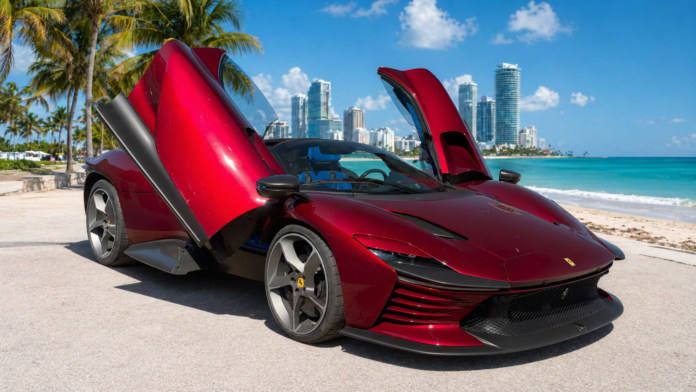
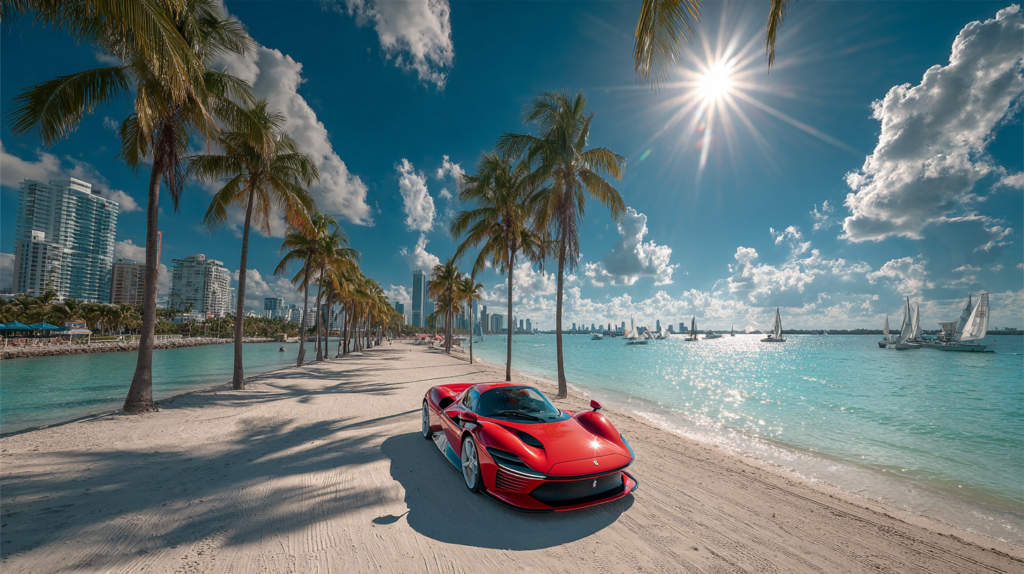
The Ferrari Daytona SP3 is a car that looks backward and forward simultaneously. It honors Ferrari’s racing heritage, specifically the legendary 1967 Daytona 24 Hours victory where a Ferrari 330 P4 finished first, second, and third. Yet it is a thoroughly modern machine, with a 6.5 liter naturally aspirated V12 engine producing 828 horsepower, a carbon fiber chassis, and advanced aerodynamics. It is one of the most beautiful cars Ferrari has ever built, and it represents the pinnacle of the brand’s internal combustion engineering.

Introduced in 2021 as the third model in Ferrari’s Icona series, following the Monza SP1 and SP2, the Daytona SP3 is a limited edition supercar that pays tribute to Ferrari’s sports racing prototypes of the 1960s. Only 599 units were built, and all were sold before the car was revealed.

This article provides a comprehensive examination of the Ferrari Daytona SP3, including its design inspiration, V12 engine, performance, engineering, and why it is a fitting tribute to Ferrari’s racing heritage.

The Icona Series

Ferrari’s Icona series is a line of limited edition cars that reinterpret classic Ferrari designs for the modern era. The first Icona models were the Monza SP1 and SP2, which paid tribute to the barchettas of the 1950s. The Daytona SP3 is the third Icona model, and it honors the sports racing prototypes of the 1960s.

The Icona series allows Ferrari’s designers to create cars that are not constrained by the requirements of volume production. The cars are more expressive, more dramatic, and more focused on aesthetics than Ferrari’s regular models.

The Daytona Name

The Daytona name refers to the 1967 Daytona 24 Hours race, where Ferrari scored one of its most significant victories. The Ferrari 330 P4, driven by Lorenzo Bandini and Chris Amon, finished first, with the 330 P3/4 of Mike Parkes and Ludovico Scarfiotti finishing second, and the 330 P4 of Peter Sutcliffe and David Piper finishing third. It was a clean sweep, and it cemented Ferrari’s dominance in sports car racing.

The Daytona SP3 is named after this victory. The number 3 in the name refers to the three cars that finished on the podium.

Design Inspiration

The 330 P4

The primary design inspiration for the Daytona SP3 is the Ferrari 330 P4, the car that won the 1967 Daytona 24 Hours. The 330 P4 was a stunningly beautiful car, with a low, wide body, a curved glass canopy over the cockpit, and a distinctive fastback tail.

The Daytona SP3’s design echoes these elements. The car has a low, wide stance, a curved glass canopy over the driver and passenger, and a fastback tail with a prominent rear wing.

The 350 Can Am

The Daytona SP3 also draws inspiration from the 350 Can Am, a Ferrari sports prototype that competed in the Can-Am series in the late 1960s. The 350 Can Am had a more aggressive, aerodynamic shape than the 330 P4, with large air intakes and a prominent rear wing.

The Daytona SP3’s side air intakes and rear wing are influenced by the 350 Can Am.

The 512 S

The 512 S, a Ferrari sports prototype from 1970, also influenced the Daytona SP3’s design. The 512 S had a long, low body and a distinctive front end with prominent fenders.

The Daytona SP3’s front end, with its prominent fenders and low nose, echoes the 512 S.

Exterior Design

Proportions

The Daytona SP3 has classic sports prototype proportions: a long, low body, a cockpit positioned far back, and a short rear deck. The car measures 4,700 mm in length, 1,985 mm in width, and 1,140 mm in height. The wheelbase is 2,650 mm.

The car’s most distinctive feature is the curved glass canopy over the cockpit. The canopy is made of a single piece of glass, sweeping from the windshield to the rear. It is a design element that directly references the 330 P4.

The Front End

The front end features prominent fenders that rise above the hood, a design element that references the 512 S. The headlights are slim and integrated into the fenders. The grille is a reinterpretation of the classic Ferrari grille, with a mesh pattern that references the 330 P4.

The front splitter is prominent, and there are large air intakes in the front bumper.

The Side Profile

The side profile shows the curved glass canopy, the large side air intakes, and the prominent rear haunches. The side intakes are shaped to feed cooling air to the engine and brakes.

The doors open upward in a butterfly configuration, providing access to the cabin.

The Rear End

The rear end is characterized by a prominent rear wing that spans the width of the car. The wing is fixed, and it is made of carbon fiber. The rear diffuser is large and complex, with multiple channels. The taillights are slim and integrated into the bodywork.

The quad exhaust outlets are positioned high, a design element that references the 330 P4.

The V12 Engine

Engine Specifications

The Daytona SP3 is powered by a 6.5 liter naturally aspirated V12 engine, designated the F140 HC. This engine is a development of the unit that powered the 812 Superfast and the 812 Competizione. It produces 828 horsepower at 9,250 rpm and 514 lb-ft of torque at 7,250 rpm. The redline is 9,500 rpm.

The specific output is 127 horsepower per liter, a figure that is remarkable for a naturally aspirated engine of this size.

The Sound

The V12 engine’s sound is one of the Daytona SP3’s defining characteristics. The engine produces a high-pitched wail as the revs climb toward the 9,500 rpm redline. The sound is sharp, urgent, and deeply satisfying, with a quality that distinguishes it from every other production engine.

Transmission

Power is transmitted to the rear wheels through a seven-speed dual-clutch transmission. The transmission is mounted at the rear of the car in a transaxle configuration, contributing to the car’s weight distribution.

Performance

Acceleration and Speed

The Daytona SP3 accelerates from 0 to 62 miles per hour in 2.85 seconds. The 0 to 124 miles per hour sprint takes approximately 7.4 seconds. Top speed is 211 miles per hour (340 kilometers per hour).

Weight and Balance

The Daytona SP3 has a dry weight of approximately 1,485 kilograms (3,274 pounds). The weight distribution is 44 percent front, 56 percent rear.

Chassis and Engineering

Carbon Fiber Monocoque

The Daytona SP3 is built around a carbon fiber monocoque, providing exceptional rigidity and occupant protection while minimizing weight. The monocoque is derived from the LaFerrari’s, but it has been modified for the SP3’s unique body.

The body panels are also carbon fiber. The dry weight is 1,485 kilograms.

Suspension

The Daytona SP3 features double-wishbone suspension at all four corners, with pushrod-actuated dampers. This configuration, derived from Formula 1, allows for precise control over wheel motion and reduces unsprung weight.

The suspension is adjustable, with settings for ride height and damping.

Brakes

The braking system uses carbon ceramic discs with six-piston calipers at the front and four-piston calipers at the rear. The system provides exceptional stopping power, with consistent pedal feel and resistance to fade.

Wheels and Tires

The Daytona SP3 rides on 20-inch front wheels and 21-inch rear wheels, wrapped in specially developed tires. The front tires are 265/30 ZR20, and the rear tires are 345/30 ZR21.

Interior Design

Driver Focus

The interior of the Daytona SP3 is focused on the driver. The seats are carbon fiber racing buckets with leather and Alcantara upholstery, providing lateral support during cornering. The seats are fixed in position, with the pedal box adjustable.

The dashboard features a digital instrument cluster with a central tachometer and auxiliary gauges. The steering wheel is a Formula 1-inspired unit with integrated controls for the car’s systems.

The passenger has a dedicated display that shows vehicle information.

Materials

The interior materials are of the highest quality. The leather is sourced from premium tanneries, and the Alcantara is applied with care. The carbon fiber trim is finished to show its weave. The metal accents are machined from solid aluminum.

Customization

The Daytona SP3 is highly customizable through Ferrari’s Tailor Made program. Buyers can specify unique colors, materials, and details. Each of the 599 cars is unique.

Rarity and Exclusivity

Production Numbers

Ferrari built 599 units of the Daytona SP3. All units were sold before the car was revealed.

Pricing

The Daytona SP3 carried a base price of approximately $2.3 million. This pricing placed it in the same tier as limited edition Ferraris like the Monza SP1 and SP2.

Collector Status

The Daytona SP3 is one of the most sought-after modern Ferraris. Its limited production numbers, its status as an Icona series model, and its stunning design have made it a prized collector car.

How the Daytona SP3 Stacks Up Against Rivals

Against the Ferrari 812 Competizione

The 812 Competizione is a front-engine V12 grand tourer with 819 horsepower.

The Competizione’s advantage is its power and its refinement. The Competizione produces 9 less horsepower than the SP3, but it is more practical for daily driving.

The SP3’s advantage is its design and its exclusivity. The SP3 is one of the most beautiful cars Ferrari has ever built, and it is significantly rarer than the Competizione.

Against the Lamborghini Countach LPI 800-4

The Lamborghini Countach LPI 800-4 is a limited edition hybrid supercar that pays tribute to the Countach, with a 6.5 liter V12 and a supercapacitor hybrid system producing 802 horsepower.

The Countach’s advantage is its hybrid technology and its name. The Countach name carries significant weight, and the hybrid system provides instant torque.

The SP3’s advantage is its naturally aspirated V12 and its design. The Ferrari’s engine revs higher and produces a more distinctive sound, and its design is more elegant.

Against the Porsche 911 GT3

The Porsche 911 GT3 is a track-focused sports car with a 4.0 liter naturally aspirated flat-six producing 502 horsepower.

The GT3’s advantage is its weight and its handling. The Porsche is lighter and more agile than the SP3.

The SP3’s advantage is its power and its exclusivity. The Ferrari produces 326 more horsepower than the Porsche, and it is one of the rarest cars on the market.

A Tribute to Racing Heritage

The Daytona SP3 is a tribute to Ferrari’s racing heritage. It honors the 1967 Daytona 24 Hours victory, but it also honors the era of sports prototype racing. The 1960s were a golden age for Ferrari, with victories at Le Mans, Daytona, and Sebring. The SP3 captures the spirit of that era.

The SP3 is also a tribute to the engineers and designers who created the 330 P4, the 350 Can Am, and the 512 S. These cars were among the most beautiful and successful racing cars ever built, and the SP3 is a fitting tribute.

Specifications Summary

SpecificationValue
Engine6.5L naturally aspirated V12
Horsepower828 hp at 9,250 rpm
Torque514 lb-ft at 7,250 rpm
Redline9,500 rpm
Transmission7-speed dual-clutch
DriveRear wheel drive
0-62 mph2.85 seconds
Top Speed211 mph
Weight1,485 kg dry
Production599 units
Base Price$2.3 million

Conclusion

The Ferrari Daytona SP3 is a car that honors the past while embracing the future. It is a tribute to the 1967 Daytona 24 Hours victory, and to the sports racing prototypes of the 1960s. Its design, with its curved glass canopy, prominent fenders, and fastback tail, is a modern interpretation of the 330 P4. Its 6.5 liter naturally aspirated V12, producing 828 horsepower and revving to 9,500 rpm, is one of the greatest engines ever built.

The Daytona SP3 is not a car for everyone. Its production is limited to 599 units, its price is $2.3 million, and its focus on aesthetics and performance means it lacks the practicality of other Ferraris. But for the 599 owners who acquired an SP3, the car offers something that no other vehicle can provide: the experience of driving a modern interpretation of a Ferrari racing legend.

The Daytona SP3 is a fitting tribute to Ferrari’s racing heritage. It is one of the most beautiful cars Ferrari has ever built, and it will forever be remembered as one of the greatest Ferraris of the modern era.

Lamborghini Aventador SVJ: The Last Wild V12 Lambo in 2026

0

The Lamborghini Aventador SVJ represents the end of an era. It is the final naturally aspirated V12 Lamborghini without hybrid assistance, the last of a lineage that began with the Miura and continued through the Countach, Diablo, Murciélago, and Aventador. The SVJ, which stands for Super Veloce Jota, was the most extreme and focused version of the Aventador, designed to set lap records and dominate tracks.

Introduced in 2018 as a limited edition variant of the Aventador S, the SVJ features a 6.5 liter naturally aspirated V12 engine producing 759 horsepower, advanced aerodynamics with active elements, and a chassis tuned for the Nürburgring. It set a production car lap record at the Nürburgring Nordschleife with a time of 6 minutes 44.97 seconds, a record that stood for several years.

This article provides a comprehensive examination of the Lamborghini Aventador SVJ, including its development, V12 engine, aerodynamics, performance, design, and why it remains the last wild V12 Lamborghini.

The Aventador Legacy

The Lamborghini Aventador was introduced in 2011 as the successor to the Murciélago. It featured a 6.5 liter naturally aspirated V12 engine producing 690 horsepower, a seven-speed automated manual transmission, and a carbon fiber monocoque. The Aventador was a dramatic, uncompromising supercar that honored Lamborghini’s heritage.

Over its production run, the Aventador evolved. The Aventador S (2016) added more power, revised suspension, and rear-axle steering. The Aventador SV (2015) was a lighter, more focused variant with 740 horsepower. The SVJ was the most extreme of all.

The SVJ Name

SVJ stands for Super Veloce Jota. Super Veloce means “super fast” in Italian, a designation that has been used on earlier Lamborghinis, including the Miura SV and the Diablo SV. Jota refers to the Appendix J of the FIA regulations that governed racing cars, a reference that Lamborghini has used on track-focused models.

The SVJ name signals that this is the most extreme and focused Aventador, a car designed for track performance.

The V12 Engine: The Heart of the SVJ

Engine Specifications

The Aventador SVJ is powered by a 6.5 liter naturally aspirated V12 engine, designated the L539. This engine is a development of the unit that powered the Aventador S, with modifications that increase power to 759 horsepower at 8,500 rpm and 531 lb-ft of torque at 6,750 rpm. The redline is 8,500 rpm.

The engine features a 60-degree V angle, four valves per cylinder, and a dry-sump lubrication system. The intake system uses individual throttle bodies, contributing to the engine’s immediate throttle response. The exhaust system is tuned to produce a distinctive sound, with a high-pitched wail at high rpm.

The Sound

The V12 engine’s sound is one of the SVJ’s defining characteristics. The engine produces a high-pitched wail as the revs climb toward the 8,500 rpm redline. The sound is sharp, urgent, and deeply satisfying, with a quality that distinguishes it from every other production engine.

The SVJ’s exhaust system is more aggressive than the standard Aventador’s, with a louder and more pronounced note.

Performance

The Aventador SVJ accelerates from 0 to 60 miles per hour in 2.8 seconds. The 0 to 124 miles per hour sprint takes approximately 8.6 seconds. The quarter mile is completed in approximately 10.5 seconds at 135 miles per hour. Top speed is 217 miles per hour (350 kilometers per hour).

The Nürburgring Record

The Aventador SVJ set a lap time of 6 minutes 44.97 seconds at the Nürburgring Nordschleife. This made it the fastest production car around the circuit at the time, beating the previous record held by the Porsche 911 GT2 RS (6 minutes 47.3 seconds).

The record was a significant achievement for Lamborghini. The Nürburgring is the most demanding track in the world, and a fast lap time requires a balance of power, grip, aerodynamics, and chassis tuning. The SVJ’s record demonstrated that Lamborghini could compete with the best from Porsche and other manufacturers.

Aerodynamics: The ALA System

Active Aerodynamics

The Aventador SVJ features Lamborghini’s Aerodinamica Lamborghini Attiva (ALA) system, an active aerodynamic system that adjusts the car’s downforce based on speed and driving conditions. The system uses movable flaps in the front splitter and rear wing to direct airflow.

In high downforce mode, the flaps close, directing airflow over the wing and splitter to generate maximum downforce. In low drag mode, the flaps open, allowing airflow to pass through the wing and splitter, reducing drag and improving top speed.

Downforce Figures

The ALA system allows the SVJ to generate significant downforce without the drag penalty of a fixed wing. At high speeds, the car generates approximately 400 kilograms of downforce, keeping it planted through corners.

The Rear Wing

The SVJ’s rear wing is a distinctive feature. It is larger than the standard Aventador’s wing, and it incorporates the ALA flaps. The wing is made of carbon fiber, keeping weight to a minimum.

Chassis and Dynamics

Carbon Fiber Monocoque

The Aventador SVJ is built around a carbon fiber monocoque, providing exceptional rigidity and occupant protection while minimizing weight. The monocoque is manufactured using aerospace-grade materials and processes.

The body panels are also carbon fiber. The dry weight is approximately 1,525 kilograms (3,362 pounds).

Suspension

The SVJ features double-wishbone suspension at all four corners, with pushrod-actuated dampers. This configuration, derived from Formula 1, allows for precise control over wheel motion and reduces unsprung weight.

The SVJ’s suspension is revised compared to the Aventador S, with stiffer springs, revised damper calibration, and a lower ride height.

Rear-Axle Steering

The SVJ features rear-axle steering, a system that turns the rear wheels in the opposite direction to the front wheels at low speeds and in the same direction at high speeds. The system improves maneuverability at low speeds and stability at high speeds.

Brakes

The braking system uses carbon ceramic discs with six-piston calipers at the front and four-piston calipers at the rear. The system provides exceptional stopping power, with consistent pedal feel and resistance to fade during track use.

Wheels and Tires

The SVJ rides on 20-inch front wheels and 21-inch rear wheels, wrapped in specially developed Pirelli P Zero Corsa tires. The front tires are 255/30 ZR20, and the rear tires are 355/25 ZR21. The rear tires are among the widest ever fitted to a production car, providing exceptional grip.

Design

Exterior Styling

The Aventador SVJ’s exterior design is more aggressive than the standard Aventador’s. The front end features a larger splitter, larger air intakes, and distinctive ALA flaps. The hood has a central vent that extracts hot air from the engine bay.

The side profile shows the carbon fiber side skirts and the large air intakes that feed cooling air to the engine. The rear end is characterized by the large rear wing, the prominent diffuser, and the quad exhaust outlets.

The SVJ is available in a range of colors, including the exclusive SVJ-specific colors.

Interior Design

The interior of the Aventador SVJ is focused on the driver. The seats are carbon fiber racing buckets with Alcantara upholstery, providing lateral support during cornering. The seats are fixed in position, with manual adjustment.

The dashboard features a digital instrument cluster with a central tachometer and auxiliary gauges. The central infotainment screen is small, reflecting the car’s focus on driving.

The interior is stripped back compared to the standard Aventador. The sound deadening is reduced, and the audio system is optional.

Driving Experience

On Road Character

The Aventador SVJ is a car that demands respect. The steering is heavy, the ride is firm, and the engine is loud. The car is not comfortable in the way a grand tourer is, but it is not punishing.

The engine produces abundant power from mid-rpm, but the real excitement comes above 6,000 rpm. The car pulls strongly to the 8,500 rpm redline, and the sound is intoxicating.

On Track Behavior

When driven on a track, the SVJ reveals the depth of its engineering. The brakes provide consistent stopping power, and the chassis remains composed through corners. The ALA system provides downforce that keeps the car planted at high speeds.

The car’s all-wheel-drive system provides traction that allows early power application on exit. The SVJ is a car that rewards smooth inputs and punishes abrupt actions.

The Sound

The V12 engine’s sound is the SVJ’s defining characteristic. The engine produces a high-pitched wail as the revs climb toward the 8,500 rpm redline. The sound is sharp, urgent, and deeply satisfying.

The SVJ 63

Lamborghini also produced the Aventador SVJ 63, a limited edition variant that honored the company’s founding year, 1963. The SVJ 63 featured unique exterior and interior details, including a carbon fiber hood and a numbered plaque. Only 63 units were built.

Rarity and Exclusivity

Production Numbers

Lamborghini built approximately 900 units of the Aventador SVJ, including the SVJ 63. All units were sold before production began.

Pricing

The Aventador SVJ carried a base price of approximately $520,000. The SVJ 63 was priced higher.

Collector Status

The SVJ is one of the most sought-after Aventadors. Its status as the final naturally aspirated V12 Lamborghini without hybrid assistance, its Nürburgring record, and its limited production numbers have made it a prized collector car.

How the SVJ Stacks Up Against Rivals

Against the Porsche 911 GT2 RS

The Porsche 911 GT2 RS is a rear-engine, rear-wheel-drive sports car with a 3.8 liter twin-turbocharged flat-six producing 700 horsepower.

The GT2 RS’s advantage is its handling and its track focus. The Porsche’s chassis tuning and aerodynamics are exceptional.

The SVJ’s advantage is its V12 engine and its drama. The Lamborghini’s engine produces a sound and a character that the Porsche’s flat-six cannot match.

Against the Ferrari 812 Superfast

The Ferrari 812 Superfast is a front-engine V12 grand tourer with 789 horsepower.

The 812’s advantage is its power and its refinement. The Ferrari produces 30 more horsepower than the SVJ, and its interior is more luxurious.

The SVJ’s advantage is its all-wheel-drive traction and its track focus. The Lamborghini’s AWD system provides grip that the rear-drive Ferrari cannot match.

Against the McLaren 720S

The McLaren 720S is a mid-engine supercar with a 4.0 liter twin-turbocharged V8 producing 710 horsepower.

The 720S’s advantage is its weight and its handling. The McLaren is lighter than the SVJ, and its chassis tuning is exceptional.

The SVJ’s advantage is its V12 engine and its all-wheel-drive traction. The Lamborghini’s engine provides a character that the McLaren’s V8 cannot match.

Against the Aventador SVJ and the Ultimae

The Aventador Ultimae was the final Aventador variant, with 769 horsepower and a more refined interior. It was the last Aventador before the Revuelto.

The Ultimae’s advantage is its power and its refinement. The Ultimae produces 10 more horsepower than the SVJ, and its interior is more luxurious.

The SVJ’s advantage is its track focus and its Nürburgring record. The SVJ is the more extreme, more focused car.

The Last Wild V12

The Aventador SVJ is the last wild V12 Lamborghini. It is a car that prioritizes emotion over efficiency, drama over comfort, and performance over everything else. It is a car that embodies the Lamborghini spirit: uncompromising, aggressive, and thrilling.

The Revuelto, which succeeded the Aventador, uses a V12 hybrid powertrain. It is faster, more efficient, and more technologically advanced than the SVJ. But it is not the same. The SVJ’s naturally aspirated V12, with its 8,500 rpm redline and its high-pitched wail, is a dying breed.

For enthusiasts who value the sound and character of a naturally aspirated V12, the SVJ is a legend.

Specifications Summary

SpecificationValue
Engine6.5L naturally aspirated V12
Horsepower759 hp at 8,500 rpm
Torque531 lb-ft at 6,750 rpm
Redline8,500 rpm
Transmission7-speed automated manual
DriveAll wheel drive
0-60 mph2.8 seconds
Top Speed217 mph
Nürburgring Lap Time6 minutes 44.97 seconds
Weight1,525 kg dry
ProductionApproximately 900 units
Base Price$520,000

Conclusion

The Lamborghini Aventador SVJ is the last wild V12 Lamborghini. It is the most extreme and focused version of the Aventador, with a 6.5 liter naturally aspirated V12 producing 759 horsepower, advanced active aerodynamics, and a chassis tuned for the Nürburgring. It set a production car lap record at the Nürburgring, with a time of 6 minutes 44.97 seconds.

The SVJ is not a car for everyone. Its production was limited to approximately 900 units, its price was $520,000, and its focus on track performance means it lacks the comfort of grand tourers. But for the buyers who acquired an SVJ, the car offers something that no other vehicle can provide: the experience of driving the last wild V12 Lamborghini.

The SVJ also represents the end of an era. The Revuelto, which succeeded the Aventador, uses a V12 hybrid powertrain. It is faster, more efficient, and more technologically advanced, but it is not the same. The SVJ’s naturally aspirated V12, with its 8,500 rpm redline and its high-pitched wail, is a dying breed.

For enthusiasts who value the sound and character of a naturally aspirated V12, the Aventador SVJ is a legend. It will forever be remembered as one of the greatest Lamborghinis ever built.

Porsche 911 Turbo S: The Benchmark Everyday Supercar in 2026

0

The Porsche 911 Turbo S has occupied a unique position in the automotive world for decades. It is not the most powerful supercar, nor the lightest, nor the most track-focused. But it is one of the most complete. The Turbo S combines the performance of a supercar with the usability of a daily driver, the refinement of a grand tourer, and the reliability of a Porsche.

The 992 generation 911 Turbo S, introduced in 2020, represents the pinnacle of this formula. With a 3.7 liter twin-turbocharged flat-six engine producing 640 horsepower, all-wheel drive, and a chassis tuned for both comfort and performance, it is a car that can be driven to the track, set competitive lap times, and drive home in comfort. It is a car that does everything well.

This article provides a comprehensive examination of the Porsche 911 Turbo S, including its evolution, powertrain, performance, engineering, design, and why it remains one of the most complete performance cars in 2026.

The Turbo S Legacy

The 911 Turbo lineage began in 1975 with the 930 Turbo. That car, with its rear-engine layout, turbocharged engine, and wide body, established the template for all future Turbos. It was fast, dramatic, and demanding to drive.

Over the following decades, the Turbo evolved. The 964 Turbo introduced all-wheel drive. The 993 Turbo introduced twin turbochargers. The 996 Turbo introduced water cooling and a more refined interior. The 997 Turbo introduced variable turbine geometry. The 991 Turbo introduced rear-axle steering and a PDK transmission.

The 992 Turbo S is the culmination of this evolution. It is the most powerful, most capable, and most refined Turbo ever built.

The 992 Generation

The 992 generation 911 was introduced in 2019. The Turbo S followed in 2020. The 992 Turbo S is wider, more powerful, and more technologically advanced than the 991 generation it replaced.

The 992 Turbo S features a wider body than the standard 911, with distinctive air intakes on the rear fenders. It also features a larger rear wing, a more aggressive front splitter, and quad exhaust outlets.

Powertrain: The Heart of the Turbo S

The Engine

The 911 Turbo S is powered by a 3.7 liter twin-turbocharged flat-six engine, designated the 9A2 Evolution. This engine is a development of the unit that powered the 991 Turbo S, with larger turbochargers, revised intake and exhaust systems, and higher boost pressure.

The engine produces 640 horsepower at 6,750 rpm and 590 lb-ft of torque from 2,500 to 4,000 rpm. The redline is 7,200 rpm.

The variable turbine geometry turbochargers are a key feature. They allow the engine to produce boost across a wide range of engine speeds, minimizing lag while maximizing top-end power.

Transmission

Power is transmitted to all four wheels through an eight-speed dual-clutch transmission, designated the PDK. The transmission is calibrated for rapid shifts, with shift times of approximately 100 milliseconds in Sport Plus mode.

The PDK features a wet clutch, which provides smooth engagement and durability. The transmission can be operated in fully automatic mode or via paddle shifters mounted on the steering column.

Performance

The 911 Turbo S accelerates from 0 to 60 miles per hour in 2.6 seconds. The 0 to 100 miles per hour sprint takes approximately 5.8 seconds. The quarter mile is completed in approximately 10.5 seconds at 134 miles per hour. Top speed is 205 miles per hour.

These figures place the Turbo S among the quickest production cars in the world, outperforming many dedicated supercars.

Chassis and Dynamics

Suspension

The 911 Turbo S features a MacPherson strut front suspension and a multi-link rear suspension. The system uses adaptive dampers that can adjust their characteristics based on driving mode and road conditions.

The Turbo S also features Porsche Active Suspension Management (PASM), which continuously adjusts the damping force at each wheel. The system provides a balance of comfort and control.

Rear-Axle Steering

The Turbo S features rear-axle steering, a system that turns the rear wheels in the opposite direction to the front wheels at low speeds and in the same direction at high speeds. At low speeds, the system reduces the turning circle, making the car more maneuverable. At high speeds, the system improves stability.

Porsche Traction Management (PTM)

The Turbo S features Porsche Traction Management (PTM), an all-wheel-drive system that uses a multi-plate clutch to vary torque distribution between the front and rear axles. The system is rear-biased, providing the handling characteristics of a rear-wheel-drive car with the traction of all-wheel drive.

Porsche Torque Vectoring Plus (PTV Plus)

The Turbo S features Porsche Torque Vectoring Plus (PTV Plus), which uses a limited-slip differential and selective braking to distribute torque between the rear wheels. The system improves cornering performance by reducing understeer and allowing the driver to get on the throttle earlier.

Brakes

The braking system uses carbon ceramic discs with ten-piston calipers at the front and four-piston calipers at the rear. The front discs measure 16.5 inches in diameter, making them the largest ever fitted to a production Porsche. The system provides exceptional stopping power, with consistent pedal feel and resistance to fade.

Wheels and Tires

The 911 Turbo S rides on 20-inch front wheels and 21-inch rear wheels, wrapped in specially developed tires. The front tires are 255/35 ZR20, and the rear tires are 315/30 ZR21. The tires are designed to provide grip for the car’s power and weight.

Aerodynamics

Active Aerodynamics

The 911 Turbo S features an active aerodynamic system. The front splitter and rear wing adjust their angle based on speed and driving mode. The system provides downforce for stability at high speeds while reducing drag for efficiency.

The rear wing is a distinctive feature of the Turbo S. It is larger than the standard 911’s wing, and it provides significant downforce. The wing also features a Gurney flap, which improves its efficiency.

Cooling

The Turbo S features an advanced cooling system, with multiple radiators and air intakes. The front bumper incorporates large intakes that feed air to the radiators. The rear fenders feature air intakes that feed air to the engine.

Design

Exterior Styling

The 911 Turbo S’s exterior design is aggressive but not overstated. The car is wider than the standard 911, with distinctive air intakes on the rear fenders. The front bumper features larger intakes and a more prominent splitter. The rear end features a larger wing and quad exhaust outlets.

The Turbo S is available in a range of colors, including the exclusive Turbo S-specific colors.

Interior Design

The interior of the 911 Turbo S is luxurious and driver-focused. The seats are power-adjustable with heating, cooling, and massage functions. The dashboard features a 12.3-inch digital instrument cluster and a 10.9-inch central infotainment screen.

The Turbo S features unique interior details, including Turbo S badging, contrast stitching, and a unique steering wheel with a drive mode selector.

The rear seats are small but usable for children or for occasional adult passengers. The trunk is modest but sufficient for a weekend getaway.

Driving Experience

On Road Character

The 911 Turbo S is a car that is remarkably easy to drive quickly. The engine produces abundant torque from low rpm, making it effortless to accelerate in any gear. The all-wheel-drive system provides exceptional traction in all conditions. The suspension absorbs road imperfections without transmitting harshness to the cabin.

The car is comfortable enough for daily driving. The cabin is quiet at highway speeds, and the seats are supportive for long journeys. The Turbo S is a car that can be used every day.

On Track Behavior

When driven on a track, the 911 Turbo S reveals its capabilities. The brakes provide consistent stopping power lap after lap, with a pedal feel that inspires confidence. The chassis remains composed through corners, with the rear-axle steering and torque vectoring system managing the car’s behavior.

The car’s all-wheel-drive system provides traction that allows early power application on exit. The Turbo S is not as sharp as a GT3 or GT3 RS, but it is more than capable of rewarding skilled drivers.

The Sound

The flat-six engine’s sound is distinctive. The engine produces a deep, guttural rumble at low speeds and a sharp, aggressive roar at full throttle. The sound is not as dramatic as a naturally aspirated V8 or V10, but it is engaging and characterful.

How the 911 Turbo S Stacks Up Against Rivals

Against the Audi R8 Performance

The Audi R8 Performance is a mid-engine supercar with a 5.2 liter naturally aspirated V10 producing 602 horsepower.

The R8’s advantage is its engine character and its sound. The V10’s high-pitched wail is one of the best in the industry.

The Turbo S’s advantage is its all-weather capability and its daily usability. The Porsche’s all-wheel-drive system and more compliant suspension make it a better daily driver.

Against the BMW M8 Competition

The BMW M8 Competition is a grand tourer with a 4.4 liter twin-turbocharged V8 producing 617 horsepower.

The M8’s advantage is its luxury and its space. The BMW’s interior is more luxurious, and its rear seats are more usable.

The Turbo S’s advantage is its performance and its handling. The Porsche is faster, more agile, and more engaging to drive than the BMW.

Against the Mercedes-AMG GT 63 S

The Mercedes-AMG GT 63 S is a four-door coupe with a 4.0 liter twin-turbocharged V8 producing 630 horsepower.

The AMG’s advantage is its practicality. The four-door body style provides more passenger and cargo space than the 911.

The Turbo S’s advantage is its performance and its character. The Porsche is faster and more engaging to drive.

Against the Nissan GT-R

The Nissan GT-R is a rear-wheel-drive biased all-wheel-drive coupe with a 3.8 liter twin-turbocharged V6 producing 600 horsepower.

The GT-R’s advantage is its value. The Nissan is less expensive than the Porsche, and it offers comparable performance.

The Turbo S’s advantage is its refinement and its daily usability. The Porsche has a more luxurious interior, a more compliant ride, and a higher quality feel.

The Turbo S as an Everyday Supercar

The 911 Turbo S is often called the “everyday supercar” because it can be used for daily driving without compromise. The ride is compliant, the cabin is quiet, the seats are comfortable, and the trunk is sufficient for daily needs. The car is also reliable, with a reputation for durability.

The Turbo S is a car that can be driven to work, to the grocery store, to a track day, and to a weekend getaway, all without needing to change vehicles. This versatility is its defining characteristic.

Specifications Summary

SpecificationValue
Engine3.7L twin-turbo flat-six
Horsepower640 hp at 6,750 rpm
Torque590 lb-ft from 2,500 to 4,000 rpm
Transmission8-speed dual-clutch
DriveAll wheel drive
0-60 mph2.6 seconds
Quarter Mile10.5 seconds at 134 mph
Top Speed205 mph
Weight1,640 kg
Base Price$200,000

Conclusion

The Porsche 911 Turbo S is the benchmark everyday supercar. It combines the performance of a supercar with the usability of a daily driver, the refinement of a grand tourer, and the reliability of a Porsche. Its 640 horsepower twin-turbocharged flat-six engine, all-wheel-drive system, and sophisticated chassis make it one of the most capable performance cars on the market.

The Turbo S is not the most powerful supercar, nor the lightest, nor the most track-focused. But it is one of the most complete. It can be driven to the track, set competitive lap times, and drive home in comfort. It can be used for daily commuting, weekend getaways, and long-distance touring. It does everything well.

The 911 Turbo S also represents the culmination of Porsche’s engineering expertise. The 911 platform has been refined over six decades, and the Turbo S is the most advanced expression of that platform. It is a car that defines the segment.

For buyers who want a supercar that can be used every day, the Porsche 911 Turbo S is the benchmark. It remains one of the most complete performance cars in 2026, and it will likely remain so for years to come.

Mercedes-AMG GT63 S E Performance: Hybrid Power for AMG in 2026

0

The Mercedes-AMG GT63 S E Performance represents a significant shift for the AMG brand. It is the most powerful production Mercedes-AMG ever built, and it is the first to use a plug-in hybrid system not for efficiency but for performance. With a 4.0 liter twin-turbocharged V8 engine and an electric motor producing a combined 831 horsepower, the GT63 S E Performance is a car that demonstrates AMG’s commitment to electrification without compromising the character that defines the brand.

Introduced in 2022 as a variant of the GT63 four-door coupe, the E Performance is a limited edition model. It represents a bridge between the traditional V8-powered AMGs and the fully electric future that Mercedes has planned. The car combines the sound and character of a twin-turbo V8 with the instant torque and efficiency of an electric motor.

This article provides a comprehensive examination of the Mercedes-AMG GT63 S E Performance, including its hybrid powertrain, performance, engineering, design, and what it represents for the future of AMG.

The AMG GT Lineage

The Mercedes-AMG GT four-door coupe was introduced in 2018. It was the third model in the AMG GT family, following the two-door coupe and the roadster. The four-door coupe combined the performance of a sports car with the practicality of a sedan.

The GT63 S, with its 630 horsepower V8, was the most powerful version of the car. The GT63 S E Performance builds on that foundation, adding an electric motor to the rear axle and a battery pack.

The E Performance Name

The E Performance name indicates Mercedes-AMG’s hybrid powertrain. The “E” stands for electric, and the “Performance” indicates that the hybrid system is designed for performance rather than efficiency. The system is derived from the technology used in the Mercedes-AMG Petronas Formula 1 team, which has used hybrid powertrains since 2014.

Powertrain: The Heart of the E Performance

The V8 Engine

The GT63 S E Performance is powered by a 4.0 liter twin-turbocharged V8 engine, designated the M177. This engine produces 630 horsepower at 5,500 to 6,500 rpm and 664 lb-ft of torque at 2,500 to 4,500 rpm. The redline is 7,000 rpm.

The engine features a hot-vee configuration, with the turbochargers mounted inside the V between the cylinder banks. This layout reduces lag and improves throttle response. The engine also features a dry-sump lubrication system, which allows it to withstand high g-forces.

The Electric Motor

The GT63 S E Performance features an electric motor mounted at the rear axle. The motor produces 201 horsepower and 236 lb-ft of torque. It is integrated into a two-speed transmission, which allows it to provide power across a wider range of speeds.

The electric motor draws power from a 6.1 kWh lithium-ion battery pack, mounted at the rear of the car. The battery is designed for power delivery rather than range, with a focus on providing the electric assistance needed for performance.

The Total Output

The combined output of the V8 engine and the electric motor is 831 horsepower and 1,033 lb-ft of torque. This makes the GT63 S E Performance the most powerful production Mercedes-AMG ever built.

Performance

Acceleration and Speed

The GT63 S E Performance accelerates from 0 to 60 miles per hour in 2.9 seconds. The 0 to 124 miles per hour sprint takes approximately 10.9 seconds. The quarter mile is completed in approximately 11.0 seconds at 130 miles per hour. Top speed is 196 miles per hour (316 kilometers per hour).

Electric Range

The 6.1 kWh battery provides an electric range of approximately 8 miles. The car can be driven in electric-only mode at low speeds, making it suitable for urban environments. The hybrid system also allows for silent operation when desired.

Weight and Balance

The GT63 S E Performance has a curb weight of approximately 2,180 kilograms (4,800 pounds). The battery and electric motor add approximately 200 kilograms (440 pounds) compared to the standard GT63 S. The weight distribution is 54 percent front, 46 percent rear.

The Hybrid System

The Powertrain Layout

The GT63 S E Performance’s hybrid system is unique. The electric motor is mounted at the rear axle, separate from the V8 engine. This layout provides rear-wheel drive capability, with the V8 powering the front wheels and the electric motor powering the rear wheels.

The system does not have a mechanical connection between the V8 and the electric motor. The car can operate in rear-wheel drive (electric only), front-wheel drive (V8 only), or all-wheel drive (both). The transition between modes is seamless.

The Battery

The 6.1 kWh battery is a lithium-ion unit designed for high power density. It can discharge at up to 150 kW, providing the current needed for the electric motor’s peak output. The battery can be charged at up to 3.7 kW, allowing for a full charge in approximately 2 hours.

The battery is mounted at the rear of the car, behind the rear axle. This location contributes to the car’s weight distribution, but it also consumes trunk space.

Regenerative Braking

The GT63 S E Performance features regenerative braking, which captures energy during deceleration and returns it to the battery. The driver can select from four levels of regeneration using the paddle shifters. The highest level allows for one-pedal driving in urban environments.

Chassis and Dynamics

Suspension

The GT63 S E Performance features an air suspension system with adaptive dampers. The system can adjust ride height and damping characteristics based on driving mode and road conditions. The suspension is tuned for a balance of comfort and performance.

Steering

The electric power steering is calibrated for the E Performance’s performance focus. The system provides appropriate weighting and feedback. The steering ratio is variable, with quicker responses in sportier modes.

Brakes

The braking system uses carbon ceramic discs with six-piston calipers at the front and single-piston calipers at the rear. The regenerative braking system is integrated with the friction brakes, providing consistent pedal feel.

Wheels and Tires

The GT63 S E Performance rides on 20-inch front wheels and 21-inch rear wheels, wrapped in high-performance tires. The front tires are 265/40 ZR20, and the rear tires are 295/35 ZR21.

Driving Experience

On Road Character

The GT63 S E Performance is a car that can be driven in many ways. In electric mode, it is silent and smooth, making it suitable for urban environments. The 8-mile range is limited, but it is sufficient for short trips.

In hybrid mode, the car seamlessly switches between power sources. The V8 engine provides a deep, muscular roar when it engages, and the electric motor provides instant torque from a standstill.

In Sport and Sport+ modes, the car’s character transforms. The suspension stiffens, the throttle response sharpens, and the transmission holds gears longer. The car feels taut and responsive.

On Track Behavior

When driven on a track, the GT63 S E Performance reveals the depth of its engineering. The all-wheel-drive system provides exceptional traction, and the electric motor’s instant torque pulls the car out of corners. The brakes provide consistent stopping power, and the chassis remains composed through high-speed corners.

The car’s weight is evident during hard cornering, but the sophisticated suspension tuning and all-wheel-drive system compensate effectively.

The Sound

The V8 engine’s sound is a significant part of the E Performance’s appeal. The engine produces a deep, muscular rumble at low speeds and a sharp, aggressive roar at full throttle. The sound is not as dramatic as a naturally aspirated V8, but it is distinctive and engaging.

Design

Exterior Styling

The GT63 S E Performance’s exterior design is aggressive but not dramatically different from the standard GT63 S. The most distinctive features are the E Performance badging, the unique wheel design, and the charging port on the rear bumper.

The car is available in a range of colors, including the exclusive E Performance Green that is unique to the model.

Interior Design

The interior of the GT63 S E Performance is luxurious and driver-focused. The seats are power-adjustable with heating, cooling, and massage functions. The dashboard features a 12.3-inch digital instrument cluster and a 12.3-inch central infotainment screen.

The E Performance features unique interior details, including E Performance badging, contrast stitching, and a unique steering wheel with a drive mode selector.

The rear seat is comfortable for two adults, with sufficient legroom and headroom. The trunk is smaller than the standard GT63 S’s due to the battery pack.

The Future of AMG

Electrification Strategy

The GT63 S E Performance is the first of many hybrid AMG models. The company has announced that it will electrify its entire lineup, with plug-in hybrid versions of the C63, E63, S63, and GLE63.

The C63 E Performance uses a 2.0 liter four-cylinder engine with an electric motor, producing a combined 671 horsepower. The E63 and S63 will use the same V8 hybrid powertrain as the GT63.

Fully Electric AMG

Mercedes-AMG has also announced plans for fully electric models. The first will be the AMG version of the EQS sedan, which will feature a dual-motor powertrain producing more than 750 horsepower.

The GT63 S E Performance is a transitional car, bridging the gap between the V8-powered AMGs of the past and the fully electric AMGs of the future.

Rarity and Exclusivity

Production Numbers

Mercedes-AMG has not announced production numbers for the GT63 S E Performance, but the car is a limited edition model. It is not a volume vehicle; it is a showcase for AMG’s hybrid technology.

Pricing

The GT63 S E Performance carries a base price of approximately $180,000. This pricing places it above the standard GT63 S and below the GT73, which is expected to have even more power.

Collector Status

The GT63 S E Performance is too new to have established collector status, but its limited production and its significance as the first AMG hybrid may make it desirable in the future.

How the GT63 S E Performance Stacks Up Against Rivals

Against the Porsche Panamera Turbo S E-Hybrid

The Porsche Panamera Turbo S E-Hybrid is a plug-in hybrid sedan with a 4.0 liter twin-turbocharged V8 and an electric motor, producing a combined 690 horsepower.

The Panamera’s advantage is its handling and its refinement. Porsche’s chassis tuning is exceptional, and the Panamera’s interior is more luxurious.

The GT63 S E Performance’s advantage is its power and its character. The Mercedes produces 141 more horsepower than the Porsche, and its V8 engine has a more aggressive sound.

Against the Audi RS7 Performance

The Audi RS7 Performance is a twin-turbocharged V8 sedan with 621 horsepower and a mild hybrid system.

The RS7’s advantage is its daily usability and its technology. The Audi’s interior is modern, and its all-wheel-drive system provides traction in all conditions.

The GT63 S E Performance’s advantage is its hybrid system and its power. The Mercedes produces 210 more horsepower than the Audi, and its plug-in hybrid system provides electric-only capability.

Against the BMW M5 CS

The BMW M5 CS is a twin-turbocharged V8 sedan with 627 horsepower and a weight reduction of 100 kilograms compared to the standard M5.

The M5’s advantage is its weight and its handling. The BMW is lighter than the Mercedes, and its chassis is tuned for driver engagement.

The GT63 S E Performance’s advantage is its power and its hybrid system. The Mercedes produces 204 more horsepower than the BMW, and its electric motor provides instant torque.

Against the Tesla Model S Plaid

The Tesla Model S Plaid is an all-electric sedan with three motors producing 1,020 horsepower and a 0 to 60 time of 1.99 seconds.

The Model S’s advantage is its power and its acceleration. The Tesla produces 189 more horsepower than the Mercedes, and its 0 to 60 time is nearly a full second quicker.

The GT63 S E Performance’s advantage is its sound and its character. The Mercedes’s V8 engine provides a sensory experience that the Tesla cannot match.

Specifications Summary

SpecificationValue
Engine4.0L twin-turbo V8
V8 Power630 hp
Electric Motor Power201 hp
Combined Power831 hp
Combined Torque1,033 lb-ft
Transmission9-speed automatic
DriveAll wheel drive
Battery6.1 kWh
Electric Range8 miles
0-60 mph2.9 seconds
Top Speed196 mph
Weight2,180 kg
Base Price$180,000

Conclusion

The Mercedes-AMG GT63 S E Performance represents a significant moment in AMG’s history. It is the most powerful production Mercedes-AMG ever built, and it is the first to use a plug-in hybrid system for performance. With 831 horsepower, 1,033 lb-ft of torque, and a 0 to 60 time of 2.9 seconds, it is a car that demonstrates AMG’s commitment to electrification.

The GT63 S E Performance is not a car for everyone. Its price is $180,000, its electric range is only 8 miles, and its weight is substantial. But for buyers who want a high-performance sedan that combines V8 character with electric efficiency, the E Performance makes a compelling case.

The GT63 S E Performance also represents the future of AMG. It is a transitional car, bridging the gap between the V8-powered AMGs of the past and the fully electric AMGs of the future. It demonstrates that hybrid technology can enhance performance without compromising character.

The Mercedes-AMG GT63 S E Performance is a statement of intent. It shows that AMG is serious about electrification, and it shows that the brand’s commitment to performance remains undiminished. It is a car that will be remembered as a turning point in AMG’s history.

BMW M4 CSL: Lightweight Performance Reimagined in 2026

0

The CSL name, which stands for Coupe Sport Lightweight, has been used only once before in BMW’s history. The original 3.0 CSL, produced from 1971 to 1975, was a homologation special designed for racing. It featured lightweight construction, a distinctive aerodynamic package, and a tuned engine. It was one of the most successful race cars of its era, and it established the CSL as a symbol of BMW’s commitment to performance.

The M4 CSL revives this legacy. Introduced in 2022 as a limited edition variant of the M4 Competition, the CSL is the lightest and most powerful road-going M4 ever built. It features a 3.0 liter twin-turbocharged inline-six producing 543 horsepower, a weight reduction of approximately 100 kilograms compared to the M4 Competition, and a chassis tuned for track performance. Only 1,000 units were built.

This article provides a comprehensive examination of the BMW M4 CSL, including its development, weight reduction measures, performance, design, and why it represents BMW’s return to extreme lightweight performance.

The CSL Legacy: From the 3.0 CSL to the M4 CSL

The original 3.0 CSL was developed to homologate the E9 coupe for European touring car racing. The car’s nickname, “Batmobile,” came from its distinctive aerodynamic package, which included a large rear wing, front spoiler, and fender flares. The 3.0 CSL won the European Touring Car Championship six times, and it remains one of the most iconic BMWs ever built.

After the 3.0 CSL, BMW did not use the CSL name on another production car for nearly 50 years. There were CSL-inspired models, such as the E46 M3 CSL, which featured carbon fiber components and a weight reduction of 110 kilograms. But the E46 M3 CSL did not carry the CSL name in all markets.

The M4 CSL is the first production BMW to carry the CSL name since the 3.0 CSL. It is a car that honors the original while embracing modern technology.

The M4 CSL’s Place in the M4 Lineup

The M4 CSL sits above the M4 Competition in BMW’s M4 lineup. It is more extreme than the Competition, with a more powerful engine, reduced weight, and a chassis tuned for track performance. It is not as extreme as the M4 GT4 race car, but it is the closest a road-legal M4 has come to a track car.

The CSL is a limited edition model. Only 1,000 units were built, and all were sold before production began.

Weight Reduction: The Core of the CSL

Weight Target

The M4 CSL weighs approximately 1,625 kilograms (3,582 pounds), which is 100 kilograms (220 pounds) lighter than the M4 Competition. This weight reduction was achieved through a combination of measures: the use of carbon fiber for the hood, roof, and trunk; the deletion of rear seats; the use of lightweight bucket seats; the reduction of sound deadening; and the use of lightweight brakes and wheels.

Carbon Fiber Components

The M4 CSL features a carbon fiber hood, roof, and trunk. These components are significantly lighter than the steel panels used on the standard M4. The carbon fiber roof also lowers the center of gravity, improving handling.

The car also features carbon fiber bucket seats, which are lighter than the standard M4’s power seats. The seats are fixed in position, with the manual adjustment.

Sound Deadening

The M4 CSL has less sound deadening than the standard M4. The carpet is thinner, the insulation is reduced, and the door panels are lighter. The result is a cabin that is louder than a standard M4, with more engine noise, road noise, and wind noise.

Rear Seats

The M4 CSL does not have rear seats. The area where rear seats would be is covered by a lightweight storage shelf. This deletion saves weight and emphasizes the car’s two-seat focus.

Lightweight Battery and Brakes

The M4 CSL features a lightweight lithium-ion battery, which is lighter than the standard lead-acid battery. The car also features carbon ceramic brakes, which reduce unsprung weight and improve fade resistance.

Powertrain: The Heart of the CSL

Engine Specifications

The M4 CSL is powered by a 3.0 liter twin-turbocharged inline-six engine, designated the S58. This engine is a development of the unit that powers the M4 Competition, with modifications that increase power to 543 horsepower at 6,250 rpm and 479 lb-ft of torque from 2,750 to 5,950 rpm. The redline is 7,200 rpm.

The power increase was achieved through increased boost pressure and revised engine calibration. The engine also features a unique exhaust system, with a more aggressive sound.

Transmission

The M4 CSL is equipped with an eight-speed automatic transmission. The transmission is a torque converter unit, not a dual-clutch, but it has been tuned for rapid shifts. The shift times are approximately 100 milliseconds in the most aggressive mode.

The transmission does not offer a manual option. The CSL is available exclusively with the automatic.

Performance

The M4 CSL accelerates from 0 to 60 miles per hour in 3.6 seconds. The 0 to 124 miles per hour sprint takes approximately 10.5 seconds. The quarter mile is completed in approximately 11.5 seconds at 125 miles per hour. Top speed is 191 miles per hour.

Nürburgring Lap Time

The M4 CSL set a lap time of 7 minutes 15.677 seconds at the Nürburgring Nordschleife. This is approximately 10 seconds faster than the M4 Competition and competitive with dedicated track cars.

Chassis and Dynamics

Suspension

The M4 CSL features a double-joint spring strut front suspension and a five-link rear suspension. The suspension is revised compared to the M4 Competition, with stiffer springs, revised damper calibration, and a lower ride height.

The car features adaptive dampers that can adjust their characteristics based on driving mode. The system is tuned for track use, with a firm ride and excellent body control.

Steering

The electric power steering is calibrated for the CSL’s performance focus. The system provides appropriate weighting and feedback, with a level of communication that is good for an electric system. The steering ratio is quick, requiring minimal input to change direction.

Brakes

The braking system uses carbon ceramic discs with six-piston calipers at the front and single-piston calipers at the rear. The system provides strong stopping power, with consistent pedal feel and resistance to fade during track use.

Wheels and Tires

The M4 CSL rides on 19-inch front wheels and 20-inch rear wheels, wrapped in specially developed tires. The front tires are 275/35 ZR19, and the rear tires are 285/30 ZR20. The tires are designed for maximum grip on track.

Aerodynamics

Downforce and Drag

The M4 CSL features a revised aerodynamic package compared to the M4 Competition. The front splitter is larger and more aggressive, and the car has a prominent rear spoiler that is integrated into the trunk.

The car also features a rear diffuser that is larger than the standard M4’s. The underbody is flat, with aero panels that improve airflow.

The aerodynamic package generates downforce, improving high-speed stability and cornering grip.

Design

Exterior Styling

The M4 CSL’s exterior design is more aggressive than the standard M4’s. The front end features a larger grille with a unique mesh pattern, a more prominent splitter, and additional air intakes. The hood has a central vent that extracts hot air from the engine bay.

The side profile shows the lightweight wheels, the carbon fiber roof, and the unique side skirts. The rear end is characterized by the prominent rear spoiler, the larger diffuser, and the quad exhaust outlets.

The CSL is available in a range of colors, including the exclusive Frozen Brooklyn Gray that is unique to the model. The car also features red accents on the grille and side skirts.

Interior Design

The interior of the M4 CSL is focused on the driver. The seats are carbon fiber bucket seats with Alcantara upholstery, providing lateral support during cornering. The seats are fixed in position, with manual adjustment.

The dashboard features a digital instrument cluster with a 12.3-inch display, configurable to show performance data. The central infotainment screen measures 14.9 inches, with wireless Apple CarPlay and Android Auto.

The interior is stripped back compared to the standard M4. There are no rear seats, no sound deadening, and fewer luxury features. The focus is entirely on driving.

Driving Experience

On Road Character

The M4 CSL is a car that is best appreciated on a track, but it can be driven on public roads. The suspension is firm, transmitting road imperfections to the cabin. The ride is not comfortable, but it is not punishing.

The engine responds immediately to throttle inputs, with power building strongly from low rpm. The transmission shifts quickly in automatic mode, and the paddle shifters provide control for manual shifts.

The cabin is loud, with engine noise, road noise, and tire noise competing for attention. The car is not relaxing, but it is engaging.

On Track Behavior

When driven on a track, the M4 CSL reveals the depth of its engineering. The brakes provide consistent stopping power lap after lap, with a pedal feel that inspires confidence. The chassis remains composed through corners, with the suspension controlling body motion effectively.

The car’s rear-wheel-drive layout and power require skill to manage. The CSL rewards smooth inputs and early throttle application on corner exit.

The Sound

The inline-six engine’s sound is one of the CSL’s defining characteristics. The engine produces a sharp, metallic wail as the revs climb toward the 7,200 rpm redline. The sound is not as dramatic as a V8’s, but it is distinctive and engaging.

Rarity and Exclusivity

Production Numbers

BMW built 1,000 units of the M4 CSL. All units were sold before production began.

Pricing

The M4 CSL carried a base price of approximately $140,000. This pricing placed it above the M4 Competition and below the M4 GT4.

Collector Status

The CSL is one of the most sought-after modern BMWs. Its limited production numbers, its status as the first CSL since the 3.0 CSL, and its focus on lightweight performance have made it a prized collector car.

How the M4 CSL Stacks Up Against Rivals

Against the BMW M4 Competition

The M4 Competition is the standard version of the M4, with 503 horsepower and a weight of approximately 1,725 kilograms.

The Competition’s advantage is its comfort and its daily usability. The standard car is more refined, with a quieter cabin and a more compliant suspension.

The CSL’s advantage is its performance and its focus. The CSL is faster, more agile, and more engaging to drive than the Competition.

Against the Porsche 911 Carrera S

The Porsche 911 Carrera S is a rear-engine sports car with 443 horsepower and a weight of approximately 1,500 kilograms.

The 911’s advantage is its handling and its refinement. The Porsche’s rear-engine layout provides exceptional agility, and its interior is more luxurious.

The CSL’s advantage is its power and its value. The BMW produces 100 more horsepower than the Porsche, and its price is lower.

Against the Mercedes-AMG GT 63 S E Performance

The Mercedes-AMG GT 63 S E Performance is a four-door coupe with a 4.0 liter twin-turbocharged V8 hybrid producing 805 horsepower.

The AMG’s advantage is its power and its luxury. The Mercedes produces 262 more horsepower than the CSL, and its interior is more opulent.

The CSL’s advantage is its weight and its track focus. The BMW is lighter and more agile than the Mercedes.

Against the Cadillac CT5 V Blackwing

The Cadillac CT5 V Blackwing is a rear-wheel-drive sedan with a 6.2 liter supercharged V8 producing 668 horsepower and a six-speed manual transmission.

The Blackwing’s advantage is its power and its manual transmission. The Cadillac produces 125 more horsepower than the CSL, and the manual gearbox is a rarity.

The CSL’s advantage is its weight and its track performance. The BMW is lighter and faster around a track than the Cadillac.

Specifications Summary

SpecificationValue
Engine3.0L twin-turbo inline-six
Horsepower543 hp at 6,250 rpm
Torque479 lb-ft from 2,750 to 5,950 rpm
Redline7,200 rpm
Transmission8-speed automatic
DriveRear wheel drive
0-60 mph3.6 seconds
Top Speed191 mph
Weight1,625 kg
Nürburgring Lap Time7 minutes 15.677 seconds
Production1,000 units
Base Price$140,000

Conclusion

The BMW M4 CSL represents a return to the lightweight performance that defined the original 3.0 CSL. It is the lightest and most powerful road-going M4 ever built, with a weight reduction of 100 kilograms and a 543 horsepower engine. Its carbon fiber components, its deletion of rear seats, its reduced sound deadening, and its track-focused chassis make it a car that prioritizes performance over comfort.

The M4 CSL is not a car for everyone. Its production is limited to 1,000 units, its price is $140,000, and its focus on track performance means it lacks the comfort and convenience of other BMWs. But for the 1,000 owners who acquired a CSL, the car offers something that no other BMW can provide: the experience of driving a car that honors the CSL legacy.

The M4 CSL also represents BMW’s commitment to performance. At a time when many manufacturers are moving toward electrification and SUVs, BMW built a limited edition, track-focused coupe. It is a car for enthusiasts, a car that celebrates the joy of driving.

The BMW M4 CSL is lightweight performance reimagined, and it will forever be remembered as one of the most significant M cars of its generation. It is a worthy successor to the 3.0 CSL, and it is a car that will be cherished by its owners for years to come.