Home Blog Page 21

DeLorean Alpha5: The Electric Future of a Cult Brand in 2026

0

The DeLorean name has been frozen in time since 1982. The stainless steel DMC-12, with its gullwing doors and backstory involving the Back to the Future films, became an icon despite the company’s brief existence. For more than four decades, the brand existed only in the memories of enthusiasts and the collectible market.

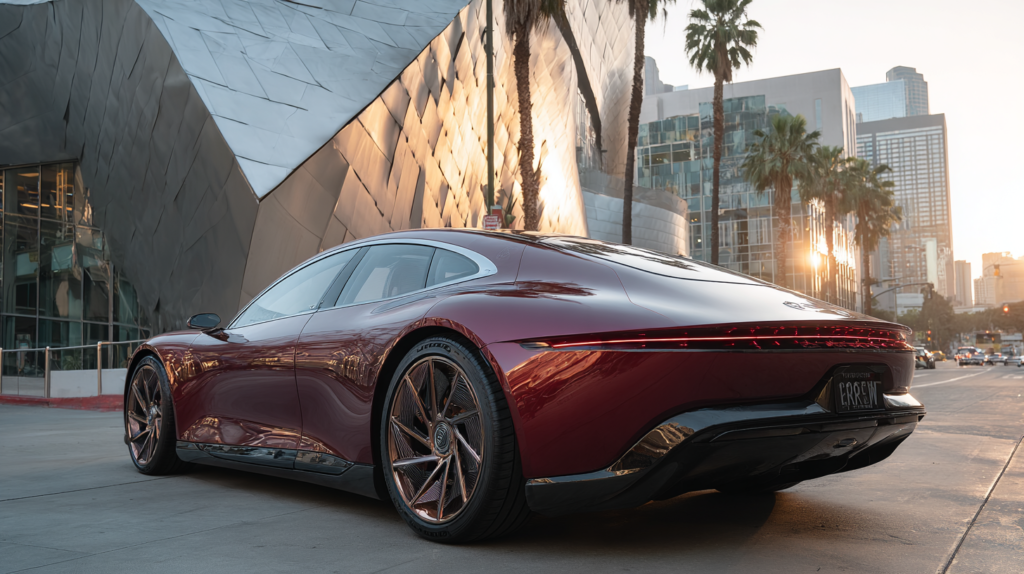
The Alpha5 changes that. It is the first new DeLorean in over 40 years, an all-electric four-seat grand tourer designed to honor the legacy of the DMC-12 while looking firmly toward the future. Developed by a revived DeLorean Motor Company based in Texas, the Alpha5 represents an attempt to transform a cult brand into a modern performance EV manufacturer.

This article provides a comprehensive examination of the DeLorean Alpha5, including its design heritage, performance specifications, interior technology, production plans, and the broader strategy for the brand’s electric future.

The Revival: From Bankruptcy to Rebirth

The original DeLorean Motor Company filed for bankruptcy in 1982, having produced approximately 9,000 DMC-12s. The car’s iconic status was cemented by the Back to the Future films, which used the DMC-12 as a time machine, but the company itself was gone.

The modern DeLorean Motor Company is a different entity. Founded in 1995 by Stephen Wynne, a British entrepreneur based in Texas, the company acquired the rights to the DeLorean name, the remaining parts inventory, and the trademark. For years, the company focused on restoring and servicing existing DMC-12s. In the late 2010s, Wynne began developing plans for a new vehicle.

The Alpha5 is the result of that effort. The car was designed by Italdesign, the same Italian design house founded by Giorgetto Giugiaro that penned the original DMC-12. Production will take place in Italy, with the powertrain sourced from a UK partner. The Alpha5 is scheduled for a limited production run, with deliveries expected to begin in 2024.

Design: Honoring the Past, Looking to the Future

Italdesign Collaboration

The choice of Italdesign for the Alpha5’s design is significant. Giorgetto Giugiaro’s original DMC-12 was a wedge-shaped masterpiece, with sharp angles, a low profile, and the iconic gullwing doors. The Alpha5, designed by Italdesign’s current team, takes a different approach while maintaining key references to its predecessor.

The Alpha5 is more curvaceous than the DMC-12. The wedge shape is replaced by flowing lines, a long hood, wide rear haunches, and a roofline that tapers toward the rear. The car measures 4,995 mm in length, 2,044 mm in width, and just 1,370 mm in height. These dimensions make it slightly longer, wider, and lower than a Porsche Taycan.

Gullwing Doors

The most recognizable feature of the DMC-12 was its gullwing doors, which opened upward rather than outward. The Alpha5 retains this feature, with massive doors that dominate the side profile. The doors are illuminated with LED panels on the front and rear edges, making them more visible when open.

The doors are designed to provide easier access to the cabin than the original DMC-12, which required an awkward climb over the wide sills. The Alpha5’s larger size and redesigned sills make entry and exit more practical for four occupants.

Aerodynamics

The Alpha5’s body is shaped for aerodynamic efficiency. The car has a drag coefficient of 0.23 Cd, a figure that is competitive with the most efficient electric vehicles on the market. Details such as the closed front grille, turbine-style wheels, and large rear diffuser all contribute to airflow management.

The rear of the car features a full-width light bar with three horizontal lines, a loose representation of the DMC-12’s taillight design. The rear window retains the louvered cover that was a signature of the original car, though the Alpha5’s louvers are more integrated into the bodywork.

Materials

Unlike the original DMC-12, which used unpainted stainless steel panels, the Alpha5 uses painted carbon fiber and aluminum. The decision to abandon stainless steel was driven by weight, cost, and manufacturing complexity. The Alpha5’s body is finished in a range of colors, with no option for the raw metal look of the original.

Powertrain and Performance

Electric Platform

The Alpha5 is built on a dedicated electric vehicle platform, with a battery pack exceeding 100 kWh. The exact capacity is reported as 100 kWh or 110 kWh depending on the source, with a target range of at least 300 miles (483 kilometers) on the EPA cycle.

The powertrain uses a dual-motor, all-wheel-drive configuration. Total system output has not been officially announced, but the car is positioned as a performance-oriented grand tourer rather than an extreme hypercar.

Acceleration and Speed

The Alpha5 accelerates from 0 to 60 miles per hour in 2.99 seconds. The 0 to 100 kilometers per hour sprint takes approximately 2.9 seconds. The top speed is 155 miles per hour (250 kilometers per hour).

For fans of the Back to the Future films, there is an Easter egg in the performance figures. The Alpha5 accelerates from 0 to 88 miles per hour in 4.35 seconds, a direct reference to the speed required to activate the DeLorean’s time circuits in the movies.

Charging

Specific charging capabilities have not been detailed, but the 800-volt architecture expected for a vehicle in this class would allow for rapid DC fast charging. A 10 to 80 percent charge would likely take approximately 20 to 30 minutes under ideal conditions.

Interior and Technology

Seating Configuration

The Alpha5 is a four-seat vehicle, with two individual rear seats behind the front occupants. The rear seats are accessed through the gullwing doors, which are large enough to make entry and exit practical.

The interior layout is described as rational and uncluttered. The dashboard features a horizontal digital instrument cluster behind the steering wheel and a vertical touchscreen infotainment system mounted on the center console.

Digital Interface

The instrument cluster is fully digital, with configurable displays that can show speed, range, navigation, and performance data. The infotainment screen handles media, navigation, vehicle settings, and climate controls. Physical controls for climate functions appear to be retained, located behind the touchscreen alongside a wireless charging pad and cup holders.

Emotional Connectivity Features

One of the Alpha5’s most distinctive features is its emotional connectivity system. When purchasing the car, buyers receive a wristband that can be given to a loved one. The wristband detects the wearer’s body temperature and heartbeat, transmitting this data to the car’s systems.

The driver can feel this connection through the seat. When the loved one sends a “virtual hug,” the sides of the seat cushion tighten around the driver. A vent behind the driver’s neck can blow air that is described as feeling like a kiss. These features are designed to create a sense of connection between the driver and people who are not physically present in the car.

Nostalgia Features

The Alpha5 includes several nods to its heritage. The digital display can be configured to show either modern dials or 80s-style dials reminiscent of the original DMC-12. A USB port is disguised as an original air conditioning gauge, a small Easter egg for attentive owners.

Production and Exclusivity

Limited Production Run

The Alpha5 will be offered initially in a Launch Edition limited to 88 units. This number references the 88 miles per hour speed from the Back to the Future films, a playful nod to the car’s pop culture legacy.

Following the Launch Edition, additional units will be produced, but the total production run is expected to remain limited. The DMC-12’s original production run of approximately 9,000 units was a commercial failure; the Alpha5 is designed for exclusivity rather than volume.

Manufacturing Location

While the DeLorean Motor Company is headquartered in Texas, the Alpha5 will be produced in Italy. The body and chassis will be manufactured by Italdesign, with the electric powertrain sourced from a UK partner. This international approach reflects the reality of low-volume automotive production.

Pricing

The Alpha5 is expected to carry a starting price of approximately $175,000. This positions it above the Porsche Taycan Turbo and below the Tesla Roadster (when it enters production). The price reflects the limited production numbers, the design heritage, and the bespoke manufacturing process.

The Future: Beyond the Alpha5

Multiple Models Planned

The Alpha5 is not the only vehicle in DeLorean’s revival plan. The company has announced intentions to produce a V8-powered sports coupe, an electric sedan, and a hydrogen-powered SUV. This multi-model strategy suggests that the Alpha5 is intended as a halo car for a broader lineup.

The V8-powered coupe would represent a return to internal combustion performance, while the hydrogen SUV would explore alternative zero-emission technology. This diversification is ambitious for a company that has not produced a new vehicle in 40 years.

Brand Strategy

The modern DeLorean Motor Company is positioning itself as a boutique manufacturer of high-end electric vehicles. The brand’s primary asset is its name recognition, which remains strong due to the Back to the Future films. The challenge is to convert that recognition into sales of a vehicle that is significantly different from the one in the movies.

How the Alpha5 Stacks Up Against Rivals

Against the Porsche Taycan Turbo

The Porsche Taycan Turbo is a four-door electric sedan with 670 horsepower, a 0 to 60 time of 3.0 seconds, and a top speed of 161 miles per hour. The Taycan is a proven product with strong sales and positive reviews.

The Taycan’s advantage is its performance and its engineering. Porsche’s chassis tuning is exceptional, and the Taycan’s handling sets the standard for electric sedans.

The Alpha5’s advantage is its design heritage and its exclusivity. The gullwing doors and the DeLorean name carry a cultural weight that Porsche cannot match. The Alpha5’s limited production run of 88 Launch Edition units also makes it significantly rarer.

Against the Tesla Roadster

The Tesla Roadster is an upcoming electric sports car with claimed performance figures of 0 to 60 in 1.9 seconds, a top speed exceeding 250 miles per hour, and a range of 620 miles.

The Roadster’s advantage is its performance. The claimed figures, if achieved, would put the Roadster in a different performance class than the Alpha5. The Roadster’s starting price of approximately $200,000 is also competitive.

The Alpha5’s advantage is its four-seat practicality and its design. The Alpha5 can carry four passengers, while the Roadster is a two-seater. The Alpha5’s gullwing doors and DeLorean heritage also provide a distinctive visual identity.

Against the Lucid Air Grand Touring

The Lucid Air Grand Touring is a four-door electric sedan with 819 horsepower, 0 to 60 in 3.0 seconds, and a range of 516 miles.

The Air’s advantage is its range and its interior space. Lucid’s efficiency is best-in-class, and the Air’s interior is more spacious than many competitors.

The Alpha5’s advantage is its coupe styling and its emotional appeal. The Alpha5 is a two-door grand tourer with a more dramatic presence than the sedan-shaped Lucid. The DeLorean name also carries a nostalgia factor that Lucid cannot match.
Specifications Summary

SpecificationValue
Length4,995 mm
Width2,044 mm
Height1,370 mm
Seating4 seats
DoorsGullwing
Drag Coefficient0.23 Cd
Battery Capacity100+ kWh
Range300+ miles (EPA)
0-60 mph2.99 seconds
0-88 mph4.35 seconds
Top Speed155 mph
Production (Launch Edition)88 units
Base Price$175,000

Conclusion

The DeLorean Alpha5 represents a bold attempt to revive a dormant brand. It is a car that honors the legacy of the DMC-12 through its gullwing doors, its louvered rear window, and its design lineage through Italdesign. But it is not a replica; it is a modern electric grand tourer with a 100+ kWh battery, 300 miles of range, and 0 to 60 in under three seconds.

The Alpha5 is not the most powerful electric car in its class, nor the fastest, nor the most practical. But it offers something that competitors cannot match: the DeLorean name, the gullwing doors, and the cultural resonance of a brand that has been frozen in time for four decades.

For the 88 buyers who will acquire the Launch Edition, the Alpha5 offers a connection to automotive history. It is a car that carries the weight of Back to the Future nostalgia while pointing toward an electric future. It is a gamble for a company that has not produced a new vehicle since 1982.

The Alpha5’s success will depend on whether the DeLorean name can attract buyers in a market crowded with established electric performance brands. The car’s limited production run ensures exclusivity, but it also limits revenue. The planned V8 coupe, electric sedan, and hydrogen SUV will determine whether the revived DeLorean Motor Company can sustain itself beyond the Alpha5.

For now, the Alpha5 stands as a proof of concept: a modern electric car with the soul of a cult classic. It is not the time machine from the movies, but it is a machine designed to transport its occupants into the future of automotive technology. And that, perhaps, is the most fitting tribute to the DeLorean legacy.
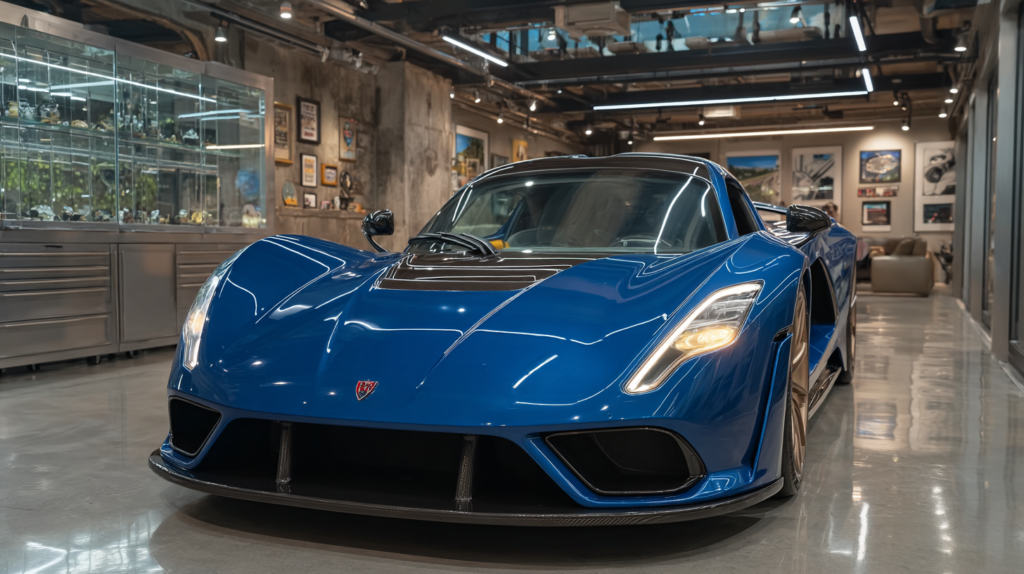
Hennessey Venom F5 Roadster: Top-Speed Engineering in 2026

0

The pursuit of the highest possible speed has driven automotive engineering for more than a century. From the land speed record cars of the 1920s to the hypercars of today, the goal of exceeding 300 miles per hour has remained a constant challenge. Hennessey Performance Engineering, based in Sealy, Texas, has positioned itself at the forefront of this pursuit.

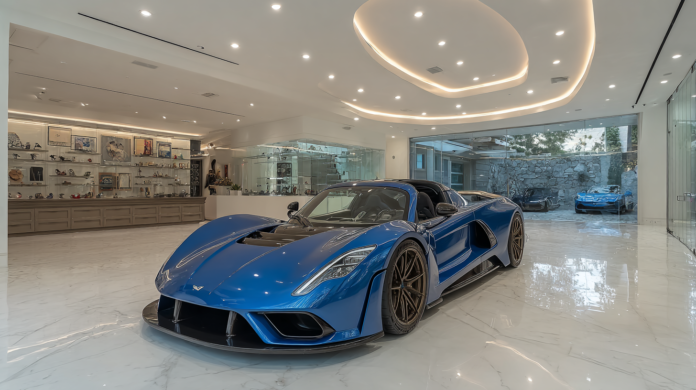
The Venom F5 Roadster is the open-top expression of Hennessey’s top-speed ambition. Following the Venom F5 Coupe, which was engineered to exceed 311 miles per hour, the Roadster takes the same carbon fiber chassis, the same 1,817 horsepower twin-turbocharged V8 engine, and the same aerodynamic philosophy, but removes the roof. The result is a car that promises the fastest open-air driving experience ever offered in a production vehicle.

This article provides a comprehensive examination of the Hennessey Venom F5 Roadster, including its performance specifications, engineering, design, and America’s ongoing pursuit of hypercar speed records.

The Venom F5 Program: A Brief History

The Venom F5 program began with the unveiling of the Coupe. The name F5 refers to the highest rating on the Fujita tornado scale, an appropriate designation for a car designed to generate unprecedented speeds. The Coupe was engineered to reach 311 miles per hour, a figure that would make it the fastest production car in the world.

The development timeline stretched longer than initially anticipated. The Coupe entered production, with all 24 units sold out shortly after the car’s debut. The Roadster was announced, with production scheduled to continue through 2026.

The Roadster shares its fundamental architecture with the Coupe. Hennessey engineered the carbon fiber monocoque from the outset with an open-top version in mind, so only minor adjustments were required to deliver Coupe-rivaling chassis rigidity. This approach ensured that the Roadster would handle as precisely as its fixed-roof sibling.

Powertrain: The Fury V8

Engine Specifications

The Venom F5 Roadster is powered by a 6.6 liter twin-turbocharged V8 engine, designated the Fury. Hennessey designed and built the engine in-house, using high-strength, lightweight components including forged aluminum pistons, forged steel connecting rods, titanium exhaust manifolds, and a billet aluminum intake manifold.

The engine produces 1,817 horsepower at 8,000 rpm and 1,193 lb-ft of torque at 5,000 rpm. The maximum engine speed is 8,200 rpm, with an F5 mode that raises the limit to 8,500 rpm.

Transmission

Power is transmitted to the rear wheels through a seven-speed single-clutch automated gearbox. The single-clutch design is a deliberate choice, prioritizing the mechanical engagement and rapid shift times that enthusiasts value over the smoother operation of dual-clutch units.

The transmission can be operated in fully automatic mode or via paddle shifters mounted on the steering column. The shift times are rapid in the most aggressive drive modes, and the system includes launch control for optimized standing starts.

Cooling and Durability

The engine’s cooling system is engineered for sustained high-speed operation. The car features multiple radiators and heat exchangers to manage the thermal demands of the twin-turbocharged V8. The system is designed to maintain consistent performance during top-speed runs, where the engine operates at maximum output for extended periods.

Performance

Acceleration

Hennessey has not released official acceleration figures for the Roadster, but the Coupe provides a reference point. The Coupe covers the 0 to 62 miles per hour sprint in 2.6 seconds and the 0 to 186 miles per hour sprint in 8.4 seconds. The Roadster, with its slightly higher weight, is expected to achieve similar times.

Top Speed

The Venom F5 Roadster is engineered to exceed 300 miles per hour. This target would make it the fastest production convertible ever built, surpassing the company’s own Venom GT Spyder, which recorded a speed of 265.6 miles per hour.

The Coupe has a claimed top speed of 311 miles per hour, though this figure has not been independently verified. The Roadster’s slightly higher weight and different aerodynamic profile may reduce the top speed marginally, but Hennessey maintains that the car is capable of exceeding 300 miles per hour.

Weight

The Venom F5 Roadster has a dry weight of approximately 3,100 pounds. This is approximately 100 pounds heavier than the Coupe, with the additional weight attributable to the removable roof mechanism and structural reinforcements.

Chassis and Aerodynamics

Carbon Fiber Construction

The Venom F5 Roadster is built around a carbon fiber monocoque chassis, with aluminum alloy subframes and a carbon fiber skin. The monocoque was engineered with variants like the Roadster in mind, so there has been no loss of rigidity or stiffness in the tub.

The body panels are also constructed from carbon fiber, keeping weight to a minimum while providing the structural integrity required for high-speed stability.

Suspension

The car features double wishbone suspension at all four corners, with fully adjustable coil-over dampers. The suspension can be tuned for different driving conditions, from road touring to track use to top-speed runs.

The steering is rack and pinion with electric power assistance. The system is calibrated to provide appropriate weighting and feedback across the car’s speed range.

Brakes

The braking system uses carbon ceramic discs with bespoke six-piston calipers at the front and four-piston calipers at the rear. The front discs measure 390 millimeters in diameter, matching the rear discs. The system is designed to provide consistent stopping power even after repeated high-speed runs.

Wheels and Tires

The Venom F5 Roadster rides on forged aluminum alloy wheels, sized 19 inches at the front and 20 inches at the rear. The wheels feature seven pairs of spokes, each resembling an elongated Hennessey H. The wheels are secured with titanium nuts, a material chosen for its strength, heat tolerance, corrosion resistance, and low mass.

The tires are developed specifically for the Venom F5’s performance requirements. The tires are rated for speeds exceeding 300 miles per hour, a requirement that demanded extensive development from the tire manufacturer.

Aerodynamics

The Venom F5 Roadster’s aerodynamic development focused on managing airflow for stability and cooling. The car features a deep front splitter and broad ducting that channels air underneath the chassis toward an enormous rear diffuser. A small spoiler is mounted between the rear lights, though buyers can specify a larger wing and more aggressive front splitter as optional extras.

The removal of the roof creates aerodynamic challenges that the Coupe does not face. Hennessey’s engineers used computational fluid dynamics to optimize the shape of the windshield and the area behind the seats, managing airflow to reduce drag and minimize buffeting.

The Removable Roof

Design and Construction

The Venom F5 Roadster’s most distinctive feature is its removable carbon fiber roof panel. The single-piece roof is crafted from rigid carbon fiber composites, fully insulated against the elements, and lined with soft Alcantara upholstery.

The roof weighs only 18 pounds, making removal and installation easy for one person. It is secured with four quick-release bolts and a pair of high-strength latches, engineered to withstand the hypercar’s staggering acceleration capabilities and aerodynamic forces at extreme speed.

Storage and Display

Hennessey offers owners a bespoke travel bag for storing the roof panel. For owners who wish to display the roof as a work of art, the company also provides a custom-made sculptural pedestal. The pedestal, crafted in carbon fiber like the roof panel, mirrors design themes from the Venom F5 Roadster.

Engine Viewing Window

A new tempered glass engine viewing window is set directly over the powerplant, spotlighting the Fury V8 engine. The glass panel was developed and certified for use in jet aircraft, capable of withstanding aerodynamic forces exceeding 300 miles per hour and temperatures beyond 1,000 degrees Fahrenheit.

The viewing window is encapsulated within a removable carbon fiber engine cover that features intricately milled heat extraction holes matching those in the rear bumper.

Interior and Driver Focus

Cabin Design

The interior of the Venom F5 Roadster is minimalist but not spartan. The carbon fiber bucket seats and door panels are upholstered in a blend of leather and Alcantara. Creature comforts include air conditioning and an infotainment system with support for Apple CarPlay and Android Auto.

The steering wheel is Formula 1 inspired, with road-going controls for the car’s lights, wipers, ignition, and indicators. Behind the wheel sits a digital instrument cluster, which Hennessey says is based on the head-up display screens fitted to fighter jets.

Drive Modes

The Venom F5 Roadster features five selectable drive modes: Sport, Wet, Drag, Track, and F5. Each mode adjusts the settings of the engine, transmission, suspension, and traction control to suit different driving conditions.

F5 mode is the most extreme, disabling most electronic interventions and allowing the driver full access to the car’s 1,817 horsepower. This mode is intended for top-speed runs on closed courses.

Customization

The Venom F5 Roadster is highly customizable. Buyers may specify any exterior and interior color combination or leave areas of the carbon fiber chassis and body panels exposed. Opting for either a gloss or satin finish allows the woven composite to be appreciated fully.

As a nod to its American heritage, each Venom F5’s door cards feature enamel inserts that depict the Texas and US flags. A toolkit is mounted in the passenger footwell.

Production and Exclusivity

Production Numbers

Hennessey is building 30 units of the Venom F5 Roadster. This is a higher number than the 24-unit Coupe production run, but still extremely limited. Each car is hand-built to the specifications of its owner.

Pricing

The Venom F5 Roadster carries a base price of $3 million. The Coupe was priced at $2.1 million. This pricing places the Roadster in the upper tier of the hypercar market.

Delivery

Production of the Roadster began and continues through 2026. Each car is assembled at Hennessey’s facility in Sealy, Texas, and owners are invited to visit the factory during construction.

How the Venom F5 Roadster Stacks Up Against Rivals

Against the Bugatti Chiron Super Sport

The Bugatti Chiron Super Sport is a 1,600 horsepower, 8.0 liter quad-turbocharged W16 hypercar with a top speed of 273 miles per hour. The Chiron has proven its capability with independently verified speed records.

The Chiron’s advantage is its proven performance and its luxury. Bugatti’s interior is more opulent, and the car’s engineering has been validated through extensive testing.

The Venom F5 Roadster’s advantage is its power-to-weight ratio and its open-air experience. With 1,817 horsepower and a weight of 3,100 pounds, the Venom has a superior power-to-weight ratio. The removable roof also provides an experience that the Chiron cannot match.

Against the Koenigsegg Jesko Absolut

The Koenigsegg Jesko Absolut is designed as a low-drag top-speed specialist, with a 5.0 liter twin-turbocharged V8 producing 1,600 horsepower on standard fuel. Koenigsegg claims a top speed exceeding 330 miles per hour.

The Jesko’s advantage is its theoretical top speed and its advanced transmission. Koenigsegg’s Light Speed Transmission is one of the most sophisticated gearboxes in the industry.

The Venom F5 Roadster’s advantage is its American engineering and its open-air design. The Venom is a more visceral car, with a focus on driver engagement and the experience of speed.

Against the SSC Tuatara

The SSC Tuatara is an American hypercar with a 5.9 liter twin-turbocharged V8 producing 1,750 horsepower. The Tuatara claimed a top speed record, though the record was later disputed.

The Tuatara’s advantage is its established presence in the hypercar market. The car has been in production for several years and has a proven track record.

The Venom F5 Roadster’s advantage is its higher power output and its convertible configuration. With 1,817 horsepower, the Venom produces 67 more horsepower than the Tuatara, and the removable roof provides a unique experience.

Against the Czinger 21C

The Czinger 21C is a hybrid hypercar with a 2.9 liter twin-turbocharged V8 and two electric motors producing a combined 1,250 horsepower. The car features a tandem seating arrangement and a top speed of 253 miles per hour.

The 21C’s advantage is its innovative manufacturing process and its hybrid technology. The car’s 3D-printed components and AI-designed structures represent a new approach to automotive engineering.

The Venom F5 Roadster’s advantage is its pure internal combustion character and its top-speed focus. The Venom’s 1,817 horsepower V8 provides a sensory experience that the hybrid 21C cannot match.

The Pursuit of 300 Miles Per Hour

The Challenge

Exceeding 300 miles per hour in a production car presents extraordinary engineering challenges. Aerodynamic forces increase with the square of speed, meaning that the difference between 250 and 300 miles per hour is not 20 percent but 44 percent. Cooling requirements, tire technology, and structural integrity all become more demanding at these speeds.

The Record

The current production car top speed record is held by a pre-production prototype. Hennessey claims that the Venom F5 Coupe is capable of exceeding 311 miles per hour, which would surpass that record. The Roadster’s 300 miles per hour target would make it the fastest convertible in production.

Verification

Independent verification of top-speed records is essential for credibility. Hennessey has not yet conducted an official top-speed run with the Venom F5, and the car’s claimed capabilities remain theoretical. The company has stated that validation of the model’s high-speed capabilities will occur as production continues.

The Hennessey Story

From Tuner to Manufacturer

Hennessey Performance Engineering was founded by John Hennessey, a former racer and automotive enthusiast who began modifying cars in the 1990s. The company grew from a small tuning shop into one of the most respected names in high-performance automotive engineering.

The Venom GT, introduced in 2011, marked Hennessey’s transition from tuner to manufacturer. Built around a lightweight carbon fiber chassis with a twin-turbocharged V8 engine, the Venom GT set a production car speed record. It established Hennessey as a legitimate competitor to established European hypercar manufacturers.

The Venom F5 represents the culmination of this journey. It is a clean-sheet design, with a carbon fiber monocoque, an aerodynamically optimized body, and a 6.6 liter twin-turbocharged V8 engine. It is a car that represents the American pursuit of speed.

Specifications Summary

SpecificationValue
Engine6.6L twin-turbocharged V8
Horsepower1,817 hp at 8,000 rpm
Torque1,193 lb-ft at 5,000 rpm
Redline8,200 rpm (8,500 rpm F5 mode)
Transmission7-speed single-clutch automated
DriveRear wheel drive
0-62 mph2.6 seconds (Coupe figure)
Top Speed300+ mph (engineered target)
Weight3,100 lb dry
Production30 units
Base Price$3 million

Conclusion

The Hennessey Venom F5 Roadster represents the American pursuit of speed at its most extreme. It is a 1,817 horsepower, 300 miles per hour open-top hypercar, engineered in Texas and built for drivers who want the fastest possible experience. Its 6.6 liter twin-turbocharged V8, carbon fiber construction, and removable roof panel make it one of the most extreme production cars ever built.

The Venom F5 Roadster is not a car for everyone. Its production is limited to 30 units, its price is $3 million, and its focus on top-speed performance means it lacks the luxury of some competitors. But for the 30 owners who will acquire a Roadster, the car offers something that no other vehicle can provide: the experience of driving the fastest open-top production car ever built.

The Venom F5 Roadster also represents the culmination of John Hennessey’s vision. From a small tuning shop in Texas to a manufacturer of world-class hypercars, Hennessey has demonstrated that American engineering can compete at the highest level. The Venom F5 Roadster is a statement of that capability.

As the automotive industry continues its transition toward electrification, the Venom F5 Roadster stands as a celebration of what internal combustion can still achieve. It is a car that prioritizes speed, engagement, and the visceral experience of driving. It is a fitting continuation of the American pursuit of speed, and it stands as one of the most extreme hypercars ever built.

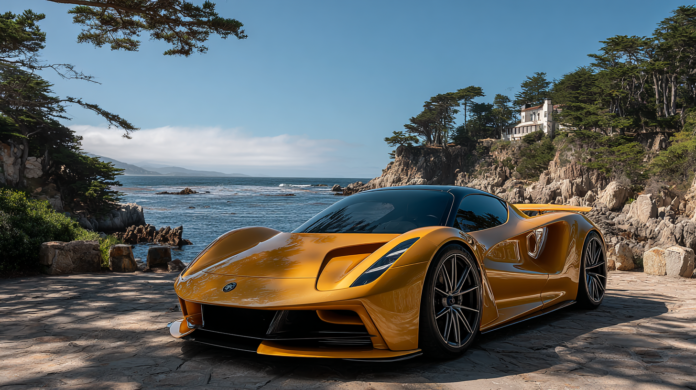
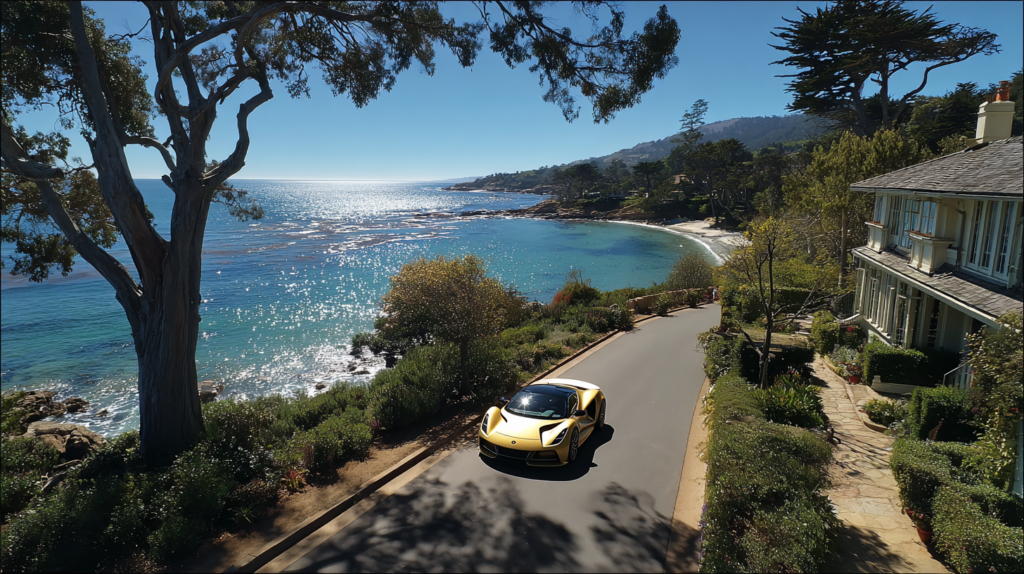
Lotus Evija: Electric Hypercar with Extreme Power in 2026

0

The Lotus Evija represents a significant moment in automotive history. It is the first fully electric vehicle from the British manufacturer, and it is also the most powerful production car Lotus has ever built. With 1,973 horsepower from four electric motors, a carbon fiber monocoque, and a design that prioritizes aerodynamic efficiency, the Evija is a statement of intent for a brand that is reinventing itself for the electric era.

First unveiled in 2019, the Evija has taken years to bring to production. The challenges of developing a 2,000 horsepower electric hypercar are substantial, and Lotus’s small engineering team faced delays as it worked to perfect the car’s powertrain, cooling system, and chassis. Now, as customer deliveries begin, the Evija stands as one of the most extreme and technologically advanced hypercars ever built.

This article provides a comprehensive review of the Lotus Evija, examining its performance specifications, electric powertrain, design philosophy, and what it represents for the future of Lotus performance engineering.

The Evija Name: A New Beginning

The name Evija is derived from the name Eve, meaning the first or the beginning. It is a fitting choice for a car that represents a new chapter for Lotus. The company, known for lightweight sports cars like the Elise, Exige, and Evora, is transitioning to an all electric future. The Evija is the halo car for this transition, a demonstration of what Lotus can achieve when given the freedom to create without compromise.

The Evija is also a tribute to Lotus’s founder, Colin Chapman. Chapman’s philosophy of “simplify, then add lightness” has guided the brand for decades. The Evija honors this philosophy through its carbon fiber construction, its focus on aerodynamic efficiency, and its commitment to driver engagement.

Powertrain: Four Motors, 2,000 Horsepower

Motor Configuration

The Evija is powered by four electric motors, one mounted at each wheel. This quad motor configuration provides all wheel drive and enables sophisticated torque vectoring capabilities. By varying power delivery to individual wheels, the system can enhance cornering performance, rotating the car into turns and providing optimal traction during exit.

Each motor produces approximately 493 horsepower, for a total system output of 1,973 horsepower. The torque figure is 1,254 lb ft, a staggering number that contributes to the car’s acceleration.

Battery and Range

Power for the electric motors is drawn from a 70 kWh battery pack, mounted low in the chassis to lower the center of gravity. The battery is designed for power delivery rather than range, with a focus on providing the current necessary for the car’s 2,000 horsepower output.

The estimated range is approximately 215 miles on the WLTP cycle. This figure is lower than many electric vehicles, but it is appropriate for a hypercar designed for performance rather than long distance touring.

Charging

The Evija features 800 volt charging capability, allowing it to charge at up to 350 kW. Under ideal conditions, a 10 to 80 percent charge can be completed in approximately 18 minutes. This charging speed makes longer journeys practical, though the car’s primary mission is clearly performance.

Performance

Acceleration and Speed

The Evija accelerates from 0 to 60 miles per hour in under 3.0 seconds. The 0 to 186 miles per hour sprint takes approximately 9.0 seconds. The quarter mile is completed in approximately 9.0 seconds.

Top speed is rated at 200 miles per hour, a figure that is limited by the car’s aerodynamic profile and the gearing of the transmission.

Weight and Balance

The Evija has a dry weight of approximately 3,700 pounds. This figure includes the battery pack, the four motors, and the carbon fiber structure. The weight distribution is optimized for handling, with the battery mounted low to maintain a low center of gravity.

Chassis and Aerodynamics

Carbon Fiber Monocoque

The Evija is built around a carbon fiber monocoque, providing exceptional rigidity and occupant protection while minimizing weight. The monocoque is manufactured using aerospace grade materials and processes, with careful attention to fiber orientation and layup sequence.

The body panels are also carbon fiber, and the entire structure is designed to be as light as possible while maintaining the necessary strength for a 2,000 horsepower hypercar.

Suspension

The Evija features double wishbone suspension at all four corners, with pushrod actuated dampers. The suspension is adjustable, with settings for compression and rebound that can be tuned to suit different tracks and conditions.

Aerodynamics

The Evija’s aerodynamic development focused on managing airflow for downforce and cooling. The car features a prominent front splitter, a rear diffuser, and a large rear wing that deploys at speed. The system generates substantial downforce, keeping the car planted at high speeds.

The most distinctive aerodynamic feature of the Evija is its rear venturi tunnels. These tunnels, which run through the rear of the car, accelerate airflow beneath the car and generate downforce without the drag penalty of a traditional wing. The tunnels are a design element that references Lotus’s racing heritage.

Cooling

The Evija’s cooling system is one of its most complex engineering achievements. The car features multiple radiators and heat exchangers to manage the thermal demands of the four electric motors and the battery pack. The system is designed to maintain consistent performance during sustained track use.

Design

Exterior Styling

The Evija’s exterior design is dramatic and functional. The front end features a prominent grille and large air intakes that feed cooling air to the battery and motors. The headlights are slim and integrated into the bodywork.

The side profile shows the mid engine proportions, with a long wheelbase, short overhangs, and a cabin positioned forward of the rear axle. The doors open upward in a scissor configuration, providing access to the cabin and adding to the car’s dramatic presence.

The rear end is dominated by the venturi tunnels, which are integrated into the bodywork and illuminated with LED lighting. The rear wing deploys from the bodywork at speed, and the diffuser spans the width of the car.

Interior Design

The interior of the Evija is focused on the driver. The seats are carbon fiber racing buckets with Alcantara upholstery, providing lateral support during cornering. The dashboard features a digital instrument cluster that can be configured to display performance data, and a central touchscreen handles infotainment functions.

The steering wheel is flat bottom, with integrated controls for the car’s systems. The paddle shifters are mounted on the steering column, controlling the regenerative braking levels.

The interior is stripped back compared to luxury focused hypercars, with a focus on function over opulence. The materials are of high quality, but the emphasis is on weight reduction and driver engagement.

Driving Experience

On Road Character

The Evija is a car that is surprisingly civilized for a 2,000 horsepower hypercar. The electric motors provide instant torque, but the power delivery is smooth and progressive. The suspension, while firm, is not punishing. The cabin is quiet, with only the whine of the motors and the rush of air providing auditory feedback.

The car can be driven in electric only mode, as all hypercars are electric, but the Evija’s range is sufficient for short journeys. The car is not designed for long distance touring; it is designed for performance.

On Track Behavior

When driven on a track, the Evija reveals the depth of its engineering. The brakes provide consistent stopping power lap after lap, with the regenerative system capturing energy during deceleration. The chassis remains composed through corners, with the torque vectoring system managing power delivery to maximize grip.

The car’s quad motor configuration allows for independent control of each wheel, providing a level of agility that mechanical systems cannot match. The Evija can rotate on corner entry, hold a neutral line through the apex, and put power down on exit with precision.

The Sound

The Evija does not attempt to fake the sound of a combustion engine. Instead, it offers the characteristic whine of its electric motors under load, the rush of air over the bodywork, and the protest of tires at the limit. For drivers who value the sensory aspects of driving, this soundscape provides its own form of feedback.

Production and Rarity

Production Numbers

Lotus is building 130 units of the Evija, a number that was determined by the demand from collectors and the capacity of the company’s workshop. Each car is hand built to the specifications of its owner, with extensive personalization options available.

Pricing

The Evija carries a base price of approximately $2.3 million. This pricing places it in the upper tier of the hypercar market, above the Rimac Nevera and below the Bugatti Bolide.

Delivery and Ownership

Evija owners participate in a structured delivery program, with Lotus providing support and track events. The cars are hand built at Lotus’s headquarters in Hethel, England, and each owner is invited to visit the factory during construction.

The Future of Lotus

Electrification Strategy

The Evija is the first step in Lotus’s electrification strategy. The company has announced that it will transition to an all electric lineup by 2028, with new models including the Eletre SUV and the Emeya four door coupe.

The Evija serves as a halo car for this transition, demonstrating Lotus’s engineering capabilities and setting the stage for future models.

Performance Engineering

The lessons learned from the Evija’s development will inform future Lotus models. The quad motor torque vectoring system, the advanced cooling technology, and the carbon fiber construction techniques will all filter down to more accessible vehicles.

For enthusiasts who have followed Lotus’s journey from the Elise to the Evija, the future is promising. The company that built lightweight sports cars for decades is now applying its expertise to electric hypercars, and the Evija is proof that the philosophy of “simplify, then add lightness” can be translated into the electric era.

How the Evija Stacks Up Against Rivals

Against the Rimac Nevera

The Rimac Nevera is the Evija’s most direct competitor, with a four motor powertrain producing 1,914 horsepower.

The Nevera’s advantage is its proven performance. The Rimac has been independently tested and validated, with a 0 to 60 time of 1.85 seconds and a top speed of 258 mph.

The Evija’s advantage is its design and its heritage. The Lotus is a more beautiful car, with a design that references the brand’s racing history. The Evija also benefits from Lotus’s expertise in lightweight construction and chassis tuning.

Against the Lotus Evija

The comparison with the Nevera is inevitable, but the Evija offers a different experience. The Lotus is more focused on driver engagement, with a chassis that communicates more clearly and a design that prioritizes aerodynamics over outright numbers.

Against the Pininfarina Battista

The Pininfarina Battista is an electric hypercar with a four motor powertrain producing 1,900 horsepower.

The Battista’s advantage is its design. Pininfarina’s styling is among the most beautiful in the industry, and the Battista is a rolling sculpture.

The Evija’s advantage is its engineering. Lotus’s expertise in lightweight construction and chassis tuning gives the Evija a level of agility that the Battista cannot match.

Against the Aspark Owl

The Aspark Owl is an electric hypercar with a four motor powertrain producing 2,012 horsepower.

The Owl’s advantage is its acceleration. The Aspark has claimed a 0 to 60 time of 1.7 seconds, making it one of the quickest production cars ever built.

The Evija’s advantage is its overall balance. The Lotus is a more complete car, with better handling, more sophisticated aerodynamics, and a more refined interior.

Specifications Summary

SpecificationValue
Motors4 motors (1 per wheel)
Horsepower1,973 hp
Torque1,254 lb ft
Battery70 kWh
Range215 miles (WLTP)
0-60 mphUnder 3.0 seconds
0-186 mph9.0 seconds
Top Speed200 mph
Weight3,700 lb dry
Production130 units
Base Price$2.3 million

Conclusion

The Lotus Evija represents a significant achievement for the British manufacturer. It is the first fully electric vehicle from Lotus, and it is the most powerful production car the company has ever built. With 1,973 horsepower from four electric motors, a carbon fiber monocoque, and a design that prioritizes aerodynamic efficiency, it is a car that honors the brand’s heritage while embracing the future.

The Evija is not a car for everyone. Its production is limited to 130 units, its price is $2.3 million, and its focus on performance means it lacks the luxury of some competitors. But for the 130 owners who will acquire an Evija, the car offers something that no other vehicle can provide: the experience of driving a Lotus hypercar, a machine that represents the pinnacle of the brand’s engineering.

The Evija also represents the future of Lotus. It is a statement of intent, a demonstration that the company can compete at the highest level of the hypercar market. For enthusiasts who have followed Lotus’s journey from the Elise to the Evija, the future is bright.

The Lotus Evija stands as one of the most extreme and technologically advanced hypercars ever built. It is a fitting tribute to Colin Chapman’s legacy, and it is a sign that the spirit of Lotus lives on in the electric era.

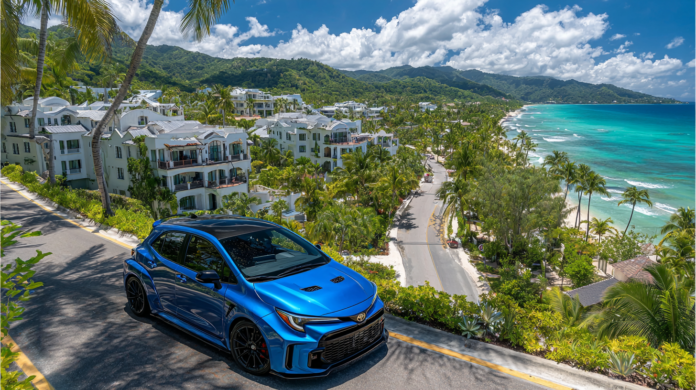
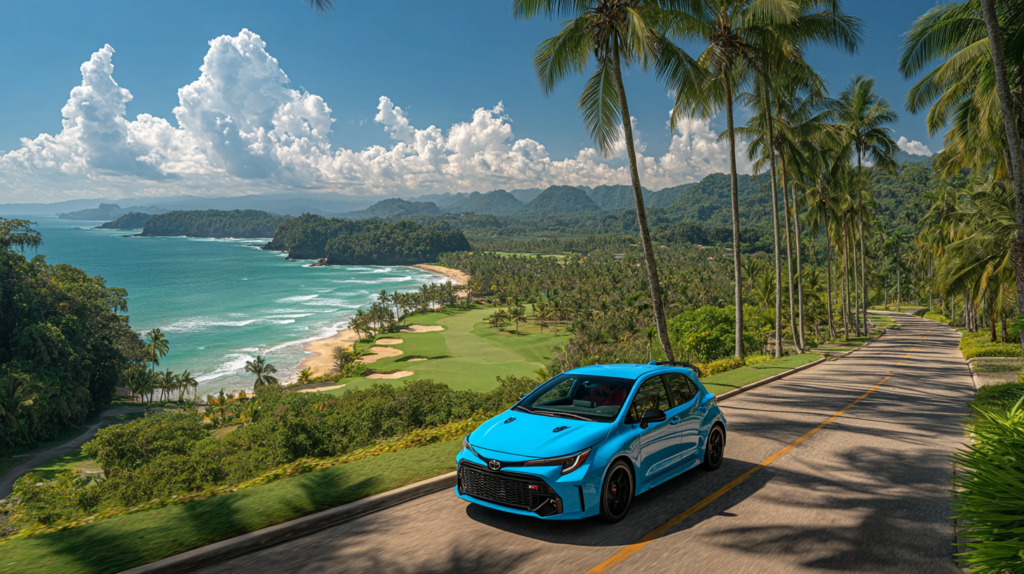
Toyota GR Corolla Circuit Edition: Rally DNA for the Road in 2026

0

The Toyota GR Corolla has established itself as one of the most engaging hot hatches of its generation. Launched as a spiritual successor to the rally bred Celica GT Four and the limited production GR Yaris, the GR Corolla brings all wheel drive performance to a practical hatchback package. Among the various trims offered, the Circuit Edition represents the sweet spot in the lineup, balancing track capability with daily usability.

Now in its third model year, the GR Corolla Circuit Edition has proven that Toyota still understands what makes a performance car rewarding to drive. With its turbocharged three cylinder engine, sophisticated all wheel drive system, and chassis tuned for back road aggression, it is a car that honors Toyota’s rally heritage while delivering modern performance.

This article provides a comprehensive review of the Toyota GR Corolla Circuit Edition, examining its performance specifications, rally derived engineering, design philosophy, and what makes it one of the best hot hatches of the decade.

The GR Corolla Lineup: Understanding the Trims

The GR Corolla is offered in three primary trims: Core, Circuit Edition, and Morizo Edition. The Core serves as the entry point, offering the same powertrain and all wheel drive system as higher trims but with fewer standard features and a lighter specification. The Morizo Edition is the most extreme, with rear seats removed, reduced weight, and track focused tuning. The Circuit Edition sits between them, offering most of the Morizo’s performance hardware while retaining the rear seats and creature comforts for daily use.

For 2026, the Circuit Edition continues as the volume performance trim, available in limited numbers but more accessible than the Morizo Edition. It includes all of the mechanical upgrades that distinguish the GR Corolla from standard Corollas, plus additional features that enhance its track capability.

Powertrain: The Heart of the GR

The G16E GTS Engine

The GR Corolla is powered by a 1.6 liter turbocharged three cylinder engine, designated the G16E GTS. This engine, shared with the GR Yaris, is one of the most remarkable production engines of its era. It produces 300 horsepower at 6,500 rpm and 295 lb ft of torque from 3,000 to 5,500 rpm.

The specific output of 187.5 horsepower per liter is among the highest of any production engine, and it exceeds that of many engines with twice the cylinders. The engine’s three cylinder configuration, with its characteristic uneven firing order, produces a distinctive burble that sets it apart from four cylinder competitors.

The engine features a lightweight crankshaft, forged connecting rods, and a die cast aluminum oil pan. The turbocharger is a single scroll unit with an electronic wastegate, providing responsive boost delivery across the rev range.

Transmission and Drive

Power is transmitted to all four wheels through a six speed manual transmission and Toyota’s GR FOUR all wheel drive system. The transmission features a short throw shifter with mechanical engagement, providing direct feedback to the driver. The clutch is weighted for precise modulation, and the system includes a rev matching function that can be enabled or disabled.

The GR FOUR system is the defining feature of the GR Corolla. It uses a multi plate clutch to vary torque distribution between the front and rear axles, with settings for 60:40 front rear, 50:50, or 30:70. The system also includes torque vectoring at the rear axle, using independent clutches to send power to the outside rear wheel during cornering.

The torque vectoring system is a significant differentiator from competitors. By actively managing power delivery at the rear axle, the GR Corolla can rotate on corner entry and provide traction on exit in ways that standard all wheel drive systems cannot match.

Performance

Acceleration and Speed

The GR Corolla Circuit Edition accelerates from 0 to 60 miles per hour in 4.9 seconds. The quarter mile is completed in approximately 13.5 seconds at 103 miles per hour. Top speed is 143 miles per hour.

These figures place the GR Corolla among the quickest hot hatches in its class, comparable to the Volkswagen Golf R and Honda Civic Type R.

Weight and Balance

The Circuit Edition has a curb weight of approximately 3,300 pounds. The weight distribution is 60 percent front, 40 percent rear, reflecting the front heavy layout of the transverse engine and all wheel drive system. The weight is concentrated low in the chassis, with the engine mounted as low as possible to lower the center of gravity.

Chassis and Dynamics

Suspension System

The GR Corolla features a MacPherson strut front suspension and a double wishbone rear suspension. The Circuit Edition receives unique suspension tuning compared to the Core, with stiffer springs, revised damper calibration, and increased negative camber that improves cornering grip.

The suspension is firm but not punishing, providing excellent body control without transmitting excessive impact to the cabin. The car remains flat through corners, and the rear suspension maintains tire contact over uneven surfaces.

Steering

The electric power steering is calibrated for the GR Corolla’s performance focus. The system provides appropriate weighting and feedback, with a level of communication that is good for an electric system. The steering ratio is quick, requiring minimal input to change direction.

Brakes

The Circuit Edition features upgraded brakes compared to the Core, with larger front discs and high performance pads. The brakes provide strong stopping power with consistent pedal feel, and the system is designed to resist fade during track use.

Wheels and Tires

The Circuit Edition rides on 18 inch forged alloy wheels wrapped in Michelin Pilot Sport 4 tires. The tire sizes are 235/40 ZR18 at all four corners, providing a square setup that allows for tire rotation and balanced handling.

The Circuit Edition Distinctions

Exterior Features

The Circuit Edition is visually distinguished from the Core by several features. The most obvious is the carbon fiber roof panel, which reduces weight and lowers the center of gravity. The car also features a hood with functional air intakes, a more aggressive front splitter, and a prominent rear wing.

The rear wing is a design element that references the GR Yaris and the rally cars that inspired it. It is not purely decorative; it provides measurable downforce at speed, improving high speed stability.

Interior Features

The interior of the Circuit Edition includes upgraded seats with more aggressive bolstering than the Core. The seats are upholstered in a combination of leather and Alcantara, with red contrast stitching and GR branding. The driver’s seat is power adjustable, and both front seats are heated.

The steering wheel is wrapped in leather with a red centering stripe, and the shift knob is machined from aluminum. The instrument cluster features a digital display with a dedicated performance mode that shows boost pressure, torque distribution, and g forces.

Mechanical Upgrades

The Circuit Edition includes several mechanical upgrades that enhance track performance. The front and rear Torsen limited slip differentials, which are optional on the Core, are standard on the Circuit Edition. These differentials improve traction and cornering grip by actively managing torque distribution between the left and right wheels.

The car also features front and rear performance dampers that provide additional body control during cornering. The cooling system is upgraded with an additional radiator and a larger intercooler, allowing the engine to maintain performance during sustained track sessions.

Driving Experience

On Road Character

The GR Corolla Circuit Edition is a car that is genuinely fun to drive on public roads. The engine’s turbocharged three cylinder produces a distinctive burble at low speeds and a sharp, urgent note as the revs climb. The torque comes on early, with peak output available from 3,000 rpm, making the car responsive in everyday driving.

The all wheel drive system provides confidence in all weather conditions. On dry pavement, the rear bias setting allows the car to rotate on corner entry, providing a playful character that is rare in all wheel drive vehicles. On wet roads, the system provides traction that front drive competitors cannot match.

On Track Behavior

When driven on a track, the GR Corolla reveals the depth of its engineering. The brakes provide consistent stopping power lap after lap, and the chassis remains composed through corners. The torque vectoring system allows the driver to get on the power early, pulling the car through corners rather than waiting for the front end to grip.

The car’s weight is evident in transitions, but the suspension tuning and all wheel drive system compensate effectively. The GR Corolla is not as sharp as the Honda Civic Type R, but it offers a different kind of experience, one based on all weather capability and playful adjustability.

The Sound

The three cylinder engine’s sound is one of the GR Corolla’s defining characteristics. The uneven firing order creates a burble that is reminiscent of a five cylinder engine, a quality that distinguishes it from the smooth four cylinders of competitors. The sound is not loud, but it is distinctive and engaging.

How the GR Corolla Circuit Edition Stacks Up Against Rivals

Against the Honda Civic Type R

The Honda Civic Type R is the GR Corolla’s most direct competitor. It is a front wheel drive hot hatch with a 2.0 liter turbocharged four cylinder producing 315 horsepower.

The Civic Type R’s advantage is its handling. Honda’s chassis tuning is exceptional, and the Type R’s front wheel drive system, with its dual axis strut suspension and limited slip differential, provides grip that defies expectations. The car is sharp, precise, and rewarding to drive quickly.

The GR Corolla’s advantage is its all wheel drive traction and its playful character. The GR Corolla can be driven in conditions that would overwhelm the front drive Civic, and its rear bias torque distribution allows for controlled oversteer that the Type R cannot match.

Against the Volkswagen Golf R

The Volkswagen Golf R is an all wheel drive hot hatch with a 2.0 liter turbocharged four cylinder producing 315 horsepower.

The Golf R’s advantage is its refinement and its daily usability. The Volkswagen’s interior is more luxurious, its ride is more compliant, and its technology is more advanced. The Golf R is a car that can be driven every day without compromise.

The GR Corolla’s advantage is its character and its engagement. The Toyota’s three cylinder engine, manual transmission, and adjustable all wheel drive system create an experience that the Golf R’s more clinical character cannot match.

Against the Subaru WRX

The Subaru WRX is an all wheel drive sedan with a 2.4 liter turbocharged four cylinder producing 271 horsepower.

The WRX’s advantage is its practicality. The Subaru offers a larger trunk, more rear seat space, and a more comfortable ride. The WRX is a car that can serve as a family vehicle as well as a performance car.

The GR Corolla’s advantage is its power and its chassis tuning. With 300 horsepower, the GR Corolla produces 29 more horsepower than the WRX, and its hatchback body style offers more cargo flexibility. The GR Corolla’s chassis is also sharper and more engaging.

Against the Hyundai Elantra N

The Hyundai Elantra N is a front wheel drive sedan with a 2.0 liter turbocharged four cylinder producing 276 horsepower.

The Elantra N’s advantage is its value. Hyundai’s performance sedan is priced lower than the GR Corolla, and it offers a level of engagement that exceeds its price point.

The GR Corolla’s advantage is its all wheel drive traction and its hatchback practicality. The Elantra N cannot match the GR Corolla’s all weather capability, and its sedan body style offers less cargo flexibility.

The Rally Connection

The GR Corolla’s development was informed by Toyota’s World Rally Championship program. The GR Yaris, which shares its powertrain with the GR Corolla, was designed specifically for rally competition. The GR Corolla benefits directly from this development, with an all wheel drive system and chassis tuning that reflect the lessons learned on gravel stages.

The Circuit Edition, with its torque vectoring rear axle and adjustable torque distribution, is the closest a road car can come to a rally car without being a full competition vehicle. The car can be set up for front bias for stability, rear bias for playfulness, or 50:50 for balanced traction.

Practicality and Daily Use

Despite its performance focus, the GR Corolla Circuit Edition remains a practical daily driver. The rear seats are usable for adults on shorter journeys, and the hatchback body style provides 17.8 cubic feet of cargo space with the seats up. The rear seats fold flat, expanding cargo capacity for larger items.

The ride, while firm, is not punishing. The car absorbs road imperfections without transmitting excessive impact to the cabin, and the seats are comfortable for extended periods. The cabin is relatively quiet at highway speeds, with wind and road noise well controlled.

The fuel economy, at an EPA estimated 21 miles per gallon combined, is a consideration for buyers who cover significant mileage. The car’s performance focus means it is less efficient than standard Corollas, but it is competitive within its segment.

Value Proposition

Pricing

The GR Corolla Circuit Edition carries a base price of approximately $40,000. This pricing places it in the middle of the hot hatch segment, above the Hyundai Elantra N and below the Volkswagen Golf R.

Depreciation

Toyota GR models traditionally hold their value well, and the GR Corolla’s limited production numbers may help it depreciate less than standard models. The Circuit Edition, as a volume performance trim, is expected to hold its value better than the Core.

Ownership Costs

Maintaining a GR Corolla involves higher costs than standard Corollas. The tires are expensive to replace, and the all wheel drive system requires periodic maintenance. However, Toyota’s reliability reputation suggests that long term ownership costs will be reasonable.

Specifications Summary

SpecificationValue
Engine1.6L turbocharged 3 cylinder
Horsepower300 hp at 6,500 rpm
Torque295 lb ft from 3,000 to 5,500 rpm
Transmission6 speed manual
DriveGR FOUR all wheel drive
0-60 mph4.9 seconds
Top Speed143 mph
Weight3,300 lb
Torque Distribution60:40, 50:50, 30:70
Limited Slip DifferentialsFront and rear Torsen
Base Price$40,000

Conclusion

The Toyota GR Corolla Circuit Edition is one of the best hot hatches of its generation. It combines a 300 horsepower three cylinder engine with a sophisticated all wheel drive system, a chassis tuned for back road aggression, and a level of driver engagement that is rare in modern cars.

Against its rivals, the GR Corolla holds its own. It offers more all weather capability than the Honda Civic Type R, more character than the Volkswagen Golf R, more power than the Subaru WRX, and more practicality than the Hyundai Elantra N. It is a car that can be driven daily, enjoyed on weekends, and appreciated for its engineering.

The Circuit Edition is not the most extreme GR Corolla; that distinction belongs to the Morizo Edition. But it offers most of the Morizo’s performance hardware while retaining the rear seats and creature comforts that make the car usable as a daily driver. It is the sweet spot in the lineup, and it is the GR Corolla that most buyers should consider.

The GR Corolla also honors Toyota’s rally heritage. Its all wheel drive system, its torque vectoring rear axle, and its adjustable torque distribution are all derived from the company’s World Rally Championship program. For enthusiasts who value a connection to motorsport, this pedigree is a significant part of the car’s appeal.

The Toyota GR Corolla Circuit Edition stands as one of the best hot hatches of the decade. It is a car that proves Toyota still understands what makes performance cars rewarding to drive, and it is a worthy successor to the rally bred Celica GT Four. For buyers seeking an engaging, practical, and all weather capable hot hatch, the GR Corolla Circuit Edition makes a compelling case.

Nissan GT-R R36: What the Next Godzilla Might Look Like in 2026

0

The Nissan GT-R has earned its “Godzilla” nickname through decades of dominance. From the original “Hakosuka” Skyline GT-R in 1969 to the R32 that conquered racetracks worldwide, from the R34 that became a pop culture icon to the R35 that redefined supercar value for 18 years, the GT-R has always represented accessible, no-excuses performance.

The R35 generation finally ended production in 2025 after nearly two decades on the market. It had seen updates throughout its life, but by the end, its VR38 twin turbo V6 could no longer meet evolving global emissions standards. The question on every enthusiast’s mind is simple: what comes next?

Nissan has finally started providing answers. The R36 GT-R is coming, and while it will honor the Godzilla legacy, it will also embrace the technologies of a new era. This article examines everything known about the next generation Nissan GT-R, including expected release timing, powertrain configuration, design direction, pricing strategy, and how it will stack up against the competition.

The R36 Timeline: When Will Godzilla Return?

For years, Nissan was silent about the R36. The company’s financial struggles, the shifting market away from sports cars, and the uncertainty about electrification all contributed to delays. But in 2026, Nissan executives have finally provided concrete information.

The R36 is a matter of “when, not if”. Solid concrete announcements about the car are expected by 2028, with the production model launching before the end of the decade. The R36 is anticipated to arrive by 2030 at the latest.

This timeline suggests that the next GT-R is still several years away. Nissan appears to be taking its time to develop an “all-new car” on a fresh chassis, rather than rushing an update of the aging R35 platform. For enthusiasts who have been waiting since the R35’s glory days, patience remains the watchword.

Powertrain: The VR38 Lives On, But With a Twist

The most significant news about the R36 concerns its engine. Unlike some rumors that suggested a fully electric GT-R, Nissan has confirmed that the next Godzilla will retain a version of the iconic VR38 engine.

The VR38 Hybrid

The 3.8 liter twin turbocharged V6 that powered the R35 has developed a cult following, largely due to its receptiveness to modification and its ability to produce massive power. Rather than discarding this engineering asset, Nissan plans to evolve it.

The block of the VR38 engine is a remarkable piece of engineering, and Nissan sees no reason to throw it away. However, the engine as it exists cannot meet emissions standards in certain regions. The solution is hybridization.

The R36 will pair the VR38 with one or more electric motors and a battery pack. This approach offers several advantages. The electric motor provides instant torque, filling the gap while the twin turbos spool. The hybrid system allows the car to operate in zero emission mode for short distances, meeting regulations in urban centers. And the combined output can significantly exceed the R35’s final power figures.

Power and Performance Expectations

While Nissan has not released official figures, the expected output for the R36 is substantial. The hybrid system could push total horsepower beyond 800 or even 900. Acceleration from 0 to 60 miles per hour is projected at approximately 2.5 seconds.

These figures would place the R36 firmly in supercar territory, competing with offerings from Porsche, Ferrari, and McLaren while maintaining the GT-R’s traditional value proposition.

Transmission and Drive

The R36 will retain the intelligent all wheel drive system that has defined the GT-R since the R35. The ATTESA E TS system will likely be evolved, with more sophisticated torque vectoring and faster response times. A dual clutch transmission is expected, offering rapid shifts and multiple driving modes.

Design: Digital Dreams and Production Realities

While official design details for the R36 remain under wraps, the design direction enthusiasts are hoping for has become clearer.

The Mid Engine Question

One of the most persistent rumors about the R36 is a potential move to a mid engine layout. A mid engine GT-R would feature cab forward cockpit proportions, large side air intakes, and a dramatic widebody stance.

However, Nissan has not confirmed this change. The GT-R has always been a front engine, all wheel drive vehicle, and moving the engine behind the driver would represent a fundamental shift in the car’s character. It would also add significant development cost. A front engine layout with the engine mounted lower and further back remains a possibility.

Design Cues

The next GT-R is expected to retain several signature elements. The front fascia features a familiar V motion grille, and the rear end incorporates the distinctive four round LED taillights that have become a GT-R hallmark. Carbon fiber elements, Nismo style aero components, and a large rear wing all point toward a design that prioritizes function over form. The R36 is expected to be a track capable machine from the outset.

The R36 Nismo: An Even More Extreme Variant

Nissan will almost certainly offer a Nismo version of the R36, following the pattern established with the R35. The Nismo variant is expected to feature even more aggressive aerodynamics, stiffer suspension tuning, reduced weight through carbon fiber components, and a higher power output from the hybrid system.

The R35 Nismo pushed the GT-R into the higher price brackets, and the R36 Nismo will likely follow a similar strategy. For buyers seeking the ultimate expression of the Godzilla formula, the Nismo will be the choice.

Pricing: The Return of the Budget Supercar Slayer

One of the R35’s defining characteristics was its value proposition. When it debuted in 2008, it delivered supercar performance for less than half the price of its competitors.

Nissan is committed to maintaining this value equation with the R36. A mainstream GT-R cannot be a $200,000 car. Adjusting for inflation, the R35’s original price would be approximately $120,000 to $130,000 in today’s dollars, and Nissan views this as the sweet spot.

Higher performance derivatives, including the Nismo variant, could reach above $200,000, but the core GT-R model is intended to remain accessible. This pricing strategy would keep the R36 competitive with the Porsche 911 Carrera S and the new Corvette ZR1, while undercutting the Ferrari 296 GTB and Lamborghini Temerario by a substantial margin.

Engineering: The Takumi Touch

One of the distinctive elements of the R35 GT-R was the Takumi engine building program. A handful of master craftsmen individually assembled each VR38 engine, signing their work and ensuring quality control.

When R35 production ended, these Takumi engineers were diverted to building replacement engines and parts. However, the program also incorporated apprentices during its run. Those apprentices could return to build the R36’s hybrid VR38 engines when production begins.

This attention to craftsmanship is part of what sets the GT-R apart from mass produced competitors. If Nissan retains the Takumi program for the R36, it will preserve a connection to the R35’s heritage.

How the R36 Stacks Up Against Rivals

Against the Porsche 911 Carrera S

The Porsche 911 Carrera S is the GT-R’s most direct competitor in terms of price and mission. Both are all wheel drive performance coupes with rear seats and daily usability.

The 911’s advantage is its refinement and its brand cachet. Porsche’s flat six engine, while less powerful than the GT-R’s VR38, is a masterpiece of engineering. The 911’s interior quality and technology are also superior.

The R36’s advantage is its power and its value. With over 800 horsepower projected, the GT-R will significantly outpower the 911 Carrera S, and its price is expected to be comparable.

Against the Chevrolet Corvette ZR1

The Corvette ZR1 is America’s answer to the supercar establishment, with a 1,064 horsepower twin turbo V8.

The ZR1’s advantage is its power and its track capability. The Corvette’s mid engine layout provides exceptional agility, and its price is competitive.

The R36’s advantage is its all weather capability and its daily usability. The GT-R’s all wheel drive system provides traction that the rear drive Corvette cannot match, and its rear seats offer practicality that the Corvette lacks.

Against the Ferrari 296 GTB

The Ferrari 296 GTB is a hybrid supercar with 819 horsepower.

The 296 GTB’s advantage is its brand prestige and its hybrid sophistication. The Ferrari’s V6 is a masterpiece, and the Prancing Horse badge carries a weight that Nissan cannot match.

The R36’s advantage is its value. At an expected $120,000 to $130,000, the GT-R will cost approximately one third of the Ferrari’s price. The GT-R also offers rear seats and more practical daily usability.

Against the Lamborghini Temerario

The Lamborghini Temerario is a hybrid supercar with a V8 producing 920 horsepower.

The Temerario’s advantage is its engine character and its styling. The Lamborghini’s V8 produces a distinctive sound, and its sharp angles create a visual presence that the GT-R cannot match.

The R36’s advantage is its value and its daily usability. At an expected $120,000 to $130,000, the GT-R will cost significantly less than the Lamborghini. The GT-R’s rear seats and all wheel drive system also make it more practical for daily use.

The Godzilla Legacy Continues

The R35 GT-R was a landmark vehicle. When it debuted, it redefined what was possible from a Japanese performance car. Its 3.8 liter twin turbo V6, its advanced all wheel drive system, and its accessible price made it a giant killer.

But the automotive world has changed. Competitors have caught up, emissions regulations have tightened, and Nissan’s financial position has weakened. The R36 cannot simply repeat the R35’s formula.

Instead, the R36 must evolve. It must embrace hybridization while retaining the VR38’s character. It must offer supercar performance at an accessible price. It must honor the Godzilla legacy while looking toward the future.

Based on what Nissan executives have revealed, the R36 appears to be on the right track. The retention of the VR38 engine will please purists who feared an all electric future. The addition of hybrid technology will allow the car to meet global emissions standards while boosting performance. The commitment to accessible pricing will maintain the GT-R’s value proposition.

The R36 is still several years away. Enthusiasts will need to wait until 2028 for concrete announcements and until 2030 for the production model. But for the first time since the R35 ended production, there is reason to believe that Godzilla is not dead. He is simply resting, preparing to return in an evolved form.

Specifications Summary (Projected)

SpecificationExpected Value
Engine3.8L twin turbo V6 hybrid
Combined Power800 to 900+ horsepower
TransmissionAdvanced dual clutch
DriveIntelligent all wheel drive
0-60 mphApproximately 2.5 seconds
Top Speed210+ mph
Base Price$120,000 to $130,000
Release Date2030 (before end of decade)

Conclusion

The Nissan GT-R R36 represents the next chapter in the Godzilla story. It is a car that honors the legacy of the R32, R33, R34, and R35 while embracing the technologies of a new era. Its hybrid VR38 engine promises to deliver the power that GT-R fans demand, while its accessible pricing will keep it true to the budget supercar slayer formula.

The R36 is not a car for everyone. Its production is still years away, and the final specifications remain unconfirmed. But for enthusiasts who have followed the GT-R’s journey from the Hakosuka to the R35, the R36 represents hope. It is proof that Nissan has not forgotten what made Godzilla special, and that the legend will continue.

Bugatti Bolide: The Wildest Track Hypercar Ever Built in 2026

0

The Bugatti name has become synonymous with speed, luxury, and engineering excess. From the Veyron, which redefined the boundaries of production car performance in the 2000s, to the Chiron, which pushed those boundaries even further, Bugatti has built its reputation on creating cars that are as fast as they are opulent. The Bolide represents a departure from this formula.

Introduced in 2020 as a concept and confirmed for limited production in 2021, the Bolide is a track only hypercar designed without compromise for circuit performance. It shares its 8.0 liter quad turbocharged W16 engine with the Chiron, but everything else is stripped away. There is no luxury, no sound deadening, no infotainment screen, and no pretense of road legality. The Bolide is a machine built for one purpose: to lap race tracks as quickly as possible.

This article provides a comprehensive review of the Bugatti Bolide, examining its performance specifications, engineering, design, and what makes it one of the most extreme track hypercars ever built.

The Philosophy: No Compromises

The Bolide project began with a simple question: what would happen if Bugatti’s engineers were given complete freedom to create a track focused machine without any consideration for road legality, comfort, or luxury? The answer is a car that weighs just 1,240 kilograms dry, produces 1,578 horsepower, and generates over 2,600 kilograms of downforce at top speed.

The Bolide is not a road car. It cannot be driven on public streets. It has no airbags, no emissions controls, and no noise regulations. It is designed exclusively for track use, and it is intended for customers who want the ultimate expression of Bugatti’s engineering capabilities.

Powertrain: The W16 Unleashed

The W16 Engine

The Bolide is powered by the same 8.0 liter quad turbocharged W16 engine that has powered every modern Bugatti. But in the Bolide, the engine is tuned for maximum power without the reliability constraints of a road car. It produces 1,578 horsepower at 7,000 rpm and 1,180 lb ft of torque at 6,000 rpm.

The engine’s W configuration, which combines two narrow angle V8 engines sharing a common crankshaft, is one of the most complex production engines ever built. The four turbochargers are arranged in a staged configuration, with two smaller turbos providing immediate response and two larger turbos providing top end power.

For the Bolide, the engine’s cooling system is significantly upgraded. The car features a high capacity water radiator, separate oil coolers for the engine and transmission, and additional coolers for the turbochargers and intercoolers. The system is designed to maintain consistent performance during sustained track sessions.

Transmission

Power is transmitted to all four wheels through a seven speed dual clutch transmission. The transmission is upgraded for the Bolide’s track focus, with stronger clutches, revised gear ratios, and a calibration that prioritizes shift speed over smoothness. Shift times are measured in milliseconds.

Performance

Acceleration and Speed

The Bolide accelerates from 0 to 60 miles per hour in 2.1 seconds. The 0 to 100 miles per hour sprint takes approximately 4.2 seconds. The quarter mile is completed in approximately 9.0 seconds at 160 miles per hour.

Top speed is rated at 280 miles per hour, a figure that is limited by the car’s aerodynamic downforce. The Bolide is designed for cornering performance, not top speed runs.

Weight and Power to Weight Ratio

The Bolide has a dry weight of 1,240 kilograms, giving it a power to weight ratio of 1.27 horsepower per kilogram. This figure is among the highest of any production track car.

Chassis and Aerodynamics

Carbon Fiber Monocoque

The Bolide is built around a carbon fiber monocoque that is even lighter and stiffer than the Chiron’s. The monocoque is manufactured using aerospace grade materials and processes, with careful attention to fiber orientation and layup sequence.

The body panels are also carbon fiber, and the entire structure is designed to be as light as possible while maintaining the necessary strength for track use.

Suspension

The Bolide features double wishbone suspension at all four corners, with pushrod actuated dampers. The suspension is fully adjustable, with settings for ride height, camber, toe, and damping that can be tuned to suit different tracks and conditions.

The suspension components are manufactured from titanium and carbon fiber, reducing unsprung weight and improving response.

Aerodynamics

The Bolide’s aerodynamic package is among the most extreme ever fitted to a production car. The car features a large fixed rear wing, a prominent front splitter, and an underbody diffuser that spans the width of the car. The system generates over 2,600 kilograms of downforce at top speed, a figure that exceeds the car’s own weight.

The front end features a massive grille and air intakes that feed cooling air to the engine and brakes. The hood incorporates a prominent air extractor that draws hot air out of the engine bay. The side air intakes are large, providing cooling air to the turbochargers and intercoolers.

The rear end is dominated by the large fixed wing, which sits above the carbon fiber diffuser. The quad exhaust outlets are positioned high, a design element that improves airflow to the diffuser.

Design

Exterior Styling

The Bolide’s exterior design is aggressive and functional. The car’s proportions are defined by the mid engine layout, with a long wheelbase, short overhangs, and a cabin positioned forward of the rear axle. The body is covered in aerodynamic elements, with wings, splitters, and diffusers at every corner.

The front end features a prominent grille and slim headlights. The side profile shows the massive air intakes that feed the engine and brakes. The rear end is dominated by the large wing and diffuser.

The design is not beautiful in the traditional sense; it is purposeful, aggressive, and extreme.

Interior Design

The interior of the Bolide is stripped back to the essentials. The seats are carbon fiber racing buckets with minimal padding, upholstered in Alcantara. The dashboard features a digital instrument cluster that displays essential information, and a small display for vehicle controls.

The steering wheel is a flat bottom unit with integrated controls for the car’s systems. The paddle shifters are mounted on the steering column. There is no infotainment screen, no audio system, and no sound deadening. The interior is designed for one purpose: driving.

Driving Experience

On Track Behavior

The Bolide is a car that demands to be driven at the limit. The engine produces a ferocious wail as the revs climb, and the acceleration is relentless. The brakes provide exceptional stopping power, with a pedal feel that inspires confidence.

The car’s downforce is its defining characteristic. At high speeds, the Bolide is glued to the track, with cornering grip that exceeds 2.5 g. The car can be rotated on corner entry with trail braking, and the throttle can be used to adjust the cornering attitude on exit.

The Bolide is not a car for beginners. Its power, its downforce, and its responsiveness require skill and experience to manage. But for drivers who can handle it, it is one of the most rewarding track cars ever built.

The Sound

The W16 engine’s sound in the Bolide is unlike any other car. The engine produces a deep, guttural roar at low speeds, with a sharp, metallic wail as the revs climb toward the 7,000 rpm redline. The sound is overwhelming, filling the cabin and drowning out all other noise.

Production and Rarity

Production Numbers

Bugatti is building 40 units of the Bolide, a number that was determined by the demand from collectors and the capacity of the company’s workshop. Each car is hand built to the specifications of its owner, with extensive personalization options available.

Pricing

The Bolide carries a base price of approximately $4.7 million. This pricing places it in the upper tier of the track hypercar market, above the McLaren Senna and Ferrari FXX K Evo.

Delivery and Ownership

Bolide owners participate in a structured track program, similar to the Ferrari XX program. Bugatti provides support at track events, including engineering support, spare parts, and driving instruction. The cars are stored and maintained by Bugatti between events.

How the Bolide Stacks Up Against Rivals

Against the Ferrari FXX K Evo

The Ferrari FXX K Evo is a track only hypercar based on the LaFerrari, with a 6.3 liter V12 hybrid producing 1,050 horsepower.

The FXX K Evo’s advantage is its hybrid system, which provides instant torque and energy recovery. The Ferrari’s V12 also produces a distinctive sound.

The Bolide’s advantage is its power and its downforce. With 1,578 horsepower and over 2,600 kilograms of downforce, the Bugatti is in a different performance class.

Against the McLaren Senna GTR

The McLaren Senna GTR is a track only hypercar based on the Senna, with a 4.0 liter twin turbocharged V8 producing 814 horsepower.

The Senna GTR’s advantage is its weight and its handling. The McLaren is lighter than the Bolide, and its chassis tuning is exceptional.

The Bolide’s advantage is its power and its downforce. The Bugatti produces nearly twice the power of the McLaren and generates significantly more downforce.

Against the Lamborghini Essenza SCV12

The Lamborghini Essenza SCV12 is a track only hypercar with a 6.5 liter V12 producing 819 horsepower.

The Essenza’s advantage is its V12 engine and its styling. The Lamborghini’s engine produces a distinctive sound, and its design is dramatic.

The Bolide’s advantage is its power and its downforce. The Bugatti produces nearly twice the power of the Lamborghini and generates significantly more downforce.

Against the Aston Martin Valkyrie AMR Pro

The Aston Martin Valkyrie AMR Pro is a track only hypercar developed with Red Bull Racing, with a 6.5 liter V12 producing 1,160 horsepower.

The Valkyrie’s advantage is its Formula 1 derived engineering. The car’s aerodynamics and chassis are among the most advanced ever fitted to a production vehicle.

The Bolide’s advantage is its power and its torque. The Bugatti produces 418 more horsepower than the Valkyrie and significantly more torque.

Specifications Summary

SpecificationValue
Engine8.0L quad turbocharged W16
Horsepower1,578 hp at 7,000 rpm
Torque1,180 lb ft at 6,000 rpm
Transmission7 speed dual clutch
DriveAll wheel drive
0-60 mph2.1 seconds
Quarter Mile9.0 seconds at 160 mph
Top Speed280 mph
Downforce2,600+ kg
Weight1,240 kg dry
Production40 units
Base Price$4.7 million

Conclusion

The Bugatti Bolide represents the absolute pinnacle of Bugatti’s engineering capabilities. It is a track only hypercar that combines a 1,578 horsepower W16 engine with a lightweight carbon fiber chassis and an aerodynamic package that generates over 2,600 kilograms of downforce. It is a machine built without compromise, designed for one purpose: to lap race tracks as quickly as possible.

The Bolide is not a car for everyone. Its production is limited to 40 units, its price is $4.7 million, and it cannot be driven on public roads. It is a car for collectors who want the ultimate expression of Bugatti’s engineering, and for drivers who want to experience the limits of what is possible on a race track.

For the 40 owners who will acquire a Bolide, the car offers something that no other vehicle can provide: the experience of driving the most extreme track hypercar ever built. It is a machine that honors Bugatti’s racing heritage, and it stands as one of the most extraordinary vehicles ever created.

Pagani Huayra Codalunga: Minimalism Meets Hypercar Art in 2026

0

The name Pagani carries a specific weight in the world of hypercars. Unlike Ferrari or Lamborghini, which produce thousands of cars per year, Pagani builds only a handful of vehicles, each one a handcrafted work of art. The company’s founder, Horacio Pagani, is an artist as much as an engineer, and his cars reflect a philosophy that prioritizes beauty, craftsmanship, and emotional resonance alongside performance.

The Huayra Codalunga is the latest expression of this philosophy. Introduced in 2022 as a limited edition variant of the Huayra, the Codalunga takes its name from the Italian for “long tail,” a reference to its extended rear bodywork. It is a car that strips away some of the active aerodynamic complexity of the standard Huayra in favor of cleaner lines and a more minimalist aesthetic. It is a car that celebrates form as much as function.

This article provides a comprehensive review of the Pagani Huayra Codalunga, examining its performance specifications, design philosophy, craftsmanship, and what makes it a unique expression of hypercar art.

The Pagani Philosophy

Horacio Pagani’s approach to car design is defined by several core principles. First, beauty is not optional; it is as important as performance. Second, craftsmanship matters; every component should be finished to the highest standard, even those that are not visible to the driver. Third, carbon fiber is not just a structural material; it is an aesthetic element that can be shaped and finished like a sculpture. Fourth, the driving experience should be engaging, but it should also be civilized enough for grand touring.

The Huayra Codalunga embodies all of these principles. It is a car that is designed to be beautiful, to be crafted with care, and to be driven.

The Codalunga Concept: A Long Tail Tribute

The Codalunga was inspired by the long tail racing cars of the 1960s, particularly the Ferrari 250 GTO and the Porsche 917. These cars featured extended rear bodywork that improved aerodynamic efficiency and gave them a distinctive, elegant silhouette. Pagani’s design team, led by Horacio Pagani, sought to capture this aesthetic in a modern hypercar.

The Codalunga began as a commission from a group of Pagani collectors who wanted a variant of the Huayra with a more streamlined, minimalist design. Pagani agreed to produce a limited run of five cars, each one hand built to the specifications of its owner. The response was so positive that Pagani eventually expanded production to a total of 30 units.

The Codalunga’s most distinctive feature is its extended rear bodywork. The car is 360 millimeters longer than the standard Huayra, with the additional length concentrated in the rear. This extended tail eliminates the active aerodynamic flaps of the standard car, replacing them with a fixed, sculpted surface that manages airflow with passive elements. The result is a car that is cleaner, more elegant, and more minimalist than the standard Huayra.

Powertrain

The V12 Engine

The Codalunga is powered by a 6.0 liter twin turbocharged V12 engine, developed in partnership with Mercedes AMG. Designated the M158, this engine produces 829 horsepower at 6,000 rpm and 811 lb ft of torque at 5,000 rpm. The engine is mounted longitudinally behind the passenger compartment, driving the rear wheels through a seven speed automated manual transmission.

The engine is a work of art in its own right. The intake manifold is polished to a mirror finish, and the carbon fiber engine cover is shaped to display the Pagani logo. The engine bay is designed to be viewed as much as driven, with glass panels that allow the owner to see the engine from above.

Transmission

Power is transmitted to the rear wheels through a seven speed automated manual transmission, developed in partnership with Xtrac. The transmission is mounted at the rear of the car in a transaxle configuration, contributing to the car’s weight distribution. The transmission features a single clutch, which provides a more mechanical feel than the dual clutch units used in many competitors.

The transmission can be operated in automatic mode or via paddle shifters mounted on the steering column. The shift times are rapid in the most aggressive modes, but the transmission retains a characteristic lurch during gear changes that some drivers find engaging.

Performance

Acceleration and Speed

The Codalunga accelerates from 0 to 60 miles per hour in 2.9 seconds. The 0 to 100 miles per hour sprint takes approximately 5.5 seconds. The quarter mile is completed in approximately 10.3 seconds.

Top speed is rated at 236 miles per hour, a figure that reflects the car’s aerodynamic efficiency and the power of its V12 engine.

Weight and Balance

The Codalunga has a dry weight of approximately 1,250 kilograms. The weight distribution is optimized for handling, with the engine mounted low in the chassis and the transmission positioned at the rear. The carbon fiber construction keeps weight to a minimum.

Chassis and Aerodynamics

Carbon Fiber Monocoque

The Codalunga is built around a carbon fiber monocoque, providing exceptional rigidity and occupant protection while minimizing weight. The monocoque is manufactured using Pagani’s proprietary process, which combines autoclave cured carbon fiber with titanium reinforcing elements.

The body panels are also carbon fiber, and the entire structure is designed to be as light as possible while maintaining the necessary strength.

Suspension

The Codalunga features double wishbone suspension at all four corners, with pushrod actuated dampers. The suspension is adjustable, with settings for compression and rebound that can be tuned to suit different roads and conditions. The system uses titanium components throughout, reducing weight and adding to the car’s visual appeal.

Aerodynamics

The Codalunga’s aerodynamic design is focused on efficiency and stability rather than maximum downforce. The extended rear bodywork manages airflow passively, without the active flaps of the standard Huayra. The front splitter and rear diffuser are shaped to balance downforce and drag, providing stable handling at high speeds without the complexity of active systems.

The car’s aerodynamic efficiency is evident in its top speed of 236 miles per hour, a figure that is achieved with relatively modest downforce.

Design

Exterior Styling

The Codalunga’s exterior design is the car’s defining feature. The extended rear bodywork gives the car a distinctive, elegant silhouette that sets it apart from every other hypercar. The tail is long and flowing, with a smooth, unbroken surface that manages airflow with passive elements.

The front end features Pagani’s signature quad headlight design, with LED elements that are both functional and decorative. The grille is small, reflecting the car’s mid engine layout, and the front splitter is integrated into the bodywork.

The side profile shows the car’s proportions, with a long wheelbase, short overhangs, and a cabin positioned forward of the rear axle. The doors open upward in a gullwing configuration, providing access to the cabin and adding to the car’s dramatic presence.

The rear end is dominated by the long tail, which houses the exhaust outlets and the rear diffuser. The taillights are slim and integrated into the bodywork, with a design that echoes the front headlights.

Interior Design

The interior of the Codalunga is a masterpiece of craftsmanship. The seats are upholstered in fine leather, with a diamond quilting pattern that is both decorative and functional. The dashboard is finished in a combination of leather, carbon fiber, and machined aluminum, with every component finished to the highest standard.

The instrument cluster is digital, with a display that can be configured to show performance data. The central touchscreen handles infotainment functions, with a minimalist interface that does not distract from the driving experience.

The steering wheel is wrapped in leather, with a flat bottom and integrated controls for the car’s systems. The paddle shifters are machined from aluminum, with a precise, mechanical feel.

Craftsmanship

The Codalunga’s craftsmanship is unmatched in the automotive world. Every component, from the exposed carbon fiber weave to the machined aluminum switches, is finished with care. The engine bay is a work of art, with polished intake manifolds and carbon fiber covers. The underside of the car is as carefully finished as the exterior, with titanium suspension components and carbon fiber undertrays.

Pagani’s attention to detail extends to the smallest elements. The seat belt buckles are machined from solid aluminum, with the Pagani logo engraved. The air conditioning vents are shaped like turbines, with knurled edges that provide grip. The car is a work of art, and every detail is considered.

Driving Experience

On Road Character

The Codalunga is a car that is surprisingly civilized for a hypercar. The suspension, while firm, is not punishing. The cabin is comfortable, with seats that provide support without being overly aggressive. The engine produces a deep, muscular roar at low speeds, but it is not overwhelming.

The car is not a track weapon; it is a grand tourer. It is designed to cover long distances in comfort, to be driven to the coast or through the mountains. The ride is compliant, and the steering is precise without being twitchy.

On Track Behavior

When driven on a track, the Codalunga reveals its capabilities. The brakes provide strong stopping power, with a pedal feel that is consistent and predictable. The chassis remains composed through corners, with the suspension controlling body motion effectively.

The car’s weight is low for a hypercar, and its mid engine layout provides exceptional agility. The Codalunga is a car that rewards smooth, precise inputs, and it is capable of lap times that approach those of more track focused machines.

The Sound

The V12 engine’s sound is a significant part of the Codalunga’s appeal. The engine has a deep, muscular tone at low speeds, with a sharper, more aggressive note as the revs climb. The sound is not as high pitched as a Ferrari V12 or as mechanical as a Lamborghini V10, but it is unmistakably Pagani.

Rarity and Exclusivity

Production Numbers

Pagani built 30 units of the Huayra Codalunga, a number that was determined by the demand from collectors and the capacity of the company’s workshop. Each car was hand built to the specifications of its owner, with extensive personalization options available.

Pricing

The Codalunga carried a base price of approximately $3.5 million, with final prices varying based on the extensive personalization options. For context, the standard Huayra was priced at approximately $2.5 million.

Collector Value

The Codalunga’s limited production numbers, its distinctive design, and its status as a Pagani have made it an immediate collector’s item. All 30 units were sold before production began, and values on the secondary market have already appreciated.

How the Codalunga Stacks Up Against Rivals

Against the Standard Pagani Huayra

The standard Huayra is the Codalunga’s most direct comparison.

The standard Huayra’s advantage is its active aerodynamics. The car’s four active flaps provide precise control over downforce and drag, allowing it to adapt to different driving conditions.

The Codalunga’s advantage is its design. The long tail bodywork gives it a more elegant, minimalist aesthetic that sets it apart from the standard car. The removal of the active flaps also reduces complexity.

Against the Pagani Huayra BC

The Huayra BC is a track focused variant of the Huayra, with more power, less weight, and more aggressive aerodynamics.

The BC’s advantage is its performance. With 791 horsepower and a weight of 1,200 kilograms, the BC is quicker and more agile than the Codalunga.

The Codalunga’s advantage is its design and its refinement. The long tail bodywork is more elegant than the BC’s aggressive aero, and the car’s ride is more compliant for grand touring.

Against the Bugatti Chiron Super Sport

The Bugatti Chiron Super Sport is a hypercar with a 8.0 liter quad turbocharged W16 producing 1,578 horsepower.

The Chiron’s advantage is its power and its top speed. With 1,578 horsepower and a top speed of 273 miles per hour, the Bugatti is in a different performance class.

The Codalunga’s advantage is its artistry and its engagement. The Pagani is a handcrafted work of art, with a level of craftsmanship that the Bugatti cannot match. The Codalunga’s manual transmission and lighter weight also provide a more engaging driving experience.

Against the Koenigsegg Jesko

The Koenigsegg Jesko is a hypercar with a 5.0 liter twin turbocharged V8 producing 1,600 horsepower on E85 fuel.

The Jesko’s advantage is its power and its technology. Koenigsegg’s Light Speed Transmission and active aerodynamics are among the most advanced in the industry.

The Codalunga’s advantage is its design and its craftsmanship. The Pagani is a more beautiful car, with a level of artistry that the Koenigsegg cannot match.

Specifications Summary

SpecificationValue
Engine6.0L twin turbocharged V12
Horsepower829 hp at 6,000 rpm
Torque811 lb ft at 5,000 rpm
Transmission7 speed automated manual
DriveRear wheel drive
0-60 mph2.9 seconds
Top Speed236 mph
Weight1,250 kg dry
Production30 units
Base Price$3.5 million

Conclusion

The Pagani Huayra Codalunga represents a unique expression of hypercar art. It is a car that prioritizes beauty and craftsmanship alongside performance, a car that is designed to be appreciated as much as driven. Its extended rear bodywork, with its clean, flowing lines, sets it apart from every other hypercar on the market.

The Codalunga is not the most powerful hypercar, nor the fastest, nor the most technologically advanced. But it is one of the most beautiful, and it is a testament to Horacio Pagani’s vision of what a car can be. It is a car that celebrates form as much as function, that values artistry as much as engineering.

For the 30 owners who acquired a Codalunga, the car offers something that few other vehicles can provide: the experience of owning a handcrafted work of art, a machine that is as beautiful as it is fast. It is a car that rewards close inspection, with details that reveal themselves over time.

The Codalunga is a fitting addition to the Pagani legacy, and it stands as one of the most distinctive and beautiful hypercars ever built. It is a reminder that in an age of increasingly homogenized performance, there is still room for art.

Gordon Murray T.50: The Spiritual Successor to the McLaren F1 in 2026

0

The McLaren F1 is widely regarded as one of the greatest driver’s cars ever built. Produced from 1992 to 1998, it was a car that prioritized engineering purity over commercial considerations. Its central driving position, its naturally aspirated V12 engine, its lightweight construction, and its focus on driver engagement set a benchmark that has rarely been matched. Only 106 units were built, and today they trade for tens of millions of dollars.

The F1 was the vision of Gordon Murray, a South African born engineer who had previously designed multiple Formula 1 championship winning cars. After leaving McLaren, Murray founded his own company, Gordon Murray Automotive, with the goal of creating cars that honored the F1’s philosophy. The T.50 is the first production car from this new venture, and it is explicitly positioned as the spiritual successor to the F1.

This article provides a comprehensive review of the Gordon Murray T.50, examining its performance specifications, engineering philosophy, design, and what makes it a worthy successor to one of the most revered cars in history.

The Gordon Murray Philosophy

Gordon Murray’s approach to car design is defined by several core principles. First, lightweight construction is paramount. Every component is scrutinized for its contribution to mass, and any element that does not serve a clear purpose is eliminated. Second, driver engagement takes precedence over convenience or luxury. The car should communicate with the driver, respond to inputs with precision, and reward skill. Third, naturally aspirated engines are preferred over forced induction for their throttle response and character. Fourth, aerodynamics should be active and efficient, generating downforce without the drag penalty of fixed wings.

The T.50 embodies all of these principles. It is constructed around a carbon fiber monocoque, with a dry weight of just 986 kilograms. It is powered by a 4.0 liter naturally aspirated V12 engine that revs to 12,100 rpm and produces 654 horsepower. It features an active aerodynamic fan system that manages airflow under the car, generating downforce without a fixed rear wing. And it places the driver at the center, with two passenger seats flanking the driver in a 3 seat configuration.

Powertrain: The Heart of the T.50

The V12 Engine

The T.50 is powered by a 4.0 liter naturally aspirated V12 engine, developed in partnership with Cosworth. Designated the GMA V12, this engine is one of the most remarkable production engines ever built. It produces 654 horsepower at 11,500 rpm and 344 lb ft of torque at 9,000 rpm. The redline is 12,100 rpm, making it the highest revving production engine ever fitted to a road car.

The engine is incredibly compact and light. It weighs just 178 kilograms, a figure that is remarkable for a V12. The engine’s compact dimensions allow it to be mounted low in the chassis, contributing to the car’s low center of gravity. The engine’s sound is described by Murray as “a symphony of mechanical music,” with a high pitched wail that builds to a crescendo as the revs approach the redline.

The engine features a flat plane crankshaft, titanium connecting rods, and a gear driven valvetrain. The intake system is designed to minimize restriction, with a ram air intake that draws air from a scoop behind the driver’s head.

Transmission

Power is transmitted to the rear wheels through a six speed manual transmission developed by Xtrac. The transmission is mounted at the rear of the car in a transaxle configuration, contributing to the car’s near perfect weight distribution. The gearbox features a traditional H pattern gate, with a short throw shifter that provides direct mechanical engagement.

The clutch is a lightweight unit designed for quick engagement and precise modulation. The transmission does not feature any electronic assists; there is no rev matching, no hill hold, and no automatic shifting. The driver is responsible for all aspects of gear selection and clutch operation.

Performance

Acceleration and Speed

The T.50 accelerates from 0 to 60 miles per hour in 2.9 seconds. The 0 to 100 miles per hour sprint takes approximately 6.0 seconds. The quarter mile is completed in approximately 10.8 seconds.

Top speed is rated at 217 miles per hour. The car’s aerodynamic fan system allows it to achieve this speed without the drag penalty of a fixed rear wing.

Weight and Balance

The T.50 has a dry weight of 986 kilograms, making it one of the lightest production cars on the market. The weight distribution is 48 percent front, 52 percent rear, a figure that contributes to the car’s balanced handling. The low center of gravity, achieved through the compact engine and the carbon fiber construction, minimizes body roll and enhances agility.

Chassis and Aerodynamics

Carbon Fiber Monocoque

The T.50 is built around a carbon fiber monocoque, providing exceptional rigidity and occupant protection while minimizing weight. The monocoque is manufactured using aerospace grade materials and processes, with careful attention to fiber orientation and layup sequence.

The body panels are also carbon fiber, and the entire structure weighs just 300 kilograms.

Suspension

The T.50 features double wishbone suspension at all four corners, with components manufactured from lightweight aluminum. The suspension is not adaptive; it uses fixed rate dampers that are tuned for the car’s performance focus. The geometry is optimized for the mid engine layout, with a focus on cornering grip and stability.

Active Aerodynamics

The T.50’s most distinctive feature is its active aerodynamic fan system, derived from the Brabham BT46B Formula 1 car that Murray designed in the 1970s. The system uses a 400 mm fan mounted at the rear of the car, driven by a 48 volt electric motor. The fan draws air from under the car, accelerating it through the diffuser and generating downforce without the drag penalty of a fixed wing.

The fan can operate in several modes. In High Downforce mode, the fan generates maximum downforce for cornering. In Streamline mode, the fan reduces drag for high speed runs. In Brake mode, the fan increases drag to assist braking. The fan also serves a cooling function, drawing hot air out of the engine bay.

The system generates up to 400 kilograms of downforce at speed, a figure that is remarkable for a car with no fixed rear wing.

Design

Exterior Styling

The T.50’s exterior design is functional and purposeful. The car’s proportions are defined by the mid engine layout, with a long wheelbase, short overhangs, and a cabin positioned forward of the rear axle. The body is clean and unadorned, with none of the aggressive aerodynamic elements that characterize other hypercars.

The front end features a small grille and slim headlights. The side profile shows the large air intakes that feed the engine and the fan system. The rear end is dominated by the fan housing, with a diffuser that accelerates airflow beneath the car.

The design is not dramatic; it is purposeful. Every line and surface serves a function.

Interior Design

The interior of the T.50 is focused on the driver. The driver sits in the center, with two passenger seats flanking the driver and positioned slightly behind. This 3 seat configuration, derived from the McLaren F1, provides the driver with an unobstructed view forward and a sense of being at the center of the car’s dynamics.

The seats are carbon fiber racing buckets with minimal padding, upholstered in leather. The seats are fixed in position, with the pedal box adjustable to accommodate drivers of different sizes.

The dashboard features a digital instrument cluster that can be configured to display performance data. The steering wheel is a flat bottom unit with no buttons or controls; all ancillary functions are managed through a small display on the dashboard. The gear lever is machined from aluminum, with a leather boot and a traditional H pattern gate.

The interior is stripped back compared to modern supercars. There is no infotainment screen, no premium audio system, and no sound deadening. The focus is entirely on driving.

Driving Experience

On Road Character

The T.50 is a car that demands to be driven. The V12 engine produces a high pitched wail that fills the cabin, and the manual transmission requires the driver to be engaged in every shift. The steering is precise and communicative, providing feedback about every detail of the road surface.

Yet the car is surprisingly usable. The suspension, while firm, is not punishing. The seats are comfortable for extended periods, and the cabin, while loud, is not overwhelming. The car can be driven to the track, perform at its limit, and drive home without issue.

On Track Behavior

When driven on a track, the T.50 reveals the depth of its engineering. The brakes provide consistent stopping power lap after lap, with a pedal feel that inspires confidence. The chassis remains composed through corners, with the active fan providing downforce that mechanical systems alone could not achieve.

The car’s weight is its greatest asset. At 986 kilograms, the T.50 responds to inputs with an immediacy that heavier cars cannot match. The car is balanced and predictable, with a slight tendency toward oversteer at the limit that rewards skilled drivers.

The Sound

The V12 engine’s sound is one of the T.50’s defining characteristics. The engine produces a high pitched wail as the revs climb toward the 12,100 rpm redline. The sound is sharp, urgent, and deeply satisfying, with a quality that distinguishes it from every other production engine.

Rarity and Exclusivity

Production Numbers

Gordon Murray Automotive is building 100 units of the T.50, a number that was chosen to ensure exclusivity while allowing the company to maintain a hands on approach to production. Each car is hand assembled by a team of craftsmen, and each car is built to the specifications of its owner.

Pricing

The T.50 carries a base price of approximately $3.5 million. This pricing places it in the upper tier of the hypercar market, above the Ferrari SF90 Stradale and Lamborghini Revuelto, but below the most extreme limited edition models.

Collector Value

The T.50’s limited production numbers, its connection to the McLaren F1, and its focus on analog driving have made it an immediate collector’s item. All 100 units were sold before production began, and values on the secondary market have already appreciated.

How the T.50 Stacks Up Against Rivals

Against the McLaren F1

The McLaren F1 is the T.50’s spiritual predecessor, and the comparison is inevitable.

The F1’s advantage is its legacy. As the original, it carries a historical significance that the T.50 cannot match.

The T.50’s advantage is its engineering. With 30 years of technological advancement, the T.50 is lighter, more powerful, and more aerodynamically advanced than the F1. The active fan system, the higher revving engine, and the carbon fiber construction all represent improvements over the original.

Against the Pagani Utopia

The Pagani Utopia is a V12 hypercar with a 6.0 liter twin turbocharged engine producing 864 horsepower.

The Utopia’s advantage is its power and its artistry. Pagani’s cars are rolling sculptures, with a level of craftsmanship that is unmatched.

The T.50’s advantage is its weight and its analog character. The Gordon Murray is significantly lighter than the Pagani, and its naturally aspirated engine provides a different kind of experience.

Against the Ferrari SF90 Stradale

The Ferrari SF90 Stradale is a hybrid hypercar with a V8 and three electric motors producing 986 horsepower.

The SF90’s advantage is its power and its technology. The Ferrari’s hybrid system provides instant torque and electric only capability.

The T.50’s advantage is its weight and its engagement. The Gordon Murray is lighter and more engaging to drive, with a manual transmission and a naturally aspirated engine that the Ferrari cannot match.

Against the Aston Martin Valkyrie

The Aston Martin Valkyrie is a hypercar developed with Red Bull Racing, with a 6.5 liter V12 producing 1,160 horsepower.

The Valkyrie’s advantage is its power and its aerodynamics. The Aston Martin is one of the most extreme road cars ever built.

The T.50’s advantage is its usability and its analog character. The Gordon Murray is more usable on public roads, with a more compliant suspension and a more engaging manual transmission.

Specifications Summary

SpecificationValue
Engine4.0L naturally aspirated V12
Horsepower654 hp at 11,500 rpm
Torque344 lb ft at 9,000 rpm
Redline12,100 rpm
Transmission6 speed manual
DriveRear wheel drive
0-60 mph2.9 seconds
Top Speed217 mph
Weight986 kg dry
Downforce400 kg
Production100 units
Base Price$3.5 million

Conclusion

The Gordon Murray T.50 is a car that honors the legacy of the McLaren F1 while pushing the boundaries of what is possible. Its 4.0 liter naturally aspirated V12 revs to 12,100 rpm, producing 654 horsepower and a sound that is among the best in the industry. Its active aerodynamic fan system generates downforce without the drag penalty of a fixed wing. Its carbon fiber construction keeps weight to just 986 kilograms. And its 3 seat configuration, central driving position, and six speed manual transmission place the driver at the center of the experience.

The T.50 is not a car for everyone. Its production is limited to 100 units, its price is $3.5 million, and its focus on analog driving means it lacks the conveniences that modern drivers expect. But for the 100 owners who acquired a T.50, the car offers something that no other vehicle can provide: the experience of driving a car designed by one of history’s greatest automotive engineers, a car that prioritizes driver engagement above all else.

The T.50 is a fitting successor to the McLaren F1, and it stands as one of the most remarkable driver’s cars ever built. It is a testament to Gordon Murray’s engineering philosophy, and it is a reminder that the analog driving experience still has a place in an increasingly digital world.

Aston Martin Valhalla: The Hypercar Bridging F1 and the Road in 2026

0

The Aston Martin Valhalla represents a significant moment in the British brand’s history. For decades, Aston Martin has been associated with grand tourers: elegant, powerful, and luxurious cars designed for long distance comfort. The Valhalla is something different. It is a mid engine hybrid hypercar, a machine that prioritizes performance and technology over traditional Aston Martin values of luxury and refinement.

The Valhalla was developed in partnership with the Aston Martin Formula 1 team, and its engineering reflects this connection. It combines a 4.0 liter twin turbocharged V8 with a hybrid system to produce over 1,000 horsepower. It is a car that is designed to compete with the Ferrari 296 GTB, McLaren Artura, and Lamborghini Temerario, and it represents Aston Martin’s ambition to compete at the highest level of the supercar market.

This article provides a comprehensive review of the Aston Martin Valhalla, examining its performance specifications, hybrid engineering, design philosophy, and what makes it a bridge between Formula 1 and the road.

The Valhalla Name: A Legacy of Performance

The Valhalla name continues Aston Martin’s tradition of using mythological themes for its models. It follows the Valkyrie, the brand’s hypercar developed in partnership with Red Bull Racing, and it precedes other planned models like the Vanquish. The Valhalla is intended to be more accessible than the Valkyrie, which was limited to 150 units and priced in the millions. The Valhalla is positioned as a volume model, with production numbers expected to be higher and a price that, while still substantial, is intended to be competitive with its peers.

The car was developed with significant input from the Aston Martin Formula 1 team, and its engineering reflects this collaboration. The Valhalla’s chassis, aerodynamics, and hybrid system all benefit from the lessons learned in F1, making it one of the most technologically advanced road cars Aston Martin has ever built.

Powertrain: A Hybrid Powerhouse

The V8 Engine

The Valhalla is powered by a 4.0 liter twin turbocharged V8 engine, sourced from Mercedes AMG. This engine, designated the M178, has been extensively modified for the Valhalla’s mid engine application. The engine produces 750 horsepower on its own, with a redline of 7,200 rpm.

The engine is mounted behind the passenger compartment in a mid engine configuration, with the transmission and hybrid components integrated into the drivetrain. The engine’s placement contributes to the car’s near perfect weight distribution, with the mass concentrated between the axles.

The Hybrid System

The Valhalla features a hybrid system that combines the V8 with two electric motors. One motor is integrated into the transmission, providing additional power during acceleration and filling the gaps during gear changes. The second motor is mounted at the front axle, providing all wheel drive and independent torque vectoring.

The electric motors draw power from a lithium ion battery pack, mounted low in the chassis to lower the center of gravity. The battery is designed for power delivery rather than range, with a focus on providing the electric assistance needed for performance. The electric range is approximately 10 miles, sufficient for low speed urban driving.

Total Output

The combined output of the V8 engine and the two electric motors is 1,079 horsepower and approximately 800 lb ft of torque. The power is distributed to all four wheels through an eight speed dual clutch transmission.

Transmission and Drive

The transmission is mounted at the rear of the car in a transaxle configuration, contributing to the car’s weight distribution. The transmission is an eight speed dual clutch unit, with shift times measured in milliseconds in the most aggressive driving modes.

The all wheel drive system can vary torque distribution between the front and rear axles, with a rear bias in sport modes that allows for controlled oversteer. The front axle motor provides independent torque vectoring, allowing the car to pull itself into corners and manage power delivery on exit.

Performance

Acceleration and Speed

The Valhalla accelerates from 0 to 60 miles per hour in 2.5 seconds. The 0 to 100 miles per hour sprint takes approximately 5.5 seconds. The quarter mile is completed in approximately 10.0 seconds.

Top speed is rated at 217 miles per hour, a figure that reflects the car’s aerodynamic development and the capability of its powertrain.

Weight and Balance

The Valhalla has a dry weight of approximately 1,550 kilograms. The weight distribution is optimized for handling, with the engine mounted low in the chassis and the battery positioned to maintain a low center of gravity. The weight is distributed with approximately 45 percent front, 55 percent rear.

Chassis and Aerodynamics

Carbon Fiber Monocoque

The Valhalla is built around a carbon fiber monocoque, providing exceptional rigidity and occupant protection while minimizing weight. The monocoque is manufactured using techniques derived from the Valkyrie program and from Formula 1, with careful attention to fiber orientation and layup sequence.

The suspension is mounted directly to the monocoque, with pushrod actuated dampers at both the front and rear. This configuration allows for precise control over wheel motion and reduces unsprung weight.

Active Aerodynamics

The Valhalla features an active aerodynamic system that adjusts the car’s downforce based on speed and driving mode. The front splitter has adjustable elements that change the amount of downforce generated. The rear wing is a two element design that can be adjusted for different tracks and conditions.

The system is designed to generate downforce without excessive drag. At top speed, the car generates approximately 600 kilograms of downforce, a figure that places it among the most aerodynamically advanced production cars in its class.

Underbody Aero

The car’s underbody is flat from the front splitter to the rear diffuser, a design that improves airflow and reduces drag. The diffuser is large and complex, with multiple channels that accelerate airflow beneath the car and generate downforce at the rear axle.

Suspension

The Valhalla features double wishbone suspension at all four corners, with pushrod actuated dampers. The suspension is adjustable, with settings for compression and rebound that can be tuned to suit different tracks and conditions.

Design

Exterior Styling

The Valhalla’s exterior design is aggressive and functional. The front end features a prominent grille and large air intakes that feed cooling air to the engine and brakes. The headlights are slim and integrated into the bodywork, with a design that echoes the Valkyrie.

The side profile shows the mid engine proportions, with a long wheelbase, short overhangs, and a cabin positioned forward of the rear axle. The doors open upward in a scissor configuration, providing access to the cabin and adding to the car’s dramatic presence.

The rear end is dominated by the large active rear wing, which sits above the carbon fiber diffuser. The quad exhaust outlets are positioned high, a design element that references the Valkyrie.

Interior Design

The interior of the Valhalla is focused on the driver. The seats are carbon fiber racing buckets with Alcantara upholstery, providing lateral support during cornering. The dashboard features a digital instrument cluster that can be configured to display performance data, and a central touchscreen handles infotainment functions.

The steering wheel is flat bottom, with integrated controls for the car’s systems. The paddle shifters are mounted on the steering column, ensuring they remain in the same position regardless of steering angle.

The interior is stripped back compared to traditional Aston Martin models, with a focus on function over luxury. The materials are of high quality, with leather and Alcantara throughout, but the emphasis is on performance.

Driving Experience

On Road Character

The Valhalla is a car that is designed for performance, but it is not as extreme as the Valkyrie. The suspension is firm but not punishing, and the cabin is insulated enough for conversation. The car can be driven in electric only mode for short distances, allowing for quiet operation in urban environments.

When the V8 engages, the character transforms. The engine produces a deep, muscular roar that builds as the revs climb. The acceleration is immediate and relentless, pushing occupants into their seats with force that is both thrilling and accessible.

On Track Behavior

When driven on a track, the Valhalla reveals the depth of its engineering. The brakes provide consistent stopping power lap after lap, with a pedal feel that inspires confidence. The chassis remains composed through corners, with the active aerodynamics providing grip that mechanical systems alone could not achieve.

The car’s all wheel drive system provides exceptional traction, and the front axle motors can rotate the car on corner entry. The Valhalla is a car that rewards skilled drivers, with a level of precision and feedback that is among the best in its class.

The Sound

The V8 engine’s sound is a significant part of the Valhalla’s appeal. The engine has a deep, muscular tone at low speeds, with a sharper, more aggressive note as the revs climb. The sound is not as high pitched as a Ferrari V8 or as mechanical as a Lamborghini V10, but it is unmistakably Aston Martin.

The F1 Connection

Technology Transfer

The Valhalla’s development was closely tied to the Aston Martin Formula 1 team. The car’s hybrid system, its aerodynamic philosophy, and its lightweight construction all benefit from the lessons learned in F1. The pushrod suspension, the active aero system, and the carbon fiber monocoque are all technologies that have been proven in racing.

The Partnership

The Valhalla was developed in collaboration with the Aston Martin Cognizant Formula 1 Team, with engineers from both organizations working together on the project. The result is a car that is as close to a Formula 1 car as any road vehicle that is not a hypercar has come.

How the Valhalla Stacks Up Against Rivals

Against the Ferrari 296 GTB

The Ferrari 296 GTB is a mid engine hybrid supercar with a 3.0 liter V6 producing 819 horsepower.

The 296 GTB’s advantage is its hybrid sophistication and its brand prestige. The Ferrari’s plug in hybrid system provides electric only capability, and the Prancing Horse badge carries a cachet that the Aston Martin cannot match.

The Valhalla’s advantage is its power and its Formula 1 connection. With 1,079 horsepower, the Aston Martin produces 260 more horsepower than the Ferrari. The car’s F1 derived engineering also gives it a level of technological sophistication that the Ferrari cannot match.

Against the McLaren Artura

The McLaren Artura is a mid engine hybrid supercar with a 3.0 liter V6 producing 671 horsepower.

The Artura’s advantage is its weight and its handling. The McLaren is lighter than the Valhalla, and its chassis tuning is exceptional.

The Valhalla’s advantage is its power and its aerodynamics. With 1,079 horsepower, the Aston Martin produces 408 more horsepower than the McLaren. The Valhalla’s active aero system also provides downforce that the Artura cannot match.

Against the Lamborghini Temerario

The Lamborghini Temerario is a mid engine hybrid supercar with a 4.0 liter V8 producing 920 horsepower.

The Temerario’s advantage is its engine character and its styling. The Lamborghini’s V8 produces a distinctive sound, and its sharp angles create a visual presence that the Aston Martin cannot match.

The Valhalla’s advantage is its power and its Formula 1 connection. With 1,079 horsepower, the Aston Martin produces 159 more horsepower than the Lamborghini. The Valhalla’s F1 derived engineering also gives it a level of technological sophistication that the Temerario cannot match.

Against the Porsche 911 Turbo S

The Porsche 911 Turbo S is a rear engine, all wheel drive sports car with 640 horsepower.

The 911 Turbo S’s advantage is its daily usability and its reliability. The Porsche is more refined, more comfortable, and more practical than the Valhalla.

The Valhalla’s advantage is its performance and its exclusivity. With 1,079 horsepower, the Aston Martin produces 439 more horsepower than the Porsche. The Valhalla’s mid engine layout and F1 derived engineering also provide a level of performance and sophistication that the 911 cannot match.

Value Proposition

Pricing

The Aston Martin Valhalla carries a base price of approximately $1.0 million to $1.2 million, depending on market and specification. This pricing places it in the upper tier of the supercar segment, above the Ferrari 296 GTB and McLaren Artura, but below the Valkyrie and other hypercars.

Production Numbers

Aston Martin is building approximately 1,000 units of the Valhalla, a figure that is higher than the Valkyrie’s 150 units but still limited enough to ensure exclusivity. Production is scheduled to begin in 2025, with deliveries continuing through 2026.

Depreciation

Aston Martin vehicles have traditionally depreciated more than Ferraris and Porsches, but the Valhalla’s limited production numbers and its status as a technologically advanced hybrid may help it hold its value better than other Aston Martin models.

Specifications Summary

SpecificationValue
Engine4.0L twin turbocharged V8
Electric Motors2 (1 transmission, 1 front axle)
Combined Power1,079 hp
Combined Torque800 lb ft
Transmission8 speed dual clutch
DriveAll wheel drive
0-60 mph2.5 seconds
Top Speed217 mph
Downforce600 kg
Weight1,550 kg dry
Production1,000 units
Base Price$1.0 to $1.2 million

Conclusion

The Aston Martin Valhalla represents a significant achievement for the British brand. It is a mid engine hybrid hypercar that combines a 1,079 horsepower powertrain with advanced aerodynamics and a carbon fiber chassis. It is a car that was developed in partnership with the Aston Martin Formula 1 team, and its engineering reflects this connection.

The Valhalla is not a traditional Aston Martin. It is not a grand tourer, not a luxury car, and not a car that prioritizes comfort over performance. It is a machine that is designed to compete with the best from Ferrari, McLaren, and Lamborghini, and it succeeds in that mission.

Against its rivals, the Valhalla holds its own. It offers more power than the Ferrari 296 GTB, more sophistication than the McLaren Artura, more exclusivity than the Lamborghini Temerario, and more performance than the Porsche 911 Turbo S. It is a car that can be driven on the road and on the track, and it represents the future of Aston Martin performance.

For buyers seeking a hybrid hypercar that combines Formula 1 technology with Aston Martin design, the Valhalla makes a compelling case. It is a bridge between the track and the road, and it stands as one of the most technologically advanced and capable supercars in its class.

Mercedes-AMG One: Formula 1 Technology on the Road in 2026

0

The idea of a road car powered by a Formula 1 engine has been a dream for enthusiasts since the dawn of the sport. The combination of a screaming V6 hybrid powertrain, advanced aerodynamics, and lightweight construction would, in theory, create the ultimate road going performance machine. But the engineering challenges are immense. Formula 1 engines are designed to be rebuilt after a few thousand kilometers, not to run for years on public roads. They require complex pre heating procedures to start, and they produce emissions that would not pass modern regulations.

The Mercedes-AMG One is the first car to overcome these challenges. Developed over nearly a decade, the One uses a genuine Formula 1 engine derived from the Mercedes AMG F1 W06 hybrid that won the 2015 championship. It combines a 1.6 liter V6 with four electric motors to produce 1,049 horsepower. It is a car that represents the most direct transfer of racing technology to a road car ever attempted.

This article provides a comprehensive review of the Mercedes-AMG One, examining its performance specifications, engineering, design, and what makes it one of the most extraordinary hypercars ever built.

The Genesis: From F1 to Road Car

The Mercedes-AMG One project began in 2016, when Mercedes announced that it would produce a road car powered by a Formula 1 engine. The goal was to create the most technologically advanced road car ever built, a car that would serve as a showcase for the company’s hybrid expertise. The development timeline stretched far beyond the original estimates, as engineers grappled with the challenges of adapting a racing powertrain for road use.

The engine itself is derived from the Mercedes AMG F1 W06 hybrid, a car that won 16 of 19 races in the 2015 season. The road car retains the engine’s fundamental architecture: a 1.6 liter V6 with a 90 degree V angle, a single turbocharger, and a hybrid system that includes both a motor generator unit kinetic and a motor generator unit heat.

The result, after years of development, is a car that is as close to a Formula 1 car as any road legal vehicle has ever come.

Powertrain: The Heart of a Champion

The V6 Engine

The Mercedes-AMG One is powered by a 1.6 liter V6 engine, the same configuration used in Mercedes’ Formula 1 cars. The engine is a 90 degree unit, with a single turbocharger mounted between the cylinder banks in a hot V configuration. It produces 574 horsepower at 9,000 rpm, with a redline of 11,000 rpm.

The engine is not simply a Formula 1 unit dropped into a road car chassis. It has been extensively modified for road use, with a longer lifespan, a revised cooling system, and a new engine management system that allows it to start without the external pre heating that Formula 1 engines require. The engine is designed to last 50,000 kilometers, a figure that is far less than a typical road car but extraordinary for a Formula 1 derived powerplant.

The engine’s sound is unmistakable. At idle, it produces a high pitched whir that is unlike any other road car. At full throttle, it screams to 11,000 rpm with a metallic wail that is pure racing.

The Hybrid System

The One features four electric motors, which together produce 475 horsepower. One motor is integrated into the turbocharger, serving as the MGU H. This motor can spin the turbocharger to eliminate lag, or it can generate electricity from the exhaust gases. The MGU H provides the instantaneous response that characterizes Formula 1 hybrid systems.

A second motor is mounted on the engine crankshaft, serving as the MGU K. This motor provides additional power during acceleration and recovers energy during braking. The remaining two motors are mounted at the front axle, providing all wheel drive and independent torque vectoring.

The electric motors draw power from a lithium ion battery pack, mounted low in the chassis. The battery is designed for power delivery rather than range, with a focus on providing the electric assistance needed for performance. The electric range is approximately 10 miles, sufficient for low speed urban driving.

Total Output

The combined output of the V6 engine and the four electric motors is 1,049 horsepower and approximately 800 lb ft of torque. The power is distributed to all four wheels through an eight speed automated manual transmission.

Performance

Acceleration and Speed

The One accelerates from 0 to 100 kilometers per hour in 2.9 seconds. The 0 to 200 kilometers per hour sprint takes approximately 7.0 seconds. The quarter mile is completed in approximately 9.6 seconds.

Top speed is rated at 352 kilometers per hour, a figure that reflects the car’s aerodynamic development and the capability of its powertrain.

Nürburgring Lap Time

The One set a lap time of 6 minutes 35.183 seconds at the Nürburgring Nordschleife, making it the third fastest production car ever to lap the circuit. The time is remarkable considering the car’s complexity and the challenges of managing its hybrid system over a full lap.

Weight and Balance

The One has a dry weight of approximately 1,695 kilograms. The weight distribution is optimized for handling, with the engine mounted low in the chassis and the battery positioned to maintain a low center of gravity.

Chassis and Dynamics

Chassis Construction

The One is built around a carbon fiber monocoque, providing exceptional rigidity and occupant protection while minimizing weight. The monocoque is manufactured using Formula 1 techniques, with careful attention to fiber orientation and layup sequence.

The suspension is mounted directly to the monocoque, with pushrod actuated dampers at both the front and rear. This configuration, derived from Formula 1, allows for precise control over wheel motion and reduces unsprung weight.

Suspension System

The One features double wishbone suspension at all four corners, with pushrod actuated dampers. The suspension is adjustable, with settings for compression and rebound that can be tuned to suit different tracks and conditions.

The car features an active aerodynamic system that adjusts the front splitter and rear wing to balance downforce and drag. The system is integrated with the car’s electronic controls, adjusting automatically based on speed and driving mode.

Steering

The electric power steering is calibrated for the One’s performance focus. The system provides exceptional feedback, with a level of communication that is rare in electric systems. The steering ratio is quick, requiring minimal input to change direction.

Brakes

The braking system uses carbon ceramic discs with large diameter rotors and multi piston calipers. The system provides exceptional stopping power, with consistent pedal feel and resistance to fade during track use. The regenerative braking system is integrated with the friction brakes, capturing energy during deceleration.

Wheels and Tires

The One rides on 19 inch front wheels and 20 inch rear wheels, wrapped in Michelin Pilot Sport Cup 2 R tires developed specifically for the car. The tire sizes are 285/35 ZR19 front and 335/30 ZR20 rear.

Aerodynamics

Active Aero

The One features an active aerodynamic system that adjusts the car’s downforce based on speed and driving mode. The front splitter has adjustable elements that change the amount of downforce generated. The rear wing is a two element design that can be adjusted for different tracks and conditions.

The system is designed to generate downforce without excessive drag. At top speed, the car generates approximately 800 kilograms of downforce, a figure that places it among the most aerodynamically advanced production cars ever built.

Underbody Aero

The car’s underbody is flat from the front splitter to the rear diffuser, a design that improves airflow and reduces drag. The diffuser is large and complex, with multiple channels that accelerate airflow beneath the car and generate downforce at the rear axle.

Cooling

The One’s cooling system is one of its most complex engineering achievements. The car features 14 separate heat exchangers, including radiators for the engine, electric motors, battery, and transmission. The front end of the car is almost entirely dedicated to cooling, with large grille openings and ducts that direct air to the various heat exchangers.

Interior and Driver Focus

Cabin Design

The interior of the One is stripped back and focused on the driver. The seats are carbon fiber racing buckets with minimal padding, upholstered in Alcantara to provide grip during cornering. The seats are fixed in position, with the pedal box adjustable to accommodate drivers of different sizes.

The dashboard features a digital instrument cluster that can be configured to display performance data, including lap times, g forces, and power distribution. The steering wheel is a flat bottom unit with integrated controls for the car’s systems, including the hybrid modes, driving modes, and audio functions.

The car has no infotainment screen. There is a small display for the audio system and climate controls, but the focus is on driving. The car does have a premium audio system, but it is an afterthought compared to the sound of the engine.

Driving Modes

The One features six driving modes: Race, Race Safe, EV, Individual, and two Race modes that adjust the hybrid system’s behavior. In EV mode, the car can operate on electric power for approximately 10 miles. In Race modes, the hybrid system provides maximum power and energy recovery, with the MGU H spooling the turbocharger to eliminate lag.

Driving Experience

On Road Character

The Mercedes-AMG One is not a car that can be fully appreciated on public roads. Its Formula 1 engine requires a specific warm up procedure, and its stiff suspension transmits every imperfection in the road surface. The car is loud, with the engine’s high pitched whine dominating the cabin at all speeds. It is not comfortable, and it is not quiet.

Yet there is something extraordinary about driving a car with a genuine Formula 1 engine on public roads. The sound, the response, the sense that you are operating a piece of racing history these are experiences that no other car can provide.

On Track Behavior

When driven on a track, the One reveals the depth of its engineering. The car accelerates with a ferocity that is difficult to describe, with the electric motors filling the gaps between gear shifts and the MGU H eliminating turbo lag. The brakes provide consistent stopping power lap after lap, and the chassis remains composed through corners.

The car’s handling is exceptional, with the front axle motors providing torque vectoring that pulls the car into corners and the rear axle providing the power to drive out. The car is balanced and predictable, with a level of feedback that is rare even among dedicated track cars.

The Sound

The One’s engine sound is unlike any other road car. At low speeds, it produces a high pitched whir that is almost musical. At full throttle, it screams to 11,000 rpm with a metallic wail that is pure racing. The sound is not loud in the traditional sense, but it is intense, immediate, and deeply engaging.

Rarity and Exclusivity

Production Numbers

Mercedes-AMG built 275 units of the One, all of which were sold before production began. The cars were allocated to a select group of customers, many of whom were existing Mercedes collectors or Formula 1 enthusiasts.

Pricing

The One carried a base price of approximately $2.7 million, with final prices varying based on options and personalization. For context, the Porsche 918 Spyder was priced at approximately $850,000, and the Ferrari LaFerrari was priced at approximately $1.4 million.

Collector Value

The One’s limited production numbers, its Formula 1 derived powertrain, and its status as the most technologically advanced road car ever built have made it a highly desirable collector car. Values on the secondary market have appreciated significantly since production ended.

Specifications Summary

SpecificationValue
Engine1.6L V6 hybrid
Engine Power574 hp at 9,000 rpm
Electric Motor Power475 hp
Combined Power1,049 hp
Redline11,000 rpm
Transmission8 speed automated manual
DriveAll wheel drive
0-100 km/h2.9 seconds
0-200 km/h7.0 seconds
Top Speed352 km/h
Downforce800 kg
Weight1,695 kg dry
Nürburgring Lap Time6:35.183
Production275 units
Base Price$2.7 million

Conclusion

The Mercedes-AMG One represents an extraordinary achievement in automotive engineering. It is the first road car powered by a genuine Formula 1 engine, a machine that combines a 1.6 liter V6 hybrid powertrain with advanced aerodynamics and lightweight construction. It is a car that set a lap time of 6 minutes 35 seconds at the Nürburgring, making it one of the fastest production cars ever to lap the circuit.

The One is not a car for everyone. Its development cost is immense, its production is limited to 275 units, and its price is beyond the reach of all but a few. It is not comfortable, not quiet, and not practical. But it is a car that represents the absolute pinnacle of what is possible when engineers are given the freedom to create without compromise.

For the 275 owners who acquired a One, the car offers something that no other vehicle can provide: the experience of driving a genuine Formula 1 car on public roads. It is a car that honors Mercedes’ racing heritage, and it stands as one of the most extraordinary hypercars ever built.