
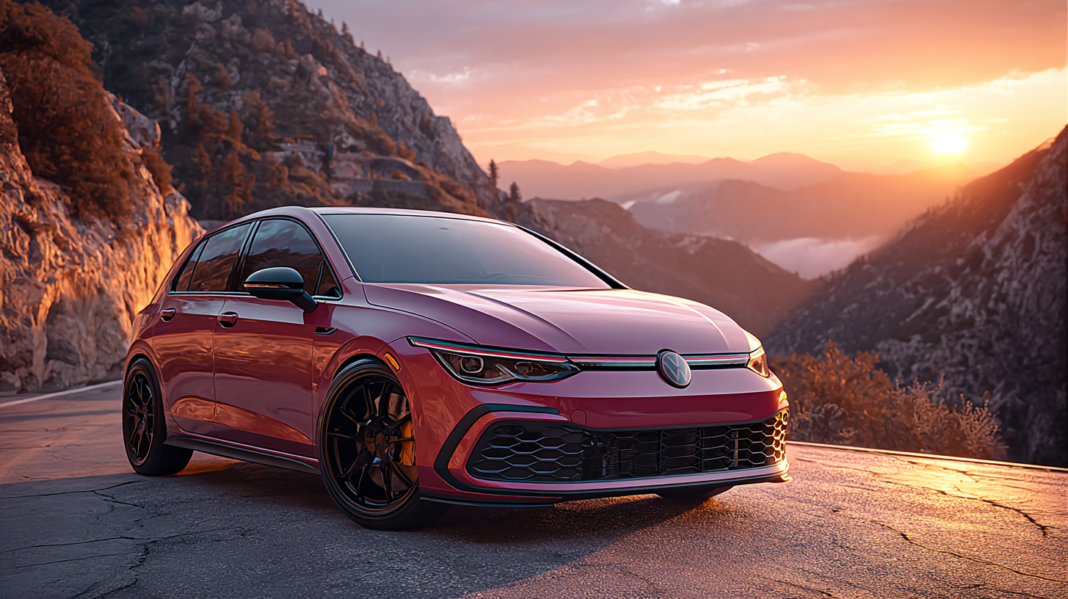
The year 2026 marks a significant milestone in automotive history. Fifty years ago, Volkswagen introduced the Golf GTI, a car that would define the hot hatch segment and establish the three letters GTI as a global symbol of accessible, engaging performance. What began as a skunkworks project by a small group of enthusiastic engineers grew into a cultural phenomenon, proving that driving pleasure need not be reserved for expensive sports cars.
Now, half a century later, Volkswagen faces a new challenge: how to translate the GTI philosophy into an era of electrification. The answer arrives in the form of the ID. GTI Concept, a vision of how the iconic hot hatch could evolve for a new generation. First unveiled at the 2023 IAA Mobility show in Munich, the concept car has continued to generate interest and speculation about Volkswagen’s plans for electric performance.
This article provides a detailed examination of the Volkswagen ID. GTI Concept, its design philosophy, performance potential, and what this concept signals about the future of affordable performance in 2026 and beyond.
The GTI Legacy: Fifty Years of Accessible Performance
The original Golf GTI debuted in 1976, a time when performance cars were typically large, expensive, and fuel thirsty. Volkswagen’s engineers took a different approach: start with a practical, affordable hatchback, add a fuel injected engine, tighten the suspension, and sprinkle in enough visual cues to signal that this was something special. The result was a car that could carry groceries during the week and attack back roads on the weekend.
Over five decades, the GTI formula has remained remarkably consistent. Every generation has delivered a combination of spirited performance, everyday usability, and a price point within reach of enthusiastic drivers. The red grille accents, the plaid seat upholstery, the golf ball inspired shift knob these details became visual shorthand for a car that prioritized driver engagement above all else.
As Volkswagen transitions to electric vehicles, the company faces the question of whether these qualities can survive the shift. Can an electric car feel like a GTI? The ID. GTI Concept represents the company’s affirmative answer, a design study that explores how the hot hatch formula might translate to the electric age.
The ID. GTI Concept: A Vision of Electric Performance
The ID. GTI Concept is not a single production model but rather a preview of what Volkswagen’s electric GTI family could become. Based on the modular electric drive platform that underpins all ID. models, the concept demonstrates how the brand’s performance heritage can merge with its electric future.
Concept Status
As of 2026, the ID. GTI remains a concept vehicle, though its influence can be seen in Volkswagen’s product planning. The company has announced intentions to bring electric GTI models to production, with the concept serving as a template for the design language and engineering priorities that will define those cars.
The concept has appeared at automotive exhibitions and events since its 2023 debut, generating significant interest from enthusiasts and industry observers. While the specific details may evolve before production, the concept establishes the direction Volkswagen intends to take.
Platform and Architecture
The ID. GTI Concept is built on Volkswagen’s modular electric drive platform, specifically developed for front wheel drive applications. This represents a significant engineering achievement, as the platform was originally designed primarily for rear and all wheel drive configurations.
The concept positions the electric motor at the front axle, delivering power to the front wheels in a deliberate nod to the GTI’s heritage. This configuration requires careful packaging of the motor, power electronics, and cooling systems within the front end, but Volkswagen’s engineers have demonstrated that it is feasible.
The battery pack is mounted low in the floor, providing a center of gravity that enhances handling while preserving interior space. The concept’s proportions a long wheelbase, short overhangs, and a relatively tall roof line are characteristic of dedicated electric vehicle architecture.
Design Philosophy: Honoring the Past, Embracing the Future
Exterior Design
The ID. GTI Concept carries forward the visual language established by fifty years of GTI models, adapted for the electric age. The most recognizable element is the red accent line that has distinguished GTIs since the beginning. On the concept, this line appears in the front fascia, tracing the outline of the closed grille area and signaling the car’s performance intent.
The front end features a closed grille, as expected for an electric vehicle, but the lower fascia incorporates a honeycomb pattern that echoes the grilles of previous GTIs. Large air intakes feed cooling air to the front motor and brakes, while aerodynamic elements manage airflow for efficiency and stability.
In profile, the concept’s proportions reveal its electric architecture. The relatively long wheelbase and short overhangs are characteristic of dedicated EV platforms, while the raised roof line accommodates the battery pack beneath the floor. Large wheels, up to 20 inches in diameter, fill the wheel arches and provide an aggressive stance.
At the rear, a prominent roof spoiler and redesigned diffuser emphasize the car’s sporting intentions. The taillights feature distinctive graphics, and the GTI badging appears in its familiar font, updated for the electric era.
Interior Design
The interior of the ID. GTI Concept represents a careful balance between modern technology and classic GTI cues. The dashboard is dominated by a large digital instrument cluster and a central touchscreen, providing the connectivity and information that modern drivers expect.
But Volkswagen’s designers have hidden an Easter egg for enthusiasts. A dedicated theme switch transforms the digital displays into a recreation of the original Golf GTI’s instrumentation. The instrument cluster adopts the round dial layout of the 1976 car, with a speedometer and tachometer rendered in period appropriate graphics. The central screen can even simulate the appearance of a cassette tape player, a playful nod to the era when the GTI was born.
Physical controls remain for critical functions, a deliberate choice that acknowledges the importance of tactile feedback in a driver’s car. The multifunction steering wheel uses actual buttons rather than touch sensitive surfaces, and climate controls include physical switches.
The seats feature a modern interpretation of the classic GTI tartan pattern, rendered in materials that reflect the car’s sustainable mission. Red contrast stitching appears throughout the cabin, and GTI logos adorn the seats, steering wheel, and door sills.
Potential Powertrain and Performance
Motor Configuration
While the ID. GTI Concept is not a production vehicle with finalized specifications, it previews the powertrain configuration that Volkswagen is developing for future electric GTI models. The concept features a single electric motor mounted at the front axle, delivering power to the front wheels.
This configuration is a deliberate choice by Volkswagen’s engineers, who believe that front wheel drive is essential to the GTI character. While most electric vehicles opt for rear or all wheel drive for efficiency and traction, the concept maintains the front drive layout that has defined the hot hatch segment for five decades.
Estimated Output
Based on the concept and Volkswagen’s existing electric powertrain portfolio, a production version could offer output in the range of 223 to 230 horsepower. This would represent a significant step up from standard ID. models while maintaining the accessible performance character that defines the GTI.
The motor would be tuned for responsive throttle response and linear power delivery, characteristics that GTI drivers have come to expect. Instant torque delivery, inherent to electric motors, would provide strong acceleration from a standstill.
Battery and Range
A production electric GTI would likely offer battery capacity in the range of 52 to 60 kWh, providing an estimated range of approximately 250 to 280 miles on the WLTP cycle. This range figure would be competitive for the segment and sufficient for daily driving as well as weekend adventures.
DC fast charging capability would allow rapid replenishment of the battery, with 10 to 80 percent charges possible in approximately 25 to 30 minutes under ideal conditions.
Chassis and Dynamics
The concept previews several chassis technologies that could appear on production electric GTI models. A sport tuned suspension with reduced ride height would lower the center of gravity and improve handling response. Larger brakes with distinctive calipers would provide stopping power appropriate to the performance.
An electronically controlled front axle differential lock, similar to a mechanical limited slip differential, would manage torque distribution between the front wheels to maximize traction during hard cornering and acceleration. This technology would bring the handling characteristics closer to the combustion GTI experience.
The GTI Community Connection
Heritage Integration
The ID. GTI Concept demonstrates Volkswagen’s understanding that the GTI is more than a car it is a community. The design cues, the tartan seats, the red accents, the hidden Easter egg in the digital displays all of these elements connect the concept to its predecessors and signal to enthusiasts that their heritage is respected.
Volkswagen has engaged with GTI enthusiasts throughout the concept’s development, gathering feedback and gauging reactions. The positive response from early viewings has encouraged the company to move forward with production plans.
The Emotional Value of Driving
The concept represents a belief that the emotional value of driving will remain strong in the era of electrification. This is not an obvious conclusion. Electric cars are quieter, smoother, and often more isolated than their combustion counterparts. The act of driving could become purely functional, a matter of guiding a machine from point to point without engagement.
The ID. GTI Concept suggests that Volkswagen’s engineers are working to ensure that future electric GTIs reward the driver. The throttle response would be calibrated for immediacy. The chassis would communicate through the seat and steering wheel. The sounds, while different from a combustion engine, would provide feedback about what the car is doing. The goal is a car that invites participation, that rewards skill, that makes the driver feel involved.
What Makes the ID. GTI Concept Stand Out in 2026
The Front Drive Choice
The concept’s front wheel drive configuration sets it apart from nearly every other electric performance car on the market. While competitors pursue ever higher horsepower figures and all wheel drive traction, Volkswagen is betting that character matters more than numbers.
For drivers who value the feel of a front drive hot hatch the way it tucks into corners, the way the steering communicates, the way power is metered out through the front tires the concept offers a vision of something that no other electric car can match. It is a deliberate statement that the GTI’s soul can survive electrification.
Heritage and Modernity
The concept bridges fifty years of history with an electric future. The design cues, the tartan seats, the red accents, the hidden Easter egg in the digital displays all of these elements connect the concept to its predecessors. But the underlying technology is thoroughly modern, from the efficient electric motor to the advanced chassis controls.
This balance between heritage and progress is difficult to achieve. Too much nostalgia produces a car that feels like a recreation rather than a genuine evolution. Too much focus on the future severs the connection to what made the original special. The concept appears to strike the right balance, honoring the past while embracing what comes next.
Accessible Performance Vision
The concept envisions a future where accessible performance continues to exist. While exact pricing for a production version has not been determined, Volkswagen has indicated that an electric GTI would be positioned within reach of the same enthusiastic buyers who have kept the nameplate alive for fifty years.
In a market where electric vehicles often command premium prices, this commitment to affordability matters. The concept demonstrates that electrification need not mean exclusivity, that the democratization of driving pleasure can continue into a new era.
From Concept to Production
Development Timeline
Volkswagen has announced intentions to bring electric GTI models to production, with the concept serving as the design template. Company representatives have indicated that development is proceeding, though specific launch dates have not been confirmed.
The concept has undergone extensive testing and refinement since its 2023 debut, with engineers gathering data and validating the front wheel drive electric architecture. Production versions, when they arrive, will benefit from this development work.
Production Possibilities
Two potential production models have been discussed based on the concept’s influence. A smaller entry level model, potentially wearing the ID. Polo GTI name, would target the same segment as the original Golf GTI. A larger ID. 3 GTI would offer more space and higher performance for buyers seeking additional capability.
Both models would share the concept’s design language and engineering philosophy while adapting to their respective size and price points.
Market Availability
Volkswagen has confirmed that electric GTI models will be sold in European markets. Availability in other regions, including North America and Asia, remains under study. The company’s representatives have stated that decisions will be based on market demand and competitive positioning.
The Future of GTI
Electrification of the Range
The ID. GTI Concept represents the first step in a broader electrification strategy for Volkswagen’s performance models. Additional electric GTI variants are under consideration, including potential hot hatch versions of other ID. models and perhaps even electric interpretations of the Golf GTI nameplate.
Continued Combustion Production
Volkswagen has adopted a two pillar strategy that maintains internal combustion engine production alongside electric vehicles. The combustion Golf GTI will continue to be produced and updated, serving buyers who are not ready to make the transition to electric power. This dual approach acknowledges that different markets and different customers have different needs, and that the transition to electrification will take time.
The GTI Community
Perhaps the most important element of the GTI’s future is the community that has grown around it. For fifty years, GTI owners have formed clubs, attended gatherings, and shared their passion with each other. Volkswagen has cultivated this community, recognizing that the brand’s strength depends on engaged enthusiasts.
The ID. GTI Concept represents an invitation to this community to embrace a new chapter. The response from early viewings has been positive, with attendees at automotive exhibitions expressing enthusiasm for the design and the concept. Whether that enthusiasm translates to sales remains to be seen, but the foundation is there.
Conclusion
The Volkswagen ID. GTI Concept asks a question that matters not just to Volkswagen but to the entire automotive industry: can the soul of a driver’s car survive electrification?
The answer, based on what the concept demonstrates, appears to be yes. The design study incorporates the essential elements that have defined the GTI for fifty years accessible performance, everyday usability, engaging dynamics, and a connection to the driver that goes beyond transportation. It does this not by pretending to be something it is not, but by interpreting the GTI philosophy for a new era.
The front drive layout, the electronic differential lock, the tuned chassis, the tartan seats, the red accents, the hidden Easter egg in the digital displays all of these elements work together to create a vision of something that feels like a GTI, even though it would be powered by electricity rather than gasoline.
It is not a perfect translation. A production version would be heavier than its combustion predecessors. The driving experience would be different. The sounds would be different. The character would be different. But the essence the commitment to accessible, engaging, everyday performance remains.
For the enthusiasts who have kept the GTI flame alive for fifty years, the concept offers a path forward. It demonstrates that the values they cherish can survive the transition to a new technology. And for a new generation of drivers, it offers an introduction to the GTI philosophy, a chance to discover that driving can be rewarding even in an electric car.
In 2026, as the automotive industry accelerates toward electrification, the ID. GTI Concept stands as proof that affordable performance is not dead. It is simply being reborn.

