
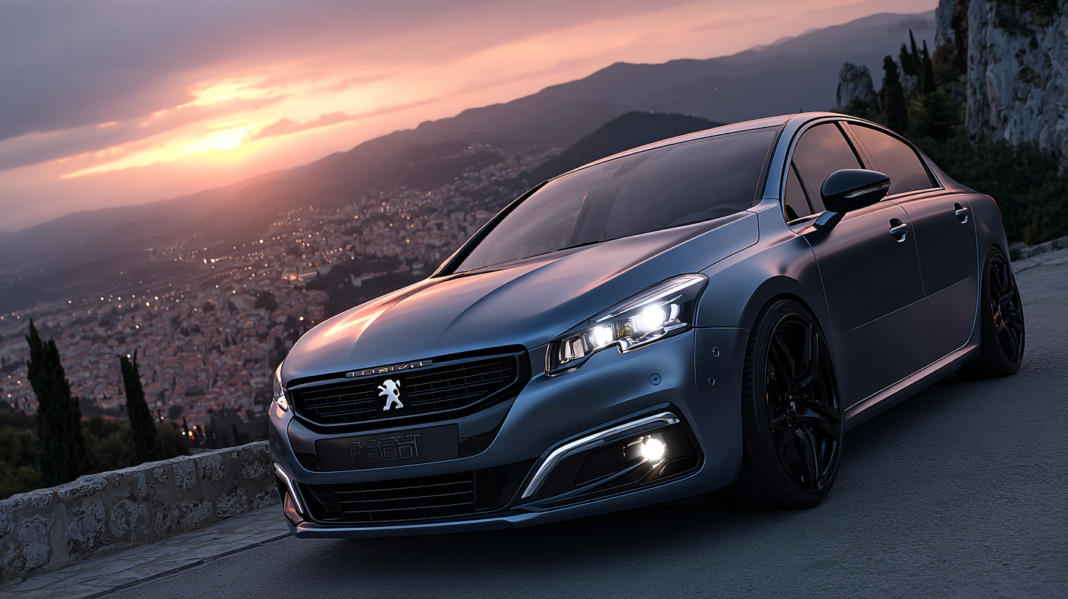
The automotive landscape in 2026 is dominated by electric vehicles. SUVs have become the default choice for the vast majority of buyers, and high performance sedans and wagons are increasingly rare. In this environment, the Peugeot 508 PSE stands as something of an anomaly, a machine that refuses to follow the crowd.
PSE stands for Peugeot Sport Engineered, the performance division of the French automaker responsible for Le Mans winning race cars and legendary hot hatches. The 508 PSE represents their vision of a modern performance vehicle, one that combines electrification with the driving dynamics that enthusiasts crave. It is a plug in hybrid with 360 horsepower, all wheel drive, and a design that remains striking years after its introduction.
Yet the 508 PSE is also a car that has been largely overlooked in the marketplace. It faces competition from established German players, suffers from aging technology in key areas, and carries a price that places it in rarefied company. This article provides a detailed examination of the Peugeot 508 PSE, its performance specifications, design philosophy, and what makes this French performance sleeper stand out in 2026.
The Peugeot Sport Engineered Philosophy
Peugeot Sport has a distinguished history in motorsport, from rallying victories to multiple Le Mans overall wins. The division’s road car efforts have traditionally focused on hot hatches that earned a reputation for engaging handling, responsive engines, and a level of driver involvement that punched above their weight class.
The PSE sub brand represents a new direction, one that embraces electrification while maintaining the core values of Peugeot Sport. The 508 PSE is the first model to carry the PSE badge, and it represents a significant departure from the hot hatch formula. It is larger, more luxurious, and more technologically complex than anything Peugeot Sport has attempted before.
The engineering team approached the 508 PSE with the same philosophy they apply to race cars: optimize every component, balance the chassis for neutral handling, and create a machine that rewards driver skill. The result is a vehicle that, despite its weight and size, delivers a level of engagement that surprises those who expect a typical French executive car.
Powertrain and Performance
System Configuration
The 508 PSE is powered by a plug in hybrid powertrain that combines an internal combustion engine with two electric motors. The combustion engine is a 1.6 liter four cylinder turbocharged unit producing 200 horsepower and 300 Nm of torque. This engine alone would be adequate for a family hatchback, but in the PSE it serves as part of a more complex system.
An electric motor mounted at the front axle contributes an additional 110 horsepower and 320 Nm of torque. A second electric motor at the rear axle adds 113 horsepower and 166 Nm of torque. This dual motor configuration provides all wheel drive without the need for a mechanical connection between the front and rear axles, allowing for precise torque vectoring that can enhance cornering performance.
Total Output
The combined system output is 360 horsepower and 520 Nm of torque. This figure places the 508 PSE in direct competition with performance oriented versions of German and Swedish executive cars. It is the most powerful production Peugeot ever built.
Acceleration and Top Speed
The 508 PSE accelerates from 0 to 100 kilometers per hour in 5.2 seconds. This is quick enough to surprise many dedicated sports cars, though it falls short of the most potent competitors in its class.
Top speed is electronically limited to 250 kilometers per hour. In electric mode, the car is limited to 135 kilometers per hour, above which the combustion engine engages to provide additional power.
Battery and Electric Range
Power for the electric motors is drawn from a 12.4 kWh lithium ion battery pack mounted beneath the floor. This is where the 508 PSE shows its age most clearly. In 2026, new plug in hybrid models from competitors offer larger battery capacities and greater electric ranges. The Peugeot’s 12.4 kWh pack delivers an official WLTP range of approximately 50 kilometers, with real world driving reducing that further.
The battery can be charged from a wallbox at up to 7.4 kW, taking approximately 1 hour and 40 minutes for a full charge. There is no DC fast charging capability, meaning longer journeys require reliance on the combustion engine once the battery is depleted.
Fuel Consumption
When the battery is fully charged and used for shorter trips, the 508 PSE can achieve remarkably low fuel consumption. The official WLTP combined figure is low, though this depends heavily on regular charging and limited use of the combustion engine.
When the battery is depleted and the car relies on the 1.6 liter engine alone, consumption rises significantly. Real world highway driving at higher speeds returns approximately 7 to 8.5 liters per 100 kilometers, depending on driving style and conditions.
Chassis and Dynamics
Suspension System
The 508 PSE features an adaptive suspension system developed specifically by Peugeot Sport. The dampers can adjust their characteristics based on driving mode and road conditions, providing a range of behavior from comfortable cruising to focused cornering. The springs are stiffer than those on standard 508 models, and the ride height is reduced slightly to lower the center of gravity.
The suspension tuning is widely regarded as the car’s strongest attribute. Its ability to combine comfort over long distances with genuine handling capability on challenging roads is noteworthy. The car remains flat through corners, responds eagerly to steering inputs, and communicates with the driver in a way that increasingly few modern vehicles manage.
Steering
The 508 PSE uses an electric power steering system calibrated for direct response and appropriate weighting. The small diameter steering wheel, part of Peugeot’s i Cockpit design philosophy, contributes to the sensation of agility. The steering provides genuine feedback about what the front tires are doing, allowing the driver to place the car precisely on the road.
The small steering wheel is a divisive feature. Some drivers find it creates a go kart like feeling that enhances engagement. Others struggle to find a seating position that allows a clear view of the instrument cluster over the top of the wheel. A test drive is essential to determine which camp you fall into.
Brakes
The braking system combines regenerative braking from the electric motors with traditional friction brakes. The integration between the two is managed electronically to provide consistent pedal feel regardless of the regeneration level. The front brakes are larger than those on standard 508 models, with calipers finished in the distinctive PSE color scheme.
Some reviewers have noted that the brake pedal feel can be slightly inconsistent, a common challenge with hybrid systems that must blend regenerative and friction braking seamlessly. Under hard use, the brakes provide ample stopping power without fade.
Weight
The 508 PSE weighs approximately 1,860 kilograms, significantly more than its non hybrid counterparts. This weight is distributed between the front and rear axles, with the battery pack mounted low in the chassis to minimize impact on handling. The all wheel drive system provides traction that helps mask the mass during acceleration, and the suspension tuning does an admirable job of controlling body motions.
Design
Exterior Styling
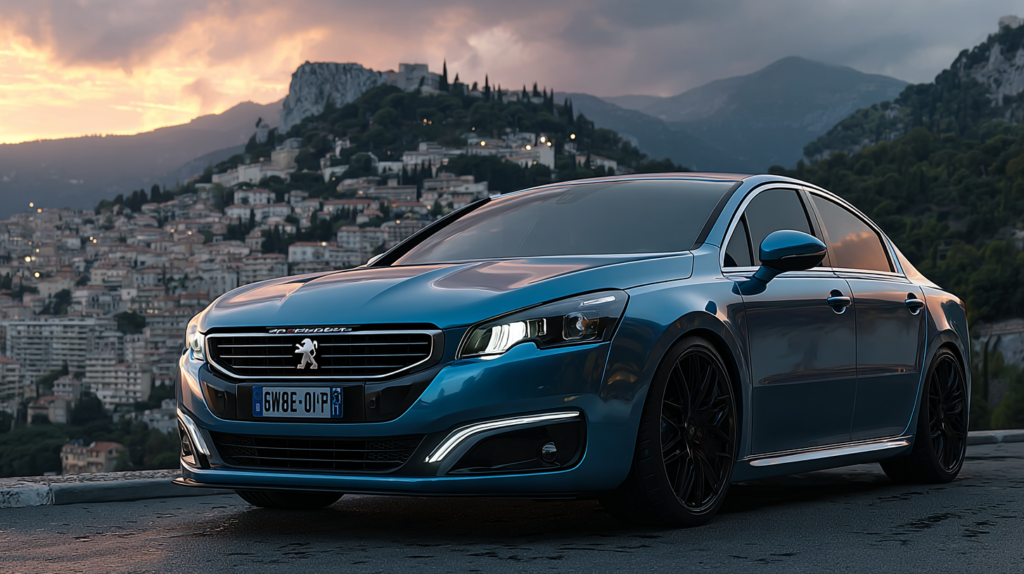
The regular 508 was already one of the most handsome cars in its class when it launched, and the PSE version amplifies those attributes. The car measures approximately 4,750 mm in length, 1,860 mm in width, and just 1,400 mm in height, giving it a low, wide stance that is immediately distinguishable from more upright competitors.
The PSE adds specific styling elements that signal its performance intent. The front bumper incorporates larger air intakes finished with distinctive Kryptonite green accents. The side sills are more pronounced, and the rear diffuser houses twin exhaust outlets. The 20 inch alloy wheels are unique to the model and barely conceal the upgraded brake calipers, also finished in the signature green.
The facelifted model features updated lighting with three claw shaped LED elements that have become a Peugeot signature. The grille is integrated into the bumper in a way that gives the front end a cohesive, almost organic appearance.
In a world increasingly dominated by tall, slab sided SUVs and similarly shaped electric vehicles, the 508 PSE stands out dramatically. It attracts attention from those who notice its distinctive proportions and detailing.
Interior Design
The cabin of the 508 PSE follows the i Cockpit philosophy that Peugeot has championed for years. The driver faces a 12.3 inch digital instrument cluster positioned above a small diameter steering wheel. The central touchscreen measures 10 inches and controls infotainment functions, supplemented by physical toggle switches for shortcut access to key menus.
The PSE treatment adds sport seats upholstered in a combination of leather and Alcantara, with green contrast stitching throughout. The seats are heavily bolstered to hold occupants during cornering, yet remain comfortable enough for long distance touring. They also feature heating and massage functions, a reminder that this is a grand tourer as much as a performance machine.
Material quality is high throughout, with soft touch plastics on the upper surfaces and carefully finished trim pieces. The overall effect is genuinely premium, competitive with German rivals.
Practicality
The 508 is available in both sedan and SW estate body styles. The SW is the more practical choice, offering substantial cargo space with the rear seats in place and even more with them folded. This is considerably more than you get in many competitors, though it falls short of the most capacious offerings in the class.
The sedan offers generous boot space, expanding further with the rear seats folded. Both versions suffer from the battery placement, which reduces underfloor storage and raises the loading lip slightly.
Rear seat space is adequate for adults, though the sloping roofline limits headroom for taller passengers. Knee room is acceptable, and the outer seats are well shaped. The middle seat is best reserved for occasional use or children.
Driving Experience
Electric Mode
In electric mode, the 508 PSE operates as a silent, relaxed cruiser. The instant torque from the electric motors provides effortless acceleration from rest, and the car glides through urban environments without drama. The limited electric range means this mode is best suited to shorter trips, but for those who can charge regularly, it transforms running costs.
Hybrid Mode
In normal hybrid operation, the car seamlessly blends power from the combustion engine and electric motors. The transitions are smooth, and the system does an admirable job of selecting the most efficient power source for the conditions. The all wheel drive traction provides confidence in wet weather, and the instant torque response makes overtaking effortless.
Sport Mode
Engaging Sport mode transforms the character of the 508 PSE. The powertrain becomes more responsive, holding gears longer and using the electric motors to fill any gaps in torque delivery. The adaptive suspension stiffens, reducing body roll and sharpening turn in. The steering weights up, and the car feels genuinely eager to attack corners.
The small steering wheel and responsive chassis create an experience that is genuinely engaging. The car communicates its limits clearly, inviting the driver to explore them. It is not as sharp as the sharpest competitors on a tight, twisty road, but it offers a level of engagement that surprises given its size and weight.
Depleted Battery Behavior
When the battery is depleted, the 508 PSE becomes a different proposition. The 1.6 liter engine must carry nearly 1,900 kilograms of car without electric assistance, and it sounds strained when asked to deliver full performance. The engine note is not particularly inspiring, and the car feels noticeably slower.
This is the car’s greatest weakness. To experience the 508 PSE at its best, the battery must be charged regularly. Owners who cannot charge at home or work will find themselves driving a heavy, thirsty car that never delivers the performance they paid for.
What Makes the 508 PSE Stand Out in 2026
The Sleeper Factor
The 508 PSE is a genuine sleeper, a car that does not shout about its capabilities but delivers them when asked. It does not have the brand cachet of German competitors or the visual aggression of some rivals, but it offers comparable real world performance in a package that flies under the radar. For buyers who value discretion, this is a significant advantage.
Design Distinction
In a market segment where most competitors prioritize conservative styling to appeal to the broadest possible audience, the 508 PSE takes risks. Its low, wide stance, distinctive lighting, and sharp lines create a visual identity that stands out in any setting. For buyers who value individuality, this matters.
Rarity
The 508 PSE is not a common sight on roads. Production numbers are limited, and sales have been modest compared to German competitors. For buyers who prefer to drive something different, something that will not be encountered at every stoplight, this rarity is a feature, not a bug.
The Heart over Head Proposition
The 508 PSE is not a rational choice. It is more expensive than many competitors, less efficient than newer plug in hybrids, and compromised in ways that a spreadsheet would highlight. But it offers something that spreadsheets cannot capture: character. The way it drives, the way it looks, the way it makes you feel these are attributes that defy quantification but matter enormously to enthusiasts.
French Character
The 508 PSE embodies a distinctly French approach to performance. It prioritizes ride comfort alongside handling, elegance alongside aggression, and individuality above conformity. In a segment dominated by German engineering, this French character provides genuine differentiation.
Specifications Summary
Powertrain: 1.6L turbo + front motor + rear motor
Total Power: 360 horsepower
Total Torque: 520 Nm
Transmission: 8 speed automatic
Drive: All wheel drive
0-100 km/h: 5.2 seconds
Top Speed: 250 km/h
Battery Capacity: 12.4 kWh
Electric Range: Approximately 50 km (WLTP)
Weight: Approximately 1,860 kg
Length: 4,750 mm
Width: 1,860 mm
Height: 1,400 mm
Body Styles: Sedan and SW estate
Pricing and Positioning
Price
The 508 PSE carries a starting price of approximately 70,000 to 75,000 euros in European markets, depending on country and specification. This positions it against established German competitors, all of which offer comparable or superior performance.
Value Proposition
On paper, the 508 PSE struggles to justify its price. It is less powerful than some competitors, has a smaller battery, and lacks the brand prestige of the German alternatives. But value is not solely determined by specifications. For buyers who connect with the car’s design and character, the price may be entirely reasonable.
Market Position
The 508 PSE occupies an increasingly lonely position in the market. The segment for performance sedans and wagons is shrinking as buyers migrate to SUVs. Peugeot’s commitment to offering this car, despite modest sales, demonstrates a belief that there will always be customers who value something different.
Conclusion
The Peugeot 508 PSE is a car of contradictions. It combines a small, strained engine with electric motors to produce genuinely impressive performance. It wraps cutting edge technology in a body that has aged gracefully. It demands a premium price while offering less objective capability than cheaper alternatives.
Yet for all its compromises, the 508 PSE is a compelling machine. It drives with a verve and engagement that surprises given its size and weight. It looks like nothing else on the road, attracting attention that far more expensive cars cannot match. It offers a level of individuality that is increasingly rare in a homogenized market.
The 508 PSE is not for everyone. It requires a buyer who can charge regularly, who values character over specifications, who appreciates design as much as dynamics. It is a car for the heart, not the head, a machine that rewards those who connect with its unique personality.
In 2026, as the automotive world accelerates toward electrification and homogenization, the 508 PSE stands as a reminder that there is still room for something different. It is France’s plug in performance sleeper, a car that deserves to be discovered by those who refuse to follow the crowd.

