
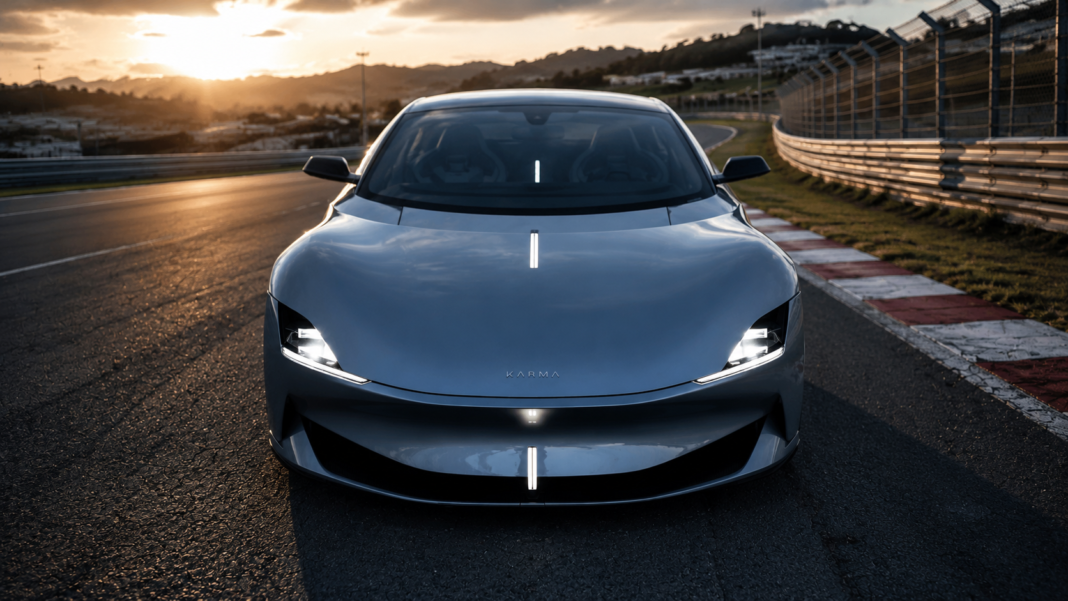
The sun is setting over the Estoril Circuit in Portugal, casting long shadows across the pit lane. A prototype electric supercar is completing a session. It is not weighed down by a massive battery pack. It does not need to stop for a lengthy recharge. It is lighter, faster, and more capable than any electric performance car that has come before it. The difference is not in the motors or the chassis. It is in the battery.
Solid-state batteries have been described as the next major breakthrough for electric vehicles. They promise higher energy density, faster charging, improved safety, and lower weight compared with conventional lithium-ion packs. For electric supercars, the benefits are transformative.
The Problem with Current Batteries
Lithium-ion batteries have powered the first generation of electric supercars. They have enabled impressive performance, but they have also imposed significant compromises.
Weight: A large lithium-ion pack can weigh over 600 kilograms. This mass blunts handling, increases tire wear, and reduces the agility that defines a supercar.
Range: Even the best electric supercars struggle to exceed 300 miles of real-world range. On a track day, that figure drops dramatically.
Charging: Despite advances in fast charging, recharging a large lithium-ion pack still takes significantly longer than refueling a combustion car.
Safety: The liquid electrolyte in lithium-ion batteries is flammable, creating a fire risk that manufacturers must manage with heavy protective structures.
Solid-state batteries address each of these problems.
What Solid-State Batteries Are
Solid-state batteries work in a similar way to lithium-ion batteries, but instead of using a liquid electrolyte, they use a solid electrolyte made from materials such as ceramics, polymers, or sulfides. This structural change improves performance and safety in several ways.
Higher Energy Density
Energy density is the amount of energy stored in a battery relative to its weight. Advanced solid-state batteries could reach significantly higher energy density than many lithium-ion batteries used today.
Higher energy density means:
- Longer driving range
- Smaller battery packs
- Lighter vehicles
Faster Charging
Solid-state batteries may charge considerably more quickly than modern lithium-ion batteries. Some experiments show that electric cars with these batteries might be able to charge up to 80 percent in about ten minutes.
Improved Safety
Solid electrolytes are non-flammable, greatly reducing the risk of battery fires. This safety improvement is particularly important for high-performance vehicles driven at the limit.
Longer Lifespan
Solid-state batteries are expected to last longer than lithium-ion batteries. Studies indicate that advanced solid-state designs could attain significantly more charge cycles compared to current lithium-ion batteries.
The Supercar Advantage
For electric supercars, solid-state batteries are a game changer. Several manufacturers are developing solid-state batteries for their next generation of performance models.
A prototype pack using this new tech is roughly 30 percent more energy-dense than current batteries. More importantly, it is significantly lighter. By using new composite housing, manufacturers have managed to shave off weight from the pack.
In the rarefied air of the hypercar world, saving weight is significant. It means sharper turn-in, better braking, and even more savage acceleration.
Manufacturers are also working on new electric drive units that are incredibly power-dense. The combination of lighter batteries and lighter motors could bring electric sports cars closer to the weight of their petrol counterparts.
Real-World Programs
Several manufacturers are already moving solid-state batteries from the lab to production.
Toyota is on track to launch solid-state batteries in a production car by the end of the decade, with a likely debut in a performance electric car. The company says solid-state batteries are capable of producing double the power of a current-generation battery, can triple the range, and are four times more durable.
Karma Automotive has announced the first solid-state battery production program in the United States for passenger vehicles. The program will integrate solid-state battery technology into an all-electric super coupe delivering over 1,000 horsepower and more than 250 miles of range.
Rimac is developing solid-state batteries for the next generation of Bugatti supercars, with a target launch within the next few years. The first application will be in a mid-volume Bugatti model.

The Estoril Evening
The sun has fully set over the Estoril Circuit. The prototype has completed its session. The driver steps out, not concerned about range or charging. The car is lighter, faster, and more capable than anything that has come before.
Solid-state batteries are not a distant promise. They are arriving within the next few years, and they will transform electric supercars. Lighter packs will improve handling. Higher energy density will extend range. Faster charging will make track days practical. Improved safety will reduce fire risk.
Key Takeaways
- Solid-state batteries offer higher energy density, faster charging, improved safety, and lower weight compared with lithium-ion packs.
- Prototype packs are roughly 30 percent more energy-dense and significantly lighter than current batteries.
- Toyota is on track to launch solid-state batteries in a production car by the end of the decade.
- Karma Automotive has announced the first solid-state battery production program in the United States for passenger vehicles.
- Rimac is developing solid-state batteries for the next generation of Bugatti models.
- Solid-state batteries could enable electric supercars to match the weight, range, and charging times of combustion cars.
Conclusion
The Estoril Circuit is quiet now. The prototype is gone. But the future it represents is arriving faster than expected.
Solid-state batteries are the technology that could finally give electric supercars the range and recharge times to compete with combustion on a track day. They are lighter, more energy dense, faster charging, and safer than the lithium-ion packs that have defined the first generation of electric performance cars.
For enthusiasts who have been waiting for electric supercars to match the engagement of combustion machines, the wait is almost over. The batteries are coming. And they will change everything.

