
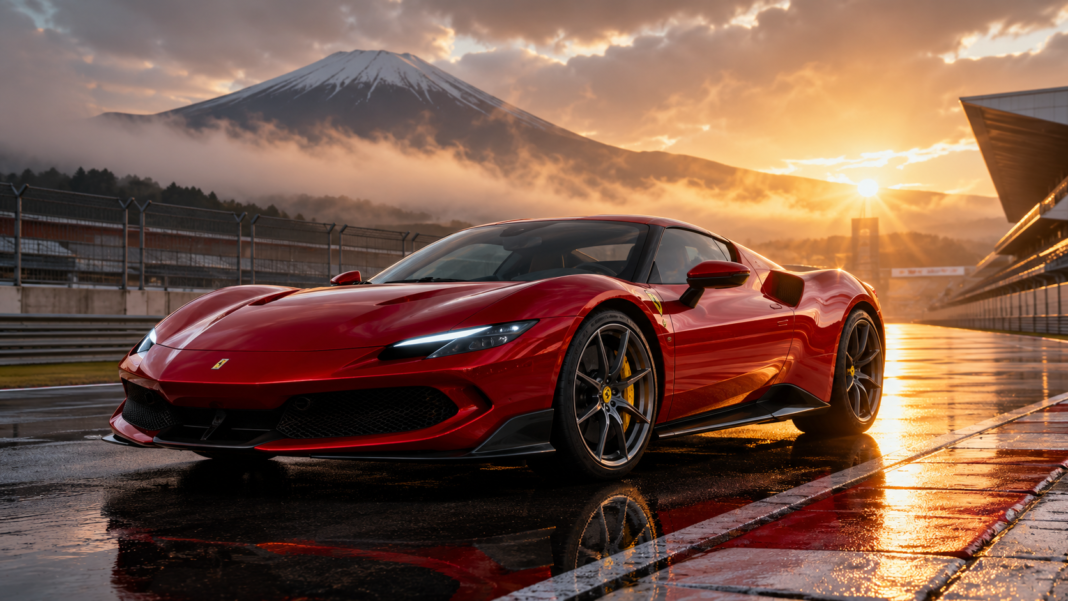
The sun is just beginning to burn through the morning mist that often clings to the foothills of Mount Fuji. The track at Fuji Speedway is empty, but the pit lane is alive with activity. A Ferrari 296 GTB is being prepped for a session. The car is equipped with carbon ceramic brakes, the same technology that has become the standard for modern supercars.
Brake fade is the enemy of performance driving. It is the gradual loss of stopping power that occurs when brakes overheat. On a track, where drivers brake hard from high speeds lap after lap, fade can be dangerous. Supercar brakes must perform on the street, where they are cold and used gently, and on the track, where they are hot and used aggressively. The engineering that makes this possible is a combination of materials, cooling, and calibration.
The Material: Carbon Ceramic vs. Steel
The foundation of a fade-resistant brake system is the disc material. Traditional steel discs are heavy and prone to heat-related performance loss. Carbon ceramic discs, by contrast, are designed to handle extreme temperatures.
Weight Reduction
A carbon ceramic disc is significantly lighter than a steel disc of the same size. This reduction in unsprung weight improves handling, suspension response, and ride comfort. On a supercar, every kilogram saved contributes to agility.
Heat Resistance and Fade Resistance
When braking hard, friction causes brake discs to heat up excessively. As standard steel discs heat up, their braking performance decreases. This is brake fade. Carbon ceramic discs can withstand extremely high temperatures. The heat dissipation capability of these discs is very high, so the risk of fade is very low, even on a race track.
How They Are Made
The manufacturing process is complex and time-consuming. A mixture of carbon fibers and silicon resin is placed under high pressure at elevated temperatures. The mold is then heated multiple times over several days, with additional silicon powder added between stages. This process transforms the raw ingredients into the silica carbide ceramic that adds durability and longevity. The entire process can take many days to produce a single disc. This complexity is the primary reason for their high cost.
The Cooling: Active and Passive Systems
Even the best materials need cooling. Supercar brake systems use a combination of passive and active cooling to manage temperatures.
Passive Cooling
The design of the discs themselves aids cooling. Ventilation holes and internal vanes help air flow through the disc, dissipating heat. The brake cooling system on many supercars directs a significant portion of the airflow to the discs and pads.
Active Cooling
Some systems use active cooling, where ducts open only when needed. With speed and brake application sensors feeding an electronic control unit, brake-cooling air intake ducts open automatically only when the driver makes a sufficiently demanding application. Since closed brake ducts create no drag, they improve the car’s aerodynamic efficiency.
Caliper Cooling
Some brake manufacturers have developed calipers with integrated air cooling. This forced ventilation reduces the brake fluid temperature compared with a standard caliper, allowing the system to maintain maximum braking efficiency.
The Calibration: Brake Bias and Feel
The brake system must be calibrated to provide consistent feel and performance across a wide range of temperatures.
Brake Bias
Brake bias refers to the distribution of braking force between the front and rear axles. On a mid-engine supercar, the bias is carefully calibrated to balance stopping power with stability. Too much front bias can cause nose dive and loss of rear traction. Too much rear bias can cause instability.
Pedal Feel
Carbon ceramic brakes often have different pedal feel than steel brakes, particularly when cold. Early systems required an “all or nothing” approach to braking. Modern systems have refined pedal feel, with consistent response regardless of temperature.
The Cost: The Price of Performance
Carbon ceramic brakes are expensive. The cost is driven by the complex manufacturing process and the high-quality materials. Replacement costs are similarly high. However, for drivers who push their cars on track, the benefits outweigh the expense.
The Fuji Speedway Session
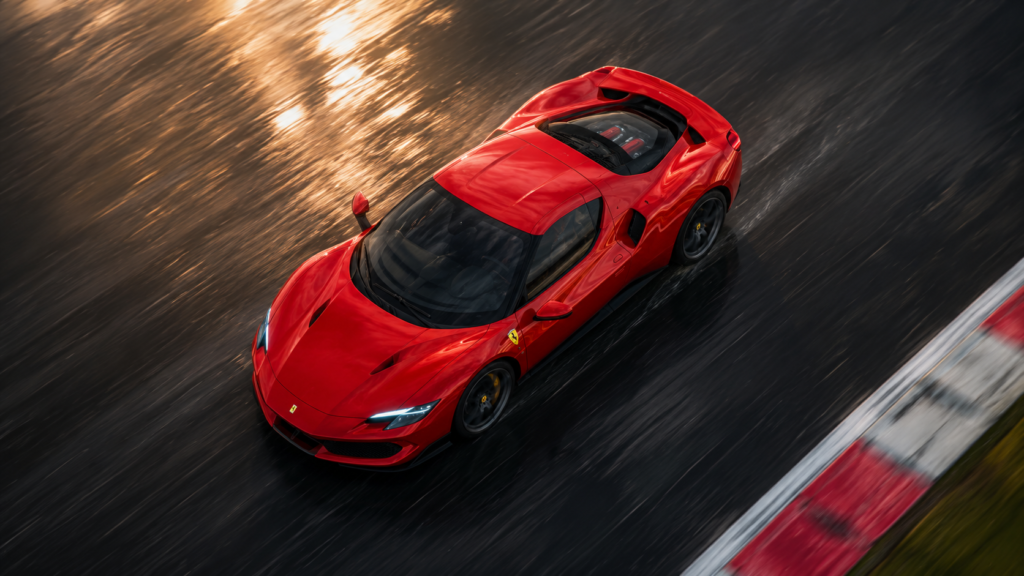
The Ferrari 296 GTB is on track now. The driver is pushing hard, braking deep into corners. The car is consistent, lap after lap. The brakes are not fading.
After the session, the driver explains. “The carbon ceramics take a lap to warm up. But once they are hot, they are consistent. No fade. No surprises.”
The Verdict
Carbon ceramic brakes are the standard for supercars because they work. They resist fade, reduce weight, and provide consistent performance. The cost is high, but for drivers who push their cars on track, the benefits are clear.
The engineering is a combination of advanced materials, sophisticated cooling, and precise calibration. The result is a brake system that can survive both the streets of Maranello and the demands of a full Nürburgring lap.
Key Takeaways
- Carbon ceramic discs are significantly lighter than steel discs, reducing unsprung weight and improving handling.
- Carbon ceramic discs can withstand extremely high temperatures, resisting brake fade.
- The manufacturing process is complex and time-consuming, which drives the high cost.
- Active cooling systems open brake ducts only when needed to balance cooling and aerodynamics.
- Some calipers integrate cooling ducts to reduce brake fluid temperature.
- Modern carbon ceramic systems offer consistent pedal feel across a wide range of temperatures.
Conclusion
The sun is higher now. The Ferrari 296 GTB is parked in the pit lane. Its brakes are hot, but they have not faded.
The engineering that allows supercar brakes to transition from street to track without fading is a combination of material science, cooling design, and electronic calibration. Carbon ceramic discs, active cooling ducts, and precise brake bias all work together to ensure that the car stops consistently, lap after lap.
The cost is high. The performance is exceptional. And for those who drive their cars on track, the peace of mind is priceless.

