
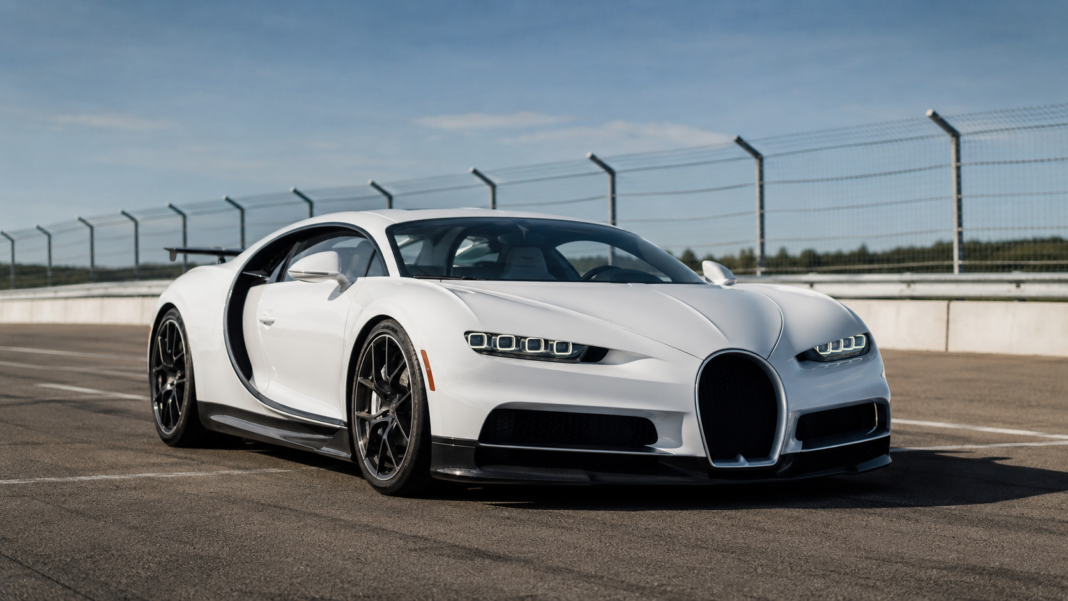
The sun is just beginning to warm the asphalt at the Pittsburgh International Race Complex in Wampum, Pennsylvania. A Bugatti Chiron Super Sport sits in the paddock, its quad turbo W16 engine capable of producing over 1,500 horsepower. The car is theoretically capable of exceeding 300 miles per hour. Yet the production car is electronically limited to a lower speed for safety reasons.
The limiting factor is not the engine. It is the tyres.
At extreme speeds, the forces on a tyre are immense. The tyres must withstand temperatures that would melt conventional rubber, maintain structural integrity under loads that would deform steel, and provide grip on surfaces that are never perfectly smooth.
The biggest limiter on modern supercar performance is not the engine. It is the four contact patches connecting it to the road. This article explains the engineering of performance tyres, why they limit performance, and what is being done about it.
The Forces at Play
When a supercar accelerates, brakes, or corners, the tyres are the only connection between the car and the road. All the power, all the grip, all the stopping force must pass through four small patches of rubber.
Centrifugal Force
At high speed, the tyre is spinning at thousands of revolutions per minute. The centrifugal force wants to pull the tyre apart. The tread can separate from the carcass. The belts can shift. The sidewalls can bulge. The tyre must be strong enough to resist these forces.
Heat
Friction generates heat. At high speed, the tyre temperature can exceed 100 degrees Celsius. The rubber must remain stable at these temperatures, providing consistent grip. If the tyre gets too hot, the rubber can melt or degrade, leading to catastrophic failure.
Load
A supercar generates significant downforce. The tyres must support the weight of the car plus the additional load from downforce. The tyres developed for extreme hypercars must withstand extreme stresses from the car’s power, torque, and aerodynamic downforce.
The Bugatti Example: When Tyres Say No
The Bugatti Chiron is a case study in tyre limitations. The car has a top speed that exceeds 420 km/h. The engine could push it faster. But the tyres cannot safely handle more.
For the record run, Bugatti used specially reinforced tyres. Each tyre was x-rayed before use to check for the smallest flaws. The tyres were tested on a machine that had been used for the Space Shuttle, spinning at speeds far beyond what the car would achieve.
The production Chiron is limited for safety. A tyre failure at extreme speed would be catastrophic. The risk is simply too high.
The Race Tyre Challenge
In motorsport, tyres are a constant challenge. In some racing series, the tyres are described as having a small operating window. Drivers cannot push hard for extended periods. Instead, they must manage their pace to preserve the tyre between pit stops.
If the tyre gets too hot too quickly, it does not recover. The peak performance is short lived. In other racing categories, the tyres are more forgiving. Drivers can push on them without suffering massive drop off. The difference is in the compounds and the construction.
The Future: Sustainable Supercar Tyres
The future of supercar tyres is sustainable. Manufacturers are developing the first supercar tyres made with a significant percentage of bio-based and recycled materials. The bio-based materials include natural rubber, biochemicals, and bio-resins. The recycled materials include metal reinforcements, rubber from end-of-life tyres, synthetic rubber, silica, and carbon black.
The goal is to launch tyres containing an even higher percentage of bio-based and recycled materials in the coming years, with the ultimate aim of reaching 100 percent sustainable materials.
The Development Process
Developing tyres for a supercar is a collaborative process. The tyre manufacturer works with the car manufacturer from the earliest stages of development.
The teams work together in a virtual environment, using state-of-the-art driving simulation technology. They then progress to physical tests at circuits around the world. This approach reduces the number of physical prototypes needed, cutting waste and shortening development time.
Some tyre manufacturers have developed virtual development technology that eliminates hundreds of physical prototypes, cuts physical vehicle tests significantly, and reduces development time by up to 50 percent.
The Pittsburgh Morning: A Track Session
The sun is higher now. The Chiron is on track. The driver is not pushing the car to its limit. He is warming the tyres, learning the track, feeling the brakes.
A group of enthusiasts is watching from the paddock. They are not Bugatti owners. They are owners of Porsches, BMWs, and Corvettes. They are impressed by the Chiron’s presence.
One of them asks about the tyres. “How much do they cost?”
The owner of the Chiron smiles. “A set costs tens of thousands of dollars. But you do not buy them every day.”
The Verdict
Tyres are the most critical component of a supercar’s performance. They limit top speed, cornering grip, and braking distance. They are also the most challenging component to develop.
The future of supercar tyres is sustainable. Manufacturers are using bio-based and recycled materials to reduce environmental impact. They are using virtual simulation to speed development and reduce waste. They are pushing the limits of performance and sustainability.
The Chiron leaves the track. The tyres are warm, the car is ready. The driver is satisfied.
The tyres are the limit. But they are also the solution. They connect the car to the road. They make the performance possible.
Key Takeaways
- Tyres are the biggest limiter on supercar performance, restricting top speed, cornering grip, and braking distance.
- At high speeds, tyres face extreme centrifugal forces, heat, and loads that can cause failure.
- The Bugatti Chiron is electronically limited for safety because tyres cannot safely handle higher speeds.
- The development process for supercar tyres is collaborative and involves extensive virtual and physical testing.
- Manufacturers are developing tyres with significant percentages of bio-based and recycled materials.
- Virtual development technology is reducing development time and environmental impact.
Conclusion
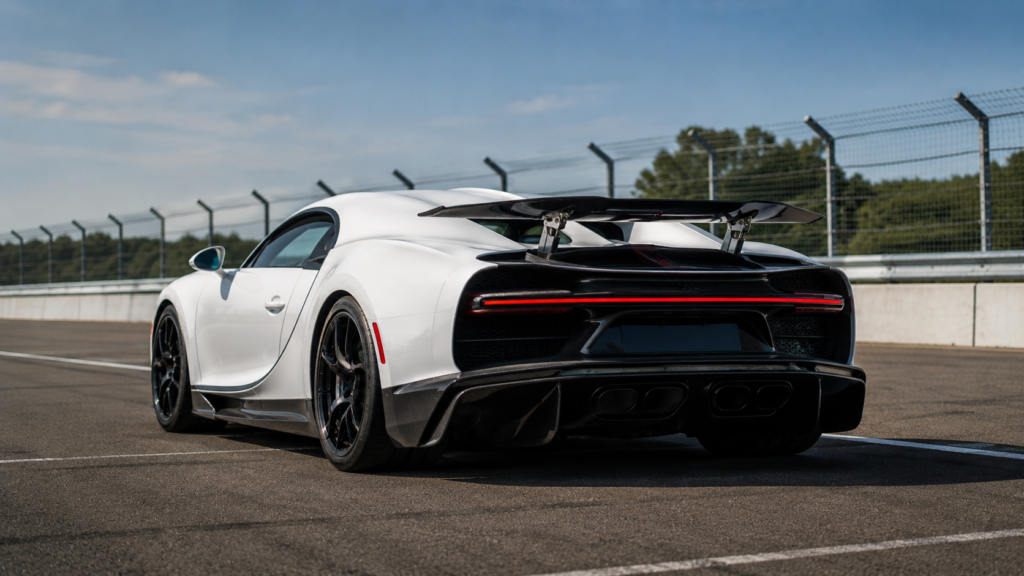
The sun is higher now. The track session is over. The Chiron is parked in the paddock, its tyres warm, its engine ticking as it cools.
The enthusiasts are still talking. They are discussing tyres, compounds, and technology. They are fascinated by the science.
The tyres are the limit. They are the reason the Chiron cannot exceed its electronically limited top speed on public roads. They are the reason drivers must manage their tyres in a race.
But they are also the solution. They connect the car to the road. They make the performance possible. They are the most critical component of a supercar’s performance.
That is the science of tyres. It is not about rubber. It is about engineering, physics, and the relentless pursuit of speed.

