

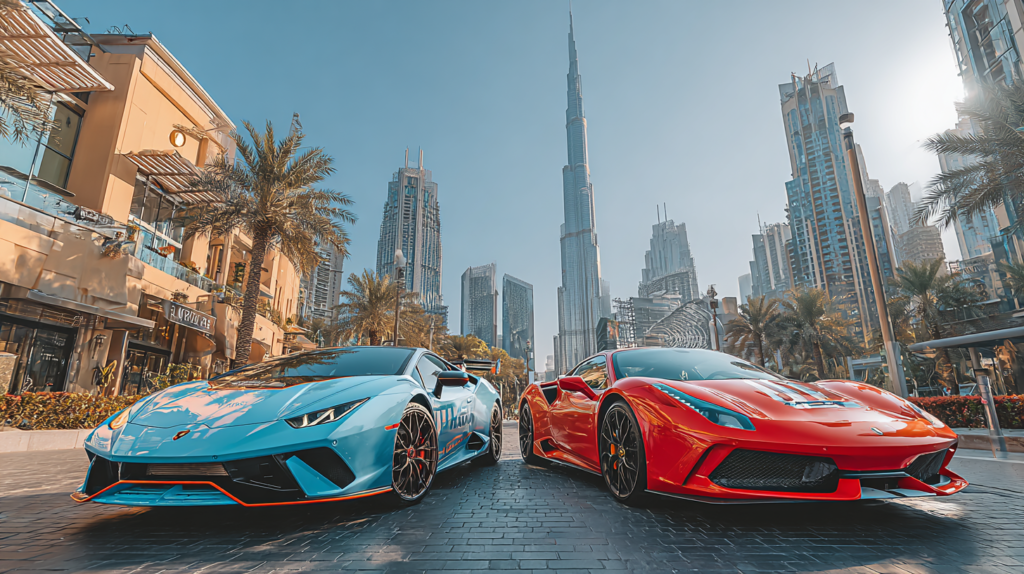
The Lamborghini Huracán STO and the Ferrari 488 Pista represent the pinnacle of their respective generations. Both are track-focused, road-legal specials. Both are designed to deliver lap times that rival dedicated race cars. Both are the final evolution of naturally aspirated V10 and V8 engines before their respective manufacturers moved toward hybrid powertrains.
The STO, which stands for Super Trofeo Omologata, is a road-legal version of Lamborghini’s one-make race car. The Pista, which means “track” in Italian, is the most hardcore version of the 488. Both cars are rare, expensive, and brutally fast. But they take very different approaches to the track day formula.
This article compares the Lamborghini Huracán STO and the Ferrari 488 Pista across performance, handling, design, driving experience, and value to determine which delivers the more rewarding experience when the road runs out.
The Contenders: Two Track Day Specials
Lamborghini Huracán STO: The Race Car for the Road
The Huracán STO is the most extreme version of the Huracán. It is based on the Super Trofeo Evo race car that competes in Lamborghini’s one-make series. The STO uses a 5.2 liter naturally aspirated V10 producing 631 horsepower. It is rear-wheel drive, a departure from the all-wheel-drive layout of standard Huracáns. The car features extensive aerodynamic elements, including a massive rear wing, a prominent front splitter, and functional fender vents.
Ferrari 488 Pista: The Evolution of a Champion
The 488 Pista is the track-focused version of the 488 GTB. It uses a 3.9 liter twin-turbocharged V8 producing 710 horsepower. Like the STO, it is rear-wheel drive. The Pista features extensive aerodynamic elements derived from Ferrari’s Formula 1 and GT racing programs. It is lighter than the standard 488, with carbon fiber components and a stripped interior.
Powertrain and Performance
Lamborghini Huracán STO: The Naturally Aspirated V10
The STO’s V10 is the defining feature of the car. It is one of the last naturally aspirated V10s in production. The engine produces a distinctive, high-pitched wail as the revs climb toward the 8,500 rpm redline.
- Displacement: 5.2 liters
- Configuration: Naturally aspirated V10
- Horsepower: 631 hp at 8,000 rpm
- Torque: 417 lb-ft at 6,500 rpm
- Transmission: 7-speed dual-clutch
- Drive: Rear-wheel drive
- 0-62 mph: 3.0 seconds
- Top Speed: 193 mph
- Weight: 1,339 kg dry
Ferrari 488 Pista: The Twin-Turbo V8
The Pista’s V8 is a development of the engine that powered the 488 GTB. It is one of the most powerful V8s ever fitted to a production Ferrari. The turbochargers are mounted in the hot vee configuration, reducing lag and improving throttle response.
- Displacement: 3.9 liters
- Configuration: Twin-turbo V8
- Horsepower: 710 hp at 8,000 rpm
- Torque: 567 lb-ft at 3,000 rpm
- Transmission: 7-speed dual-clutch
- Drive: Rear-wheel drive
- 0-62 mph: 2.85 seconds
- Top Speed: 211 mph
- Weight: 1,385 kg dry
Performance Verdict
The Ferrari has a significant power advantage. Its 710 horsepower is 79 more than the Lamborghini’s 631. The Pista is also quicker to 62 miles per hour, with a time of 2.85 seconds compared to the STO’s 3.0 seconds.
However, the Lamborghini is lighter. Its dry weight of 1,339 kilograms is 46 kilograms less than the Ferrari. The power-to-weight ratio of the Pista is approximately 1.95 horsepower per kilogram, while the STO’s is approximately 1.79 horsepower per kilogram. The Ferrari has a clear advantage, but the Lamborghini’s naturally aspirated character and lighter weight make it feel more responsive.
Chassis and Handling
Lamborghini Huracán STO: The Race Car Foundation
The STO is based on the Super Trofeo race car. The chassis is stiffened, and the suspension is revised for track use. The car features a rear-wheel-drive setup, which makes it more playful and adjustable than all-wheel-drive Huracáns.
The STO’s steering is quick and direct, with excellent feedback. The car rotates eagerly on corner entry, and the driver can adjust the cornering attitude with the throttle. The rear-wheel-drive layout requires skill to manage, but it rewards smooth, precise inputs.
Ferrari 488 Pista: The Evolution of the GTB
The Pista’s chassis is derived from the 488 GTB, with significant modifications for track use. The suspension is stiffer, the ride height is lower, and the rear-wheel-drive layout is retained. The car features Ferrari’s Side Slip Control system, which manages torque delivery and stability to allow the driver to control oversteer.
The Pista’s steering is precise and communicative. The car is stable and predictable at the limit, with a slight tendency toward understeer that builds driver confidence.
Handling Verdict
Both cars are exceptional. The Lamborghini is the more dramatic and engaging car to drive at the limit. Its rear-wheel-drive layout and naturally aspirated V10 make it feel alive and responsive. The Ferrari is the more precise and predictable car. Its power advantage and advanced electronics make it faster on most tracks.
The STO is for drivers who want to feel every input and manage the car’s behavior. The Pista is for drivers who want to focus on hitting apexes and maximizing lap times.
Aerodynamics
Lamborghini Huracán STO: Extreme Downforce
The STO’s aerodynamic package is derived from the Super Trofeo race car. The car features a massive fixed rear wing with three adjustable positions. The front splitter is large and aggressive, and the fenders are vented to reduce pressure buildup.
The STO generates approximately 800 pounds of downforce at 150 miles per hour. This is a significant figure for a road car.
Ferrari 488 Pista: Active Aero
The Pista features active aerodynamic elements derived from Ferrari’s Formula 1 program. The front splitter is adjustable, and the rear wing is active, deploying at speed to increase downforce.
The Pista generates approximately 440 pounds of downforce at 124 miles per hour. This is less than the STO’s figure, but the car’s lower drag and higher top speed make it faster on circuits with long straights.
Aerodynamics Verdict
The Lamborghini has the more aggressive aerodynamic package. The STO is designed for maximum downforce, even at the expense of top speed. The Ferrari is more balanced, with a focus on reducing drag as well as generating downforce.
Design and Styling
Lamborghini Huracán STO: Aggressive and Purposeful
The STO’s exterior design is dramatic and functional. The massive rear wing, prominent front splitter, and vented fenders give the car a race car appearance. The car is available in a range of colors, including the signature Arancio Borealis orange.
The interior is stripped back, with race seats, Alcantara upholstery, and minimal sound deadening. The car features a digital instrument cluster with a track mode that displays lap times and other performance data.
Ferrari 488 Pista: Elegant and Aggressive
The Pista’s exterior design is more refined than the STO’s. The aerodynamic elements are integrated into the bodywork, and the overall shape is smoother and more flowing. The car features a distinctive stripe that runs from the front bumper to the rear deck.
The interior is more luxurious than the STO’s, with leather and Alcantara upholstery and a digital instrument cluster.
Design Verdict
The Lamborghini is the more dramatic car. Its aggressive styling and race car appearance make it stand out in any setting. The Ferrari is the more elegant car, with a design that is both beautiful and functional.
Driving Experience
On the Road
Neither car is particularly comfortable on public roads. The STO’s suspension is extremely firm, transmitting every imperfection to the cabin. The ride is punishing on rough surfaces. The Pista is slightly more compliant, but it is still firm.
The Lamborghini’s V10 produces a high-pitched wail that is intoxicating. The Ferrari’s V8 produces a deeper, more muscular roar. Both sounds are thrilling, but the Lamborghini’s naturally aspirated character is more distinctive.
On the Track
When driven at the limit, both cars are exceptional. The STO rewards skilled drivers who can manage its rear-wheel-drive layout and naturally aspirated power delivery. The Pista is faster and more predictable, with a power advantage that makes it easier to set fast lap times.
The STO feels more alive. The steering is more direct, the chassis communicates more clearly, and the engine pulls to an 8,500 rpm redline. The Pista feels more clinical. It is faster, but it is less engaging.
Rarity and Value
Production Numbers
Lamborghini built approximately 2,000 units of the Huracán STO production run . Ferrari built approximately 3,500 units of the 488 Pista . The STO is rarer, and it is expected to hold its value better.
Pricing
The Lamborghini Huracán STO has a base price of approximately $330,000. The Ferrari 488 Pista has a base price of approximately $350,000 . The Ferrari is slightly more expensive, but both cars are in the same price range.
Collector Status
Both cars are destined to become collector items. The STO is the last naturally aspirated V10 Lamborghini before the Huracán was replaced by the Temerario hybrid . The Pista is one of the last twin-turbo V8 Ferraris before the brand moved to hybrid V6s . The STO is likely to appreciate more due to its rarity and its naturally aspirated engine .
Which One is Right for You?
Choose the Lamborghini Huracán STO if:
- You value the drama and engagement of a naturally aspirated V10 . The STO’s sound and character are unmatched.
- You want a car that feels like a race car on the road . The STO’s aggressive styling and stiff suspension are uncompromising.
- You are an experienced driver who wants to manage the car’s behavior at the limit . The STO rewards skill and punishes mistakes.
- You want a car that will appreciate in value . The STO’s rarity and naturally aspirated engine make it a collector’s item.
Choose the Ferrari 488 Pista if:
- You prioritize lap times and track performance . The Pista is faster and more predictable.
- You want a car that is easier to drive quickly . The Pista’s advanced electronics and power advantage make it more forgiving.
- You prefer a more refined and elegant design . The Pista’s styling is more integrated and flowing.
- You want a car with a more powerful and torquey engine . The Pista’s 710 horsepower is a clear advantage.
Specifications Summary
| Specification | Lamborghini Huracán STO | Ferrari 488 Pista |
|---|---|---|
| Engine | 5.2L naturally aspirated V10 | 3.9L twin-turbo V8 |
| Horsepower | 631 hp at 8,000 rpm | 710 hp at 8,000 rpm |
| Torque | 417 lb-ft at 6,500 rpm | 567 lb-ft at 3,000 rpm |
| Transmission | 7-speed dual-clutch | 7-speed dual-clutch |
| Drive | Rear-wheel drive | Rear-wheel drive |
| 0-62 mph | 3.0 seconds | 2.85 seconds |
| Top Speed | 193 mph | 211 mph |
| Downforce | 800 lb at 150 mph | 440 lb at 124 mph |
| Dry Weight | 1,339 kg | 1,385 kg |
| Production | Approximately 2,000 units | Approximately 3,500 units |
| Base Price | $330,000 | $350,000 |
Conclusion
The Lamborghini Huracán STO and the Ferrari 488 Pista are two of the greatest track-focused road cars ever built. They represent the final evolution of naturally aspirated V10 and twin-turbo V8 engines before the industry moved toward hybrids .
The STO is the more dramatic and engaging car. Its naturally aspirated V10, rear-wheel-drive layout, and race-derived aerodynamics make it feel alive and responsive. The car rewards skilled drivers who are willing to manage its behavior at the limit. It is a car for purists.
The Pista is the faster and more predictable car. Its power advantage and advanced electronics make it easier to drive quickly. The car is more refined and more comfortable, but it is less engaging than the Lamborghini . It is a car for drivers who prioritize lap times over raw emotion.
Which is the better track day king? The answer depends on what you value most. If you want the most dramatic and engaging driving experience, the Lamborghini Huracán STO is the clear choice. If you want the fastest lap times and a more refined package, the Ferrari 488 Pista is the better option.
Both are exceptional. Both will be remembered as legends. And both prove that the analog supercar is far from dead.

