
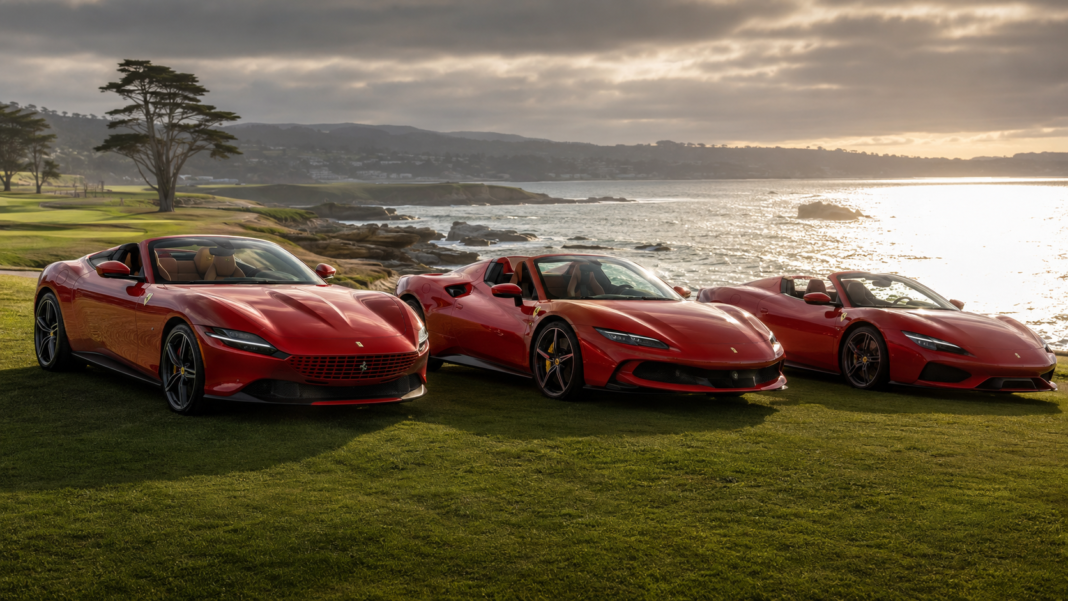
The Pacific Ocean sparkles below the 18th fairway of the Pebble Beach Golf Links. On the lawn, a line of red Ferraris stretches toward the horizon. Owners in sport coats and driving shoes stand beside their cars. They are not racers. They are collectors. They are enthusiasts. They are people who spent a year’s salary on a machine they rarely drive above the speed limit.
The supercar is an object of desire. It is expensive, impractical, and often uncomfortable. Yet demand exceeds supply. Waitlists are years long. Resale values are astronomical.
Why do we buy them? The answer goes beyond performance and design. This article explores the psychological and social drivers behind the decision to spend $200,000 or more on a car you can rarely use to its full potential.
The Location: Pebble Beach Concours d’Elegance, California
Pebble Beach is the pinnacle of car culture. The cars on the lawn are worth more than the mansions behind them. The owners are not typical. They are the one percent of the one percent.
But the psychology that drives them is not unique. It is the same psychology that drives a young professional to buy a used Porsche Boxster or a retiree to restore a classic Mustang. The scale is different. The underlying motivations are the same.
The Signaling Theory: Status and Identity
One of the most powerful drivers of supercar ownership is signaling. A supercar signals wealth, taste, and success. It tells the world that you have arrived.
But the signal is more complex than simple ostentation. A Ferrari signals something different from a Lamborghini. A vintage Porsche signals something different from a new McLaren. The choice of car is a statement about who you are and who you want to be perceived as.
For some owners, the car is a badge of honor. It is proof that they have succeeded in a competitive field. For others, it is an expression of individuality. It sets them apart from the crowd.
The signaling is not always conscious. Many owners genuinely love their cars. But the social dimension is always present.
The Peak End Rule: Memory and Emotion
The peak end rule is a psychological principle that describes how people remember experiences. We judge an experience not by its entirety but by its most intense moment and its ending.
Supercar ownership is built on peak moments. The first time you press the start button. The first time you hear the engine at full throttle. The first time you take the car on a mountain road.
These moments are intense. They create powerful memories. They justify the expense.
The mundane moments, the traffic jams, the parking anxieties, the maintenance bills, are forgotten. The peak moments endure.
The Scarcity Effect: The Allure of the Unattainable
Supercars are scarce. Manufacturers limit production. Allocations are hard to secure. Waitlists are long.
Scarcity increases desire. A car that is easy to buy is less desirable. A car that requires effort, connections, and patience is more valuable.
The scarcity effect is amplified by social comparison. Seeing others with a car you cannot have makes you want it more. The flippers and speculators exploit this dynamic.
For many owners, the process of acquiring the car is part of the pleasure. Building a relationship with a dealer. Waiting for the allocation. Specifying the options. The anticipation is a reward in itself.
The Committed Buyer Effect: Justifying the Expense
Once you have spent a large sum on a car, you are motivated to justify that expense to yourself and others. This is known as cognitive dissonance reduction.
You focus on the positive aspects of the car. You minimize the negatives. You seek out information that confirms your decision.
This is why supercar owners are often so passionate about their brands. They are not just defending a car. They are defending themselves.
The Flow State: The Joy of Driving
A supercar is a tool for achieving flow state. Flow is a psychological state of complete absorption in an activity. It is characterized by intense focus, loss of self consciousness, and a distorted sense of time.
Driving a supercar on a winding road can induce flow. The car demands your full attention. There is no room for distraction. The world narrows to the road, the steering wheel, and the engine.
This is why owners drive their cars even when they cannot use the full performance. The experience is not about speed. It is about focus and engagement.
The Pebble Beach Conversation: An Owner’s Perspective
A man in his 60s is standing next to his Ferrari 250 GT. He has owned the car for 30 years. He has driven it across Europe and the United States.
“Why do I own it?” he repeats the question. “Because it makes me feel alive.”
He is not talking about speed. He is talking about the sound, the feel, the connection to history.
“When I drive this car, I am not thinking about work or the stock market or my health. I am thinking about the next corner. That is worth a lot of money.”
The Community Factor: Belonging
Supercar ownership is isolating in some ways. The car sets you apart. But it also creates community.
Owners join clubs. They attend rallies. They meet at cars and coffee. They share a common language and a common passion.
This community is a powerful motivator. It provides validation, friendship, and support. For some owners, the community is more important than the car itself.
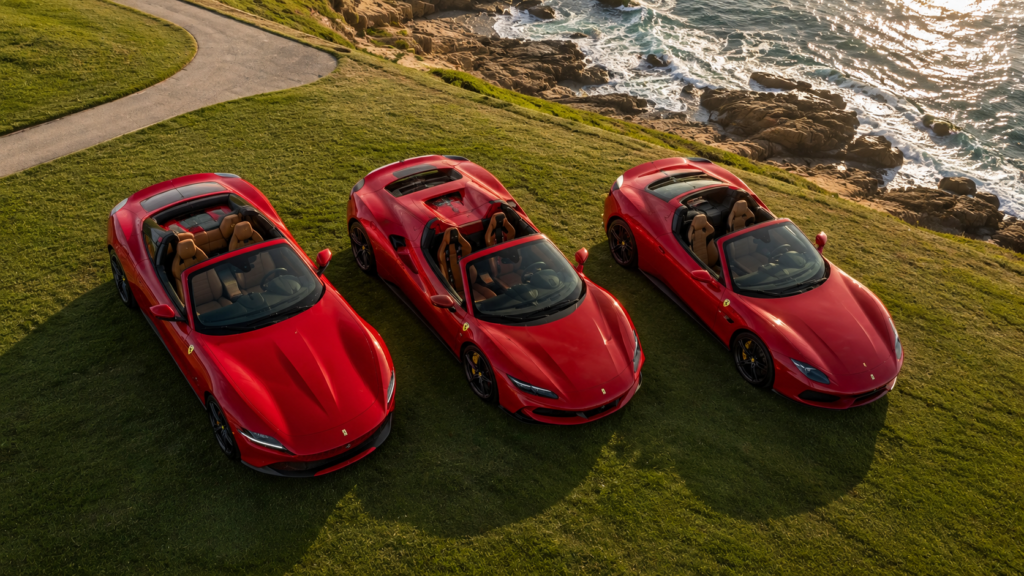
The Pebble Beach Sunset
The sun is setting over the Pacific. The Ferraris are being loaded onto transport trucks. The owners are saying goodbye.
They will see each other at the next event. They will drive their cars again. They will feel the peak moments.
The Verdict: Beyond Rationality
Supercar ownership is not rational. No one needs a 700 horsepower car to commute to work. No one needs a $300,000 car to drive on public roads.
But human behavior is not always rational. We are driven by emotion, status, identity, and community.
The supercar is a vehicle for these drivers. It is a symbol, a tool, and a source of joy.
For the owners at Pebble Beach, the car is worth the money. The experience is priceless.
Key Takeaways
- Signaling theory explains how supercars communicate status, taste, and identity.
- The peak end rule means owners remember intense positive moments and forget mundane difficulties.
- Scarcity increases desire, making the acquisition process part of the pleasure.
- Cognitive dissonance reduction leads owners to focus on positives and justify their expense.
- Flow state describes the intense focus and engagement of driving a supercar on a winding road.
- Community provides validation, friendship, and support.
Conclusion
The supercar is not a rational purchase. It is an emotional one. It is a signal of status and identity. It is a tool for achieving flow. It is a gateway to community.
The owners at Pebble Beach understand this. They are not buying transportation. They are buying experiences, memories, and feelings.
The sun has set. The cars are gone. The owners are satisfied.
They will drive again tomorrow. They will feel the peak moments. They will remember why they bought the car.
That is the psychology of supercar ownership. It is not about the car. It is about the feeling.

