
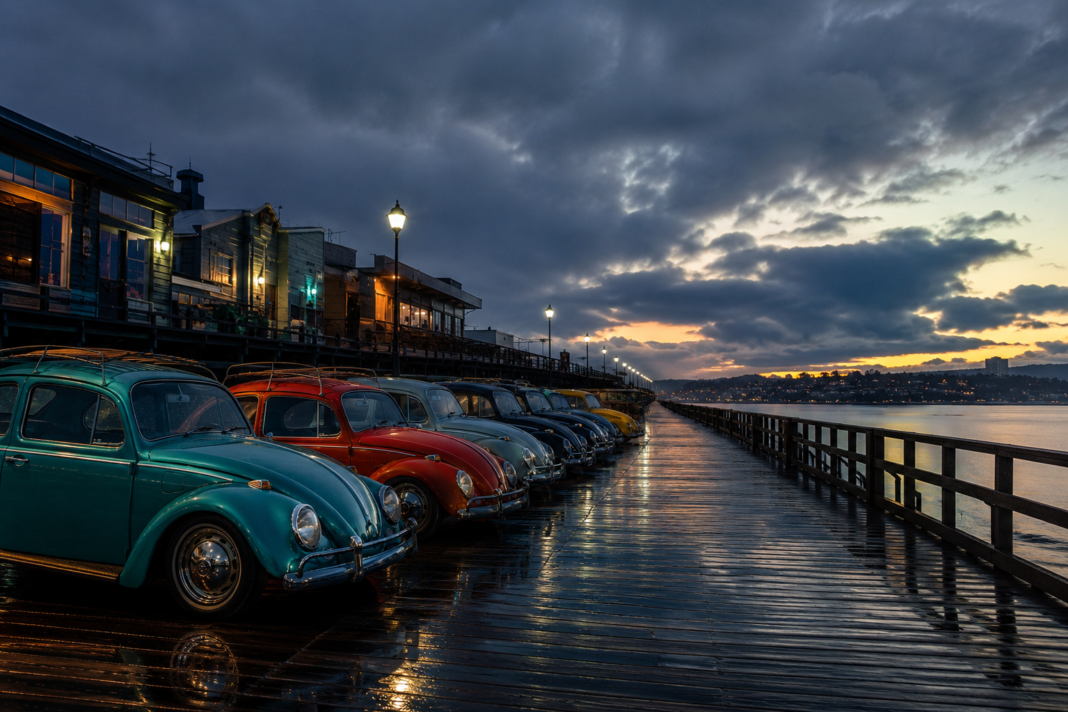
The fog is rolling in over the Monterey Bay, and the Santa Cruz Municipal Wharf is quiet. On a summer evening a few years ago, this same spot was chaos. Hundreds of cars had gathered for an unsanctioned meet. The crowd spilled onto the road. Drivers did burnouts. Spectators climbed on light poles. Police arrived. The meet ended in arrests, towed cars, and a city council vote that banned future gatherings.
The Santa Cruz incident was not the first. It was not the last. But it was part of a wave of events that forced organizers, cities, and the car community to reckon with how meets are run. This article examines the incidents that changed the rules and the lasting impact on car culture.
The Location: Santa Cruz Municipal Wharf, California
The Santa Cruz Wharf is a tourist destination, known for its sea lions, its restaurants, and its views of the bay. It is not a place for drag racing. But on one night in 2021, it became a symbol of a problem that had been building for years.
A meet organized on social media drew a crowd that overwhelmed the area. The crowd blocked traffic. Drivers performed dangerous stunts. Police responded with helicopters, roadblocks, and arrests. The backlash was swift. The city banned future meets. The community lost a gathering spot.
The Early Days: From Underground to Overground
Car meets have always existed. In the 1950s, drag racers gathered on empty streets. In the 1960s and 1970s, muscle car owners met at drive ins. In the 1980s and 1990s, import tuners took over industrial parks.
These meets were often tolerated by police as long as they did not cause problems. The culture was niche. The crowds were manageable. The risks were understood.
The Social Media Acceleration
The rise of social media changed everything. Instagram, TikTok, and Facebook made it easy to organize large gatherings quickly. A post could attract hundreds or thousands of people within hours.
The new crowd was not necessarily part of the established car community. They came for the spectacle. They came to film content. They came to show off.
This new dynamic led to larger, more chaotic meets. Organizers lost control. Police were caught off guard.
The Incidents That Changed the Rules
Several high profile incidents forced a reckoning.
Santa Cruz, 2021
The Santa Cruz meet drew hundreds of cars to the wharf area. The crowd blocked Pacific Avenue. Drivers did burnouts and donuts. Spectators climbed on light poles and threw objects at police. The result was arrests, towed vehicles, and a citywide ban on unsanctioned gatherings.
Los Angeles, 2022
A meet in the South Bay area drew over 1,000 cars. The crowd blocked an intersection near the 405 freeway. A driver lost control and crashed into a crowd. Several spectators were injured. Police impounded dozens of cars. The city increased penalties for street takeovers.
Chicago, 2022
A meet in the West Loop drew a large crowd. Drivers performed stunts on city streets. A pedestrian was struck and seriously injured. The mayor announced a crackdown. The police department created a task force dedicated to stopping street takeovers.
Houston, 2023
A meet at a shopping center parking lot turned violent. Shots were fired. Two people were injured. The property owner permanently banned car meets. Other property owners followed suit.
These incidents were not isolated. Similar events occurred in Atlanta, Philadelphia, Phoenix, and other cities.
The Fallout: Bans, Crackdowns, and New Rules
In response to these incidents, cities and property owners changed the rules.
City Bans
Several cities passed ordinances banning unsanctioned car meets. The penalties included fines, vehicle impoundment, and even jail time. The laws were designed to deter organizers and participants.
Property Owner Restrictions
Shopping centers, industrial parks, and other private properties began posting no loitering signs. Security guards were hired. Gates were installed. The days of parking lot meets were ending.
Permit Requirements
Some cities created legal pathways for car meets. Organizers could apply for permits, pay fees, and hire security. The process was bureaucratic, but it allowed meets to continue legally.
The Community Response: Self Regulation
The car community responded in several ways.
Organized Events
Established car clubs began organizing ticketed events at racetracks and fairgrounds. These events had security, insurance, and rules. They were safe but not free.
Cars & Coffee Culture
The Cars & Coffee format proved resilient. These early morning meets were less likely to attract troublemakers. The focus was on the cars, not on stunts.
Social Media Accountability
Enthusiasts began calling out dangerous behavior online. Videos of reckless driving were shared not as entertainment but as warnings. The community self-policed.
The Santa Cruz Evening: A Conversation with a Local Enthusiast
The fog is thicker now. A man in his 30s is standing near the wharf, looking at the empty parking lot. He used to attend meets here.
“It was fun,” he says. “It was a place to see cars you would never see otherwise. But then the crowd changed. It was not about the cars anymore. It was about going viral.”
He is not angry at the police or the city. He is disappointed in the people who ruined it.
“I get why they banned it. It was out of control. I just wish it had not come to that.”
The Future of Car Meets
The future of car meets is uncertain. The old model of unorganized, public gatherings is dying. Cities are cracking down. Property owners are locking up.
But the demand for car culture is not dying. Enthusiasts are adapting. They are moving to paid events, private tracks, and early morning gatherings.
The Cars & Coffee format has proven resilient. These meets are low key, well behaved, and focused on the cars. They are not immune to problems, but they are less likely to attract chaos.
The Santa Cruz Verdict
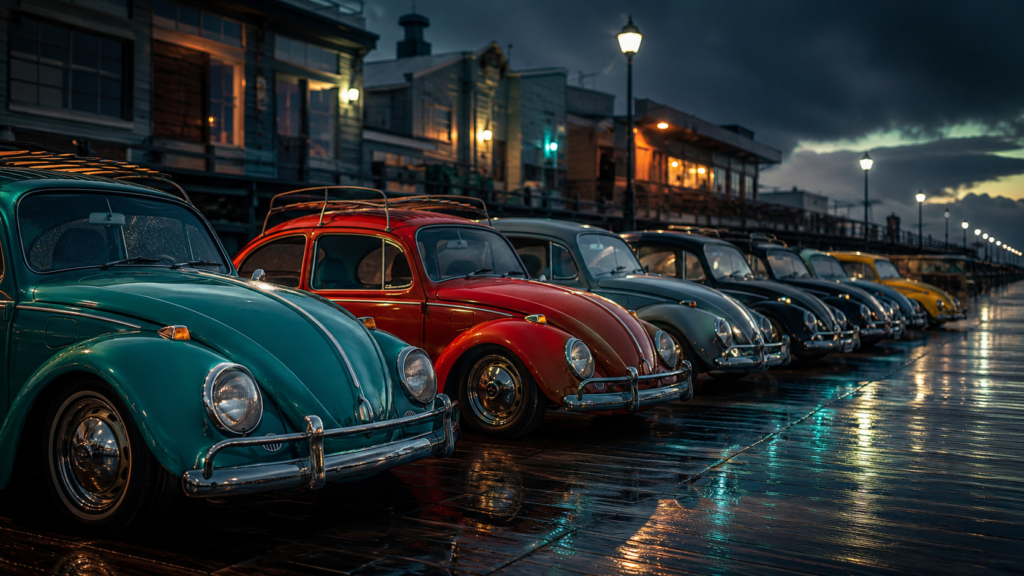
The Santa Cruz wharf is quiet now. The fog has swallowed the bay. The cars are gone. The meets are banned.
The incidents at Santa Cruz and elsewhere changed the rules. Unsanctioned meets are no longer tolerated. The consequences are real. Fines, impoundment, jail time.
The car community is adapting. The reckless drivers are being pushed out. The enthusiasts who care about the culture are finding new ways to gather.
The wharf may never see another car meet. But the passion for cars has not died. It has simply moved.
Key Takeaways
- Social media accelerated the growth of large, chaotic car meets that overwhelmed local resources.
- High profile incidents in Santa Cruz, Los Angeles, Chicago, and Houston led to city bans, property owner restrictions, and increased police enforcement.
- Cities have passed ordinances with fines, vehicle impoundment, and jail time for participants in unsanctioned meets.
- The car community has responded with self regulation, organized ticketed events, and a renewed focus on Cars & Coffee style gatherings.
- The future of car meets lies in private property, permits, and respectful behavior.
Conclusion
The Santa Cruz wharf is empty. The fog is cold. The memory of the chaos lingers.
The incidents that changed the rules were not isolated. They were symptoms of a larger problem. The car community grew too fast. The organizers lost control. The participants acted recklessly.
The backlash was predictable. The consequences were severe.
But car culture is resilient. The enthusiasts who love the cars are finding new ways to gather. They are paying for permits. They are renting tracks. They are meeting at coffee shops on Saturday mornings.
The reckless days are over. The era of accountability has begun.
The wharf may never see another burnout. But the passion for cars has not died. It has just learned to behave.

