
Home Blog Page 11

Carbon Fiber in Supercars: Why It Costs More Than Your House – A Morning at the Pittsburgh International Airport

0

The morning light is filtering through the terminal windows at Pittsburgh International Airport. A convoy of trucks is parked on the tarmac, unloading crates marked “Fragile” in multiple languages. Inside one of the crates is a carbon fiber monocoque, the structural backbone of a hypercar destined for a collector in Sewickley. The chassis weighs less than 100 kilograms, but its value exceeds that of many homes in the surrounding neighborhoods.

Carbon fiber monocoques are now standard in supercars. They provide exceptional rigidity, superior crash protection, and significant weight savings. But they also carry a price tag that can exceed $700,000 for a single component. This article explains how carbon fiber is made, why it costs so much, and how manufacturers justify the expense.

The Location: Pittsburgh International Airport, Pennsylvania

Pittsburgh International Airport is not a typical car factory. But it is a hub for logistics, and the cargo facilities handle components from around the world. The carbon fiber monocoque arriving on the tarmac was manufactured in Italy, shipped across the Atlantic, and trucked to its final destination. The journey reflects the global nature of supercar production.

What Is a Carbon Fiber Monocoque?

A monocoque is a structural shell that combines the chassis and the body into a single unit. In carbon fiber monocoques, the shell is made from carbon fiber reinforced polymer, a composite material that is exceptionally strong and light. The material is five times stronger than steel and significantly lighter.

The monocoque serves multiple functions. It provides the structural integrity of the car. It protects the occupants in a crash. It serves as the mounting point for the suspension, engine, and transmission. It is the foundation upon which the rest of the car is built.

The Manufacturing Process

Carbon fiber monocoques are not stamped out of sheet metal. They are handcrafted, layer by layer, in a process that is both labor intensive and technically demanding.

The Raw Material

The process begins with polyacrylonitrile (PAN), a precursor material that accounts for a significant portion of the finished carbon fiber cost. The PAN is spun into fibers, which are then heated to high temperatures in a process called carbonization. The result is carbon fiber, a material with exceptional strength to weight ratio.

The Layup

The carbon fiber is woven into fabric. The fabric is then cut into precise shapes and layered into a mold. The number of layers, the orientation of the fibers, and the type of weave all affect the final properties of the component. This process is done by hand, requiring skilled technicians who have years of experience.

The Cure

The layered fabric is impregnated with a resin and placed in an autoclave, a large oven that applies heat and pressure. The autoclave cures the resin, bonding the layers together into a rigid structure. The autoclave process is slow and energy intensive, which adds to the cost.

Why It Costs So Much

The cost of a carbon fiber monocoque is driven by several factors.

Material Cost

The raw carbon fiber is expensive. Aerospace grade material commands a significant price premium compared to steel or aluminum. The cost is driven by the energy intensive production process and the specialized supply chain.

Labor Intensity

The layup process is labor intensive. It takes hundreds of hours to lay up a single monocoque. The technicians must be highly skilled. The quality of the layup directly affects the structural integrity of the finished component.

Autoclave Time

The autoclave process is slow. A single cure cycle can take many hours. The autoclave itself is expensive to purchase and operate. The energy costs are significant.

Tooling and Development

The molds for carbon fiber monocoques are expensive to design and manufacture. They must be precise to within fractions of a millimeter. The development process involves extensive testing and refinement.

Quality Control

Every monocoque is inspected for defects. Ultrasound and X-ray techniques are used to detect voids, delamination, and other imperfections. Monocoques that do not meet the quality standards are rejected.

How Manufacturers Justify the Cost

The cost of a carbon fiber monocoque is substantial, but manufacturers justify it through several arguments.

Weight Savings

The most significant benefit of carbon fiber is weight savings. A carbon fiber monocoque can weigh less than 100 kilograms, compared to several hundred kilograms for a steel or aluminum chassis. The weight savings improve acceleration, braking, and handling.

Structural Rigidity

Carbon fiber monocoques are exceptionally rigid. The rigidity improves suspension performance and steering response. The car feels more precise and more connected to the road.

Crash Protection

Carbon fiber monocoques absorb energy effectively in a crash. The material is strong and lightweight, providing excellent occupant protection. The monocoque also contributes to the overall safety of the car.

Exclusivity and Performance

The use of carbon fiber is a mark of exclusivity. It signals that the car is built to the highest standards of performance and engineering. The cost is justified by the performance and the exclusivity.

The Pittsburgh Morning: A Conversation with a Collector

The monocoque has been unloaded from the crate. It is being inspected by a specialist. The collector who commissioned it is watching the inspection. He is a retired executive who has owned several supercars.

“Why carbon fiber?” he asks. “Because it is the best. It is lighter, stronger, and safer. It is worth the money.”

He points to the monocoque. “That piece is the heart of the car. Everything else attaches to it. You do not compromise on the heart.”

The Cost vs. Value Debate

The cost of a carbon fiber monocoque is not just about materials and labor. It is about performance, exclusivity, and engineering excellence. The buyers are not buying a chassis. They are buying a foundation for the ultimate driving experience.

The cost is high. The value is subjective. For some, it is worth it. For others, it is not.

The Verdict

Carbon fiber monocoques are expensive because they are difficult to make and they offer significant performance advantages. The material is expensive. The labor is intensive. The process is slow. The quality control is demanding.

The cost is justified by the performance benefits. Weight savings, structural rigidity, and crash protection are all improved by carbon fiber. The exclusivity of the material also adds value.

The collector in Pittsburgh is satisfied. He has the best. He paid for the best. He will drive his car and enjoy it.

Key Takeaways

  • Carbon fiber monocoques are made from PAN precursor material that is heated and carbonized.
  • The layup process is labor intensive and requires skilled technicians.
  • The autoclave process is slow and energy intensive.
  • Material cost, labor intensity, autoclave time, tooling, and quality control all contribute to the high price.
  • Manufacturers justify the cost through weight savings, structural rigidity, crash protection, and exclusivity.

Conclusion

The sun is higher now. The monocoque has been loaded onto a truck for delivery. It will be fitted with suspension, engine, and bodywork. It will become a car.

The collector is satisfied. He has what he wanted. The best.

The cost of carbon fiber is high. The value is in the performance, the engineering, and the exclusivity. For those who can afford it, it is worth it.

The truck drives away. The monocoque is on its way. The journey from raw material to finished car continues. The cost is justified by the result.
How Bugatti Makes a 1,500HP Engine Reliable Enough for the Road – A Morning at the Pittsburgh International Race Complex

0

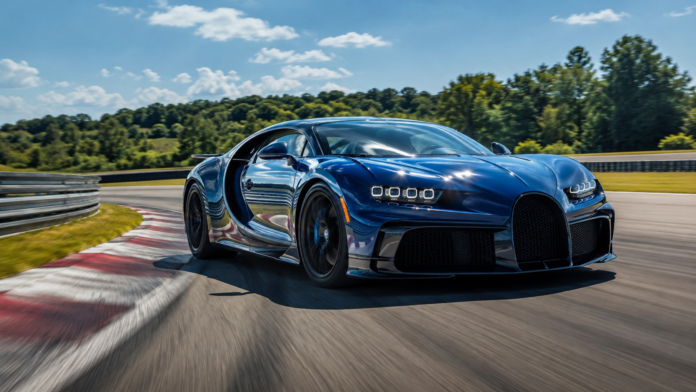
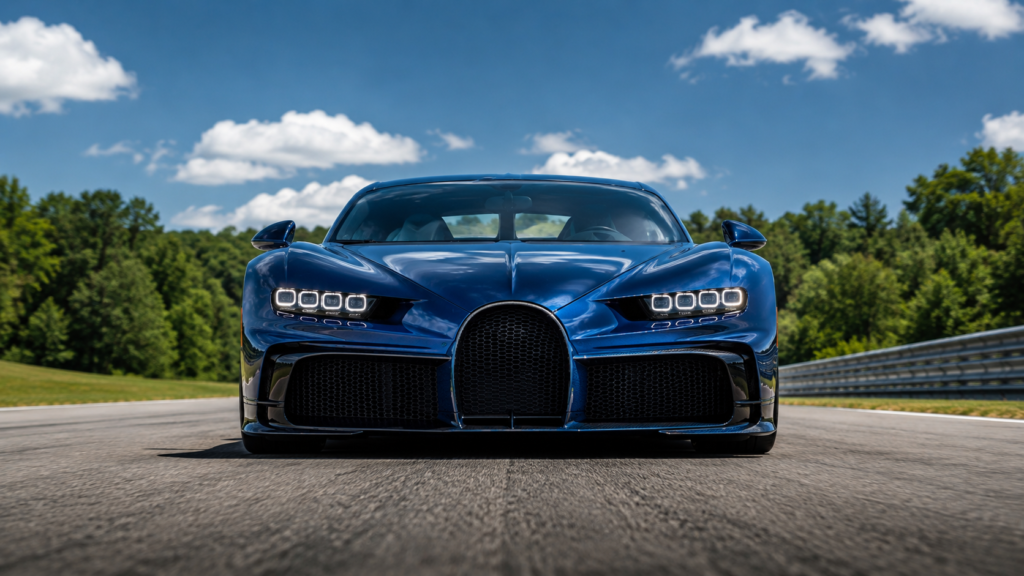
The sun is just beginning to warm the asphalt at the Pittsburgh International Race Complex in Wampum, Pennsylvania. The track is quiet, but a Bugatti Chiron is waiting in the paddock. Its 8.0 liter quad turbo W16 engine is cold, but it will start without drama. It will idle smoothly. It will accelerate to 200 miles per hour without missing a beat. And it will do this for years, for tens of thousands of miles, without catastrophic failure.

Making 1,500 horsepower is difficult. Making 1,500 horsepower reliable enough for a decade of road use is an engineering miracle. Bugatti achieved this through a combination of groundbreaking design, exhaustive testing, and obsessive quality control. This article explains how.

The Location: Pittsburgh International Race Complex, Wampum, Pennsylvania

The Pittsburgh International Race Complex is a 2.8 mile road course that hosts track days, club races, and high performance driving events. It is not a Bugatti test track. But it is a place where the limits of cars are explored. The Chiron sitting in the paddock is a reminder that even the most extreme hypercars are built to be driven, not just displayed.

The W16 Engine: A Brief Overview

The W16 engine that powers the Bugatti Veyron and Chiron is a masterpiece of engineering. It is essentially two narrow angle V8 engines mated at a 90 degree angle on a common crankshaft. The result is a compact 8.0 liter engine with four turbochargers, producing between 1,001 and 1,600 horsepower depending on the variant.

The W16 is not a simple engine. It has thousands of individual parts. It takes multiple days for a team of specialists to assemble one. It is hand built before being shipped to Molsheim for final installation.

But power is not enough. The engine must survive.

The Engineering Challenges

Heat Management

An engine producing 1,500 horsepower generates enormous heat. Bugatti fitted the W16 with an extensive cooling system to manage thermal loads. The cooling system is as complex as the engine itself, with dedicated circuits for the engine, turbochargers, transmission, and differential. Without this thermal management, the engine would destroy itself within minutes of full throttle operation.

Turbocharger Response

Four turbochargers produce immense power, but they can also produce lag. Bugatti solved this with a carefully calibrated turbocharging system that manages boost pressure across the rev range. The system ensures that power delivery is smooth and predictable, reducing stress on internal components.

Mechanical Stress

The forces inside a 1,500 horsepower engine are extreme. The connecting rods, pistons, and crankshaft must withstand forces that would shatter conventional components. Bugatti uses specially forged materials and precise manufacturing tolerances to ensure durability. Every component is designed to handle stresses far beyond what the engine will ever see in normal use.

Fuel Delivery

A 1,500 horsepower engine consumes fuel at an astonishing rate. At full throttle, the Chiron’s engine can drain its 100 liter fuel tank in less than 15 minutes. The fuel delivery system must supply fuel at high pressure and flow rates without interruption. Bugatti uses a sophisticated direct injection system that precisely meters fuel to each cylinder.

The Testing Regimen

Before the first Chiron was delivered, Bugatti subjected the W16 engine to exhaustive testing. The engine was run at full throttle for hours at a time. It was tested in extreme heat and extreme cold. It was tested at high altitude and at sea level.

The testing regimen was brutal. Engines that failed were taken apart. The failures were analyzed. The components were redesigned. The process was repeated until the engine met Bugatti’s durability standards.

The result is an engine that can run at full power for extended periods without failure. The Chiron’s engine is not fragile. It is robust.

The Quality Control

Every W16 engine is built by hand. The assemblers are highly trained specialists who spend years learning the intricacies of the engine. The assembly process is documented and verified at every step.

After assembly, each engine is run on a test stand. It is brought up to temperature. It is run at various speeds and loads. It is inspected for leaks, vibrations, and unusual noises. Engines that do not pass the test are rebuilt.

The Real World Reliability

The proof of the engineering is in the real world. Chiron owners drive their cars. They drive them hard. They drive them on track days. They drive them on cross country road trips.

The W16 engine has proven remarkably reliable. There are Chirons with over 50,000 miles on the original engine. There are Chirons that have been driven at over 250 miles per hour multiple times.

The reliability is not accidental. It is the result of obsessive engineering, exhaustive testing, and uncompromising quality control.

The Pittsburgh Morning: A Track Day Conversation

The Chiron is on track now. The driver is not pushing the car to its limit. He is warming up the tires, learning the track, feeling the brakes.

A group of enthusiasts is watching from the paddock. They are not Bugatti owners. They are owners of Porsches, BMWs, and Corvettes. They are impressed by the Chiron’s presence.

One of them asks about the reliability. “Does it break down a lot?” he asks.

The owner of the Chiron smiles. “No,” he says. “It is a Bugatti. It is built to be driven.11

The Maintenance Reality

A 1,500 horsepower engine is not cheap to maintain. The Chiron’s service costs are substantial. An oil change costs thousands of dollars. A set of tires costs tens of thousands of dollars. The annual service is a significant expense.

But the engine itself does not need frequent rebuilds. It does not need special treatment. It just needs regular oil changes and inspections.

The reliability comes at a cost. But it also comes with peace of mind.

The Verdict

Bugatti solved the reliability problem through a combination of innovative engineering, exhaustive testing, and obsessive quality control. The W16 engine is not fragile. It is robust. It can handle 1,500 horsepower for years.

The Chiron owner drives his car. He does not worry about the engine. He knows it is built to last.

Key Takeaways

  • The W16 engine is a compact 8.0 liter quad turbo design that produces between 1,001 and 1,600 horsepower.
  • The engineering challenges include heat management, turbocharger response, mechanical stress, and fuel delivery.
  • Bugatti used an extensive cooling system with dedicated circuits for different components.
  • The testing regimen was brutal, with engines run at full power for hours and tested in extreme conditions.
  • Every engine is hand built and tested before installation.
  • Real world reliability has proven excellent, with some Chirons exceeding 50,000 miles.

Conclusion

The sun is higher now. The Chiron is back in the paddock. The engine is ticking as it cools. The driver is smiling.

He did not break the car. He drove it. He pushed it. It responded.

The W16 engine is not a fragile flower. It is a robust machine. It is built to be driven.

That is the engineering miracle of the Bugatti engine. It produces absurd power. It is reliable. It is durable. It is a masterpiece.

How Supercar Colors Became a Status Signal – A Sunday at the Pittsburgh Strip District

0

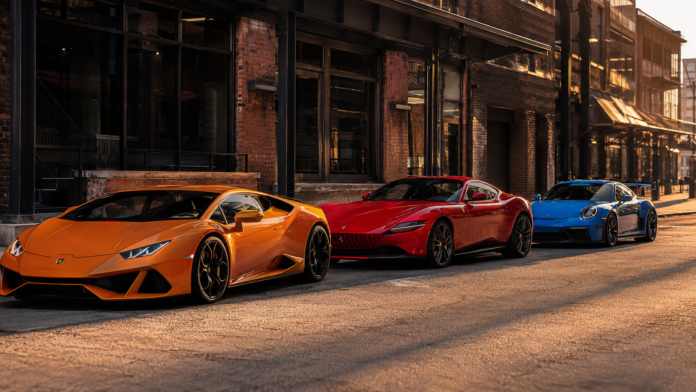
The morning sun is just beginning to warm the cobblestones of the Strip District in Pittsburgh, Pennsylvania. The smell of espresso and fresh bread drifts from outdoor cafes. But the real attraction is parked along Smallman Street. A row of supercars has gathered for an unofficial meet. There is a Lamborghini Huracán in Arancio Borealis, a vivid orange that seems to glow. A Ferrari Roma in Rosso Corsa, the classic red of Maranello. A Porsche 911 GT3 in Shark Blue, a color that looks flat in the shade but electric in the sun. An Audi R8 in a matte silver that absorbs light rather than reflecting it.

These are not accidental choices. The owners have spent hours, and in some cases thousands of dollars, selecting these colors. In the exotic car world, paint has become a language. Blu Nethuns, Arancio Borealis, Rosso Corsa these names carry meaning. They signal status, taste, and belonging.

This article tells the story of how supercar colors became a status signal, from the early days of red Ferraris to the explosion of personalization in the modern era.

The Location: The Strip District, Pittsburgh

The Strip District is a neighborhood of contrasts. By day, it is a bustling market district with Italian grocers, fish markets, and coffee shops. By early morning on a weekend, it is an unofficial gathering spot for car enthusiasts. The supercars park alongside pickup trucks and delivery vans. The owners talk engines, suspension, and of course, color.

Pittsburgh is not Monaco. It is a working city of steel and bridges. But the passion for cars is the same. The colors on display are a language that transcends geography.

The Early Days: Red for Ferrari, Yellow for Lamborghini

In the early days of the supercar, color choices were limited. Ferrari race cars were red because that was the international color assigned to Italy. Lamborghini chose yellow as its signature, a bright, sunny hue that contrasted with Ferrari’s deep red.

These colors became brands. A red Ferrari was immediately recognizable. A yellow Lamborghini was unmistakable. Owners who chose these colors were signaling their allegiance to the brand and its heritage.

The colors were not just aesthetic. They were historical. They connected the owner to the racing glory of the past.

The Rise of Personalization

In the 1990s and 2000s, manufacturers began offering more color options. Ferrari introduced the Tailor Made program. Lamborghini launched Ad Personam. Porsche created Paint to Sample.

These programs allowed buyers to choose from hundreds of colors, including historic shades and custom mixes. The options were expensive. A Paint to Sample Porsche could cost an additional $10,000 or more.

The rise of personalization changed the meaning of color. A standard Rosso Corsa Ferrari was now seen as conservative. A Blu Nethuns Ferrari, a deep, metallic blue, signaled that the owner had taken the time to spec the car themselves. It signaled sophistication and taste.

The Naming of Colors

The names of supercar colors are as important as the colors themselves. They are poetic, evocative, and sometimes absurd.

Blu Nethuns is named after the Etruscan god of water. Arancio Borealis is named for the northern lights. Rosso Corsa means racing red. Verde Draco is dragon green.

These names add to the mystique. They transform a simple paint job into a story. The owner who chooses Verde Draco is not just choosing green. They are choosing dragons, mythology, and Italian heritage.

The names also serve as a barrier to entry. A person who does not know the difference between Blu Nethuns and Blu Mirabeau is not part of the club. The language separates the initiated from the uninitiated.

The Pittsburgh Conversation: A Local Owner’s Perspective

A man in his 40s is standing next to his Lamborghini Huracán in Arancio Borealis. He is a surgeon. He has owned the car for two years.

“I wanted something that stood out,” he says. “Black, white, gray those are safe colors. They blend in. I did not want to blend in.”

He considered other colors. He thought about Verde Mantis, a bright green. He thought about Blu Cepheus, a metallic blue.

“In the end, I chose Arancio Borealis because it is loud. It is happy. It makes me smile.”

He points to a gray Audi R8 across the street. “That owner made a different choice. His car is subtle. It is elegant. It is a different statement.”

The Resale Value Factor

Color affects resale value. Some colors are more desirable than others.

Resale value varies by brand and market. In general, safe colors like black, white, and gray are easier to sell. They appeal to a broader audience.

But limited edition colors can also command a premium. A Porsche 911 GT3 in Paint to Sample Mexico Blue might sell for more than an identical car in standard white. The rarity of the color adds value.

Owners who spec their cars are balancing personal preference against future resale. Some accept the depreciation. Others choose safe colors to protect their investment.

The Social Media Effect

Social media has amplified the importance of color. A car that photographs well is more likely to be featured on Instagram, YouTube, and TikTok.

Bright, saturated colors look good in photos. They pop against a gray sky or a green backdrop. Matte finishes look dramatic. Metallics catch the light.

Creators have become color influencers. A car that appears in a popular video can spark a trend. Demand for a specific color can increase overnight.

The cycle feeds itself. Owners choose photogenic colors. Their cars get featured. Other owners see the videos and choose similar colors.

The Pittsburgh Morning: A Walk Down Smallman Street

The meet is winding down. The cars are leaving. The orange Lamborghini is the last to go. The driver starts the engine. The V10 growls. He pulls onto Smallman Street and disappears toward the Liberty Bridge.

A young woman is standing on the sidewalk, taking photos with her phone. She is not a car enthusiast. She is a tourist.

“I just liked the color,” she says. “It was so bright.”

She does not know the name Arancio Borealis. She does not know the history of Lamborghini. But she knows the car is special.

That is the power of color. It communicates without words.

The Future of Supercar Colors

The future of supercar colors is uncertain. Electric vehicles are changing the palette. Some manufacturers are experimenting with new materials and finishes.

Audi has shown concepts with color changing panels. BMW has unveiled color changing paint. The technology is not yet ready for production, but it is coming.

The basic psychology will remain. Color will continue to signal status, taste, and identity. The names will continue to be poetic. The choices will continue to be personal.

The Strip District Verdict

The Strip District is quiet now. The supercars are gone. The delivery trucks have returned. The produce vendors are packing up.

The language of color is still being spoken. The orange Lamborghini is on its way to a garage in Sewickley. The gray Audi is parked in a condo in the Cultural District. The red Ferrari is heading to a country club north of the city.

Each owner made a choice. Each choice said something about who they are and who they want to be.

That is the story of supercar colors. It is not about paint. It is about identity.

Key Takeaways

  • Early supercar colors like Ferrari red and Lamborghini yellow were tied to brand heritage and racing identity.
  • Personalization programs like Tailor Made, Ad Personam, and Paint to Sample expanded color options and added cost.
  • The names of colors are poetic and serve as a cultural barrier, separating enthusiasts from casual observers.
  • Color affects resale value, with safe colors like black and white appealing to a broader audience.
  • Social media has increased the importance of photogenic colors, driving trends and demand.

Conclusion

The Pittsburgh morning has turned to afternoon. The cars are home. The owners are inside, perhaps checking their phones for photos of the meet.

They did not talk about horsepower or lap times. They talked about color. They talked about the emotional response to a particular shade of orange, blue, or red.

Supercar colors have become a status signal because they are a visible, immediate expression of taste and identity. A person who chooses Blu Nethuns is not just choosing blue. They are choosing a story, a heritage, and a community.

The language is subtle. It is complex. It is exclusive. But it is also beautiful.

That is the power of color. It speaks without words. It connects without explanation.

The cars are gone. The colors remain in memory. The language endures.

The Psychology of Supercar Ownership: Why We Buy Them – A Sunday Afternoon at the Pebble Beach Concours

0

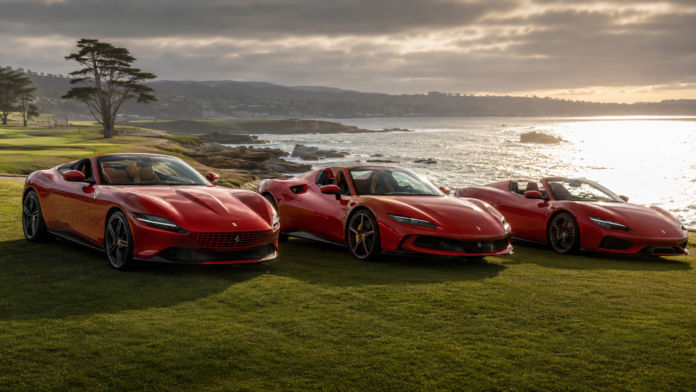
The Pacific Ocean sparkles below the 18th fairway of the Pebble Beach Golf Links. On the lawn, a line of red Ferraris stretches toward the horizon. Owners in sport coats and driving shoes stand beside their cars. They are not racers. They are collectors. They are enthusiasts. They are people who spent a year’s salary on a machine they rarely drive above the speed limit.

The supercar is an object of desire. It is expensive, impractical, and often uncomfortable. Yet demand exceeds supply. Waitlists are years long. Resale values are astronomical.

Why do we buy them? The answer goes beyond performance and design. This article explores the psychological and social drivers behind the decision to spend $200,000 or more on a car you can rarely use to its full potential.

The Location: Pebble Beach Concours d’Elegance, California

Pebble Beach is the pinnacle of car culture. The cars on the lawn are worth more than the mansions behind them. The owners are not typical. They are the one percent of the one percent.

But the psychology that drives them is not unique. It is the same psychology that drives a young professional to buy a used Porsche Boxster or a retiree to restore a classic Mustang. The scale is different. The underlying motivations are the same.

The Signaling Theory: Status and Identity

One of the most powerful drivers of supercar ownership is signaling. A supercar signals wealth, taste, and success. It tells the world that you have arrived.

But the signal is more complex than simple ostentation. A Ferrari signals something different from a Lamborghini. A vintage Porsche signals something different from a new McLaren. The choice of car is a statement about who you are and who you want to be perceived as.

For some owners, the car is a badge of honor. It is proof that they have succeeded in a competitive field. For others, it is an expression of individuality. It sets them apart from the crowd.

The signaling is not always conscious. Many owners genuinely love their cars. But the social dimension is always present.

The Peak End Rule: Memory and Emotion

The peak end rule is a psychological principle that describes how people remember experiences. We judge an experience not by its entirety but by its most intense moment and its ending.

Supercar ownership is built on peak moments. The first time you press the start button. The first time you hear the engine at full throttle. The first time you take the car on a mountain road.

These moments are intense. They create powerful memories. They justify the expense.

The mundane moments, the traffic jams, the parking anxieties, the maintenance bills, are forgotten. The peak moments endure.

The Scarcity Effect: The Allure of the Unattainable

Supercars are scarce. Manufacturers limit production. Allocations are hard to secure. Waitlists are long.

Scarcity increases desire. A car that is easy to buy is less desirable. A car that requires effort, connections, and patience is more valuable.

The scarcity effect is amplified by social comparison. Seeing others with a car you cannot have makes you want it more. The flippers and speculators exploit this dynamic.

For many owners, the process of acquiring the car is part of the pleasure. Building a relationship with a dealer. Waiting for the allocation. Specifying the options. The anticipation is a reward in itself.

The Committed Buyer Effect: Justifying the Expense

Once you have spent a large sum on a car, you are motivated to justify that expense to yourself and others. This is known as cognitive dissonance reduction.

You focus on the positive aspects of the car. You minimize the negatives. You seek out information that confirms your decision.

This is why supercar owners are often so passionate about their brands. They are not just defending a car. They are defending themselves.

The Flow State: The Joy of Driving

A supercar is a tool for achieving flow state. Flow is a psychological state of complete absorption in an activity. It is characterized by intense focus, loss of self consciousness, and a distorted sense of time.

Driving a supercar on a winding road can induce flow. The car demands your full attention. There is no room for distraction. The world narrows to the road, the steering wheel, and the engine.

This is why owners drive their cars even when they cannot use the full performance. The experience is not about speed. It is about focus and engagement.

The Pebble Beach Conversation: An Owner’s Perspective

A man in his 60s is standing next to his Ferrari 250 GT. He has owned the car for 30 years. He has driven it across Europe and the United States.

“Why do I own it?” he repeats the question. “Because it makes me feel alive.”

He is not talking about speed. He is talking about the sound, the feel, the connection to history.

“When I drive this car, I am not thinking about work or the stock market or my health. I am thinking about the next corner. That is worth a lot of money.”

The Community Factor: Belonging

Supercar ownership is isolating in some ways. The car sets you apart. But it also creates community.

Owners join clubs. They attend rallies. They meet at cars and coffee. They share a common language and a common passion.

This community is a powerful motivator. It provides validation, friendship, and support. For some owners, the community is more important than the car itself.

The Pebble Beach Sunset

The sun is setting over the Pacific. The Ferraris are being loaded onto transport trucks. The owners are saying goodbye.

They will see each other at the next event. They will drive their cars again. They will feel the peak moments.

The Verdict: Beyond Rationality

Supercar ownership is not rational. No one needs a 700 horsepower car to commute to work. No one needs a $300,000 car to drive on public roads.

But human behavior is not always rational. We are driven by emotion, status, identity, and community.

The supercar is a vehicle for these drivers. It is a symbol, a tool, and a source of joy.

For the owners at Pebble Beach, the car is worth the money. The experience is priceless.

Key Takeaways

  • Signaling theory explains how supercars communicate status, taste, and identity.
  • The peak end rule means owners remember intense positive moments and forget mundane difficulties.
  • Scarcity increases desire, making the acquisition process part of the pleasure.
  • Cognitive dissonance reduction leads owners to focus on positives and justify their expense.
  • Flow state describes the intense focus and engagement of driving a supercar on a winding road.
  • Community provides validation, friendship, and support.

Conclusion

The supercar is not a rational purchase. It is an emotional one. It is a signal of status and identity. It is a tool for achieving flow. It is a gateway to community.

The owners at Pebble Beach understand this. They are not buying transportation. They are buying experiences, memories, and feelings.

The sun has set. The cars are gone. The owners are satisfied.

They will drive again tomorrow. They will feel the peak moments. They will remember why they bought the car.

That is the psychology of supercar ownership. It is not about the car. It is about the feeling.

Car Meets Gone Wrong: The Incidents That Changed the Rules – A Rainy Evening at the Santa Cruz Wharf

0

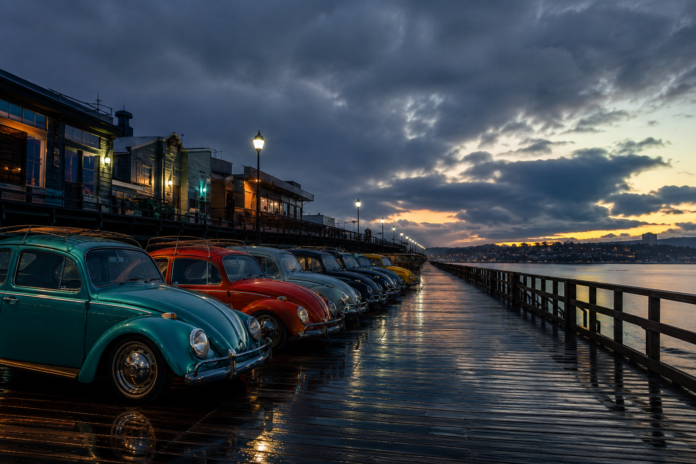
The fog is rolling in over the Monterey Bay, and the Santa Cruz Municipal Wharf is quiet. On a summer evening a few years ago, this same spot was chaos. Hundreds of cars had gathered for an unsanctioned meet. The crowd spilled onto the road. Drivers did burnouts. Spectators climbed on light poles. Police arrived. The meet ended in arrests, towed cars, and a city council vote that banned future gatherings.

The Santa Cruz incident was not the first. It was not the last. But it was part of a wave of events that forced organizers, cities, and the car community to reckon with how meets are run. This article examines the incidents that changed the rules and the lasting impact on car culture.

The Location: Santa Cruz Municipal Wharf, California

The Santa Cruz Wharf is a tourist destination, known for its sea lions, its restaurants, and its views of the bay. It is not a place for drag racing. But on one night in 2021, it became a symbol of a problem that had been building for years.

A meet organized on social media drew a crowd that overwhelmed the area. The crowd blocked traffic. Drivers performed dangerous stunts. Police responded with helicopters, roadblocks, and arrests. The backlash was swift. The city banned future meets. The community lost a gathering spot.

The Early Days: From Underground to Overground

Car meets have always existed. In the 1950s, drag racers gathered on empty streets. In the 1960s and 1970s, muscle car owners met at drive ins. In the 1980s and 1990s, import tuners took over industrial parks.

These meets were often tolerated by police as long as they did not cause problems. The culture was niche. The crowds were manageable. The risks were understood.

The Social Media Acceleration

The rise of social media changed everything. Instagram, TikTok, and Facebook made it easy to organize large gatherings quickly. A post could attract hundreds or thousands of people within hours.

The new crowd was not necessarily part of the established car community. They came for the spectacle. They came to film content. They came to show off.

This new dynamic led to larger, more chaotic meets. Organizers lost control. Police were caught off guard.

The Incidents That Changed the Rules

Several high profile incidents forced a reckoning.

Santa Cruz, 2021

The Santa Cruz meet drew hundreds of cars to the wharf area. The crowd blocked Pacific Avenue. Drivers did burnouts and donuts. Spectators climbed on light poles and threw objects at police. The result was arrests, towed vehicles, and a citywide ban on unsanctioned gatherings.

Los Angeles, 2022

A meet in the South Bay area drew over 1,000 cars. The crowd blocked an intersection near the 405 freeway. A driver lost control and crashed into a crowd. Several spectators were injured. Police impounded dozens of cars. The city increased penalties for street takeovers.

Chicago, 2022

A meet in the West Loop drew a large crowd. Drivers performed stunts on city streets. A pedestrian was struck and seriously injured. The mayor announced a crackdown. The police department created a task force dedicated to stopping street takeovers.

Houston, 2023

A meet at a shopping center parking lot turned violent. Shots were fired. Two people were injured. The property owner permanently banned car meets. Other property owners followed suit.

These incidents were not isolated. Similar events occurred in Atlanta, Philadelphia, Phoenix, and other cities.

The Fallout: Bans, Crackdowns, and New Rules

In response to these incidents, cities and property owners changed the rules.

City Bans

Several cities passed ordinances banning unsanctioned car meets. The penalties included fines, vehicle impoundment, and even jail time. The laws were designed to deter organizers and participants.

Property Owner Restrictions

Shopping centers, industrial parks, and other private properties began posting no loitering signs. Security guards were hired. Gates were installed. The days of parking lot meets were ending.

Permit Requirements

Some cities created legal pathways for car meets. Organizers could apply for permits, pay fees, and hire security. The process was bureaucratic, but it allowed meets to continue legally.

The Community Response: Self Regulation

The car community responded in several ways.

Organized Events

Established car clubs began organizing ticketed events at racetracks and fairgrounds. These events had security, insurance, and rules. They were safe but not free.

Cars & Coffee Culture

The Cars & Coffee format proved resilient. These early morning meets were less likely to attract troublemakers. The focus was on the cars, not on stunts.

Social Media Accountability

Enthusiasts began calling out dangerous behavior online. Videos of reckless driving were shared not as entertainment but as warnings. The community self-policed.

The Santa Cruz Evening: A Conversation with a Local Enthusiast

The fog is thicker now. A man in his 30s is standing near the wharf, looking at the empty parking lot. He used to attend meets here.

“It was fun,” he says. “It was a place to see cars you would never see otherwise. But then the crowd changed. It was not about the cars anymore. It was about going viral.”

He is not angry at the police or the city. He is disappointed in the people who ruined it.

“I get why they banned it. It was out of control. I just wish it had not come to that.”

The Future of Car Meets

The future of car meets is uncertain. The old model of unorganized, public gatherings is dying. Cities are cracking down. Property owners are locking up.

But the demand for car culture is not dying. Enthusiasts are adapting. They are moving to paid events, private tracks, and early morning gatherings.

The Cars & Coffee format has proven resilient. These meets are low key, well behaved, and focused on the cars. They are not immune to problems, but they are less likely to attract chaos.

The Santa Cruz Verdict

The Santa Cruz wharf is quiet now. The fog has swallowed the bay. The cars are gone. The meets are banned.

The incidents at Santa Cruz and elsewhere changed the rules. Unsanctioned meets are no longer tolerated. The consequences are real. Fines, impoundment, jail time.

The car community is adapting. The reckless drivers are being pushed out. The enthusiasts who care about the culture are finding new ways to gather.

The wharf may never see another car meet. But the passion for cars has not died. It has simply moved.

Key Takeaways

  • Social media accelerated the growth of large, chaotic car meets that overwhelmed local resources.
  • High profile incidents in Santa Cruz, Los Angeles, Chicago, and Houston led to city bans, property owner restrictions, and increased police enforcement.
  • Cities have passed ordinances with fines, vehicle impoundment, and jail time for participants in unsanctioned meets.
  • The car community has responded with self regulation, organized ticketed events, and a renewed focus on Cars & Coffee style gatherings.
  • The future of car meets lies in private property, permits, and respectful behavior.

Conclusion

The Santa Cruz wharf is empty. The fog is cold. The memory of the chaos lingers.

The incidents that changed the rules were not isolated. They were symptoms of a larger problem. The car community grew too fast. The organizers lost control. The participants acted recklessly.

The backlash was predictable. The consequences were severe.

But car culture is resilient. The enthusiasts who love the cars are finding new ways to gather. They are paying for permits. They are renting tracks. They are meeting at coffee shops on Saturday mornings.

The reckless days are over. The era of accountability has begun.

The wharf may never see another burnout. But the passion for cars has not died. It has just learned to behave.

Ferrari 330 P4: The Masterpiece That Conquered Daytona – A Sunset at the Watkins Glen Boot

0

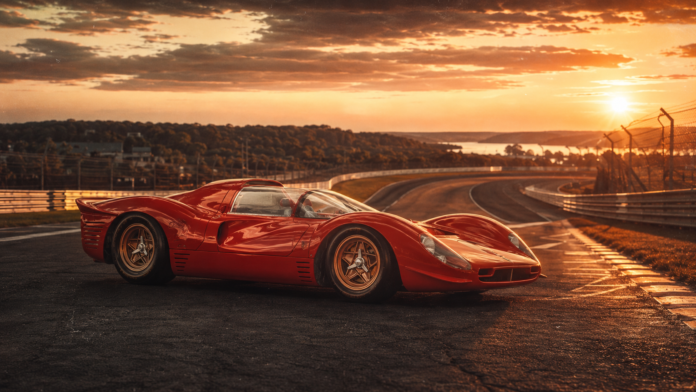
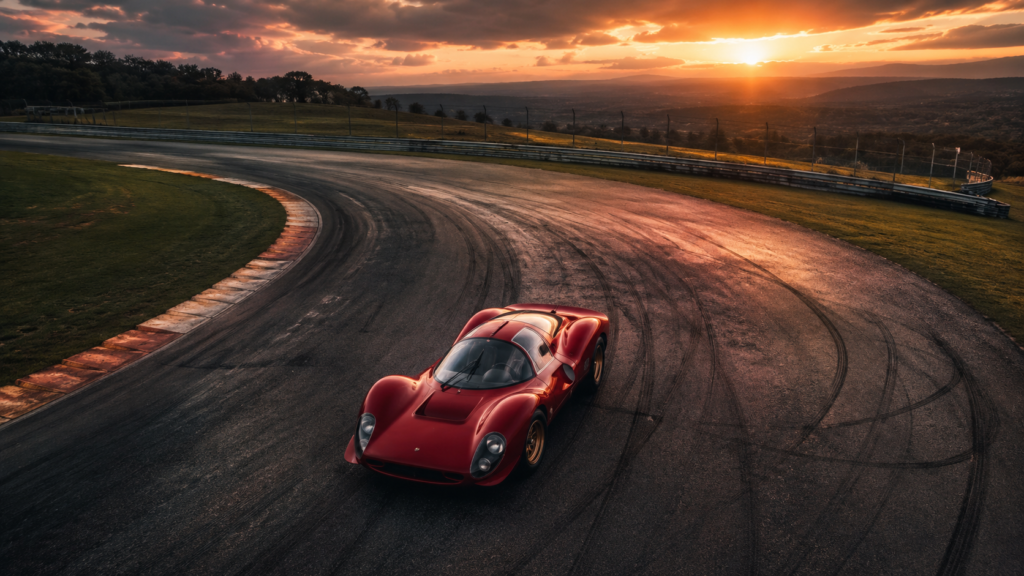
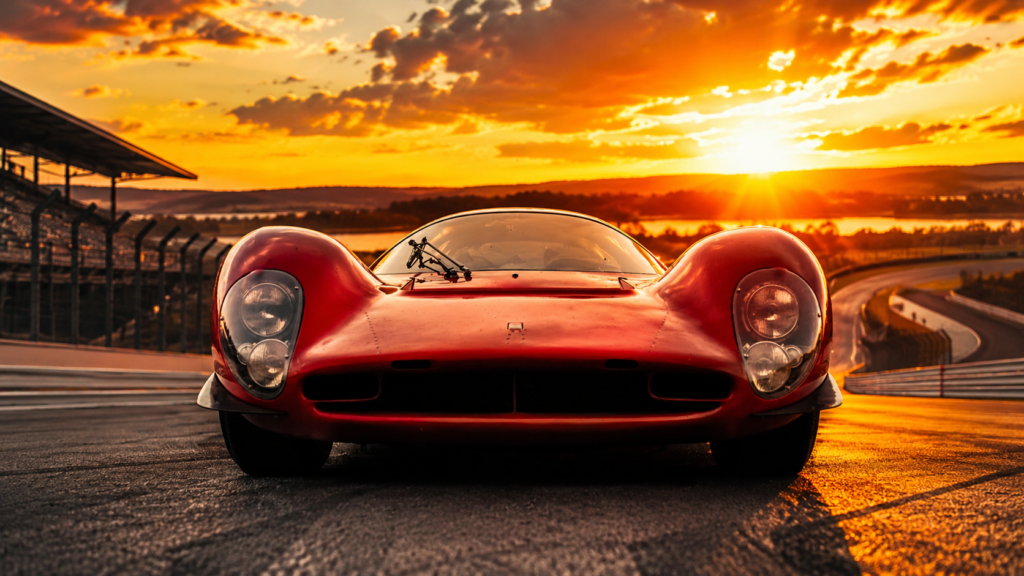
The sun is dipping behind the hills of Seneca Lake, casting long shadows across the historic Watkins Glen International circuit in upstate New York. The Boot, that twisting, unforgiving section of the track, is quiet now. But in the evening light, a red shape seems to flicker at the edge of vision. It is the ghost of a Ferrari 330 P4, the car that gave Enzo Ferrari one of his greatest victories.

The 330 P4 is not merely a car. It is a piece of racing history, a masterpiece of 1960s engineering, and a work of art. With styling similar to the 330 P3, this model was powered by a V12 engine radically redesigned by Franco Rocchi. The most obvious modification was the introduction of a three-valve cylinder head with two inlet valves and one exhaust valve. Fuel feed was provided by a Lucas injection system. The chassis was slightly shorter than the 330 P3’s, and the new suspension system improved roadholding.

The car won numerous races and earned its place in the history books after a memorable 1-2-3 finish at the 1967 Daytona 24 Hours. This article tells the story of that car, its engineering, and its lasting legacy.

The Location: Watkins Glen International, New York

Watkins Glen is a cathedral of American road racing. The original circuit ran through public roads. The modern track, with its high speed esses and the demanding Boot section, has hosted everything from Formula 1 to NASCAR. It is a fitting place to remember a car that dominated on both sides of the Atlantic.

The 330 P4 never raced at Watkins Glen in period, but the spirit of the car echoes through the facility. The track rewards the same qualities that made the P4 great: balance, power, and bravery.

The Genesis: Replacing the 330 P3

The 330 P4 was born from necessity. Ferrari needed to respond to the Ford GT40, which had embarrassed the Italian manufacturer at Le Mans in 1966. The P3 had been a good car, but it was not good enough. Enzo Ferrari wanted something better.

The P4 was not a clean sheet design. It evolved from the P3. The chassis was slightly shorter, improving agility. The suspension was revised, with new geometry that improved roadholding through high speed corners. But the real changes were under the engine cover.

The Engine: Franco Rocchi’s Masterpiece

The heart of the 330 P4 was its V12 engine. Displacing 3,967.44 cc, it was a development of the P3’s unit. But the changes were significant.

Franco Rocchi, one of Ferrari’s most talented engineers, redesigned the cylinder heads. The new design used three valves per cylinder, two for intake and one for exhaust. This was a departure from the two valve layout common at the time. The three valve head allowed for better airflow, improving power and response.

The engine also received Lucas fuel injection, replacing the earlier Weber carburetors. Fuel injection provided more precise metering, better throttle response, and increased power. The result was 331 kilowatts, or approximately 450 horsepower, at 8,000 rpm. The top speed was 320 kilometers per hour, or 199 miles per hour.

The engine was mounted amidships, behind the driver. This layout provided excellent weight distribution and handling balance.

The 1967 Daytona 24 Hours: The 1-2-3 Victory

The 330 P4’s defining moment came at the 1967 Daytona 24 Hours. The race was held on the high banks of the Daytona International Speedway, a track that demanded power, courage, and reliability.

Ferrari entered three 330 P4s. The drivers were some of the best in the world: Lorenzo Bandini, Chris Amon, Mike Parkes, Ludovico Scarfiotti, and others.

The race was a battle between Ferrari and Ford. The GT40s were fast and reliable. The P4s were lighter and more agile. As the race progressed, the Ferraris pulled ahead.

At the finish, the result was historic. The P4 driven by Bandini and Amon finished first. The P4 driven by Parkes and Scarfiotti finished second. The P4 driven by Peter Sutcliffe and David Piper finished third. It was a 1-2-3 sweep, a clean victory over Ford on American soil.

The image of three red Ferraris crossing the finish line in formation became one of the most iconic in motorsport history.

The Styling: Beauty and Function

The 330 P4 was beautiful. The bodywork, designed by Piero Drogo and built by Fantuzzi, was low, sleek, and purposeful. The shape was similar to the P3, with subtle refinements to improve aerodynamics.

The front end featured a low nose with a prominent grille. The headlights were covered by clear lenses. The cockpit was a single bubble, with a curved windshield. The rear end was truncated, with a small spoiler.

Every curve and crease served a function. The bodywork channeled air to the radiators, cooled the brakes, and reduced drag.

The Sound: A V12 Symphony

The 330 P4’s V12 produced a sound that is the stuff of legend. At idle, it burbled and rumbled. At full throttle, it screamed. The note was high pitched, sharp, and mechanical. It was not the deep roar of a V8. It was the wail of a racing engine.

The sound is seared into the memory of anyone who has heard it. It is the sound of victory, of passion, of a golden era.

The Legacy: Beyond Daytona

The 330 P4 did not win Le Mans in 1967. That victory went to the Ford GT40. But the car’s legacy extends beyond its win-loss record.

The P4 is remembered as one of the most beautiful and successful race cars of its era. It represents the peak of Ferrari’s sports car program before the company shifted its focus to Formula 1.

The surviving P4s are among the most valuable cars in the world. When one changes hands, the price is measured in tens of millions of dollars. They are not just cars. They are works of art.

The Watkins Glen Evening

The sun has set over the Glen. The track is dark. The ghost of the 330 P4 has vanished.

But the legacy remains. In the museum, in the history books, in the hearts of enthusiasts, the P4 lives on.

The car that won Daytona. The car that beat Ford. The car that sang a V12 symphony. The Ferrari 330 P4.

Key Specifications

SpecificationValue
EngineV12
Displacement3,967.44 cc
Power331 kW (450 hp) at 8,000 rpm
Top Speed320 km/h (199 mph)
Cylinder Head3 valves per cylinder (2 intake, 1 exhaust)
Fuel SystemLucas fuel injection
ChassisModified from 330 P3, shorter wheelbase
Major Win1967 Daytona 24 Hours (1-2-3 finish)

Conclusion

The Ferrari 330 P4 is more than a race car. It is a masterpiece of engineering and design. Franco Rocchi’s three valve V12, the beautiful Drogo bodywork, the historic 1-2-3 victory at Daytona these are the elements of a legend.

The car did not win Le Mans. But it won something more enduring. It won the hearts of enthusiasts.

The Watkins Glen track is quiet now. The red shape is gone. But the memory of the 330 P4, the sound of its V12, the sight of three red Ferraris crossing the finish line at Daytona these things will never fade.

They are the stuff of automotive history. They are the reason we love cars. They are the Ferrari 330 P4.

The Supercar YouTubers Who Changed How We Buy Cars – A Saturday Morning at Caffeine and Machine in Warwickshire

0

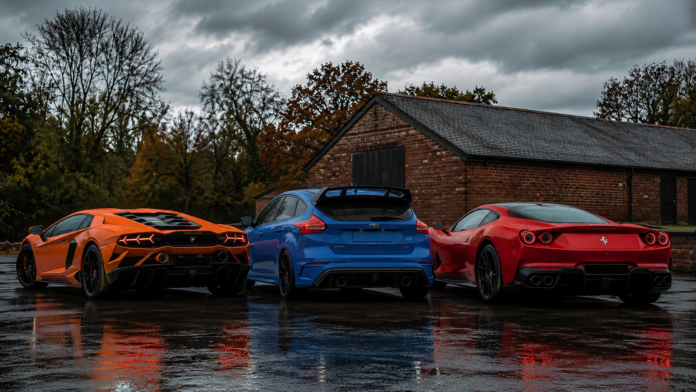
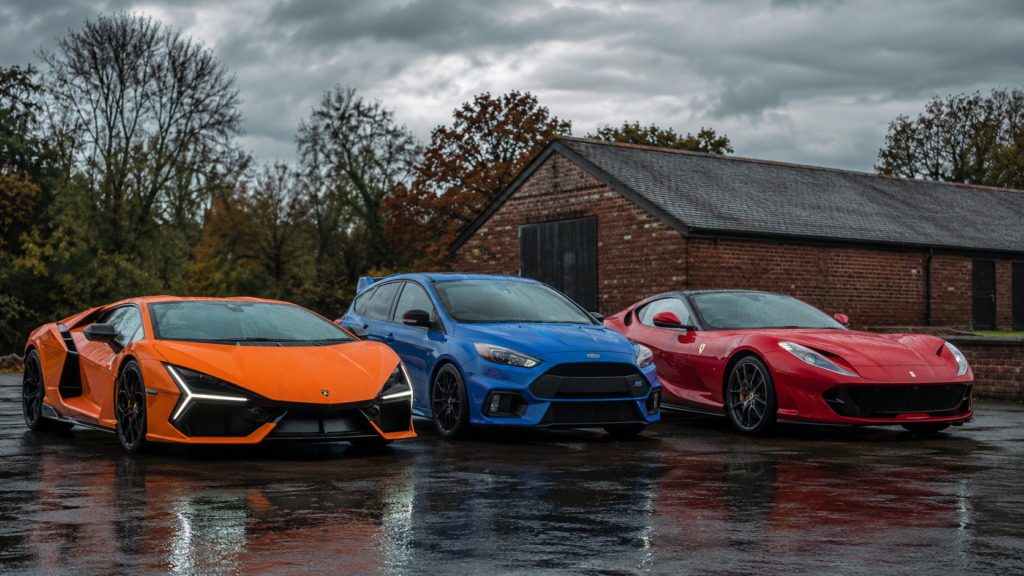
The rain is falling on the tarmac of Caffeine and Machine, a former pub turned petrolhead haven in the English countryside. The car park is a sea of metal. A Lamborghini Revuelto sits next to a modified Ford Focus RS. A Ferrari 812 Superfast is parked across from a classic Porsche 911. The owners are not here to race. They are here to talk, to watch, and to film.

A young man with a gimbal is walking slowly around a McLaren 765LT. He is not a journalist. He is not a photographer. He is a YouTuber with 200,000 subscribers. His audience is waiting for the video.

Supercar YouTube has changed the automotive landscape. Creators like Doug DeMuro, Shmee150, and Supercar Blondie built audiences of millions by talking about performance cars. They did not have journalism degrees. They did not work for magazines. They just had cameras, passion, and a deep understanding of what viewers wanted to watch.

This article tells the story of how supercar YouTubers shaped a generation of enthusiasts and changed the way we buy cars.

The Location: Caffeine and Machine, Warwickshire, England

Caffeine and Machine is a gathering place for car enthusiasts. The venue is casual. There are no velvet ropes, no dress codes, no attitude. The cars range from six-figure exotics to budget project cars. The crowd is diverse.

The venue has become a hub for automotive content creators. YouTubers film walkarounds here. Instagrammers take photos here. TikTokers film short clips. The location is a microcosm of the shift in automotive media.

The Pre-YouTube Era

Before YouTube, automotive media was dominated by magazines and television shows. Enthusiasts read Car and Driver, Evo, and Top Gear. They watched MotorWeek and Fifth Gear. The content was produced by professionals with budgets, editors, and distribution deals.

The coverage was limited. A new car might be reviewed by a handful of outlets. The reviews were published weeks after the car was announced. The perspective was from the industry, not the consumer.

There were few opportunities for independent voices to break through.

The Early Days: Enthusiasts with Cameras

The first automotive YouTubers were enthusiasts with cameras. They filmed their own cars, their friends’ cars, and cars at local meets. The production quality was low. The audio was bad. The lighting was poor. But the passion was real.

These early creators filled a gap. They covered cars that magazines ignored. They provided a perspective that was relatable. They were not experts, but they were enthusiasts, and that resonated.

The Breakthrough: Doug DeMuro and the Quirks and Features

Doug DeMuro was not the first automotive YouTuber, but he was the most influential. He started his channel in 2017 after working at Porsche and writing for Autotrader. His formula was simple. He filmed walkaround videos of interesting cars, pointing out quirks and features that no one else noticed.

DeMuro’s style was unpolished. He spoke quickly. He wore T-shirts. He did not look like a traditional car journalist. But his knowledge was deep, and his enthusiasm was contagious.

His videos consistently received millions of views. He became the most recognizable automotive YouTuber in the world. His success proved that there was an audience for long-form, detailed, enthusiast-driven content.

The Supercar Specialists: Shmee150 and Mr JWW

While DeMuro focused on quirks and features, other creators focused on the supercar lifestyle.

Tim Burton, known as Shmee150, started his channel in 2010. He filmed his own cars, including a Porsche 911 GT3, a McLaren 720S, and a Ford GT. His content was aspirational. Viewers watched to see what it was like to own and drive exotic cars.

James Walker, known as Mr JWW, took a similar approach. He documented his car buying experiences, his track days, and his road trips. His content was polished and professional.

These creators built audiences by providing access. A viewer who could never afford a McLaren could still watch someone drive it on the Hakone Turnpike. The connection was emotional, not transactional.

The Globetrotters: Supercar Blondie and Effspot

Other creators focused on discovery. Alexandra Hirschi, known as Supercar Blondie, filmed rare and unusual cars from around the world. She showed viewers hypercars they had never seen, prototypes that were not yet released, and limited editions that were already sold out.

Effspot, real name Nathan, took a similar approach. He traveled to exotic locations to film hypercars, documenting the global supercar scene.

These creators expanded the scope of automotive YouTube. They showed viewers what was happening in Dubai, Monaco, and Tokyo. The world felt smaller. The cars felt closer.

The Caffeine and Machine Conversation: A Creator’s Perspective

A young man with a gimbal is taking a break from filming. He has been making videos for four years. He started with a phone and a used BMW. Now he has a channel with 200,000 subscribers.

“I used to read car magazines,” he says. “I loved them. But they did not cover the cars I was interested in. They did not cover modified cars. They did not cover budget builds.”

He stops to check the battery on his gimbal.

“Now I can watch a video about a car the day it is announced. I can watch a video from someone who owns the car, not someone who drove it for an hour. The perspective is different.”

The Impact on Car Buying

Supercar YouTube changed how people buy cars. A potential buyer can now watch multiple in-depth videos about a specific model before visiting a dealership. They can learn about common problems, ownership costs, and modification potential.

The influence is measurable. Dealerships report that customers arrive better informed than ever before. They have watched videos. They have read comments. They have done their homework.

The relationship between creators and manufacturers has also evolved. Brands now send press cars to YouTubers. They sponsor videos. They invite creators to launches. The line between journalism and marketing is blurry.

The Caffeine and Machine Conversation: A Viewer’s Perspective

A man in his 30s is standing next to his Porsche Cayman. He has been watching automotive YouTube for years.

“I bought this car because of a video,” he says. “I was considering a BMW M2. Then I watched a comparison video from a YouTuber I trust. He explained the differences in handling, in feel, in ownership costs. I bought the Porsche.”

He is not a supercar owner. He is an enthusiast with a budget. He used YouTube to make an informed decision.

The Criticism

Supercar YouTube is not without its critics. Some argue that the content is shallow, focused on drama and hyperbole rather than substance. Others argue that creators are too cozy with manufacturers, blurring the line between review and advertisement.

The pressure to produce content is relentless. A creator who does not upload regularly loses subscribers, loses revenue, and loses relevance. The quality can suffer.

There is also a criticism that supercar YouTube distorts the market. Limited edition cars are filmed, hyped, and flipped for profit. The enthusiasts who actually want to drive the cars are priced out.

The Caffeine and Machine Conversation: The Old Guard

An older man is standing near a vintage Ferrari. He has been a car enthusiast for 50 years. He does not watch YouTube.

“I read magazines,” he says. “I trust the writers. I do not need to watch a 20-year-old talk about a car he drove for an hour.”

He is not wrong. The old media still has value. But it is no longer the only option.

The Future of Automotive Media

The future of automotive media is fragmented. Print magazines are struggling. Television shows are declining. YouTube is dominant, but it is maturing.

New platforms are emerging. TikTok is short-form and viral. Instagram is visual and curated. Substack is written and thoughtful.

The creators who succeed will adapt. They will diversify their content. They will build communities. They will find new ways to connect with audiences.

The Warwickshire Sunset

The rain has stopped. The car park is emptying. The YouTuber with the gimbal is packing up his equipment. He has filmed four cars. He will edit the videos tonight and upload them tomorrow.

His audience is waiting.

The Verdict

Supercar YouTubers changed how we buy cars. They built audiences of millions by talking about performance cars with passion and authenticity.

They filled gaps that traditional media ignored. They provided access to cars and experiences that were previously out of reach. They made the supercar world feel smaller, more accessible, and more human.

The industry has adapted. Manufacturers now work with creators. Dealerships now monitor YouTube reviews. Buyers now watch videos before visiting showrooms.

The shift is permanent. The old media is not dead, but it is no longer the only voice.

Key Takeaways

  • Doug DeMuro pioneered the quirks and features format, becoming the most recognizable automotive YouTuber in the world.
  • Creators like Shmee150 and Mr JWW built audiences by documenting the supercar lifestyle and providing aspirational content.
  • Supercar Blondie and Effspot expanded the scope of automotive YouTube, covering rare and unusual cars from around the globe.
  • Dealerships report that customers are better informed than ever, having watched multiple in-depth videos before visiting.
  • The line between journalism and marketing has blurred as manufacturers now sponsor content and invite creators to launches.

Conclusion

The Caffeine and Machine car park is empty. The rain has stopped. The YouTuber with the gimbal has gone home.

His video will be uploaded tomorrow. It will get thousands of views. It will influence someone’s buying decision. The cycle will continue.

The supercar YouTubers changed the game. They did not have journalism degrees. They did not work for magazines. They just had cameras, passion, and a deep understanding of what viewers wanted to watch.

A generation of enthusiasts grew up watching them. A generation of buyers trusts them.

The old guard may not understand. But the market has spoken.

The future of automotive media is on YouTube. And it is not going back.

Why Japanese Car Culture Remains the Most Influential in the World – A Sunday Morning at the Showa Shell in Daikoku Parking Area

0

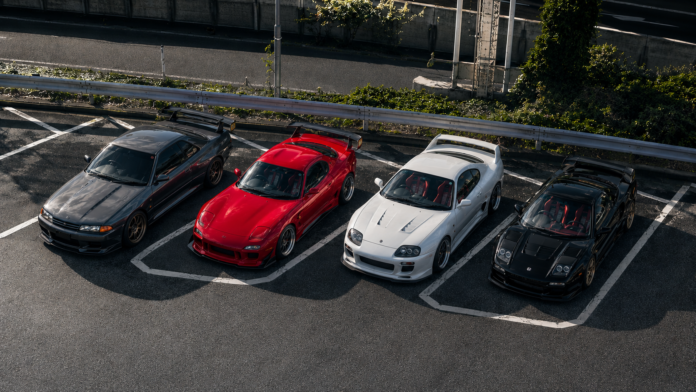
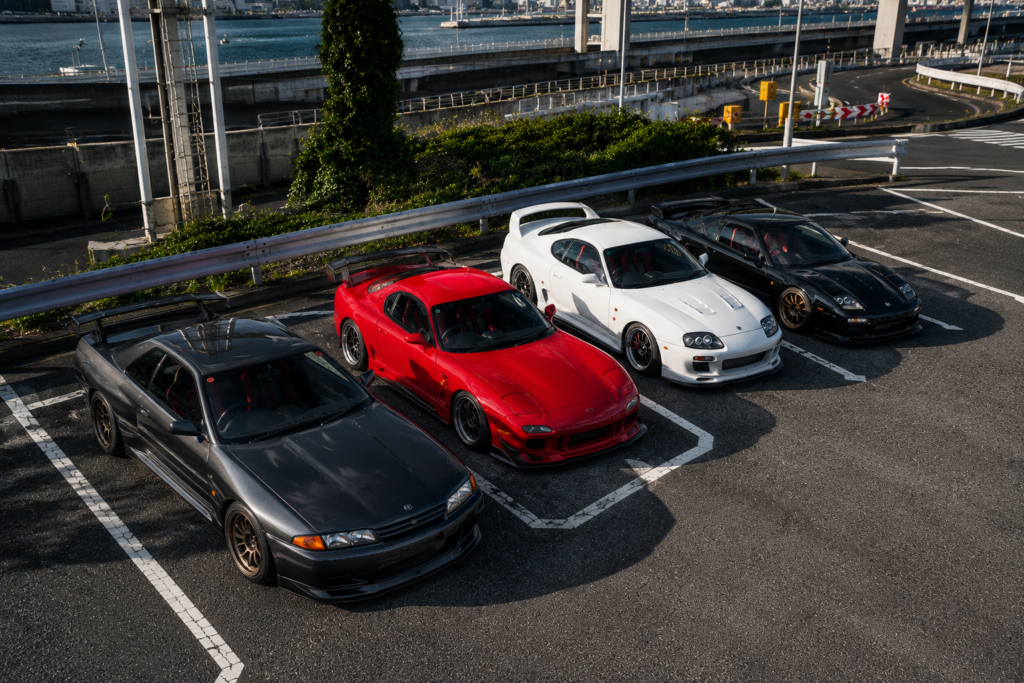
The sun is rising over the Yokohama skyline, casting long shadows across the concrete expanse of the Daikoku Parking Area. This truck stop, located on a man-made island in Tokyo Bay, is a pilgrimage site for car enthusiasts from around the world. On any given Sunday, the lot fills with Nissan GT-Rs, Mazda RX-7s, Toyota Supras, and Honda NSXs. The cars are modified, polished, and driven by people who treat automotive passion as a way of life.

Daikoku is not the only meeting point. There is Tatsumi, there is Umihotaru, there is the Hakone Turnpike. These places are the heart of Japanese car culture, a scene that has shaped performance car enthusiasm globally for more than three decades.

The cars themselves tell a story. The Nissan Skyline GT-R R32, R33, and R34 earned the “Godzilla” nickname by dominating Australian touring car racing. The Mazda RX-7, with its rotary engine, became a legend for its high-revving character and lightweight chassis. The Toyota Supra, with its 2JZ engine, became a tuning icon capable of producing over 1,000 horsepower. The Honda NSX proved that a Japanese supercar could compete with Ferrari.

This article explores why Japanese car culture remains the most influential in the world, from the mountain passes of Gunma to the import scenes of Los Angeles and London.

The Location: Daikoku Parking Area, Yokohama, Japan

Daikoku is a functional space. It is a rest area for truck drivers, not a designed gathering spot. But on weekends, it transforms into a living museum of Japanese automotive history.

The crowd is diverse. There are young men in modified Subaru WRXs, middle-aged businessmen in Porsche 911s, and tourists from Europe and the United States who have traveled thousands of miles to see the cars in their natural habitat.

The atmosphere is electric but orderly. There is no racing, no reckless driving, no drama. The participants park, they talk, they take photos, and they leave.

This is Japanese car culture: passionate, respectful, and deeply knowledgeable.

The Roots: Mountain Passes and Tuning Shops

Japanese car culture grew from two distinct roots.

The first was mountain racing, known as touge. In the 1980s and 1990s, young drivers took their modified cars to the narrow, winding roads of the Gunma mountains. They raced downhill, corner to corner, inch from the guardrails. The sport was dangerous, illegal, and exhilarating. It produced legends like Keiichi Tsuchiya, the “Drift King,” who later inspired the manga and film series Initial D.

The second root was the tuning shop. Companies like HKS, GReddy, and Spoon Sports turned the Honda Civic, the Nissan Silvia, and the Mitsubishi Lancer Evolution into track weapons. These shops developed parts, shared knowledge, and built a community of enthusiasts who valued performance over luxury.

These two roots fed each other. The mountain racers needed parts. The tuning shops needed test drivers. The result was a culture of continuous improvement.

The Golden Era: The 1990s

The 1990s were the golden age of Japanese performance cars. The Japanese economy was strong, and manufacturers were competing fiercely.

Nissan produced the Skyline GT-R R32, R33, and R34, each one more capable than the last. Mazda produced the RX-7 FD, a twin-turbo rotary masterpiece. Toyota produced the Supra MKIV, with the legendary 2JZ engine. Honda produced the NSX, a mid-engine supercar designed with input from Ayrton Senna. Mitsubishi produced the 3000GT and the Lancer Evolution. Subaru produced the Impreza WRX and the 22B.

These cars were not just fast. They were accessible. A young enthusiast could buy a used Japanese performance car, modify it, and compete with cars costing three times as much.

The golden era also produced the manga and film series Initial D, which romanticized mountain racing and introduced a global audience to the cars and the culture.

The Influence on Global Car Culture

Japanese car culture did not stay in Japan. It spread.

In the 1990s and 2000s, imported Japanese cars, known as JDM (Japanese Domestic Market) imports, began appearing in the United States, the United Kingdom, Australia, and New Zealand. Enthusiasts were drawn to the performance, the reliability, and the tuning potential.

The Fast and Furious franchise, released in 2001, brought Japanese car culture to a mainstream audience. The film featured modified Honda Civics, Mitsubishi Eclipses, and Toyota Supras. It was not accurate, but it was influential. A generation of young people discovered Japanese cars through the film.

Today, the JDM import market is a global phenomenon. Older Japanese cars, like the R34 Skyline GT-R and the FD RX-7, sell for six-figure sums at auction. The 25-year import rule in the United States has allowed cars that were previously forbidden to enter the market legally.

The Daikoku Morning: A Conversation with an Import Dealer

A man in his 40s is standing next to a pristine R34 Skyline GT-R V-Spec II. He is an import dealer from California. He comes to Japan several times a year to source cars for his clients.

“I started watching Initial D when I was a kid,” he says. “I fell in love with the cars. Now I sell them to people who did the same.”

He points to a group of young Japanese men standing near a modified Nissan Silvia. “They are the next generation. They are modifying cars, racing on the touge, keeping the culture alive.”

The Engines: The Soul of the Cars

The engines in Japanese performance cars are legendary.

The Nissan RB26DETT, a 2.6 liter twin-turbo inline-six, was used in the Skyline GT-R. It was capable of producing over 1,000 horsepower with modifications.

The Toyota 2JZ GTE, a 3.0 liter twin-turbo inline-six, was used in the Supra. It was known for its robust cast-iron block and its ability to handle extreme boost.

The Mazda 13B-REW, a 1.3 liter twin-turbo rotary, was used in the RX-7. It was small, lightweight, and high-revving. It was also finicky and fuel hungry, which added to its mystique.

The Honda C30A, a 3.0 liter naturally aspirated V6, was used in the NSX. It was designed with titanium connecting rods and a high redline. It was a supercar engine.

These engines were not just powerful. They were distinctive. They had character. They sounded different. They felt different. They became characters in the story of the cars.

The Daikoku Conversation: The Next Generation

The young Japanese men near the Nissan Silvia are in their 20s. They grew up playing Gran Turismo and watching Initial D. They are continuing the tradition.

One of them speaks English. He explains that he bought his Silvia for 500,000 yen, about $3,500. He has spent twice that on modifications.

“I do not care about new cars,” he says. “They are too expensive. They have too many computers. I want to feel the road.”

He will drive his Silvia on the Hakone Turnpike tonight. He will push it to the limit. He will not crash.

The Influence on Modern Supercars

Japanese car culture influences modern supercar design.

The Nissan GT-R R35, introduced in 2007, was a technological tour de force. It used a twin-turbo V6, a dual-clutch transmission, and an advanced all-wheel drive system. It was faster than cars costing three times as much. It embodied the Japanese philosophy of accessible performance.

The Honda NSX, reintroduced in 2016, used a twin-turbo V6 with three electric motors. It was a hybrid supercar that prioritized handling and balance.

The Toyota Supra, reintroduced in 2019, was developed in partnership with BMW. It was controversial, but it reconnected Toyota with its performance heritage.

These cars are not the same as the legends of the 1990s. They are heavier, more complex, and more expensive. But they carry the spirit.

The Daikoku Sunset

The sun is setting over Yokohama. The cars are leaving Daikoku. The Nissan GT-Rs roar onto the highway. The Mazda RX-7s whine. The Toyota Supras cruise.

The import dealer from California is loading photos onto his laptop. The young Japanese men are heading to the mountains. The tourists are heading back to their hotels.

The parking area empties. The trucks return. The cycle will repeat next weekend.

The Global Legacy

Japanese car culture remains the most influential in the world because it is authentic. It is not manufactured by marketing departments. It is built by enthusiasts who drive their cars, modify their cars, and race their cars.

The culture has spread to every continent. There are JDM clubs in Los Angeles, London, Sydney, and Sao Paulo. There are Initial D fans in countries that have never seen snow.

The influence is not just about the cars. It is about the attitude. Japanese car culture values skill, knowledge, and passion over wealth and status. A teenager in a modified Civic is respected if they can drive. A rich man in a stock Ferrari is not.

That attitude has shaped a generation of enthusiasts.

The Austin, Texas, Connection

Across the Pacific, in Austin, Texas, a similar scene unfolds at the Circuit of the Americas. The cars are different, but the spirit is the same. Enthusiasts gather to drive, to talk, and to share their passion.

The influence of Japanese car culture is visible in every modified Subaru, every swapped-in JDM engine, every drift event.

The culture has crossed oceans and generations.

The Daikoku Verdict

Japanese car culture remains the most influential in the world because it is the source. The touge racing, the tuning shops, the manga, the films, the engines, the cars they all originated in Japan.

The culture has evolved, but it has not been replaced. The young men in the Silvia are continuing a tradition that began before they were born.

The import dealer is selling cars to people who fell in love with them as children.

The tourists are making pilgrimages to see the holy sites.

Key Takeaways

  • Japanese car culture grew from mountain racing (touge) and tuning shops, creating a community that valued performance and skill.
  • The 1990s golden era produced legendary cars like the Skyline GT-R, Supra, RX-7, and NSX.
  • Manga and films like Initial D, as well as The Fast and the Furious franchise, spread Japanese car culture globally.
  • The JDM import market has become a global phenomenon, with older cars selling for significant sums.
  • Modern supercars from Japanese manufacturers continue to embody the philosophy of accessible performance.

Conclusion

The Daikoku Parking Area is quiet now. The cars are gone. The sun has set.

But next weekend, they will return. The Skylines will roar. The RX-7s will whine. The Supras will cruise.

The culture is not static. It changes with each generation. The cars change. The technology changes. The drivers change.

But the spirit remains. Japanese car culture is built on passion, skill, and respect. It is not about money. It is about the drive.

That is why it remains the most influential in the world. That is why people travel thousands of miles to stand in a truck stop in Yokohama.

They are not just looking at cars. They are connecting to a culture that shaped their lives.

The engine starts. The tires grip. The road unwinds. The legend continues.

Women in Supercar Culture: Why the Industry Is Finally Changing – A Saturday Morning at Radwood Austin

0

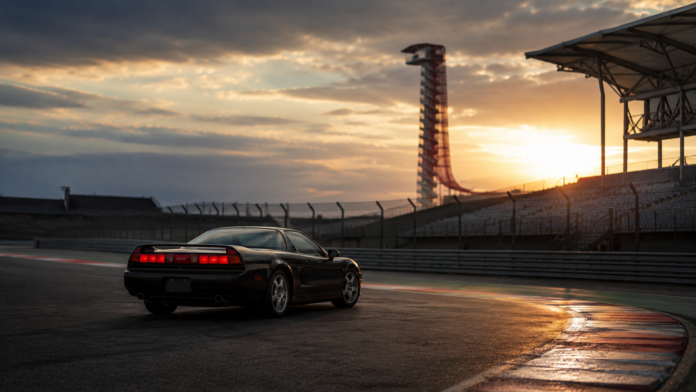
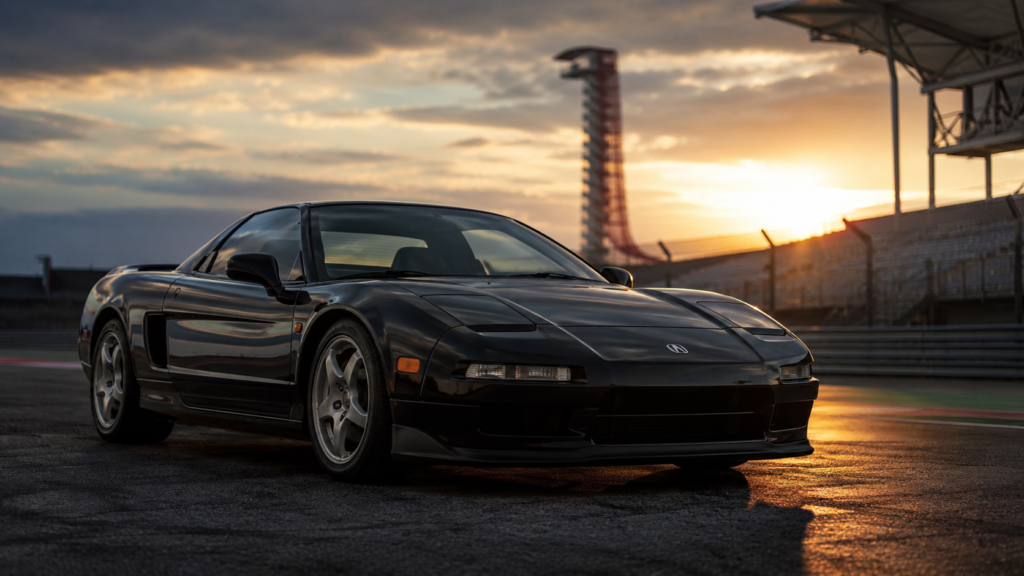
The sun is already hot over the Circuit of the Americas in Austin, Texas, but the coolest cars are not on the track. They are in the paddock, lined up for Radwood, a car show dedicated to the 1980s and 1990s. A woman in a vintage Ferrari F40 jacket is standing next to a pristine Acura NSX. She owns the car. She tracks it. She also owns a Porsche 911 GT3 and a Ford GT.

Across the field, a younger woman is helping her partner change a tire on a BMW E30 M3. She is not there to watch. She is there to drive.

The supercar world has historically ignored half its potential audience. The marketing has been aimed at men. The dealerships have been designed for men. The car culture has been dominated by men. But that is changing. More women are buying supercars. More women are racing them. More women are leading the engineering teams that design them.

This article tells the story of how women are changing car culture, from the track to the showroom floor.

The Location: Radwood Austin, Circuit of the Americas

Radwood is a car show that celebrates the cars of the 1980s and 1990s. It is not a typical concours. The dress code is period appropriate. The music is era specific. The vibe is inclusive and welcoming.

The Austin event is held at COTA, one of the premier racing facilities in the United States. The location is symbolic. Women are not just attending the show. They are driving the track.

The Historical Gap

For decades, the automotive industry treated women as an afterthought. Marketing campaigns featured women as passengers, not drivers. Car designs prioritized male ergonomics. Dealerships were staffed primarily by men.

The supercar segment was even more exclusionary. The prices were astronomical. The imagery was aggressive and masculine. The culture was insular and unwelcoming.

There were exceptions. Women like Denise McCluggage, a pioneering racing driver and journalist, and Pat Moss, a rally champion, broke barriers. But they were outliers. The industry did not change to accommodate them.

The Shift: Data and Demand

The shift began with data. Market research showed that women were making or influencing a significant percentage of car buying decisions. The luxury segment was no exception.

Manufacturers realized that they were leaving money on the table. A woman who wanted a supercar had few places to turn. The dealerships were intimidating. The salespeople were dismissive. The online forums were hostile.

Some brands started to adapt. Porsche launched a marketing campaign featuring women drivers. Ferrari expanded its customization options to appeal to a broader audience. Lamborghini hired female engineers and designers.

The change was slow, but it was real.

The Showroom Experience

The dealership experience has evolved significantly. Salespeople are now trained to treat all customers with respect, regardless of gender. The showroom design is more neutral. The marketing materials feature women as drivers, not as accessories.

A woman who walks into a Ferrari dealership today is less likely to be dismissed. She is more likely to be offered a test drive. She is more likely to be taken seriously.

The change is not universal. Some dealerships still lag. But the trend is clear.

The Track

The racetrack has also become more inclusive. Organizations like the Ferrari Club of America and the Porsche Club of America have seen an increase in female membership. Track day events now offer women-only sessions for beginners.

The National Auto Sport Association and the Sports Car Club of America have programs designed to encourage female participation. The number of women competing in grassroots racing is growing.

The shift is generational. Younger women who grew up watching Formula 1 and playing Gran Turismo are now old enough to afford track days. They are not intimidated by the culture. They are changing it.

The Industry

The automotive industry is still male-dominated, but the balance is shifting. More women are entering engineering and design roles. More women are leading product development teams.

Lamborghini’s head of design, Mitja Borkert, has spoken about the importance of diverse perspectives in creating cars that appeal to a broader audience. Porsche’s head of interior design, Ivo van Hulten, has emphasized the need for cars that are usable by drivers of all sizes and strengths.

The shift is not just about marketing. It is about engineering. A car designed exclusively by men may not fit a woman’s body or driving preferences. A car designed by a diverse team is more likely to serve a diverse audience.

The Austin Morning: A Conversation with a Collector

The woman in the Ferrari F40 jacket is standing next to her NSX. She is in her 50s. She has been collecting cars for 20 years.

“I used to walk into a dealership and they would assume I was buying a car for my husband,” she says. “Now, they know me by name. They call me when a new allocation opens up.”

She has seen the industry change, but she knows there is work to do.

“The track days are still mostly men,” she says. “The online forums are still hostile. But the younger generation is different. They don’t care about gender. They care about cars.”

The Challenges That Remain

Despite the progress, significant challenges remain. Women are still underrepresented in leadership positions at major automotive manufacturers. Women are still subjected to harassment and condescension in online car communities.

The car culture has a reputation for being unwelcoming to women. That reputation is not entirely undeserved. Changing it will require sustained effort from manufacturers, dealers, and enthusiasts.

The financial barrier is also significant. Supercars are expensive. The gender pay gap means that women have less disposable income to spend on luxury goods. The industry cannot solve this problem on its own, but it can be aware of it.

The Role of Social Media

Social media has been a powerful tool for women in car culture. Platforms like Instagram and TikTok allow women to share their passion without the gatekeeping of traditional media.

A woman with a modified Miata can build a following of thousands. A woman with a Lamborghini can share her experiences with an audience that would never see her in a magazine.

Social media has also created accountability. A dealership that treats a woman poorly can be called out online. A manufacturer that ignores female customers can face a public relations crisis.

The Austin Sunset

The sun is setting over COTA. The Radwood show is winding down. The woman with the NSX is loading her car onto a trailer. She is heading home.

She will drive her Porsche tomorrow. She will track her Ford GT next month. She will keep buying cars and driving them.

She is not an exception anymore. She is part of a trend.

The Future

The future of supercar culture is more inclusive than its past. The data is clear. The demand is there. The manufacturers are adapting.

The women who are buying supercars today are not just customers. They are role models. They are showing the next generation that car culture is for everyone.

The industry has a long way to go. But the direction is right.

The Austin Verdict

The supercar world has historically ignored half its potential audience. That is changing. Women are buying cars, racing cars, and leading the teams that design cars.

The change is driven by data, demand, and a younger generation that does not accept the old status quo.

The woman in the Ferrari F40 jacket is driving home. She is not thinking about the industry. She is thinking about the drive.

That is the point. Car culture is about the cars. And cars do not care who is driving them.

Key Takeaways

  • Women make or influence a significant percentage of luxury car purchasing decisions, yet the industry has historically ignored this audience.
  • Dealerships are improving their treatment of female customers, but significant variation remains.
  • Organizations like NASA and SCCA are seeing increased female participation in track events.
  • Social media has given women a platform to share their passion and hold the industry accountable.
  • The industry is slowly diversifying its engineering and design leadership, which influences product development.

Conclusion

The supercar culture is changing. The change is slow, but it is real. Women are no longer invisible. They are at the track. They are in the showroom. They are behind the wheel.

The woman with the NSX is gone. The Radwood show is over. The track is quiet.

But next weekend, she will be back. And there will be more women with her.

That is the future of car culture. It is not about gender. It is about passion. And passion has no gender.

The Supercar Flip Culture: Making Money or Ruining the Market? – A Foggy Morning at the Denver Cars & Coffee

0

The fog is lifting over the front range of the Rocky Mountains, and the parking lot of the Denver Cars & Coffee at Lombardi Brothers has filled to capacity. A McLaren 765LT Spider sits roped off from the crowd. It has 47 miles on the odometer. The original owner never even took it home. It was delivered, photographed, and listed for sale with a $200,000 markup.

A young man walks past the roped-off McLaren. He has saved for three years to buy a sports car. He cannot afford the markup. He is looking at a used Porsche 911 instead.

The owner of the McLaren is not at the meet. He is at home, waiting for a wire transfer.

Spec lists and limited editions are being flipped for profit before the ink dries. The supercar market has become a parallel financial universe, where allocation letters are traded like stock certificates and delivery mileage is a mark of shame. This article explores whether supercar flipping is a legitimate investment strategy or a destructive force that is pricing enthusiasts out of the market.

The Location: Denver, Colorado

Denver is not Monaco, but it is a growing hub for car culture. The city has a strong economy, a booming population, and a new generation of tech wealth. The Cars & Coffee meet here reflects the national trend. There are new Lamborghinis and Ferraris parked next to modified Subarus and classic Mustangs.

The meet is a microcosm of the tension in the supercar market. The cars that are being flipped are not being driven. They are being stored, marketed, and sold to the highest bidder. The enthusiasts who want to drive them are left to compete for used examples at inflated prices.

The Anatomy of a Flip

A typical supercar flip follows a predictable pattern.

A manufacturer announces a limited edition model. It might be a Ferrari, a Lamborghini, or a Porsche. Production numbers are small. Demand is high. The manufacturer invites its best customers to place orders.

The chosen buyers are not necessarily enthusiasts. They are often collectors who have established relationships with dealerships. They have bought multiple cars over the years. They have earned the right to buy the limited edition.

The buyer takes delivery of the car. Sometimes they never even see it. The car is transported from the dealership to a storage facility or a detailer. Photos are taken. The odometer is documented. The car is listed for sale on an enthusiast forum or an auction site.

The buyer sells the car for a profit. The markup can be tens of thousands of dollars or hundreds of thousands of dollars, depending on the model. The flip is complete.

The Math: What Flips and What Does Not

Not every limited edition supercar is profitable. The flippers have learned to be selective.

Ferrari has been the most consistent brand for flips. The LaFerrari, the 488 Pista, and the 812 Competizione all sold for significant premiums over their original prices. The SF90 Stradale has been less profitable. The market has been more selective.

Lamborghini models like the Aventador SVJ and the Huracán Performante have also appreciated. The Urus, the brand’s SUV, has not.

Porsche has a mixed record. The 911 GT3 and GT3 RS have held their value well. The 911 R, a manual transmission limited edition, exploded in value before cooling. The 911 S/T is the current darling.

McLaren’s limited editions, like the Senna and the Elva, have appreciated, but the market for McLarens is narrower than the market for Ferraris.

The most profitable flips share common traits. The car is a limited edition. The car is the last of its kind, such as a final naturally aspirated V12. The car has a manual transmission. The car is painted in a classic color. The car has a low option spec.

The Players: Who Is Flipping?

The flippers are not a single group. They range from wealthy collectors to small-scale speculators.

At the top end are established collectors who have bought multiple cars from a dealership. They have the relationships to secure allocations. They treat flipping as a side business, or as a way to offset the cost of the cars they actually keep.

In the middle are enthusiasts who buy a car with the intention of driving it, but then decide to flip it when the market price exceeds their emotional attachment.

At the bottom end are speculators who have no interest in cars at all. They view allocations as financial instruments. They have never attended a Cars & Coffee. They have never driven a supercar on a track. They are purely in the market for profit.

The Dealership’s Role: Enabler or Gatekeeper?

Dealerships are complicit in the flip culture. They decide who gets the allocations. They have the power to sell to genuine enthusiasts or to known flippers.

The problem is that dealerships are businesses. They want to sell cars. A known flipper who buys multiple high-margin models is a valuable customer. A genuine enthusiast who buys one car every few years is less valuable.

Some manufacturers have tried to combat flipping. Ferrari has a policy of blacklisting customers who flip their cars within the first year. Porsche has inserted clauses in purchase agreements that restrict resale. The effectiveness of these measures is debatable.

The Case For Flipping: Legitimate Investment

The argument in favor of flipping is straightforward. Supercars are luxury goods, not necessities. The market sets the price. If someone is willing to pay a premium for a limited edition, the seller is entitled to that profit.

Flipping is a legitimate investment strategy. The buyer takes a risk. The car could depreciate. The market could soften. The flipper earns the profit by bearing that risk.

The manufacturers could solve the problem by increasing production. They choose to limit supply. That decision creates scarcity. Scarcity creates value. The flippers are simply participating in the market that the manufacturers created.

The Case Against Flipping: Destroying Enthusiast Access

The argument against flipping is emotional and practical. The cars are built to be driven. When they are locked in storage, waiting for the right buyer, they are not being used for their intended purpose.

Flipping prices enthusiasts out of the market. A young fan who has saved for a decade cannot compete with a speculator who has a relationship with a dealership. The cars become trophies for the wealthy, not tools for the passionate.

The culture of flipping also distorts the market. The prices on the secondary market are not reflections of the car’s quality. They are reflections of artificial scarcity. The bubble could burst, leaving speculators with cars that are worth less than they paid.

The Denver Morning: A Divided Community

The sun is fully up now. The Cars & Coffee meet is winding down. The roped-off McLaren is still sitting in its spot. A small crowd has gathered around it.

A man in his 60s is explaining the car to a teenager. “This is a 765LT Spider,” he says. “Only a few hundred were built. The original owner never even drove it.”

The teenager nods. He has seen the car on YouTube. He knows the specifications. But he will never own one. He cannot afford the markup.

A woman standing nearby overhears the conversation. She is the owner of a Ferrari 488 Pista. She drove her car to the meet. It has 15,000 miles on the odometer. She tracks it regularly.

“I don’t understand the flippers,” she says. “Why buy a car if you are not going to drive it?”

The Impact on Manufacturers

The flip culture has created perverse incentives for manufacturers. They know that limited editions will be resold at a premium. They could capture that premium by raising prices. But they choose not to.

The manufacturers are walking a tightrope. They want to maintain exclusivity. They want to reward loyal customers. They want to attract new buyers. The flip culture threatens all of these goals.

There is also a reputational risk. A brand that is associated with flippers and speculators may lose its appeal to genuine enthusiasts. The cars become financial instruments, not objects of passion.

The Denver Sunset

The meet is over. The cars are leaving. The roped-off McLaren is loaded onto a transport truck. It will be delivered to its new owner, who may or may not ever drive it.

The teenager who was admiring it is walking toward his car, a used Mazda Miata. He will drive it home on the mountain roads. He will enjoy it. He will not make a profit.

The woman with the Ferrari 488 Pista is driving home too. She is smiling. She drives her car.

The Future of Flipping

The supercar flip culture is not going away. As long as manufacturers limit production and demand exceeds supply, there will be a market for allocations. The question is whether the manufacturers will take effective steps to curb the worst excesses.

Some observers believe that the market will self-correct. A recession could cool demand. A shift toward electric supercars could change the calculus of what is collectible. The flippers could be left holding cars that no one wants to buy.

Others believe that the flip culture is permanent. The supercar market has become a parallel financial universe, and it is not going back.

The Denver Verdict

The fog has returned to the front range. The parking lot is empty.

The supercar flip culture is a symptom of a larger trend. Luxury goods have become financial assets. The people who can afford to buy them are not necessarily the people who love them.

Is flipping a legitimate investment strategy? Yes, it is. The cars are property. The owners have the right to sell them for whatever the market will bear.

Is flipping destroying enthusiast access? Yes, it is. The prices are out of reach for the people who would drive the cars.

Both statements are true. The supercar market is not fair. It was never meant to be. It is a luxury market, driven by scarcity and desire.

But the teenager in the Mazda Miata will still drive home on the mountain roads. He will still smile. He may never own a McLaren. But he will still be an enthusiast.

That is the hope. The passion for driving is not tied to the price of a car. It is tied to the experience.

The flippers have the cars. The enthusiasts have the roads. The balance is not equal. But it is not zero.

Key Takeaways

  • Supercar flipping involves buying a limited edition model and reselling it quickly for a profit, often without ever driving it.
  • The most profitable flips involve rare, limited edition models from Ferrari, Lamborghini, and Porsche.
  • Flippers range from established collectors to small-scale speculators with no interest in cars.
  • Manufacturers have tried to curb flipping with policies and purchase agreements, with limited success.
  • The flip culture prices genuine enthusiasts out of the market but is defended as a legitimate investment strategy.

Conclusion

The supercar flip culture is a reflection of the times. Luxury goods are investments. Scarcity drives value. The people who can afford to play the game are not always the people who love the cars.

But the cars are still being built. The roads are still there. The enthusiasts are still driving.

The teenager in the Mazda Miata will never own a McLaren. But he will still drive. He will still learn. He will still smile.

That is the resilience of car culture. It is not about the price. It is about the passion.

The flippers have the cars. The enthusiasts have the roads. The balance is not fair. But it is not zero. And that is something.