Home Blog Page 12

Inside the World’s Most Exclusive Car Collections: From the Sultan’s Palace to Jay Leno’s Garage

0

A journey through the most extraordinary private car collections on the planet, from the hills of Malibu to the underground garages of Tokyo.

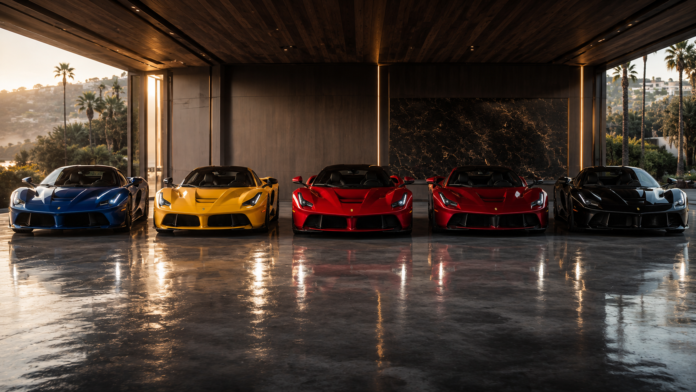
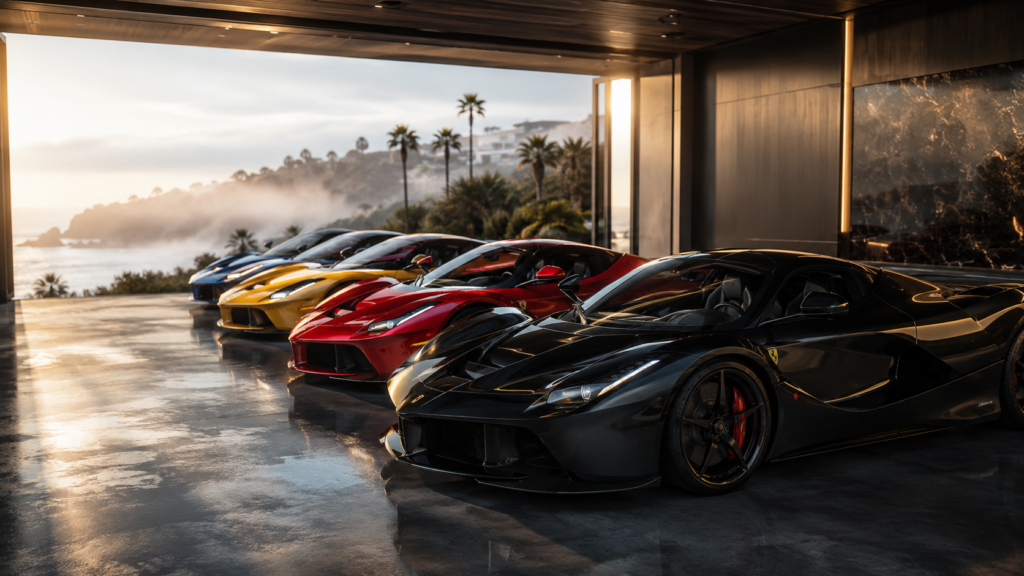
The morning fog was still clinging to the canyons above Malibu, California, when the steel door of a nondescript warehouse began to roll upward. Inside, the light revealed a row of Ferrari LaFerraris, each in a different color, lined up like soldiers awaiting inspection. A Porsche 918 Spyder sat next to a McLaren P1, the three cars collectively known as the Holy Trinity of hybrid hypercars. In the corner, covered in a light layer of dust, was a 1962 Ferrari 250 GTO.

This was not a museum. It was a private garage. The owner, a technology executive who preferred to remain anonymous, had assembled one of the most significant collections of modern supercars in the world. And he was not alone.

Across the globe, a small group of collectors has amassed car collections that rival those of national museums. Some are famous. Some are secret. Some are open to the public. All are extraordinary.

This article takes you inside the world’s most exclusive car collections, from the palace of the Sultan of Brunei to the Big Dog Garage of Jay Leno, exploring the cars, the stories, and the people behind them.

The Sultan of Brunei: A Palace of 7,000 Cars

The Istana Nurul Iman palace in Bandar Seri Begawan, the capital of Brunei, is the largest residential palace in the world. With 1,788 rooms, a mosque, and a garage that stretches for acres, it is the home of Sultan Hassanal Bolkiah. And in that garage, hidden from public view, is the largest private car collection in existence.

The numbers are staggering. The Sultan’s collection is estimated to include approximately 7,000 cars, worth an estimated $5 billion. The collection includes hundreds of Ferraris, dozens of McLaren F1s, a fleet of Rolls Royces customized by Pininfarina, and cars that were never offered to the public.

Among the highlights: five McLaren F1s, including one of the rare LM specifications. A Ferrari 456 GT Venice station wagon, one of seven built for the Sultan. A Rolls Royce Silver Spur with a custom Pininfarina body, one of a kind. Dozens of Dauer 962 Le Mans cars, road legal versions of the Porsche 962 race car.

The cars are stored in massive hangars. Some are maintained in pristine condition. Others sit in disrepair, covered in dust, their tires flat, their batteries dead. The Sultan has not driven most of them in decades.

Why does one man need 7,000 cars? There is no rational answer. The collection is not about driving. It is about ownership. It is about having what no one else can have.

The Sultan of Brunei’s collection is the most exclusive in the world. It is also the most secret. Few outsiders have seen it. Fewer have documented it. The cars remain hidden, waiting.

Jay Leno’s Big Dog Garage: A Working Collection

In Burbank, California, a different kind of collection exists. Jay Leno’s Big Dog Garage is not a storage facility. It is a working shop. The cars are driven, maintained, and enjoyed.

The collection numbers approximately 300 cars, far smaller than the Sultan’s. But the range is astonishing. A 1906 Stanley Steamer, a steam powered car that was once a record holder. A 1963 Chrysler Turbine, one of the few remaining turbine powered cars. A 1994 McLaren F1, which Leno drives regularly. A 2019 Bugatti Chiron, one of the most powerful production cars ever built.

Leno’s philosophy is simple. Cars are meant to be driven. He drives his cars on public roads, often filming them for his YouTube channel. He has a team of mechanics who keep the collection running. The garage is a place of work, not a museum.

The collection is also accessible. Leno has opened his garage to television crews, journalists, and fans. He is passionate about sharing his cars with the world.

What makes Leno’s collection special is not the number of cars. It is the variety. He has steam cars, electric cars from the early 1900s, modern hybrids, and everything in between. The collection is a history of automotive technology.

The Petersen Museum Vault: A Public Collection with Private Access

The Petersen Automotive Museum in Los Angeles, California, has a public collection that is world class. But beneath the museum, in a climate controlled vault, is a private collection that is rarely seen.

The vault is not open to the general public. It is accessible only through special tours. Inside, the cars are arranged by theme: racing cars, movie cars, concept cars, and luxury cars.

Highlights include the 1939 Rolls Royce Phantom III used by the British royal family. The 1967 Ford GT40 that finished third at Le Mans. The 1998 Nissan R390 GT1, one of the few road legal versions of the race car.

The vault also contains significant Hollywood cars: the 1968 Ford Mustang GT from Bullitt, the 1981 DeLorean DMC 12 from Back to the Future, and the 1966 Batmobile.

The Petersen vault is a bridge between public and private collections. It is accessible, but only to those who make the effort to visit. It is a collection for enthusiasts, by enthusiasts.

The Mullin Automotive Museum: French Art Deco Masterpieces

In Oxnard, California, the Mullin Automotive Museum housed a collection of French art deco cars before it closed in 2024. The collection was assembled by Peter Mullin, an insurance executive with a passion for Bugatti.

The collection included one of the finest assemblies of Bugatti automobiles in the world. The 1938 Bugatti Type 57 SC Atlantic, one of only two surviving examples. The 1937 Bugatti Type 57S, a stunningly beautiful coupe. The 1936 Bugatti Type 57SC Atlantic, a car so valuable that it is rarely seen outside of museums.

The collection also included other French art deco cars: Delahayes, Delages, and Talbot Lagos. These cars are not just automobiles. They are works of art, with bodies sculpted by the greatest coachbuilders of the era.

The Mullin collection was unique. It focused on a specific era and a specific style. It was not about speed. It was about beauty.

The Ralph Lauren Collection: Fashion Meets Automotive Art

In New York, fashion designer Ralph Lauren has assembled a collection that rivals any in the world. The collection is not open to the public, but it has been exhibited at the Louvre in Paris and the Museum of Fine Arts in Boston.

The collection includes some of the most significant cars ever built. A 1938 Bugatti Type 57SC Atlantic, one of the two surviving examples not in the Mullin collection. A 1954 Ferrari 375 Plus, which won the Mille Miglia. A 1962 Ferrari 250 GTO, one of the most valuable cars in the world. A 1996 McLaren F1 LM, one of only five built.

Ralph Lauren’s collection is curated with the same eye for detail that he applies to his fashion lines. The cars are presented in pristine condition, often displayed in settings that complement their design.

What sets the Ralph Lauren collection apart is its quality. Every car is a masterpiece. There are no filler cars. Each one is significant.

The Miles Collier Collection: The Revs Institute

In Naples, Florida, the Revs Institute houses the collection of Miles Collier. The focus is on racing cars and the history of automotive engineering.

The collection includes the 1964 Ferrari 250 LM that won Le Mans. The 1963 Shelby Cobra 289 that dominated American sports car racing. The 1907 Renault that set land speed records.

But the Revs Institute is not just a car museum. It is a research library. The collection includes thousands of books, photographs, and documents. Scholars can study the history of the automobile in ways that are not possible elsewhere.

The Miles Collier collection is for students of automotive history. It is not about flash. It is about knowledge.
The S.A.M. Collection: A Secret in the Swiss Alps

In the Swiss Alps, in a small town called St. Moritz, there is a collection that few have seen. The S.A.M. Collection, named for its founder, is a secret.

The cars are stored in an underground bunker. Access is by appointment only, and only for serious collectors or researchers. The collection includes dozens of Ferraris, including a 250 GTO, a 288 GTO, an F40, an F50, and an Enzo. It includes rare Porsches, like the 959 and the Carrera GT. It includes Mercedes Benz 300 SL Gullwings, Bugatti Type 57s, and Alfa Romeo 8C 2900Bs.

The S.A.M. Collection is the ultimate expression of private collecting. It is for the owner alone. The public is not invited.

The Schlumpf Collection: The Musée National de l’Automobile

In Mulhouse, France, the Schlumpf Collection is now a public museum, but it began as a private obsession. In the 1960s and 1970s, the Schlumpf brothers, Fritz and Hans, used their textile fortune to buy hundreds of Bugattis, and Ferraris, and Alfa Romeos.

The collection includes more than 400 cars. It is the largest collection of Bugattis in the world, including a 1939 Type 57SC Atlantic. It includes the 1970 Ferrari 512S Berlinetta, one of the most valuable race cars ever built.

The Schlumpf brothers spent beyond their means. They went bankrupt. The collection was seized by the French government and turned into a museum. Today, it is open to the public.

The Schlumpf Collection is a cautionary tale. Obsession can lead to ruin. But the cars survive.

The Private Collectors You Have Never Heard Of

For every famous collector, there are dozens who remain anonymous. A hedge fund manager in Greenwich, Connecticut, has a collection of 20 Ferraris, including three 250 GTOs. He does not display them. He does not drive them. He just owns them.

A software developer in Seattle has a collection of vintage Porsches, all 911s from 1965 to 1973. He drives them regularly, rotating through the collection. He posts photos on social media but does not disclose his identity.

A family in Tokyo has a collection of Japanese classics: Nissan GT-Rs, Mazda RX-7s, Toyota 2000GTs. They are kept in a garage in the city, hidden from view.

The private collectors are everywhere. You just do not know them.

The Costs of Collecting: Storage, Maintenance, Insurance

Maintaining a significant car collection is not cheap. The costs are substantial.

Storage: A climate controlled garage costs $1,000 to $5,000 per car per year, depending on location and amenities.
Maintenance: A Ferrari requires an annual service costing $2,000 to $5,000. A Bugatti requires specialized service costing $20,000 or more.
Insurance: Agreed value insurance for a $10 million car can cost $50,000 per year or more.
Staff: A collection of 100 cars requires a full time staff of mechanics, detailers, and security. Salaries can exceed $500,000 per year.

The cost of collecting is a barrier to entry. It is not enough to buy the cars. You must also care for them.

The Future of Car Collecting

The future of car collecting is uncertain. Electric cars are quiet and efficient. They do not have the same emotional appeal as a screaming V12. The values of internal combustion cars have soared as collectors anticipate their extinction.

Younger collectors are interested in different cars. The Nissan GT-R, the Toyota Supra, the Mazda RX-7 these cars are becoming collectible. The Ferrari 250 GTO will always be valuable, but the next generation of collectors may prefer the cars of their youth.

The great private collections will remain. The Sultan’s 7,000 cars, Jay Leno’s 300, the anonymous garages of the wealthy. But the nature of collecting is changing.

Conclusion: Why We Collect

The world’s most exclusive car collections are not about transportation. They are about passion, obsession, and the desire to own a piece of history.

The Sultan of Brunei collects for ownership alone. Jay Leno collects to drive. Peter Mullin collected to preserve. The anonymous collectors collect for themselves.

There is no right way to collect. There is only the love of the machine.

As the sun sets over the Pacific Ocean, the steel door in Malibu closes. The LaFerraris disappear into the darkness. The 250 GTO returns to its corner, covered in dust.

Outside, a Toyota Camry drives past. The driver does not know what is hidden behind the door. He does not need to know.

The cars are not for him. They are for the collector.

And that is the point of the world’s most exclusive car collections. They are not for everyone. They are for the few who understand.
How F1 Drive to Survive Changed Everything for Supercar Sales – A Sunday Morning at the Greenwich Concours

0

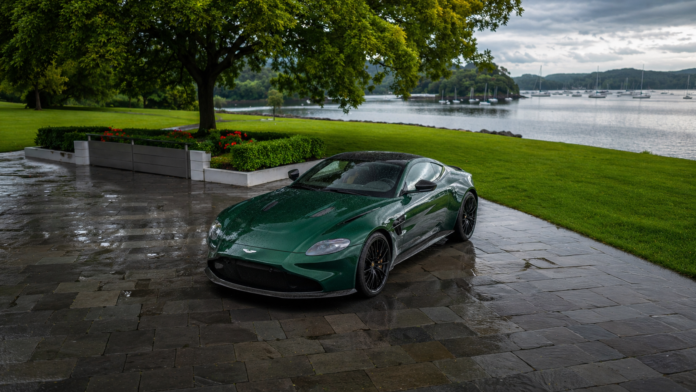
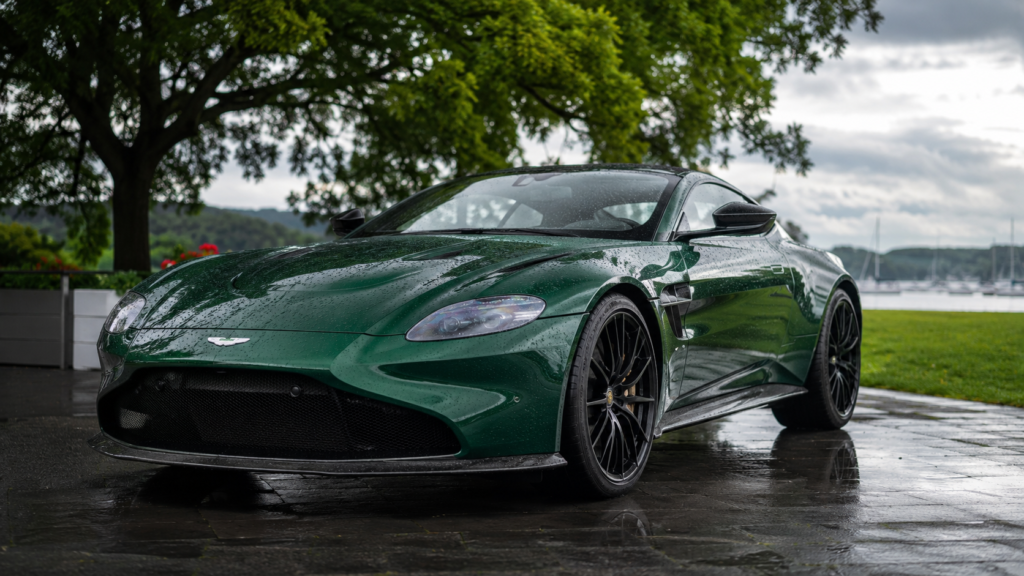
The rain has finally stopped, and the lawn at Roger Sherman Baldwin Park in Greenwich, Connecticut, is buzzing with activity. The Greenwich Concours d’Elegance is a celebration of automotive art, but this year, there is a different energy in the air. A young woman in a Porsche Motorsport hoodie is photographing a vintage Ferrari 250 GT. A teenager is explaining the intricacies of the Mercedes-AMG Petronas F1 car to his father. A family is posing in front of a green Aston Martin Vantage.

Something has changed in the world of supercars. The buyers are younger. The audience is broader. The enthusiasm is louder. And much of the credit belongs to a Netflix documentary series that, on paper, has nothing to do with selling cars.

This is the story of how Formula 1: Drive to Survive became the most effective marketing campaign in automotive history.

The Location: Greenwich, Connecticut

The Greenwich Concours is an unlikely venue for a cultural revolution. It is an old-money event, traditionally attended by collectors in linen suits and driving shoes. But on this Sunday, the crowd is different. There are more women. There are more families. There are more people who arrived not because they grew up with carburetors, but because they fell in love with a story on a screen.

The shift mirrors what has happened across the supercar industry. Drive to Survive did not just grow Formula 1 viewership. It created a new generation of enthusiasts who are now walking into showrooms and configuring six-figure cars.

The Pre-Drive to Survive Era

Before 2019, Formula 1 was a niche sport in the United States. It was admired by a dedicated fanbase, but it was not part of the mainstream conversation. The drivers were not household names. The technology was a mystery to casual viewers.

Supercar sales reflected this reality. Brands like Ferrari, Lamborghini, and McLaren sold cars to a relatively small, aging demographic. The buyers were successful, established, and already passionate about cars. A young professional might aspire to own a Porsche, but the idea of buying a Ferrari or a Lamborghini felt distant, reserved for a different generation.

The Gamble

In 2017, Liberty Media purchased Formula 1. The new owners recognized that the sport had a marketing problem. It was perceived as inaccessible, elitist, and difficult to understand. The average viewer did not know who the drivers were or why the rivalries mattered.

The solution was counterintuitive. Instead of focusing on the racing, they decided to focus on the people. They commissioned Netflix to create a documentary series that would follow the drivers, the team principals, and the rivalries behind the scenes.

The gamble was significant. Some teams were hesitant to participate, fearing over-dramatization and exposure. But Liberty Media pressed forward, and the first season of Drive to Survive was released in 2019.

The Breakthrough

The impact was immediate. Viewership for U.S. races surged. The United States Grand Prix in Austin, Texas, became one of the most attended events on the calendar. Tracks in Miami and Las Vegas were added to the schedule to meet growing demand.

The demographic shift was even more significant. A sport that had once been dominated by older viewers began attracting a younger audience. Women began attending races in larger numbers. The perception of Formula 1 as an inaccessible, elitist sport began to fade.

The Transmission

The connection between watching a documentary and buying a supercar is not obvious. But the mechanism is straightforward.

Drive to Survive introduced viewers to the personalities behind the sport. Lando Norris, Daniel Ricciardo, and Charles Leclerc became relatable figures. Their struggles, their victories, and their rivalries created emotional connections. When those drivers walked through the paddock in team gear, they were not just athletes. They were brand ambassadors.

Viewers who had never considered buying a supercar began to see Aston Martin, Ferrari, and McLaren as aspirational brands. The green Aston Martin racing car became synonymous with the team’s fight to the front. The red Ferrari became associated with the passion of the Tifosi. The papaya orange McLaren became a symbol of youthful energy and ambition.

The Aston Martin Case Study

Aston Martin is perhaps the clearest example of the Drive to Survive effect. The brand returned to Formula 1 after a decades-long absence. The timing coincided with the explosion of interest in the sport.

The connection between the F1 team and the road car division became a central part of Aston Martin’s marketing strategy. The racing green color used on the F1 car became the brand’s most popular paint option. The louvres on the new Vanquish were directly inspired by the F1 car. The diffuser used technology developed on the track.

The financial results followed. Dealerships reported an increase in foot traffic from younger buyers. The online configurator saw spikes in activity around race weekends. The brand that had once struggled to find an audience was suddenly in demand.

The Drivers Become Stars

Drive to Survive did not just sell cars. It sold personalities. Drivers like Lando Norris, Daniel Ricciardo, and Max Verstappen became household names. Their faces appeared on magazine covers. Their quotes appeared in tabloids. Their social media followings exploded.

For a generation of new fans, these drivers are not just athletes. They are aspirational figures. And the cars they drive are aspirational objects.

A teenager who watches Lando Norris laugh through a difficult season might not be able to afford a McLaren. But they can buy a McLaren hat. They can watch a McLaren video. They can visit a McLaren showroom. And eventually, some percentage of them will become customers.

The Sponsorship Boom

The Drive to Survive effect did not just benefit the car manufacturers. It benefited the entire Formula 1 ecosystem. Sponsorship deals became larger and more numerous. Global brands that had never considered Formula 1 began investing in the sport.

The increased revenue allowed teams to invest in better facilities, better engineers, and better marketing. The quality of the product improved. The visibility improved. The cycle accelerated.

The Criticism

The series has not been without controversy. Drivers have accused the show of manufacturing drama and splicing together footage from different races to create false rivalries. Some of the storylines have been criticized as misleading or over-dramatized.

The criticism is valid. But it misses the point. Entertainment drives engagement. Engagement drives interest. Interest drives sales.

The hardcore fans were already watching. Drive to Survive was not made for them. It was made for the person who had never seen a Grand Prix.

The Greenwich Morning

The crowd at the Greenwich Concours is thinning out. A man in his 30s is standing next to a McLaren Artura. He is not wearing a suit. He is wearing sneakers and a McLaren team shirt.

He is a new fan. He started watching Drive to Survive during the pandemic. He bought his first supercar last year.

“I never thought I would own a car like this,” he says. “I didn’t grow up around them. I didn’t know anyone who had one. But the show made me care about the drivers. It made me care about the technology. And then I started looking at the cars differently.”

He is not alone. Across the country, similar stories are playing out in showrooms and at car meets. A new generation of enthusiasts has arrived.

The Future

The question for supercar manufacturers is whether the Drive to Survive effect is sustainable. The show is maturing. Some of the novelty has worn off. The challenge is to convert the transient interest of new fans into lasting loyalty.

The manufacturers are adapting. They are emphasizing their connections to Formula 1 in their marketing. They are designing road cars with technology derived from the track. They are building customer events around race weekends.

The foundation has been laid. The fans who discovered F1 through Netflix are now attending races, buying merchandise, and configuring cars online. Some percentage of them will become lifelong customers.

The Greenwich Sunset

The sun is setting over the Long Island Sound. The cars are leaving the lawn. The new fans are heading home, their phones full of photos.

The supercar industry has changed. It is younger now. It is more diverse. It is more accessible.

The change did not come from a new engine or a new chassis. It came from a television show. A show about people, not just cars. A show that proved that the best way to sell a $200,000 supercar is to first make someone fall in love with a story.

Key Takeaways

  • Formula 1 viewership in the United States surged after the debut of Drive to Survive.
  • The demographic of the sport shifted significantly, with a much larger percentage of viewers now under the age of 35.
  • Supercar manufacturers reported measurable increases in website traffic, configurator activity, and foot traffic at dealerships during race weekends.
  • Aston Martin, which returned to Formula 1 in 2021, saw a dramatic increase in sales that executives directly attributed to the F1 association.
  • Drivers became brand ambassadors, and their personalities helped humanize the technology of supercars.

Conclusion

The Greenwich Concours is quiet now. The cars are gone. The lawn is empty. But the change is permanent.

Drive to Survive did not just grow Formula 1 viewership. It created a new generation of enthusiasts who are now walking into showrooms, configuring cars online, and buying their first supercars. The data is clear. The stories are consistent. The connection is real.

The old adage said, “Win on Sunday, sell on Monday.” The new adage might be, “Stream on Friday, configure on Saturday.”

The supercar industry will never be the same.

The Rise of Car Meets: How Enthusiast Culture Went Mainstream – A Saturday Night at Katie’s Cars & Coffee in Great Falls, Virginia

0

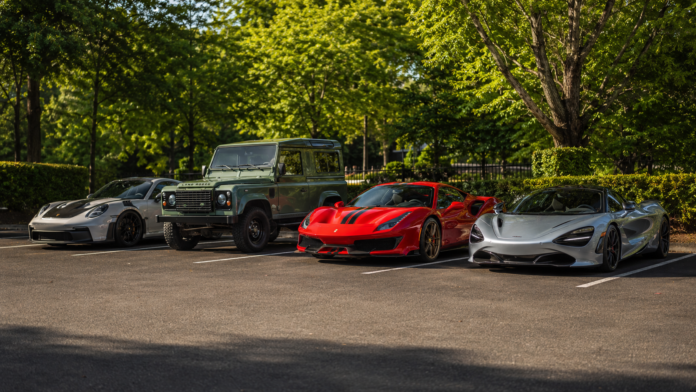
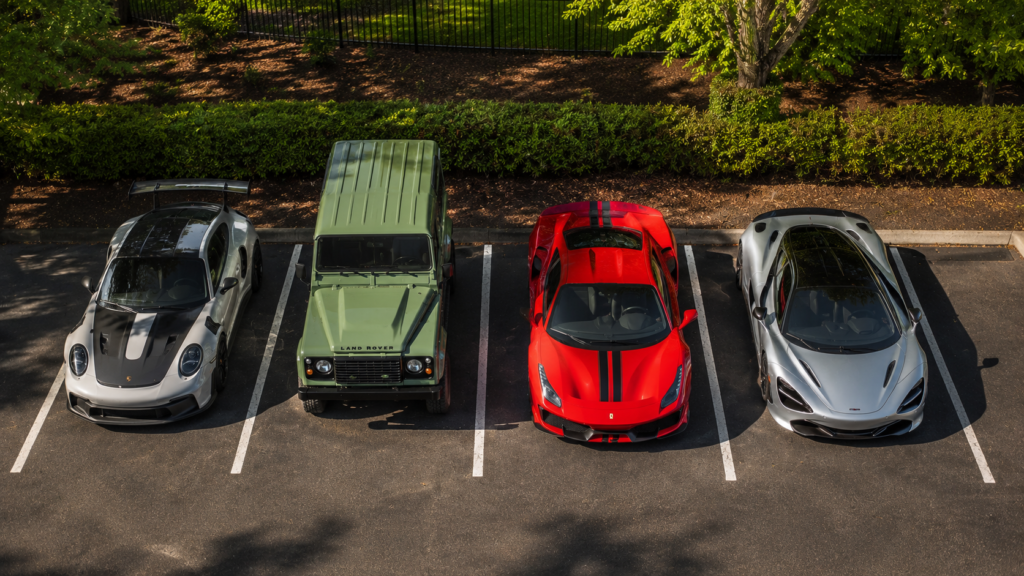
The sun is setting over the Potomac River, and the parking lot at Katie’s Coffee House in Great Falls, Virginia, is already full. A line of cars stretches down the block. A Porsche 911 GT3 RS parks next to a vintage Land Rover Defender. A Ferrari 488 Pista idles next to a modified Honda Civic Type R. A McLaren 720S is surrounded by teenagers taking photos. The crowd is a mix of retirees in driving shoes, tech workers in hoodies, and families pushing strollers.

Car meets have existed for decades. But something has changed in the last ten years. What was once a niche hobby for gearheads has become a mainstream cultural phenomenon. Car meets now attract thousands of attendees. They generate millions of views on YouTube and TikTok. They have become community events, art installations, and social media spectacles.

This article tells the story of how car meets went mainstream. The narrative follows the arc of the Saturday morning gathering at Katie’s Cars & Coffee, a meet that started with a dozen friends and now draws over a thousand cars on a good day.

The Location: Katie’s Cars & Coffee, Great Falls, Virginia

Katie’s is not the largest car meet in the country. It is not the most famous. But it is one of the most consistent. Every Saturday morning, rain or shine, cars gather in this suburban strip mall. The owner of the coffee shop is not a car enthusiast. He simply allowed the first few cars to park in his lot. The crowd grew organically.

The meet is a microcosm of the larger trend. The cars range from a $15,000 Mazda Miata to a $3 million Bugatti Chiron. The attendees range from teenagers who cannot drive yet to retirees who have owned dozens of cars. The common thread is a shared passion for cars and a desire to be around people who share that passion.

The Early Days: A Niche Hobby (2000 to 2010)

Before social media, car meets were smaller and more insular. Enthusiasts found each other through forums like NASIOC for Subaru owners, VWVortex for Volkswagen fans, and FerrariChat for the well-heeled. Meets were organized on message boards. Attendance was measured in dozens, not hundreds.

The cars were more specialized. A meet might be exclusively for European exotics or Japanese imports. There was less cross-pollination between different car cultures.

The Saturday morning Cars & Coffee format was pioneered in Southern California. The idea was simple: a casual gathering where any car was welcome, and the only requirement was a love of automobiles.

The Social Media Tipping Point (2010 to 2015)

The rise of Instagram and Facebook groups transformed car meets. Suddenly, it was easy to organize events and share photos. A meet that once required days of forum planning could be set up with a single post.

The visual nature of Instagram was a perfect fit for car culture. A well-photographed car could attract hundreds of attendees. A video of a burnout could go viral.

Katie’s Cars & Coffee grew rapidly during this period. The meet was featured on several popular car blogs. Photos of the stunning lineup spread across social media. Word of mouth did the rest.

The YouTube Effect (2015 to 2020)

YouTube creators like Supercar Suspects, Vehicle Virgins, and DDE (Daily Driven Exotics) began filming at car meets. A car that appeared in a popular video became famous overnight. Owners started bringing their most exotic cars specifically to be filmed.

Car meets became content farms. Creators walked the lots with cameras, interviewing owners and filming walkarounds. A successful video could generate millions of views and thousands of dollars in ad revenue.

This created a feedback loop. More people attended meets hoping to be featured. More content drew more viewers, who then attended meets themselves. The cycle accelerated.

The Mainstream Tipping Point (2020 to 2024)

The pandemic had a paradoxical effect on car culture. With other forms of entertainment closed, people turned to cars. Driving was a safe activity. Car meets were held outdoors. The sense of community was appealing after months of isolation.

During this period, car meets exploded in popularity. Events that once drew 200 cars began drawing 2,000. The demographic shifted. More women attended. More families attended. More people who had never considered themselves car enthusiasts showed up to see the spectacle.

Katie’s Cars & Coffee became a victim of its own success. The lot could no longer accommodate the crowd. Cars parked on the grass. Traffic backed up onto the main road. Local residents complained. The meet was forced to implement rules and limit attendance.

The Katie’s Experience: A Saturday Morning in Great Falls

The meet officially starts at 7:00 AM. The dedicated attendees arrive by 6:00 AM to secure a good spot. The early morning light is perfect for photography. The coffee shop opens early, and the line for lattes is as long as the line for cars.

A young man in a hoodie is filming a walkaround of a Lamborghini Huracán for his YouTube channel. He has 50,000 subscribers. He is not famous, but he is part of the ecosystem.

A father and son are standing next to a Porsche 911. The father is explaining the difference between a Carrera and a Turbo. The son is listening, but he is also watching the McLaren across the lot.

A group of retirees are sitting in lawn chairs behind their vintage Alfa Romeos. They have been coming to Katie’s for years. They remember when the meet was small enough that everyone knew everyone’s name.

A security guard is directing traffic. The meet has become so large that paid security is now required.

The Criticism: What Has Been Lost

Not everyone is happy with the mainstreaming of car meets. Some long-time attendees complain that the events have lost their intimacy. The sense of community has been diluted by the sheer number of people.

There is also a safety concern. Some meets have been shut down due to reckless behavior. Burnouts, drifting, and street racing have become associated with car culture, and not all meets are well-behaved.

Katie’s has avoided major incidents. The organizers have been proactive about enforcing rules. But the tension remains.

The Future of Car Meets

Car meets are not going away. They have become too large and too popular. But they are evolving.

Some meets are becoming ticketed events. This helps control attendance and provides funding for security and cleanup. Others are moving to larger venues, such as racetracks and fairgrounds.

The Cars & Coffee format is spreading globally. There are now events in Australia, Japan, and across Europe. The basic formula remains the same: a casual gathering, open to all cars, with a focus on community.

The Katie’s Sunset

The sun is fully up now. The lot is full. The coffee shop is bustling. The cars will start leaving around 9:00 AM. The meet will be over until next Saturday.

A young woman is taking a photo of a Ferrari Roma. She posts it to Instagram with the caption “Caffeine and horsepower.” It will get a hundred likes.

A man in his 60s is talking to a teenager about his 1967 Mustang. The teenager is asking about the restoration process. The man is happy to share.

A kid is running between the cars, pointing at each one. He cannot pronounce “Lamborghini” yet, but he knows the colors.

The Mainstreaming of Enthusiasm

The rise of car meets is a story about the mainstreaming of enthusiasm. What was once a niche hobby is now a cultural touchstone. Cars are no longer just transportation. They are art, entertainment, and community.

The car meet is the physical manifestation of this shift. It is a place where a $15,000 Miata and a $3 million Bugatti can coexist. It is a place where a teenager and a retiree can share a passion.

Katie’s Cars & Coffee will be full again next Saturday. The cars will be different. The crowd will be similar. The coffee will be hot.

The rise of car meets is not a trend. It is a transformation.

Key Takeaways

  • Social media and YouTube accelerated the growth of car meets by making it easy to organize events and share content.
  • The pandemic created a surge in interest as people sought safe outdoor activities.
  • Car meets have become mainstream cultural events, attracting thousands of attendees and generating millions of online views.
  • The community has expanded to include women, families, and people who were not previously car enthusiasts.
  • Safety and crowd management have become significant challenges for large meets.
  • The Cars & Coffee format has spread globally, with events on multiple continents.

Conclusion

The rise of car meets is a testament to the enduring power of automotive passion. A hobby that once existed in garages and on forums has burst into the open. Car culture is now a part of mainstream culture.

Katie’s Cars & Coffee is quiet now. The cars are gone. The coffee shop is empty. But next Saturday, the lot will fill again.

The engines will rumble. The cameras will click. The community will gather.

That is the story of car meets. It is not about the cars. It is about the people who love them. And there are more of those people now than ever before.

Audi Nuvolari First Look: Audi’s 1,001 HP Hybrid Supercar Arrives – An Evening at the Tail of the Dragon

0

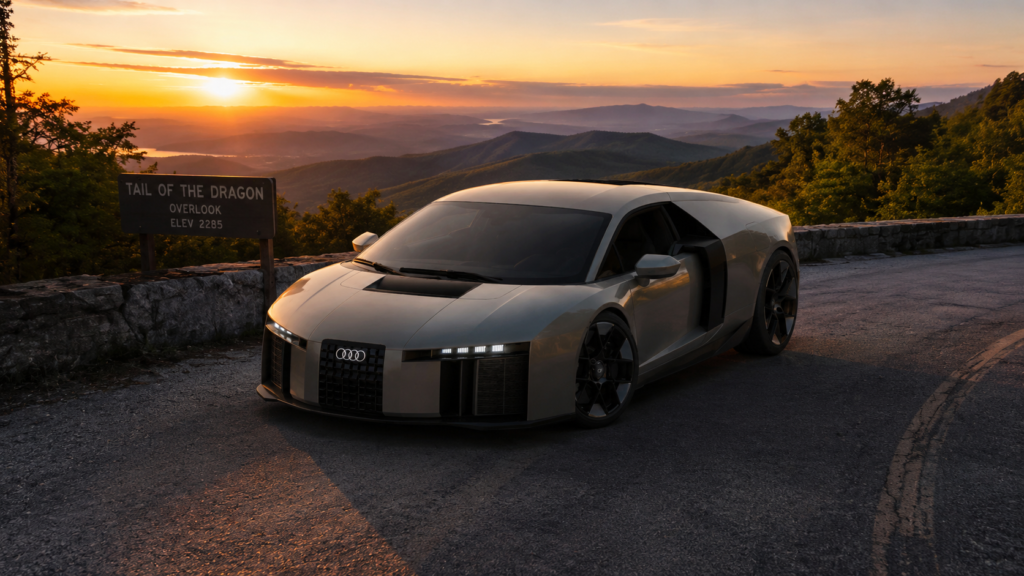
The sun is setting over the Smoky Mountains, casting long shadows across the 11 miles of asphalt known as the Tail of the Dragon at Deals Gap, North Carolina. This stretch of US 129 is a proving ground. Its 318 curves demand precision, courage, and a car that can pivot from one hairpin to the next without losing composure. Tonight, a camouflaged prototype is making its first unofficial appearance in the United States. It is the Audi Nuvolari, the brand’s first supercar with a high-performance hybrid powertrain.

Audi has officially unveiled the Nuvolari as a near-production prototype in Antibes, France, with deliveries of the limited edition 499 units scheduled to begin in the first half of 2027. The car is named after Tazio Nuvolari, the fearless Italian racer who dominated motorsport in the 1930s. With 1,001 PS (987 horsepower) and a top speed exceeding 350 km/h (217 mph), the Nuvolari is set to become the fastest and most powerful production vehicle in the history of the four rings.

This article examines the engineering, design, and performance of the Audi Nuvolari, based on the official global release and the sighting of a pre-production prototype on American soil.

The Name: A Tribute to a Racing Legend

Tazio Nuvolari was not a typical racing driver. He was known for his fearlessness, his ingenuity, and his single-minded will to win. He won the 1935 German Grand Prix at the Nürburgring in an underpowered Alfa Romeo, beating the dominant Mercedes-Benz and Auto Union cars on their home track. He is widely considered one of the greatest drivers in motorsport history.

Audi has chosen his name for its first supercar. The Nuvolari is a tribute to that spirit of determination and performance.

The Powertrain: Formula 1 Technology on the Road

The Nuvolari is powered by a high-performance hybrid system that combines a 4.0 liter V8 biturbo engine with three axial flux electric motors. The total system output is 736 kW, or 1,001 PS.

  • Combustion Engine: 4.0L twin-turbo V8 producing 588 kW (800 hp) and 730 Nm of torque. The engine revs to 10,000 rpm, a range previously reserved for motorsport.
  • Electric Motors: Three axial flux motors, each producing 110 kW. Two are located at the front axle, providing torque vectoring and all-wheel drive capability. The third is mounted between the V8 and the transmission.
  • Battery: 7.3 kWh lithium-ion pack, designed for power delivery rather than range.

The performance figures are staggering. The Nuvolari accelerates from 0 to 100 km/h (62 mph) in 2.6 seconds and reaches 200 km/h (124 mph) in 6.8 seconds. Top speed exceeds 350 km/h (217 mph). These figures place the Nuvolari in direct competition with the Ferrari SF90 Stradale, the McLaren 750S, and the Lamborghini Revuelto.

The Quattro Predictive Ride: Next Generation All-Wheel Drive

Quattro is one of Audi’s defining innovations. The Nuvolari introduces the next generation of all-wheel drive, called quattro predictive ride.

The system processes the current driving state based on a highly precise vehicle state model. Sensor data including steering angle, acceleration, yaw rate, and current grip level continuously feed into the control system. If the system anticipates a potential loss of grip in a corner, it responds proactively.

The drive units distribute torque precisely in both longitudinal and lateral directions. The brakes stabilize the vehicle through targeted interventions. The aerodynamics adjust downforce according to the situation.

The electric motors at the front axle enable variable torque vectoring for agile cornering and stability at high speeds.

Drivers can select from four driving modes. E-Hybrid enables fully electric driving for short distances. Balanced combines comfort, efficiency, and performance. Dynamic sharpens system response. Dynamic+ focuses the powertrain entirely on emotional driving. A Track Mode allows further refinement of traction control, with settings from Wet to Dry and from Race to Traction Control Off.

The Audi Space Frame with Carbon Exterior

The Nuvolari uses a new Audi Space Frame (ASF) with a carbon exterior. Almost all exterior components are made from carbon fiber reinforced polymer (CFRP). The manufacturing process uses prepreg autoclave technology, in which pre-impregnated carbon fibers are shaped and cured under high pressure and temperature.

This process enables highly complex geometries. Components can be designed consistently for function, from complex door panel structures to precisely aligned vertical frame elements that guide airflow through a concealed S-duct.

Forged center-lock wheels are also making their debut in Audi’s production portfolio.

Active Aerodynamics Inspired by Formula 1

Audi uses active aerodynamics in the Nuvolari to combine performance and efficiency. Each exterior element serves a clearly defined aerodynamic function, from the front splitter to the rear diffuser.

A vented front end, known as an S-duct, improves aerodynamic efficiency at the front axle. It delivers additional downforce, reduces lift at high speeds, and improves cooling of the powertrain.

The central element of the system is the deployable adaptive rear wing. It controls downforce and drag across three configurations: Closed, Low Downforce (LD), and High Downforce (HD).

In performance-oriented modes such as Dynamic, Dynamic+, and Track, the rear wing operates fully automatically. On straights, the system shifts to the LD position to optimize top speed and stability. A Drag Reduction System (DRS), familiar from Formula 1, can be activated manually via a steering wheel button to further lower the wing, reducing drag and increasing top speed.

Under braking and in corners, the wing moves to the HD position to optimize downforce. In this configuration, the aerodynamic concept delivers more than 400 kilograms of downforce, depending on the driving situation.

The Braking System: Formula 1 Inspired

The braking system uses a motorsport-inspired brake-by-wire system that enables variable distribution between recuperation and hydraulic braking. The brake pedal is functionally decoupled from the actual braking force, ensuring a consistent pedal feel.

The new Audi Ceramic Pro braking system is designed for high deceleration and precise control under sustained track use. At the front axle, ten-piston fixed calipers work with 420 mm by 40 mm brake discs. At the rear, four-piston calipers are paired with 410 mm by 32 mm discs.

The brake discs are derived directly from Formula 1. They are based on a long-fiber carbon structure designed to withstand extreme thermal loads. A specially designed internal cooling system improves airflow and increases heat dissipation by up to 21 percent compared with conventional carbon-ceramic systems.

With an energy absorption capacity of up to 2.8 megawatts, the braking system is on par with a current Formula 1 car. This ensures consistent braking performance without fading or overheating, even under extreme track conditions.

The Interior: Driver Focused

The interior of the Nuvolari is fully focused on the act of driving. A reduced architecture concentrates all controls on essential functions and positions them directly within the driver’s field of view.

Digital displays and physical controls follow a consistent logic. Color accents in the human-machine interface reference the legendary Auto Union Type C race car from the 1930s.

The cabin is divided into two zones. The front section is finished in a deep, dark tone designed to support concentration. The rear section introduces a lighter tone called Shadow Dune.

Lightweight seats complement the driver-oriented concept. The carbon fiber structure in the seat base and backrest reduces weight while providing high rigidity and precise lateral support.

The Tail of the Dragon Sighting: A Pre-Production Prototype in the Wild

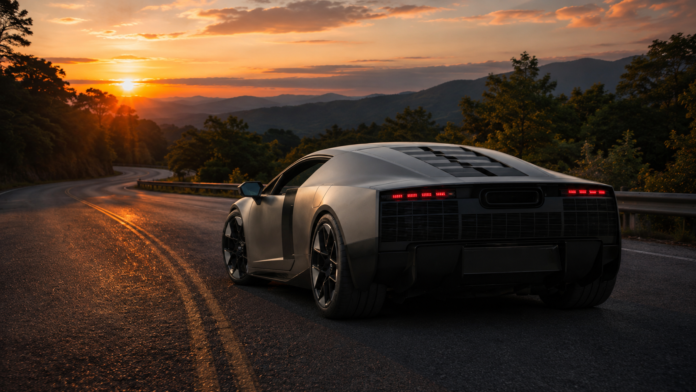
The camouflaged prototype at Deals Gap is not the final production car. The rear wing is still disguised, and some body panels appear to be temporary. But the shape is unmistakable. The low, wide stance, the massive air intakes, and the aggressive diffuser all point to a car designed for serious performance.

A small crowd has gathered at the overlook. A man with a camera asks the driver about the car.

“It is fast,” the driver says. “Faster than anything Audi has built before. The hybrid system fills the gaps, and the all-wheel drive keeps it planted. The steering is precise. The brakes are incredible.”

He declines to answer more questions. The prototype disappears into the tunnel of trees.

The European Announcement: Key Details from Antibes

Audi officially unveiled the Nuvolari as a near-production prototype in Antibes, France, on June 4, 2026. Key details from the announcement include:

  • Production is limited to 499 units.
  • Deliveries will begin in the first half of 2027.
  • U.S. availability is subject to a future announcement and may vary from the global specification.
  • Final market-specific information, including pricing and EPA-rated mileage, will be announced later.

The Tail of the Dragon Sunset

The sun has set. The prototype is gone. The crowd has dispersed.

The Audi Nuvolari is not yet available in the United States. But it is coming. And if the performance claims hold true, it will be a serious contender in the hybrid supercar segment.

The Audi Nuvolari is a statement. It says that Audi can compete with Ferrari, Lamborghini, and McLaren. It says that Formula 1 technology can be transferred to the road. And it says that the four rings are ready for the next chapter.

The Tail of the Dragon will be waiting when it arrives.

Key Specifications (Global, Preliminary)

SpecificationValue
Combined Power1,001 PS (736 kW)
V8 Engine Power800 hp (588 kW)
Electric Motors3 x axial flux (110 kW each)
Torque (Electric Front)2,150 Nm
Battery Capacity7.3 kWh
0 to 100 km/h (0 to 62 mph)2.6 seconds
0 to 200 km/h (0 to 124 mph)6.8 seconds
Top Speed350+ km/h (217+ mph)
Downforce400+ kg
Production499 units
Delivery Start (Global)First half of 2027

Fuel Consumption and Emissions (Preliminary, Germany)

MeasurementValue
Fuel Consumption Combined (Weighted)11.3 l/100 km
Power Consumption Combined (Weighted)7.8 kWh/100 km
CO₂ Emissions Combined (Weighted)270 g/km
Fuel Consumption (Battery Discharged)14.7 l/100 km

Conclusion

The Audi Nuvolari is not yet a production car. It is a near-production prototype, and the version that reaches the United States may differ from the global specification. But the promise is clear. Audi is entering the hybrid supercar wars.

The Nuvolari combines a high-revving V8 with electric motors, active aerodynamics, and a carbon fiber chassis. It is designed to compete with the best from Italy and Germany. And it is named after one of the greatest drivers in history.

The Tail of the Dragon is quiet now. The prototype is gone. But the echoes remain.

Audi has arrived.

McLaren Buyer’s Guide: Which Model Is Right for You? – A Foggy Morning on the North Shore of Pittsburgh

0

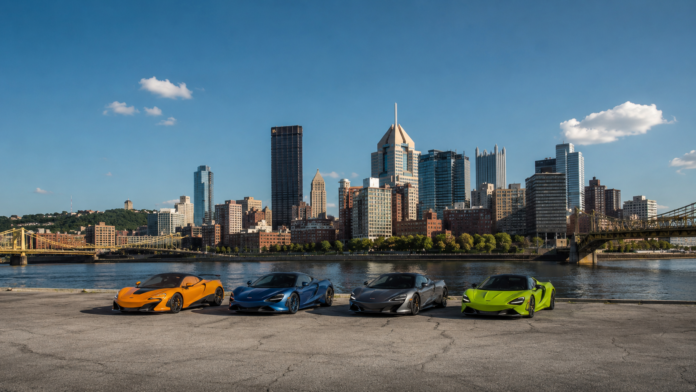
The fog is lifting off the Allegheny River as a line of colorful McLarens sits parked along the North Shore, just across from the downtown skyline. The steel bridges, the stadiums, and the historic architecture create a striking backdrop for a lineup of British engineering. Pittsburgh is a city of steep hills and narrow streets, not a typical place to see a fleet of supercars. But the McLaren owners’ club has gathered here for a morning drive.

McLaren’s lineup is genuinely confusing. The company uses a mix of numbers and letters that are easy to mix up. A 570S, a 720S, a 765LT, a GT, an Artura. Each one has a different mission. Each one is designed for a different type of driver.

This guide provides a clear breakdown of every current and recent McLaren and who each one is for. The advice comes from current owners, service technicians, and a McLaren sales representative who has helped dozens of buyers find their perfect car.

The Location: North Shore, Pittsburgh, Pennsylvania

The North Shore of Pittsburgh is home to Acrisure Stadium, PNC Park, and the Carnegie Science Center. The wide river views and open parking areas make it a popular meeting spot for car clubs. The owners here are not track heroes. They are doctors, lawyers, and small business owners who love driving. They have owned Ferraris, Lamborghinis, and Porsches. Many have settled on McLarens.

The McLaren Philosophy: Carbon Fiber, V8 Power, Dihedral Doors

Every modern McLaren shares three core elements. A carbon fiber monocoque, called the MonoCell or MonoCage. A twin turbo V8 engine, with displacements ranging from 3.8 to 4.0 liters. And the signature dihedral doors that open upward and outward.

Beyond these shared elements, the models diverge significantly. The lineup is divided into four families: GT, Super Series, Longtail, and Ultimate.

The GT: The Grand Tourer

Who it is for: The driver who wants a McLaren that can be used every day. The one who needs cargo space, ride comfort, and a quieter cabin.

The car: The McLaren GT is the most practical McLaren ever built. It has a 4.0 liter twin turbo V8 producing 612 horsepower. The 0 to 60 time is 3.1 seconds. The top speed is 203 miles per hour.

The GT has a larger front trunk and a rear trunk. The total cargo capacity is 14.8 cubic feet, which is enough for a set of golf clubs or a weekend bag. The suspension is softer than other McLarens. The cabin is quieter.

What owners say: “I drove my GT from Pittsburgh to Florida and back. It was comfortable, quiet, and I had space for luggage. It is a real grand tourer.”

What to watch for: The GT shares its engine with other McLarens. The service costs are similar. Do not buy a GT expecting cheap maintenance.

The Super Series: 720S and 750S

Who it is for: The driver who wants a pure supercar experience. The one who cares about lap times, acceleration, and handling.

The car: The 720S was a revolution when it arrived. The 4.0 liter twin turbo V8 produces 710 horsepower. The 0 to 60 time is 2.7 seconds. The top speed is 212 miles per hour. The 750S is the successor, with 740 horsepower and a 2.6 second 0 to 60 time.

The Super Series cars are mid-engine, rear-wheel drive, and incredibly capable. The ride is firm but not punishing. The performance is staggering.

What owners say: “The 720S is the best all-around supercar I have ever driven. It is fast on track, comfortable on the road, and it looks like a spaceship.”

What to watch for: The 720S has been in production for several years. Some early cars had hydraulic suspension issues. Later cars are more reliable. A warranty is recommended.

The Longtail: 765LT

Who it is for: The track day enthusiast. The driver who wants a more extreme, more focused version of the Super Series.

The car: The 765LT is a longtail version of the 720S. It has 755 horsepower, a 0 to 60 time of 2.7 seconds, and a top speed of 205 miles per hour. The LT stands for Longtail.

The 765LT is lighter than the 720S. It has a fixed rear wing, a titanium exhaust, and stiffer suspension. The car is louder, firmer, and more aggressive.

What owners say: “The 765LT is not a daily driver. It is a track car with license plates. The ride is firm. The cabin is loud. But on a racetrack, it is magic.”

What to watch for: The 765LT is expensive. The consumables (tires, brakes) are even more expensive. Budget accordingly.

The Sports Series: 540C, 570S, 570GT, 600LT

Who it is for: The driver who wants a McLaren but does not want to spend Super Series money. The entry point into the brand.

The car: The Sports Series includes the 540C, 570S, 570GT, and 600LT. All use a 3.8 liter twin turbo V8. The 570S has 562 horsepower. The 600LT has 592 horsepower.

The Sports Series cars are smaller, lighter, and less expensive than the Super Series. The carbon fiber monocoque is similar, but the suspension is less sophisticated.

What owners say: “The 570S is 90 percent of a 720S for 60 percent of the price. It is a brilliant car. Do not overlook it.”

What to watch for: The 600LT is the most desirable Sports Series car. It has a fixed rear wing, a titanium exhaust, and a more aggressive setup. It holds its value better than the 570S.

The Artura: The Hybrid

Who it is for: The early adopter. The driver who wants McLaren’s newest technology and is comfortable with potential teething issues.

The car: The Artura is McLaren’s first series production hybrid. It has a 3.0 liter twin turbo V6 and an electric motor, producing a combined 671 horsepower. The 0 to 60 time is 3.0 seconds. The electric range is 19 miles.

The Artura is lighter than the 570S. The new V6 is designed for efficiency and response. The hybrid system provides instant torque.

What owners say: “The Artura is the future. It is quick, efficient, and the V6 sounds better than I expected. But it is a first generation car. There have been software issues.”

What to watch for: The Artura has had a troubled launch. Software problems and delivery delays have frustrated early customers. Buy a used example after the bugs have been worked out.

The Ultimate Series: Senna, Elva, Speedtail, P1

Who it is for: The collector. The driver with a very large budget and a desire for exclusivity.

The car: The Ultimate Series includes the P1 hybrid hypercar, the Senna track monster, the Elva speedster, and the Speedtail grand tourer. Each was produced in extremely limited numbers.

The Senna has 789 horsepower and massive aerodynamics. The Elva has no windshield. The Speedtail has 1,035 horsepower and a central driving position.

What owners say: “These cars are not for driving to the grocery store. They are investments. They are art. They are for special occasions.”

What to watch for: The Ultimate Series cars have appreciated in value. The Senna, in particular, is now worth more than its original price.

The Pittsburgh Drive: A Morning of Comparison

The owners take their cars for a drive through the city. The route includes the Fort Pitt Tunnel, the Liberty Bridge, and the winding roads of Mount Washington.

The GT leads the group. It is quiet, comfortable, and composed. The driver is relaxed.

The 720S follows. The acceleration is brutal, but the driver is restrained. The car is ready to pounce.

The 765LT is third. The ride is firm, and the cabin is loud. The driver is focused.

The 570S brings up the rear. It is the oldest car in the group, but it is not out of place.

They stop at a scenic overlook. The drivers get out and talk.

The Technician’s Advice: What to Look For

A McLaren service technician has joined the group. He has worked on every model.

“Buy a car with a full service history. McLarens are reliable if they are maintained properly. The ones that break are the ones that were neglected.”

“Get a pre-purchase inspection. A specialist can check the hydraulic suspension, the air conditioning, and the electrical system.”

“Budget for a warranty. The McLaren factory warranty is excellent. Aftermarket warranties are also available.”

“Join a club. The McLaren community is helpful. Owners share advice and parts.”

The First-Time Buyer’s Checklist

Before you buy a McLaren, complete this checklist.

  • Decide which family (GT, Sports, Super, Longtail, Ultimate) fits your budget and driving style.
  • Research the specific model’s common issues.
  • Find a trusted independent mechanic who specializes in McLarens.
  • View the car in person.
  • Obtain a full vehicle history report.
  • Verify the service history. Demand records.
  • Have an independent pre-purchase inspection performed.
  • Check the hydraulic suspension for leaks.
  • Test the air conditioning and electrical system.
  • Get insurance quotes before you buy.
  • Arrange secure storage.
  • Budget for maintenance, tires, and a warranty.

Conclusion

The McLaren lineup is confusing. The GT is for the grand tourer. The 720S is for the all-around supercar enthusiast. The 765LT is for the track day hero. The 570S is for the budget-conscious buyer. The Artura is for the early adopter. The Ultimate Series is for the collector.

The Pittsburgh morning fog has lifted. The McLarens are scattered across the overlook. The owners are smiling. They have found their cars.

The best advice comes from the technician. “Drive them. The numbers on a spec sheet do not tell you how a car feels. A 720S is faster than a 570S, but a 570S might be more fun on a back road. The only way to know is to drive.”

That is the truth of buying a McLaren. The right one is the one that makes you smile. Not the one with the highest horsepower. Not the one with the lowest price. The one that fits. The one that feels right. The one you want to drive.

Track Day Car Guide: The Best Supercars to Buy for Circuit Use – A Morning at High Plains Raceway in Deer Trail

0

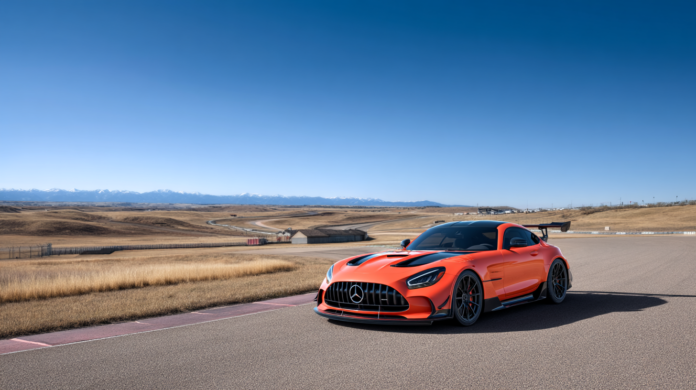
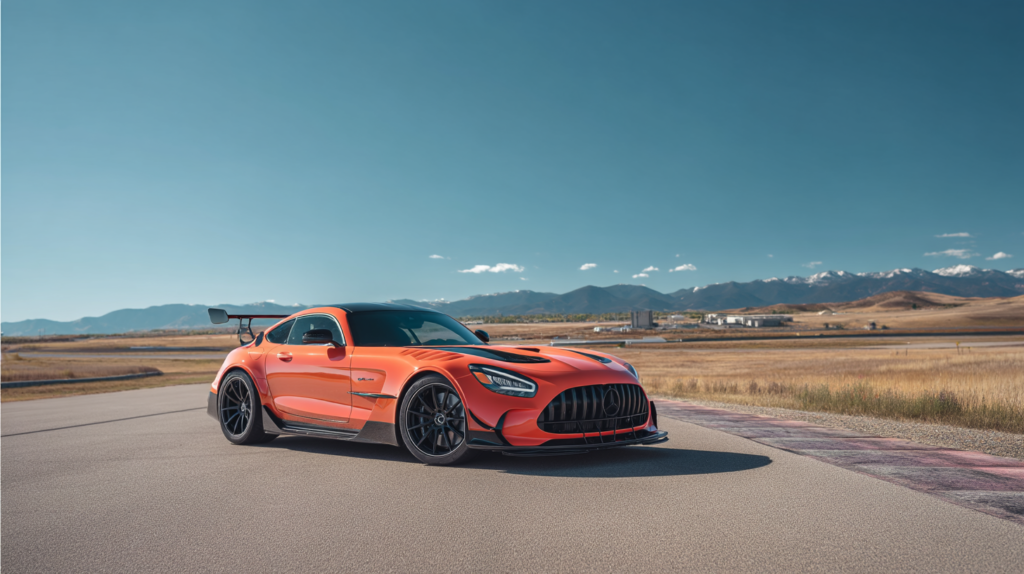
The wind whips across the high prairie east of Denver, Colorado. The sky is a deep, cloudless blue. The track at High Plains Raceway stretches out before you, 2.75 miles of elevation changes, blind crests, and technical corners. This is not a place for a Sunday cruise. This is a place to learn, to push, and to find the limits.

Not all supercars perform equally when the road ends and the track begins. A car that feels thrilling on a canyon road can feel clumsy and overwhelming on a circuit. Conversely, a car that feels stiff and noisy on the street can feel perfectly at home at 10/10ths.

This guide breaks down the best supercars to buy for dedicated track day use, organized by budget and experience level. Advice comes from a veteran HPDE instructor who has logged thousands of track miles in everything from a Mazda Miata to a McLaren 765LT.

The Location: High Plains Raceway, Deer Trail, Colorado

High Plains is a driver’s track. There are no fancy garages, no massive grandstands, and no Formula 1 glamour. It is a raw, challenging circuit with a 4,800-foot elevation that saps naturally aspirated power. The instructors here are pragmatic. They value reliability, consumables cost, and driver development over lap time bragging rights.

The Beginner: Under $100,000, Low Experience

If you have never driven on a racetrack, do not buy a 700-horsepower rear-wheel drive monster. You will spend the day managing the car instead of learning to drive. The best track day car for a beginner is something with moderate power, excellent handling, and reasonable consumable costs.

Porsche 718 Cayman GTS

The Cayman GTS is the perfect track day car for a beginner. It is mid-engine, balanced, and predictable. The 4.0 liter naturally aspirated flat six produces 394 horsepower, which is enough to be fun but not enough to be scary. The chassis communication is exceptional.

The downside is that Porsche parts are expensive. But the Cayman is reliable, and it will not punish small mistakes.

Chevrolet Corvette C8 Stingray

The C8 is a mid-engine revolution. The 6.2 liter V8 produces 490 horsepower. The dual-clutch transmission is excellent. The handling is balanced and forgiving. The price is reasonable for a supercar.

The C8 is heavier than the Cayman, and the consumables (tires, brakes) are more expensive. But it is a genuine supercar experience at a fraction of the price of European rivals.

The Intermediate: $100,000 to $200,000, Some Track Experience

Once you have mastered the basics, it is time for more power and more capability. An intermediate driver can handle 500 to 600 horsepower and a more aggressive chassis.

Porsche 911 GT3 (991.2)

The 991.2 GT3 is a track day legend. The 4.0 liter naturally aspirated flat six produces 500 horsepower and revs to 9,000 rpm. The dual-clutch transmission is rapid. The chassis is balanced and communicative.

The 991.2 generation has a more forgiving rear end than the 991.1. It is an approachable car for an intermediate driver. The downside is the price. Clean examples are now over $160,000.

McLaren 570S

The 570S is a mid-engine British supercar. The 3.8 liter twin turbo V8 produces 562 horsepower. The carbon fiber monocoque is light and rigid. The handling is precise.

The 570S is more exotic than the Porsche. The dihedral doors and the low-slung cockpit feel special. However, McLaren reliability has improved but can still be spotty. A warranty is recommended.

The Advanced: $200,000 Plus, Significant Track Experience

An advanced driver has hundreds of track laps under their belt. They can handle 600-plus horsepower, rear-wheel drive, and minimal electronic intervention.

Porsche 911 GT3 RS (991.2 or 992)

The GT3 RS is a track weapon. The 4.0 liter flat six produces 518 horsepower (992) or 520 horsepower (991.2). The aerodynamics generate massive downforce. The chassis is stiff and responsive.

The RS is not a comfortable street car. The ride is punishing, and the cabin is loud. But on track, it is sublime. It is a car that rewards experience.

Lamborghini Huracán Performante or STO

The Huracán Performante and STO are V10 masterpieces. The Performante has 631 horsepower and all-wheel drive. The STO has 631 horsepower and rear-wheel drive, with aggressive aerodynamics.

The Performante is more forgiving. The all-wheel drive provides confidence. The STO is more rewarding for a skilled driver. The V10 sound is unforgettable.

The Pro: Unlimited Budget, Full Commitment

For the driver who wants the fastest lap times and has the budget to support it, these cars are the ultimate track day machines. They are expensive to buy and expensive to run.

McLaren 765LT

The 765LT is a long tail version of the 720S. It has 755 horsepower, a lighter weight, and more aggressive aerodynamics. The acceleration is brutal. The handling is precise.

The 765LT is not a car for beginners. The power can overwhelm the rear tires. But for an experienced driver, it is one of the fastest track cars you can buy.

Mercedes-AMG GT Black Series

The GT Black Series is a front-engine V8 monster. The 4.0 liter twin turbo V8 produces 720 horsepower. The active aerodynamics generate significant downforce. The car set lap records at several tracks.

The Black Series is more approachable than the McLaren. The front-engine layout feels familiar to drivers coming from sports cars. The performance is staggering.

The Instructor’s Wisdom: What to Look For

The HPDE instructor at High Plains has seen it all. He has seen beginners in 700-horsepower cars spin into the grass. He has seen experienced drivers extract every ounce of performance from a 200-horsepower Miata.

He offers this advice for choosing a track day supercar.

“Buy less car than you think you need. A 400-horsepower car that is well-sorted will teach you more than a 700-horsepower car that you are afraid to push.”

“Budget for consumables. Tires, brakes, and fluids are expensive on supercars. A set of tires for a GT3 RS costs $3,000 and may last three track days. Carbon ceramic brake rotors cost $10,000 per axle.”

“Get a pre-track inspection. Have a mechanic check the brake fluid, pads, rotors, tires, and suspension before every event.”

“Modify wisely. Start with brake fluid (high-temperature), then pads, then tires. Do not add power until you have mastered the chassis.”

“Join a club. NASA, PCA, BMW CCA and other clubs offer instruction for drivers of all levels. Learning from a qualified instructor is the fastest way to get faster.”

The High Plains Morning: A Lap in a GT3

The instructor takes a student for a lap in a 991.2 GT3. The car accelerates onto the back straight. The flat six wails. The driver brakes at the 100-meter board, downshifts twice, and turns into the corner. The car rotates, the rear tires grip, and the driver applies power. The lap is smooth, controlled, and fast.

The student is quiet. He is processing the experience.

The instructor speaks. “That car costs $160,000. A set of tires costs $2,500. A brake job costs $6,000. But the experience is priceless. That is the equation.”

The Track Day Car Checklist

Before you buy a supercar for track use, complete this checklist.

  • Assess your experience level honestly. Do not buy a car you cannot handle.
  • Set a realistic budget for the car and for consumables.
  • Research the specific model’s track reliability.
  • Find a trusted independent mechanic who specializes in exotics.
  • Get a pre-purchase inspection that includes a compression test.
  • Budget for a pre-track inspection before each event.
  • Join a club and sign up for instruction.
  • Start with brake fluid and pads. Upgrade tires when you are ready.
  • Drive within your limits. The track is not a race.

Conclusion

The best track day supercar is not the fastest car on paper. It is the car that matches your skill level, your budget, and your tolerance for risk. A beginner in a Cayman GTS will learn more and have more fun than a beginner in a GT3 RS. An advanced driver in a 765LT will set lap times that a novice could not imagine.

High Plains Raceway is quiet now. The cars have gone home. The instructor is packing up his gear. He has one final piece of advice.

“The track is a place to learn. Leave your ego at the gate. The car does not know how much you paid for it. It only knows how well you drive it.”

That is the truth of track day driving. The car is a tool. The driver is the variable. Choose wisely, and you will have a lifetime of unforgettable laps.

Used Lamborghini Huracán: What You Need to Know Before Buying – A Morning at the Podium Club in Casa Grande

0

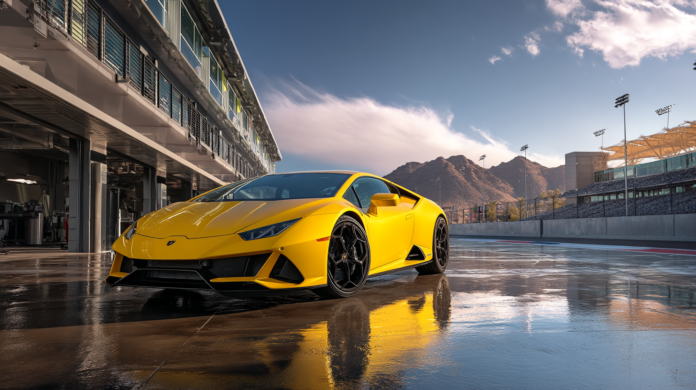
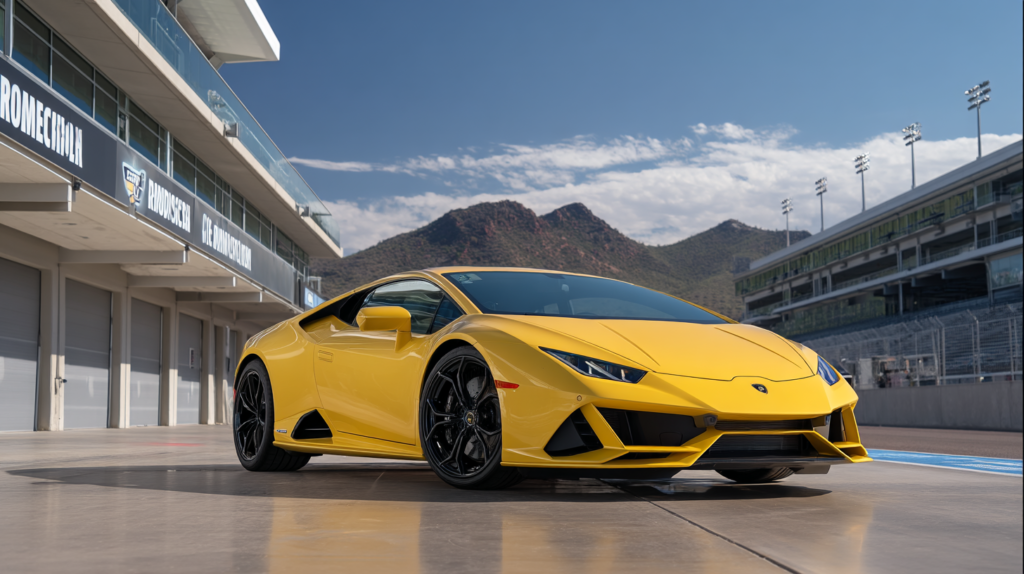
The desert air is cool, and the morning sun is just beginning to warm the asphalt at the Podium Club, a private racetrack southeast of Phoenix, Arizona. The sound of a 5.2 liter V10 bounces off the empty grandstands. An instructor is guiding a driver through a series of corners, helping them understand the car’s mid-engine balance. This is where the Huracán comes alive.

The Lamborghini Huracán is the most accessible entry into the world of the Raging Bull. It replaced the Gallardo and has become Lamborghini’s best-selling model of all time. But buying a used Huracán is not like buying a used Honda Civic. There are specific things every buyer needs to know about the different generations, common issues, maintenance costs, and the driving experience before signing.

This guide covers everything you need to know before buying a used Lamborghini Huracán.

The Location: Podium Club, Casa Grande, Arizona

The Podium Club is a motorsports country club with a 2.4 mile circuit. It is the perfect place to understand the Huracán. On public roads, the car is stiff, loud, and occasionally frustrating. On a track, it transforms into a precise, responsive, and thrilling machine. The instructors here have logged thousands of miles in Huracáns. They know the car’s strengths, weaknesses, and what to look for in a used example.

The Generations: LP 610-4, LP 580-2, Performante, EVO, and STO

The Huracán was produced from 2014 to 2024. The lineup is confusing, with multiple variants and updates. Understanding the differences is the first step to buying the right car.

LP 610-4 (2014 to 2019)

The original Huracán. The LP stands for Longitudinale Posteriore, referring to the longitudinal mid-engine layout. The 610 refers to the metric horsepower. The 4 refers to all-wheel drive. The 610-4 has a 5.2 liter V10 producing 602 horsepower. It is the most common and affordable Huracán.

LP 580-2 (2016 to 2019)

The rear-wheel drive version of the original Huracán. It has 572 horsepower. The 580-2 is lighter, more playful, and less expensive than the 610-4. It is the choice for drivers who prefer oversteer to understeer.

Performante (2017 to 2019)

The Performante was the first high-performance variant. It has 631 horsepower. The active aerodynamics, lightweight materials, and Nürburgring lap record made it a legend. The Performante is more expensive and more focused than the standard car.

EVO (2020 to 2023)

The EVO was a significant update. The styling was revised. The rear-wheel steering was added. The infotainment system was improved. The EVO has 631 horsepower (640 in the RWD version). The EVO is more refined and more capable than the original car.

STO (2021 to 2024)

The STO is the most extreme Huracán. It stands for Super Trofeo Omologata. It is a road-legal version of the Huracán Super Trofeo race car. The STO has 631 horsepower, rear-wheel drive, and massive aerodynamics. It is the closest thing to a race car you can drive on the street.

What to Look For: Common Issues and Red Flags

The Huracán is generally reliable for a supercar. The V10 is robust. The dual-clutch transmission is durable. But there are some common issues that buyers should be aware of.

The Brakes

The carbon ceramic brakes are expensive to replace. A full set of pads and rotors costs approximately $10,000 to $15,000. Check the brake pad wear during an inspection. If the pads are near the end of their life, factor the replacement cost into your offer.

The Tires

The Huracán wears staggered tires. The rear tires are significantly wider than the front tires. A set of performance tires costs $2,000 to $3,000 and typically lasts 6,000 to 10,000 miles. Check the tread depth. Look for uneven wear, which can indicate alignment issues.

The Lifting System

The front axle lifting system is a common failure point. The system raises the front of the car to clear speed bumps and driveways. Over time, the hydraulic lines can leak, and the pumps can fail. Test the lifting system during the test drive.

The Air Conditioning

The air conditioning system on early Huracáns can be weak. Check the A/C performance during the test drive. If the system is not blowing cold air, the repair may be expensive.

The Infotainment System

The infotainment system on pre-EVO cars is dated. The graphics are low resolution. The system can be slow. This is not a mechanical issue, but it may affect your enjoyment of the car.

The Service History

A complete service history is critical. The Huracán requires annual service or service every 10,000 miles. A major service, which includes the spark plugs and various filters, is required every 30,000 miles. Missing service records are a red flag.

The Instructors’ Advice: What They Look For

The instructors at the Podium Club have driven dozens of Huracáns. They know which cars are well-maintained and which cars have been abused.

“The biggest red flag is a car that has been tracked without proper maintenance,” one instructor says. “Track driving is hard on brakes, tires, and fluids. If the owner did not upgrade the brake fluid or replace the pads before track days, the car may have underlying issues.”

Another instructor looks for tire wear. “If the rear tires are bald and the front tires have plenty of tread, the owner was driving the car hard. That is not necessarily a problem, but it means the car will need new tires soon.”

They also recommend an independent pre-purchase inspection. “A mechanic who specializes in exotics can spot problems that the untrained eye will miss.”

The Cost of Ownership: Beyond the Purchase Price

The purchase price is only the beginning. The true cost of owning a Huracán includes maintenance, tires, insurance, and storage.

Maintenance

Annual service costs approximately $1,500 to $3,000. The 30,000 mile major service costs approximately $5,000 to $8,000.

Tires

A set of tires costs $2,000 to $3,000 and lasts 6,000 to 10,000 miles.

Insurance

Insurance costs vary. Expect to pay $3,000 to $10,000 per year, depending on your driving record, location, and coverage.

Storage

If you do not have a secure garage, you will need to rent storage. Expect to pay $300 to $1,000 per month.

Depreciation

The Huracán has held its value better than many supercars. The LP 610-4 has stabilized in the $140,000 to $180,000 range. The Performante and STO have held their value even better.

The Driving Experience: What to Expect

The Huracán is not a subtle car. The V10 is loud, even at idle. The ride is firm, and the interior is not particularly luxurious. On a smooth road, the car is exhilarating. On a rough road, it is punishing.

The steering is quick and responsive. The all-wheel drive system provides exceptional traction. The car feels planted and secure, even at high speeds.

The rear-wheel drive versions (LP 580-2 and STO) are more playful. They rotate on corner entry and allow the driver to adjust the cornering attitude with the throttle.

The EVO added rear-wheel steering, which makes the car feel smaller and more agile.

The STO is the most extreme. The fixed rear wing, the massive diffuser, and the reduced sound deadening make it a track-focused machine.

The Verdict: Which Huracán Should You Buy?

The best Huracán for you depends on your budget and your priorities.

Buy the LP 610-4 if:

  • You want the most affordable entry into Huracán ownership
  • You prefer all-wheel drive security
  • You plan to use the car for daily driving or grand touring

Buy the LP 580-2 if:

  • You prefer rear-wheel drive playfulness
  • You want a lighter, more engaging car
  • You are willing to give up some traction

Buy the Performante if:

  • You want a piece of Lamborghini history
  • You value the active aerodynamics and Nürburgring pedigree
  • You are willing to pay a premium

Buy the EVO if:

  • You want the most refined and capable Huracán
  • You value the updated styling and improved infotainment
  • You have the budget for a newer car

Buy the STO if:

  • You want the most extreme Huracán
  • You plan to track the car regularly
  • You are willing to accept a firmer ride and louder cabin

The Podium Club Lap: A Taste of Ownership

The instructor takes a student for a passenger lap in a Huracán EVO. The car accelerates onto the straight. The V10 wails. The driver brakes hard for the corner. The car rotates. The driver applies power, and the rear tires grip.

The student is smiling. This is the experience that makes the ownership worthwhile.

After the lap, the instructor gives his final advice. “The Huracán is a reliable car. It is not a fragile Italian exotic from the 1980s. But it is still expensive to maintain. Buy the newest, best-maintained car you can afford. Get an independent inspection. And budget for the running costs.”

The First-Time Buyer’s Checklist

Before you buy a used Huracán, complete this checklist.

  • Decide which generation and variant fits your budget and driving style.
  • Research the specific model’s common issues.
  • Find a trusted independent mechanic who specializes in exotics.
  • View the car in person.
  • Obtain a full vehicle history report.
  • Verify the service history. Demand records.
  • Have an independent pre-purchase inspection performed.
  • Check the brakes, tires, and lifting system during the test drive.
  • Test the air conditioning and infotainment system.
  • Get insurance quotes before you buy.
  • Arrange secure storage.
  • Budget for maintenance, tires, and insurance.

Conclusion

The Lamborghini Huracán is the most accessible entry into the world of the Raging Bull. It is reliable, thrilling, and relatively affordable to maintain for a supercar. But buying a used Huracán requires research, patience, and a willingness to spend money on inspections and maintenance.

The sun is higher now, and the Podium Club is busier. The Huracán EVO pulls into the paddock. The student steps out, still smiling. He is not buying a car today. But he is thinking about it.

The instructor puts his hand on the student’s shoulder. “Do your homework,” he says. “The car will take care of the rest.”

That is the best advice anyone can give.

How to Buy a Used Ferrari Without Getting Burned: A Rainy Afternoon in McLean, Virginia

0

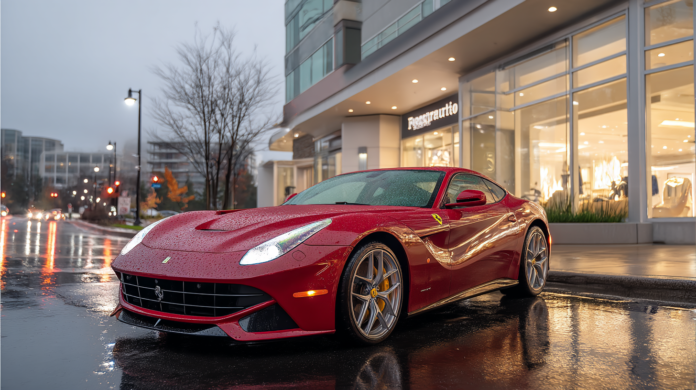
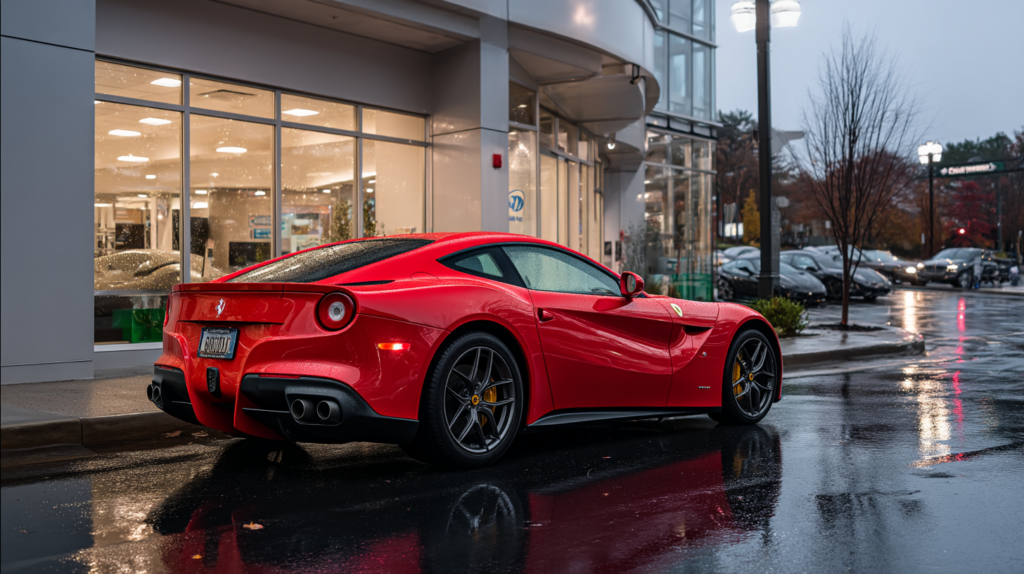
The rain is falling steadily on the gleaming glass facade of the Ferrari of Washington dealership in McLean, Virginia. Inside, a row of red, yellow, and silver Prancing Horses sits under soft lights. A salesman in a tailored suit is explaining the benefits of a certified pre-owned program to a nervous couple. They are about to spend more on a car than they spent on their first house. They want to get it right.

Buying a used Ferrari is a dream for many enthusiasts. The sound of a V8 or V12, the sight of the Cavallino Rampante on the steering wheel, the feeling of owning a piece of automotive art. But the path to that dream is littered with potential disasters. A small electrical fault can leave you stranded. A major engine failure can empty your savings. A missing service record can hide a history of neglect.

This guide covers everything the dealership might not tell you. From pre-purchase inspections and certified programs to the dealers to trust and the red flags that separate a dream purchase from a financial nightmare. The advice comes from real owners, experienced mechanics, and industry experts.

The Location: Ferrari of Washington, McLean, Virginia

Ferrari of Washington is one of the largest Ferrari dealerships on the East Coast. It sells new and used Ferraris, and it participates in a certified pre-owned program. The dealership is the starting point for many buyers, but it is not the only option. Independent specialists and private sellers also offer used Ferraris, often at lower prices.

The sales manager, a man who has seen thousands of Ferraris come and go, has agreed to share his insights. He has seen the good, the bad, and the ugly. He has seen buyers drive away in their dream car, and he has seen them return weeks later with a warning light and a crushed expression.

The Certified Pre-Owned Program: The Gold Standard

The single most important tool for buying a used Ferrari without getting burned is the factory certified pre-owned program. This is not a marketing gimmick. It is a comprehensive certification process that involves a detailed technical inspection carried out by factory-trained technicians at authorized dealerships.

What the certified program includes:

  • A detailed technical inspection covering the running gear, electrical systems, bodywork, and interior. Any issues found are repaired using only genuine Ferrari parts.
  • Verification of the car’s provenance, mileage, ownership history, and maintenance records. This helps ensure the car has not been tampered with or neglected.
  • Exterior and interior preparation to bring the car to a like-new standard.
  • A minimum of 24 months of warranty coverage, which can be extended for additional years on certain models.
  • Roadside assistance for a specified period.
  • The warranty is transferable to subsequent owners, which helps maintain the car’s value.

The inspection is not superficial. Trained Ferrari specialists spend several hours checking every system. They take the car on an extended test drive. They document any imperfections. Dealers invest a significant amount of money to prepare a certified car for sale.

Why this matters: A certified car has been vetted by the people who know the brand best. The warranty covers major components, including the engine and transmission. For hybrid models, the battery is also covered. If something breaks, you are not facing a five-figure repair bill alone.

The Pre-Purchase Inspection: Your Second Set of Eyes

Even if you are buying a certified car, a pre-purchase inspection from an independent specialist is a wise investment. The certified program is excellent, but it is ultimately a program run by the seller. An independent inspection provides an objective assessment of the car’s condition.

A comprehensive inspection costs a few hundred dollars. This is a small price to pay for peace of mind. A good inspection includes:

  • A complete mechanical inspection of the engine, transmission, steering, brakes, and suspension.
  • An electrical and diagnostic scan using Ferrari-specific software to detect hidden faults or prior resets.
  • A tire, brake, and suspension analysis, including tread depth, brake pad wear, and fluid quality.
  • An exhaust and undercarriage inspection for rust, leaks, or damage.
  • A verification of maintenance history and fluid quality.
  • A road test (if permitted) to evaluate shifting, braking, steering response, and abnormal sounds.

The inspection should be performed by a shop that specializes in exotics, preferably one with Ferrari experience. General mechanics may not have the specialized knowledge or software to diagnose Ferrari-specific issues.

Red Flags: What to Look For

Not every used Ferrari is a good deal. Some are ticking time bombs. Here are the red flags that should make you walk away.

Missing Service Records

A Ferrari without a complete service history is a gamble. Owners who have bought cars without records have often faced significant repair bills early in their ownership. Do not make the same mistake. Demand a full history.

Known Problematic Models and Engines

Certain models and engines have well-documented issues. The twin-turbo V8 engines in some modern Ferraris have been known to develop head gasket leaks, a problem that requires removing the engine to repair. This is not a small job. Owners and independent mechanics have reported that the issue is common enough to be a known concern.

If you are considering a car with this engine, verify whether the head gaskets have been replaced. Factor the potential cost into your offer.

The F1 Transmission on Older Models

The F1 automated manual transmission in cars like the 360 Modena and F430 can be expensive to repair. The clutch is a wear item that typically lasts between 15,000 and 30,000 miles, and replacement costs several thousand dollars. The hydraulic pump and other components can also fail.

If you are looking at a car with an F1 transmission, have the clutch wear measured during the inspection. A car with high clutch wear will need a replacement soon.

Aftermarket Modifications

A modified Ferrari is a risk. Unless the modifications were performed by a reputable specialist and are fully documented, assume they have compromised the car’s reliability and resale value. Certified cars must be in original condition, so any modification automatically disqualifies a car from that program.

A Price That Is Too Good to Be True

If you see a Ferrari listed for dramatically less than similar models of its age and mileage, there is likely a significant problem. The seller may be hiding something. Proceed with extreme caution.

Lack of Recent Use

Ferraris are meant to be driven. A car that has sat unused for extended periods can develop issues with seals, gaskets, and fluids. Ask about the car’s usage history. A car that has been driven regularly and serviced on schedule is preferable to a garage queen.

Where to Buy: Dealers vs. Independents vs. Private Sellers

Main Dealers (Certified Program)

This is the safest option, but it is also the most expensive. Cars sold through a Ferrari dealer and certified have been thoroughly inspected, come with a warranty, and have verified histories. The dealer network also provides access to future services and maintains your relationship with the brand.

Independent Specialists

Independent exotic car dealers can offer lower prices than main dealers. Some of these businesses are staffed by former factory technicians and have excellent reputations. However, quality varies. Research the dealer’s reputation before visiting.

Private Sellers

Buying from a private seller can save you the most money, but it also carries the highest risk. There is no dealership backing the car. You are responsible for arranging your own inspection, verifying the history, and handling the paperwork.

If you buy from a private seller, insist on an inspection from a Ferrari specialist. Do not skip this step.

The True Cost of Ownership

The purchase price is only the beginning. Many first-time Ferrari buyers underestimate the running costs. Here is a realistic breakdown based on real-world owner experiences.

Annual Service

A basic annual service, including an oil change and filter replacement, costs approximately $1,000 to $2,000. A major service can cost significantly more.

Tires

A set of performance tires for a Ferrari costs $2,000 to $3,000 and typically lasts 6,000 to 10,000 miles, depending on driving style.

Brakes

Brake pads and rotors can cost $5,000 to $10,000 per axle, depending on the model.

Unexpected Repairs

Even small parts can be expensive. A failed sensor may cost hundreds of dollars to replace. A major component failure can cost tens of thousands.

Insurance

Insurance for a Ferrari is significantly more expensive than for a standard car. Expect to pay several thousand dollars per year, depending on your driving record and location.

Storage

If you do not have a secure garage, you will need to rent storage. Leaving a Ferrari on the street is not advisable.

The Warranty: Your Safety Net

The certified pre-owned warranty is a critical protection. For newer cars, the coverage is comprehensive. For older cars, coverage may be limited to the engine, gearbox, suspension, and electrical components.

If you are buying a car that is not certified, consider purchasing an aftermarket warranty from a reputable provider. The cost is high, but it is less than the cost of a new engine.

Recalls: Check Before You Buy

Before finalizing any purchase, check for open recalls. Ferrari has issued recalls for various models over the years. A quick VIN check with a Ferrari dealer or on the manufacturer’s recall website can identify any open recalls. Ensure the seller has addressed them before you take delivery.

The McLean Afternoon: A Buyer’s Decision

The rain has stopped. The nervous couple in the Ferrari of Washington showroom has made their decision. They are buying a certified Portofino M. It is silver, with a tan interior. It has low miles and a full service history. The warranty is in place. The payments are calculated.

They are not getting the deal of the century. They are paying a premium for peace of mind. But they are driving home in a Ferrari, and they are not lying awake at night worrying about the next repair bill.

The salesman smiles. He has seen this before. The buyers who cut corners often end up back in his office, looking for a trade-in on a car that has become a nightmare. The buyers who do their homework drive away happy.

The First-Time Buyer’s Checklist

Before you buy a used Ferrari, complete this checklist.

  • Set a realistic budget, including maintenance, insurance, and storage.
  • Research the specific model and its known issues.
  • Identify trusted Ferrari dealers and independent specialists.
  • View the car in person if possible.
  • Obtain a full vehicle history report.
  • Verify the service history. Demand records.
  • Have an independent pre-purchase inspection performed.
  • Check for open recalls.
  • If buying from a dealer, confirm certified status and warranty coverage.
  • If buying from a private seller, negotiate an inspection contingency.
  • Secure insurance before you take delivery.
  • Arrange secure storage.

Conclusion

Buying a used Ferrari without getting burned is possible. It requires research, patience, and a willingness to spend money on inspections and warranties. The factory certified pre-owned program is the gold standard. A pre-purchase inspection from an independent specialist is a wise investment. A comprehensive warranty is your safety net.

The dream of owning a Ferrari is worth pursuing. But the nightmare of owning a broken one is not. The couple in McLean drove away in their Portofino M. They are smiling. They did their homework. They bought the right way. You can too.

First Supercar Buyer’s Guide: What Nobody Tells You: A Morning at the Crystal Cove Cars and Coffee

0

The sun rises over the Pacific Ocean at Crystal Cove State Beach in Laguna Beach, California. The parking lot is already filling with Ferraris, Lamborghinis, and McLarens. The owners are standing by their cars, drinking coffee, and talking. They are not talking about horsepower or lap times. They are talking about insurance, maintenance, and the things nobody told them before they bought their first supercar.

Buying your first supercar is a dream. The reality is more complicated. The dealership will not tell you about the insurance premiums, the tire costs, or the emotional rollercoaster. This guide covers what nobody says.

The Location: Crystal Cove, Laguna Beach

Crystal Cove is a gathering of car enthusiasts. It is not a racetrack. It is a place where owners share stories, advice, and warnings. It is the perfect place to learn the truth about supercar ownership.

The Truth About Insurance

Supercar insurance is expensive. Much more expensive than you expect. A $200,000 Ferrari will cost several thousand dollars per year to insure. A young driver with a clean record might pay $5,000 to $10,000 annually. A driver with a ticket or accident on their record might pay twice that.

Some insurers will not cover supercars at all. Others require agreed value policies, which are more expensive. Some require the car to be stored in a garage, driven less than a certain number of miles per year, and not used for commuting.

What the dealership does not say: The insurance cost may surprise you. Get a quote before you sign the paperwork.

The Truth About Maintenance

Supercar maintenance is not like maintenance on a Honda Civic. An oil change on a Ferrari 488 costs $1,000 to $2,000. A set of tires for a Lamborghini Huracán costs $2,000 to $3,000 and lasts 6,000 to 10,000 miles. Brake pads and rotors can cost $5,000 to $10,000 per axle.

Annual services range from $1,000 to $5,000 depending on the brand and model. Major services, such as the timing belt replacement on older Ferraris, can cost $10,000 to $20,000.

What the dealership does not say: The maintenance costs are high. Budget for them.

The Truth About Depreciation

Most supercars depreciate. A new $300,000 McLaren will be worth $200,000 in three years and $150,000 in five years. The first owner takes the biggest hit. The second and third owners benefit.

Some models hold their value better. Limited edition Ferraris, Porsche 911 GT3s, and manual transmission Lamborghinis can appreciate. But these are exceptions.

What the dealership does not say: Your new supercar will lose value. Buy used if you care about resale.

The Truth About Driving Experience

Supercars are not comfortable. The ride is firm, the seats are tight, and the cabin is loud. On a smooth road, the car is brilliant. On a rough road, it is punishing. In traffic, it is frustrating.

The car demands attention. You cannot drive it on autopilot. The clutch is heavy, the steering is quick, and the visibility is poor. It is rewarding, but it is not relaxing.

What the dealership does not say: A supercar is not a daily driver. It is a weekend car.

The Truth About Attention

Supercars attract attention. People will take photos. People will ask questions. People will rev their engines at stoplights. People will follow you home.

Some owners enjoy the attention. Others find it exhausting. You cannot blend in. You cannot be anonymous.

What the dealership does not say: Be prepared for the attention.

The Truth About Parking

Supercars are difficult to park. The front splitter is low. The doors are long. The visibility is poor. The car is wide.

Parking garages are a challenge. The ramps may scrape the front splitter. The spaces may be too narrow. The ceilings may be too low.

What the dealership does not say: Plan your parking carefully.

The Truth About the Emotional Rollercoaster

Owning a supercar is an emotional experience. The highs are high. The first drive, the first track day, the first car show. The lows are low. The first rock chip, the first warning light, the first repair bill.

You will worry about the car. You will worry about where you park it. You will worry about who is driving near you. You will worry about the maintenance.

What the dealership does not say: The emotional cost is real.

The Crystal Cove Conversation: Real Owners, Real Stories

A man in his 40s owns a Ferrari 488. He bought it new. He regrets not buying used. “I lost $80,000 in two years,” he says. “If I had bought a two year old car, I would have saved most of that.”

A woman in her 30s owns a Porsche 911 Turbo S. She drives it daily. “It is expensive,” she says. “But it is worth it. The car makes me happy.”

A man in his 50s owns a Lamborghini Huracán. He tracks it often. “The maintenance is brutal,” he says. “But the track days are incredible. I would not trade it.”

What Nobody Tells You: A Summary

  • Insurance: Much more expensive than you expect.
  • Maintenance: Oil changes cost $1,000. Tires cost $2,000 to $3,000 per set.
  • Depreciation: New supercars lose value quickly. Buy used.
  • Driving experience: Uncomfortable in traffic. Brilliant on open roads.
  • Attention: You cannot blend in.
  • Parking: Difficult. Low clearance, wide body, poor visibility.
  • Emotional rollercoaster: The highs are high. The lows are low.

The Crystal Cove Sunset

The sun sets over the Pacific. The cars leave the parking lot. The owners go home.

They are not driving fast. They are driving carefully. They are watching for potholes, for gravel, for other drivers.

They are smiling. The stress is worth it.

The First Supercar Buyer’s Checklist

Before you buy, ask yourself:

  • Can I afford the insurance?
  • Can I afford the maintenance?
  • Can I afford the depreciation?
  • Do I have a garage?
  • Do I have a second car for daily driving?
  • Am I prepared for the attention?
  • Am I prepared for the emotional rollercoaster?

If the answer to all of these is yes, buy the car. You will not regret it.

Conclusion

Buying your first supercar is a milestone. It is exciting, expensive, and emotional. The dealership will tell you about the horsepower, the 0 to 60 time, and the optional carbon fiber trim. They will not tell you about the insurance, the maintenance, or the anxiety.

The owners at Crystal Cove have learned these lessons. They have paid the bills. They have survived the rock chips. They have experienced the highs and the lows.

They are still smiling. The car is worth it. But they wish someone had told them the truth first.

10 Supercars That Surprised Everyone: A Foggy Morning at the Stelvio Pass

0

The Stelvio Pass in the Italian Alps is one of the most demanding driving roads in the world. Its 48 hairpin switchbacks climb to over 9,000 feet. On a foggy September morning, a collection of supercars is gathered at the summit. They are not the usual suspects. They are the cars that nobody saw coming.

Some supercars arrive with massive hype and fanfare. Others arrive quietly, dismissed by the press and public, only to reveal their brilliance once they hit the road. These are the cars that surprised everyone.

This article lists ten supercars that shocked the performance world when they arrived. They exceeded expectations, defied criticism, and earned respect that was not freely given.

The Criteria: What Makes a Surprising Supercar?

A surprising supercar:

  • Arrived with low expectations or skepticism
  • Exceeded performance predictions
  • Changed perceptions about a brand or technology
  • Became more respected over time than at launch

The cars on this list meet these criteria.

The Location: Stelvio Pass

The Stelvio Pass is a test of man and machine. The fog reduces visibility. The pavement is wet. The guardrails are close. A car that performs well here is a car that can be trusted.

The List

1. Acura NSX (First Generation, 1991)

When Honda announced the NSX, the supercar world was skeptical. A Japanese supercar? With a V6? It could not compete with Ferrari. The NSX arrived, and it shocked everyone.

Why it surprised: The NSX was as fast as a Ferrari 348, but it was reliable, comfortable, and easy to drive. It proved that a supercar could be used every day.

2. Nissan GT-R (R35, 2007)

The GT-R was announced with staggering claims. It would lap the Nürburgring faster than a Porsche 911 Turbo. It would cost half as much. The world was skeptical. The GT-R delivered.

Why it surprised: The GT-R was as fast as cars costing twice as much. The launch control was brutal. The all wheel drive system was brilliant. The GT-R earned its Godzilla nickname.

3. Porsche Carrera GT (2003)

The Carrera GT was not expected to be a great car. It was a V10 powered supercar from a company known for flat sixes. It had a manual transmission. It was expensive. And then people drove it.

Why it surprised: The Carrera GT was one of the greatest driver’s cars ever built. The V10 screamed. The chassis was perfect. The manual transmission was engaging. It is now a legend.

4. Chevrolet Corvette C8 (2020)

The C8 was the first mid engine Corvette in history. Purists were skeptical. A mid engine Corvette was not a Corvette. The car arrived, and it was brilliant.

Why it surprised: The C8 was as fast as a Ferrari F8 Tributo for a fraction of the price. The handling was balanced. The interior was high quality. The mid engine layout transformed the car.

5. Lexus LFA (2010)

The LFA was announced with a price of nearly $400,000. The world was skeptical. A Lexus supercar costing more than a Ferrari? The LFA was dismissed as overpriced.

Why it surprised: The LFA’s V10 was one of the best sounding engines ever made. The carbon fiber chassis was exceptional. The car was brilliant. Time has vindicated it.

6. BMW M1 (1978)

The M1 was BMW’s first and only mid engine supercar. It was developed with Lamborghini, but the partnership failed. BMW finished the car itself. Few expected it to be good.

Why it surprised: The M1 was a genuine supercar. The 3.5 liter inline six produced 277 horsepower. The handling was balanced. The design was stunning. The M1 is now a collector legend.

7. Ford GT (2005)

The Ford GT was a retro supercar, designed to look like the GT40. Retro cars are rarely as good as the originals. The Ford GT was better.

Why it surprised: The Ford GT handled like a modern supercar. The supercharged V8 produced 550 horsepower. The car was fast, capable, and beautiful. It exceeded all expectations.

8. McLaren 720S (2017)

The 720S replaced the 650S, which was already a great car. The 720S was expected to be an evolution. It was a revolution.

Why it surprised: The 720S was dramatically faster than its predecessor. The ride comfort was exceptional for a supercar. The performance was so strong that it embarrassed cars costing twice as much.

9. Alpine A110 (2017)

The A110 was a lightweight sports car with a small turbo four cylinder. It had only 252 horsepower. The world expected it to be slow.

Why it surprised: The A110 was one of the best driving cars of the decade. The low weight (2,400 pounds) made it incredibly agile. The hydraulic steering provided exceptional feedback. It proved that power is not everything.

10. Tesla Roadster (First Generation, 2008)

The first Tesla Roadster was based on a Lotus Elise chassis. It had an electric motor and a heavy battery pack. The world expected it to be a science experiment.

Why it surprised: The Roadster was fast. It accelerated from 0 to 60 miles per hour in 3.7 seconds, which was supercar territory. It proved that electric cars could be exciting.

The Stelvio Drive: A Test of Surprises

The cars take on the Stelvio Pass. The fog is thick, the road is wet, and the switchbacks are tight.

The NSX is composed. The V6 revs smoothly, the chassis is balanced, and the driver is confident.

The GT-R is brutal. The launch control is not needed here. The all wheel drive provides grip, and the car powers up the mountain.

The Carrera GT is demanding. The manual transmission requires focus. The V10 wails. The driver is engaged.

The C8 is effortless. The mid engine layout provides balance, and the car rotates neatly through the hairpins.

The LFA is last. The V10 screams. The sound echoes off the cliffs. The driver is smiling.

What These Cars Teach Us

The cars on this list teach us that skepticism is often misplaced. The NSX was dismissed because it was Japanese. The GT-R was dismissed because it was a Nissan. The LFA was dismissed because it was expensive. The C8 was dismissed because it was a Corvette.

In each case, the car proved the skeptics wrong.

The Stelvio Sunset

The sun breaks through the fog. The cars are parked at the summit. The drivers are talking.

They are not comparing lap times. They are sharing stories.

The NSX owner talks about daily driving. The GT R owner talks about drag racing. The Carrera GT owner talks about the manual transmission. The C8 owner talks about the price. The LFA owner talks about the sound.

They are all smiling.

The Ranking Summary

RankCarYearWhy It Surprised Everyone
1Acura NSX (first gen)1991Proved a Japanese V6 could rival Ferrari
2Nissan GT R (R35)2007Supercar performance for half the price
3Porsche Carrera GT2003A manual V10 masterpiece
4Chevrolet Corvette C82020Mid engine transformation, Ferrari performance for less
5Lexus LFA2010V10 sound, carbon chassis, time vindicated it
6BMW M11978BMW’s only mid engine supercar, now a legend
7Ford GT (2005)2005Retro design with modern performance
8McLaren 720S2017Revolution, not evolution, embarrassed rivals
9Alpine A1102017Proved lightness matters more than power
10Tesla Roadster (first gen)2008Proved electric cars could be exciting

Conclusion

The supercars on this list surprised everyone. They arrived with low expectations and exceeded them. They proved that performance cannot be judged by badge, price, or reputation.

The Stelvio Pass is quiet now. The cars are gone. The fog has lifted.

But the memories remain. The NSX’s composure. The GT R’s brutality. The Carrera GT’s engagement. The C8’s balance. The LFA’s sound.

They are the cars that nobody saw coming. And they are the ones we remember.