
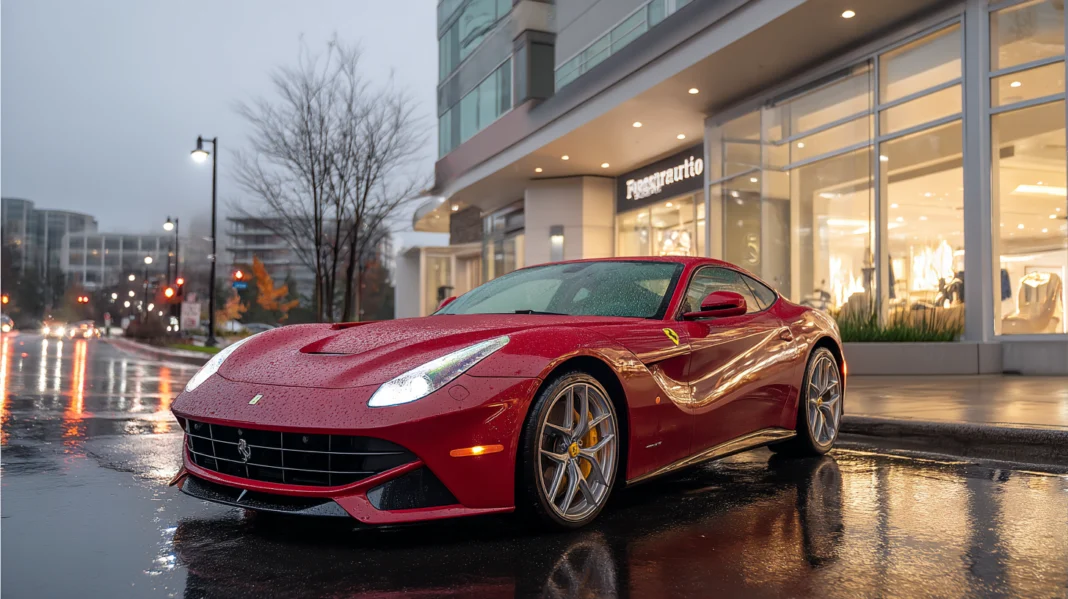
Imagine rain falling steadily on the glass front of a Ferrari dealership. Inside, a row of red, yellow and silver Prancing Horses sits under soft lights, and a salesman in a tailored suit is explaining a certified pre-owned program to a nervous couple. They are about to spend more on a car than they spent on their first house, and they want to get it right.
Buying a used Ferrari is a dream for many enthusiasts. The sound of a V8 or V12, the sight of the Cavallino Rampante on the steering wheel, the feeling of owning a piece of automotive art. But the path to that dream is littered with potential disasters. A small electrical fault can leave you stranded. A major engine failure can empty your savings. A missing service record can hide a history of neglect.
This guide covers everything the dealership might not tell you, from pre-purchase inspections and certified programs to choosing a dealer you can trust and the red flags that separate a dream purchase from a financial nightmare.
The Location: Ferrari of Washington, McLean, Virginia
Ferrari of Washington is one of the largest Ferrari dealerships on the East Coast. It sells new and used Ferraris, and it participates in a certified pre-owned program. The dealership is the starting point for many buyers, but it is not the only option. Independent specialists and private sellers also offer used Ferraris, often at lower prices.
The sales manager, a man who has seen thousands of Ferraris come and go, has agreed to share his insights. He has seen the good, the bad, and the ugly. He has seen buyers drive away in their dream car, and he has seen them return weeks later with a warning light and a crushed expression.
The Certified Pre-Owned Program: The Gold Standard
The single most important tool for buying a used Ferrari without getting burned is the factory certified pre-owned program. This is not a marketing gimmick. It is a comprehensive certification process that involves a detailed technical inspection carried out by factory-trained technicians at authorized dealerships.
What the certified program includes:
- A detailed technical inspection covering the running gear, electrical systems, bodywork, and interior. Any issues found are repaired using only genuine Ferrari parts.
- Verification of the car’s provenance, mileage, ownership history, and maintenance records. This helps ensure the car has not been tampered with or neglected.
- Exterior and interior preparation to bring the car to a like-new standard.
- A minimum of 24 months of warranty coverage, which can be extended for additional years on certain models.
- Roadside assistance for a specified period.
- The warranty is transferable to subsequent owners, which helps maintain the car’s value.
The inspection is not superficial. Trained Ferrari specialists spend several hours checking every system. They take the car on an extended test drive. They document any imperfections. Dealers invest a significant amount of money to prepare a certified car for sale.

Why this matters: A certified car has been vetted by the people who know the brand best. The warranty covers major components, including the engine and transmission. For hybrid models, the battery is also covered. If something breaks, you are not facing a five-figure repair bill alone.
The Pre-Purchase Inspection: Your Second Set of Eyes
Even if you are buying a certified car, a pre-purchase inspection from an independent specialist is a wise investment. The certified program is excellent, but it is ultimately a program run by the seller. An independent inspection provides an objective assessment of the car’s condition.
A comprehensive inspection costs a few hundred dollars. This is a small price to pay for peace of mind. A good inspection includes:
- A complete mechanical inspection of the engine, transmission, steering, brakes, and suspension.
- An electrical and diagnostic scan using Ferrari-specific software to detect hidden faults or prior resets.
- A tire, brake, and suspension analysis, including tread depth, brake pad wear, and fluid quality.
- An exhaust and undercarriage inspection for rust, leaks, or damage.
- A verification of maintenance history and fluid quality.
- A road test (if permitted) to evaluate shifting, braking, steering response, and abnormal sounds.
The inspection should be performed by a shop that specializes in exotics, preferably one with Ferrari experience. General mechanics may not have the specialized knowledge or software to diagnose Ferrari-specific issues.
Red Flags: What to Look For
Not every used Ferrari is a good deal. Some are ticking time bombs. Here are the red flags that should make you walk away.
Missing Service Records
A Ferrari without a complete service history is a gamble. Owners who have bought cars without records have often faced significant repair bills early in their ownership. Do not make the same mistake. Demand a full history.
Known Problematic Models and Engines
Certain models and engines have well-documented issues. The twin-turbo V8 engines in some modern Ferraris have been known to develop head gasket leaks, a problem that requires removing the engine to repair. This is not a small job. Owners and independent mechanics have reported that the issue is common enough to be a known concern.
If you are considering a car with this engine, verify whether the head gaskets have been replaced. Factor the potential cost into your offer.
The F1 Transmission on Older Models
The F1 automated manual transmission in cars like the 360 Modena and F430 can be expensive to repair. The clutch is a wear item that typically lasts between 15,000 and 30,000 miles, and replacement costs several thousand dollars. The hydraulic pump and other components can also fail.
If you are looking at a car with an F1 transmission, have the clutch wear measured during the inspection. A car with high clutch wear will need a replacement soon.
Aftermarket Modifications
A modified Ferrari is a risk. Unless the modifications were performed by a reputable specialist and are fully documented, assume they have compromised the car’s reliability and resale value. Certified cars must be in original condition, so any modification automatically disqualifies a car from that program.
A Price That Is Too Good to Be True
If you see a Ferrari listed for dramatically less than similar models of its age and mileage, there is likely a significant problem. The seller may be hiding something. Proceed with extreme caution.
Lack of Recent Use
Ferraris are meant to be driven. A car that has sat unused for extended periods can develop issues with seals, gaskets, and fluids. Ask about the car’s usage history. A car that has been driven regularly and serviced on schedule is preferable to a garage queen.
Where to Buy: Dealers vs. Independents vs. Private Sellers
Main Dealers (Certified Program)
This is the safest option, but it is also the most expensive. Cars sold through a Ferrari dealer and certified have been thoroughly inspected, come with a warranty, and have verified histories. The dealer network also provides access to future services and maintains your relationship with the brand.
Independent Specialists
Independent exotic car dealers can offer lower prices than main dealers. Some of these businesses are staffed by former factory technicians and have excellent reputations. However, quality varies. Research the dealer’s reputation before visiting.
Private Sellers
Buying from a private seller can save you the most money, but it also carries the highest risk. There is no dealership backing the car. You are responsible for arranging your own inspection, verifying the history, and handling the paperwork.
If you buy from a private seller, insist on an inspection from a Ferrari specialist. Do not skip this step.
The True Cost of Ownership
The purchase price is only the beginning. Many first-time Ferrari buyers underestimate the running costs. Here is a realistic breakdown based on real-world owner experiences.
Annual Service
A basic annual service, including an oil change and filter replacement, costs approximately $1,000 to $2,000. A major service can cost significantly more.
Tires
A set of performance tires for a Ferrari costs $2,000 to $3,000 and typically lasts 6,000 to 10,000 miles, depending on driving style.
Brakes
Brake pads and rotors can cost $5,000 to $10,000 per axle, depending on the model.
Unexpected Repairs
Even small parts can be expensive. A failed sensor may cost hundreds of dollars to replace. A major component failure can cost tens of thousands.
Insurance
Insurance for a Ferrari is significantly more expensive than for a standard car. Expect to pay several thousand dollars per year, depending on your driving record and location.
Storage

If you do not have a secure garage, you will need to rent storage. Leaving a Ferrari on the street is not advisable.
The Warranty: Your Safety Net
The certified pre-owned warranty is a critical protection. For newer cars, the coverage is comprehensive. For older cars, coverage may be limited to the engine, gearbox, suspension, and electrical components.
If you are buying a car that is not certified, consider purchasing an aftermarket warranty from a reputable provider. The cost is high, but it is less than the cost of a new engine.
Recalls: Check Before You Buy
Before finalizing any purchase, check for open recalls. Ferrari has issued recalls for various models over the years. A quick VIN check with a Ferrari dealer or on the manufacturer’s recall website can identify any open recalls. Ensure the seller has addressed them before you take delivery.
The McLean Afternoon: A Buyer’s Decision
The rain has stopped. The nervous couple in the Ferrari of Washington showroom has made their decision. They are buying a certified Portofino M. It is silver, with a tan interior. It has low miles and a full service history. The warranty is in place. The payments are calculated.
They are not getting the deal of the century. They are paying a premium for peace of mind. But they are driving home in a Ferrari, and they are not lying awake at night worrying about the next repair bill.
The salesman smiles. He has seen this before. The buyers who cut corners often end up back in his office, looking for a trade-in on a car that has become a nightmare. The buyers who do their homework drive away happy.
The First-Time Buyer’s Checklist
Before you buy a used Ferrari, complete this checklist.
- Set a realistic budget, including maintenance, insurance, and storage.
- Research the specific model and its known issues.
- Identify trusted Ferrari dealers and independent specialists.
- View the car in person if possible.
- Obtain a full vehicle history report.
- Verify the service history. Demand records.
- Have an independent pre-purchase inspection performed.
- Check for open recalls.
- If buying from a dealer, confirm certified status and warranty coverage.
- If buying from a private seller, negotiate an inspection contingency.
- Secure insurance before you take delivery.
- Arrange secure storage.
Conclusion
Buying a used Ferrari without getting burned is possible. It requires research, patience, and a willingness to spend money on inspections and warranties. The factory certified pre-owned program is the gold standard. A pre-purchase inspection from an independent specialist is a wise investment. A comprehensive warranty is your safety net.
The dream of owning a Ferrari is worth pursuing. But the nightmare of owning a broken one is not. The couple in McLean drove away in their Portofino M. They are smiling. They did their homework. They bought the right way. You can too.
Gear Picks for This Story
 Tech UpgradeAutel MaxiSYS MS906 Pro ScannerExplore the Specs →
 EV LifeTesla Wall Connector Gen 3Check Compatibility →
 Essential ToolDEWALT 20V MAX 1/2 Impact Wrench DCF899BExplore the Specs →
 Stay SafeNextbase 622GW 4K Dash CamSee the Specs →
As an Amazon Associate, VeloxTrend earns from qualifying purchases.

