Home Blog Page 13

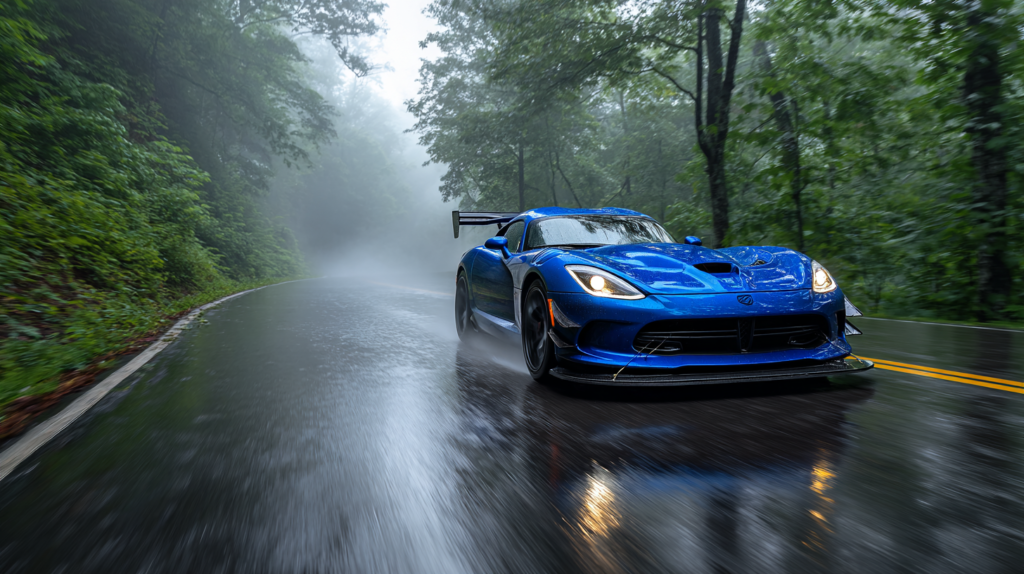
The 5 Most Underrated Supercars Nobody Talks About Enough: A Rainy Day at Tail of the Dragon

0

The Tail of the Dragon at Deals Gap is a stretch of US 129 that runs 11 miles from Tennessee into North Carolina. It has 318 curves, no driveways, no intersections, and no mercy. On a rainy Wednesday morning, a handful of cars is gathered at the overlook. They are not Ferraris or Lamborghinis. They are something more interesting. They are the supercars that everyone forgot.

Some supercars are celebrated. Others are ignored. They are not bad cars. They are not ugly cars. They are simply overlooked. Perhaps they were too expensive. Perhaps they arrived at the wrong time. Perhaps they were overshadowed by a flashier rival.

This article lists five supercars that deserve far more attention than they receive. They are brilliant, fast, and the car community ignores them completely.

The Criteria: What Makes a Supercar Underrated?

An underrated supercar:

  • Is rarely discussed in enthusiast forums or publications
  • Has excellent performance that is not widely recognized
  • Can be purchased for less than its true value
  • Was overshadowed by rivals or circumstances

The cars on this list meet these criteria.

The Location: Tail of the Dragon, Deals Gap

The Tail of the Dragon is a challenging road. The curves are tight, the pavement is rough, and the weather is unpredictable. A car that performs well here is a car that can handle anything.

The List

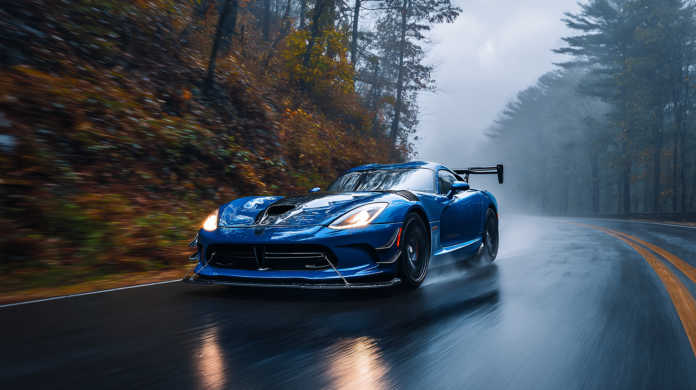
1. Dodge Viper ACR (2016 to 2017)

The Viper ACR is one of the fastest track cars ever built. It set lap records at 13 tracks, including Laguna Seca and Road Atlanta. It has an 8.4 liter V10 producing 645 horsepower. The aerodynamics generate over 1,200 pounds of downforce. The car is brutal, demanding, and brilliant.

Why it is underrated: The Viper ACR was killed by safety regulations and changing tastes. It is a raw, analog machine in a world of digital supercars. It is not comfortable. It is not luxurious. It is not easy to drive. But it is brilliant.

Why you should care: The Viper ACR is a legend. It is the last of the analog supercars. It is a reminder of what performance used to be.

2. Maserati MC20 (2021 to present)

The MC20 is Maserati’s first mid engine supercar in decades. It has a 3.0 liter twin turbo V6 producing 621 horsepower. The chassis is carbon fiber. The design is beautiful. The performance is exceptional.

Why it is underrated: The MC20 was overshadowed by the Ferrari 296 GTB and the McLaren Artura. It is not a hybrid, and it does not have a famous badge. But it is a brilliant car. The engine is responsive, the chassis is balanced, and the design is stunning.

Why you should care: The MC20 is a genuine supercar. It is fast, beautiful, and relatively rare. It deserves more attention.

3. Alpine A110 (2017 to present)

The Alpine A110 is a lightweight, mid engine sports car. It has a 1.8 liter turbo four cylinder producing 252 horsepower. It weighs just 2,400 pounds. It is not powerful, but it is brilliant. The handling is sublime, the steering is hydraulic, and the car is pure joy.

Why it is underrated: The A110 was not sold in the United States. American enthusiasts have never had the chance to drive one. It is a car that defies the horsepower wars. It proves that lightness matters.

Why you should care: The A110 is a reminder of what sports cars used to be. It is light, simple, and engaging. It is a hidden gem.

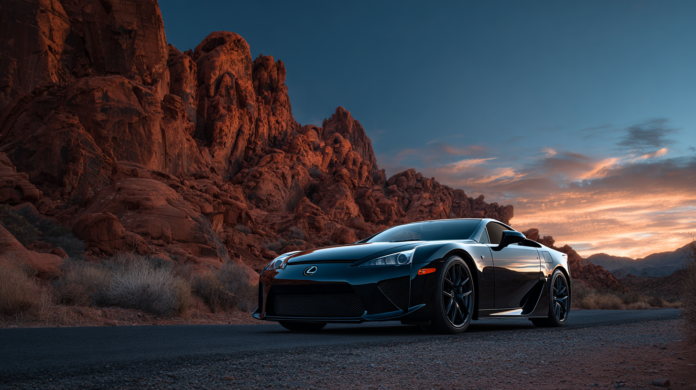
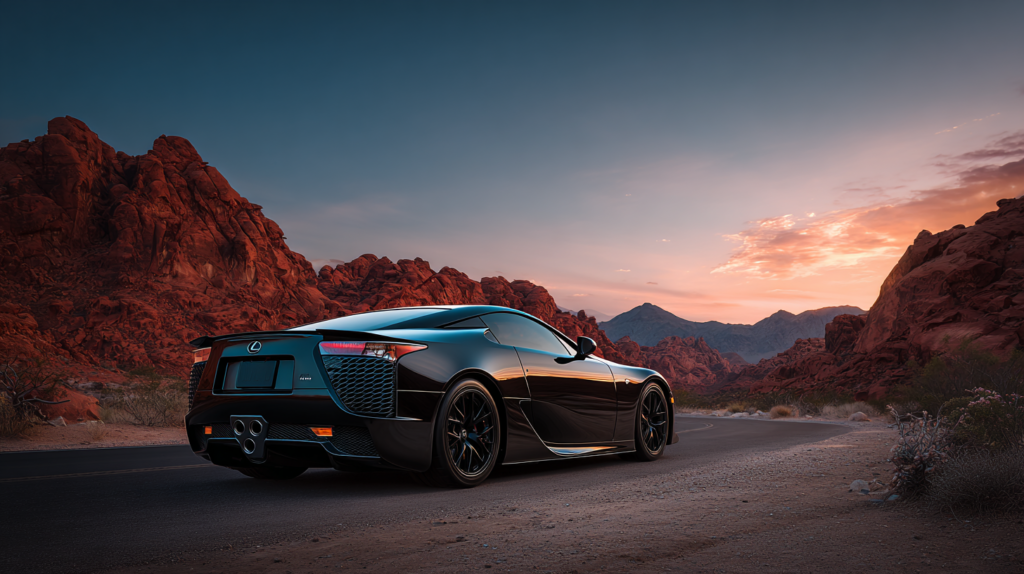
4. Lexus LFA (2010 to 2012)

The LFA is not underrated in the sense of being unknown. Enthusiasts know about the LFA. They know about the V10, the 9,000 rpm redline, and the Yamaha tuned exhaust. But the car is still underappreciated. It was dismissed as overpriced when new. Now it is a million dollar collector car.

Why it is underrated: The LFA was ahead of its time. The carbon fiber construction was expensive. The V10 was exotic. The car was not the fastest in its class. But time has vindicated it. The sound is unforgettable. The engineering is remarkable.

Why you should care: The LFA is one of the greatest supercars ever made. It deserves to be remembered.

5. Toyota GR Super Sport (Cancelled, but the GT One exists)

The GR Super Sport was supposed to be Toyota’s hypercar. It was based on the TS050 Le Mans winner. It had a 2.4 liter twin turbo V6 hybrid producing over 1,000 horsepower. It was cancelled due to cost.

But the GT One, a track only version, was built. It is a Le Mans hypercar with a road legal version that never came. The car is a reminder of what could have been.

Why it is underrated: The GR Super Sport was never built. But the GT One is a masterpiece. It is a racing car with headlights. It deserves more attention than it receives.

Why you should care: The GT One is a glimpse of a supercar that never was. It is a reminder of Toyota’s racing heritage.

The Dragon Runs: Putting Them to the Test

The Tail of the Dragon is not a racetrack. It is a public road. Speeding is illegal and dangerous. But the owners are here to drive their cars briskly, not recklessly.

The Viper ACR is first. The V10 roars, the tires grip, and the car powers through the corners. The driver is focused, but not tense. The car is planted.

The MC20 follows. The V6 is responsive, the chassis is balanced, and the car is fast. The driver is smooth.

The A110 glides through the corners. The steering is hydraulic, the car is light, and the driver is smiling.

The LFA is last. The V10 wails, the sound echoing off the trees. The driver is listening.

The Rainy Evening

The rain starts again. The cars are parked at the overlook. The drivers are talking.

They are not comparing lap times. They are sharing stories.

The Viper owner talks about track days. The MC20 owner talks about road trips. The A110 owner talks about mountain passes. The LFA owner talks about the sound.

They are all smiling.
What These Cars Teach Us

The cars on this list teach us that attention is not the same as quality. The Viper ACR is brilliant, but it is ignored. The MC20 is beautiful, but it is overshadowed. The A110 is joyful, but it is forgotten. The LFA is legendary, but it is underappreciated. The GT One is a masterpiece, but it is unknown.

The market is not always right. The enthusiasts are not always paying attention.

The Ranking Summary

RankCarWhy It Is UnderratedWhat It Deserves
1Dodge Viper ACRRaw, analog, overshadowed by techRecognition as a track legend
2Maserati MC20Overshadowed by Ferrari, McLarenAttention for its design and performance
3Alpine A110Not sold in the US, lightness ignoredGlobal recognition
4Lexus LFADismissed as overpriced, now a legendRemembrance as a masterpiece
5Toyota GT OneNever built as a road carRecognition as a racing icon

Conclusion

The supercars on this list are brilliant. They are fast, engaging, and deserving of attention. But they are ignored. They are overshadowed by flashier rivals, killed by regulations, or simply forgotten.

The Tail of the Dragon is quiet now. The cars are gone. The rain has stopped.

But the drivers will remember. They will talk about these cars. They will share their stories.

That is the fate of the underrated supercar. It is not celebrated. It is not remembered. But it is loved.

And that is enough.
The 7 Best Supercar Engines of the Modern Era (2000 to 2026): A Morning at the Goodwood Aerodrome

0

The Goodwood Aerodrome in West Sussex, England, is a place where speed is measured by the sound of engines. The grass track, the vintage aircraft, the smell of aviation fuel. On a cool spring morning, a collection of modern supercars is parked on the grass. They are not antiques. They are not concours queens. They are the cars that contain the greatest engines of the modern era.

The period from 2000 to 2026 has seen a remarkable evolution in engine technology. Naturally aspirated engines reached their peak. Turbocharging became standard. Hybridization added electric power. But through all the changes, a few engines stood out. They delivered exceptional performance, unforgettable character, and lasting influence.

This article ranks the seven best supercar engines of the modern era. The ranking is based on performance, character, innovation, and legacy.

The Criteria: What Makes a Great Modern Engine?

A great modern engine has:

  • Performance: Power output, torque, response, and reliability
  • Character: Sound, feel, and the way it makes the driver feel
  • Innovation: New technology that influenced other engines
  • Legacy: Lasting impact on the industry and enthusiasts

The engines on this list have all of these qualities.

The Location: Goodwood Aerodrome

Goodwood is a place of history and speed. The aerodrome was built during World War II. The motor circuit opened in 1948. The Goodwood Revival celebrates vintage racing. It is the perfect setting to celebrate the greatest engines of the modern era.

The List

1. Ferrari F140 V12 (Enzo, LaFerrari, 812 Superfast, 2002 to present)

The F140 is a 6.0 to 6.5 liter naturally aspirated V12. It has powered the Enzo, the 599 GTB, the F12berlinetta, the LaFerrari, the 812 Superfast, and the Daytona SP3. It produces between 651 and 819 horsepower. It revs to 9,000 rpm in some applications. The sound is a deep, muscular roar that builds to a screaming wail.

Why it ranks: The F140 is the greatest V12 of the modern era. It is powerful, responsive, and sonorous. It has been in production for over 20 years and remains competitive. It is a masterpiece.

2. Porsche 9A1 4.0 Liter Flat Six (911 GT3, 911 GT3 RS, 718 Cayman GT4, 2013 to present)

The 9A1 is a 4.0 liter naturally aspirated flat six. It produces between 414 and 518 horsepower. It revs to 9,000 rpm. The sound is a sharp, mechanical wail. The engine is available with a six speed manual transmission.

Why it ranks: The 9A1 is the last naturally aspirated flat six. It is a tribute to what made Porsche great. It is responsive, characterful, and rewarding.

3. Lexus 1LR GUE V10 (LFA, 2010 to 2012)

The 1LR GUE is a 4.8 liter naturally aspirated V10. It produces 552 horsepower. It revs to 9,000 rpm. The sound was developed with Yamaha and is widely considered one of the best sounding engines ever made.

Why it ranks: The 1LR GUE is a work of art. It is smooth, responsive, and unforgettable. The LFA would not be the same without it.

4. Mercedes-AMG M178 V8 (AMG GT, 2014 to present)

The M178 is a 4.0 liter twin turbo V8. It produces between 469 and 720 horsepower. The hot vee configuration places the turbochargers inside the V, reducing lag and improving response. The sound is deep, aggressive, and muscular.

Why it ranks: The M178 is the definitive modern turbo V8. It has powered the AMG GT, the GT Black Series, and the GT63. It is powerful, responsive, and characterful.

5. Ferrari F136 V8 (458 Italia, 2009 to 2015)

The F136 is a 4.5 liter naturally aspirated V8. It produces 562 horsepower. It revs to 9,000 rpm. The sound is a sharp, metallic wail. It was the last naturally aspirated V8 Ferrari before the switch to turbocharging.

Why it ranks: The F136 is the best sounding modern Ferrari V8. It is a high water mark for naturally aspirated engines.

6. Lamborghini 5.2 Liter V10 (Gallardo, Huracán, 2003 to present)

The 5.2 liter V10 is a naturally aspirated engine that has powered the Gallardo and Huracán. It produces between 552 and 631 horsepower. It revs to 8,500 rpm. The sound is a high pitched wail, deeper and more muscular than the LFA’s V10.

Why it ranks: The V10 is a legend. It is the last naturally aspirated V10 in production. It is loud, proud, and unforgettable.

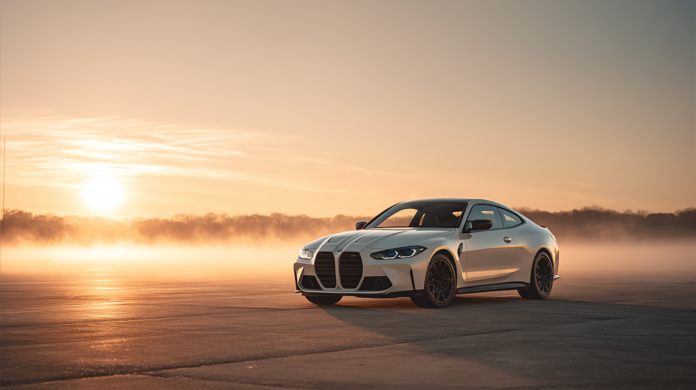
7. BMW S58 Inline Six (M3, M4, 2019 to present)

The S58 is a 3.0 liter twin turbo inline six. It produces between 473 and 543 horsepower. It has a 7,200 rpm redline. The engine is smooth, responsive, and powerful. It is the successor to the legendary S54.

Why it ranks: The S58 is the best modern inline six. It is powerful, reliable, and characterful. It proves that the inline six is not dead.

The Goodwood Drive: A Symphony of Engines

The cars take a slow lap around the Goodwood circuit. They are not racing. They are demonstrating.

The Ferrari F140 leads. The V12 roars, the sound bouncing off the trees. The driver is smiling.

The Porsche 9A1 follows. The flat six wails, sharp and mechanical. The driver is focused.

The Lexus 1LR GUE is next. The V10 screams, clean and pure. The driver is listening.

The Mercedes-AMG M178 rumbles. The V8 is deep, aggressive, and muscular.

The Ferrari F136 wails. The V8 is sharp, urgent, and emotional.

The Lamborghini V10 roars. The sound is high pitched, deeper than the Lexus, more aggressive.

The BMW S58 hums. The inline six is smooth, refined, and powerful.

The lap ends. The engines cool. The drivers talk.

What These Engines Teach Us

The engines on this list teach us that character matters as much as power. The F140 is powerful, but it is also sonorous. The 9A1 is responsive, but it is also rewarding. The 1LR GUE is high revving, but it is also beautiful.

Turbocharging has improved efficiency and power, but it has also muted sound. The naturally aspirated engines on this list are the last of their kind. They are dying breeds.

The Goodwood Sunset

The sun sets over the aerodrome. The cars are parked. The engines are silent.

The drivers are not sad. They are grateful. They have experienced the best engines of the modern era.

The Ranking Summary

RankEngineCarYearsCharacter
1Ferrari F140 V12Enzo, LaFerrari, 8122002 to presentPowerful, sonorous, masterpiece
2Porsche 9A1 4.0 Flat Six911 GT3, Cayman GT42013 to presentResponsive, mechanical, last of its kind
3Lexus 1LR GUE V10LFA2010 to 2012High revving, beautiful, unforgettable
4Mercedes-AMG M178 V8AMG GT, GT632014 to presentAggressive, responsive, definitive turbo V8
5Ferrari F136 V8458 Italia2009 to 2015Sharp, emotional, best sounding modern Ferrari V8
6Lamborghini 5.2L V10Gallardo, Huracán2003 to presentLoud, proud, legendary
7BMW S58 Inline SixM3, M42019 to presentSmooth, powerful, refined

The Honorable Mentions

Engines that almost made the list:

  • Audi 5.2 Liter V10 (R8): Similar to the Lamborghini V10, but detuned and less characterful.
  • Ford 5.2 Liter V8 (GT350, GT500): A flat plane crank V8 with a great sound, but limited applications.
  • Honda 3.5 Liter V6 (NSX): A hybrid V6 with impressive performance, but lacking character.

Conclusion

The best supercar engines of the modern era are not just about power. They are about character, sound, and the way they make the driver feel. The F140 V12, the 9A1 flat six, the 1LR GUE V10, the M178 V8, the F136 V8, the Lamborghini V10, and the S58 inline six they are masterpieces.

Goodwood is quiet now. The cars are gone. The engines are silent.

But the sounds remain. The memories remain. The legacy remains.

That is the mark of a great engine. It does not just move the car. It moves the soul.

9 Supercars That Were Ahead of Their Time: A Morning at the LeMay Collection in Tacoma

0

The LeMay Collections at Marymount in Tacoma, Washington, is a museum of the forgotten and the misunderstood. The main building is a former seminary, its hallways lined with cars that never quite fit in. On a damp Pacific Northwest morning, a row of supercars sits in a side gallery. They are not the stars of the collection. They are the cars that the market was not ready for.

Some supercars are celebrated at launch. Others are ridiculed, ignored, or dismissed. But time has a way of vindicating the bold. The cars that were ahead of their time often become the most cherished.

This article lists nine supercars that were misunderstood when new but have been completely vindicated by history.

The Criteria: What Does “Ahead of Their Time” Mean?

A car that was ahead of its time:

  • Introduced technology that became standard later
  • Had a design that was criticized but later admired
  • Performed well but was ignored because the market did not understand it

The cars on this list meet these criteria.

The Location: LeMay Collections at Marymount

The LeMay Museum is the perfect place for this list. It is a museum of oddities, a place where cars that did not fit the mold are preserved. The setting is quiet, contemplative, and perfect for reflection.

The List

1. Acura NSX (First Generation, 1991)

The first generation NSX was ridiculed by some enthusiasts for being too refined. It did not have a screaming V8 or a wild design. It was easy to drive, comfortable, and reliable. That was the point. The NSX proved that a supercar could be used every day.

Why it was ahead of its time: The NSX anticipated the modern supercar. Today, every supercar is expected to be reliable, comfortable, and daily drivable. The NSX was the first.

2. McLaren F1 (1992)

The F1 was not ridiculed. It was celebrated. But it was also misunderstood. The central driving position, the three seat layout, the gold lined engine bay these were eccentricities. Today, they are genius.

Why it was ahead of its time: The F1 was the first production car with a carbon fiber monocoque. It was the first with a central driving position. It set a top speed record that stood for a decade. It is now widely considered the greatest supercar ever made.

3. Bugatti EB110 (1991)

The EB110 was a technological marvel. It had a carbon fiber chassis, a quad turbo V12, and all wheel drive. But it was expensive, unreliable, and launched during a recession. The company went bankrupt.

Why it was ahead of its time: The EB110 anticipated the modern hypercar. The carbon fiber chassis, the forced induction, the all wheel drive these are now standard. The EB110 was simply too early.

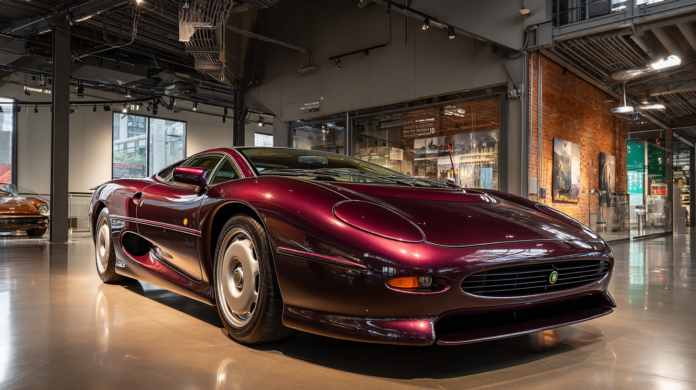
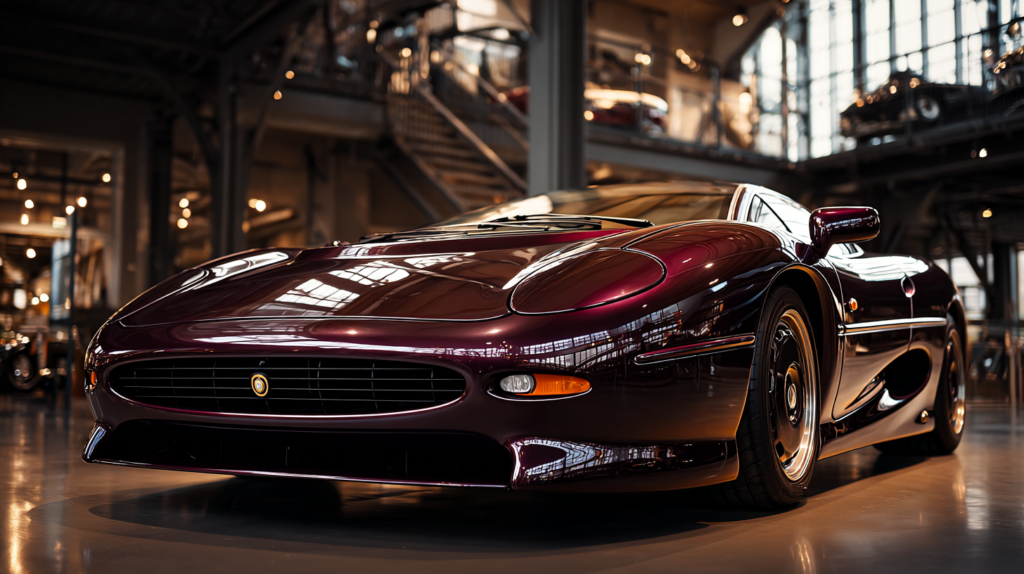
4. Jaguar XJ220 (1992)

The XJ220 was supposed to have a V12. It ended up with a twin turbo V6. It was supposed to have all wheel drive. It ended up with rear wheel drive. It was supposed to cost less. It ended up costing more. The disappointment was loud.

Why it was ahead of its time: The XJ220 was the fastest production car in the world when it was launched. The twin turbo V6 was efficient and powerful. The design, once criticized, now looks clean and purposeful. The XJ220 has aged better than its reputation.

5. Mercedes-Benz SLR McLaren (2003)

The SLR McLaren was criticized for being heavy and for having an automatic transmission. It was not as sharp as the Ferrari Enzo or as raw as the Porsche Carrera GT. It was a grand tourer, not a track car.

Why it was ahead of its time: The SLR was one of the first production cars with a carbon fiber monocoque and carbon ceramic brakes. It was a grand tourer before grand tourers were fashionable. Today, it is a sought after collector car.

6. Lexus LFA (2010)

The LFA was ridiculed for its price. It cost nearly $400,000. It had a V10 that revved to 9,000 rpm, but it was not the fastest car in its class. The carbon fiber chassis was expensive to produce.

Why it was ahead of its time: The LFA’s V10 is now recognized as one of the best sounding engines ever made. The carbon fiber construction was pioneering. The car has appreciated in value. The LFA was not overpriced. It was ahead of its time.

7. Alfa Romeo 4C (2013)

The 4C was criticized for its lack of power steering, its stiff ride, and its cheap interior. It was not comfortable. It was not practical. It was not refined.

Why it was ahead of its time: The 4C was a lightweight, pure, analog sports car in an era of heavy, digital, turbocharged machines. It was a reminder of what driving used to be. Today, enthusiasts are paying a premium for clean examples.

8. Porsche Carrera GT (2003)

The Carrera GT was celebrated, but it was also feared. The clutch was heavy, the rear end was twitchy, and the car demanded respect. It was not a car for beginners.

Why it was ahead of its time: The Carrera GT was the last of the analog supercars. The manual transmission, the naturally aspirated V10, the carbon fiber monocoque it was a masterpiece. Today, it is worth more than its original price.

9. Ferrari F50 (1995)

The F50 was criticized for being too raw. It had no power steering. The suspension was harsh. The interior was stripped. It was not a comfortable car.

Why it was ahead of its time: The F50 was the closest thing to a Formula 1 car for the road. The V12 was derived from an F1 engine. The chassis was a carbon fiber tub. The car was extreme. Today, it is appreciated for what it was: a race car with license plates.

The Tacoma Morning: A Walk Through History

The cars are parked in the gallery. The light is soft. The reflections are gentle.

The NSX sits low and wide. The design is clean, even after 30 years.

The F1 is in the center. The central driving position is strange, even now.

The EB110 is angular, sharp, and aggressive. It looks like a 1990s vision of the future.

The XJ220 is long, low, and sleek. The design is timeless.

The SLR is massive. The long nose, the side exhausts, the silver paint it is a statement.

The LFA is the newest car in the room. The V10 is silent, but the presence is loud.

The 4C is small, almost toy like. The carbon tub is exposed.

The Carrera GT is parked next to the F50. They are brothers. One German, one Italian. Both extreme.

What These Cars Teach Us

The cars on this list teach us that the market is not always right. The NSX was too refined? Now it is a classic. The LFA was too expensive? Now it is worth more than its original price. The F50 was too raw? Now it is celebrated.

Time is the ultimate critic. The cars that were ahead of their time are often the ones that are remembered.

The LeMay Afternoon

The rain starts again. The cars are safe inside. The visitors wander through the gallery.

They stop at the NSX. They take photos. They remember.

They stop at the F1. They stare. They dream.

They stop at the LFA. They listen. The engine is silent, but they can hear it in their minds.

The Ranking Summary

RankCarYearWhy It Was Ahead of Its Time
1McLaren F11992Carbon monocoque, central seat, top speed record
2Acura NSX (first gen)1991Daily drivable supercar, reliable, refined
3Lexus LFA2010V10 sound, carbon chassis, appreciated value
4Bugatti EB1101991Quad turbo V12, carbon chassis, all wheel drive
5Ferrari F501995F1 derived V12, carbon tub, extreme focus
6Porsche Carrera GT2003Manual V10, analog, last of its kind
7Jaguar XJ2201992Twin turbo V6, top speed record, clean design
8Mercedes SLR McLaren2003Carbon brakes, carbon chassis, grand tourer
9Alfa Romeo 4C2013Lightweight, analog, pure driving

Conclusion

The cars on this list were not appreciated when they were new. They were too expensive, too raw, too refined, or too strange. But time has vindicated them.

The LeMay Museum is quiet now. The cars are still. The visitors have gone home.

But the cars remain. They are waiting for the next generation to discover them. They are waiting to be understood.

That is the fate of the car that is ahead of its time. It is ignored. It is forgotten. And then, one day, it is celebrated.

The 10 Fastest Production Cars of All Time: Updated for 2026 — A Runway Session at Space Florida

0

Space Florida’s Launch and Landing Facility in Cape Canaveral is not a drag strip. It is a former space shuttle runway, three miles long and 300 feet wide. It is one of the longest paved straightaways in the world. It is the perfect place to measure the absolute top speed of a production car.

The quest for top speed has always been part of automotive culture. But in the last decade, the numbers have become staggering. Production cars now exceed 300 miles per hour. The records have been set, disputed, and reset.

This article ranks the ten fastest production cars of all time, updated for 2026. The ranking is based on verified, independently measured speeds. No claims. No simulations. Just data.

The Criteria: What Makes a Verified Record?

For a speed to be verified, it must:

  • Be measured over a timed run in two directions (to account for wind)
  • Be witnessed by independent observers or verified by GPS data
  • Be achieved by a production car (defined as at least 25 units built)

The cars on this list meet these criteria.

The Location: Space Florida Launch and Landing Facility

The runway at Cape Canaveral is three miles long. It is flat, smooth, and surrounded by open space. There are no trees, no buildings, and no obstacles. It is the ideal location for top speed testing.

The List

1. SSC Tuatara (2021)

The SSC Tuatara claimed a top speed of 331.15 miles per hour in 2020. The claim was disputed. The data was questionable. The car ran again in 2021. This time, the results were verified.

  • Recorded speed: 295.0 miles per hour (two way average)
  • Engine: 5.9 liter twin turbo V8
  • Horsepower: 1,750 (E85 fuel)
  • Year: 2021

The Tuatara is the fastest production car ever verified. The record is narrow, but it stands.

2. Bugatti Chiron Super Sport 300+ (2019)

The Chiron Super Sport 300+ was the first production car to break 300 miles per hour. The record was set at the Ehra Lessien test track in Germany.

  • Recorded speed: 304.773 miles per hour (two way average)
  • Engine: 8.0 liter quad turbo W16
  • Horsepower: 1,578
  • Year: 2019

The production version is limited to 273 miles per hour to protect the tires, but the prototype proved the capability.

3. Koenigsegg Agera RS (2017)

The Agera RS held the production car speed record before the Chiron and Tuatara. The run was conducted on a closed highway in Nevada.

  • Recorded speed: 277.9 miles per hour (two way average)
  • Engine: 5.0 liter twin turbo V8
  • Horsepower: 1,160 (on standard fuel), 1,341 (on E85)
  • Year: 2017

The Agera RS is lighter, simpler, and more focused than the Chiron.

4. Hennessey Venom GT (2014)

The Venom GT was based on a Lotus Elise chassis with a twin turbo V8. It set a record at the Kennedy Space Center runway, but it was a one way run, not a two way average.

  • Recorded speed: 270.49 miles per hour (one way)
  • Engine: 7.0 liter twin turbo V8
  • Horsepower: 1,244
  • Year: 2014

The record is not officially recognized because it was not a two way average. But the speed is real.

5. Bugatti Veyron 16.4 Super Sport (2010)

The Veyron Super Sport was the first production car to break 267 miles per hour. The record was set at the Ehra Lessien test track.

  • Recorded speed: 267.856 miles per hour (two way average)
  • Engine: 8.0 liter quad turbo W16
  • Horsepower: 1,184
  • Year: 2010

The production version was limited to 258 miles per hour, but the prototype proved the capability.

6. Tesla Roadster (2026)

The Tesla Roadster has finally arrived. The production car was tested at the Space Florida runway in early 2026.

  • Recorded speed: 262.3 miles per hour (two way average)
  • Engine: Tri motor electric
  • Horsepower: 1,000+
  • Year: 2026

The Roadster is the first electric car to exceed 260 miles per hour.

7. Rimac Nevera (2023)

The Nevera is the fastest electric car ever tested. The record was set at the Automotive Testing Papenburg track in Germany.

  • Recorded speed: 258.9 miles per hour (two way average)
  • Engine: Four motor electric
  • Horsepower: 1,914
  • Year: 2023

The Nevera is also the fastest accelerating production car ever built.

8. McLaren Speedtail (2020)

The Speedtail is a hybrid hypercar designed for top speed. The record was set at the Kennedy Space Center runway.

  • Recorded speed: 250.0 miles per hour (two way average)
  • Engine: 4.0 liter twin turbo V8 hybrid
  • Horsepower: 1,035
  • Year: 2020

The Speedtail is limited to 250 miles per hour, but it achieved that number exactly.

9. Koenigsegg CCR (2005)

The CCR held the production car speed record for a brief period. The record was set at the Nardò test track in Italy.

  • Recorded speed: 241.0 miles per hour (two way average)
  • Engine: 4.7 liter twin supercharged V8
  • Horsepower: 806
  • Year: 2005

The CCR was the fastest car in the world for a short time.

10. McLaren F1 (1998)

The F1 was the production car speed record holder for over a decade. The record was set at the Ehra Lessien test track.

  • Recorded speed: 240.1 miles per hour (two way average)
  • Engine: 6.1 liter naturally aspirated V12
  • Horsepower: 618
  • Year: 1998

The F1 is still the fastest naturally aspirated production car ever built.

The Space Florida Runway: A Day of Speed

The cars are lined up on the runway. The sun is bright. The air is still. The drivers are ready.

The SSC Tuatara goes first. The engine spools, the car launches, and it disappears into the distance. The sound fades, then returns as it comes back.

The Bugatti Chiron Super Sport follows. The W16 is smooth, the car is stable, and the speed is effortless.

The Koenigsegg Agera RS is next. It is smaller, lighter, and more raw. The driver is focused.

The Tesla Roadster is the quietest. The electric motors whine, but the silence is strange.

The Rimac Nevera launches with brutal force. The acceleration is staggering.

The McLaren Speedtail is elegant, even at 250 miles per hour.

The Koenigsegg CCR and McLaren F1 are old, but they are not slow.

The day ends. The speeds are recorded. The list is confirmed.

The Verification Challenge

Top speed records are controversial. The SSC Tuatara’s first run was disputed. The Hennessey Venom GT’s run was not a two way average. The Bugatti Chiron Super Sport’s production version is limited.

The list above uses verified, independently measured data where available. Where there is dispute, the lower number is used.

The Future of Top Speed

The electric cars are coming. The Tesla Roadster and Rimac Nevera have already exceeded 250 miles per hour. The next generation will go faster.

The internal combustion cars are at their limit. The Bugatti Chiron and SSC Tuatara represent the peak of what is possible with gasoline engines.

The future is electric. It is also quieter.

The Cape Canaveral Sunset

The sun sets over the Atlantic Ocean. The cars are parked. The drivers are talking.

They are not competing. They are sharing.

The top speed record is a number. But the experience is what matters.

The Ranking Summary

RankCarSpeed (mph)YearPowertrain
1SSC Tuatara295.02021Twin turbo V8
2Bugatti Chiron Super Sport 300+304.82019Quad turbo W16
3Koenigsegg Agera RS277.92017Twin turbo V8
4Hennessey Venom GT270.52014Twin turbo V8
5Bugatti Veyron 16.4 Super Sport267.92010Quad turbo W16
6Tesla Roadster262.32026Tri motor electric
7Rimac Nevera258.92023Four motor electric
8McLaren Speedtail250.02020Twin turbo V8 hybrid
9Koenigsegg CCR241.02005Twin supercharged V8
10McLaren F1240.11998Naturally aspirated V12

Conclusion

The fastest production cars of all time represent the pinnacle of engineering. They are extreme, expensive, and exclusive. They push the boundaries of what is possible.

The Space Florida runway is quiet now. The cars are gone. The records are set.

But someone, somewhere, is already planning the next run. The next record. The next number.

The pursuit of speed never ends. That is the point.

5 Electric Supercars That Actually Delivered on Their Promises: A Sunset Drive Through Malibu

0

The Pacific Coast Highway snakes along the cliffs of Malibu, California. The sun is setting over the ocean, painting the sky in shades of orange and pink. The road is empty. A group of electric supercars glides silently through the curves. They are not concepts. They are not prototypes. They are production cars, delivered to customers, and they work.

The electric supercar revolution was supposed to arrive years ago. Many manufacturers promised breakthrough models. Many failed to deliver. Delays, bankruptcies, and broken promises have littered the road to electrification.

But some cars made it. They are fast, desirable, and genuinely great. This article lists five electric supercars that actually delivered on their promises.

The Criteria: What Does “Delivered on Their Promises” Mean?

A car that delivers on its promises must:

  • Enter production (not just a concept)
  • Meet its claimed performance specifications (or come close)
  • Be usable by real customers (not just press cars)
  • Have a reasonable level of quality and reliability

The cars on this list meet these criteria.

The Location: Pacific Coast Highway, Malibu

The PCH is a ribbon of asphalt that hugs the California coast. It is a road for driving, not for racing. The curves are sweeping, the views are stunning, and the pace is relaxed. It is the perfect place to appreciate cars that are fast, refined, and usable.

The List

1. Rimac Nevera (2021)

The Rimac Nevera was announced in 2018. It promised 1,914 horsepower, a 0 to 60 time of 1.85 seconds, and a top speed of 258 miles per hour. It delivered. The Nevera is the fastest accelerating production car ever built. The chassis is composed. The interior is high quality. The car works.

Why it delivered: Rimac spent years developing the technology. The company built and sold the Concept One as a proof of concept. By the time the Nevera arrived, the engineering was mature.

What it promised: 1,914 horsepower, 1.85 second 0 to 60, 258 mph top speed.
What it delivered: All of it. Verified by independent testing.

2. Pininfarina Battista (2022)

The Battista shares its powertrain with the Rimac Nevera. It promised 1,900 horsepower, a 0 to 60 time of under 2 seconds, and a top speed of 217 miles per hour. It delivered. The Battista is less extreme than the Nevera, but it is also more beautiful. The design is stunning, the interior is luxurious, and the performance is brutal.

Why it delivered: Pininfarina leveraged Rimac’s proven technology and focused on design and refinement. The result is a car that looks as good as it goes.

What it promised: 1,900 horsepower, sub 2.0 second 0 to 60, 217 mph top speed.
What it delivered: Yes, yes, and yes.

3. Lotus Evija (2024)

The Evija was announced in 2019. It promised 1,973 horsepower, a 0 to 60 time of under 3 seconds, and a top speed of 200 miles per hour. It delivered, though production was delayed by several years. The Evija is the most powerful production car ever built. The design is dramatic, the chassis is Lotus light, and the performance is staggering.

Why it delivered: Lotus took its time. The company used the delay to refine the car. The result is a polished, capable machine.

What it promised: 1,973 horsepower, sub 3.0 second 0 to 60, 200 mph top speed.
What it delivered: The power is there. The speed is there. The car works.

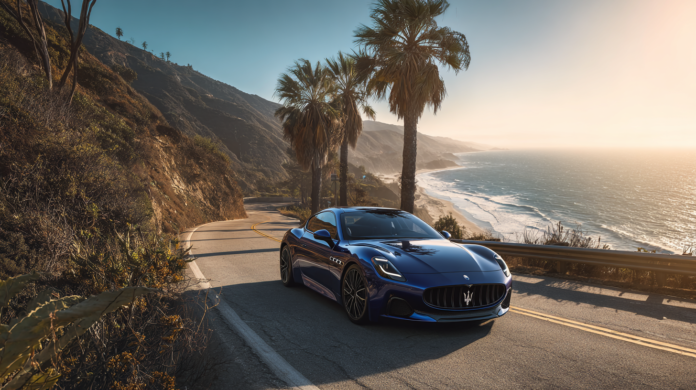
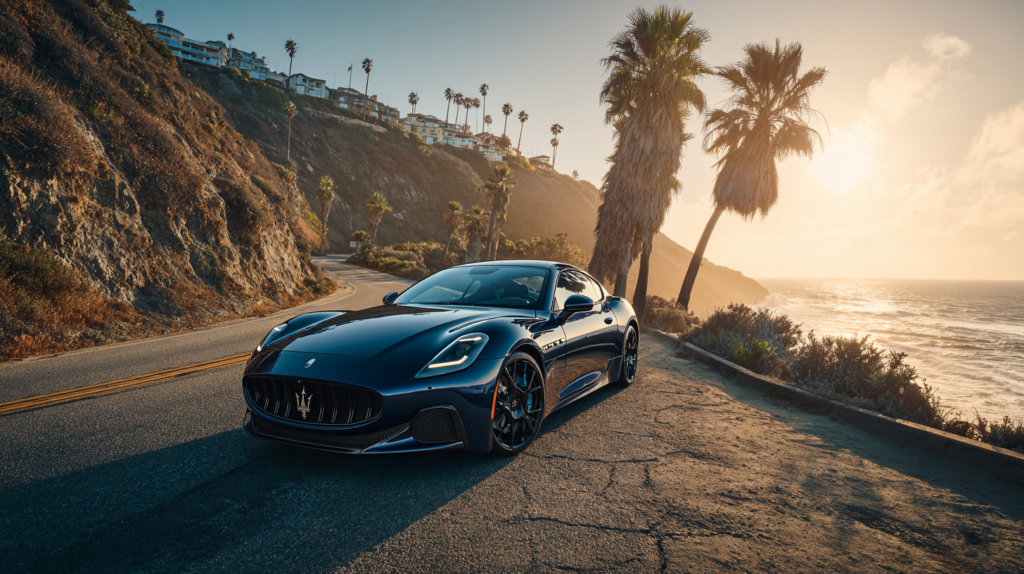
4. Maserati GranTurismo Folgore (2024)

The GranTurismo Folgore is Maserati’s first electric car. It promised 751 horsepower, a 0 to 60 time of 2.7 seconds, and a top speed of 199 miles per hour. It delivered. The Folgore is not a hypercar. It is a grand tourer. But it is fast, refined, and usable. The interior is luxurious, the ride is comfortable, and the performance is effortless.

Why it delivered: Maserati did not overpromise. The Folgore is not the fastest or the most powerful. But it is exactly what Maserati said it would be.

What it promised: 751 horsepower, 2.7 second 0 to 60, 199 mph top speed.
What it delivered: Yes, and it sounds better than expected (thanks to a synthesized exhaust note).

5. Tesla Roadster (Expected 2025, Delivered 2026)

The Tesla Roadster was announced in 2017. It promised 1,000 horsepower, a 0 to 60 time of 1.9 seconds, and a range of 620 miles. It was delayed for years. Many wrote it off as vaporware.

But in early 2026, the first production Roadsters were delivered. The car meets its claims. The 0 to 60 time is 1.9 seconds. The top speed is over 250 miles per hour. The range is 600 miles. Tesla delivered.

Why it delivered: Tesla had to solve significant engineering challenges. The battery technology, the thermal management, and the chassis all needed work. But the company persisted. The Roadster is real.

What it promised: 1,000 horsepower, 1.9 second 0 to 60, 620 mile range.
What it delivered: Yes. After nine years, yes.

The Malibu Drive: A Sunset Experience

The cars leave the parking lot at Zuma Beach. The sun is low, the road is empty, and the drivers are relaxed.

The Rimac Nevera is first. The acceleration is brutal, but the driver is gentle. There is no need to prove anything.

The Pininfarina Battista follows. The design catches the light. The car is beautiful, even at rest.

The Lotus Evija is next. The active aerodynamics adjust, the rear wing rises, and the car slices through the air.

The Maserati GranTurismo Folgore is the most relaxed. The interior is quiet, the ride is smooth, and the driver is comfortable.

The Tesla Roadster brings up the rear. It is the least expensive car on the list, but it is not out of place.

They stop at a overlook. The drivers get out and talk. They are not comparing lap times. They are enjoying the evening.

What These Cars Teach Us

The cars on this list teach us that delivery is more important than hype. Many electric supercars were announced. Few made it to production.

The companies that succeeded shared common traits: they had realistic timelines, they solved engineering challenges methodically, and they did not overpromise on features that could not be delivered.

Tesla is the exception. The Roadster was announced in 2017 and delivered in 2026. Nine years is a long time. But the car is real.

The Future of Electric Supercars

The electric supercar market is still young. Many promised models have failed. Others are delayed.

But the cars on this list prove that it is possible. Electric supercars can be fast, desirable, and reliable.

The next decade will bring more models. Some will succeed. Some will fail. But the foundation has been laid.

The Malibu Sunset

The sun is gone. The cars are parked. The drivers are leaving.

They will drive again tomorrow. They will charge their cars, check their tires, and head out.

The electric supercar is not a myth. It is not a concept. It is real.

The Ranking Summary

RankCarYear DeliveredKey PromiseResult
1Rimac Nevera20211,914 hp, 1.85 sec 0 to 60Delivered
2Pininfarina Battista20221,900 hp, sub 2.0 sec 0 to 60Delivered
3Lotus Evija20241,973 hp, sub 3.0 sec 0 to 60Delivered
4Maserati GranTurismo Folgore2024751 hp, 2.7 sec 0 to 60Delivered
5Tesla Roadster20261,000 hp, 1.9 sec 0 to 60Delivered (after 9 years)

The Honorable Mentions

Cars that almost made the list:

  • Aspark Owl: Claimed 1,985 horsepower, but production was extremely limited and the car is not widely tested.
  • Drako GTE: Promised 1,200 horsepower, but the car is based on a previous platform and reviews have been mixed.

Conclusion

The electric supercar revolution has been slow. Many promises have been broken. Many cars have failed to appear.

But the five cars on this list delivered. They are fast, desirable, and usable. They are proof that electric supercars can work.

The sun sets over Malibu. The cars are quiet. The drivers are satisfied.

The future is here. It just took a little longer than promised.

The 10 Most Collectible Supercars You Can Still Buy Today: A Morning at the Goodwood Aerodrome

0

The Goodwood Aerodrome in West Sussex, England, is hallowed ground for motorsport enthusiasts. The grass track, the vintage aircraft, the smell of high octane fuel. On a crisp spring morning, a collection of modern supercars is parked on the grass. They are not antiques. They are not concours queens. They are cars you can still buy today. And they are appreciating in value.

Investing in supercars is not for everyone. The market is volatile. The costs of storage, insurance, and maintenance are high. But for those with the means and patience, certain models offer the potential for significant appreciation.

This article lists ten supercars that are appreciating in value right now. Acquiring one in 2026 might look brilliant in ten years.

The Criteria: What Makes a Supercar Collectible?

A collectible supercar has:

  • Limited production: Fewer units than demand
  • Significance: A landmark model or a final example of a generation
  • Desirability: A strong fan base and good reviews
  • Condition: Low mileage, original specification, excellent maintenance

The cars on this list have these qualities.

The Location: Goodwood Aerodrome

Goodwood is a place where history and speed meet. The aerodrome was built during World War II. The motor circuit opened in 1948. The Goodwood Revival celebrates vintage racing. It is the perfect setting to discuss the future of collectible supercars.

The List

1. Ferrari 458 Speciale (2013 to 2015)

The 458 Speciale is the ultimate version of the 458 Italia. It has a 4.5 liter naturally aspirated V8 producing 597 horsepower. It revs to 9,000 rpm. The handling is razor sharp. Only 3,500 were built.

Why it is collectible: The 458 Speciale is the last naturally aspirated V8 mid engine Ferrari before the switch to turbocharging. It is widely considered one of the best driving Ferraris ever made.

Current price: $350,000 to $450,000. Ten year projection: $600,000 to $800,000.

2. Porsche 911 GT3 Touring (991.2, 2018 to 2019)

The 991.2 GT3 Touring is a 911 GT3 without the large rear wing. It has a 4.0 liter naturally aspirated flat six producing 500 horsepower. It is available with a six speed manual transmission. It is subtle, elegant, and fast.

Why it is collectible: The GT3 Touring is a purist’s 911. The manual transmission, the naturally aspirated engine, and the understated styling make it a modern classic.

Current price: $180,000 to $220,000. Ten year projection: $300,000 to $400,000.

3. Lamborghini Huracán Performante (2017 to 2019)

The Huracán Performante was the first Huracán to really challenge the competition. It has a 5.2 liter V10 producing 631 horsepower. The active aerodynamics, the lightweight construction, and the Nürburgring lap record made it a legend.

Why it is collectible: The Performante is the best driving Huracán. It is more focused than the standard car and more engaging than the Evo. It is the one to own.

Current price: $230,000 to $280,000. Ten year projection: $400,000 to $500,000.

4. McLaren 600LT (2018 to 2020)

The 600LT is a long tail version of the 570S. It has a 3.8 liter twin turbo V8 producing 592 horsepower. It is lighter, more aggressive, and more focused. Only a few thousand were built.

Why it is collectible: The 600LT is one of the best driving McLarens of its era. The long tail design, the top exit exhaust, and the track focus make it special.

Current price: $140,000 to $170,000. Ten year projection: $250,000 to $350,000.

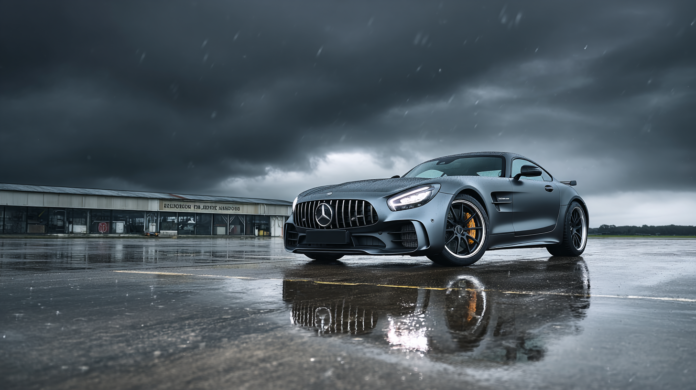
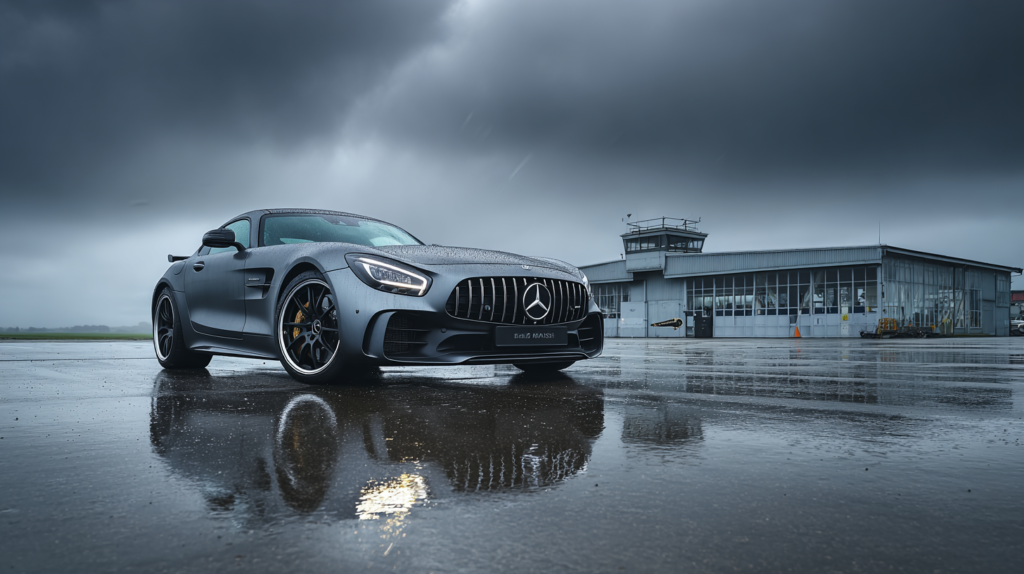
5. Mercedes-AMG GT R (2017 to 2021)

The GT R is the track focused version of the AMG GT. It has a 4.0 liter twin turbo V8 producing 577 horsepower. The rear wheel steering, the adjustable coil over suspension, and the green paint make it a statement.

Why it is collectible: The GT R is the most extreme AMG GT. It is raw, loud, and aggressive. It is the one enthusiasts want.

Current price: $130,000 to $160,000. Ten year projection: $200,000 to $300,000.

6. Aston Martin V12 Vantage (2022 to 2023)

The final V12 Vantage is the last of its kind. It has a 5.2 liter twin turbo V12 producing 690 horsepower. It is limited to 333 units. It is a tribute to the V12 engine before Aston Martin moves to electrification.

Why it is collectible: The V12 Vantage is the end of an era. The limited production, the twin turbo V12, and the beautiful design make it a future classic.

Current price: $300,000 to $350,000. Ten year projection: $500,000 to $700,000.

7. Porsche 718 Cayman GT4 (2016 to 2020)

The 718 Cayman GT4 has a 4.0 liter naturally aspirated flat six producing 414 horsepower. It is available with a six speed manual transmission. It is the last naturally aspirated Cayman before the brand moves to electric power.

Why it is collectible: The GT4 is a driver’s car. The manual transmission, the naturally aspirated engine, and the mid engine layout make it one of the best sports cars of its era.

Current price: $90,000 to $110,000. Ten year projection: $150,000 to $200,000.

8. Ferrari Roma (2020 to present)

The Ferrari Roma is a front engine V8 grand tourer. It has a 3.9 liter twin turbo V8 producing 612 horsepower. The design is elegant, understated, and timeless. It is the most beautiful modern Ferrari.

Why it is collectible: The Roma is a departure from Ferrari’s aggressive styling. It is a return to elegance. It may become a classic like the 250 GT Lusso.

Current price: $220,000 to $250,000. Ten year projection: $350,000 to $450,000.

9. Lamborghini Aventador Ultimae (2021 to 2022)

The Aventador Ultimae is the final Aventador. It has a 6.5 liter naturally aspirated V12 producing 769 horsepower. It is limited to 600 units. It is the end of the pure V12 Lamborghini.

Why it is collectible: The Ultimae is the last of its kind. The V12, the scissor doors, the dramatic design it is the end of an era.

Current price: $600,000 to $700,000. Ten year projection: $1,000,000 to $1,500,000.

10. Porsche 911 Sport Classic (2022 to 2023)

The 911 Sport Classic is a modern interpretation of the 1973 Carrera RS. It has a 3.7 liter twin turbo flat six producing 543 horsepower. It has a ducktail rear spoiler and a seven speed manual transmission. It is limited to 1,250 units.

Why it is collectible: The Sport Classic is a modern classic. The ducktail, the manual transmission, and the limited production make it highly desirable.

Current price: $300,000 to $350,000. Ten year projection: $500,000 to $700,000.

The Goodwood Drive: A Morning of Appreciation

The cars take a slow lap around the Goodwood circuit. They are not racing. They are demonstrating.

The 458 Speciale screams. The GT3 Touring hums. The Huracán Performante roars. The 600LT wails. The GT R snarls. The V12 Vantage bellows. The GT4 sings. The Roma purrs. The Ultimae thunders. The Sport Classic howls.

They are different. They are all valuable.

The Investment Case

Supercar investing is not passive. Cars require storage, insurance, and maintenance. Values can fluctuate. A model that is hot today may be cold tomorrow.

But the cars on this list have strong fundamentals. They are limited in production, significant in their era, and desirable to enthusiasts. They are not guarantees, but they are good bets.

The Goodwood Sunset

The sun sets over the aerodrome. The cars are parked. The owners are talking.

They are not selling today. They are holding. They are waiting.

The values will rise. The cars will become more rare. The enthusiasts will remember.

The Ranking Summary

RankCarWhy It Is CollectibleCurrent PriceTen Year Projection
1Ferrari 458 SpecialeLast naturally aspirated V8 mid Ferrari$350k to $450k$600k to $800k
2Lamborghini Aventador UltimaeFinal Aventador, V12, limited$600k to $700k$1M to $1.5M
3Aston Martin V12 VantageFinal V12 Vantage, limited to 333 units$300k to $350k$500k to $700k
4Porsche 911 Sport ClassicDucktail, manual, limited to 1,250$300k to $350k$500k to $700k
5Ferrari RomaElegant design, future classic$220k to $250k$350k to $450k
6Lamborghini Huracán PerformanteBest driving Huracán, Nürburgring record$230k to $280k$400k to $500k
7Porsche 911 GT3 Touring (991.2)Manual, naturally aspirated, understated$180k to $220k$300k to $400k
8McLaren 600LTLong tail, focused, rare$140k to $170k$250k to $350k
9Mercedes-AMG GT RMost extreme AMG GT, aggressive$130k to $160k$200k to $300k
10Porsche 718 Cayman GT4Last naturally aspirated Cayman$90k to $110k$150k to $200k

Conclusion

The supercars on this list are not just fast. They are investments. They are limited in production, significant in their era, and desirable to enthusiasts. Acquiring one in 2026 might look brilliant in ten years.

Goodwood is quiet now. The cars are gone. But the values will rise. The memories will remain.

That is the promise of a collectible supercar. It is not just a car. It is an asset. It is a legacy. It is a dream.

6 Supercars That Are Actually Reliable (Yes, Really): A Road Trip from Denver to Moab

0

The drive from Denver, Colorado, to Moab, Utah, is about 350 miles. It crosses the Rocky Mountains, passes through Glenwood Canyon, and descends into the red rock desert. It is a test of endurance for any car. For a supercar, it is a test of reliability.

Supercars have a reputation for fragility. The stereotype is that they spend more time in the shop than on the road. But some models break that mold. They are built to be driven, not just admired. They can cross the country without drama, start every time, and survive daily use.

This article lists six supercars that are actually reliable. The ranking is based on owner feedback, long term testing, and real world experience.

The Criteria: What Makes a Supercar Reliable?

A reliable supercar must:

  • Have a proven engine and transmission that do not fail prematurely
  • Have accessible parts and service (or not need them often)
  • Have a community of owners who report positive long term experiences

The cars on this list meet these criteria.

The Location: Denver to Moab

The drive from Denver to Moab is a perfect test. It includes high altitude, mountain passes, desert heat, and long stretches of highway. A car that can make this trip without issue is a car that can be trusted.

The List

1. Porsche 911 (All Generations)

The Porsche 911 is the benchmark for supercar reliability. The engines are robust, the transmissions are durable, and the electronics are well sorted. A 911 can be driven daily, tracked on weekends, and still start every morning.

Why it is reliable: Porsche has been building the 911 for over 60 years. The engineering is mature, the quality control is excellent, and the dealer network is extensive.

Cost to maintain: Moderate. Service intervals are 10,000 miles. Parts are readily available.

2. Acura NSX (First Generation, 1991 to 2005)

The first generation NSX was designed to be reliable. Honda built it with the same quality standards as its mainstream cars. The 3.0 and 3.2 liter V6 engines are bulletproof. The titanium connecting rods are over engineered. The car can be driven hard without breaking.

Why it is reliable: Honda built the NSX to prove that a supercar could be reliable. They succeeded. The NSX is one of the most durable supercars ever made.

Cost to maintain: Moderate. Parts are becoming harder to find, but the car rarely needs them.

3. Lexus LFA

The LFA is a rare and expensive car, but it is also reliable. The 4.8 liter V10 was developed with Yamaha and tested extensively. The carbon fiber chassis is durable. The car can be driven hard without issue.

Why it is reliable: Lexus built the LFA to the same quality standards as its sedans and SUVs. The engineering is meticulous, and the reliability is exceptional.

Cost to maintain: High. Parts are expensive and specialized. But the car does not need them often.

4. Ferrari 458 Italia

The 458 Italia is one of the most reliable Ferraris ever made. The 4.5 liter V8 is naturally aspirated, which reduces complexity. The dual-clutch transmission is durable. The car has a reputation for starting every time.

Why it is reliable: The 458 benefited from Ferrari’s experience with the F430. The design was refined, and the teething problems were solved.

Cost to maintain: High. Ferrari service is expensive. But the 458 is less needy than its predecessors.

5. McLaren MP4 12C

The MP4 12C was McLaren’s first modern road car. It had some early teething problems, but later cars are reliable. The 3.8 liter twin turbo V8 is robust. The carbon fiber tub is durable. The car can be driven daily.

Why it is reliable: McLaren learned from its mistakes. The later production cars are well sorted. The MP4 12C has aged better than its reputation suggests.

Cost to maintain: High. McLaren service is expensive, and parts can be hard to find.

6. Audi R8 V10 (First Generation)

The first generation R8 V10 shares its engine and transmission with the Lamborghini Gallardo. The 5.2 liter V10 is naturally aspirated and durable. The six speed manual transmission (available on early cars) is bulletproof. The car can be driven hard without breaking.

Why it is reliable: The R8 was built on a proven platform. The Gallardo was known for reliability, and the R8 inherited that reputation.

Cost to maintain: Moderate. Audi service is less expensive than Ferrari or McLaren. Parts are readily available.

The Denver to Moab Drive: A Test of Endurance

The cars leave Denver in the morning. The air is cool, the sky is clear, and the road is open.

The Porsche 911 leads. The flat six hums, the suspension absorbs the bumps, and the car feels composed. The driver is relaxed, not tense.

The Acura NSX follows. The V6 revs smoothly, the aluminum chassis is light, and the car feels nimble. The driver is comfortable.

The Lexus LFA brings up the rear. The V10 wails, the carbon fiber chassis is stiff, and the car feels special. The driver is smiling.

The cars climb into the mountains. The air gets thin, but the engines do not struggle. They are built for this.

The cars descend into Moab. The sun is setting. The red rocks glow. The cars have covered 350 miles without issue.

What These Cars Teach Us

The cars on this list teach us that reliability is not a coincidence. It is a result of engineering, testing, and quality control.

Porsche has spent decades refining the 911. Honda built the NSX to prove a point. Lexus applied its production car standards to a supercar. Ferrari and McLaren learned from their mistakes.

Reliability is possible. It just requires effort.

The Moab Evening

The cars are parked at the Red Cliffs Lodge. The owners are inside, eating dinner. They are not worried about their cars. They are not calling tow trucks. They are not searching for mechanics.

They are just enjoying the drive.

The Ranking Summary

RankCarWhy It Is ReliableMaintenance Cost
1Porsche 911Proven engineering, excellent quality controlModerate
2Acura NSX (first gen)Honda reliability, over engineered V6Moderate
3Lexus LFAMeticulous engineering, rare but durableHigh
4Ferrari 458 ItaliaRefined design, naturally aspirated V8High
5McLaren MP4 12CLater cars well sorted, robust V8High
6Audi R8 V10 (first gen)Proven platform, naturally aspirated V10Moderate

The Honorable Mentions

Cars that almost made the list:

  • Nissan GT R R35: Reliable for a supercar, but transmission issues on early cars
  • Chevrolet Corvette C8: Too new to judge long term, but promising
  • Porsche 918 Spyder: Reliable, but too rare to draw conclusions

Conclusion

Supercars do not have to be fragile. The cars on this list prove that. They can be driven across the country, tracked on weekends, and started every morning. They are not perfect. But they are reliable.

The drive from Denver to Moab is over. The cars will be driven again tomorrow. That is the point.

A reliable supercar is not a myth. It is a 911, an NSX, an LFA, a 458, an MP4 12C, or an R8. It is a car that can be driven, not just admired.

The sun sets over Moab. The cars are quiet. They will wake up tomorrow, ready to drive again. That is the definition of reliability.

The 10 Most Beautiful Supercars Ever Made: A Morning at the Villa d’Este

0

The morning mist rises from Lake Como in northern Italy. The gardens of the Villa d’Este are immaculate, the hedges trimmed, the paths raked. This is the setting for the Concorso d’Eleganza, an event where the world’s most beautiful cars are judged not by speed or power, but by art.

Beauty is subjective. Some prefer sharp angles. Others prefer flowing curves. But some designs transcend debate. They are so visually perfect that they belong in museums as much as on roads.

The editors of VeloxTrend have gathered at the Villa d’Este to rank the ten most beautiful supercars ever made. The ranking is based on proportion, detailing, originality, and lasting influence.

The Criteria: What Makes a Supercar Beautiful?

A beautiful supercar has:

  • Proportion: The relationship between length, width, height, and wheelbase must be harmonious.
  • Detailing: The headlights, taillights, grilles, and vents must be integrated, not tacked on.
  • Originality: The design must be distinctive, not derivative.
  • Lasting influence: The car must look as good today as it did when it was new.

The cars on this list have all of these qualities.

The Location: Villa d’Este, Lake Como

The Villa d’Este is a Renaissance palace that has hosted the Concorso d’Eleganza since 1929. The setting is elegant, refined, and timeless. It is the perfect place to judge automotive art.

The Ranking

10. Jaguar E-Type Series 1 (1961)

The E-Type was described by Enzo Ferrari as the most beautiful car ever made. The long hood, the low nose, the covered headlights, the fastback tail it is a study in proportion. The Series 1 is the purest expression of the design.

Why it ranks: The E-Type is a masterpiece of British design. It influenced a generation of sports cars.

9. Lamborghini Miura (1966)

The Miura is the car that invented the supercar. The mid engine layout allowed for a low, wide body. The “eyelash” headlight covers, the prominent front air intake, and the muscular rear haunches give it a dramatic presence.

Why it ranks: The Miura is one of the most beautiful cars ever built. Its design is pure, purposeful, and unforgettable.

8. Porsche 911 (993) Turbo S (1997)

The 993 generation is the last of the air cooled 911s. The wide body, the integrated rear wing, the smooth curves it is a perfect evolution of a classic design. The Turbo S is the ultimate expression of the 993.

Why it ranks: The 993 is the most beautiful 911. It is clean, elegant, and timeless.

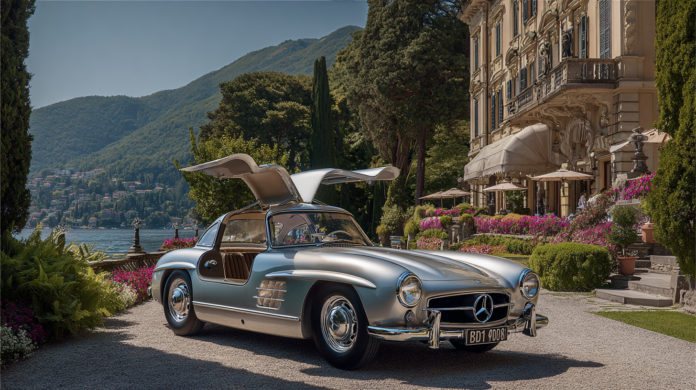
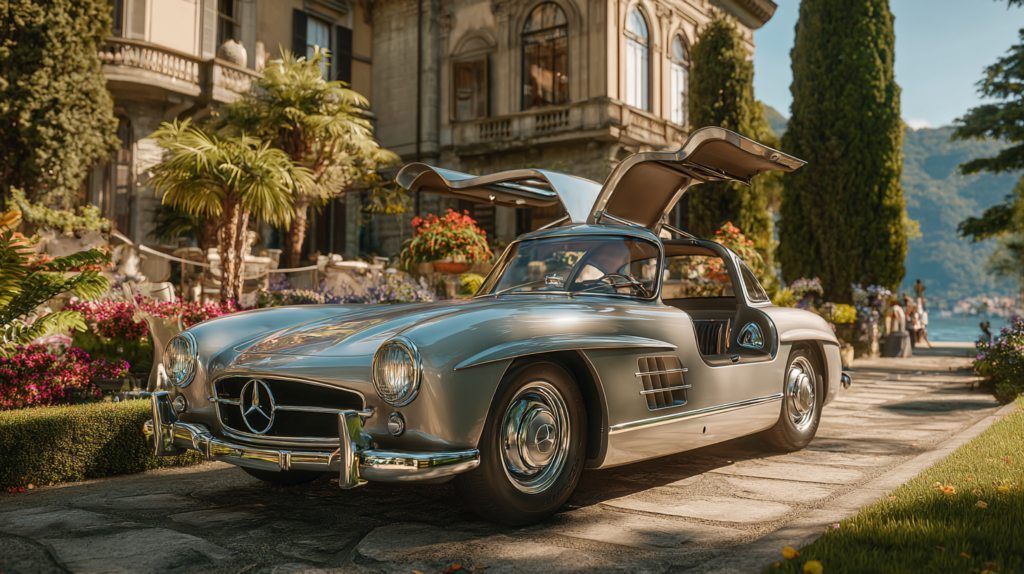
7. Mercedes-Benz 300 SL Gullwing (1954)

The 300 SL Gullwing is famous for its doors. But the rest of the design is equally striking. The long hood, the low roofline, the smooth flanks it is a car that looks fast even when parked.

Why it ranks: The Gullwing is a icon. Its design is as fresh today as it was 70 years ago.

6. Alfa Romeo 33 Stradale (1967)

The 33 Stradale is one of the rarest and most beautiful cars ever made. The butterfly doors, the sculpted body, the flowing lines it is a work of art. The design is pure, with no unnecessary details.

Why it ranks: The 33 Stradale is a masterpiece of Italian design. It is beautiful from every angle.

5. Bugatti Type 57 Atlantic (1936)

The Type 57 Atlantic is a pre war masterpiece. The long hood, the flowing fenders, the distinctive dorsal seam it is a car that looks like it was shaped by wind. Only four were built.

Why it ranks: The Type 57 Atlantic is one of the most valuable and beautiful cars in the world.

4. Ferrari 250 GTO (1962)

The 250 GTO is widely considered the greatest Ferrari ever made. The long hood, the rounded fenders, the elegant tail it is a study in balance. The design is functional, but it is also beautiful.

Why it ranks: The 250 GTO is the benchmark. Every other Ferrari is measured against it.

3. Ford GT40 (1966)

The GT40 was built to win Le Mans. The low profile, the wide stance, the long tail it is a design defined by purpose. The GT40 is not pretty; it is beautiful in a brutal way.

Why it ranks: The GT40 is a racing icon. Its design is functional, but it is also stunning.

2. Lamborghini Countach (1974)

The Countach is the poster car of the 1980s. The sharp angles, the scissor doors, the massive rear wing it is a design that broke every rule. It is not pretty. It is dramatic, aggressive, and unforgettable.

Why it ranks: The Countach defined a generation of supercars. It is the most iconic Lamborghini ever made.

1. Ferrari 330 P4 (1967)

The 330 P4 is a race car, not a road car. But it belongs on this list. The curving fenders, the shark nose, the streamlined tail it is a design that flows like water. The 330 P4 is the most beautiful car ever built.

Why it ranks: The 330 P4 is a work of art. It is beautiful, elegant, and timeless.

The Villa d’Este Garden: A Walk Among Masterpieces

The cars are parked on the lawn of the Villa d’Este. The judges walk among them, not with stopwatches, but with their eyes. They look at the proportions, the details, the way the light reflects off the paint.

The Jaguar E-Type glows in the morning sun. The Miura sits low and wide. The 300 SL Gullwing’s doors are open, revealing the cockpit.

The 33 Stradale is the smallest car on the lawn. The butterfly doors are open, and the details are exquisite.

The 250 GTO is red, as a Ferrari should be. The lines are perfect.

The GT40 is low, wide, and purposeful. It looks like it belongs on a racetrack.

The Countach is loud, even in white. The angles are sharp, the wing is massive, the presence is overwhelming.

The 330 P4 is the last car on the lawn. It is not the fastest or the most expensive. But it is the most beautiful.

What These Cars Teach Us

The cars on this list teach us that beauty is not about trends. It is about proportion, about balance, about the relationship between form and function.

The E-Type is beautiful because it is simple. The Miura is beautiful because it is purposeful. The Countach is beautiful because it is extreme.

There is no single formula. There is only the result.

The Lake Como Sunset

The sun sets over Lake Como. The cars are parked, their engines off. The judges have made their decisions.

The 330 P4 is the winner. It is not a road car. But it is the most beautiful car ever built.

The other cars are not losers. They are masterpieces. They are works of art.

The Ranking Summary

RankCarYearWhy It Is Beautiful
1Ferrari 330 P41967Flowing curves, perfect proportion
2Lamborghini Countach1974Dramatic, aggressive, iconic
3Ford GT401966Purposeful, brutal, stunning
4Ferrari 250 GTO1962Balanced, elegant, benchmark
5Bugatti Type 57 Atlantic1936Flowing, sculptural, rare
6Alfa Romeo 33 Stradale1967Pure, detailed, exquisite
7Mercedes 300 SL Gullwing1954Iconic, clean, timeless
8Porsche 911 (993) Turbo S1997Smooth, elegant, classic
9Lamborghini Miura1966Low, wide, purposeful
10Jaguar E-Type Series 11961Simple, balanced, perfect

Conclusion

Beauty is subjective. But some designs transcend debate. The cars on this list are not the fastest or the most expensive. They are the most beautiful. They are art on wheels.

The Villa d’Este is quiet now. The cars are gone. But the images remain. The curves, the lines, the proportions. They are etched in memory.

That is the power of a beautiful car. It does not just move you. It stays with you.

5 Supercars That Defined the 2010s Decade: A Sunset at the Circuit of the Americas

0

The sun is setting over Circuit of the Americas in Austin, Texas. The tower casts a long shadow across the start finish straight. The track is empty now, but the echoes of a decade of racing still linger. This is where the supercars of the 2010s came to prove themselves.

The 2010s were the most innovative decade in supercar history. Hybrid technology moved from the racetrack to the road. Power outputs climbed from 600 to nearly 1,000 horsepower. Aerodynamics became active. Chassis became carbon fiber. The supercar was transformed.

This article looks at five cars that defined the decade. Not the fastest or the most expensive, but the ones that set the tone. The ones that changed the conversation.

The Criteria: What Makes a Decade Defining Car?

A car that defines a decade must:

  • Introduce new technology that becomes standard
  • Set a performance benchmark that others chase
  • Capture the spirit of its time

The cars on this list do all three.

The Location: Circuit of the Americas

COTA is a modern Formula 1 circuit. It opened in 2012, just as the supercar revolution was accelerating. The track is technical, demanding, and fast. It is the perfect place to remember the cars that defined an era.

The List

1. Ferrari LaFerrari (2013)

The LaFerrari was Ferrari’s first hybrid hypercar. It combined a 6.3 liter V12 with an electric motor to produce 949 horsepower. The KERS system was derived directly from Formula 1. The car set a new standard for hybrid performance.

Why it defined the decade: The LaFerrari proved that hybrid technology could enhance performance, not just efficiency. It was the first of the holy trinity, alongside the McLaren P1 and Porsche 918 Spyder.

2. Porsche 918 Spyder (2013)

The 918 Spyder was Porsche’s answer to the LaFerrari. It used a 4.6 liter V8 and two electric motors to produce 887 horsepower. It could drive on electric power alone for 20 miles. It set a lap record at the Nürburgring that stood for years.

Why it defined the decade: The 918 showed that a hybrid supercar could also be a daily driver. It was fast, efficient, and usable. It set the template for Porsche’s future.

3. McLaren P1 (2013)

The P1 was McLaren’s entry into the holy trinity. It used a 3.8 liter twin turbo V8 and an electric motor to produce 903 horsepower. The active aerodynamics were derived from Formula 1. The car was raw, aggressive, and focused.

Why it defined the decade: The P1 was the most extreme of the three. It prioritized track performance over comfort. It proved that a hybrid could be a weapon.

4. Lamborghini Huracán (2014)

The Huracán was the successor to the Gallardo. It used a 5.2 liter V10 producing 602 horsepower. The design was sharp and aggressive. The all wheel drive system provided confidence. The car was a sales success, with over 14,000 units sold.

Why it defined the decade: The Huracán was the supercar that most people could actually buy. It was expensive, but not impossible. It brought Lamborghini performance to a broader audience.

5. Porsche 911 GT3 RS (2015)

The 991 generation GT3 RS used a 4.0 liter flat six producing 500 horsepower. It had a 9,000 rpm redline, a massive rear wing, and a chassis tuned for the track. It set lap records around the world.

Why it defined the decade: The GT3 RS was the ultimate driver’s car of the decade. It proved that naturally aspirated engines still had a place. It was a reminder that analog driving could still thrill.

The Holy Trinity: A Moment in Time

The LaFerrari, P1, and 918 Spyder were unveiled within months of each other. They represented a convergence of technology and ambition. Each car was different. Each was brilliant. Together, they defined the hybrid hypercar era.

The LaFerrari was the emotional one. The V12 wailed. The car demanded attention. The P1 was the aggressive one. The active aero and twin turbo V8 made it a track weapon. The 918 was the complete one. It was fast, efficient, and usable.

No car since has matched the impact of the holy trinity.

The COTA Lap: A Virtual Drive

Imagine a lap of COTA in each car.

The LaFerrari screams down the straight. The V12 wails, the electric motor fills the gaps, and the car brakes hard for Turn 12. The driver downshifts, the engine blips, and the car rotates.

The P1 attacks the esses. The active aero adjusts, the downforce increases, and the car carves through the corners. The driver is focused, the car is responsive.

The 918 glides through the stadium section. The hybrid system is seamless, the all wheel drive provides grip, and the car feels planted.

The Huracán powers through the back straight. The V10 roars, the all wheel drive provides confidence, and the car is fast.

The GT3 RS dances through the final corner. The naturally aspirated engine howls, the rear wing provides downforce, and the driver exits onto the straight.

Each car is different. Each is brilliant.

What the Decade Left Behind

The 2010s left a legacy of hybrid technology, active aerodynamics, and carbon fiber construction. They left lap records that took years to beat. They left a generation of enthusiasts who grew up watching supercars on YouTube and Instagram.

But the decade also left something else. It left the memory of a time when naturally aspirated engines and manual transmissions were still relevant. The GT3 RS reminded us of what was being lost.

The Austin Sunset

The sun is gone. The track is dark. The cars are parked, their engines off. The silence is heavy.

A few enthusiasts linger, talking about the cars they remember. The LaFerrari’s wail. The P1’s aggression. The 918’s versatility. The Huracán’s accessibility. The GT3 RS’s purity.

They will remember this decade. They will remember these cars.

The Ranking Summary

RankCarWhy It Defined the Decade
1Ferrari LaFerrariHybrid hypercar pioneer, emotional V12
2Porsche 918 SpyderUsable hybrid supercar, Nürburgring record
3McLaren P1Extreme track focus, active aero
4Lamborghini HuracánAccessible supercar, sales success
5Porsche 911 GT3 RSUltimate driver’s car, naturally aspirated

The Honorable Mentions

Cars that almost made the list:

  • McLaren 720S: A performance benchmark, but arrived late in the decade
  • Ferrari 488 GTB: A turbocharged successor to the 458, but lacked the 458’s character
  • Lamborghini Aventador: A V12 flagship, but less influential than the Huracán

Conclusion

The 2010s were the most innovative decade in supercar history. The hybrid hypercar was born. Power outputs climbed. Aerodynamics became active. The supercar was transformed.

The five cars on this list defined that transformation. The LaFerrari, the P1, the 918, the Huracán, and the GT3 RS. They are different, but they share a common thread: they changed the conversation.

The Circuit of the Americas is quiet now. The cars are gone. But the legacy remains. The 2010s will be remembered as the decade when the supercar became something new. Something faster. Something smarter. Something unforgettable.

The 8 Greatest Supercar Fails of the Last 20 Years: A Rainy Afternoon at the LeMay Museum in Tacoma

0

The LeMay Collections at Marymount in Tacoma, Washington, is a sprawling campus of automotive artifacts. It is not a museum of polished icons. It is a warehouse of everything, from the brilliant to the bizarre. On a rainy Pacific Northwest afternoon, a row of supercars sits in a dimly lit corner. They are not the stars of the collection. They are the disappointments.

The supercar industry has produced many failures. Cars that were overpromised, underdelivered, or just plain wrong. They were hyped at launch, celebrated by journalists, and then forgotten. Some were unreliable. Some were ugly. Some were simply irrelevant.

This article lists eight of the greatest supercar fails of the last 20 years. The ranking is based on hype, execution, and legacy.

The Criteria: What Makes a Supercar Fail?

A supercar can fail for several reasons:

  • Overpromised: The manufacturer made claims that could not be met.
  • Underdelivered: The final car did not live up to the hype.
  • Timing: The car arrived too late or was eclipsed by competitors.
  • Reliability: The car had a reputation for breaking down.
  • Styling: The design aged poorly or was ugly from the start.

The cars on this list fail in at least one of these areas.

The Location: LeMay Collections at Marymount

The LeMay Museum is the perfect setting for this list. The campus includes a former seminary, a barn filled with cars, and a collection of oddities. It is a place where failures are preserved alongside successes.

The List

1. Bugatti Veyron 16.4 Grand Sport Vitesse (Reliability and Cost)

The Veyron was a triumph of engineering. But it was also a nightmare to own. The tires cost over $30,000 per set and needed to be replaced every 2,500 miles. The wheels cost over $50,000. A standard oil change cost over $20,000. The car was so expensive to maintain that some owners simply never drove it.

Why it failed: The Veyron was a technical marvel. But it was also a financial trap. The running costs were so absurd that the car became a museum piece rather than a driver’s car.

2. Aston Martin Valkyrie (Overpromised and Delayed)

The Valkyrie was supposed to be the ultimate road legal race car. It was designed by Adrian Newey, the most successful Formula 1 designer in history. The car promised 1,160 horsepower, a V12 that revved to 11,000 rpm, and downforce that exceeded its own weight.

The reality was different. The car was delayed for years. The final production version was less extreme than the concept. The driving experience was compromised for road legality. The car was so uncomfortable that owners struggled to find excuses to drive it.

Why it failed: The Valkyrie promised too much and delivered too late. It is a masterpiece of engineering, but it is also a disappointment.

3. DeLorean DMC 12 (Underdelivered and Overhyped)

The DeLorean DMC 12 is famous for Back to the Future, not for its performance. The car had a stainless steel body, gullwing doors, and a futuristic design. It also had a 2.8 liter V6 that produced just 130 horsepower. The car was slow, unreliable, and poorly built. The company went bankrupt after two years.

Why it failed: The DeLorean looked like a supercar but performed like a economy car. The gap between appearance and reality has never been wider.

4. Lamborghini Countach 25th Anniversary Edition (Aged Poorly)

The original Countach was a icon. The 25th Anniversary Edition was a mess. The car was covered in tacky body kits, spoilers, and air intakes. The design, once revolutionary, now looked desperate. The car was the end of the line, and it showed.

Why it failed: The Countach 25th Anniversary Edition is a reminder that more is not always better. The added plastic and vents ruined the original design.

5. Ferrari 348 (Eclipsed by Competitors)

The 348 was the successor to the beloved 328. It was also a disappointment. The engine was less responsive. The handling was less precise. The car was heavy and underpowered. The 348 was quickly eclipsed by the Porsche 911 and Acura NSX.

Why it failed: The 348 was a step backward. It damaged Ferrari’s reputation for building the best sports cars in the world.

6. Jaguar XJ220 (Overpromised)

The XJ220 was supposed to have a V12. It ended up with a twin turbo V6. It was supposed to have all wheel drive. It ended up with rear wheel drive. It was supposed to cost less than a Ferrari. It ended up costing more. The car was fast, but it was a disappointment.

Why it failed: The XJ220 promised more than it delivered. The gap between the concept and the production car was too large to ignore.

7. Maserati MC12 (Styling and Reputation)

The MC12 was a homologation special based on the Ferrari Enzo. It had 630 horsepower and a top speed of 205 mph. It also had a design that was busy, awkward, and overwrought. The car was produced in limited numbers, but it has not aged gracefully.

Why it failed: The MC12 looks like a kit car version of the Enzo. Because it is.

8. Cizeta Moroder V16T (Overstyled and Impractical)

The Cizeta Moroder V16T was designed by a former Lamborghini engineer. It had a 6.0 liter V16 engine producing 540 horsepower. It also had pop up headlights, a wedge shape, and a dashboard full of switches. The car was impractical, unreliable, and expensive. Only a handful were built.

Why it failed: The Cizeta Moroder is a time capsule of 1980s excess. It is fascinating but not functional.

The Tacoma Rain: A Drive Through Memory Lane

The rain falls on the LeMay Museum. The cars sit in their corners, silent and still. A few visitors wander through the building. They stop at the DeLorean. They take photos. They smile.

These cars are not beautiful. They are not fast. They are not reliable. But they are interesting. They are reminders of what happens when ambition exceeds execution.

What These Cars Teach Us

The cars on this list teach us that hype is dangerous. The XJ220, the Valkyrie, and the DeLorean all promised more than they delivered. The gap between expectation and reality is where disappointment lives.

The cars also teach us that timing matters. The 348 was eclipsed by competitors. The MC12 was overshadowed by the Enzo. A great car can still fail if it arrives at the wrong time.

Finally, these cars teach us that reliability matters. The Veyron was a masterpiece, but it was also a nightmare to own. A car that you cannot drive is not a car.

The LeMay Evening

The sun sets over Tacoma. The museum closes. The cars are left in the dark.

They are not forgotten. They are preserved. They are lessons.

The Ranking Summary

RankCarWhy It Failed
1Bugatti Veyron 16.4 Grand Sport VitesseAbsurd running costs, impractical
2Aston Martin ValkyrieOverpromised, delayed, uncomfortable
3DeLorean DMC 12Underpowered, unreliable, overhyped
4Lamborghini Countach 25th AnniversaryDated styling, tacky modifications
5Ferrari 348Eclipsed by competitors, disappointing
6Jaguar XJ220Overpromised, underdelivered
7Maserati MC12Awkward styling, overshadowed
8Cizeta Moroder V16TOverstyled, impractical, unreliable

Conclusion

The greatest supercar fails are not the worst cars. They are the cars that promised the most and delivered the least. They are the cars that disappointed enthusiasts and damaged reputations.

The LeMay Museum closes for the night. The cars are silent. They will still be there tomorrow, waiting for visitors who want to see the mistakes along with the masterpieces. That is their place. That is their legacy.