
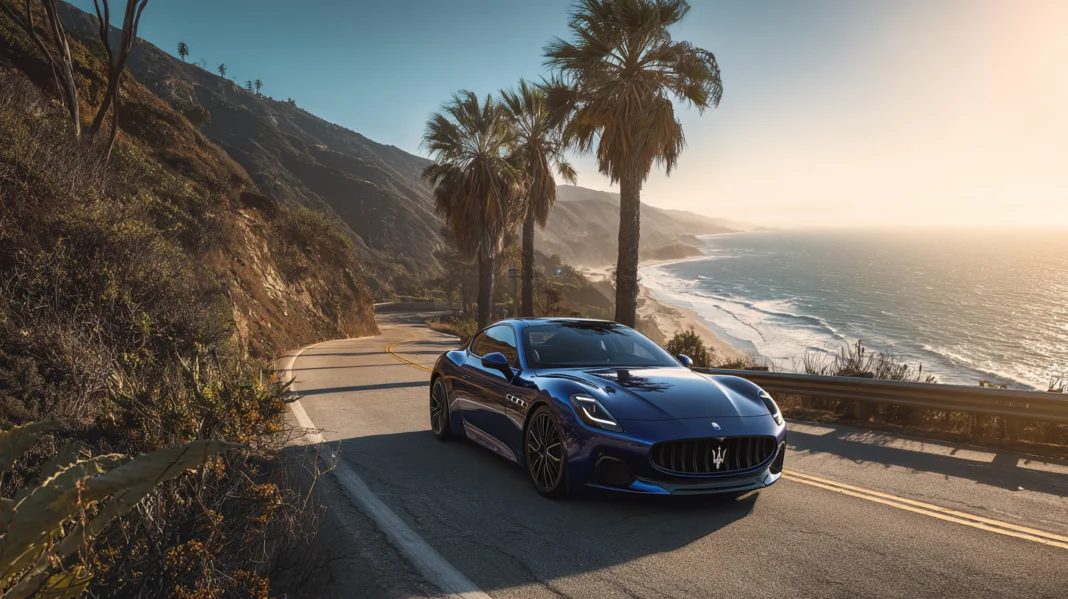
Imagine the Pacific Coast Highway snaking along the cliffs of Malibu at sunset, the sky turning orange and pink, the road empty, and a group of electric supercars gliding silently through the curves. They would not be concepts or prototypes. They would be production cars, delivered to customers, that actually work.
The electric supercar revolution was supposed to arrive years ago. Many manufacturers promised breakthrough models. Many failed to deliver. Delays, bankruptcies, and broken promises have littered the road to electrification.
But some cars made it. They are fast, desirable, and genuinely great. This article lists five electric supercars that actually delivered on their promises.
The Criteria: What Does “Delivered on Their Promises” Mean?
A car that delivers on its promises must:
- Enter production (not just a concept)
- Meet its claimed performance specifications (or come close)
- Be usable by real customers (not just press cars)
- Have a reasonable level of quality and reliability
The cars on this list meet these criteria.
The Location: Pacific Coast Highway, Malibu
The PCH is a ribbon of asphalt that hugs the California coast. It is a road for driving, not for racing. The curves are sweeping, the views are stunning, and the pace is relaxed. It is the perfect place to appreciate cars that are fast, refined, and usable.
The List
1. Rimac Nevera (2021)
The Rimac Nevera was announced in 2018. It promised 1,914 horsepower, a 0 to 60 time of 1.85 seconds, and a top speed of 258 miles per hour. It delivered. The Nevera is the fastest accelerating production car ever built. The chassis is composed. The interior is high quality. The car works.
Why it delivered: Rimac spent years developing the technology. The company built and sold the Concept One as a proof of concept. By the time the Nevera arrived, the engineering was mature.
What it promised: 1,914 horsepower, 1.85 second 0 to 60, 258 mph top speed.
What it delivered: All of it. Verified by independent testing.
2. Pininfarina Battista (2022)
The Battista shares its powertrain with the Rimac Nevera. It promised 1,900 horsepower, a 0 to 60 time of under 2 seconds, and a top speed of 217 miles per hour. It delivered. The Battista is less extreme than the Nevera, but it is also more beautiful. The design is stunning, the interior is luxurious, and the performance is brutal.
Why it delivered: Pininfarina leveraged Rimac’s proven technology and focused on design and refinement. The result is a car that looks as good as it goes.
What it promised: 1,900 horsepower, sub 2.0 second 0 to 60, 217 mph top speed.
What it delivered: Yes, yes, and yes.
3. Lotus Evija (2024)
The Evija was announced in 2019. It promised 1,973 horsepower, a 0 to 60 time of under 3 seconds, and a top speed of 200 miles per hour. It delivered, though production was delayed by several years. The Evija is the most powerful production car ever built. The design is dramatic, the chassis is Lotus light, and the performance is staggering.
Why it delivered: Lotus took its time. The company used the delay to refine the car. The result is a polished, capable machine.
What it promised: 1,973 horsepower, sub 3.0 second 0 to 60, 200 mph top speed.
What it delivered: The power is there. The speed is there. The car works.
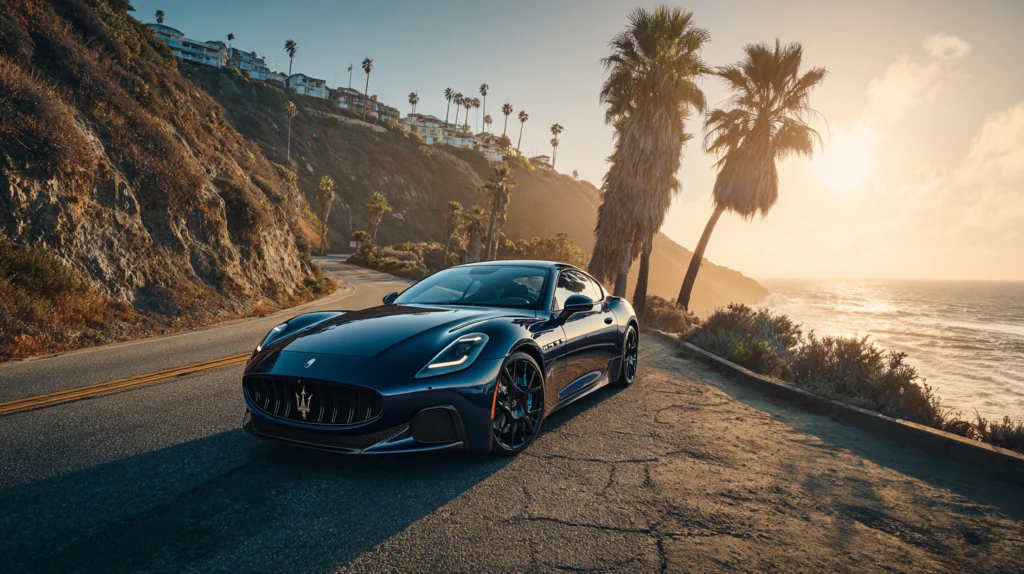
4. Maserati GranTurismo Folgore (2024)
The GranTurismo Folgore is Maserati’s first electric car. It promised 751 horsepower, a 0 to 60 time of 2.7 seconds, and a top speed of 199 miles per hour. It delivered. The Folgore is not a hypercar. It is a grand tourer. But it is fast, refined, and usable. The interior is luxurious, the ride is comfortable, and the performance is effortless.
Why it delivered: Maserati did not overpromise. The Folgore is not the fastest or the most powerful. But it is exactly what Maserati said it would be.

What it promised: 751 horsepower, 2.7 second 0 to 60, 199 mph top speed.
What it delivered: Yes, and it sounds better than expected (thanks to a synthesized exhaust note).
5. Tesla Roadster (Expected 2025, Delivered 2026)
The Tesla Roadster was announced in 2017. It promised 1,000 horsepower, a 0 to 60 time of 1.9 seconds, and a range of 620 miles. It was delayed for years. Many wrote it off as vaporware.
But in early 2026, the first production Roadsters were delivered. The car meets its claims. The 0 to 60 time is 1.9 seconds. The top speed is over 250 miles per hour. The range is 600 miles. Tesla delivered.
Why it delivered: Tesla had to solve significant engineering challenges. The battery technology, the thermal management, and the chassis all needed work. But the company persisted. The Roadster is real.
What it promised: 1,000 horsepower, 1.9 second 0 to 60, 620 mile range.
What it delivered: Yes. After nine years, yes.
The Malibu Drive: A Sunset Experience
The cars leave the parking lot at Zuma Beach. The sun is low, the road is empty, and the drivers are relaxed.
The Rimac Nevera is first. The acceleration is brutal, but the driver is gentle. There is no need to prove anything.
The Pininfarina Battista follows. The design catches the light. The car is beautiful, even at rest.
The Lotus Evija is next. The active aerodynamics adjust, the rear wing rises, and the car slices through the air.
The Maserati GranTurismo Folgore is the most relaxed. The interior is quiet, the ride is smooth, and the driver is comfortable.
The Tesla Roadster brings up the rear. It is the least expensive car on the list, but it is not out of place.
They stop at a overlook. The drivers get out and talk. They are not comparing lap times. They are enjoying the evening.
What These Cars Teach Us
The cars on this list teach us that delivery is more important than hype. Many electric supercars were announced. Few made it to production.

The companies that succeeded shared common traits: they had realistic timelines, they solved engineering challenges methodically, and they did not overpromise on features that could not be delivered.
Tesla is the exception. The Roadster was announced in 2017 and delivered in 2026. Nine years is a long time. But the car is real.
The Future of Electric Supercars
The electric supercar market is still young. Many promised models have failed. Others are delayed.
But the cars on this list prove that it is possible. Electric supercars can be fast, desirable, and reliable.
The next decade will bring more models. Some will succeed. Some will fail. But the foundation has been laid.
The Malibu Sunset
The sun is gone. The cars are parked. The drivers are leaving.
They will drive again tomorrow. They will charge their cars, check their tires, and head out.
The electric supercar is not a myth. It is not a concept. It is real.
The Ranking Summary
| Rank | Car | Year Delivered | Key Promise | Result |
|---|---|---|---|---|
| 1 | Rimac Nevera | 2021 | 1,914 hp, 1.85 sec 0 to 60 | Delivered |
| 2 | Pininfarina Battista | 2022 | 1,900 hp, sub 2.0 sec 0 to 60 | Delivered |
| 3 | Lotus Evija | 2024 | 1,973 hp, sub 3.0 sec 0 to 60 | Delivered |
| 4 | Maserati GranTurismo Folgore | 2024 | 751 hp, 2.7 sec 0 to 60 | Delivered |
| 5 | Tesla Roadster | 2026 | 1,000 hp, 1.9 sec 0 to 60 | Delivered (after 9 years) |
The Honorable Mentions
Cars that almost made the list:
- Aspark Owl: Claimed 1,985 horsepower, but production was extremely limited and the car is not widely tested.
- Drako GTE: Promised 1,200 horsepower, but the car is based on a previous platform and reviews have been mixed.
Conclusion
The electric supercar revolution has been slow. Many promises have been broken. Many cars have failed to appear.
But the five cars on this list delivered. They are fast, desirable, and usable. They are proof that electric supercars can work.
The sun sets over Malibu. The cars are quiet. The drivers are satisfied.
The future is here. It just took a little longer than promised.
Gear Picks for This Story
 Detail Like a ProMeguiar's G7516 Ultimate CompoundSee How It Works →
 Creator GearGoPro Suction Cup MountSee the Specs →
 Essential ToolAutel MaxiSYS MS906 Pro ScannerExplore the Specs →
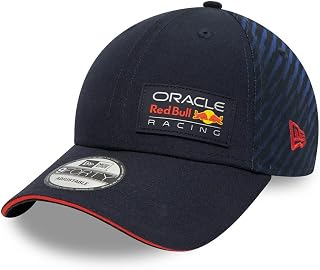 Paddock StyleRed Bull Racing F1 Team CapSee the Design →
As an Amazon Associate, VeloxTrend earns from qualifying purchases.

