Home Blog Page 9

The End of the V8: How Long Does America’s Engine Have Left? – An Evening at the Woodward Dream Cruise

0

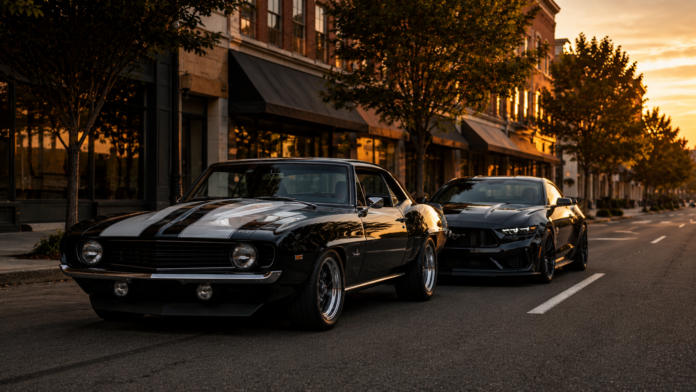
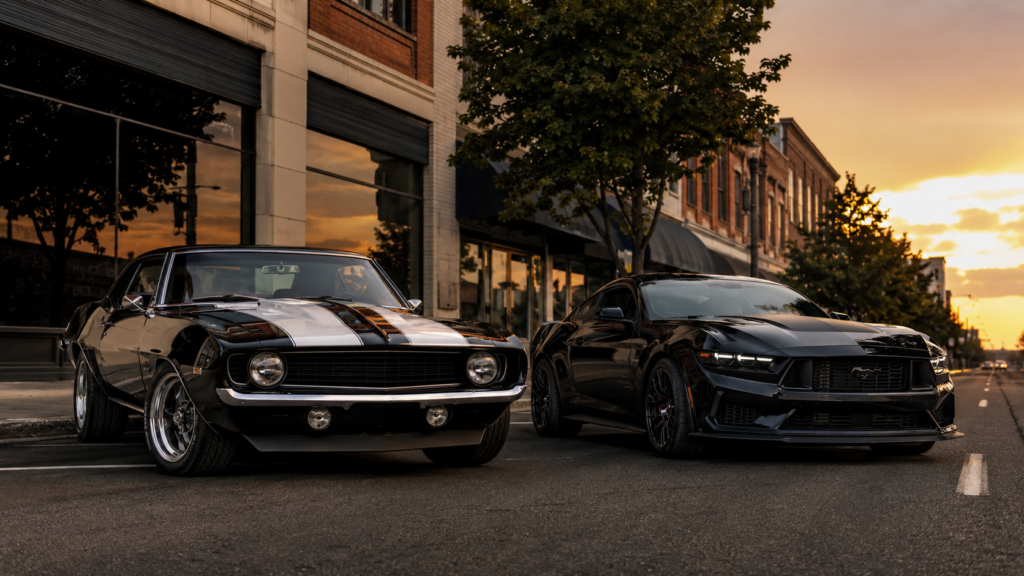
The sun is setting over Woodward Avenue in Birmingham, Michigan. The street is lined with classic muscle cars, their V8 engines rumbling in a low, continuous chorus. A 1969 Camaro SS idles next to a 2026 Ford Mustang Dark Horse. The sound is familiar, comforting, and increasingly rare. The V8 is America’s engine. It powered the muscle car era, defined the pickup truck, and gave the world the sound of freedom. But that sound is fading.

Emissions regulations, electrification targets, and changing consumer tastes are all working against the V8. The question is not whether the V8 will disappear, but when. This article examines the forces driving the V8 toward extinction, the models that are keeping it alive, and how long America’s most iconic engine format has left.

The Forces Against the V8

The V8 is under pressure from three directions.

Regulations: Governments around the world are tightening emissions standards. In the United States, fuel economy rules have made it increasingly difficult for manufacturers to justify building high-displacement naturally aspirated engines. Even the gold standard for reliability struggled to meet the standards. However, recent policy changes have reduced penalties for failing to meet fuel economy standards, giving automakers some breathing room.

Electrification: The industry is investing billions in electric and hybrid powertrains. Fully electric vehicles represented a growing share of global sales in 2025, and that share is expected to increase. Manufacturers are shifting production capacity from combustion engines to electric motors and batteries.

Consumer Preferences: Surveys indicate a marked shift in consumer interest toward electric vehicles and hybrids. Rising fuel prices and increasing awareness of climate change are driving demand for more efficient vehicles. However, the passionate loyalty of V8 enthusiasts remains strong, and events like the Woodward Dream Cruise continue to draw over a million attendees.

The Models That Are Keeping the V8 Alive

Despite the pressures, the V8 is not dead yet. Several American manufacturers are still committed to the format.

Ford Mustang: The Mustang remains the only mass-produced, rear-wheel-drive sports coupe with a naturally aspirated V8 at a mainstream price point. The 2026 Mustang GT and Dark Horse feature the 5.0-liter Coyote V8, producing 480 and 500 horsepower respectively.

Chevrolet Corvette: The C8 Corvette lineup proves the American V8 is still evolving. The base Stingray keeps its 6.2-liter LT2 V8, delivering up to 495 horsepower. The Z06 gets a hand-built 5.5-liter flat-plane-crank LT6 revving to 8,600 rpm and producing 670 horsepower.

Cadillac CT5-V Blackwing: This stands as America’s last true V8-powered sports sedan. Its hand-built 6.2-liter supercharged V8 produces 668 horsepower and is available with a six-speed manual transmission.

Dodge Durango: The brand’s sole three-row SUV has gone all-in on V8 power for 2026, dropping the V6 entirely. The lineup includes the supercharged 6.2-liter Hellcat producing 710 horsepower.

GM Trucks: The Chevrolet Silverado and GMC Sierra continue to offer V8 engines, including a 6.2-liter EcoTec3 V8 delivering 420 horsepower. GM has confirmed it will spend billions to keep its small-block V8 running into the 2030s.

Ford F-150: The 5.0-liter V8 remains a staple option, producing 400 horsepower. The F-150 Raptor R features a supercharged 5.2-liter “Predator” V8 with 700 horsepower.

The Hybrid V8 Solution

Hybridization is emerging as a key strategy to extend the life of the V8. By combining a V8 with an electric motor, manufacturers can improve fuel efficiency and reduce emissions while maintaining the power and character enthusiasts love. Mercedes-AMG is doubling down on combustion power with a refreshed V8 expected to arrive by the end of 2026, featuring mild-hybrid technology to comply with stricter emissions standards. The hybrid V8 offers the best of both worlds, providing the instant torque of an electric motor with the sustained power and sound of a V8.

The European Factor

European manufacturers are also keeping the V8 alive, often with hybridization. Mercedes-AMG has confirmed it will introduce a new iteration of its V8 engine by the end of 2026 as it continues to invest in combustion power. Aston Martin and Lamborghini continue to offer V8s in their performance models, often with hybrid assistance.

How Long Does the V8 Have Left?

The V8 is not going to disappear overnight. It will likely continue in performance cars, luxury SUVs, and pickup trucks for years, perhaps decades. But its days as a mass-market engine are over.

The V8 will survive as a specialty engine for enthusiasts who value its power, sound, and character. It will be available in limited numbers at premium prices. It will be a choice, not a default.

As long as internal combustion engines are allowed by law and supported by the market, there will be a few V8s available. They’ll remain in sports cars, pickups, and luxury SUVs. They won’t be common, but they will exist.

The Woodward Evening

The sun has fully set over Woodward Avenue. The classic cars are leaving. The rumbling V8s are fading into the night. The sound of America’s engine is becoming quieter.

The V8 is not dead yet. But it is dying. And the enthusiasts who love it are savoring every last roar.
Key Takeaways

  • The V8 is under pressure from emissions regulations, electrification, and changing consumer preferences.
  • Ford, GM, and Dodge are still investing in V8 development, often with hybrid assistance.
  • Mercedes-AMG is doubling down on V8 power with a new mild-hybrid unit.
  • The V8 will survive in limited numbers for performance enthusiasts, but its days as a mass-market engine are numbered.

Conclusion

The V8 is America’s engine. It powered the muscle car era, defined the pickup truck, and gave the world a sound that is unmistakable. But that sound is fading.

The forces against the V8 are powerful. Regulations, electrification, and changing consumer tastes are all pushing the industry toward smaller, more efficient powertrains. The V8 is becoming a specialty engine for enthusiasts, not a mainstream option.

The question is not whether the V8 will disappear, but when. It will survive for years, perhaps decades, in performance cars and trucks. But its days as the heartbeat of the industry are over.

The Woodward Dream Cruise is quiet now. The classic cars are gone. The V8s have faded into the night. But the memory of their sound will linger, a reminder of what the automotive world is losing.
Solid-State Batteries and What They Mean for Electric Supercar Range – An Evening at the Estoril Circuit

0

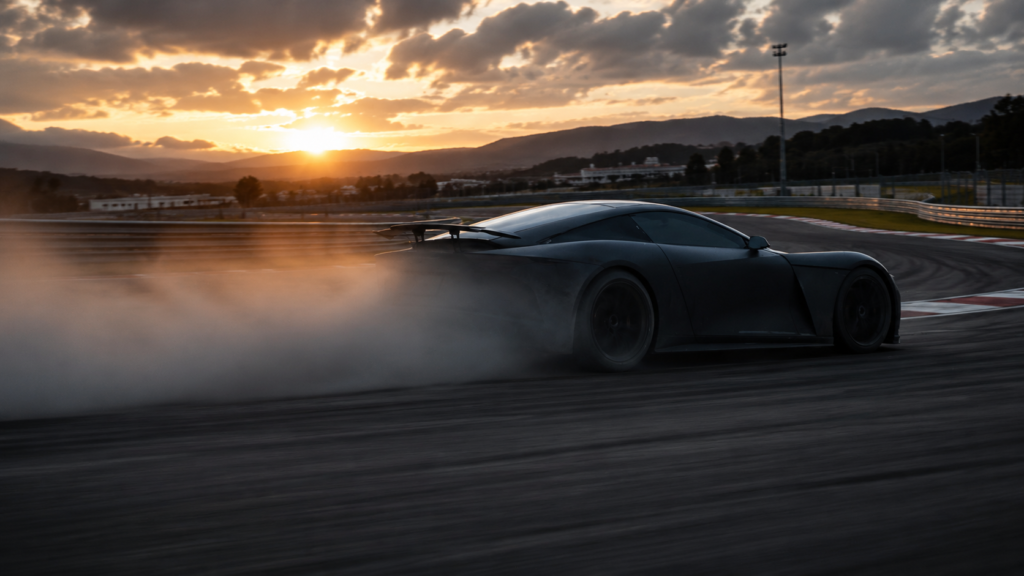
The sun is setting over the Estoril Circuit in Portugal, casting long shadows across the pit lane. A prototype electric supercar is completing a session. It is not weighed down by a massive battery pack. It does not need to stop for a lengthy recharge. It is lighter, faster, and more capable than any electric performance car that has come before it. The difference is not in the motors or the chassis. It is in the battery.

Solid-state batteries have been described as the next major breakthrough for electric vehicles. They promise higher energy density, faster charging, improved safety, and lower weight compared with conventional lithium-ion packs. For electric supercars, the benefits are transformative.

The Problem with Current Batteries

Lithium-ion batteries have powered the first generation of electric supercars. They have enabled impressive performance, but they have also imposed significant compromises.

Weight: A large lithium-ion pack can weigh over 600 kilograms. This mass blunts handling, increases tire wear, and reduces the agility that defines a supercar.

Range: Even the best electric supercars struggle to exceed 300 miles of real-world range. On a track day, that figure drops dramatically.

Charging: Despite advances in fast charging, recharging a large lithium-ion pack still takes significantly longer than refueling a combustion car.

Safety: The liquid electrolyte in lithium-ion batteries is flammable, creating a fire risk that manufacturers must manage with heavy protective structures.

Solid-state batteries address each of these problems.

What Solid-State Batteries Are

Solid-state batteries work in a similar way to lithium-ion batteries, but instead of using a liquid electrolyte, they use a solid electrolyte made from materials such as ceramics, polymers, or sulfides. This structural change improves performance and safety in several ways.

Higher Energy Density

Energy density is the amount of energy stored in a battery relative to its weight. Advanced solid-state batteries could reach significantly higher energy density than many lithium-ion batteries used today.

Higher energy density means:

  • Longer driving range
  • Smaller battery packs
  • Lighter vehicles

Faster Charging

Solid-state batteries may charge considerably more quickly than modern lithium-ion batteries. Some experiments show that electric cars with these batteries might be able to charge up to 80 percent in about ten minutes.

Improved Safety

Solid electrolytes are non-flammable, greatly reducing the risk of battery fires. This safety improvement is particularly important for high-performance vehicles driven at the limit.

Longer Lifespan

Solid-state batteries are expected to last longer than lithium-ion batteries. Studies indicate that advanced solid-state designs could attain significantly more charge cycles compared to current lithium-ion batteries.

The Supercar Advantage

For electric supercars, solid-state batteries are a game changer. Several manufacturers are developing solid-state batteries for their next generation of performance models.

A prototype pack using this new tech is roughly 30 percent more energy-dense than current batteries. More importantly, it is significantly lighter. By using new composite housing, manufacturers have managed to shave off weight from the pack.

In the rarefied air of the hypercar world, saving weight is significant. It means sharper turn-in, better braking, and even more savage acceleration.

Manufacturers are also working on new electric drive units that are incredibly power-dense. The combination of lighter batteries and lighter motors could bring electric sports cars closer to the weight of their petrol counterparts.

Real-World Programs

Several manufacturers are already moving solid-state batteries from the lab to production.

Toyota is on track to launch solid-state batteries in a production car by the end of the decade, with a likely debut in a performance electric car. The company says solid-state batteries are capable of producing double the power of a current-generation battery, can triple the range, and are four times more durable.

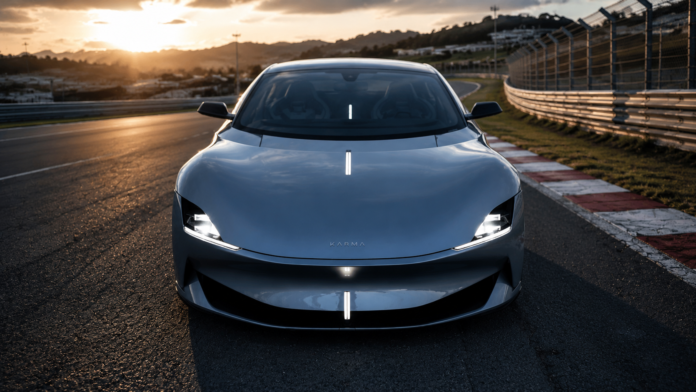
Karma Automotive has announced the first solid-state battery production program in the United States for passenger vehicles. The program will integrate solid-state battery technology into an all-electric super coupe delivering over 1,000 horsepower and more than 250 miles of range.

Rimac is developing solid-state batteries for the next generation of Bugatti supercars, with a target launch within the next few years. The first application will be in a mid-volume Bugatti model.

The Estoril Evening

The sun has fully set over the Estoril Circuit. The prototype has completed its session. The driver steps out, not concerned about range or charging. The car is lighter, faster, and more capable than anything that has come before.

Solid-state batteries are not a distant promise. They are arriving within the next few years, and they will transform electric supercars. Lighter packs will improve handling. Higher energy density will extend range. Faster charging will make track days practical. Improved safety will reduce fire risk.

Key Takeaways

  • Solid-state batteries offer higher energy density, faster charging, improved safety, and lower weight compared with lithium-ion packs.
  • Prototype packs are roughly 30 percent more energy-dense and significantly lighter than current batteries.
  • Toyota is on track to launch solid-state batteries in a production car by the end of the decade.
  • Karma Automotive has announced the first solid-state battery production program in the United States for passenger vehicles.
  • Rimac is developing solid-state batteries for the next generation of Bugatti models.
  • Solid-state batteries could enable electric supercars to match the weight, range, and charging times of combustion cars.

Conclusion

The Estoril Circuit is quiet now. The prototype is gone. But the future it represents is arriving faster than expected.

Solid-state batteries are the technology that could finally give electric supercars the range and recharge times to compete with combustion on a track day. They are lighter, more energy dense, faster charging, and safer than the lithium-ion packs that have defined the first generation of electric performance cars.

For enthusiasts who have been waiting for electric supercars to match the engagement of combustion machines, the wait is almost over. The batteries are coming. And they will change everything.

The Sound Problem: Can Electric Supercars Ever Replace Combustion Drama? – An Evening at the Circuit de Barcelona-Catalunya

0

The sun is setting over the Circuit de Barcelona-Catalunya, casting long shadows across the pit lane. The track is quiet, but a prototype is being prepared for a final session. It is not a combustion car. It is an electric supercar, and it makes a sound. Not a roar, not a wail, but something deliberate, engineered, and carefully composed.

The sound of a supercar has always been part of its identity. The wail of a Ferrari V12, the howl of a Lamborghini V10, the mechanical shriek of a Porsche flat-six these sounds communicate power, emotion, and character. But as the industry moves toward electrification, that acoustic signature is disappearing. In its place, manufacturers are creating new sounds. Some are synthetic. Some are amplified. Some are designed to mimic the past. The question is whether any manufactured engine note can replace the real thing, and whether it even matters.

The Authentic Approach: Capturing Natural Frequencies

Ferrari has taken a distinctive position on the sound problem. The company’s first electric supercar does not use synthesized engine noise. Instead, it captures and amplifies the natural acoustic frequencies produced by the electric motors, inverters, and power electronics. The approach has been compared to an electric guitar, which does not invent a sound but captures the vibration of the strings and amplifies it.

The philosophy is simple. The company does not select, adjust, or synthesize sounds. It takes the frequencies produced by the electric motors and brings them into the cabin unchanged. The sound is tied directly to acceleration, throttle position, and vehicle dynamics. When the driver presses the pedal, the body feels the push and the ears hear a sound that matches the acceleration in real time.

The sound is not always active. It is linked to the driving mode and can be dialed up or down. When performance is needed, the sound is present. When silent cruising is preferred, it fades away.

The Digital Deception: Synthesized and Simulated Sounds

Other manufacturers have taken a different path. Porsche has developed an artificial soundscape designed to provide auditory feedback and enhance the sensation of speed. The sound is composed of mechanical whirs and synthesized elements that evolve with speed and acceleration. It is not a copy of a combustion engine, but it is not entirely natural either.

Porsche has also looked to other manufacturers for inspiration. Some electric performance cars have impressed Porsche engineers with their simulated gearboxes and active sound systems. Similar features, including virtual engine sounds and simulated gear shifts, are likely coming to Porsche’s electric sports cars.

Mercedes-AMG has gone even further. Its prototypes use resonators in the front seats to simulate the vibrations of a V8 engine. The seat vibrates subtly during acceleration, and the driver feels the rumble of a combustion engine even though the car is electric. The fake sound can be turned off, but the company has clearly invested in making the experience as convincing as possible.

BMW is taking a hybrid approach. The electric M3 will use recordings of the brand’s inline-six, V8, and V10 engines to map the emotional arc of acceleration onto amplified sounds from its electric motors. Like Ferrari, BMW is amplifying real motor noise rather than synthesizing a completely artificial sound. But unlike Ferrari, BMW is also shaping that sound to evoke familiar combustion engine characteristics.

The Case for Real Mechanical Noise

Some manufacturers are resisting synthesized sound altogether. The Rimac Nevera, one of the most powerful electric hypercars ever built, makes real mechanical noises from its four electric motors. Reviewers have noted that the car is loud enough to make conversation difficult, and that the sound is authentic rather than synthesized. The car has real mechanical noises instead of relying on synthesized engine sound.

Lamborghini’s CEO has also expressed skepticism about fake engine sounds, stating that he tends to disagree with adding fake combustion engine noises to electric vehicles.

Does It Even Matter?

The debate over electric car sound is ultimately about whether manufactured noise can replace the emotional connection of a combustion engine. For some enthusiasts, the answer is no. The sound of a V12 is not just a noise; it is a signature, a history, and a feeling that cannot be replicated.

But for a new generation of drivers who grow up without combustion engines, the calculation is different. They may not miss the roar of a V12 because they never knew it. Research suggests that customer expectations for electric vehicle sound are not fixed. Many manufacturers are now setting the standard, defining what electric performance sounds like for the next generation.

Innovation must be balanced with familiarity to avoid customer rejection. The manufacturers that succeed in creating soundscapes that are both novel and acceptable may define the acoustic identity of the electric performance car for decades to come.

The Barcelona Evening

The sun has fully set over the Circuit de Barcelona-Catalunya. The electric prototype has completed its session. The sound, whatever it was, has faded into the night.

The sound problem is not solved. It is being redefined. Ferrari amplifies the natural. Porsche simulates the familiar. Mercedes-AMG vibrates the seat. Rimac lets the motors speak for themselves. Each approach is a bet on what drivers will want, and each reflects a different philosophy about the relationship between sound and performance.

The question is not whether electric supercars can replace combustion drama. They cannot. But they can create something new. Whether that new thing is accepted depends less on the sound itself and more on what drivers come to expect. And that, like the sound, is being engineered.

Will There Be a Manual Transmission Hypercar in 2030? – An Evening at the Estoril Circuit

0

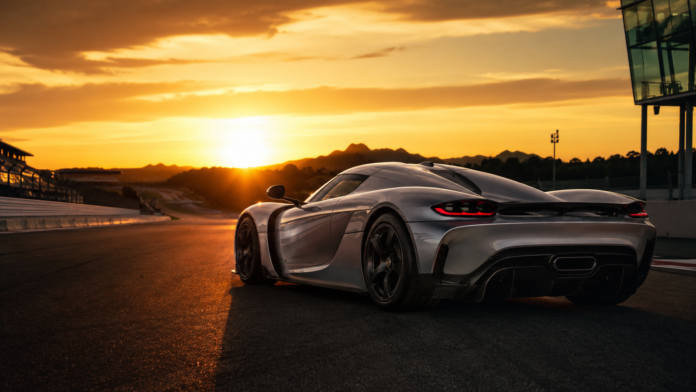
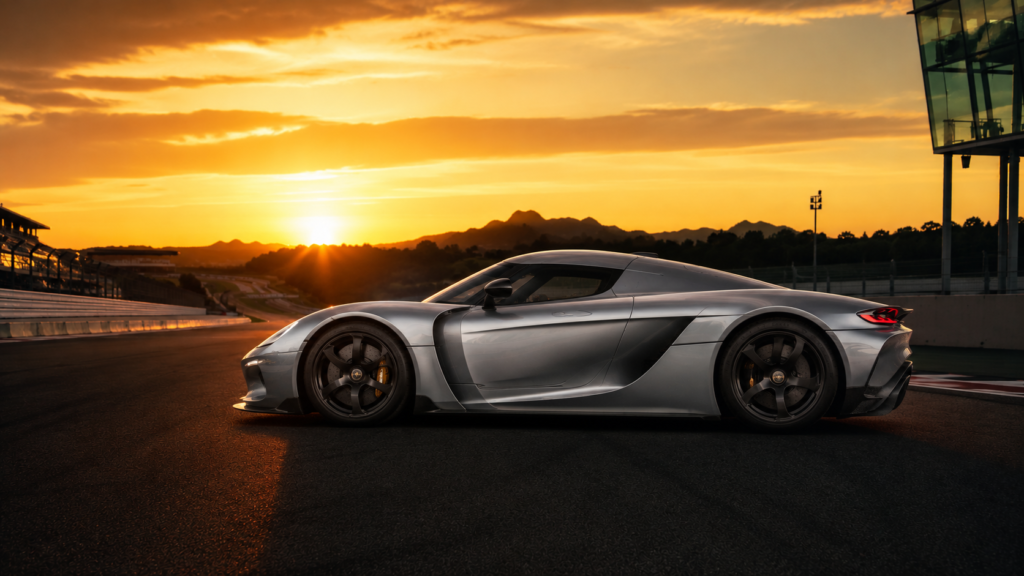
The sun is setting over the Estoril Circuit in Portugal, casting long shadows across the pit lane. The track is empty now, but the sound of a gated shifter clicking through its gates still echoes. A Koenigsegg CC850 has just completed a session, its driver experiencing something that seemed impossible just a few years ago: a 1,385 horsepower hypercar with a clutch pedal and a six-speed manual gearbox.

The manual transmission was declared dead a decade ago. Dual-clutch automatics shifted faster, delivered better lap times, and made driving easier. Yet the third pedal refuses to disappear. The Koenigsegg CC850 revived the idea of a manual hypercar, and there are reports of other manufacturers considering manual versions of their flagship models. The question is no longer whether manuals can survive in a world of 1,000 horsepower hypercars. The question is whether they will thrive.

The CC850: A Manual That Is Also an Automatic

The Koenigsegg CC850 is the most significant development in manual transmission technology in decades. Limited to just 50 units, it celebrates 20 years since the first Koenigsegg delivery. The car is powered by a 5.0-liter twin-turbo V8 producing 1,185 horsepower on gasoline or 1,385 horsepower on E85. But the engine is not the story. The transmission is.

The CC850 uses the Engage Shift System (ESS), a development of Koenigsegg’s Light Speed Transmission (LST). The LST has no flywheel, no shifter forks, and no synchros. Instead, it uses seven multi-disc clutches that engage gear pairs directly, allowing instantaneous shifts.

In automatic mode, it is a nine-speed transmission with shifts as quick as any dual-clutch on the market. In manual mode, it becomes a six-speed gated manual with a clutch pedal that can stall the engine. The driver moves a gated shifter through an H-pattern, while the clutch pedal controls hydraulic pressure to the clutches inside the gearbox.

The system is designed to feel completely natural. The driver can feel the resistance of the synchros when shifting. The clutch pedal provides feedback. The engine can stall if the driver makes a mistake. It is a manual transmission that behaves exactly like a traditional gearbox, but with the speed and precision of a modern automatic when needed.

The gear ratios change depending on the driving mode. In track mode, the transmission starts with second gear’s ratio as first and then switches to third gear’s ratio once the car is moving, effectively tightening the ratio spread. The system can even stall the car, just like a traditional manual.

Ferrari’s Manual Comeback

Ferrari has not built a road car with a manual transmission in over a decade. Yet there are growing indications that the company may offer a manual version of its 12Cilindri flagship. The move would improve Ferrari’s product mix, lifting average selling price and margin without increasing production volume.

The logic is simple. When every supercar shifts perfectly, the act of driving stops feeling special. Manual transmissions have become a luxury feature precisely because they are harder and slower. Ferrari can charge a premium for a manual variant, and collectors will pay it.

The 12Cilindri’s naturally aspirated V12 produces over 800 horsepower and revs to 9,500 rpm. Pairing that engine with a manual transmission would create one of the most engaging driving experiences available. It would also be a direct response to the CC850, proving that manual hypercars are not a one-off experiment but a viable market segment.

The Hennessey Venom F5 Revolution LF

A recent one-off hypercar was commissioned with 2,031 horsepower channeled through a gated six-speed manual. The car was built through a new bespoke division that creates unique versions of the Venom F5.

The car uses a new carbon monocoque designed to accommodate a third pedal without compromising elsewhere. The shifter is milled aluminum, the pedal is floor-mounted, and the whole package costs several million dollars. It proves that the manual transmission can survive even at power levels exceeding 2,000 horsepower.

The Electric Manual: Lexus’s Bold Experiment

The manual transmission is not limited to combustion engines. Lexus is developing an electric supercar with a manual gearbox, set to launch before 2030. The car is a spiritual successor to the LFA, built on a GT3-spec chassis with four-wheel drive.

Lexus has already fitted a manual six-speed gearbox to a crossover as a proof of concept. The prototype has a clutch, a rev counter, and mimics the sound of an engine revving. It can even be stalled. The system is software-based and can be programmed to reproduce different driving experiences. The goal is not to simulate a combustion engine but to create a new form of engagement for electric vehicles.

The Estoril Evening

The sun has fully set over the Estoril Circuit. The Koenigsegg CC850 is parked in the pit lane, its gated shifter still warm. The driver steps out, smiling. He has just experienced something that seemed impossible: a hypercar with a clutch pedal that feels completely natural, even with 1,385 horsepower.

The manual transmission is not dead. It is evolving. Koenigsegg proved that a manual can coexist with extreme power. Ferrari is proving that there is commercial demand for it. Hennessey proved that it can work at over 2,000 horsepower. Lexus is proving that it can work without a combustion engine.

Key Takeaways

  • The Koenigsegg CC850 uses the Engage Shift System, a transmission that operates as a six-speed manual or a nine-speed automatic.
  • The system uses seven multi-disc clutches, no synchros, and a clutch pedal that can stall the engine.
  • Ferrari is reportedly considering a manual version of its 12Cilindri flagship.
  • A recent one-off hypercar was built with 2,031 horsepower and a gated six-speed manual.
  • Lexus is developing an electric supercar with a manual gearbox, set to launch before 2030.
  • Manual transmissions are becoming a luxury feature precisely because they are rare and engaging.

Conclusion

The manual transmission will survive in the hypercar world because it offers something that no automatic can replicate: connection. The CC850, the bespoke hypercars, and the rumored manual Ferraris are proof that the third pedal still has a place at the highest levels of performance.

The Estoril Circuit is quiet now. The Koenigsegg is gone. But the sound of the gated shifter lingers, a reminder that even in a world of 2,000 horsepower and electric motors, the manual transmission endures. It is not a relic. It is a choice.

The Last Combustion Supercars: Which Ones Will Collectors Fight Over? – An Evening at the Quail Lodge in Carmel

0

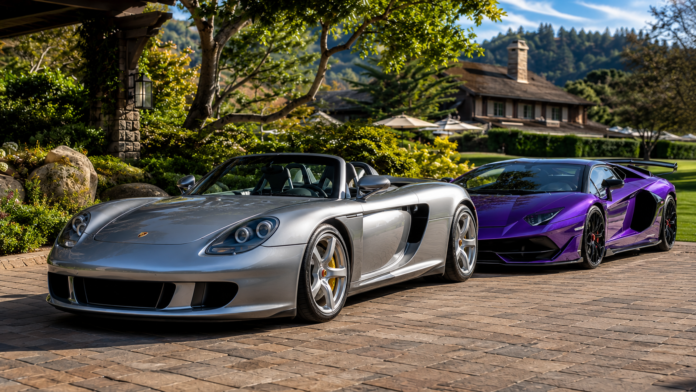
The sun is setting over the rolling hills of Carmel, California. The Quail Lodge is hosting its annual Motorsports Gathering, a curated event that draws some of the most valuable cars in the world. The air is cool, and the light is golden. In the center of the lawn, a row of supercars is parked. They are not the newest models. They are the last of their kind.

The era of the pure combustion supercar is ending. Emissions regulations, electrification, and shifting consumer preferences are silencing the thunderous symphony of naturally aspirated V12s and high-revving V10s. But before the curtain falls, certain models will define the final chapter. These are the cars that future collectors will spend fortunes chasing.

Why Combustion Supercars Are Holding Value

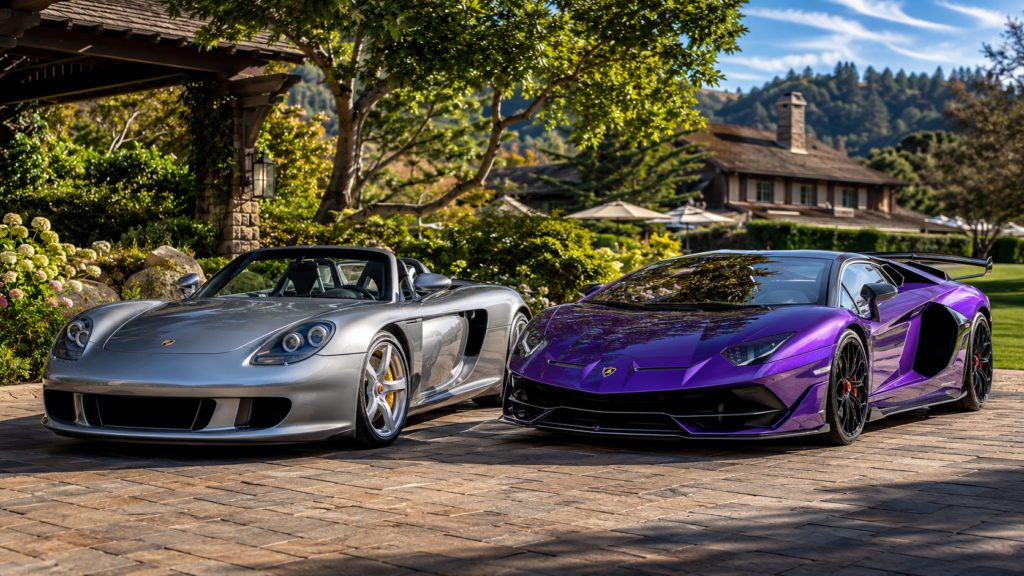
In a world sprinting toward electrification, high-end combustion cars like the Porsche Carrera GT and Lamborghini Aventador SVJ are holding, if not growing, their value. While electric sedans are phenomenal machines, they depreciate like traditional tech products. Special gas cars, by contrast, appreciate like fine art.

The reason is emotional scarcity. Vehicles like the Carrera GT, Ferrari 599 GTO, and McLaren P1 represent a breed of car that may never be built again: raw, loud, uncompromising machines born in the final golden age of internal combustion. They have something that even the quickest EVs cannot replicate: unfiltered sound, mechanical engagement, and a connection to the driver that feels increasingly rare.

The Carrera GT: The Last Analog Supercar

The Porsche Carrera GT is widely hailed as the last true analog supercar. Its 5.7-liter V10 revs past 8,000 rpm, it has a six-speed manual gearbox, and no traction control. In today’s world of drive-by-wire software, the Carrera GT is a mechanical symphony, and collectors are paying over $1.5 million to get their hands on one.

The Carrera GT is not the fastest car, nor the most technologically advanced. But it is a car that demands the driver’s full attention. The clutch is heavy, the steering is unassisted, and the rear end is unpredictable. It is a car that rewards skill and punishes mistakes. That is its appeal.

The Aventador SVJ: The Last Naturally Aspirated V12

The Lamborghini Aventador SVJ is one of the last naturally aspirated V12s in production. Even as the world turns toward electrification, Lamborghini’s screaming 6.5-liter engine is going out with a bang, not a whisper. Special variants like the Ultimae and SVJ Roadster are already appreciating, with resale values crossing the $700,000 mark depending on specification.

The SVJ is a car of extremes. The V12 produces 759 horsepower, the active aerodynamics generate significant downforce, and the chassis is tuned for track performance. It is the final expression of a formula that began with the Miura in 1966.

The Ferrari Finales: 812 Competizione and F8 Tributo

Collectors are also racing to grab Ferrari’s final V12 and V8-powered models, like the 812 Competizione and F8 Tributo. These are cars that blend exotic style with unfiltered sound, something that even the quickest EVs can’t replicate. Their rarity, lineage, and emotional pull make them future museum pieces.

The 812 Competizione’s 6.5-liter V12 revs to 9,500 rpm and produces 819 horsepower without a single turbocharger or electric motor. The F8 Tributo’s 3.9-liter twin-turbo V8 is a masterpiece of forced induction, delivering 710 horsepower and a soundtrack that is pure Ferrari.

These are the cars that collectors will fight over.

The Quail Lodge Evening

The sun has fully set over the Quail Lodge. The cars are still parked on the lawn. The crowd has thinned, but a few enthusiasts remain.

A man in his 60s is standing next to a Porsche Carrera GT. He bought it new in 2004. He has driven it across the United States three times. He is not a collector. He is a driver.

“I bought it to drive it,” he says. “I didn’t know it would be worth this much. But I’m not selling it. There is nothing else like it.”

Key Takeaways

  • The Porsche Carrera GT is widely considered the last true analog supercar and is selling for over $1.5 million.
  • The Lamborghini Aventador SVJ, one of the last naturally aspirated V12s, is already appreciating, with resale values crossing $700,000.
  • Ferrari’s final V12 and V8-powered models, like the 812 Competizione and F8 Tributo, are also in high demand.
  • Collectors are gravitating toward cars that offer emotional engagement, unfiltered sound, and mechanical connection.

Conclusion

The last combustion supercars are not just cars. They are monuments to an era that is ending. They are machines built without compromise, designed to thrill, and engineered to last.

The Quail Lodge is quiet now. The cars are gone. But the market for these machines will only grow. As the world moves toward electrification, the value of raw, loud, uncompromising combustion supercars will rise.

The Porsche Carrera GT, the Lamborghini Aventador SVJ, the Ferrari 812 Competizione, and the F8 Tributo are the final chapter of a golden age. They are the cars that collectors will fight over. And they are the cars that will define the legacy of the internal combustion engine.

How Ayrton Senna Influenced Modern Performance Car Development – An Evening at the Interlagos Circuit

0

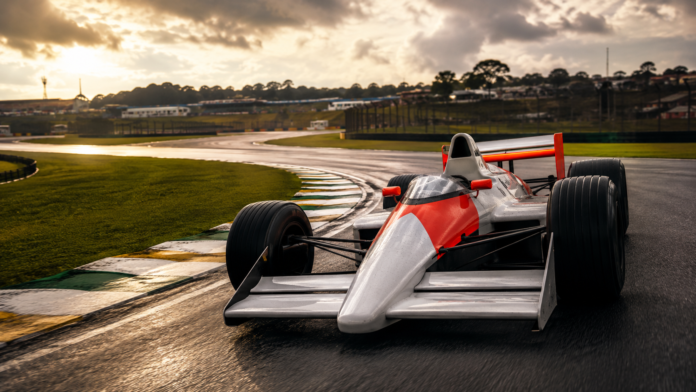
The sun is setting over the Interlagos Circuit in São Paulo, Brazil. The track is quiet now, but the ghosts of the past echo through the grandstands. This is the home of the Brazilian Grand Prix, the circuit where Ayrton Senna won his first home race in 1991, driving through the pain of a broken gearbox to take the chequered flag. It is also the place where his legacy lives on.

Senna was more than a racing driver. He was a force of nature, a driver whose raw speed and uncompromising driving style redefined what was possible in a Formula 1 car. But his influence extends beyond the track. His feedback, his engineering collaboration, and his driving philosophy directly shaped how McLaren, Honda, and ultimately the broader performance car industry thinks about driver feel.

The Driver Who Became an Engineer

Senna’s relationship with his cars was unique. He didn’t just drive them; he dominated them. He demanded that his cars respond to his inputs with precision and immediacy. He could feel things in a car that other drivers could not, and he could communicate those feelings to engineers in a language they understood.

When he moved to McLaren in 1988 to partner Alain Prost, Senna established himself as the benchmark. His qualifying laps were often a demonstration of his ability to find time where others could not. It was this ability to extract performance from a car that its designers didn’t know existed that set him apart.

The Honda Connection

Senna’s relationship with Honda was pivotal. He understood the importance of engine response, drivability, and the connection between the throttle pedal and the rear wheels. Honda engineers listened to Senna. They adapted their engines to his driving style, prioritizing throttle response and linear power delivery over peak horsepower figures.

The result was a series of engines that were not only powerful but also incredibly responsive and drivable. The McLaren MP4/4, powered by a Honda V6 turbo, was the most dominant car in Formula 1 history. The car’s success was built on a combination of chassis excellence and engine responsiveness, a philosophy that Senna helped shape.

Senna’s Driving Philosophy: Feel Above All

Senna’s approach to driving was rooted in feel. He famously described a qualifying lap at Monaco in 1988 as an almost supernatural experience, where he felt he was reaching beyond his conscious self. It was a statement about the depth of his connection to the car.

For Senna, feedback was everything. He demanded steering that communicated the limit of grip, brakes that offered progressive bite, and a throttle that responded instantly to his inputs. He was not interested in cars that were fast in a straight line but numb in the corners. He wanted cars that talked to him.

This philosophy has become a cornerstone of modern performance car development. Manufacturers now prioritize steering feel, throttle response, and chassis balance alongside outright performance figures. The cars that enthusiasts love are the ones that communicate clearly with the driver, a legacy of Senna’s approach.

The Senna Influence on McLaren

McLaren’s road car division has carried Senna’s influence forward. The McLaren F1, which won the 1995 Le Mans 24 Hours, was designed by Gordon Murray, a man who shared Senna’s obsession with driver involvement. The F1’s central driving position, its naturally aspirated V12, and its focus on feedback over raw power are all hallmarks of the Senna philosophy.

More recently, McLaren has continued to prioritize driver feel in its modern supercars. The 720S, the 750S, and the hybrid Artura are all praised for their precision, their communication, and their ability to make the driver feel connected to the car. This is not a coincidence. It is a direct line from Senna’s feedback to McLaren’s engineers.

The Honda Legacy

Honda’s performance philosophy has also been shaped by Senna. The NSX, Honda’s first supercar, was developed with input from Senna, who provided feedback on chassis balance and handling characteristics. The car was praised for its mid-engine balance and its communicative steering, qualities that have become Honda hallmarks.

Today, Honda continues to prioritize driver engagement in its performance models. The Civic Type R, the Integra Type S, and the NSX itself are all designed to deliver a driving experience that is immediate, responsive, and involving. This is Senna’s legacy: a commitment to the feel of driving above all else.

The Broader Industry Impact

Senna’s influence extends beyond McLaren and Honda. His approach to car development, his insistence on feedback, and his ability to communicate with engineers have become the gold standard for driver involvement in performance car development.

Manufacturers now place a premium on steering feel, throttle response, and chassis balance. They invest in advanced simulation tools and driver feedback loops to ensure that their cars communicate clearly with the driver. This is not just about lap times. It is about the connection between the driver and the machine.

The Interlagos Evening

The sun has fully set over Interlagos. The track is dark. The crowds have gone home. But Senna’s legacy endures.

A young driver is on track, pushing a modern supercar through the corners. The car is fast, but it is also communicative. The steering talks to the driver. The chassis responds to every input. The driver feels connected.

That is Senna’s legacy. It is not just about winning races. It is about the connection between the driver and the car. It is about the feel. It is about the drive.

Key Takeaways

  • Senna’s ability to communicate with engineers and his demands for precise feedback shaped the development of McLaren and Honda’s performance cars.
  • His driving philosophy, which prioritized steering feel, throttle response, and chassis balance, has become a cornerstone of modern performance car development.
  • The McLaren F1 and Honda NSX were both influenced by Senna’s feedback and his emphasis on driver involvement.
  • Senna’s legacy extends beyond the track, shaping how the broader performance car industry thinks about driver feel and engagement.

Conclusion

Ayrton Senna was more than a racing driver. He was a philosopher of driving, an engineer’s collaborator, and a relentless pursuer of perfection. His feedback, his driving philosophy, and his ability to communicate with engineers have shaped the way modern performance cars are developed.

The Interlagos Circuit is quiet now. The engines have fallen silent. But the legacy of Senna endures in every car that prioritizes feel over numbers. It is a reminder that the best performance cars are not just fast. They are alive.

The Group B Era: The Most Dangerous, Most Brilliant Chapter in Motorsport – An Evening at the Col de Turini

0

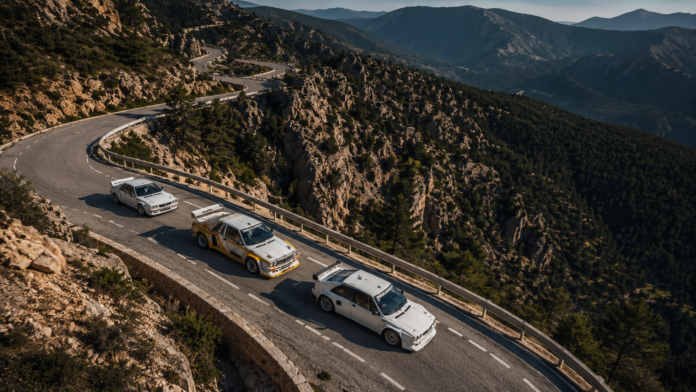
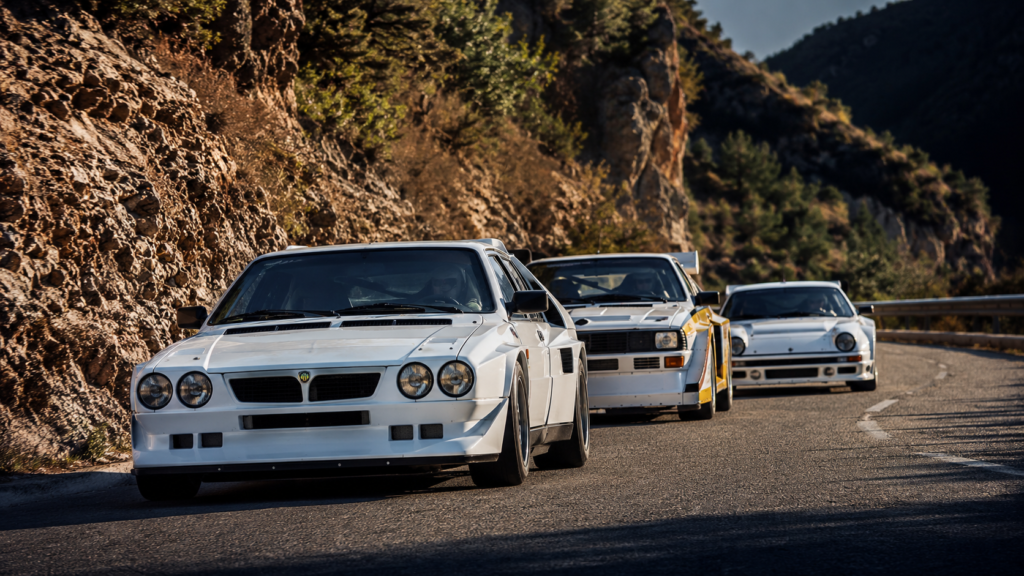
The sun is setting over the Col de Turini, one of the most famous stages of the Monte Carlo Rally. The road is narrow, winding, and unforgiving. In the distance, the sound of a turbocharged engine echoes off the mountainside. It is the sound of a Lancia Delta S4, a car that could produce over 500 horsepower in a chassis that weighed less than 950 kilograms. It is the sound of an era that was as brilliant as it was dangerous.

The Group B era of rallying lasted only four years, from 1982 to 1986. But in that short time, it produced some of the most powerful, most sophisticated, and most viscerally exciting motorsport ever filmed. The cars were too fast, the crowds were too close, and the consequences were fatal.

The Birth of Group B

Group B was introduced by the FIA in 1982 as a replacement for both Group 4 and Group 5 regulations. The idea was to encourage more manufacturers to join the World Rally Championship by reducing the number of cars required for homologation. Where Group 4 required 400 units, Group B required only 200. Evolution versions could be introduced with just 20 cars.

The rules were remarkably relaxed. Group B cars could have two seats and a minimum weight calculated by engine displacement and tyre size. There were no restrictions on boost pressure, exotic materials, or technology. Manufacturers could build what they wanted, as long as they built enough road cars to meet the homologation requirements.

The category was aimed at manufacturers by promising outright competition victories and the subsequent publicity opportunities. But the cost of competing quickly rose, and the performance of the cars proved too much.

The Cars: Purpose-Built Weapons

What made Group B cars so special was that they were not modified road cars. They were purpose-built racing machines that just happened to be road legal. Manufacturers designed the ideal rally car and then built a handful of road-legal derivatives to satisfy the regulations.

The results were staggering. In 1981, the year before Group B rules were introduced, rally cars produced around 250 horsepower. By 1986, at least two cars were producing in excess of 500 horsepower. In just five years, the power output of rally cars had more than doubled.

The cars featured lightweight composite bodywork, sophisticated all-wheel-drive systems, and mid-engined turbocharged engines. The engine designs were extreme. The Lancia Delta S4 used both a supercharger and a turbocharger to eliminate lag. The Audi Sport Quattro S1 produced over 600 horsepower with a huge snowplough-like front end. The Ford RS200 was purpose-built around a lower aluminium chassis with double wishbones and double shocks all round.

The Golden Era: 1983 to 1985

Lancia claimed the first manufacturers’ title with the 037 in 1983, a rear-wheel-drive supercharged car that was nimble enough to beat the clumsy Audis. Audi took the drivers’ title in 1983 and 1984 with Hannu Mikkola and Stig Blomqvist.

But the game changed when Peugeot arrived with the 205 T16 in 1984. The T16 was compact, mid-engined, and four-wheel-drive, and it rendered the front-engined Audis and rear-drive Lancias obsolete. Peugeot dominated the 1985 season, with Timo Salonen winning the drivers’ championship with five victories.

The Disaster: 1986

The stage was set for an epic 1986 season. Lancia had replaced the 037 with the Delta S4, which featured both a supercharger and a turbocharger. Audi’s new Sport Quattro S1 boasted over 600 horsepower. Peugeot had the Evolution 2 version of the 205 T16. Ford was ready with the RS200.

But the year would be remembered for tragedy. In Portugal, a Ford RS200 driven by Joaquim Santos crashed into a group of spectators, killing three people and injuring 31 others. The accident was a warning, but the sport did not stop.

Then came the Tour de Corse in May 1986. Henri Toivonen, one of the most talented drivers of the era, was leading the rally in his Lancia Delta S4. On the 18th stage, he lost control on a fast, downhill section. The car flew off the road, tumbled down the mountainside, and burst into flames. Toivonen and his co-driver Sergio Cresto were killed instantly.

There were no eyewitnesses. The car was so badly burned that the cause of the crash was never determined. But the result was clear. Group B was over.

The RAC Rally: A Poignant Send-Off

The British RAC Rally in November 1986 was the last Group B event in Europe. The championship battle was finely balanced. Lancia’s Markku Alén was chasing Peugeot’s Juha Kankkunen for the drivers’ title.

The rally was a fitting send-off. The top four were covered by just five seconds after the second leg. Kankkunen rolled his car in Grizedale Forest, losing three and a half minutes. Timo Salonen took the win, with Alén second.

The result put Alén into the championship lead by one point, but the decision to annul the results of the Sanremo Rally eventually cost him the title to Kankkunen. Peugeot concluded the Group B era with back-to-back drivers’ and manufacturers’ titles.

The Legacy

Group B was banned for the 1987 season, replaced by the more production-based Group A cars. The decision was made by the FIA in the wake of the Toivonen crash. There was no appeal.

The cars did not disappear entirely. Peugeot took the 205 T16 to the Paris-Dakar Rally, winning in 1987 and 1988. Audi took the Sport Quattro S1 to Pikes Peak, where Walter Röhrl claimed a sub-11 minute time in 1987. But the World Rally Championship would never be the same.

The Col de Turini Evening

The sun has fully set over the Col de Turini. The Lancia Delta S4 is gone. The sound has faded into the night.

The Group B era was short, but it was brilliant. It produced some of the most powerful and sophisticated rally cars ever built. It gave us legends like Toivonen, Vatanen, and Röhrl. It thrilled spectators and terrified drivers.

But it was also dangerous. The cars were too fast for the roads, the crowds were too close, and the consequences were fatal. The deaths of Toivonen and Cresto forced the sport to confront its excesses.

Key Takeaways

  • Group B was introduced in 1982 with relaxed homologation rules, requiring only 200 road cars.
  • Power outputs increased from 250 hp in 1981 to over 500 hp by 1986.
  • The cars featured lightweight composite bodywork, all-wheel drive, and mid-engined turbocharged engines.
  • The 1986 season was marked by tragedy, including the deaths of three spectators in Portugal and driver Henri Toivonen and co-driver Sergio Cresto in Corsica.
  • Group B was banned at the end of 1986, replaced by Group A regulations.

Conclusion

The Group B era of rallying was the most dangerous and most brilliant chapter in motorsport. It produced cars that were so powerful they were almost uncontrollable, and drivers who were brave enough to tame them. It also produced tragedy.

The Col de Turini is quiet now. The Lancia Delta S4 is gone. But the memory of the Group B era endures, a reminder of what happens when engineering ambition outruns safety.

The Death of the V12: Is the Greatest Engine Format Really Disappearing? – An Evening at the Villa d’Este on Lake Como

0

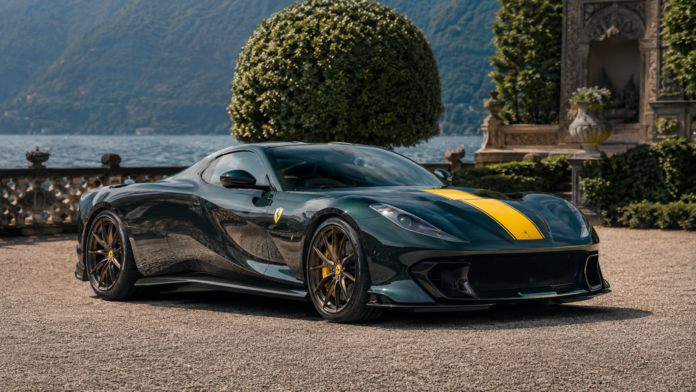
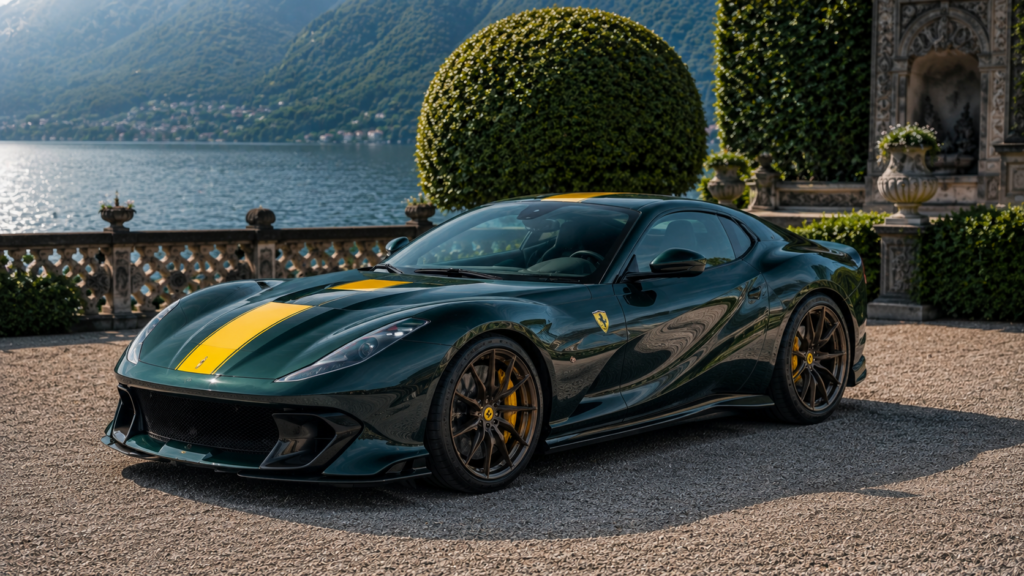
The sun is setting over Lake Como, casting a golden glow across the manicured gardens of the Villa d’Este. The annual Concorso d’Eleganza is winding down, but one car is still drawing a crowd. It is a Ferrari 812 Competizione, its 6.5-liter V12 glinting in the fading light. A man in his 60s is explaining the engine to a group of younger enthusiasts. “This is the last of its kind,” he says. “No turbos. No batteries. Just pure, unfiltered power.”

The V12 engine has been the ultimate expression of automotive excess for decades. Smooth, powerful, and unapologetically indulgent, it has been the weapon of choice for the world’s most exclusive performance cars. But today, the clock is ticking. Regulations, electrification, and changing buyer expectations are slowly silencing the thunderous symphony of the V12. This article explores whether the naturally aspirated V12 is genuinely going extinct and what that means for the future of performance cars.

Why the V12 Mattered

The V12 is special because it sits at the intersection of engineering perfection and emotional theater. With six cylinders per bank firing evenly at every 60 degrees of crank rotation, the V12 delivers unmatched smoothness. It doesn’t just make power; it sings with a wailing, operatic sound that no turbocharged or hybrid-assisted engine has ever replicated.

Ferrari, Lamborghini, and Aston Martin once used V12s to make a statement: these cars were not just transportation, they were rolling art. A V12 engine under the hood instantly meant “flagship” – the best a brand could offer. For decades, it was the default choice for halo cars. The V12’s 60-degree bank angle and self-cancelling inertial forces create a level of mechanical refinement no other common production engine layout matches.

But times change. The V12 has become harder to justify in a world obsessed with efficiency, carbon targets, and electrification. Where a V12 once proudly announced its presence, today it almost whispers goodbye.

The Modern Survivors

As we enter the middle of the 2020s, only a handful of brands still produce V12 engines. These aren’t just cars; they are monuments, built with the knowledge that there will never be another like them.

Ferrari remains committed to the naturally aspirated V12. The 812 Competizione’s 6.5-liter engine revs to 9,500 rpm and makes 819 horsepower without a single turbo or electric motor. The Ferrari 12Cilindri, launched in 2024, continues the tradition with around 820 horsepower. Even the Purosangue SUV, Ferrari’s first four-door vehicle, keeps the V12 alive with 715 horsepower. Ferrari’s global marketing director reinforced the format’s longevity, stating that Ferrari will produce naturally aspirated V12s until the law no longer allows them to.

Lamborghini’s identity has been built around its screaming V12s, from the Miura to the Countach to the Aventador. The Aventador Ultimae marked the final pure V12 Lamborghini before the hybrid era. Its successor, the Revuelto, still has a V12, but it’s paired with a plug-in hybrid system, producing a combined 1,001 horsepower. Lamborghini has confirmed that its V12 engine isn’t going anywhere and plans to keep it in production well beyond 2030.

Aston Martin refuses to let go quietly. The Valkyrie, developed with Formula 1 engineer Adrian Newey, features a naturally aspirated 6.5-liter V12 from Cosworth that revs to 11,100 rpm. The new Vanquish, with a 5.2-liter twin-turbo V12 producing 835 horsepower, demonstrates customer demand remains strong. Aston Martin plans to keep producing V12s until at least 2030, with low-volume exemptions potentially extending their life.

Pagani and Gordon Murray Automotive are also keeping the flame alive. The Pagani Utopia uses a bespoke AMG-built 6.0-liter twin-turbo V12. The Gordon Murray T.50, with its Cosworth-built 3.9-liter naturally aspirated V12 revving to 12,100 rpm, might be the last word on what a V12 can be when designed with zero compromises.

The Silent March Toward Hybrids

The short answer to why the V12 is disappearing is regulations. Around the world, governments are tightening emissions standards. Europe’s Euro 7 rules and similar policies elsewhere make it almost impossible for manufacturers to justify building high-displacement naturally aspirated engines.

At the same time, customers are shifting. Wealthy buyers may still love V12s, but brands also need to show commitment to sustainability. Hybrid and electric systems aren’t just about compliance; they’re about optics. A company selling $500,000 cars in 2026 needs to appear future-forward, not stuck in the past.

That’s why Ferrari’s upcoming models, Lamborghini’s Revuelto, and Aston Martin’s future flagships are embracing electrification. The V12 will live on, but it won’t be pure. Batteries, motors, and turbos will always sit alongside them now.

However, there is hope. Ferrari has found a way to make its V12 compliant with regulations and continues to develop its engines. Lamborghini’s hybrid system allows the V12 to comply with emissions legislation while maintaining its character. Aston Martin’s CEO has a bold plan to keep the V12 alive through low-volume production exemptions.

The Lake Como Evening

The sun has fully set over Lake Como. The Ferrari 812 Competizione is still parked on the lawn. The crowd has thinned, but a few enthusiasts remain.

A young man approaches the owner. “Will we ever see another car like this?” he asks.

The owner pauses. “Probably not,” he says. “But that’s what makes it special.”

Key Takeaways

  • Ferrari, Lamborghini, and Aston Martin still produce V12 engines, but most are now hybrid-assisted.
  • Emissions regulations, electrification, and changing buyer expectations are driving the V12 toward extinction.
  • Some manufacturers are finding ways to keep the V12 alive through hybrid systems and low-volume exemptions.
  • The V12’s smoothness, power, and emotional impact remain unmatched by any other engine format.
  • The last pure V12s are rolling monuments to human excess and engineering mastery.

Conclusion

The V12 engine is not dead, but it is dying. The naturally aspirated, unassisted V12 is becoming a memory, replaced by hybrid systems that combine the emotional impact of the V12 with the efficiency of electric motors.

The Ferrari 812 Competizione, the Lamborghini Aventador Ultimae, the Aston Martin Valkyrie, and the Gordon Murray T.50 are the last echoes of a golden age. They exist because passion doesn’t always follow logic. They are proof that sometimes, engineers and designers fight back against the tide of efficiency and build something irrationally beautiful.

The Villa d’Este is quiet now. The Ferrari is gone. The V12 has faded into the night. But the memory of its sound will linger, a reminder of what the automotive world is losing.
How the Porsche 911 Survived 60 Years Without a Redesign – An Evening at the Porsche Museum in Stuttgart

0

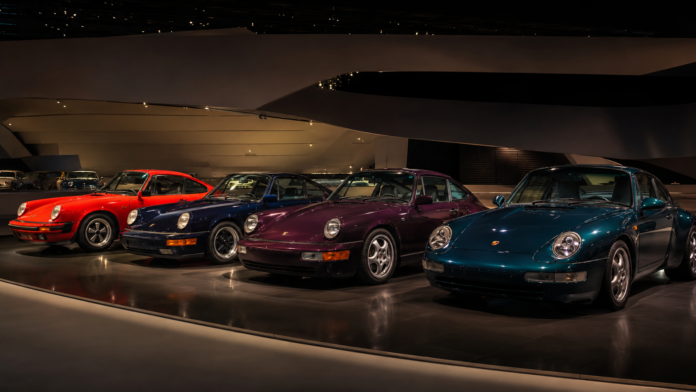
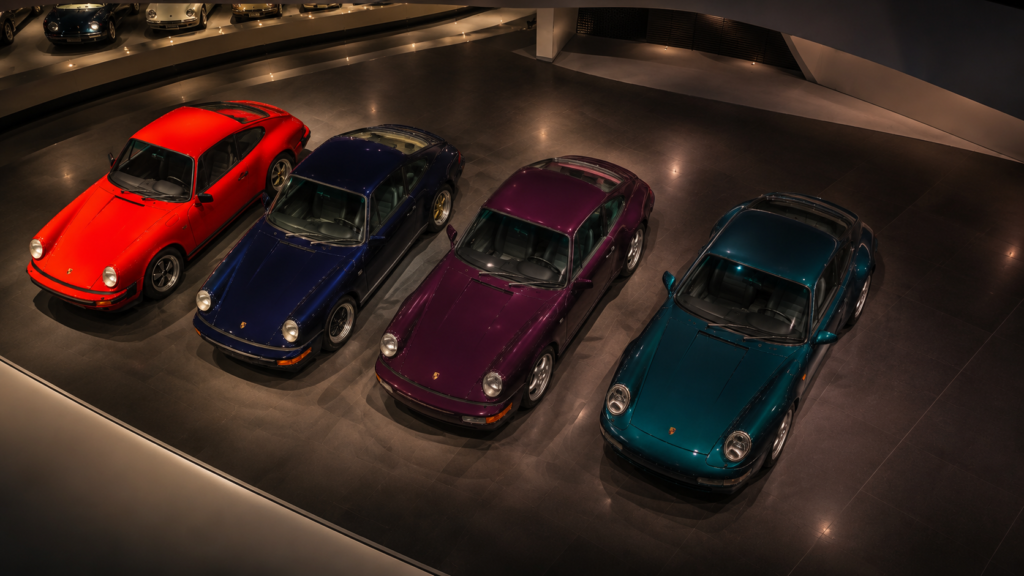
The sun is setting over Zuffenhausen, casting long shadows across the Porsche Museum in Stuttgart, Germany. The building itself is a statement, a futuristic glass and steel monolith that seems to float above the street. Inside, a row of 911s stretches from the original 901 to the latest 992 generation. They are all different. They are all the same.

The Porsche 911 is the most refined iteration of an original concept, not a reinvention. It has survived 60 years without a redesign because Porsche has continuously refined the car while preserving its essential character and distinctive silhouette. The rear-engine layout, the boxer engine, the iconic shape these are constants. But everything else has evolved. This article tells the story of how Porsche kept the same basic car relevant through eight generations of development.

The Location: Porsche Museum, Zuffenhausen, Germany

The Porsche Museum is a shrine to the brand’s history. The building contains over 80 vehicles, from the first 356 to the latest hypercars. The 911 section is the heart of the museum, a chronological display of the model’s evolution. It is the perfect place to understand how the 911 survived without a redesign.

The Original: The 901 (1963)

The 911 was introduced at the International Motor Show in Frankfurt in September 1963 as the 901. It was designed as the successor to the 356, and it retained the rear-engine layout and air-cooled engine that had become Porsche trademarks. The first 911 had a 2.0-liter flat-six engine producing 130 horsepower and a top speed of 210 km/h. It was a 2+2 seater with a large luggage compartment and a modern body.

The 901 was almost immediately renamed. Peugeot objected to the use of three-digit numbers with a zero in the middle, so Porsche changed the name to 911. The new name stuck.

The original 911 offered what its predecessor still lacked: two fold-down seats in the rear, a large luggage compartment, and a powerful boxer engine with six cylinders. The rear-engine layout and air-cooling would become defining features of the model line.

The Evolution: Eight Generations of Development

The 911 has evolved through eight generations, each building on the last. The changes have been evolutionary, not revolutionary. The silhouette, the engine layout, and the basic character have remained constant.

1963 to 1973: The First Generation

The first generation established the template. The car was available as a coupe, and later as a Targa with a roll-over bar. The engine grew from 2.0 to 2.7 liters, and power increased to 210 horsepower in the Carrera RS 2.7. The RS featured the iconic “ducktail” rear spoiler, the first of its kind.

1973 to 1989: The G-Series

The G-Series was longer and more comfortable, with plastic bumpers and improved safety features. The 911 Turbo (930) debuted in 1974, the first Porsche with an exhaust turbocharger. The Turbo initially developed 260 horsepower, later increasing to 300 horsepower. The G-Series also introduced the Cabriolet without a roll-over bar in 1983.

1989 to 1994: The 964

The 964 was a significant development, with 85 percent of the model newly developed. It introduced power steering, ABS, and a new 3.6-liter engine. The 964 also featured all-wheel drive for the first time in a 911, using a system adapted from the 959 super sports car.

1994 to 1998: The 993

The 993 was the last air-cooled 911. The multi-link rear axle improved driving dynamics and comfort. The Turbo featured twin-turbochargers for the first time. The 993 is widely considered one of the best-looking 911s.

1998 to 2005: The 996

The 996 was a watershed moment. It was the first water-cooled 911, a change driven by stricter emission standards. The switch was controversial, but it allowed for four-valve cylinder heads and increased power. The 996 also introduced the Porsche Ceramic Composite Brake (PCCB) on the GT2.

2004 to 2012: The 997

The 997 returned to the round headlights of the classic 911. The dual-clutch transmission (PDK) made its debut in the 997, combining the efficiency of a manual with the convenience of an automatic. Porsche also introduced turbochargers with variable turbine geometry (VTG) in the 911 Turbo, a world first for a gasoline engine.

2011 to 2019: The 991

The 991 was a major development step, with a significantly longer wheelbase and wider track. The aluminum-steel construction reduced weight compared to its predecessor. Porsche switched from naturally aspirated to turbocharged engines in the Carrera and GTS models.

2019 to Present: The 992

The 992 is the current generation, designed with a partially electric future in mind. The engine now produces up to 640 horsepower in the 911 Turbo S. The 992 also features innovations such as wet-road detection, Night Vision Assist, and a drag reduction system.

The Engineering Constants

Throughout the eight generations, three constants have remained.

The Rear Engine

The engine is mounted behind the rear axle. This layout provides exceptional traction, especially in low-traction conditions, because the weight rests on the driven axle. Braking performance is also improved, as the rear weight allows more braking force to be transferred to the rear wheels. The rear engine is so fundamental that altering it would fundamentally change the car’s character.

The Boxer Engine

The flat-six engine, also known as a boxer engine, has been the heart of the 911 since 1963. The engine has evolved from air-cooled to water-cooled, from naturally aspirated to turbocharged, but it has always been a flat-six. The engine is the soul of the car.

The Iconic Shape

The silhouette of the 911 is instantly recognizable. The flowing design line from the front over the roof to the rear, the distinctive window shape, and the four-point light signature have all remained consistent. The design has evolved, but the character has remained.

The Stuttgart Evening

The sun has set over the Porsche Museum. The cars are parked in their final positions. The row of 911s tells a story of continuity and change.

The first-generation car is small and simple. The latest-generation car is larger, more powerful, and more complex. But they share a common DNA.

A guide is explaining the history to a group of visitors. “The 911 is not a new car,” he says. “It is a refined car. Each generation builds on the last. The engineers improve, but they do not reinvent.”

The Verdict

The Porsche 911 has survived 60 years without a redesign because Porsche has never redesigned it. The company has refined it, improved it, and optimized it, but it has always preserved the essential character. The rear-engine layout, the boxer engine, and the iconic shape have remained constant. The changes have been evolutionary, not revolutionary.

The 911 is a testament to the power of continuity. It is a car that has never been redesigned, yet it has never become irrelevant.

Key Takeaways

  • The Porsche 911 was introduced in 1963 as the 901 and renamed in 1964.
  • The rear-engine layout, boxer engine, and iconic silhouette have remained constant for 60 years.
  • The 911 has evolved through eight generations, each building on the last.
  • Key innovations include the ducktail spoiler, turbocharging, water-cooling, all-wheel drive, and the dual-clutch transmission.
  • Porsche has refined the 911 without ever redesigning it.

Conclusion

The Porsche 911 has survived 60 years without a redesign. It is the most refined iteration of an original concept. The engineers have continuously improved the car, but they have never changed its essential character. The rear-engine, the boxer engine, the iconic shape these are constants.

The museum is quiet now. The cars are still. The 911s stand in a row, a testament to the power of evolution. They are different. They are the same. They are the 911.

The Le Mans Legacy: How Endurance Racing Shaped Road Cars – An Evening at the Circuit de la Sarthe

0

The sun is setting over the Circuit de la Sarthe in Le Mans, France. The track is quiet now, but the ghosts of the past echo through the trees. The 24 Hours of Le Mans is the oldest active endurance race in the world, and for over a century it has served as a proving ground for automotive technology. The lessons learned on this circuit have shaped the cars we drive on the road.

From the Ferrari 250 GTO to the McLaren F1, Le Mans has directly influenced supercar engineering for 70 years. The race is a technology laboratory, where high-performance batteries, aerodynamic innovations, and hybrid powertrains are developed and tested under extreme conditions. This article explains how endurance racing has shaped road cars, from the early days of disc brakes to the latest hypercar technologies.

The Circuit: A Proving Ground for Innovation

The 24 Hours of Le Mans is a unique race. It is 24 hours long, covering over 3,000 miles on a circuit that is part permanent racetrack and part public road. The cars run at full throttle for two-thirds of the race, reaching speeds of up to 350 km/h. The conditions are brutal. The heat, the vibration, and the constant demand for speed push the cars to their limits.

This environment is a perfect test bed for new technology. If something holds up at Le Mans, it is a valuable gain in knowledge for series production. The technology transfer is not always immediate, but it is real.

The Early Innovations: Disc Brakes and Wipers

Some of the technologies that Le Mans helped develop are now standard on every car. Windscreen wipers are largely thought to have been influenced by endurance racing in the pioneering days of the Le Mans 24 Hours. The changing weather conditions at the circuits of the world saw manufacturers use race cars as test beds for whatever the conditions.

Disc brakes were tried and tested by racing in the immediate post-war period and are now an intrinsic part of the automobile. The technology was first seen at Le Mans. The ability to stop a car from high speeds, lap after lap, without fading was a crucial development.

The 1990s: Homologation Rules and Road Cars

In the 1990s, homologation rules spawned some of the wildest road cars ever seen. The GT1 class required carmakers to create at least 25 road cars in order for their racers to be eligible to take on events such as the 24 Hours of Le Mans.

McLaren kicked things off with the F1 GTR in 1995, which famously won that year’s drenched Le Mans 24 Hours. The F1 GTR’s success led to the production of the F1 LM, a road-legal version of the race car. The LM featured a powerful BMW V12 and minimal creature comforts, weighing just over 2,300 pounds.

Jaguar followed by building the XJ220. Mercedes-Benz showed off the CLK GTR, with a large naturally aspirated V12 producing about 600 horsepower, weighing just 1000 kg. The Porsche 911 GT1, meanwhile, featured a full carbon-fiber chassis, a water-cooled, twin-turbo flat-six, and weighed just 1050 kg. Just 21 cars were built for the road.

The McLaren F1 GTR’s Le Mans victory in 1995 was the most recent Le Mans victory for a genuinely road-derived car. The win was a surprise. The race was expected to be won by purpose-built prototypes, but the McLaren F1 GTRs filled four of the top five positions. The winning car was a testament to the car’s robustness and the skill of the drivers.

The Ferrari 250 GTO: A Le Mans Legend

The Ferrari 250 GTO is one of the most famous cars to emerge from Le Mans. It was born in a tumultuous chapter in Ferrari history and never won Le Mans outright, only the GT class. But its legacy is immense.

The GTO was built on a 2400mm wheelbase and used a 3-liter V12 power unit, essentially a 250 TR specification engine, producing a claimed power output of 300 bhp. It was paired with a new 5-speed, all-synchro gearbox. The car was a dual-purpose sports-racer, capable of winning on the track and being driven on the road. Only 39 were ever built.

Today, the 250 GTO is the most valuable car in the world. The car’s desirability is driven by its racing history, its beauty, and its rarity.

The Longtails: Aero Innovations on the Mulsanne

The Mulsanne Straight, a 3.7-mile section of the Circuit de la Sarthe, has been the spawning ground of fantastical automotive oddities. Before 1990, the straight was unchicaned, and cars would reach speeds over 250 mph. To cope with these speeds, engineers developed “longtail” aerodynamic bodies, designed for low drag.

The Porsche 908 LH (Langheck) was one of the most successful longtails. It approached 200 mph on the Mulsanne with a relatively modest 350 hp, thanks to a slippery drag coefficient. In 1969, a 908 LH finished second at Le Mans, only two seconds behind the winning Ford GT40. The Porsche 935/78 “Moby Dick” was another longtail, achieving a low drag coefficient and touching 227 mph on the Mulsanne.

The Ford GT40, which won Le Mans in 1966, 1967, 1968, and 1969, was also a product of Le Mans engineering. The 427-cubic-inch V-8 produced 485 to 505 horsepower, and the car’s top speed was 213 mph, achieved by a Mk IV model in 1967. The GT40’s legacy extended to the modern Ford GT, which won Le Mans in its debut appearance in 2016.

The Hypercar Era: Hybrid Technology

The modern Le Mans Hypercar era has driven the development of hybrid technology. The high-performance batteries that charge and recuperate quickly are being developed with an eye toward improving fast charging in road cars of the future. The battery-engineered powertrains which have won Le Mans are now commonplace in road cars.

The technology transfer is not always immediate, but it is real. Racing is an extreme endurance test in which the cars are pushed to their limits. If something holds up, it is a valuable gain in knowledge for series production.

The Circuit de la Sarthe Evening

The sun has set over the Circuit de la Sarthe. The track is quiet. The ghosts of the past have faded into the night.

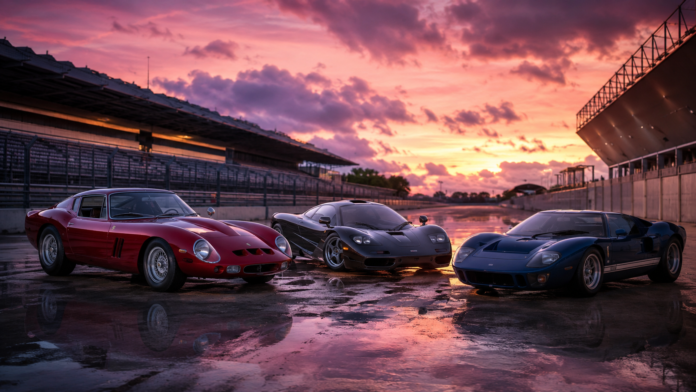
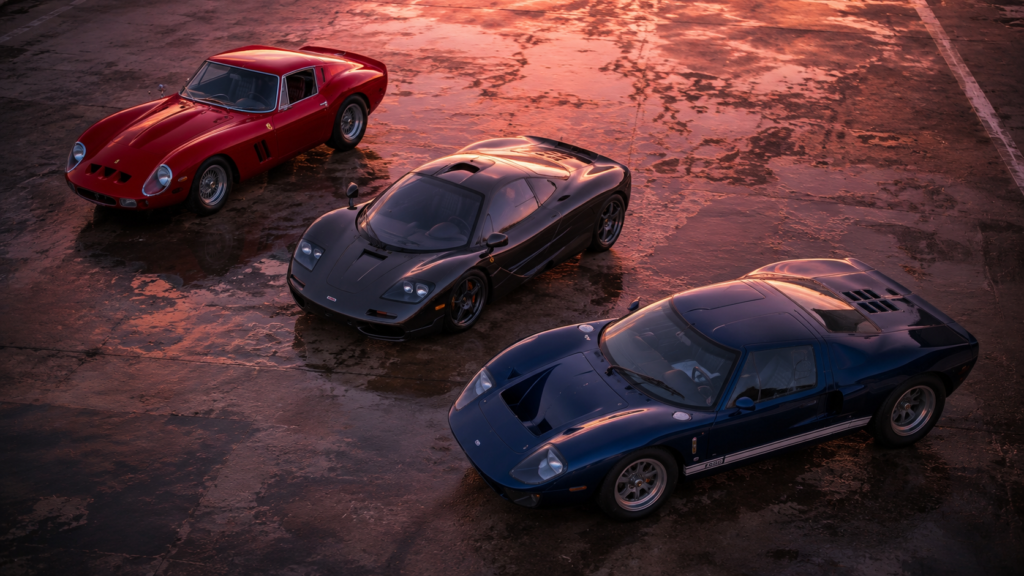
The Le Mans legacy is not just about the race. It is about the cars that were born from it. The Ferrari 250 GTO, the McLaren F1, the Ford GT40 these are the cars that defined supercar engineering. They were shaped by the demands of the track, and they continue to influence the cars we drive today.

Key Takeaways

  • Le Mans has been a technology laboratory for over a century, developing innovations like disc brakes, windscreen wipers, and hybrid powertrains.
  • Homologation rules in the 1990s spawned a generation of road cars, including the McLaren F1, Porsche 911 GT1, and Mercedes CLK GTR.
  • The Ferrari 250 GTO is one of the most valuable cars in history, a direct product of Le Mans racing heritage.
  • Longtail aerodynamic bodies, developed for the Mulsanne Straight, influenced supercar design for decades.
  • The Hypercar era continues to drive hybrid technology development, with batteries and electric motors being tested under extreme conditions.

Conclusion

The 24 Hours of Le Mans is more than a race. It is a crucible, a place where cars and drivers are tested to their limits. The innovations developed on the Circuit de la Sarthe have shaped the cars we drive on the road, from the earliest disc brakes to the latest hybrid hypercars.

The circuit is quiet now, but the legacy endures. The Ferrari 250 GTO, the McLaren F1, the Ford GT40 they are all products of Le Mans. They are the proof that racing heritage shapes road cars.