Home Blog Page 8

Ferrari 296 Speciale: The Hardcore Hybrid Swan Song – An Evening at the Fiorano Circuit

0

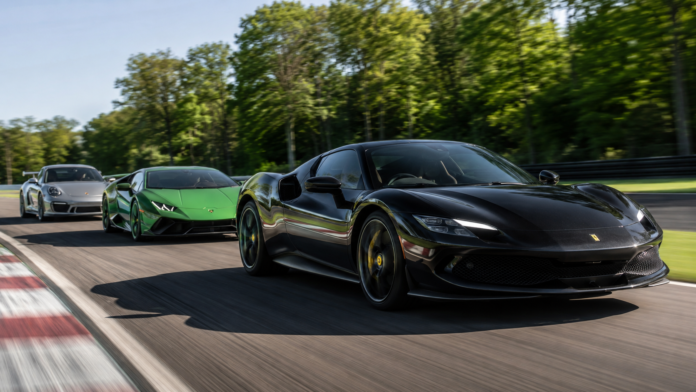
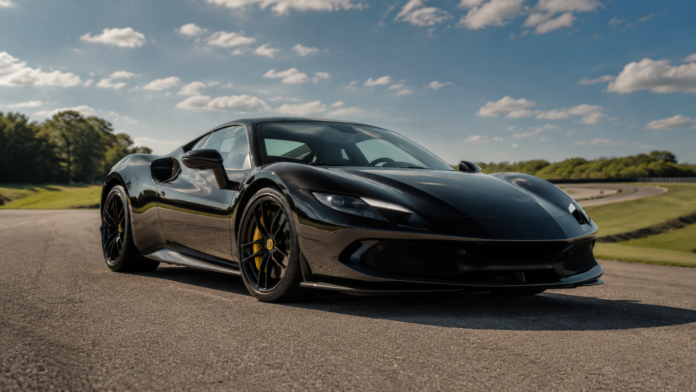
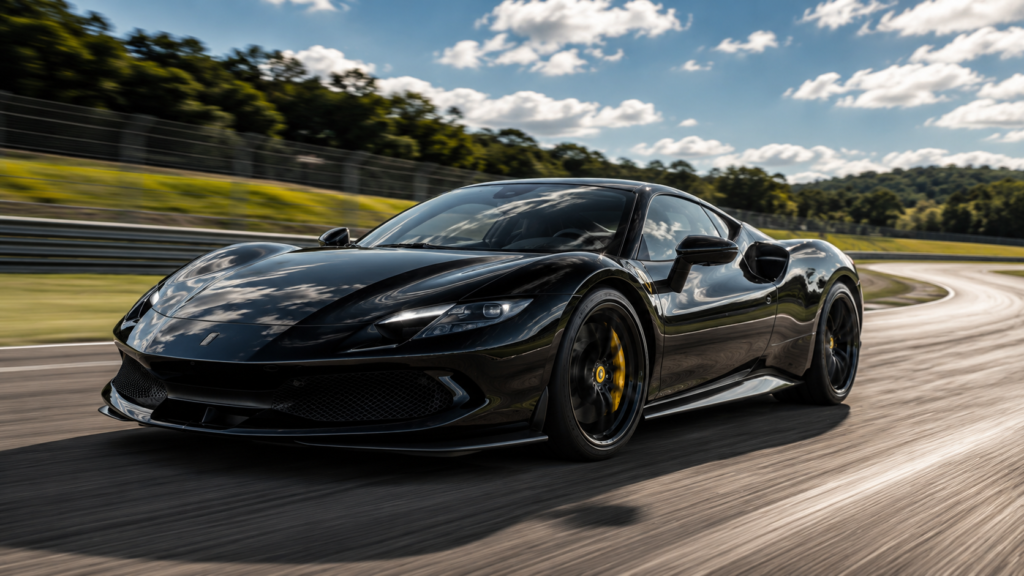
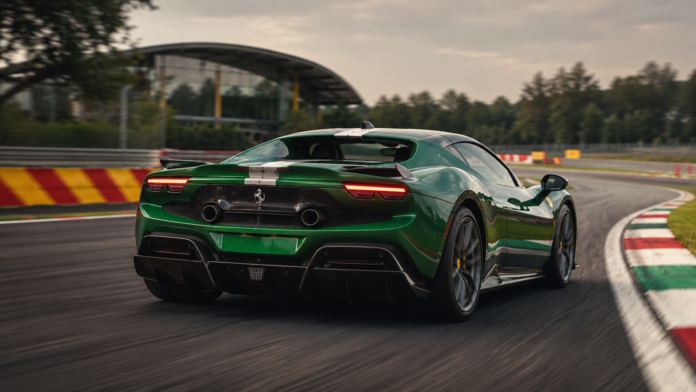
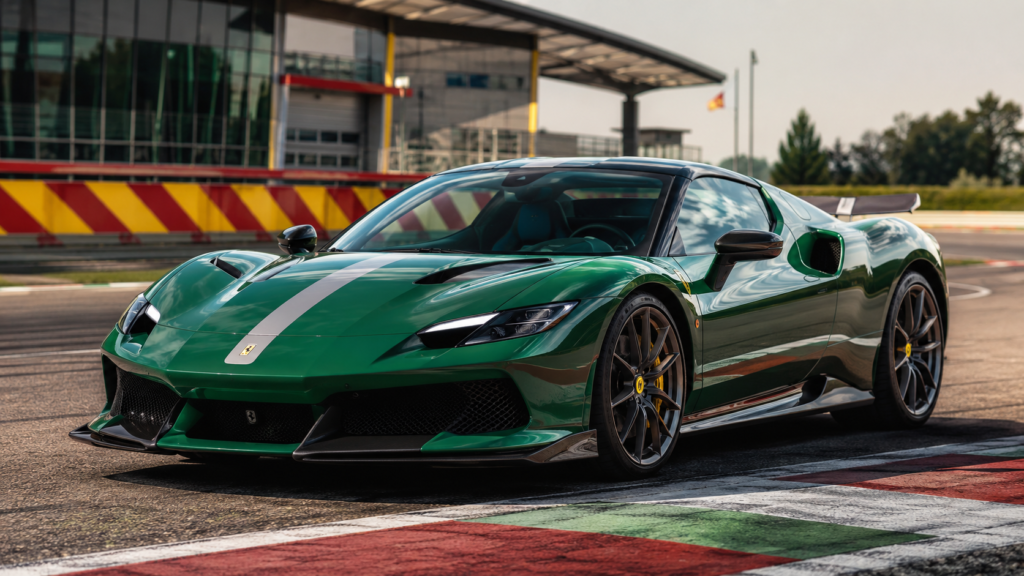
The sun is setting over the Fiorano Circuit in Maranello, the private test track that has served as Ferrari’s proving ground for decades. The track is quiet, but the air still hums with the memory of the day’s activity. A single car sits in the pit lane, its bodywork a study in purposeful aggression. This is the Ferrari 296 Speciale, the most extreme version of Ferrari’s V6 hybrid supercar, and the car that represents the hardcore swan song for a platform that has redefined the brand’s approach to performance.

The 296 Speciale is the latest in a lineage of special-series Ferraris that includes the 360 Challenge Stradale, 430 Scuderia, 458 Speciale, and 488 Pista. These are cars that bridge the gap between the road-going models they are based on and the race cars that compete in Ferrari’s Challenge and GT3 series. They are cars designed not for comfort or daily usability, but for driving thrills, for lap times, and for the pure, unfiltered connection between driver and machine.

The Powertrain: A V6 Pushed to Its Limits

The 296 Speciale’s powertrain is the most significant departure from the 296 GTB. The heart of the system is a 3.0-liter, 120-degree twin-turbo V6 that produces 700 horsepower on its own. This is 37 horsepower more than the 296 GTB, achieved through a combination of Formula 1-derived knock control, titanium connecting rods derived from the F80 hypercar, and a lightened crankshaft that reduces rotating mass. The engine’s specific power output of 234 horsepower per liter is a record for a Ferrari road car.

The hybrid system has also been uprated. The axial-flux electric motor, mounted between the engine and the eight-speed dual-clutch transmission, now produces 180 horsepower in the new “Qualify” mode, an increase of 13 horsepower over the 296 GTB. The total system output is 880 horsepower, making the 296 Speciale the most powerful rear-wheel-drive Ferrari ever built.

The powertrain’s response is immediate and visceral. The extra boost strategy, activated in Qualify mode, delivers a surge of power that is both thrilling and addictive. The eight-speed DCT has been recalibrated with a new fast-shift strategy that shortens shift times and increases driver engagement. The result is a car that feels alive, responsive, and eager to be pushed.

Chassis and Dynamics: The Pursuit of Engagement

The 296 Speciale is not just about power. It is about the holistic driving experience. The chassis has been lowered by 5 millimeters, reducing the maximum roll angle by 13 percent and improving cornering stability. The suspension uses titanium springs and Multimatic shock absorbers derived from the 296 GT3 race car, providing exceptional body control and feedback.

The car is equipped with the latest generation of the ABS Evo dynamic control system, which improves braking precision and repeatability in all surface and grip conditions. The system uses a six-axis chassis dynamics sensor to predict vehicle behavior and distribute braking force precisely. The result is a car that stops as confidently as it accelerates.

The 296 Speciale also features a recalibrated steering system and a dedicated tire compound. The Michelin Pilot Sport Cup 2 tires were developed specifically for this car, with a unique tread pattern and construction that enhance grip and feedback. The combination of these elements creates a car that is both fast and forgiving, rewarding skilled drivers while remaining accessible to those with less experience.

Aerodynamics: 435 kg of Downforce

The 296 Speciale’s aerodynamic package is a significant evolution of the 296 GTB’s. It generates 435 kilograms of downforce at 250 kilometers per hour, 20 percent more than the GTB. This is achieved through a combination of elements inspired by Ferrari’s racing programs.

The front end features an aero damper integrated into the hood, which channels air through the front bumper and out of a sculpted hollow, stabilizing the car during heavy braking and acceleration. The rear end features vertical fins and side wings that work in synergy with the active rear spoiler. The spoiler now features three configurations: Low Drag, Medium Downforce, and High Downforce, allowing the car to adapt to different driving conditions.

The result is a car that is planted at speed, stable under braking, and composed through high-speed corners. The downforce does not compromise the car’s agility; it enhances it.

Weight Reduction: 60 kg Lighter

Weight reduction is a key element of the 296 Speciale’s philosophy. The car weighs 60 kilograms less than the 296 GTB. This is achieved through a combination of measures, including the use of carbon fiber for the hood, door panels, and other body parts; titanium connecting rods and fasteners in the engine; and a lightweight exhaust system.

The weight reduction improves the car’s power-to-weight ratio, agility, and responsiveness. The 296 Speciale feels lighter, more nimble, and more eager to change direction than its less focused sibling.

The Interior: A Focus on Driving

The interior of the 296 Speciale is stripped back and focused on the driving experience. The door panels are made of carbon fiber, and the seats are lightweight racing buckets with adjustable backrests. The center console and gearshift surround are also made of carbon fiber. The overall effect is purposeful and minimal, a reminder that this car is built for driving, not for luxury.

The 296 Speciale retains the passenger display of the standard car, a feature that allows passengers to monitor speed, rpm, and gear position. But the emphasis is on the driver. The steering wheel is smaller, the controls are more direct, and the connection between driver and machine is more immediate.

The Open-Air Variant: 296 Speciale A

Ferrari also offers the 296 Speciale A, an open-top version of the car. The A variant retains the same powertrain, chassis, and aerodynamic upgrades as the coupe, but adds a retractable hardtop that opens or closes in 14 seconds. The open-top experience adds a new dimension to the driving experience, allowing the driver to hear the V6 engine more clearly and feel the wind rush past.

The 296 Speciale A continues a tradition of open-top special-series Ferraris that includes the 430 Scuderia Spider 16M, the 458 Speciale A, and the 488 Pista Spider. It is a car for drivers who want the full sensory experience of driving a Ferrari.
The Fiorano Lap: A Benchmark for the V6

The 296 Speciale has lapped the Fiorano circuit in 1 minute and 19 seconds, making it the fastest V6 Ferrari ever to lap the track. This is a remarkable achievement for a rear-wheel-drive car with a V6 engine, and it places the 296 Speciale in the same league as the SF90 Stradale, a 1,000-horsepower all-wheel-drive hybrid.

The Fiorano lap time is a testament to the car’s balance, grip, and power. It demonstrates that the 296 Speciale is not just a faster version of the 296 GTB; it is a genuinely more capable and engaging car.

The Fiorano Evening

The sun has fully set over the Fiorano Circuit. The 296 Speciale has completed its demonstration laps. Its V6, with the help of the uprated hybrid system, has delivered the 880 horsepower that makes it the most powerful rear-wheel-drive Ferrari ever built. The 435 kg of downforce has kept it planted through the curves. The driver, cocooned in the lightweight interior, has experienced a level of performance that was previously the domain of Ferrari’s V12 hypercars.

The 296 Speciale is not a car for everyone. It is a limited-production model, with all units already sold. But it represents a significant moment in Ferrari’s history. It is the most extreme version of the V6 hybrid platform, and it is the last car in a lineage that began with the 360 Challenge Stradale. It is a hardcore hybrid swan song, a celebration of everything that makes a Ferrari special.

The 296 Speciale is not just a car. It is a statement. It is a reminder that even in an era of electrification and automation, Ferrari remains committed to the pure, unfiltered joy of driving.
Ferrari F80: Le Mans Technology Meets the Road – An Evening at the Imola Circuit

0

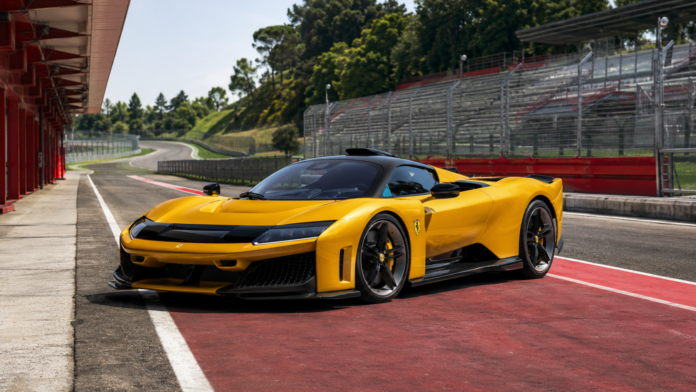
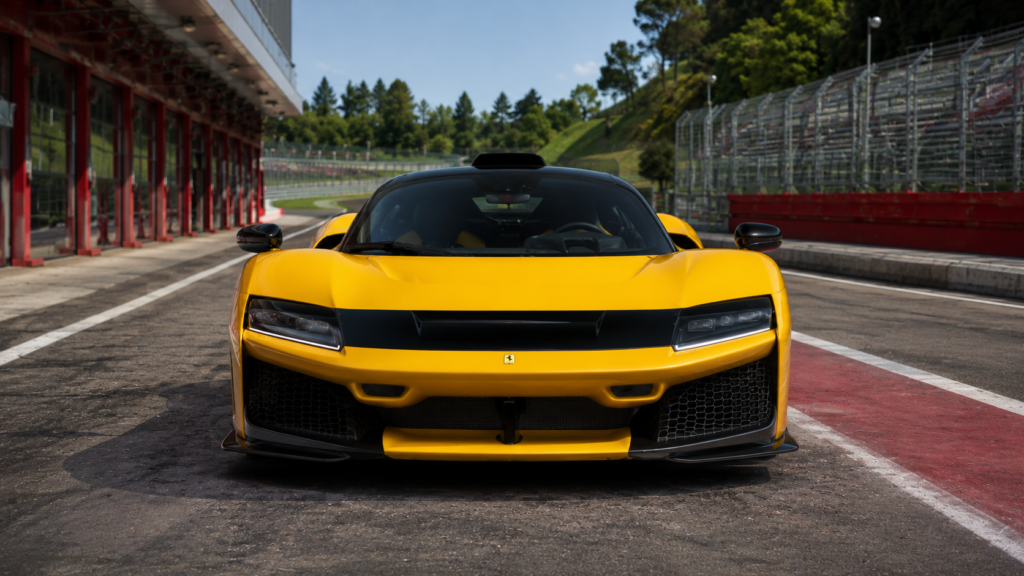
The sun is setting over the Autodromo Enzo e Dino Ferrari in Imola, the same track where Ferrari chose to unveil the F80 in October 2024. The circuit, with its sweeping curves and demanding elevation changes, is a fitting stage for a car that inherits technology from Ferrari’s endurance racing program. A single F80 sits in the pit lane, its carbon fiber body glinting in the fading light, its 1,200 horsepower hybrid powertrain ready to demonstrate what happens when Le Mans-winning DNA is transferred to the road.

The F80 is Ferrari’s sixth halo supercar, following the 288 GTO, F40, F50, Enzo, and LaFerrari. It is also the most significant departure from tradition in the lineage. Out goes the operatic V12 of the LaFerrari. In comes a twin-turbo V6 hybrid that produces 1,184 horsepower and is packed with technology derived directly from the 499P race car that won the 24 Hours of Le Mans in 2023, 2024, and 2025. This article explores how Ferrari translated Le Mans technology into a road-legal hypercar that will be produced in a limited run of 799 examples.

The Engine: A V6 with Racing Pedigree

The F80’s powertrain is the most significant departure from Ferrari’s supercar tradition. Instead of a naturally aspirated V12, the F80 uses a 3.0-liter, 120-degree twin-turbo V6. This engine is closely related to the unit in the 296 GTB and, more importantly, the 499P that has dominated the World Endurance Championship.

The 499P’s V6 is a fully load-bearing engine, meaning it serves as a structural component of the chassis, with the suspension mounted directly onto it. The race engine delivers a regulation-limited maximum output of 680 horsepower from its 3.0-liter displacement. The F80’s engine, freed from racing restrictions, produces 900 horsepower on its own. This gives it a specific power output of 300 horsepower per liter, a record for a Ferrari road car.

The engine’s compactness was a key factor in its selection. Ferrari evaluated V12, V8, and even full EV powertrains before settling on the 120-degree V6. The wide-angle V6 allowed engineers to achieve the power and efficiency targets while unlocking substantial aerodynamic benefits.

The Hybrid System: Three Motors, No Plug

The F80’s hybrid system is derived from the 499P’s Energy Recovery System, which uses an 800V battery developed with Formula 1 expertise. Three electric motors complement the V6.

Two motors are mounted at the front axle, delivering up to 282 horsepower and enabling torque vectoring and all-wheel drive capability. A third motor, an MGU-K (Motor Generator Unit Kinetic), is sandwiched between the V6 and the eight-speed dual-clutch transmission, sending 80 horsepower to the rear wheels.

The F80’s motors are the first Ferrari has designed and manufactured entirely in-house. The battery is a 2.3 kWh unit using lithium-cell chemistry derived from Formula 1, packaged in a carbon fiber monocoque casing. Unlike the 296 GTB and SF90 Stradale, the F80 does not have a plug-in hybrid function. It cannot be driven in electric-only mode. The hybrid system is closed-loop, designed solely for performance enhancement.

The combined output of the V6 and the three electric motors is 1,184 horsepower (1,200 PS), making the F80 the most powerful road-going Ferrari ever built.

Boost Optimization: Learning the Track

The F80’s powertrain includes a feature called Boost Optimization. Once activated, the driver takes a sighting lap of the chosen circuit. The F80 logs the curves and straights, analyzing where a performance boost might be most useful. On the next lap, the system is ready to deploy that extra power at the optimal moments.

Aerodynamics: 1,000 kg of Downforce

The F80’s aerodynamic package is among the most extreme ever fitted to a road car. It generates 1,000 kilograms of downforce at 250 kilometers per hour, surpassing the Porsche 911 GT3 RS’s 860 kilograms at 285 km/h.

The aerodynamic system combines multiple elements. The active rear wing can adjust its angle of attack, switching between a High Downforce configuration for braking and cornering and a Low Drag position for reduced resistance on straights. The front end features an S-Duct with a triple-wing configuration inspired by the 499P. The flat underbody includes a 1.8-meter diffuser, three times longer than the LaFerrari’s. An active suspension system, derived from the Purosangue SUV, contributes to ground effect by minimizing body roll during cornering.

The suspension also incorporates 3D-printed upper arms, produced using additive manufacturing technology at Maranello.

The “1+” Cabin: Driver-Centric Design

The F80’s cabin is a departure from traditional supercar layouts. The cockpit is designed to feel like a single-seater, with a “1+” configuration that emphasizes the driver. The passenger seat is set further back and upholstered in muted colors, making it visually recede into the interior. The driver’s seat is adjustable, while the passenger position is fixed.

This arrangement allowed Ferrari to narrow the cockpit, reducing width and drag. The center console is angled sharply toward the driver, and there is no central infotainment screen. The F80 also features a new, smaller steering wheel with physical buttons, a welcome departure from the touch-sensitive controls of the SF90 and 296.

The Imola Evening

The sun has fully set over the Imola Circuit. The F80 has completed its demonstration laps. Its V6, with the help of the MGU-H electric turbo technology, has delivered the 1,200 horsepower that makes it the most powerful Ferrari road car ever built. The 1,000 kg of downforce has kept it planted through the curves. The driver, cocooned in the “1+” cockpit, has experienced a level of performance that was previously the domain of race cars.

The F80 is not a car for everyone. It is a limited-edition hypercar produced in 799 examples, each costing approximately $3.9 million. But it represents a significant moment in Ferrari’s history. It is the first Ferrari hypercar powered by a V6, the first to use electric turbo technology, and the first to be directly derived from Le Mans-winning race car engineering.

The LaFerrari was the last of the naturally aspirated V12 hypercars. The F80 is the first of the V6 hybrid era. The lineage continues. The technology evolves. But the goal remains the same: to build a car that is as fast and capable on the track as it is usable on the road.

The Best Driving Roads in Europe for Supercar Owners – A Morning at the Stelvio Pass

0

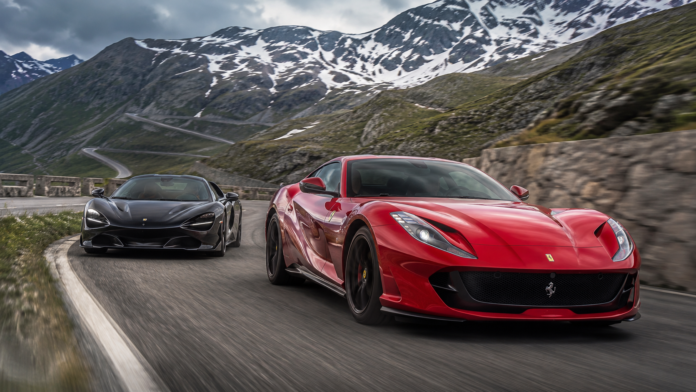
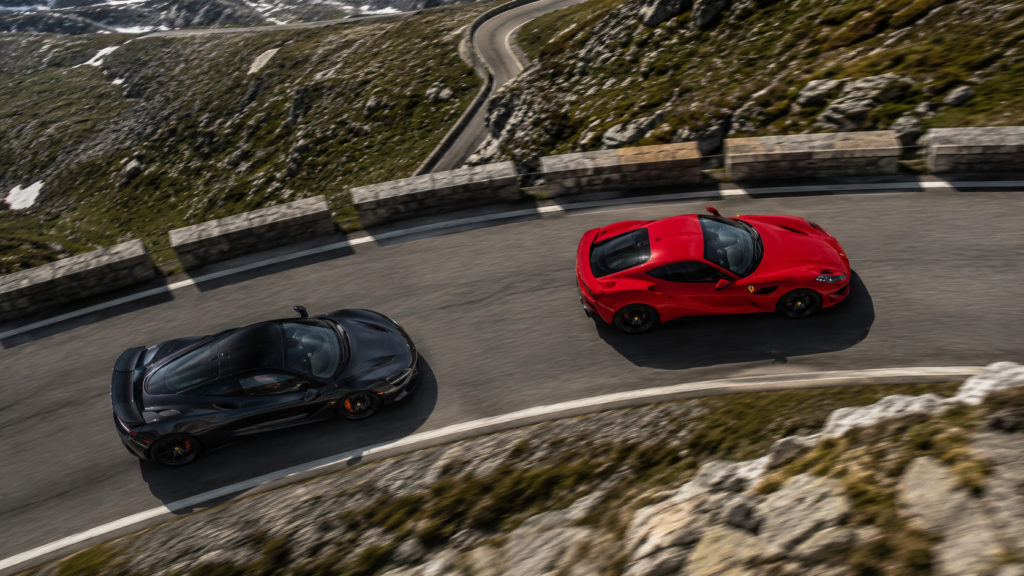
The sun is just beginning to warm the peaks of the Rhaetian Alps as a line of supercars gathers at the base of the Stelvio Pass. A Ferrari 812 Superfast, a Porsche 911 GT3, and a McLaren 765LT are parked next to each other, their owners adjusting tire pressures and checking brake temperatures. The air is cool and thin, the road ahead is a ribbon of asphalt climbing toward the sky, and the next 29 miles will test everything these cars are built for.

The Stelvio Pass, the Black Forest, and the Col de la Bonette are the roads every European supercar drive must include. This guide ranks the best driving roads in Europe for corner quality, scenery, and the total driving experience, and explains how to plan the trip around them.

The Stelvio Pass: The Ultimate Alpine Challenge

The Stelvio Pass is the second highest paved mountain pass in the Alps, surpassed only by the Col de l’Iseran in France. It is famous for being the highest car pass in Italy and one of the most dramatic driving roads in the world. The road was built by the Austrian Empire between 1820 and 1825 to connect the then Austrian province of Lombardy with the rest of the country.

The Stelvio has been regarded as an excellent driving road for over a century. It gained international attention when a British automotive show named it the greatest driving road in the world. The road has 48 hairpin bends on the Trafoi side and 40 on the Bormio side, making it a true paradise for drivers seeking a challenge.

For supercar owners, the Stelvio is a test of chassis balance, brake endurance, and driver skill. The constant hairpin bends demand precise steering inputs and smooth throttle application. The elevation changes test the cooling systems of even the most capable machines. The views of nearby glaciers provide a stunning backdrop to the driving experience.

The pass is usually open from June to October, but conditions can change quickly. It can become crowded, especially on weekends during July and August. The best time to drive is just outside those months, during the middle of the week, and getting there early in the morning.

The Black Forest: Germany’s Driving Playground

The Black Forest is a large forested mountain range in southwestern Germany, bounded by the Rhine Valley to the west and south. The region is known for its dense forests, rolling hills, and winding roads that make it a favorite destination for driving enthusiasts.

The Black Forest is divided into two parts by the deep Kinzig valley, with the highest summits to the south. The region has a raw climate in the higher districts, but the valleys offer mild weather and good pastureland. Oak and beech woods clothe the lower slopes, while extensive fir forests, which gave the range its name, climb to higher elevations.

For supercar owners, the Black Forest offers a mix of fast sweeping curves, technical sections, and long straights that allow for brief bursts of speed. The road surfaces are well maintained, and the scenery is spectacular. The region is also home to several mineral springs and spas, making it an excellent destination for a multi-day trip.

The B500, running from Baden-Baden to Freudenstadt, is one of the most famous driving roads in Germany. It winds through the northern Black Forest with a series of fast, sweeping corners and dramatic elevation changes.

The Col de la Bonette: The Highest Through Road in Europe

The Col de la Bonette is a high mountain pass in the French Alps, situated within the Mercantour National Park on the border of the departments of Alpes-Maritimes and Alpes-de-Haute-Provence. The actual pass rises to 2,715 meters, but the two kilometer long loop around the Cime de la Bonette peak reaches 2,802 meters, making it the highest through road in the Alps.

The road was completed in 1964, although a mule track had existed since 1832. The pass has featured in the Tour de France multiple times, with the loop around the Cime de la Bonette representing the highest point ever reached by the race.

For supercar owners, the Col de la Bonette offers a different experience from the Stelvio. The road is less technical, with longer straights and more sweeping curves. The average grade is 6.2 percent, with a maximum of 8.1 percent. The climb from Jausiers is 24.1 kilometers, while the ascent from Saint-Étienne-de-Tinée is 26.0 kilometers.

The D918: A Riviera Alternative

For those seeking a less demanding but equally scenic route, the D918 from Nice to the Col de Turini offers a classic Mediterranean driving experience. The road winds through the hills above Nice, with dramatic views of the coast and the mountains. The Col de Turini itself is a legendary section of the Monte Carlo Rally, with tight corners and dramatic elevation changes.

The D918 is accessible year-round and offers a mix of technical sections and sweeping curves. For supercar owners, it is a chance to experience the roads that rally drivers have conquered for decades.

Route Planning: Practical Considerations

The best European supercar road trips are planned around the season, the weather, and the condition of the roads.

Seasonality: The Stelvio Pass is usually open from June to October, but the exact dates depend on snow conditions. The Col de la Bonette is also closed during winter months. The Black Forest is accessible year round, but the best driving conditions are in late spring and early autumn.

Timing: Weekends in July and August are the busiest times at the Stelvio Pass. To avoid traffic, plan for a weekday visit in June or September.

Accommodation: Book hotels in advance, especially in popular areas like the Stelvio region and the Black Forest.

Vehicle Preparation: The Stelvio and the Col de la Bonette are high mountain passes. The thin air can affect engine performance. The constant braking on the Stelvio can cause brake fade. Ensure your car is in excellent mechanical condition before attempting these roads.

Respect the Road: The Stelvio Pass is a popular destination for cyclists, motorcyclists, and hikers. Watch for cyclists on the hairpin bends. Be aware of special events during which the pass is closed to traffic.

The Stelvio Morning

The fog has lifted. The supercars are heading out. The first few hairpin bends are tight, the pavement is smooth, and the rhythm begins to build. The drivers are focused, the cars are responding, and the road is delivering.

The Stelvio Pass is not the only answer. But it is a good start.

Key Takeaways

  • The Stelvio Pass has 88 hairpin bends and is the second highest paved mountain pass in the Alps.
  • The Black Forest offers a mix of fast sweeping curves, technical sections, and scenic views.
  • The Col de la Bonette is the highest through road in the Alps, with a loop reaching 2,802 meters.
  • The D918 from Nice to the Col de Turini offers a classic Mediterranean driving experience.
  • Plan your trip around the season, the weather, and the condition of the roads.
  • Book accommodations in advance and prepare your vehicle for the challenges of mountain driving.

Conclusion

The best driving roads in Europe for supercar owners are not limited to a single country or region. The Stelvio Pass in Italy, the Black Forest in Germany, the Col de la Bonette in France, and the D918 in France all offer exceptional driving experiences. Each road has its own character, its own challenges, and its own rewards.

The morning at the Stelvio Pass is over. The supercars have disappeared into the hairpin bends. The drivers will return with stories, smiles, and a deeper appreciation for the roads that make owning a supercar worthwhile.

The best driving road is not a single road. It is the one you drive.

The Best Supercar Road Trips in America – A Morning at the Tail of the Dragon

0

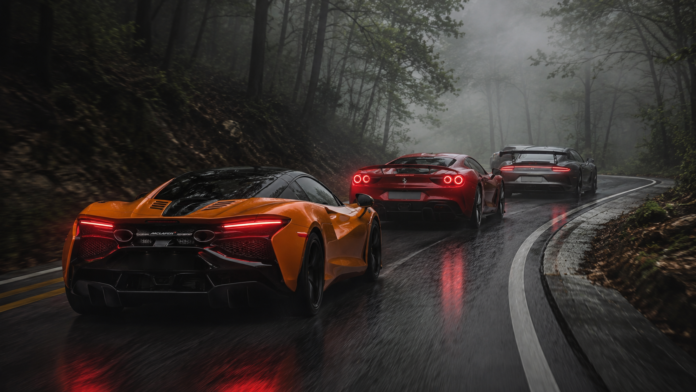
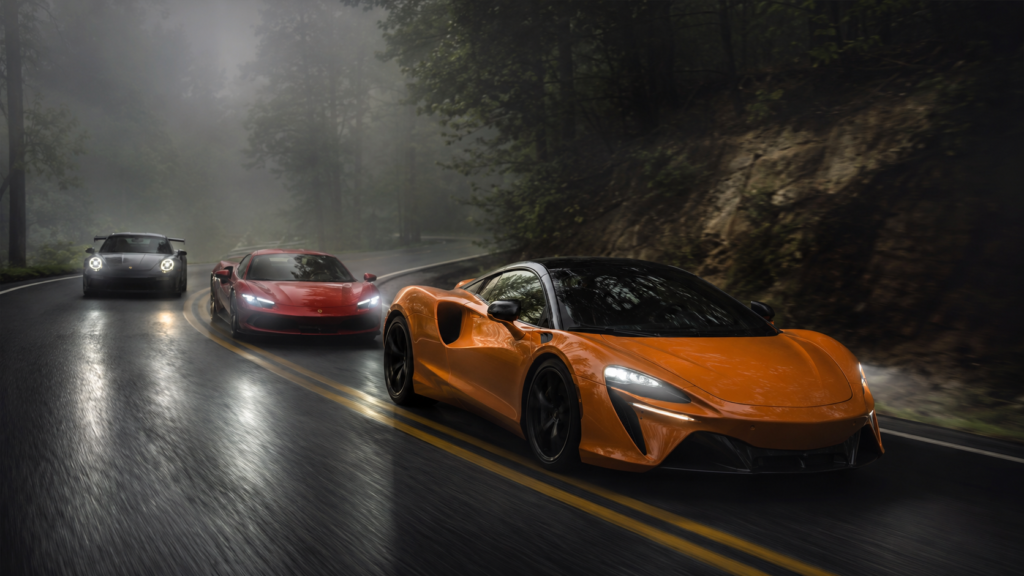
The fog is still clinging to the trees as a line of supercars gathers at Deals Gap, the unofficial starting point of the Tail of the Dragon. A Ferrari 296 GTB, a Porsche 911 GT3, and a McLaren Artura are parked next to each other, their owners comparing tire pressures and route notes. The air is cool, the road is empty, and the next 11 miles will test everything these cars are built for.

The Pacific Coast Highway gets all the attention. But it is not the only answer. The United States is filled with roads that challenge, inspire, and reward drivers who seek out the best tarmac. This guide ranks the best driving roads across the country for corner quality, scenery, and the total driving experience.

The Tail of the Dragon: The Ultimate Technical Challenge

The Tail of the Dragon is the most famous driving road in America. It is a narrow, twisting ribbon of asphalt that demands precision, patience, and respect. The road has 318 curves in 11 miles, many of them blind, and most of them without guardrails. It is not a road for top speed. It is a road for rhythm, for smooth inputs, and for the connection between driver and car.

For supercar owners, the Dragon is a test of chassis balance and steering feel. A car that is too powerful will struggle to put its power down. A car that is too heavy will feel cumbersome. The best cars for the Dragon are light, precise, and communicative. The Cherohala Skyway, a fast and flowing road with long sweepers and dramatic views, provides a contrast to the Dragon’s tight corners.

The Pacific Coast Highway: The Scenic Icon

The Pacific Coast Highway is the quintessential American road trip. It traces the California coastline for over 650 miles, offering ocean views, dramatic cliffs, and a rhythm that rewards patience and planning. The most celebrated section is the 90-mile stretch from Carmel to Big Sur, where the road hugs the cliffs and the Pacific stretches to the horizon.

For supercar owners, the PCH is about grand touring. The road is not technical in the way the Dragon is. It rewards smooth, steady driving and the ability to read the road ahead. The long straights allow for brief bursts of speed, while the sweeping curves test the car’s balance. The best way to experience the PCH is north to south, so the ocean is on your right and pullouts are easier to access.

Utah Scenic Byway 12: The Desert Epic

Utah Scenic Byway 12 is one of the most spectacular drives in the country. It connects Bryce Canyon and Capitol Reef National Parks, passing through red rock canyons, alpine forests, and the famous Hogsback, a narrow ridge with steep drop-offs on both sides. The road is 122 miles of constantly changing terrain, from desert to forest to canyon.

For supercar owners, Highway 12 offers a mix of long straights, sweeping curves, and dramatic elevation changes. The road is well paved and accessible to any car, though the Hogsback section demands attention. The views are otherworldly, and the sense of isolation is part of the appeal. The best time to drive Highway 12 is late spring or early fall, when the weather is mild and the light is golden.

Arizona’s Scenic Drives: Desert and Mountains

Arizona offers a surprising variety of excellent driving roads for supercar owners. The Apache Trail near Apache Junction winds through the Superstition Mountains with tight curves and elevation changes, offering canyon views and desert scenery. The pavement is excellent for the first 25 miles, making it ideal for a spirited drive.

Oak Creek Canyon, running between Sedona and Flagstaff, drops almost 2,000 feet over 16 miles. The road follows the canyon bottom, with red rock walls towering above and pine trees lining the route. The curves are constant but manageable, and the views are spectacular year-round.

The Salt River Canyon, between Globe and Show Low, offers a dramatic descent into a canyon often called the mini Grand Canyon. The road quality is excellent, with long sweeping curves and straightaways that let you feel the car’s acceleration. The bridge at the bottom crosses the Salt River, providing a perfect photo stop.

The Mingus Mountain road connects Jerome to Prescott Valley with tight switchbacks and technical curves. The views of the Verde Valley are spectacular, and the road rewards a car with sharp turn-in and precise throttle control.

The Midwest Surprises

While the coastal highways often steal the spotlight, the Midwest offers surprisingly engaging driving roads. The Kettle Moraine Scenic Drive in Wisconsin winds through glacier-carved hills, offering tight, technical corners and rolling elevation changes. The route is best in the autumn, when the foliage creates a tunnel of color.

The Great River Road follows the Mississippi River from Minnesota to Illinois, offering long sweeping bends, elevation changes, and views of the river valley. It is a road for grand touring, not for technical driving, and it rewards a car that is comfortable at speed.

The Brown County Loop in Indiana, often called the “Little Smokies,” offers serpentine roads with rhythmic, back-to-back corners and smooth asphalt. It is a staple for regional Ferrari Club of America rallies and allows a driver to establish a driving rhythm.

Route Planning: Practical Considerations

The best road trips are planned. Consider the season, the weather, and the condition of the roads. Check for closures and construction. Book accommodations in advance, especially in popular areas like Big Sur and the Smokies. Pack light. A supercar has limited luggage space. Prioritize essentials. Bring a camera. The views are worth capturing.

Drive within your limits. The roads are challenging. The consequences of a mistake can be serious. Respect the road, the car, and the other drivers.

The Tail of the Dragon Morning

The fog has lifted. The supercars are heading out. The first few corners are tight, the pavement is smooth, and the rhythm begins to build. The drivers are focused, the cars are responding, and the road is delivering.

The Tail of the Dragon is not the only answer. But it is a good start.

Key Takeaways

  • The Tail of the Dragon is the ultimate technical challenge, with 318 curves in 11 miles.
  • The Pacific Coast Highway offers 655 miles of coastal scenery and grand touring rhythm.
  • Utah Scenic Byway 12 is a desert epic with dramatic elevation changes and the Hogsback.
  • Arizona offers diverse driving roads, from the Apache Trail to Mingus Mountain.
  • The Kettle Moraine Scenic Drive and Brown County Loop prove the Midwest has excellent driving roads.
  • Route planning, weather awareness, and driving within limits are essential.

Conclusion

The best supercar road trips in America are not limited to the Pacific Coast Highway. The Tail of the Dragon, Utah Scenic Byway 12, the Apache Trail, and the Kettle Moraine Scenic Drive all offer exceptional driving experiences. Each road has its own character, its own challenges, and its own rewards.

The morning at the Tail of the Dragon is over. The supercars have disappeared into the curves. The drivers will return with stories, smiles, and a deeper appreciation for the roads that make owning a supercar worthwhile.

The best driving road is not a single road. It is the one you drive.

Nürburgring Lap Guide: Taking Your Own Car Around the Green Hell – A Morning at the Nordschleife Entrance

0

The air is cool and damp as the sun begins to rise over the Eifel mountains. The queue at the Nordschleife entrance is already forming. A line of cars stretches back past Devil’s Diner, a mix of German sedans, British sports cars, and a few exotics. The drivers are nervous. They have watched videos, read guides, and practiced on simulators. But nothing prepares you for the real thing.

The Nürburgring Nordschleife is open to the public during Touristenfahrten sessions. For a fee, you can drive your own car on the same circuit where manufacturers test their latest hypercars. It is a public toll road during these sessions, governed by German traffic laws. But it is also one of the most demanding roads in the world. This is a complete practical guide to driving the Green Hell.

Understanding Touristenfahrten

Touristenfahrten translates to “Tourist Drives.” These are public sessions where anyone with a road-legal vehicle and a valid license can drive the Nordschleife. The track is treated as a public toll road, meaning the German Road Traffic Ordinance applies. You must obey traffic rules, drive on the right, overtake only on the left, and follow speed limits where posted.

During these sessions, the circuit is a one-way toll road. You enter at the designated gate, complete your lap, and exit. There is no need to book in advance. You simply buy a ticket, queue, and drive.

When to Go

The Nordschleife is open for Touristenfahrten on specific days and times. The schedule changes weekly, so you must check the official calendar before planning your trip. Generally, sessions run from mid-March through mid-November, weather permitting. Weekday sessions are often shorter, starting in the late afternoon. Weekend sessions typically run from 8 a.m. to 7 p.m.

The track can close at any time due to accidents, oil spills, or debris. Check the track status before you set off to avoid disappointment.

Tickets and Pricing

You do not buy a ticket per se. You purchase credits and top up your card, scanning it at the entrance barrier.

Prices for 2026 are:

  • Weekdays: €30 per lap
  • Weekends and public holidays: €35 per lap

Season passes are also available for frequent visitors. During peak events like Carfriday or Green Hell Driving Days, traffic can be heavy, so planning ahead is recommended.

Insurance: The Critical Issue

This is the most important part of the guide. Most standard car insurance policies explicitly exclude the Nürburgring. Even though it is classed as a public road, many insurers consider it a circuit used for racing. If you crash, you will be personally liable for all costs.

The financial risk is substantial. An accident on the Nordschleife can cost tens of thousands of euros. You will be responsible for repairing your car, repairing track damage, barrier replacement, recovery, and emergency services. Even a minor incident often exceeds €3,000.

Specialist track insurance is available, but terms vary. Physical damage may be covered, but third-party protection is often excluded. Do not drive on the Nordschleife without understanding your insurance coverage.

If you are renting a car, rental companies typically have an excess (deductible) that you are liable for in the event of damage. This excess can range from €15,000 on lower-end cars to €200,000 on supercars. You can often purchase additional insurance to reduce this excess.

Vehicle Requirements and Rules

Your car must comply with the German Road Traffic Licensing Regulations. Key rules for your vehicle:

Minimum Speed: The vehicle must be capable of exceeding 60 km/h.
Weight Limit: Gross vehicle weight must be under 2.8 tonnes.
Noise Limit: You must not exceed a drive-by noise limit of 130 dB.
Tires: Road-legal tires are required. Slicks are prohibited. Semi-slicks are allowed if they have an E-mark and are road legal.
License Plate: A front license plate is required.
Seats: Bucket seats with side head restraints are not allowed as they obstruct vision. Bucket seats without the “ears” are permitted.
Roll Cages: Roll cages are permitted but must not block the door openings. Door bars are prohibited during public sessions.
HANS Devices: Head and Neck Support devices are prohibited for the driver as they restrict head movement.
Helmets: Helmets are not required for car drivers, but wearing one is recommended, especially if you have a roll cage.

What to Bring

  • Valid driving license
  • Vehicle registration documents
  • Proof of insurance if your car is not registered in Germany
  • Comfortable, loose-fitting clothes
  • Sensible driving shoes with flat, narrow soles
  • A helmet is recommended but not mandatory

The Driving Rules

The Nordschleife is a public road during Touristenfahrten. You must follow the rules of the road.

Overtaking: Overtaking is only permitted on the left. Cars being overtaken must stick to the right and hold their line.

Speed Limits: Most of the track has no speed limit. However, there are sections with mandatory speed restrictions. In yellow flag zones, construction zones, and incident areas, the limit is 50 km/h.

No Racing: No racing or top speed runs. Overtaking is permitted, but it must be done safely and without exceeding a safe speed for the conditions.

No Drifting: Drifting is prohibited.

No Stopping: No stopping on the tarmac, grass, or gravel. If you have a mechanical issue, pull off the track and stop immediately.

Camera and Lap Timing: Photographing, filming, and video recording are technically prohibited. Lap timing is also not allowed. This rule is not always enforced, but large timers or phone screens mounted on the dash may attract attention.

What to Do in an Accident

  • Call the emergency number immediately: 0800 0302 112
  • If your vehicle is leaking fluid, stop immediately and get behind the guardrail
  • You are responsible for all costs of recovery and track repair
  • Do not leave the scene without reporting the accident

The Queue and Entry

You enter the track at the Nordschleife entrance, driving past Devil’s Diner to the barriers. There, you scan your ticket and proceed onto the track. No reservation is needed.

The track has an exit at Döttinger Höhe that opens during peak periods, allowing drivers to leave the track directly onto the L93 road after completing a lap.

The Lap

The Nordschleife is 20.832 kilometers long, with more than 150 corners. It feels more like a tarmac rally stage than a racetrack. There is little runoff before barriers, and grass is often at the edge of the track.

For your first lap, do not try to set a fast time. Learn the circuit, learn the car, and learn the traffic. Drive at 70-80% of your ability. Build speed gradually over multiple sessions. Focus on smooth exits rather than aggressive entries.

After the Lap

There are photographers stationed around the track during Touristenfahrten. You can purchase photos of your car online. Do not use the handbrake when you stop, as hot brakes can bind. Leave the car in gear instead.

The Nürburgring Morning

The queue has thinned. The first cars are returning. Some drivers are smiling. Others are shaking. The Nordschleife has a reputation for humbling even the most experienced drivers.

A group of first-timers is gathered near the ticket office. They are comparing notes. They are sharing stories. They are already planning their next lap.

The Nürburgring is not just a track. It is an experience. And it is one that every car enthusiast should have at least once.

Key Takeaways

  • The Nordschleife is open for Touristenfahrten on specific days and times. Check the calendar before you go.
  • Tickets cost €30 on weekdays and €35 on weekends.
  • Your standard car insurance probably excludes the Nürburgring. Specialist track insurance is essential.
  • Overtake only on the left. Stick to the right. Drive predictably.
  • Helmets are not required, but they are recommended. Bucket seats with side head restraints are prohibited.
  • Do not film, time laps, or race. The track is a public road during Touristenfahrten.
  • In an accident, call the emergency number and stop immediately.
  • The exit at Döttinger Höhe allows you to leave the track directly onto the L93 during peak periods.
  • For your first lap, drive at 70-80% of your ability. Build speed gradually.

Conclusion

The Nordschleife is a public road for part of the week, and you can drive it in your own car. It is one of the most challenging and rewarding driving experiences in the world.

The morning at the Nürburgring is over. The queue is empty. The drivers are heading home. But they will be back. The Green Hell has a way of calling you back.

Whether you are driving a supercar or a rental hatchback, the Nordschleife is a test of skill, courage, and respect. Know the rules. Prepare your car. Buy the right insurance. Drive within your limits.

And enjoy every corner. There is nothing else like it.

The Best Track Days in the United States for Supercar Owners – A Morning at WeatherTech Raceway Laguna Seca

0

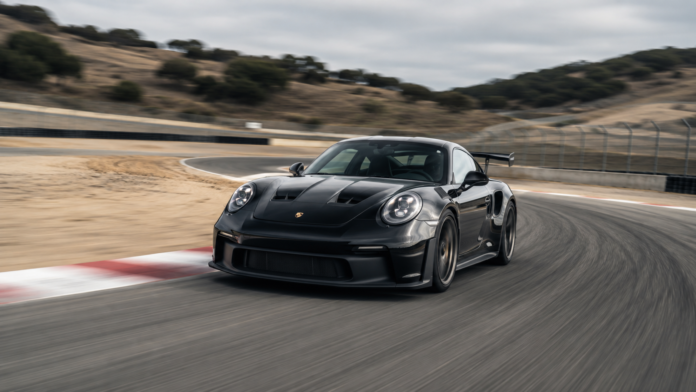
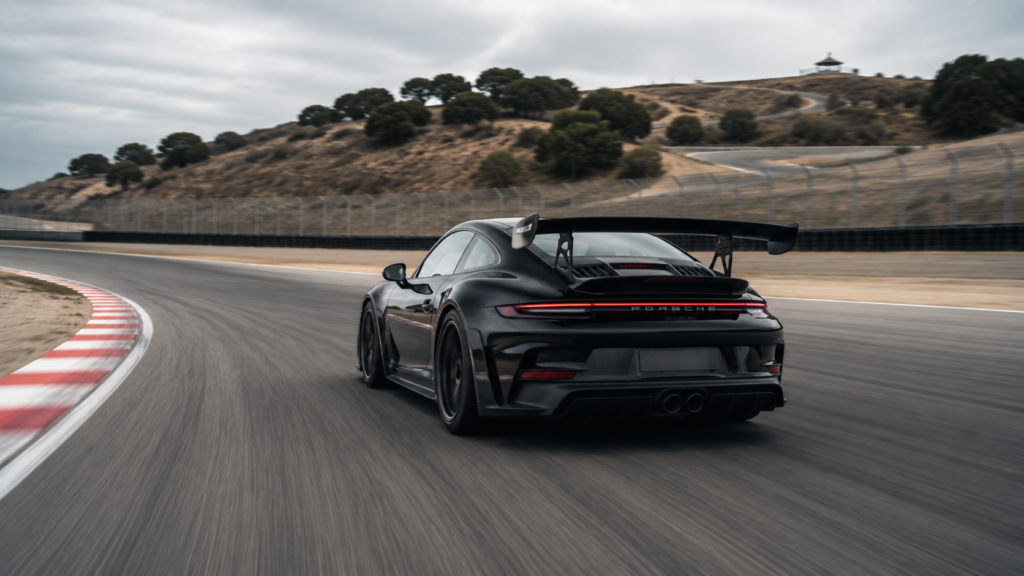
The fog is still clinging to the hills of Monterey County as the sun begins to warm the asphalt of WeatherTech Raceway Laguna Seca. The sound of a Ferrari 296 GTB echoes through the valley, followed by the sharp wail of a Porsche 911 GT3 RS. This is a place where supercars are not just displayed but driven, where owners can experience the full potential of machines that rarely see more than 60 miles per hour on public roads.

The United States has no shortage of exceptional circuits for supercar owners. From the dramatic corkscrew of Laguna Seca to the relentless elevation changes of Road Atlanta, the country offers a diverse range of track experiences. This guide ranks the best track days for supercar owners by track quality, organization, and how genuinely fast you can go in your own car.

WeatherTech Raceway Laguna Seca: The Icon

Location: Monterey, California

Laguna Seca is perhaps the most famous racetrack in the United States. The 2.238-mile circuit is known for its dramatic elevation changes, including the iconic Corkscrew, a blind left-right sequence that drops 59 feet over a short distance. The track is a favorite among manufacturers for setting lap records, and it has hosted some of the most significant moments in American motorsport.

For private owners, Laguna Seca offers track days through organizations like the Porsche Club of America and various supercar clubs. The track is also featured in manufacturer-led driving programs that bring high-performance vehicles to the circuit.

Track Quality: Exceptional. The Corkscrew is a world-class challenge. The surface is well-maintained.
Organization: Multiple organizations offer track days, including professional programs.
Speed Potential: High. The track rewards power and bravery.

Road Atlanta: The Georgia Jewel

Location: Braselton, Georgia

Road Atlanta is a 2.54-mile, 12-turn circuit nestled in the rolling hills of Northeast Georgia. It is home to the Petit Le Mans endurance race and is known for its dramatic elevation changes, high-speed corners, and blind crests. The track has hosted just about every major race series run in the U.S., including Can-Am, Trans-Am, and the American Le Mans Series.

For supercar owners, Road Atlanta offers a variety of track day options. Several organizations hold events at Road Atlanta throughout the year, with many offering programs for drivers of all skill levels. The track’s long back straight allows for high-speed runs, while the technical sections demand precision and bravery.

Track Quality: Excellent. The elevation changes make it one of the most challenging and rewarding tracks in the country.
Organization: Professional and well-regarded.
Speed Potential: Very high. The long straight allows for top-speed runs.

Circuit of the Americas: The F1 Experience

Location: Austin, Texas

Circuit of the Americas is the only purpose-built Formula 1 circuit in the United States. The 3.41-mile track features 20 corners, dramatic elevation changes, and a long straight that allows for speeds exceeding 200 miles per hour. It is a world-class facility with the infrastructure to match.

COTA offers track days through various organizations. The facility hosts a range of driving experiences, from open track days to manufacturer-led programs. For supercar owners, COTA provides the opportunity to drive on a circuit that hosts the United States Grand Prix.

Track Quality: World-class. The F1-grade asphalt and facilities are exceptional.
Organization: Professional and well-run.
Speed Potential: Extremely high. The long straight and high-speed corners reward powerful cars.

Virginia International Raceway: The Technical Challenge

Location: Alton, Virginia

Virginia International Raceway is a 3.27-mile, 17-turn circuit that has been described as one of the most technically rewarding layouts in North America. The track features massive elevation changes, high-speed sections, and blind corners that demand precision and confidence.

VIR has become a favorite among supercar owners for its challenging layout and resort-style amenities. The track hosts events throughout the year, including manufacturer programs and open track days. Its technical nature rewards skill over raw power, making it a favorite among experienced drivers.

Track Quality: Excellent. The technical layout rewards precision and confidence.
Organization: Professional and well-regarded.
Speed Potential: High. The track is more about cornering than top speed.

Sonoma Raceway: The Northern California Classic

Location: Sonoma, California

Sonoma Raceway is a 1,600-acre facility set in the Sonoma Mountains just 30 minutes north of San Francisco. The track has hosted NASCAR, INDYCAR, and NHRA events, making it a versatile and challenging circuit for high-performance driving.

Sonoma offers a mix of technical sections and fast sweeping corners, making it suitable for a wide range of vehicles. The track hosts various driving events throughout the year, including manufacturer programs and open track days.

Track Quality: Excellent. The layout suits a wide range of vehicles.
Organization: Multiple providers offer well-run events.
Speed Potential: High. The track combines technical sections with fast sweeping corners.

The Private Clubs: Thermal, Monticello, and Autobahn

For supercar owners who prefer a more exclusive experience, private track clubs offer unparalleled access and amenities.

Thermal Club (California): Located outside of Palm Springs, Thermal Club features a circuit with multiple track layouts. The facility includes a bar, restaurant, swimming pool, a car tuning garage, and other luxury amenities. Membership requires purchasing a property on site, with initiation fees and annual dues adding to the cost.

Monticello Motor Club (New York): Located 90 minutes from Manhattan, Monticello features a circuit designed with professional racers. The club offers private fleet vehicles, professional driving instructors, and a concierge team. Memberships are available at various levels.

Autobahn Country Club (Illinois): Designed to have the feel of a golf club, Autobahn features a race circuit with a clubhouse atmosphere. Country Club membership offers track access, professional instruction, and entry into exclusive club racing series.

The Exotic Experience: Rental and Driving Programs

Not every supercar owner wants to put their own car on track. Several organizations offer supercar driving experiences at tracks across the United States. Participants can drive Ferraris, Lamborghinis, McLarens, and other exotics on track with professional instruction.

Manufacturer programs also offer track experiences at various circuits. The AMG Experience, for example, offers Performance and PRO track programs at multiple U.S. circuits, providing participants with the opportunity to drive high-performance Mercedes-AMG vehicles on track.

The Laguna Seca Morning

The fog has lifted. The sun is warm on the track. A group of supercars has completed their morning session. The drivers are gathered in the paddock, comparing lap times and sharing stories.

The track day is not just about speed. It is about community. It is about learning. It is about experiencing a machine in the environment it was designed for.

Laguna Seca is quiet now, but the memory of the morning will linger. The sound of V8s, V10s, and V12s echoing through the valley is a reminder of why we buy these cars. Not for the commute. For the track.

Key Takeaways

  • Laguna Seca is the most iconic track for supercar owners, with challenging elevation changes and world-class corners.
  • Road Atlanta offers high-speed straights and challenging elevation changes.
  • Circuit of the Americas provides a Formula 1-grade experience with a long straight for top-speed runs.
  • Virginia International Raceway is a technical challenge that rewards precision and confidence.
  • Sonoma Raceway offers a versatile layout with a mix of technical and high-speed sections.
  • Private clubs like Thermal, Monticello, and Autobahn offer exclusive track access with luxury amenities.
  • Several organizations offer rental and driving programs for those who want to try supercars on track.

Conclusion

The best track days in the United States for supercar owners are at circuits like Laguna Seca, Road Atlanta, COTA, VIR, and Sonoma Raceway. Each offers a unique challenge, from the Corkscrew’s blind drop to the long straight of COTA. The organizations that run these events provide professional instruction and safe environments for high-performance driving.

Whether you own a Ferrari, Lamborghini, or McLaren, these tracks are where you can truly experience your car’s potential. The sound of a V12 at full throttle, the feel of a chassis at the limit, the satisfaction of a perfect lap these are the moments that make supercar ownership worthwhile.

The morning at Laguna Seca is over. The cars are leaving. But the drivers will be back. Because there is no better place to drive a supercar than on a track designed for speed.

Your First Track Day in a Supercar: A Practical Guide – A Morning at the Ring Knutstorp in Sweden

0

The morning mist is lifting over the fields of Skåne, revealing the undulating tarmac of Ring Knutstorp. The track is quiet, but the pit lane is starting to fill. A Ferrari 296 GTB, a Lamborghini Huracán, and a Porsche 911 GT3 are being unloaded from trailers. Their owners are nervous. They have driven fast on public roads, but this is different. This is a track.

Helmets, brake bias, corner entry lines, and why your daily car probably handles better on track than you think. Everything first-timers need to know before the sighting lap. The experience of piloting an unknown car at triple-digit speeds is enough to make even a hardcore enthusiast sweat. This guide covers the practical steps you need to take before, during, and after your first track day in a supercar.

Before You Go: The Preparation Phase

Preparation is the key to a successful track day. Most first-time problems come from a lack of preparation, not a lack of skill. Take the time to get ready, and you will have a much better experience.

Research the Track

Familiarize yourself with your local track before you come out. Understanding the track before you come out can build confidence and make sure that you can navigate in a speedy yet safe manner. Each track has its own character. Know the number of turns, the length of the straightaway, and the overall layout. You can watch videos of other people on the track and follow the track’s social media pages to learn more.

Learn Your Supercar

Hopping into a Ferrari or Lamborghini will be an intimidating experience for the uninitiated. Watch videos to see what the interior looks like, how to turn it on, and what the visibility looks like. You can also dive into reviews or hot laps to see how professional drivers feel about the stability of your ride. Some vehicles have happy tails while others are more prone to understeering. Watching a video will prepare you for the fury and acceleration you are about to experience.

Safety Gear

You will need to wear a helmet that complies with governing body technical and safety regulations. These can be hired from the track in exchange for a small fee, unless you have your own that complies with the relevant regulations. Closed-toe shoes with a grippy sole are required. Sneakers, skate shoes, and running shoes are all good options. Long pants and a long-sleeved shirt are often mandatory.

The Driver’s Meeting

Pay attention at the driver’s meeting and ask questions where applicable. The briefing will also run through the various flags you can expect to see during the day. If you are familiar with racing, these won’t require too much in the way of homework, but it might be worth familiarising yourself with them before you arrive at the track.

Listen to Your Instructor

Listen to your instructor because they are there to help keep things running smoothly and keep you safe. Respect the cone signals and hand signals from your instructor at all times. As long as you listen to your instructor, they will help you push your car to the safe limit. If you choose not to listen, you could not only be putting your safety at risk but your instructor and your fellow drivers as well.

Your First Session: The Sighting Lap

Your first time on track should not be about outright speed. It should be about learning the track and the car. The sighting lap is your chance to see the circuit at a moderate speed, identify braking points, and understand the racing line.

Start slowly. Spend the first few laps getting to know the track and your car. You will be driving alongside more experienced drivers, so do not be tempted to keep up. Slowly build your speed as the track becomes more familiar and your confidence starts to grow.

The Golden Rules of Track Etiquette

Track driving is not about racing. It is about driving safely and predictably.

Passing: Never pass another car unless your instructor says to go for it. The vast majority of tracks use the “overtaking on the left” approach, so be sure to let quicker cars pass.

Flags: Know what each flag color means. Yellow means caution, red means stop, black means you need to exit the track.

Mirrors: Awareness is key. Pay attention to other drivers as well as the track itself. Check your mirrors regularly.

The Cool-Down Lap: When you are ready to exit the track, be sure to include a “cool-down lap” to protect your brakes, engine, and transmission. Do not use the handbrake once you have arrived back in the pits, as the hot brakes can bind if you do. Leave it in gear instead.

The Ring Knutstorp Morning

The sun has fully risen over Ring Knutstorp. The first session is over. The nervous drivers are back in the pit lane, smiling. They have learned that the track is not as intimidating as they feared. They have learned that their cars are more capable than they are. They have learned to respect the limits.

Ring Knutstorp is a technical circuit with a mix of fast sweepers and tight corners. It rewards smoothness, not aggression. The drivers who listened to their instructors and started slowly are the ones who are having the most fun.

Key Takeaways

  • Familiarize yourself with the track layout and your car’s controls before the event.
  • Bring the right gear, including a certified helmet and closed-toe shoes.
  • Pay attention at the driver’s briefing and listen to your instructor.
  • Start slowly and build speed gradually.
  • Respect the rules of etiquette, including passing zones and flag signals.
  • Take a cool-down lap to protect your brakes and transmission.

Conclusion

Ring Knutstorp is quiet now. The supercars are gone. The drivers are heading home, exhausted but exhilarated.

Your first track day in a supercar is a milestone. It is a chance to experience the full potential of a machine that you have only ever seen on a screen or driven on public roads. The key to a successful track day is preparation. Research the track. Learn your car. Bring the right gear. Listen to your instructor. Start slowly and build speed gradually.

The nerves will fade. The confidence will grow. The smile will remain. And you will be planning your next track day before you even leave the circuit.

Autonomous Driving and the Supercar: Where Does Driver Assistance End? – An Evening at the Pittsburgh International Race Complex

0

The sun is setting over the hills of western Pennsylvania as a Ferrari 296 GTB rolls through the paddock at the Pittsburgh International Race Complex in Wampum. The driver is not braking for the corner ahead. The car is doing it for him. Adaptive cruise control, lane keep assist, and automatic emergency braking are no longer optional extras. They are standard equipment, even on cars that cost as much as a house.

The line between driver assistance and driver replacement is blurring. Lane keep assist, adaptive cruise, and self-parking are now standard even in Ferraris. The question is not whether these features are useful. It is where driver assistance crosses the line into ruining the ownership experience. This article examines the levels of automation, the features already present in supercars, and the debate over how much assistance is too much.

The Levels of Automation

The automotive industry recognizes six levels of driving automation. Level 0 provides warnings and momentary assistance, like lane departure warnings. Level 1 offers steering or brake and acceleration support, such as adaptive cruise control. Level 2 combines steering and brake support, like lane keeping and adaptive cruise working together.

Level 3 allows the vehicle to drive itself under specific conditions, but the driver must be ready to take over. Level 4 can drive itself under limited conditions without driver intervention. Level 5 is full automation in all conditions. No Level 5 vehicles exist today. Level 4 vehicles exist as robotaxis, but they are not available for consumer purchase.

Most supercars currently sit at Level 2. They can steer, brake, and accelerate automatically, but the driver must remain engaged and ready to take over at any moment.

The Features Already in Supercars

Modern supercars are packed with driver assistance features. Adaptive cruise control maintains a set following distance from the car ahead, adjusting speed automatically. Lane keeping functions help keep the car in its lane. Blind spot monitoring, traffic sign recognition, and 360-degree parking cameras are now common.

Ferrari has stated that it will continue to improve driver assistance systems like lane departure warning and adaptive cruise control. But the company has also made a firm commitment: it will not make fully autonomous cars. The company wants the driver to have fun, not the chips. It wants a steering wheel and a person behind it.

Where Does Assistance End and Interference Begin?

The debate over driver assistance in supercars is not about whether these features are useful. It is about whether they undermine the driving experience.

The Case for Assistance: Driver assistance features make supercars safer and more usable. Adaptive cruise control allows for relaxed highway cruising. Lane keep assist reduces fatigue on long journeys. Automatic emergency braking can prevent collisions. These features do not detract from the driving experience. They enhance it.

The Case Against Assistance: Supercars are bought for engagement, not safety. The point of a supercar is to be involved, to feel connected to the machine. Lane keep assist that nudges the wheel when you are trying to place the car on a track is not helpful. It is intrusive. Automatic emergency braking that triggers when you are trail braking into a corner is dangerous. It is a liability.

The Adaptive Approach

Some manufacturers are taking a different approach to driver assistance. Rather than simply offering a suite of features that can be turned on or off, they are developing systems that adapt to the driver’s skill level.

These systems analyze how cleanly the driver brakes, how smoothly they apply steering, and how progressively they modulate the power at corner exit. If the inputs are clean and confident, the system raises its intervention threshold and allows capable drivers more wheel slip. If the inputs are jerky or aggressive, the system steps in faster.

The goal is not to limit performance. It is to match the car’s behavior to the driver’s skill level. A skilled driver in a sport mode can reach a level of performance equivalent to a more aggressive mode on dedicated sports cars. The mode is earned rather than selected.

The Pittsburgh Evening

The sun has fully set over the Pittsburgh International Race Complex. The Ferrari 296 GTB has completed its session. The driver is stepping out, not frustrated by the assistance systems. He has adjusted them to his preference. The lane keep assist is off. The adaptive cruise control is on but set to a more aggressive following distance. The automatic emergency braking is active, but it has not triggered.

The driver assistance features are not ruining the experience. They are background elements, present but not intrusive. The driver is still in control. The car is still a Ferrari.

Key Takeaways

  • Level 2 systems combine steering and speed control. The driver must remain engaged.
  • Supercars now feature adaptive cruise control, lane keeping assist, and automatic emergency braking.
  • Ferrari has ruled out fully autonomous cars but continues to improve driver assistance features.
  • Some systems adapt intervention levels based on the driver’s skill and inputs.
  • Drivers can adjust or disable most assistance features to suit their preferences.

Conclusion

The Pittsburgh track is quiet now. The Ferrari is gone. The driver assistance features have not ruined the experience. They have made it safer and more usable without compromising engagement.

The line between assistance and interference is drawn by the driver. The systems are there to help, not to replace. As long as the driver remains in control, the supercar experience remains intact. The third pedal may be disappearing, but the driver is not.

What a $1 Million Hypercar Looks Like in 2030: Predictions and Concepts – An Evening at the Pittsburgh International Race Complex

0

The sun is setting over the hills of western Pennsylvania as a prototype rolls quietly through the paddock at the Pittsburgh International Race Complex in Wampum. The air is thick and humid, a reminder that a heat dome is settling over the eastern half of the country. But the engineers are focused on the car, not the weather. It is a test mule, wrapped in camouflage, hiding a powertrain that does not yet have a name. It is a preview of the future, a glimpse of what a million-dollar hypercar will look like in 2030.

The hypercar market is evolving rapidly. By 2030, a million-dollar hypercar will look very different from today’s models. The powertrain technology will be hybridized, the chassis will be lighter and stronger, and the experience will be more immersive than ever. This article examines the performance targets, powertrain technology, and design directions that will define the next generation of hypercars.

The Hameedi Venturo Project Origine: Redefining the Hypercar

One of the most ambitious projects targeting 2030 is the Hameedi Venturo Project Origine, an all-terrain hypercar developed in Italy with first deliveries targeted for that year. Project Origine is not an SUV or crossover. It is a low, wide, purpose-built performance machine designed to operate across varying conditions without changing its fundamental character.

The car is built around a load-fused carbon and aluminum primary structure, engineered so that suspension and impact loads are sacrificed upstream of the carbon core, protecting the chassis and preserving repairability. The core of the car is an all-new naturally aspirated V12 engine, chosen for its linear response and acoustic character. The engine is designed to deliver smooth, predictable power and a distinct mechanical sound without electrification. The approach to luxury is different: rather than isolating occupants, the car emphasizes clarity, control, and engagement.

Project Origine is built “backwards,” starting with the suspension rather than styling sketches. The suspension architecture defines the platform, with structural layout, packaging, and driveline decisions made in service of kinematic and dynamic objectives. This allows for significant ride-height adjustment while maintaining the proportions, steering feel, and dynamics expected of a performance car.

The Lynx GT1: A Modern Resurrection

Lynx Motors is reviving the first-generation Ford GT platform to create the GT1, a street-legal hypercar with a supercharged V8 producing over 1,200 horsepower. Only 28 units are expected to be built, with each potentially costing over $1 million. The car features a six-speed manual transmission and a carbon fiber body.

The project demonstrates that the million-dollar hypercar of 2030 will not be limited to new platforms. Manufacturers will continue to find value in iconic designs, updating them with modern powertrains and materials.

The Alpine Alpenglow Hy6: Hydrogen Performance

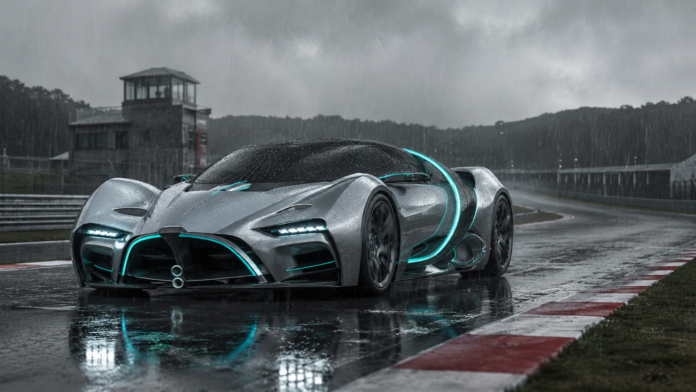
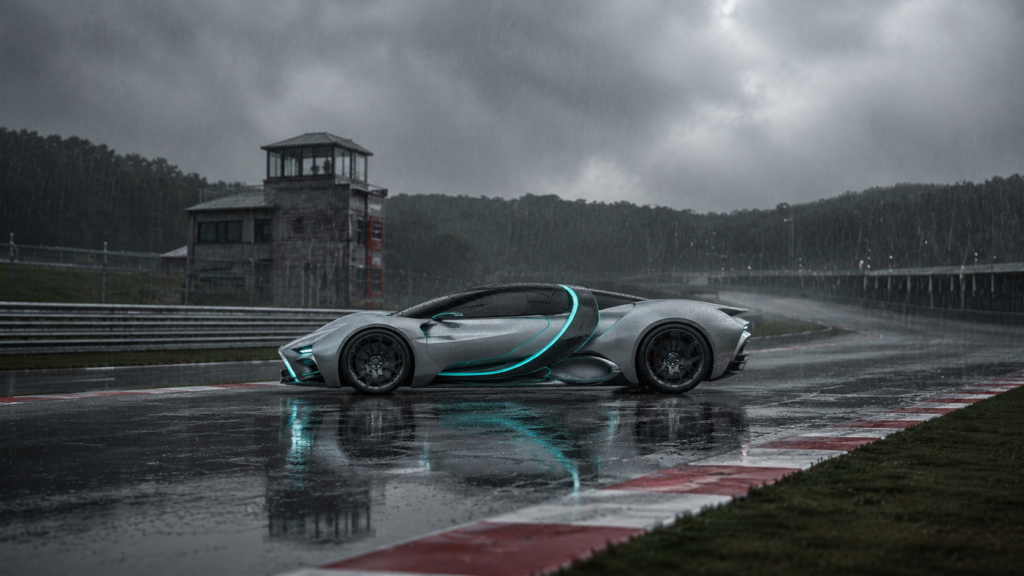
Alpine, the French performance brand, has developed the Alpenglow Hy6, a rolling prototype that runs on a 3.5-liter twin-turbo V6 engine fueled by hydrogen. The engine produces 740 horsepower and revs to 9,000 rpm. The car can exceed 330 km/h, and its exhaust emits only water.

The engine was developed entirely in-house at Alpine’s Viry-Châtillon facility, taking two years of work. It uses a 100-degree V6 with two turbochargers, a solid aluminum engine block with a dry sump, and chain-driven overhead camshafts. The engine’s specific power places it among the most efficient high-performance engines ever built. Fuel is stored in three high-pressure hydrogen tanks, located in the sidepods and behind the cockpit.

Alpine is pushing for hydrogen-powered cars to be authorized to compete at the 24 Hours of Le Mans from 2028 onward, positioning itself to be ready for a future where hydrogen and combustion can coexist.

The Fast F61H V12: Hydrogen Meets Italian Design

The startup Fast Auto has unveiled the F61H, a hydrogen-powered V12 supercar designed by Ken Okuyama, the renowned designer behind the Ferrari Enzo and Maserati Quattroporte. It produces around 500 horsepower and emits only water vapor. Fast Auto is accepting orders, with first production models scheduled for the coming months.

The car draws lineage from the Pininfarina Birdcage concept, a collaborative project that embodied futuristic sports design. Co-founder Ken Okuyama stated that while the F61H might look like a beautiful supercar, what is inside is a hydrogen-powered internal combustion engine, offering the same excitement in sound and performance while only water comes out of the exhaust.

The Hyperion XP-1: Fuel Cell Power

The Hyperion XP-1 is an American hydrogen fuel cell supercar that produces over 2,000 horsepower from four electric motors, accelerates to 100 km/h in less than 2.2 seconds, and has a claimed range exceeding 1,000 kilometers. The car uses supercapacitors instead of conventional lithium-ion batteries and can be refueled in 3 to 5 minutes. It represents the alternative path for hydrogen: fuel cells that convert hydrogen to electricity, rather than burning it directly.

The 2030 Motorsport Connection

The 2030 hypercar market will be influenced by developments in motorsport. The FIA, ACO, and IMSA have announced a unified set of technical regulations for the Hypercar class in the World Endurance Championship, effective in 2030. The new rules call for common chassis rules, the elimination of four-wheel drive cars, and options for manufacturers to build bespoke chassis and hybrid systems.

The 24 Hours of Le Mans will accommodate hydrogen vehicles in competition from 2030, with prototypes using combustion engines fueled by liquid hydrogen. This will provide a testing ground for hydrogen technology that could eventually reach road cars. Porsche, which withdrew from the Hypercar class at the end of 2025, has described the move to a single set of regulations as a “significant step” and has not ruled out a return in 2030.

The Pittsburgh Evening

The sun has fully set over the Pittsburgh International Race Complex. The test mule has completed its session. The data collected will inform the development of a hypercar that will debut in 2030.

The million-dollar hypercar of 2030 will be hybridized, lightweight, and highly personalized. It will use advanced materials like carbon fiber and aluminum in load-bearing structures. It will be influenced by developments in motorsport. It will be a machine that combines extreme performance with sustainability.

The Hameedi Venturo Project Origine, the Lynx GT1, the Alpine Alpenglow Hy6, and the Hyperion XP-1 all point to a future in which hypercars are more capable, more exclusive, and more connected to the world of motorsport and emerging technologies like hydrogen.

Key Takeaways

  • Hameedi Venturo’s Project Origine is an all-terrain hypercar with a naturally aspirated V12, targeting 2030 delivery.
  • Lynx Motors is reviving the first-generation Ford GT platform with a 1,200+ hp supercharged V8 and a six-speed manual transmission.
  • Alpine’s Alpenglow Hy6 is a hydrogen combustion hypercar with a 740 hp V6, revving to 9,000 rpm and emitting only water.
  • Fast Auto’s F61H V12 is a hydrogen-powered supercar designed by Ken Okuyama, accepting orders for production.
  • The Hyperion XP-1 is a hydrogen fuel cell hypercar with over 2,000 horsepower and a range exceeding 1,000 kilometers.
  • The 2030 WEC regulations will unify the Hypercar class and allow hydrogen vehicles at Le Mans.

Conclusion

The hypercar of 2030 will be a different machine from the hypercar of today. It will be hybridized, lightweight, and highly personalized. It will use advanced materials and emerging technologies. It will be influenced by developments in motorsport. It will be a machine that combines extreme performance with sustainability.

The test mule is gone. The Pittsburgh track is quiet. But the future is clear. The million-dollar hypercar of 2030 will be faster, more capable, and more exclusive than anything that has come before. It will be a machine that defines the next era of automotive performance.

Hydrogen Hypercars: The Alternative Future Nobody Is Talking About – A Morning at the Pittsburgh International Airport

0

The morning fog is lifting over the Allegheny River as a convoy of trucks rolls into the cargo area of Pittsburgh International Airport. Inside one of the crates is a prototype that represents a different path forward. It is not a battery electric vehicle. It is a hydrogen hypercar, and its exhaust emits nothing but water vapor.

While the automotive industry sprints toward battery electric vehicles, a small number of manufacturers are betting on hydrogen. Alpine, Toyota, and a handful of startups are developing hydrogen combustion engines and fuel cell systems that could preserve the supercar experience. The sound, the feel, the engagement of a performance car these are the elements that battery EVs struggle to replicate. Hydrogen, they argue, offers a way to keep the internal combustion engine alive while eliminating tailpipe emissions.

The Hydrogen Combustion Engine: Sound, Emotion, and Zero Emissions

The most promising development in hydrogen hypercars is the combustion engine that runs directly on hydrogen. Unlike a hydrogen fuel cell vehicle, which converts hydrogen into electricity to power an electric motor, a hydrogen combustion engine burns hydrogen in the same way a petrol engine burns gasoline. The result is a car that sounds like a supercar, drives like a supercar, and emits only water vapor.

The Alpine Alpenglow Hy6

Alpine, the French performance brand, has developed the Alpenglow Hy6, a rolling prototype that runs on a 3.5-liter twin-turbo V6 engine fueled by hydrogen. The engine produces 740 horsepower and revs to 9,000 rpm. The car can exceed 330 km/h, and its exhaust emits only water. Alpine’s VP of Motorsports stated that the Hy6 concept demonstrates the commitment to hydrogen research, which could herald motorsport applications with high-performance levels.

The engine was developed entirely in-house by Alpine at its Viry-Châtillon facility, taking two years of work. It uses a 100-degree V6 with two turbochargers, a solid aluminum engine block with a dry sump, and chain-driven overhead camshafts. The engine’s specific power places it among the most efficient high-performance engines ever built. Fuel is stored in three high-pressure hydrogen tanks, located in the sidepods and behind the cockpit.

Alpine is pushing for hydrogen-powered cars to be authorized to compete at the 24 Hours of Le Mans from 2028 onward. The development philosophy favors a version designed for racing that could be transposed to series production. The ACO and FIA have indicated plans to allow hydrogen cars at Le Mans, and Alpine is positioning itself to be ready.

The Fast F61H V12

A new startup called Fast Auto has unveiled the F61H, a hydrogen-powered V12 supercar that debuted in early 2026. The car was designed by Ken Okuyama, the renowned designer behind the Ferrari Enzo and Maserati Quattroporte. It produces around 500 horsepower and emits only water vapor.

The F61H is not just a concept. Fast Auto is accepting orders, with first production models scheduled for the coming months. The car draws lineage from the Pininfarina Birdcage concept, a collaborative project that embodied futuristic sports design. Co-founder Ken Okuyama stated that while the F61H might look like a beautiful supercar, what is inside is a hydrogen-powered internal combustion engine, offering the same excitement in sound and performance while only water comes out of the exhaust.

Toyota’s Hydrogen Rally Car

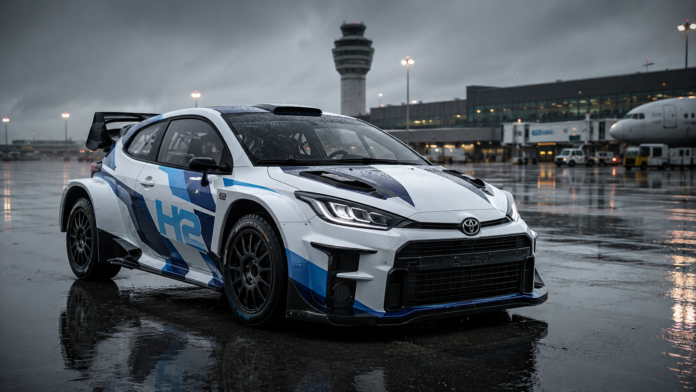
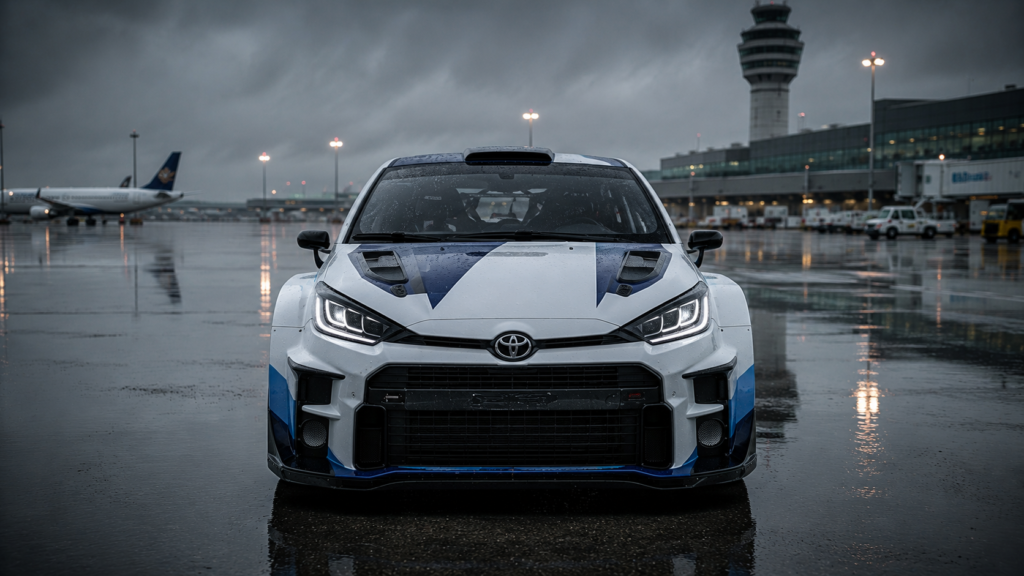
Toyota has developed a hydrogen-powered GR Yaris Rally2 H2 Concept, which debuted at Rally Finland in 2025. The car runs on liquid hydrogen and retains the sounds and sensations of a combustion engine while producing near-zero emissions. The car is based on the GR Yaris Rally2 racer and shares its chassis and wide bodykit.

Toyota believes hydrogen has the potential to become one of the options for the future of motorsport in a carbon-neutral society. The company has been testing hydrogen combustion engines in various motorsport activities since 2021, including the Super Taikyu series in Japan.

Suzuki’s Small-Car Hydrogen Engine

Suzuki has developed a hydrogen-powered Swift prototype, demonstrating that hydrogen combustion technology can be scaled down to affordable, compact cars. The car uses a modified 1.4-liter four-cylinder engine that runs on hydrogen, producing 100 kW of power and 220 Nm of torque. The engine can switch between lean combustion and stoichiometric modes, with the latter using cooled exhaust gas recirculation to keep combustion temperatures in check.

The Suzuki Swift hydrogen prototype demonstrates that hydrogen combustion technology is not limited to hypercars and supercars. It can be integrated into small, affordable vehicles.

Hydrogen Fuel Cell Supercars: The Other Path

Not all hydrogen hypercars use combustion engines. Some manufacturers are developing hydrogen fuel cell systems that produce electric power without the weight of a large battery pack.

Hyundai has developed a hydrogen fuel cell concept that produces substantial power from a lightweight system. The car features dual fuel cell stacks and a supercapacitor system that generates additional power from regenerative braking.

The Hyperion XP-1 is an American hydrogen fuel cell supercar that produces over 2,000 horsepower from four electric motors, accelerates to 100 km/h in less than 2.2 seconds, and has a claimed range exceeding 1,000 kilometers. The car uses supercapacitors instead of conventional lithium-ion batteries and can be refueled in 3 to 5 minutes.

The Advantages of Hydrogen

Hydrogen offers several advantages over battery electric vehicles for supercar applications.

Weight: Hydrogen vehicles do not require heavy battery packs. The Alpine Alpenglow Hy6 is lighter than a comparable battery electric hypercar, which improves handling and agility.

Refueling Time: Refueling a hydrogen car takes 3 to 5 minutes, similar to refueling a petrol car. A battery electric vehicle can take 30 minutes or more to charge.

Sound and Emotion: A hydrogen combustion engine provides the sound and feel of a traditional internal combustion engine. Battery electric vehicles are silent, which many enthusiasts view as a drawback.

Range: Hydrogen vehicles can achieve ranges comparable to petrol cars. The Hyperion XP-1 claims a range exceeding 1,000 kilometers.

The Challenges

Despite its promise, hydrogen faces significant obstacles.

Infrastructure: Hydrogen refueling stations are scarce. In the United States, there are only a handful of public hydrogen stations, nearly all in California. Without infrastructure, hydrogen cars cannot be used widely.

Cost: Hydrogen is expensive to produce and transport. Green hydrogen, produced from renewable energy, is still costly.

Production Cost: The vehicles themselves are expensive. The Fast F61H V12 is expected to cost seven figures. The Alpine Alpenglow Hy6 is a multi-million dollar concept.

Storage: Hydrogen must be stored at high pressure or as a liquid at extremely low temperatures, requiring complex and expensive systems.

The Pittsburgh Morning

The sun has fully risen over Pittsburgh. The crate containing the prototype has been opened. The car inside is a hydrogen hypercar, a machine that offers the sound and feel of a traditional supercar with zero tailpipe emissions.

The industry is not waiting. Alpine, Fast Auto, Toyota, and others are pushing hydrogen forward. The technology is real. The cars are being built. The question is whether the infrastructure will follow.

Key Takeaways

  • Alpine’s Alpenglow Hy6 is a hydrogen combustion hypercar with a 740 hp V6, revving to 9,000 rpm and emitting only water.
  • Fast Auto’s F61H V12 is a hydrogen-powered supercar designed by Ken Okuyama, accepting orders for production in 2026.
  • Toyota has developed a hydrogen rally car based on the GR Yaris, retaining the sound and feel of a combustion engine.
  • Suzuki has demonstrated a hydrogen-powered Swift, proving the technology can be scaled down to small cars.
  • Hyundai and Hyperion are developing hydrogen fuel cell supercars offering high performance and long range.
  • Hydrogen faces challenges in infrastructure, cost, and production, but manufacturers are pushing forward.

Conclusion

The Pittsburgh airport is quiet now. The crate is closed. The hydrogen hypercar is on its way to its next destination.

The alternative future nobody is talking about is real. It offers the sound, the feel, and the engagement that enthusiasts love, with zero emissions. It preserves the internal combustion engine while eliminating tailpipe pollution. It is not the dominant path, but it is a path. And for those who believe the supercar experience cannot survive electrification, it is the most promising alternative.