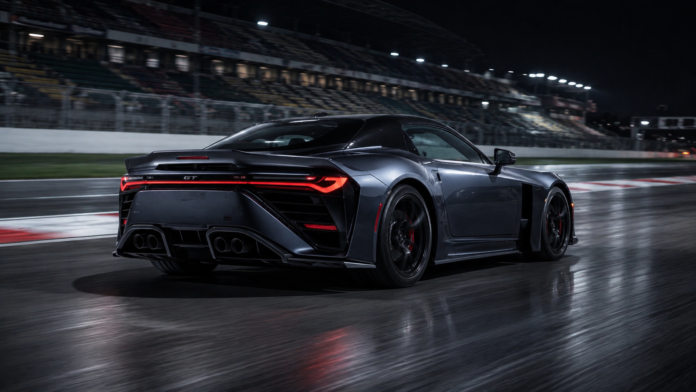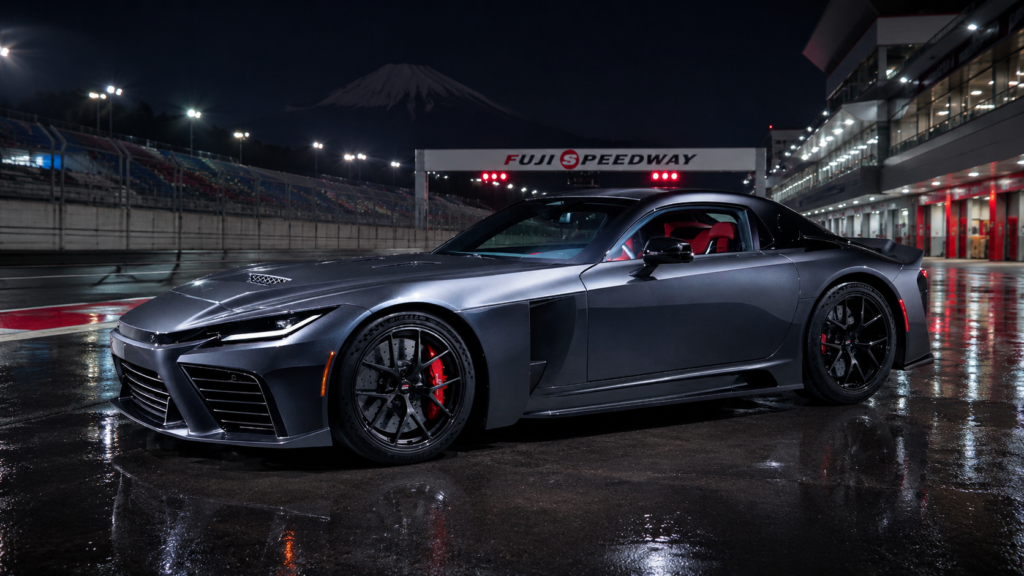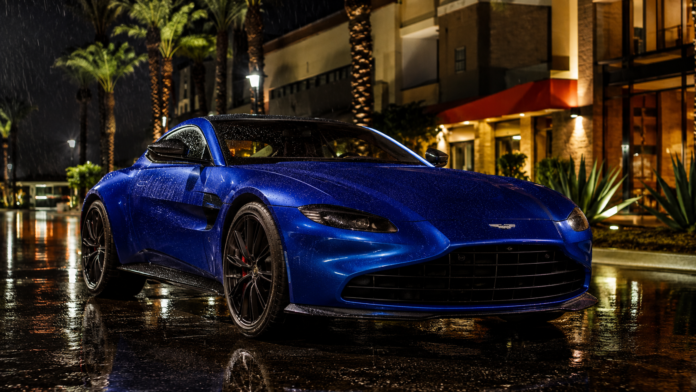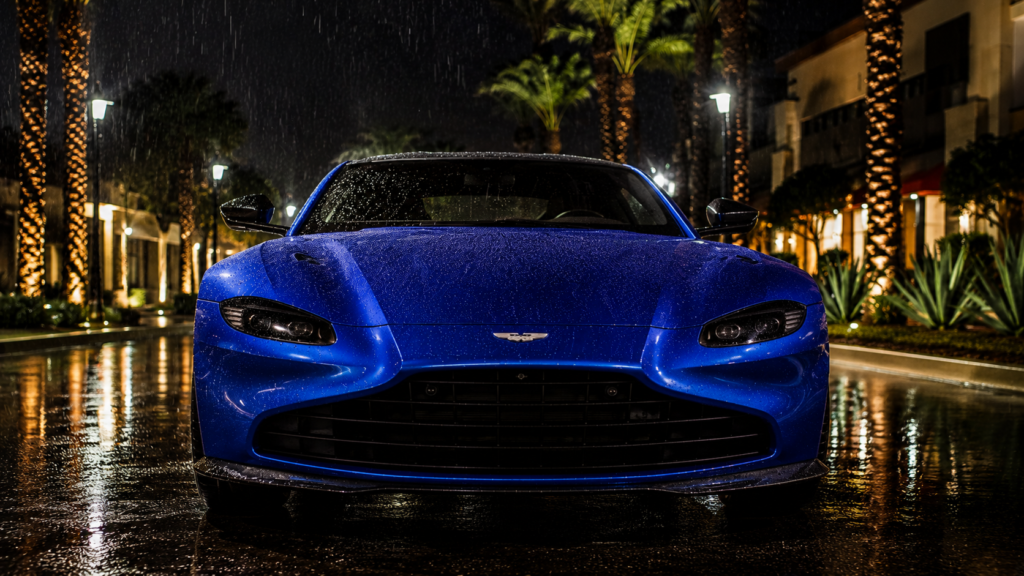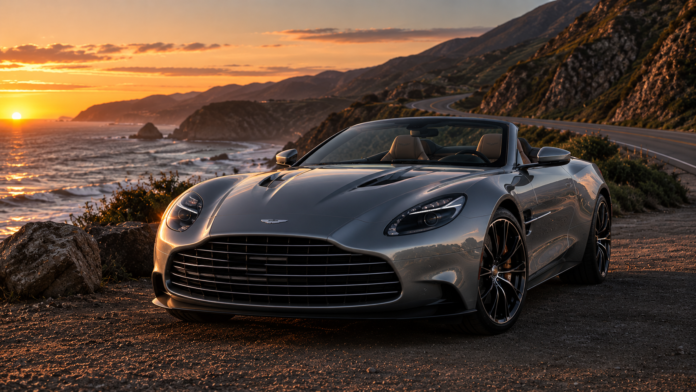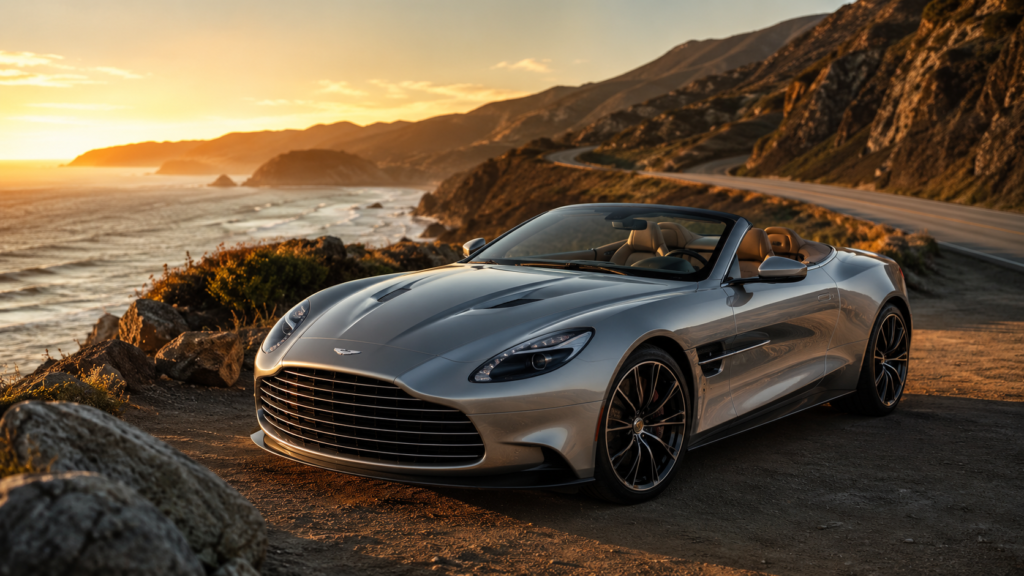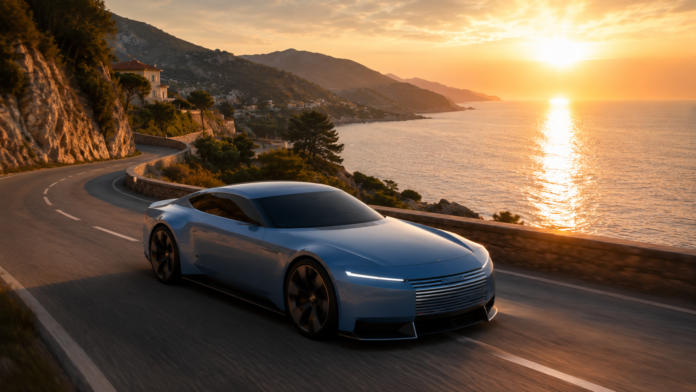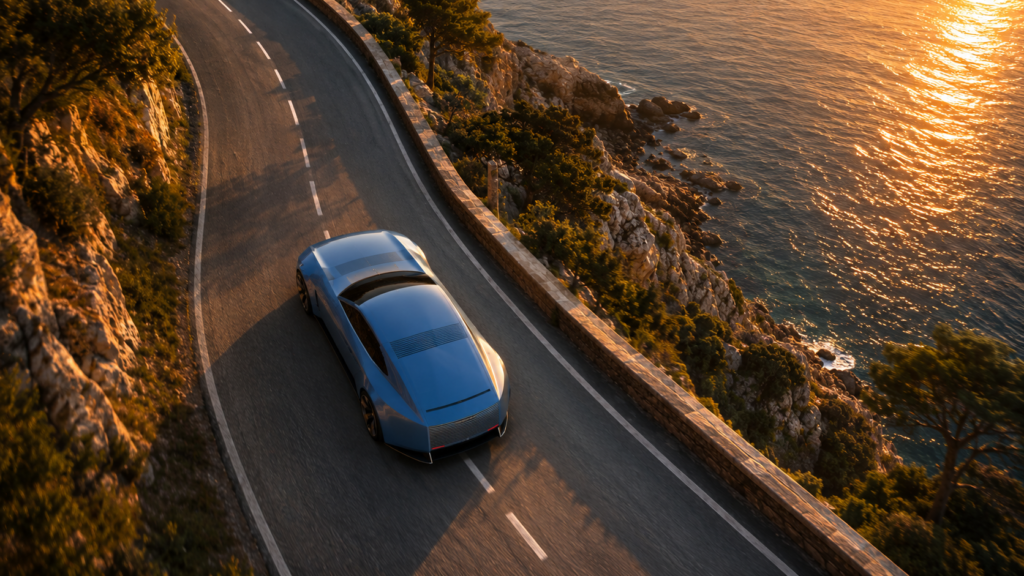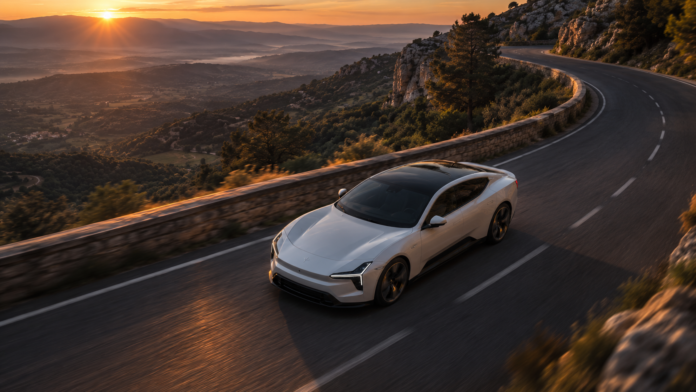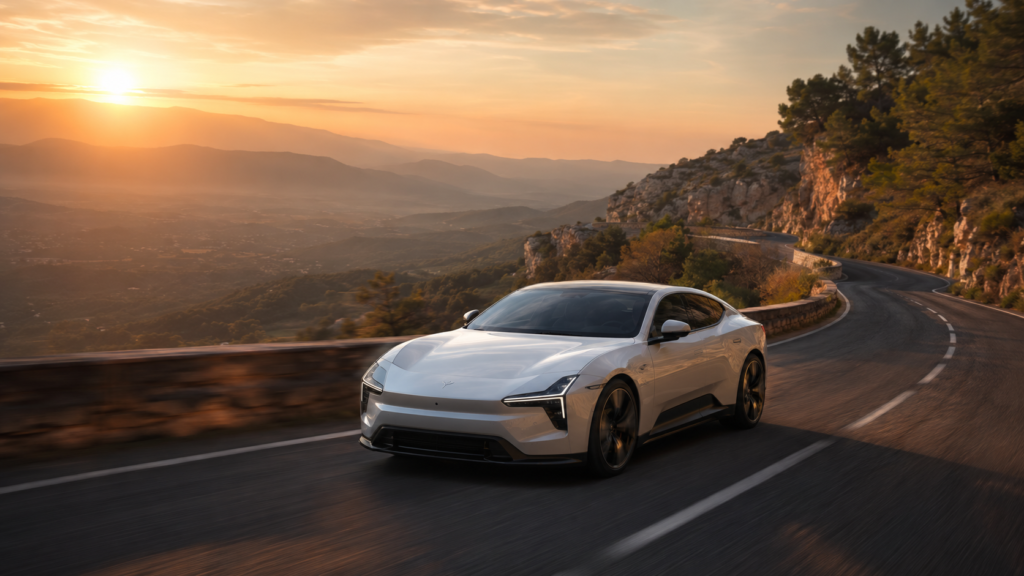
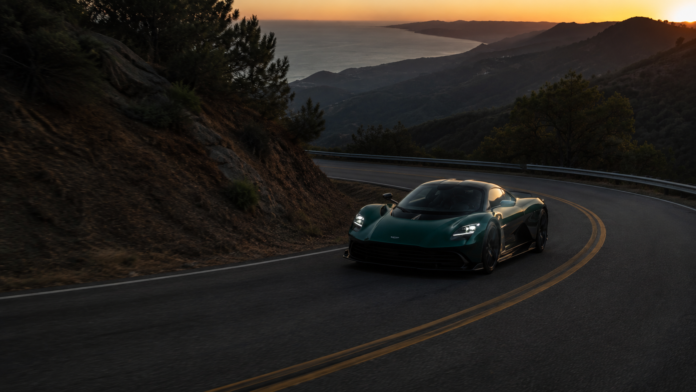
The sun is setting over the Santa Monica Mountains as a low, wide silhouette cuts through the curves of Mulholland Drive. The air is cool, and the scent of sage and dust drifts through the cabin of a car that has been seven years in the making. This is the Aston Martin Valhalla, the brand’s first series production mid-engine supercar, and it is finally here.
The Valhalla has been a long time coming. Conceived as Aston Martin’s answer to the hybrid supercar era, it arrives after a development process that saw the brand transform its entire approach to performance engineering. But the wait appears to have been worth it. The Valhalla is a car that combines a 1,079-horsepower plug-in hybrid powertrain with active aerodynamics and a carbon fiber chassis to deliver a driving experience that is as rewarding on the road as it is on the track.
The Powertrain: A V8 Hybrid for the Ages
The heart of the Valhalla is a 4.0-liter twin-turbo V8 engine, developed in partnership with Mercedes-AMG but bespoke to Aston Martin. The engine features a flat-plane crank, hot-V configuration, and dry-sump lubrication, producing 828 horsepower on its own. This is the highest specific output ever achieved by an Aston Martin engine.
Three electric motors complement the V8. Two motors are mounted on the front axle, providing torque vectoring and all-wheel drive capability. A third motor is integrated into the eight-speed dual-clutch transmission, delivering power to the rear wheels. The total system output is 1,079 PS (1,064 horsepower) and 1,100 Nm of torque.
The performance figures are staggering. The Valhalla accelerates from 0 to 62 mph in 2.5 seconds and reaches an electronically limited top speed of 217 mph. It can travel up to 9 miles on electric power alone, with a top speed of 80 mph in EV mode, making it Aston Martin’s first plug-in hybrid with dedicated electric range capability. The battery is liquid-cooled and mounted low in the chassis for optimal weight distribution.
The Chassis: Carbon Fiber and Active Aero
The Valhalla is built around a bespoke carbon fiber tub developed in partnership with the Aston Martin F1 team. The structure combines a resin transfer molded lower section with a pre-preg upper section, with aluminum subframes at the front and rear.
The suspension features inboard front suspension with pushrod actuated dampers, a configuration derived from Formula 1. The rear suspension is a multi-link setup. The car rides on 20-inch front and 21-inch rear wheels wrapped in bespoke Michelin tires.
The aerodynamic package is among the most sophisticated ever fitted to a production car. An active front wing, hidden behind the grille, and an active rear wing work in concert to generate more than 600 kilograms of downforce at 150 mph in Race mode. The system can react in 0.5 seconds, adjusting the wing positions to balance downforce and drag. The rear wing also functions as an air brake under heavy braking.
The Interior: Driver-Focused Minimalism
The cabin of the Valhalla is minimalist and driver-focused. The fixed carbon fiber seats are comfortable and supportive, with a low driving position inspired by Le Mans prototypes. The steering wheel is excellent, neatly signaling the car’s motorsport credentials.
The interior features two screens: a column-mounted driver display and a central infotainment touchscreen. The system includes Apple CarPlay and connected car features. The interior is dominated by exposed carbon fiber, which looks technical and purposeful.
The dramatic doors provide easy ingress to the cabin, and headroom is surprisingly good, even with a helmet on. The cabin also features a digital rearview mirror, as there is no rear window.
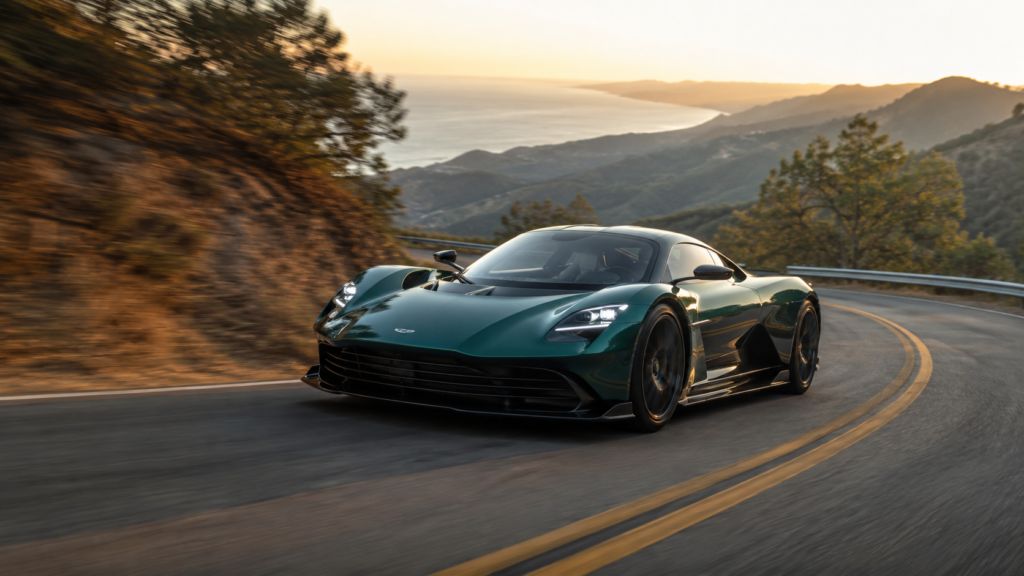
The Mulholland Evening
The Valhalla has completed its drive along Mulholland. Its V8 hybrid powertrain has delivered the 1,064 horsepower that makes it the most powerful series production Aston Martin ever built. The active aerodynamics and carbon fiber chassis have kept it planted through the curves. The driver, cocooned in the minimalist cabin, has experienced a level of performance that was previously the domain of hypercars.
The Valhalla is not a car for everyone. It is limited to 999 units. But it represents a significant moment in Aston Martin’s history. It is the brand’s first mid-engine series production supercar, and it proves that Aston Martin can compete with the best from Italy and Germany.
The Valhalla is not just a car. It is a statement. It is a reminder that even in an era of electrification, Aston Martin remains committed to the pure, unfiltered joy of driving. The hybrid supercar has arrived. And it has been worth the wait.