
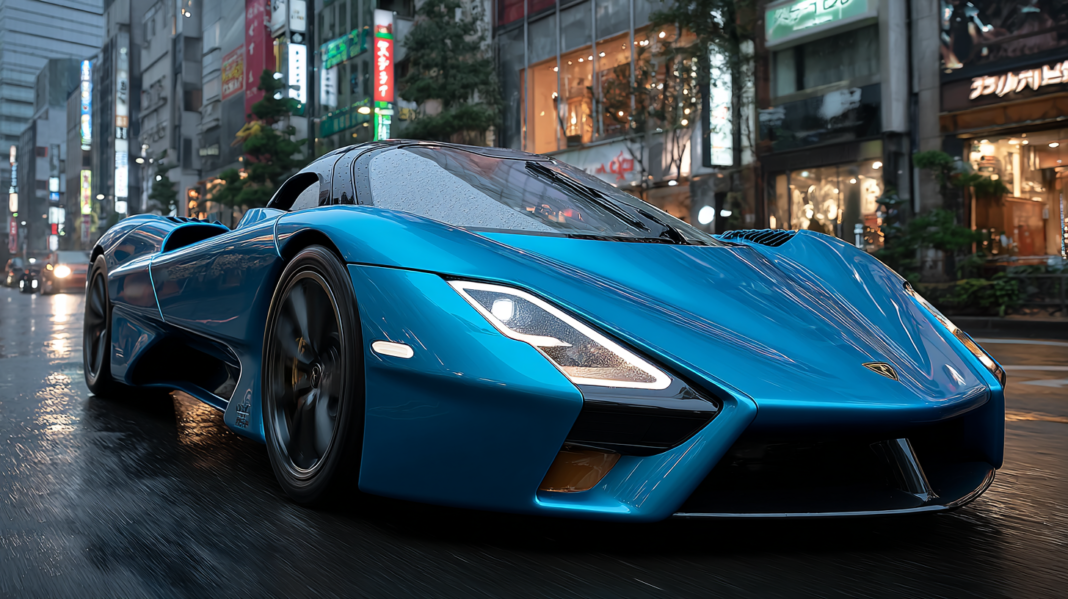
The hypercar segment has long been defined by European manufacturers. Italy, Germany, and the United Kingdom have produced the benchmarks for extreme performance for decades, with names like Ferrari, Lamborghini, and McLaren setting the standard for what a road legal performance machine can achieve. But in recent years, a new front has opened in the hypercar arms race, and it is being fought on American soil.
SSC North America, formerly known as Shelby SuperCars, has been a participant in this race since its founding. The company’s Ultimate Aero held the production car speed record from 2007 to 2010, a claim that established SSC as a legitimate contender. The Tuatara, introduced in 2020, represented the next step in the company’s evolution, with a top speed claim of 316 miles per hour that sparked debate and controversy within the automotive community.
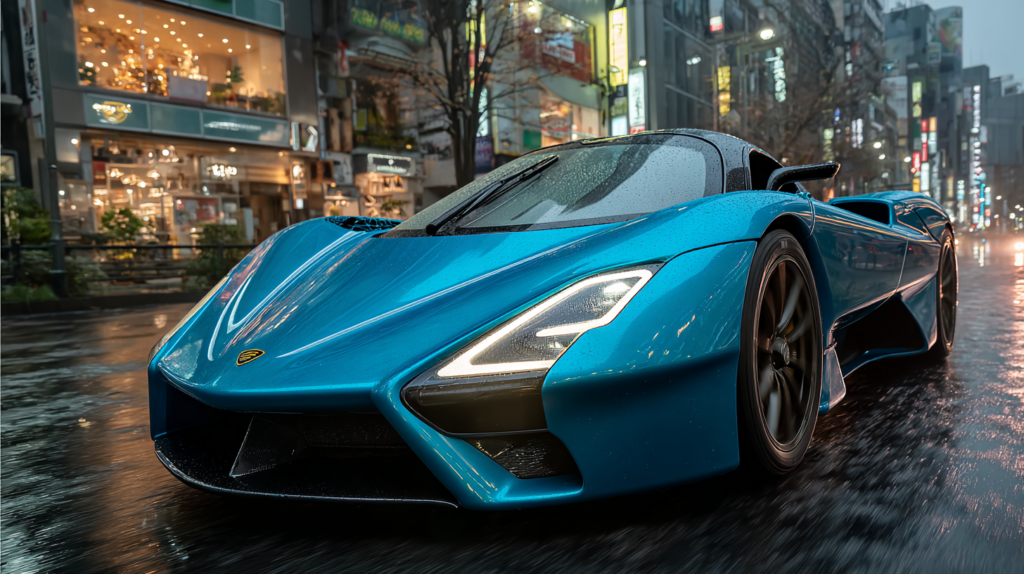
The Tuatara Striker, unveiled in 2024, represents a new direction for SSC. Rather than focusing solely on top speed records, the Striker is engineered for track performance, with aggressive aerodynamics, a stripped interior, and a chassis tuned for cornering grip. It is a car designed to compete not on salt flats but on road courses, a machine that prioritizes driver engagement over outright velocity.
This article provides a detailed examination of the SSC Tuatara Striker, its performance specifications, design philosophy, and what makes this American hypercar stand out in the competitive landscape of 2026.
The SSC Story: From Washington to the World
SSC North America was founded in 1999 by Jerod Shelby, a mechanical engineer with a singular ambition: to build the fastest production car in the world. The company’s first model, the Ultimate Aero, achieved that goal in 2007 when it recorded a top speed of 256 miles per hour, surpassing the Bugatti Veyron. The record stood for three years, establishing SSC as a serious player in the hypercar segment.
The Tuatara, named for a New Zealand reptile known for its evolutionary distinctiveness, was a decade in development. Introduced in 2020, it featured a 5.9 liter twin turbocharged V8 engine, a carbon fiber monocoque, and a top speed claim of 316 miles per hour. The car’s production was limited to 100 units, and it represented the culmination of everything SSC had learned in its first two decades.
The Striker variant, announced in 2024, represents a shift in philosophy. While the standard Tuatara was designed primarily for top speed runs, the Striker is engineered for track use. It retains the core architecture of the Tuatara but adds aerodynamic elements, suspension revisions, and interior changes that prioritize lap times over straight line velocity.
Powertrain: The Heart of the Striker
Engine Architecture
The Tuatara Striker is powered by the same 5.9 liter twin turbocharged V8 engine that underpins the standard Tuatara. This engine, designed and built by SSC in partnership with Nelson Racing Engines, is a flat plane crank V8 with a compact, lightweight construction. The engine features a bespoke aluminum block and cylinder heads, forged internals, and a dry sump lubrication system that allows it to withstand sustained high speed running.
The twin turbochargers are mounted in a configuration that minimizes lag while providing the airflow necessary for the engine’s extraordinary output. The intercooling system uses a water to air setup that maintains consistent intake temperatures even under the demands of track driving.
Power Output
In the Striker, the engine produces 1,600 horsepower when running on premium pump gasoline. This represents a reduction from the standard Tuatara’s 1,750 horsepower output, a deliberate choice that reflects the Striker’s focus on reliability and sustained performance over peak power. The torque output is rated at 1,300 lb ft, delivered across a broad power band that makes the car tractable on track.
The engine’s power delivery is linear and predictable, with boost building progressively rather than arriving in an abrupt surge. This characteristic allows the driver to modulate throttle input precisely, managing traction on corner exit without the need for intrusive electronic intervention.
Transmission and Drivetrain
Power is transmitted to the rear wheels through a seven speed single clutch automated manual transmission developed in partnership with CIMA, a specialist in high performance gearboxes. This transmission is designed to handle the engine’s torque while providing rapid, consistent shifts. The gear ratios are optimized for track use, with closer spacing than the standard Tuatara’s ratios to keep the engine in its power band during cornering.
The transmission features three shift modes. In Track mode, shifts are executed at the maximum possible speed, with the clutch engagement calibrated for aggressive power delivery. In Sport mode, shifts are slightly slower but smoother, suitable for road use. In Manual mode, the driver controls shift timing using the steering wheel mounted paddles, with the transmission holding the selected gear until the driver commands a change.
The Striker retains the standard Tuatara’s rear wheel drive configuration, a choice that prioritizes driver engagement and weight reduction over all wheel drive traction. The limited slip differential is calibrated to provide predictable power delivery on corner exit, with the ability to manage torque distribution between the rear wheels to maximize grip.
Chassis and Structure
Carbon Fiber Monocoque
The Striker is built around the same carbon fiber monocoque that underpins the standard Tuatara. This structure, manufactured in Italy by a supplier with extensive Formula One experience, provides exceptional torsional rigidity while keeping weight to a minimum. The monocoque weighs approximately 100 kilograms and offers a level of stiffness that allows the suspension to do its work without being compromised by chassis flex.
The carbon fiber construction extends to the body panels, which are formed from the same material to minimize weight. The Striker’s dry weight is listed at approximately 2,750 pounds, a remarkable figure for a car with a 1,600 horsepower engine and the structural reinforcements required for its performance capabilities.
Suspension System
The Striker features a double wishbone suspension at all four corners, with components machined from aluminum and carbon fiber to reduce unsprung mass. The suspension is adjustable, allowing the driver to fine tune the car’s behavior to suit different tracks and conditions.
The system includes adjustable ride height, spring rates, and damper settings, with the ability to store multiple configurations for different circuits. The dampers are supplied by a motorsport specialist and feature a remote reservoir that allows for consistent performance even under sustained track use.
The suspension geometry is revised from the standard Tuatara, with increased negative camber that improves grip during cornering. The track width is also increased, with wider wheel arches accommodating larger tires and providing a more planted stance.
Aerodynamics
The Striker’s aerodynamic package is the most significant departure from the standard Tuatara. Where the standard car features a sleek, low drag body optimized for top speed runs, the Striker adds elements that generate substantial downforce at the expense of some top end velocity.
The most prominent addition is the large fixed rear wing, which replaces the active wing of the standard car. This wing is mounted on two carbon fiber struts and is adjustable, allowing the driver to tailor the downforce balance to suit different tracks and conditions. The wing generates up to 1,000 pounds of downforce at high speeds, pressing the car into the pavement for maximum cornering grip.
The front fascia is also revised, with larger air intakes and a more pronounced splitter that directs airflow under the car. The front wheel arches incorporate vents that reduce pressure buildup in the wheel wells, improving stability and reducing lift. The rear diffuser is more aggressive than the standard car’s, accelerating airflow beneath the vehicle to generate additional downforce.
The combined aerodynamic package generates over 2,500 pounds of downforce at the car’s top speed of 260 miles per hour, a figure that significantly exceeds the standard Tuatara’s downforce capability.
Braking System
The Striker is equipped with a carbon ceramic braking system designed for sustained track use. The front discs measure 400 millimeters in diameter and are clamped by six piston calipers, while the rear discs measure 380 millimeters with four piston calipers. The system includes cooling ducts that direct air to the brakes, managing temperatures during extended sessions.
The brake pedal feel is consistent and progressive, with a hydraulic system that provides direct feedback to the driver. The anti lock braking system is calibrated for track use, allowing the driver to brake deep into corners without the system intervening prematurely.
Wheels and Tires
The Striker rides on forged aluminum wheels sized 19 inches at the front and 20 inches at the rear. The wheels are wrapped in specially developed Michelin Pilot Sport Cup 2R tires that are designed for maximum grip on track surfaces. The tire compound is soft, providing exceptional adhesion at the expense of tread life, and the tire construction is optimized for the car’s weight and power.
Interior and Driver Experience
Stripped Back Cockpit
The interior of the Striker is significantly revised from the standard Tuatara, with a focus on weight reduction and driver engagement. The seats are carbon fiber racing buckets with minimal padding, upholstered in Alcantara to provide grip during cornering. The seats are fixed in position, with the pedal box adjustable to accommodate drivers of different sizes.
The dashboard is minimalist, with a digital instrument cluster that displays essential information such as speed, rpm, gear position, and lap times. The cluster can be configured to show data from the car’s telemetry system, including sector times, lateral acceleration, and brake pressure.
The steering wheel is a flat bottom unit with integrated controls for the car’s systems. The wheel features a quick release mechanism that facilitates entry and exit, and it is wrapped in Alcantara for grip. The shift paddles are mounted on the steering column, ensuring they remain in the same position regardless of steering angle.
Driver Controls
The driver interacts with the car through a series of controls designed for use on track. The traction control and stability control systems are adjustable, with settings ranging from full intervention to completely disabled. The system includes a rain mode that calibrates the intervention levels for wet conditions, providing a safety net for track days in variable weather.
A lap timer is integrated into the instrument cluster, with the ability to record sector times and display them in real time. The data acquisition system can log information such as speed, rpm, throttle position, brake pressure, and lateral acceleration, allowing drivers to analyze their performance after each session.
Weight Reduction
The Striker’s interior reflects a commitment to weight reduction. The air conditioning system is retained, but it is a simplified version designed to provide cooling without adding unnecessary weight. The audio system is deleted entirely, as is the sound deadening material found in the standard car. The door panels are carbon fiber with simple fabric pulls replacing the standard electric window switches.
The total effect is a cabin that feels purposeful and focused. There is no pretense of luxury; every element is chosen for its contribution to performance or driver engagement.
Performance Capabilities
Acceleration
The Tuatara Striker accelerates from 0 to 60 miles per hour in approximately 2.5 seconds. The 0 to 100 miles per hour sprint takes about 4.5 seconds, and 0 to 200 requires approximately 12 seconds. These figures place the Striker among the quickest accelerating production vehicles available.
The launch control system is calibrated for consistent performance, with the ability to manage wheelspin across varying track surfaces. The system uses data from the car’s sensors to adjust power delivery in real time, ensuring that each launch is as effective as the last.
Cornering
The Striker’s cornering capability is its defining performance attribute. The combination of the aerodynamic downforce, the stiffened suspension, and the wide tires allows the car to generate lateral grip exceeding 1.5 g under ideal conditions. This level of grip allows the Striker to carry significant speed through corners, rewarding drivers who maintain momentum rather than relying on power to make up time.
The car’s handling is neutral and predictable, with a slight tendency toward understeer at the limit that builds driver confidence. Trail braking into corners can rotate the car, and power application on exit is smooth and progressive. The rear wheel drive configuration requires the driver to manage throttle input carefully, but the linear power delivery and responsive chassis make this task manageable for skilled drivers.
Top Speed
The Striker’s top speed is rated at 260 miles per hour, a reduction from the standard Tuatara’s 316 mile per hour claim. This reduction is a deliberate trade off, with the added downforce of the wing and splitter generating drag that limits the ultimate speed. For track use, this compromise is acceptable; few circuits have straightaways long enough to exceed 200 miles per hour.
Braking
The carbon ceramic braking system provides stopping power that matches the car’s cornering capability. The Striker can brake from 100 miles per hour to a stop in under 100 meters, with consistent pedal feel and no fade even after repeated hard stops. The system’s thermal capacity allows for extended track sessions without the brakes losing effectiveness.
What Makes the Striker Stand Out in 2026
American Engineering
The Tuatara Striker is one of the few hypercars designed, engineered, and assembled entirely in the United States. Its engine is developed in partnership with a California based racing specialist, its chassis is manufactured in Italy but assembled in Washington, and its final assembly takes place at SSC’s facility in Richland. For buyers who value domestic engineering and manufacturing, this is a significant distinction.
The car demonstrates that American engineering can compete at the highest level of the hypercar segment. The 1,600 horsepower output, the 260 mile per hour top speed, the 1.5 g cornering capability these figures place the Striker alongside the best from Europe.
Track Focus
The Striker is one of the few hypercars designed specifically for track use. The adjustable aerodynamics, the stiffened suspension, the stripped interior all of these elements are chosen to maximize lap times rather than comfort or convenience. For drivers who plan to use their car on track, this focus is valuable. The Striker is a tool designed for a specific purpose, and it delivers on that purpose without compromise.
The Engine Character
The 5.9 liter twin turbocharged V8 has a character distinct from the V12s and W16s that dominate the hypercar segment. The flat plane crank configuration allows the engine to rev quickly and produce a high frequency exhaust note that sets it apart from cross plane V8s. The engine’s responsiveness, its linear power delivery, and its willingness to rev to its 8,800 rpm redline make it a rewarding partner on track.
Exclusivity
The Striker is a limited production model, with only 10 units planned for global production. This rarity ensures that the car will remain a collector’s item, and the track focused configuration distinguishes it from the standard Tuatara. The allocation of these 10 cars was managed carefully, with priority given to existing SSC customers and collectors who have supported the brand.
The Pursuit of a Different Goal
The Striker represents a shift in philosophy for SSC. Rather than chasing the top speed record that defined the company’s early years, the Striker pursues a different goal: track performance, driver engagement, and the satisfaction of a well executed lap. This evolution reflects the maturity of the hypercar segment and the changing priorities of its buyers.
Production and Availability
Manufacturing Location
The Tuatara Striker is assembled at SSC’s facility in Richland, Washington. This facility has been expanded to accommodate the production of the Striker and its variants, with dedicated assembly areas for the carbon fiber chassis, the engine, and the final assembly. Each car is built to customer specification, with a team of technicians overseeing the process from start to finish.
Production Timeline
Production of the Striker began in 2025, with the first customer deliveries occurring in early 2026. The production run of 10 units is being completed throughout the year, with each car built to the specifications of its owner.
Pricing
The Tuatara Striker carries a starting price of approximately $3.0 million, placing it in the upper tier of hypercar pricing. This figure reflects the car’s exclusivity, its engineering complexity, and its performance capabilities. The limited production run and the track focused configuration contribute to the car’s value proposition.
Conclusion
The SSC Tuatara Striker represents a significant achievement for American automotive engineering. It is a track focused hypercar that combines a 1,600 horsepower twin turbocharged V8 engine with a lightweight carbon fiber chassis, aggressive aerodynamics, and suspension tuned for circuit performance. It is designed to reward skilled drivers on demanding tracks, delivering lap times that compete with the best from Europe.
Yet the Striker is not defined solely by its specifications. It is defined by the evolution it represents: a shift from chasing top speed records to pursuing track performance, from straight line dominance to cornering capability, from raw numbers to driver engagement. It is a car that acknowledges the changing priorities of the hypercar segment while remaining true to the engineering ambition that defined SSC from its founding.
For the 10 buyers who will acquire a Striker, it offers something beyond performance. It offers the knowledge that their car was designed and built in the United States, by people who share their passion for speed and engineering excellence. It offers the opportunity to be part of a story that continues to unfold, a story of American innovation and ambition in the rarefied world of hypercars.
In 2026, as the automotive industry continues its transition toward electrification and hybridization, the Striker stands as a celebration of what internal combustion can still achieve. It is a car that prioritizes driver engagement, that rewards skill and commitment, and that delivers the kind of raw, unfiltered experience that enthusiasts value. It is a Texas born, Washington built machine, and it deserves its place among the world’s most extraordinary hypercars.

